











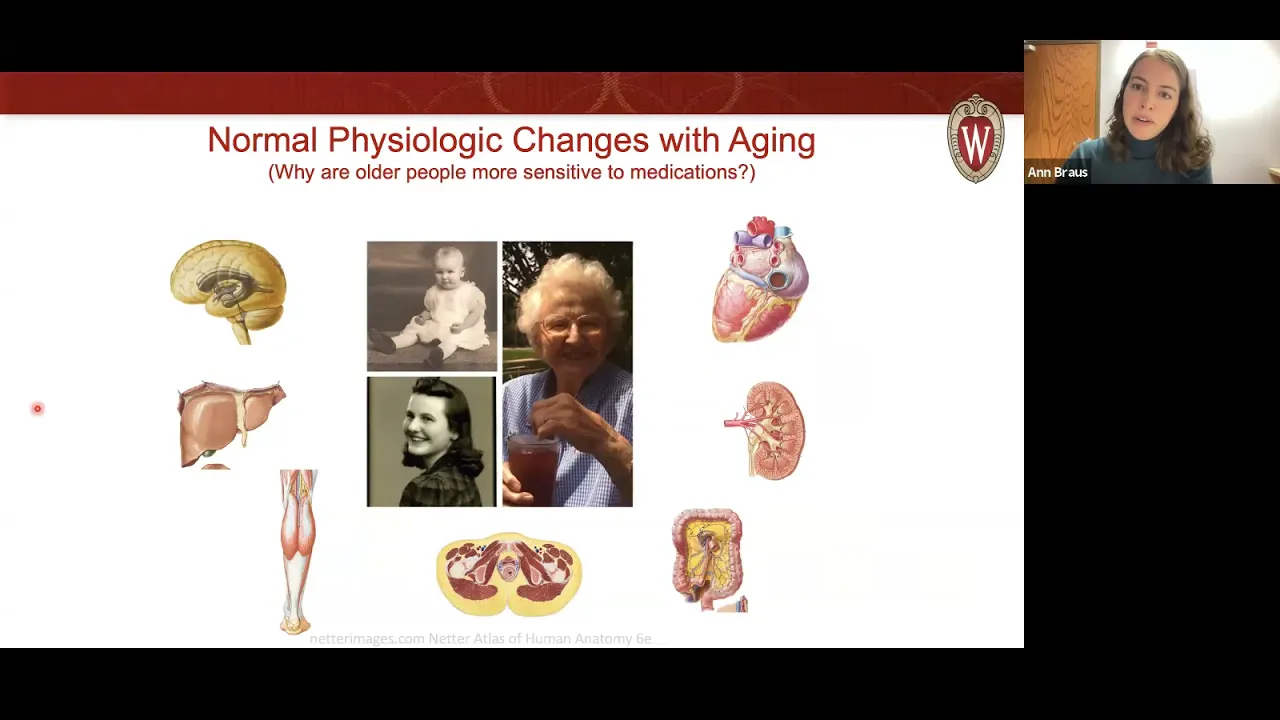



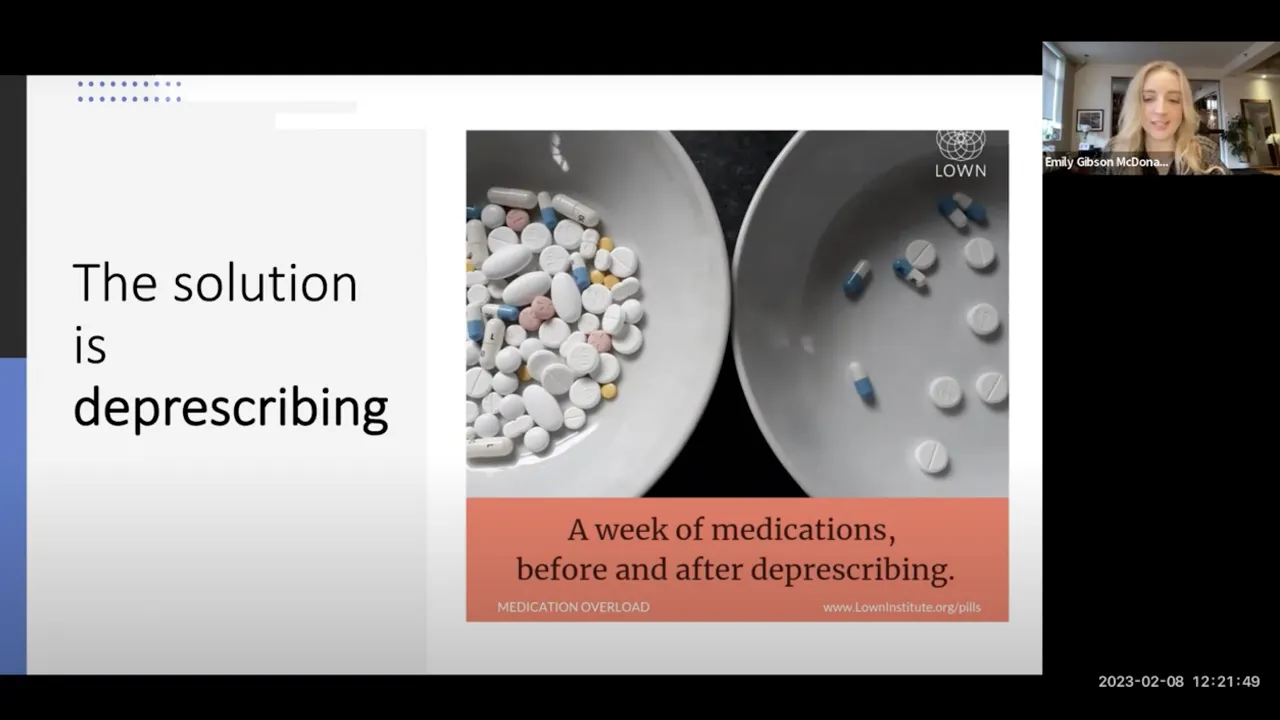


Deprescribing is a proactive clinical process of medication withdrawal with provisions to restart if needed, supervised by healthcare professionals, aimed at managing polypharmacy and improving outcomes in older adults who are at greater risk of potentially inappropriate prescribing due to multiple comorbidities, different medicine handling, limited psychological reserve, and increased adverse drug reaction risk; the process involves three key steps: obtaining comprehensive patient information about current medications and their impact, identifying drugs that can be deprescribed (those without indication, causing harm, or where benefits no longer outweigh risks), and planning a gradual withdrawal strategy with ongoing communication and monitoring to prevent adverse drug withholding events.
Deprescribing in Older Adults | Geriatric Pharmacotherapy [SIMCON 2023]
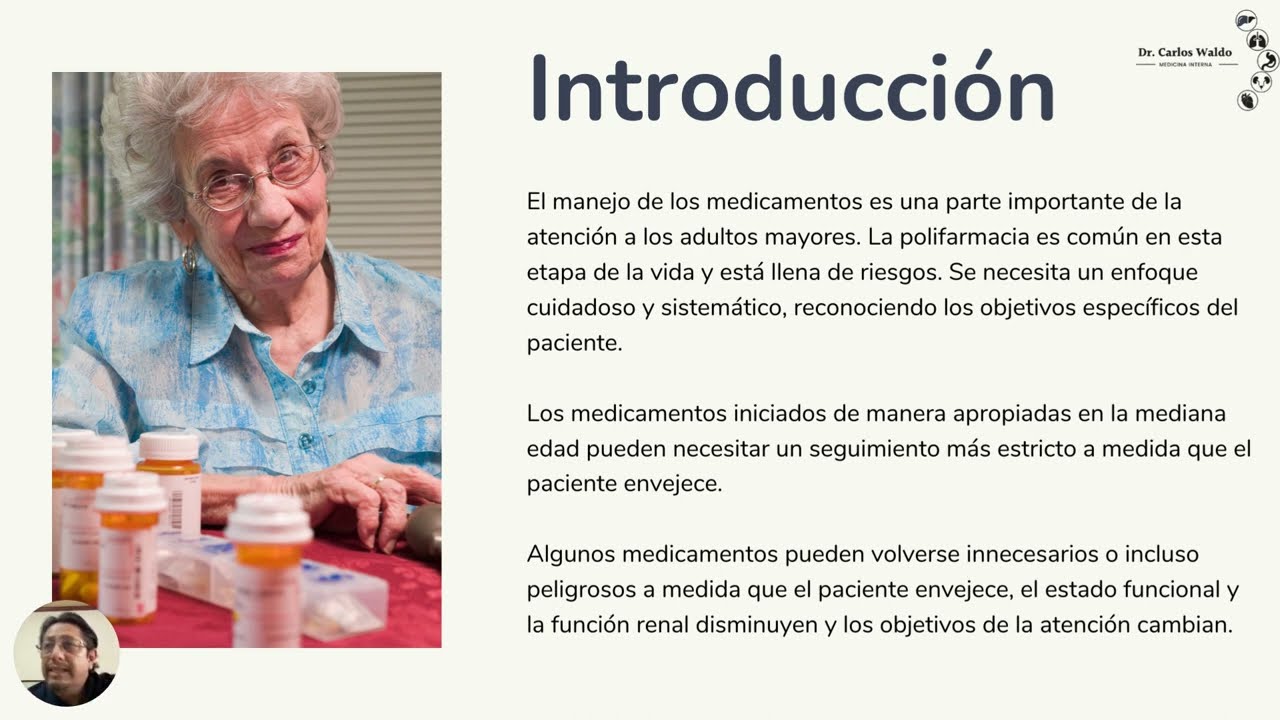
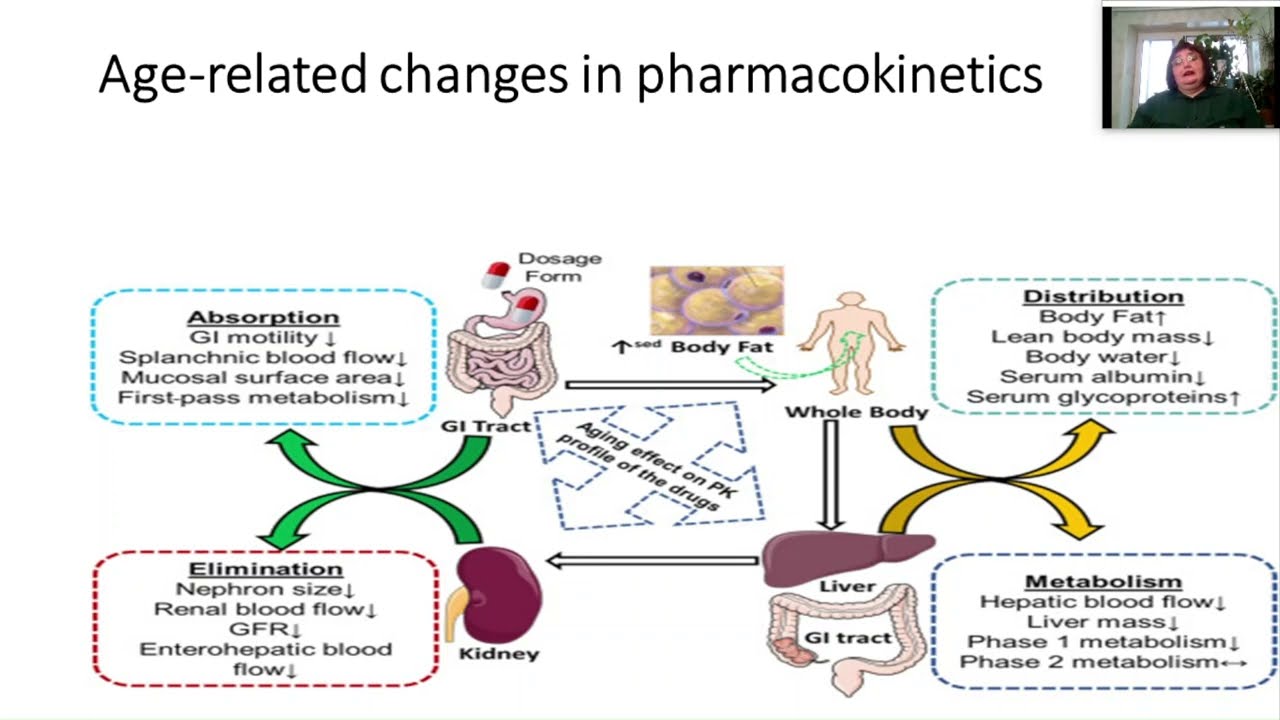
Added:next lecture would be a guest lecture on pres deprescribing in older adults may I now cord invite the chair person Professor shamila Manda and Professor E gajabahu to introduce the speaker thank you good afternoon I am uh Dr B specialist in indial medicine I not a professor by mistake anyway my coach here is professor shamila metan and today our lecture is deep prescribing in all the adults is a important topic and I will ask request my coacher to invite the speaker thank you Bahu uh so today the guest lecture is on De prescribing in Old adults which is a very very important topic for especially Sri Lanka we see like our population is aging and we see a lot of poly Pharmacy among aging population and our speak speaker today is professor chandani vaniga she does not need any introduction uh she's the best person to talk about deprescribing uh she's the chair professor of uh pharmacology at the uh University of Sri jadur um without further Ado uh I would like to invite uh Professor van to uh deliver her lecture uh thank you very much chamila for that introduction uh thank you very much for the president and the Council of the SL SIM for this uh sing it's always a pleasure to be with Physicians and again one of my associations and colleges as well so without Much Ado let me introduce you to a patient that I met at the start of my career an 82y Old Gentleman m a who is a diabetic with a reasonable blood glucose control quite independent with his ADLs he has suddenly developed a leg guler for which he had sought treatment so he went to the doctor and said that I've got some pain in my legs and I'm also finding it difficult to sleep because of the pain so the doctor who saw him cleaned his wound prescribed Co amoxy clav C coxib and clobazam and said anyway just go and see a surgeon so he saw the surgeon who also cleaned his wound continued the co amoxy laab replaced celox with paracetamol and added daam and carip pine because he's finding it difficult to sleep and has some leg pain I saw him 4 days later he was wheed in by his son drowsy unable to walk there was some slurring of his speech uh so when I saw him he was very Rousy but rousable and when you could Rouse him he was very coher he answered my questions well there was some slurring of his speech but his neurological examination was normal so looking at the medicines he was at that point of time on kooxy lab paracetamol daaam carbamazapine and clobazam and of course metformine for his um diabetes I didn't know really what to do but they just stop these three because I knew that all three of them could cause him to be sleepy and one week later when I got him down for my review he came walking of course with some aid but he was fine back to where he was wound was healing he was alert could manage his normal work he was one of my gamechanging patients or lifechanging patients and that got me into looking at De prescribing in older adults so being a pharmacologist I love de prescribing more than prescribing I've been asked to talk about the prescribing in older Els and over the next 15 minutes I'll take you through to what de prescribing is and why do we really need to look at De prescribing for older adults it's good for everybody to you know think about de prescribing but why specifically in older adults and how should we set about de prescribing in any patient and in particular the older adults so if you look at prescribing which is what all of us do and that's what we are really trained to do we look at the best available evidence use our clinical judgment and consider the patient circumstances values and preferences and decide on what to give as sakat said in 1996 combining them together getting the right mix is actually what is meant by evidence-based medicine now when I was starting my post-graduate career evidence-based medicine was looking at guidelines and prescribing I used to ignore these other two things until I really read his article uh and where he says that it's about integrating individual clinical experience and the best external evidence so it's bringing all three together if that's prescribing what is deprescribing so deprescribing is a process it's not a single step it's a process of medication withdrawal with Provisions to restart if something goes wrong supervised by a prescriber or a healthc care professional with a goal of managing poly Pharmacy and improving outcomes so that fits to any of our patients what is different from what I did with Mr a and with de prescribing is D prescribing is proactive what I did with Mr a was a reactive thing he came with a problem I stopped his medicines and he improved fortunately improveed decribing is proactive you look at it beforehand and try to identify the possible issues and then you try and prevent it so I'll put to you that deprescribing also involves looking at the best available evidence patient circumstances values and preferences and clinical Judgment of the prescriber now when you apply this to older adults your best available evidence now becomes less because when you look at most of the clinical evidence that we have they have come from patient populations which have really not included these older adults in their studies patients preferences and values have also changed as a young person you would want to have a life which is free of complications free of any other problems your whole life is ahead of you you have responsibilities and obligations but as you grow older you want to be comfortable and maybe live peacefully without a lot of drama clinical Judgment of the prescriber therefore becomes extremely important because balancing this needs a lot of attention older adults are at a greater risk of what we term as potentially inappropriate prescribing they have a lot of diseases they take a lot of medicines their systems are different from young people so therefore the medicine handling and how the medicines work in their body will change they have limited psychological Reserve limited finances so increased health Healthcare cost can be a problem they are at increased risk of adrs unlike the younger people and all these together might actually decrease their quality of life so why should we deprescribe then in this older population we can reduce the pill burden and that's a huge issue if you see any older people because of their multiple comorbidities they come with a lot of medicines some of them needed some of them not really necessary it is expensive and in today's context if people are to buy their medicines outside particularly in Sri Lanka that's going to cause a huge burden on the family so it will reduce the health care cost and when you have more drugs obviously you have more side effects and more chance of interactions we'll reduce those as well people go to various prescribers and the care is fragmented so de prescribing May reduce the effects of multiple prescribers and I think that is where the internist can play a very crucial role because the person can look at the patient as a whole not in isolation with their diseases or one single problem and then ask ask himself or herself whether it's really necessary to get all these medicines yes he has five diseases 10 guidelines telling them different goals but for this particular patient is that what is needed when the complexities are reduced it would May improve medication adherance as well you would tell me then that is the same for anybody and I'll agree but when you look at old adults there are certain other factors that come in it will reduce the risk of Falls because old adults are at a greater risk of having Falls it will improve or preserve their cognitive function some drugs can worsen them they some of them are also frail and demented and those are two factors that may increase the medication related harm and of course shift your management goals there's also a change in life expectancy consider a person who was active in his 40s who developed just atrial non Valu atrial fibrillation and was given wering sometime later to reduce a risk of Strokes all that's fine consider him in his 80s falling most of the time bed bound risk of bleeding and now the risk benefit balance changes he doesn't want to get bedbound with a bleed so the life expectancy of the management goals change in Old adults and therefore it is important for us then to look at whether the medicines need to change or even stopped why here in Sri Lanka that's our demography 7% in 2000 were over 65 today today at 2023 it's nearly 12% halfway into the century it'll be doubling and then when it comes to the end of this Century we will have nearly 50% of our people above the age of 65 years as of now most of our adults are increasingly living alone maybe with another older spouse with lot of disabilities and in the community so that's a population we are looking at if you look at them they have multiple comorbidities on multiple diseases and in a study that we did where we looked at 468 patients so 468 prescriptions one per PA we found that 97.4% of these prescriptions had at least one or more potentially inappropriate prescription which was either an inappropriate medicine or something that should be given but not given so a potentially inappropriate prescription Omission that's a problem so how then do we describe we deprescribe three important steps we need to obtain all the available information that we can from our patients what are they actually taking they might be having five prescriptions but they might not be taking half of the medicines that we have given do they have any problems with these medicin are they experiencing side effects and what are their perception about it will it stop them from taking the essential medicines that can improve the outcomes do we have do they have any issues with adherance taking for example an inhaler can they coordinate and improve and take the medicine do you need something else to facilitate that process are there any risks to medication induced Harms in these patients like Frailty Falls dementia making complex prescrip describing regimes difficult and comorbidities and more importantly how do these medicines fit into their expectations preference and Lifestyles we might want them to have a good glycemic control but for that person in her 80s it might be better for her to have a cup of tea with a little bit of sugar and enjoy the rest of her life as opposed to tight glucose control we need to identify drugs that can be potentially de prescribed that's a second step where there is no indication or benefit that's easy if drugs are causing actual harm or Adverse Events that's also easy if drugs are at higher risk for causing problems in older adults or if there are potentially inappropriate medicines importantly if they have been started due to a prescribing Cascade where you give a drug to control a problem another drug to control another side effect and so on preventive indication is irrelevant because of the limited life expectancy or medicines where people themselves have stopped for various reasons and are okay without them which tells us in other words that really these medicines may not necessarily be needed so when you look at the commonly prescribed medicines to be prescribe in older adults there are lots of lisks but benzos ppis long-term use of bisphosphonates antic cytic and anticholinergics all these lists so if your patient is on any one of them may be worth looking at it again there are many aids to identify what to Des deprescribe they will help definitely but I would put to you that nothing is better than the clinical judgment and that is when our brains should work you need to look at the benefits look at the risks are there Alternatives is there nothing that you can do or do you have to do anything at all the third process the third step in deprescribing is that it needs to be planned you need to identify what has to be prescribed how to deprescribe what is the order the one that causes most problems if it is not relevant might be the one to come down soon we need to actively involve our healthc care providers their patients and caregivers and ensure that there is ongoing communication so that you revisit any issue that crops up it is important for us as prescribers to remember that deprescribing is a child you might have to go back start the drug again and then think of repres cribbing as you go on one slide about adverse drug withholding events which can have a huge negative impact on the deprescribing process you stop a drug totally rational done everything properly but the patient ends up with either the disease coming back or a problem that's going to cause a problem now in the confidence of that patient to not take that medicine so tapering the doses close monitoring are things that we can use to avoid these adverse drug withholding events there are a couple of issues when we look at deprescribing we fear that the condition can get worse and that is a rational reason to worry about there's evidence to suggest that the prescribing in older adults can be safe without any unted harms of course the evidence is not so robust as the evidence that we have to prescribe but this evidence is coming as well practically one of the biggest problems any one of us will encounter is deprescribing what somebody else has prescribed because you don't know really what has happened what has gone into that thought process our medical culture is geared for us to prescribe not really to deprescribe and that is Central to our professional identity of doing something clinical inertia it's much easier to just Cruise along Without Really upsetting the card and of course deprescribing is a complex time consuming process and that's one of the biggest problems we have patients of course have their own perceptions as to why they are taking medicines and you suddenly tell them okay I don't want your blood sugar to be highly tightly controlled I'm all right for you to you know enjoy your life a little bit or this dog is not really needed for you and they have their own fears we need to address those as well they might perceive the prescribing as giving up on them whereas it is actually optimizing care when can we deprescribe you can do it at any time when they come into the hospital with an acute problem in the clinic especially at pation when they are nearing their end end of life of course therefore any time is a good time de prescribing is can be derailed very easily adverse drug withholding events or adverse drug withholding reactions which are much more complex than these events can easily deprescribe the process that you have started and derail it however if you Empower your patients and their caregivers telling them what to expect if you stop and with very good communication with the people involved you will be able to bring it back on track so ladies and genten gentlemen uh to sum up I said there are three steps so if you're de prescribing in older adults it is a proactive clinical process it's a clinical process and that's something it's important to remember so we need to review all current medicines identify the ones that we need to stop substitute or reduce plan the regime and frequently review and support the patient so it's a cycle that goes on you can always go the other way and see what is going going on it is a proactive clinical process that all of us must consciously adhere to when we are working with older adults I said we are at 12% currently with our older population in 2050 halfway through the century some of us here will be in that older population most of you will be almost looking at that age category at the end of the century probably none of us will be here but 50% of Sri Lanka's population will be older people which is why we need to be thinking about it actively working now so that it becomes part of our management plan to deprescribe because we are looking at a vulnerable population for a lot of drug related problems so that's it from me thank you very much again for all the uh for inviting me to be here thank you thank you for that excellent thought provoking lecture is very important for the all young people and the current elderly population may I ask the audience any questions you want to clarify because of others are not this is the system I think we are facing problems sometime people start emergency department some medication coming to the V and on discharge unnoticed and start discharging with so many medications how do you think we can tackle this in the system um in the system again I think it's the same process when we get a patient we look at the patient at that point of time so you raised a very valid point those who come from the emergency and then in the acute State we actually start medicines which are really not needed on long-term management so that long-term management plan the discharge plan is something we probably need to think of when they are in the wards so as I said de prescribing is something that needs to be built into our system because we all geared to prescribe and not to deprescribe so the system is there it's very easy for us to intervene at different times as long as we are aware that you know we need to look at the medicines every single time the patient comes in a critical way and ask ourselves are they needed thank you for that valuable comments because the during the v s every day our management pattern every day we should check our prescription chart that is the way we can reduce because just treating Cy taking examination every day we look at the medications and we had to alter the medication if not necessary thank you for the excellent that lectures and thought for working I will ask my coach Professor CH Mand to hand over the appreciation certificate thank [Music] you [Music] thank you very much everyone moving on
Up Next

Deprescribing Steps: Shared Decision-Making with Patients
@deprescribing
3.4K views•2018-06-27

Graphic Medicine: Comics for Collaborative Healthcare Communication
@nationalpatientadvocate
189 views•2023-12-04

Neuroanatomy: Central and Peripheral Nervous System Divisions Explained
@AKLECTURES
136.2K views•2014-09-20
Stages of Labor and Vaginal Birth | Childbirth Animation
@nucleusmedicalmedia
52.1M views•2017-08-18
Related Study Plans & Knowledge Roadmaps
Structured learning paths in Medicine