


















Bioisosterism is a fundamental concept in medicinal chemistry where small structural modifications to drug molecules can significantly enhance their therapeutic properties by replacing functional groups with bioisosteric equivalents that maintain similar molecular shape, electronic distribution, and physicochemical properties while improving drug stability, potency, selectivity, and safety; this approach is classified into classical bioisosteres (which strictly follow steric and electronic definitions) and non-classical bioisosteres (which may share only partial characteristics), with real-world applications demonstrated in FDA-approved drugs such as 5-fluorouracil (uracil → fluorine), 6-mercaptopurine (hydroxyl → sulfur), losartan (carboxylic acid → tetrazole), and aspirin (salicylic acid → acetylsalicylic acid).
Bioisosterism in Drug Design: Classical & Non-Classical Bioisosteres
Added:Hello everyone, welcome to the new lecture on medicinal chemistry. Today we are going to explore one of the most fascinating concept of medicinal chemistry duck design that is the bioosterism. So in today's lecture we will explore what is biososterism, why small structural changes can modify the drug potency, efficacy and safety and why small structural changes are highly important. We will explore the different types of bioassoism. We will explore the applications of bioosterism in the drug design and medicinal chemistry. And we will check the effect of different small functional moes on the activity of drug molecules. And we will also check out the real world example of the already FDA approved drug which are synthesized by the concept of biososter.
So let's dive deep into this concept. So have you ever imagined that uh how small chemical changes could turn the toxic drug molecule into a life-saving medicine or why and how medicinal chemists modify these small uh drug molecules and uh convert them into the safer and more effective drug. The answer is the biozosterism. As this diagram shows that uh in the drug discovery process we have uh the molecules which are more toxic but by making certain modification it therapeutic index can be changed and we can make a safer drug from it. So the story behind all this concept is the bioosterism. Let's suppose consider yourself as a medicinal chemist. If you are a medicinal chemist and you have explored a lead molecule but the problem is your lead drug molecule have is still some issues with their pharmacocinetic phicodnamic means it has some metabolic metabolism issues and it has also the issues with the binding with the receptor. So it that means it is still not ready to be converted or synthesized into the drug molecule. So for this purpose this lead molecule need to be modified. So that process is known as the lead optimization. So the lead optimization is a process in which we modify our the lead molecule to produce a target clinically safe effective and potent commercially available drug. So how lead modification take place and the concept behind all these is the bioisosterism.
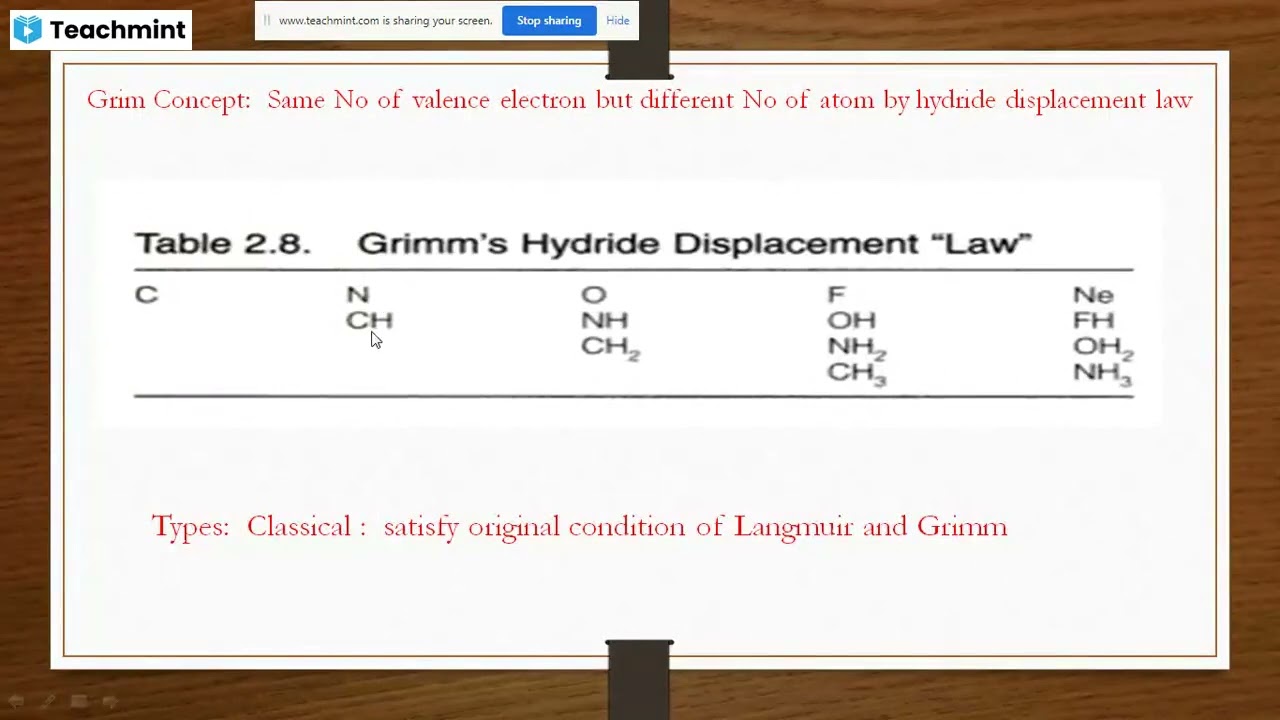
So now let's dive into the history road map for the bioosterism concept. The bioosterism concept evolved uh from the isostere concept which was introduced by the scientist langmir in 1990. Later on another scientist grim supported the langmir isostere concept and he added the further point of his hydride displacement law in 1925. And in 1932, Elen Mayor further extended their isosteric concept and make it more effective to to lead a a foundation for the bioosterism concept. So the real breakthrough for the bioosterism comes in 1951 when Fredman introduced the word or term bioisosterism.
He also gives the relationship between the rechemical structure and the biological activity of the drug. As in the diagram you may observe this is the amite functional amite functional group and this is the estester functional group. They have the similar biological properties as well as and uh in 1991 Burger further supported and extended his bioosterism concept by adding some few points of the isoster and the steric concept. So now let's uh check out the detail theory behind the scientist concept like in Langmir in 1919 he observed that there are the certain co-lecule or isosere which are the molecule or group of atom which have the same number of electron and on their basis they have the similar physicochemical properties. So as in this uh table this is the table from the length mirror isostere in this you may observe hydrogen helium lithium have the two valence electron and uh similarly these underlined like nitrogen carbon monoxide and have the 14 valence electron. So this is the basically the table or the group of atom which are arranged by langmure as the iso stairs and he observed that they be beside having the similar valence electron they also possess the similar physicochemical properties. Later on in 1925, Grim further expanded the idea of isostere and he included the substituting atom with different charges could produce the similar bonding characteristics. like he observed that the florine, hydroxile, amino and the CH3 these are the group on which the hydrogen is displaced and uh they have the similar bonding characteristics and they can be used as the uh displacement or modification in the drug design and later on Eliminire further extended the grim classification and he defined that the iso stairs are the atom some or molecule in which the peripheral layer which is the outermost electron are the identical. So in the aromic classification this is the diagram. You may observe that the these are the group five atom. These are basically the you may observe that the different include the different uh atom from the periodic table and also the atom or group of atom which are substituted with the hydrogen like nitrogen and phosphorus are the group five atom and it also includes CH and SI and the estronium. These are displaced with the hydrogen. So uh the purpose of uh grouping them together is is because they have the similar bonding characteristic and they can be replaced in the certain side in the drug design. The real ground breakthrough in the bioere concept was given by the Fredman in 1951 who coined the term bioasterism.
He was uh in he was he observed that pisoster are a group of atom or molecule that are structurally similar and they show the same type of biological activity. And further in 1991, Burger further extended or supported his concept and he said that molecule or group of atom which possess the similar molecular shape, volume and approximately same distribution of electron and they have the similar physical properties and biological properties. So in this diagram you may observe this is the amite functional group and this is the easter functional group. These both group have the similar shape, similar electronic distribution and the similar physical properties. So all these such functional group which have these kind of similar characteristic molecular shape, electronic distribution and physical properties are said to be the real bioisosters. Let's check out the applications of bioosters in medicinal chemistry. Biozo stairs we have observed that this concept is evolved from the iso stair which have the similar physical and chemical properties such as size and their electronic configuration electro negativity values and so on. So these are the functional group which could have uh the kind of biological activity. So in drug design these kind of isostere can be replaced with the similar isosteric which could possess the biological activity. So the size and shape represent the hybridization arrangement of atom, bond angle and bond length among the atoms of functional group and the electronic arrangement like the inductive misomeic effect polarizability of their functional group. The charge distribution, electro negative or electropositive functional group present in the drug structure which will ultimately affect the water solubility and the lipophilicity values or pharmaccoinetic properties of the drug and uh their permeability across the membrane and they will ultimately affect the hydrogen bonding and the pharmaccoinetic and pharmacodnamic that is the affinity to bind with the target of the drug molecule. So all these factors are modified when the drug uh is replaced with their alternative bio stairs. So ultimately by the application of the biooster new drug molecule design will be improved in their stability, potency, selectivity. So bio stairs in medicinal chemistry will be helpful in a design of drug molecule which have the good stability and which have the improved potency and higher selectivity with its target and uh they have the more optimum pharmacocinetic properties and they are good absorption and the high membrane permeability optimum pharmaccoinetic profile. They have the good binding affinity and their lower side effects and the higher safety profile while maintaining their biological activities. So these are the most important application or advantages of biozosters in the medicinal chemistry. Classification of biozostereosters is mainly classified into the two main classes. Classical biososters and non-class bioair.
Classical biozosters have the sub further subtypes monovalent atom dalent atom trivalent trivalent and ring equivalent. Non-classical biozosters are of three types cyclic non-cyclic functional group and the retro bioosterism. So now let's check out the classical bioostere. Classical bioaster are those which truly obeys the burger steric and electronic definition means they have the similarities in shape and electronic configuration of atoms and group of atoms. So those bios those functional group which are to be replaced must have the similar electronic configuration and uh the steeric properties.
So these are more helpful in the design of the drug molecule which will enhance the affinity or the drug binding affinity of with the receptor or with their target organ. The types are the monoalent atom.
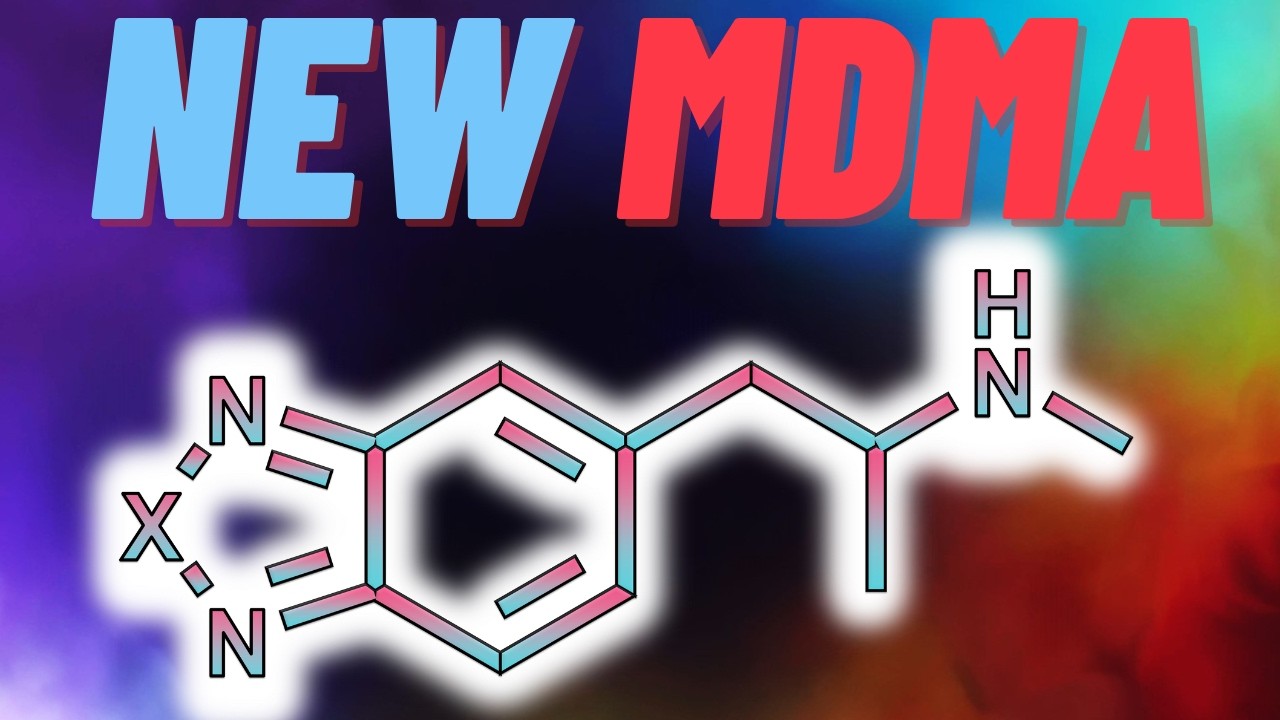
So among monoalent it is the florine uh which can be replaced with the hydrogen and the O replaced with the NH florine O NH or CH3 can be replaced for the hydrogen SH and O. So these are the hydroxile hydroxile amino methile for H. These all are the example of monoalent atom or monoalent groups which are considered as the classical bioere. So now let's check out the real FDA approved example of drug which are based on the bioosteric concept. The example of the drug is the uricil and five fluoro urasil uril we know it that is is the one of the nitrogenous bases present in the DNA.
You may observe that at fifth position it has the hydrogen. But when this hydrogen is replaced with the florine it is converted into a drug molecule that is the five florurasil and other is the hypoenthine.
Hypoenthine is and this you may observe it as the hydroxile functional group. But when this O of oxygen atom of hydroxile is replaced with the sulfur then it is converted into a drug that is the six marptourine. Why is why this modification is done because this is the cancer cell and you know that the cancer cell division and growth requires the DNA and for the DNA the urell base is important. So once the hydrogen is replaced with the florine and the drug it is converted into the five florurasil. Now this five floroasil will act as the anti-cancer drug and it will act as a cytotoxic to these cancer cells. So the growth of cancer cells will be diminished and ultimately it will kills the cancer cells and it will be effective and potent against the cancer cell in comparison to the uril which was promoting the growth of cancer cells. In the same way the replacement of the sulfur with the oxygen in the hypoenthine lead to the merkeeptopurine which is the also anti-cancer drug used in the treatment of leukemia dialent atom groups. So the examples are the carbon sulfide carbon monoxide are the carbon NH and the carbon carbon double bond. So here are the example of the two drugs which are based on the dialin classical bio stairs proken and the proken amide. In these in their structure you may observe in proen we have the esester functional group at the paraposition and uh when this esester functional group is bioesterically replace with the amide functional moity then it will changes entirely the drug molecule from one category to other because it is converting the proken into the proenamide drug and both have the different pharmacocological property.
because our proen is used as a local anesthetic and the proenamide is a anti-arithmic drug. So we have learned that uh the bioasteric concept is also useful in developing or designing a new category of the drug molecule from earlier from already existing. So the trialent atom or groups example are the phosphorus estranchium, nitrogen, CH and the trivalent atom include these different group phosphorus tentium. So we will not go in detail of these but then we are checking out another example of classical bioair drug. So this is the caffeine which is the purine base and uh in this you may observe that it has the methile group and when this is demethylated it is converted into a drug molecule which is the theopilene. Theophilene is one of the bronchilator which is used in the asma treatment. So this is the this these structure shows a classical bioostere relationship between the zenthine derivative caffeine and theopilene. Another example of classical biozostere is the development or design of the naid drug. So the salicylic acid derivative this is a structure of salicylic acid and this you may observe here we have the phenolic or hydroxide functional group. When this is replaced with the NH2 functional group, it will be converted into a new class of drug molecule that is the entranic acid. So the salicylic acid or entranic acid are basically the foundation for the development of the other derivative of or other generation of the NSAID drug category. So when salicylic acid this hydroxile functional group is acetylated it is converted into the acetile salicylic acid which is our aspirin one of the famous well-known and cedric molecule and uh if this NH2 group of entranic acid is further modified with the hyrocyclic ring it will get converted into the methanmic acid. So what we have observed that the classical bioiser can also be helpful in designing of the more potent higherly safer and effective NSA said drug molecule. Now let's check out the non-classical bioosters. Non-classical bioosters are those biosostere which do not obey the steric and electronic definition of classic isostes. Means they do not have uh the same number of atom or replacements means it is not important for them to have the same electronic distribution or to have the same steeric properties. So they could have any one of the following characteristic like they could have maybe same electronic properties and physicochemical or a steeric or a special arrangement or functional moy but it is not mandatory for them to possess all these characteristic. So they are not the true burger bioiso stairs. So non-classical bio stairs in this there are the different examples cyclic versus non-cyclic means the replacement of the cyclic ring in a drug with the non-cyclic side chain and we can observe a different drug example like a well-known example of non-cyclic ring opening is the diialist bol that is the one of the famous synthetic derivative of estrogen estero roid hormone. You can check my estrogen s lecture on this topic and you may observe the structure of this estrogen derivative uh that how ring opening is occurring and how this derivative is synthesized. The other example we will check uh the lidocaen which is the local anesthetic and uh which is used uh which is synthesized from the mapioen.
So this is the non-classical bio example of the development of the ledocan from the mapen. The lidocaen synthesis from mapioen is based on the concept of ring opening. the ring opening because in this maybe what can you may observe we have the terminal cycllohexane ring at this position and uh when ring opening is caused uh we have here a side chain. So this ring opening enhance the drug stability and it converted into a more potent local anesthetic agent that is the lidocaine. So carboic acid is stairs the carboic acid is a functional group which is present in the many drug molecule but it has the some uh limitations like low oral bioavailability rapid metabolism. So they must be overcome by the biosteric replacement with the certain functional moes like tetrazole seal sulfonomide hydroxic acid sulfonic acid and so on. So these isosteric will maintain the hydrogen bonding and electronic electrostatic interaction of carboic acid with the receptor and at the same time they will improve their pharmacocinetic profile.
So these are the different functional group which can be used in place of carboic acid in the as a bioostere like tetrazole, hydroxic acid, acetylcyomide, hydroxyamide, acid, sulfonomide, sulfonomide, sulfonic acid, phosphonic acid, phosphonomide. These all are example of carocylic acid, bioazars. Uh this is the example of drug which is based on the replacement of carocylic acid group with the tetrazone.
The example is the lollosartin. This is the one of the alpha 2 receptor blocker which is used in the treatment of hypertension. So when the carboic acid group was replaced with the tetrazole, it is converted into the more potent and the more potent drug molecule.
Another example of carbosyic acid bioeric replacement is the papa paraminozoic acid in which carboic acid is replaced with the sulfonomide functional group will lead to a sulfanomide which is one of the classical example of antibacterial drug and sulfanylamide is the structural analog of papa in sense of the electronic confirmational and physicochemical properties but therapeutically it is totally opposite of the PABA as PABA is required for the bacterial growth. Uh it is a major precursor for the bacterial growth and metabolism and sulfanomide acts as the antibacterial drug molecule. Let's check out the other example of the different bond replacement like the amide bond isosters. Amide functional group is present in the most of the drug molecule. It can sometime also be replaced with its bioesteric equivalent like 124 oxidiz or 124 oxidiz. The purpose of replacing the ami bound functional moet is to prevent the enzyatic breakdown and this concept is most importantly used in the proteas inhibitors of the HIV therapy. And other example is the aromatic ring isosters.
Aromatic ring benzene have the high lipohalicity and solubility issues. So it can be replaced with their other bioesteric equivalent like pyodine which is the hetroatic ring and it can be replaced with the saturated ring like cycllohexane or a cyclic like alken.
These all saturated hetro or the cyclic equivalent of benzene have the electronic distribution properties which can be which will modulate the solubility issues of the benzene aromatic ring and uh they will lead to a certain flexibility in the confirmation of the drug molecule which will modify the binding affinity of the drug with its target and will lead to a more effective or potent drug molecule.
Heterrocyclic ringing equivalent include the heteroscyclic replacement of the pyrozole with the midazole and the benzene for the pyroine and the other rings. So these are the different ring.
Benzene can be substituted with the thofen which is the five member ring with the sulfur atom. Furon can be replaced with the thophene. Furon is having the five member with the oxygen and the theophene with the sulfur and benzene can also be replaced with the nitrogen. So these are the different example of the functional group which are also included in the bioosterism concept. So uh to summarize this lecture I would say the bioosterism we have observed is a gamecher in the drug design and drug discovery process as we have observed that how it is important in improving the drug for microkinetic forodnamic stability and safety and it helps us in designing the better better and safer drug for the example different anti-cancer drug different antibiotic CNS medication and the other different classes of the drug. So, thank you so much. I hope you have understood a lot. Thank you.
Up Next

QSAR in Medicinal Chemistry: Hydrophobic, Electronic & Steric Factors
@GSaiRajesh
28.2K views•2022-06-25

Graphic Medicine: Comics for Collaborative Healthcare Communication
@nationalpatientadvocate
189 views•2023-12-04

Structure Activity Relationship (SAR) Explained | Medicinal Chemistry
@RFQ-09-18
11.1K views•2022-07-28
Stages of Labor and Vaginal Birth | Childbirth Animation
@nucleusmedicalmedia
52.1M views•2017-08-18
Related Study Plans & Knowledge Roadmaps
Structured learning paths in Medicine