



















Structure-Activity Relationship (SAR) is the fundamental principle in medicinal chemistry that examines how modifications to a drug molecule's chemical structure affect its biological activity, enabling scientists to predict and optimize drug efficacy and safety through strategic functional group modifications such as changing molecular size/shape, degree of unsaturation, introducing new substituents, or altering ring systems.
Structure Activity Relationship (SAR) Explained | Medicinal Chemistry
Added:Basic organic chemistry, specifically recognizing common functional groups (e.g., esters, amides, hydroxyls, halogens) and their polarities.
Fundamental concepts of drug-receptor interactions, including key intermolecular forces such as hydrogen bonding, ionic interactions, and van der Waals forces.
The concept of biological potency, efficacy, and basic pharmacological definitions (e.g., IC50, EC50, Kd).
General biochemistry principles regarding protein structure and active binding sites of enzymes and receptors.
Quantitative Structure-Activity Relationship (QSAR) modeling, which uses mathematical methods to predict biological activity based on physical properties.
Bioisosteric replacement strategies to modify functional groups to improve drug efficacy or reduce toxicity while maintaining biological activity.
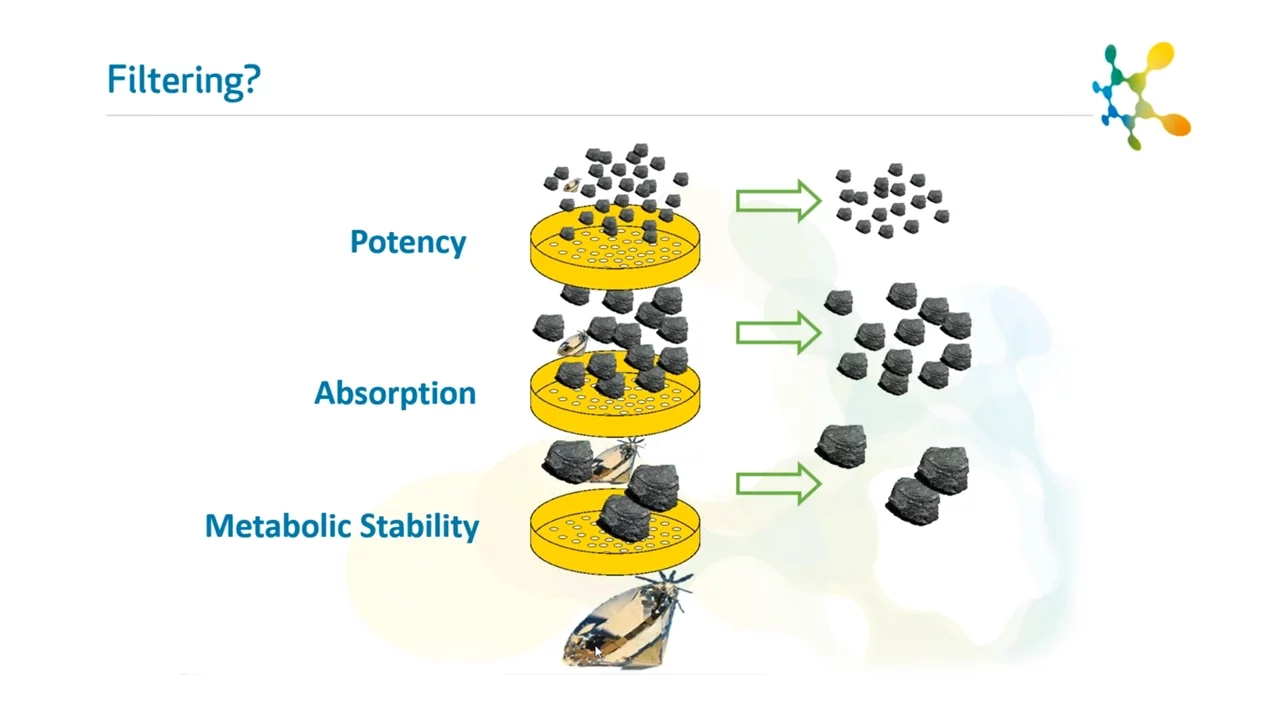
Optimizing ADME (Absorption, Distribution, Metabolism, and Excretion) properties alongside potency during lead optimization.
In silico (computer-aided) molecular docking and virtual screening to predict structure-activity relationships computationally.
11.1K views193likes38:27Original Release: 2022-07-28
hello everyone assalamu alaikum welcome to the new lecture on Medicinal Chemistry this is and in this video lecture I am going to discuss with you about the structure activity relationship this is the backbone of Medicinal Chemistry so in this topic you will study the effect of various functional group on the synthesis of different type of drug molecule so at the end of this lecture you may find the quiz for you to attempt that quiz in your comment section for your self-evaluation foreign so these are the outline for this lecture in this lecture you will be able to learn about the structure activity relationship how the SAR can be determined different techniques like changing size and shape of a drug molecule degree of unsaturation present in a drug molecule introduction of new substituent or new functional group and the effect of various functional group on the different biological activities of a drug molecule introduction to the structure activity relationship the drug Discovery process involved the discovery of the certain type of new drug molecule that can be used in the synthesis of the new drug candidate the scientists that are involved in the drug Discovery process are the medicinal chemists medicinal chemist must have the knowledge about the different fields and the different parameters of the drug like he must know the mechanism of fiction of the previously known drug he must have the idea about the chemical structure of the drug that which type of functional group is present and he must also have the knowledge about the different type of functional group that can be modified for the optimum activity of the drug and beside this he must have the knowledge about the different physical chemical properties of the drug because these physical chemical properties will have ultimate net effect on the drug biological activities thank you the physical chemical properties of a drug molecule physical chemical properties of a dark molecule like acid-based properties water solubility partition coefficient crystalline structure and stereochemistry all are being affected by the type of functional group that are present in a drug molecule or its derivative so if we are going to modify the functional group or the synthesis of a new drug candidate or synthesis of new lead molecule then its physical chemical properties will be affected which in turn will affect the pharmacokinetic properties of a drug molecule that are the absorption distribution metabolism and excretion so for the synthesis a new drug molecule the medicinal chemist must modify a lead molecule with certain functional group which may optimize the physical chemical properties as well so in order to achieve the optimum pharmacokinetic so SAR structure activity relationship is basically the relationship between the chemical structure of a drug molecule and its biological activity means the type of functional group the type of chemical drinks is structure and other type of atom that are present in the chemical structure of a drug they have the direct relation or effect with the biological activity that is being produced by the particular drug molecule is showing the relationship between the chemical structure and the biological activity of a drug molecule so on the basis of this fact we can predict the biological effect of newly synthesized chemical compound by comparing this receptor with already reported compound so we can conclude that the newly synthesized compound can have the biological effects similar to the already reported drug which have are whose chemical structure is similar to that particular new derivative compound or the new lead molecule are basically the regions or functional group in the chemical structure of a lead molecule that are responsible for the activity of their particular drug molecule and that activity can be beneficial or what we say biologically active are effective or it can be also unwanted that are these certain side effects or certain Toxic effect ADR that are being reported by the particular drug molecule so the information these information like the biological activity are the certain side effects that are basically based on the functional group and its chemical structure they can be used for the synthesis of the new drug molecule in the drug Discovery process tsar of any drug molecule can be determined by the different techniques by making certain modification in the chemical structure of a lead molecule which will lead to the synthesis of the different type of new derivative or analog molecule so these analog molecule will then be assessed for their biological activity so what type of changes can be made in their chemical structure like we can modify the chemical structure by changing its carbon skeleton by changing its size and shape of carbon skeleton by increasing or decreasing the number of carbon atom beside this we can also make changes by the degree of substitution means the SAR also dependent on which type of functional group is being substituted and at which site it is being substituted the third is the stereochemistry of lead molecule stereochemistry is what type of isomer can be predicted from that type of particular molecule so all these have the net effect on the SAR another type of substitution is like the degree upon saturation that is present in our truck molecule we can modify the size and shape of drug molecule by changing the say carbon number of a drug molecule how can we change the carbon number by adding certain type of new alkyl functional group that is the methyl functional group or we can remove the already present methyl or alkyl functional group in the side chain are in the ring system that are present in the drug molecule the next is we can also make change by the increasing or decreasing the degree of one saturation and saturation is the presence of double bond or triple bond in the chemical structure at any side in the drug molecule clear so if we are going to decrease the unsaturation means we are going to convert this double our triple bond into single Bond or double bond then this will again have the effect on the activity of a drug molecule the third chain we can made is we can either introduce the new ring in our drug molecule that can be either aromatic or heterocyclic or we can remove the already present ring so why we are going to modify these changes because our main objective is to synthesize or to discover the new drug molecule that have the optimum activity are that have the different potency or that will have the good potency or good efficacy in comparison to the already reported molecule so now let's discuss the degree of unsaturated degree of unsaturation is the presence of double bond in the type of chemical structure of a drug molecule so if we are going to introduce the double bond in its chemical structure then the rigidity of the chemical structure or the rigidity of drug molecular its a derivative will be enhanced and the possibility of the formation of its e and z isomer and on the other end if we are going to convert the double bond into single bond that is the reduction of the double bond by which they are going to be convert into single Bond then their structure will become more flexible so now let's consider the example of the drug that is the cortisol and the second one is the prednisone prednisone is basically the one of the derivative of the cortisol so in these type of drug you may observe that in the chemical structure of cortisol over here no any type of double bond is present in this a ring of which is steroid nucleus only single double bond is present at this position clear and at the first and second number carbon there is no any double bond clear so this is the chemical structure of cortisol but if we are going to introduce the double bonded this first and second carbon it will result in the derivative that is the pregnancy so on that prednisone derivative has the 30 time greater potency in comparison to the carti soul and this higher potency is because of introducing the new double bond or introducing the degree of unsaturation in the chemical structure of cortisol now the next is the introduction of the new substituent new substituent are basically the new type of functional group are the new type of Rings or any type of group that are going to be substituted in our dirt molecule so the substitution side can be previously unsubstituted position means the position in the drug molecule at which no any type of functional group is present so the new functional group can either be modified or substituted at this side or it can also be substituted by removing the already present functional group okay so these are the different criteria of adding the new substituent so what will be their net effect the the new substituent will again have the effect on its overall chemical structure its pharmacokinetic and Pharma Dynamic properties of the molecule so how we are going to decide that the new substitute should be present at unsubstituted position or it must have the replace the already existing group so this will again depend on the type of the drug molecule which we are going to synthesize because we have the preliminary knowledge that a substitution at this site will result in higher potency or higher efficacy compound so on that basis we will decide that at which side when the substitution can be made for obtaining the drug molecule with higher potency or with higher biological activity so now let's check out the different type of functional group that can be substituted in the drug molecule for example we are going to substitute the alkyl group that is the methyl functional group in the chemical structure then it will have the net effect on these deric restriction means it will cause the steric hindrance or restriction in the chemical structure of newly synthesized analog the example of that is the a diphenhydramine drug diphenhydramine that is the antihistaminic drug so the there are the different type of derivative of the diphenhydramine like if we are considering its Ortho methyl analog means if we are substituting the methyl group in the chemical structure of diphenidamine at the ortho position then this derivative will have the no antihistamanic activity means we can also say that its biological activity will now be completely and this effect is because of the steric hinderance or steric rotation that is caused by the carbon oxygen bond in the size chain so this is the diagram for the diaphene hydramine chemical structure this is the diphenhydramine and this is its Ortho methyl analog in this chemical structure you may observe that it the ortho position this methyl group is present this methyl group is causing the steric hinderance between the hydrogen atom and the lone pair of oxygen that is the carbon carbonyl oxygen so due to this hysteric restriction it's ultimately pharmacokinetic Dynamic properties will be affected and its entire activity will be lost on the other end if the methyl group is substituted at the para position Pera position is the this one clear so over here there is no any diagram for the paramethyl analog of diphen itamine but you can consider that if we are going to substitute the methyl at this para position then its activity will be 3.7 times more than the diphenhydramine so this one is the orthomethylenolog and the perimetall analog will be that one in which methyl group is present over here so if methyl group is present over here at para position then there will be no chance of steric hand runs because there is no any direct contact between the hydrogen atom of the methyl and the carbonyl oxygen so this newly synthesized derivative will have the 3.7 time more potency in comparison to the a active diphenhydramine sometimes the introduction of the alkyl methyl group in the drug molecule can result in the reduction of The Unwanted of side effects that are produced by the drug molecule for example let's consider the example of the parastamol perostumol we know that one of the drug that is responsible for causing the hypotoxicity reaction clear so for reducing is hepatotoxicity perostumol is being substituted at Ortho position with the methyl group and the resultant analog of parastamol has the less chances of the hepatotoxicity this is happening because of the reduction of metabolic hydroxylation hit the ortho position so over here you may observe that this is the chemical structure of verastamode in this you may observe that this is the hydroxyl functional group and over here no any substitution at the ortho position clear so in in this case the parastar mole has the chances of the hepatotoxicity reaction so because of the possibility of metabolic hydroxylation at this orthocyte but once we are going to synthesize its analog by substituting this Ortho position with the methyl group as in this chemical structure that is the ortho orthod analog of the peristamole then the chances of metabolic hydroxylation at arthroposition has been reduced and due to this its hepatotoxicity side effect can also be reduced effect of the alkyl group the alkyl group that is the methyl functional group have also the effect on the water solubility of the new synthesized derivative for example if we are going to substitute our add the methyl group it will cause increase in the lipophilicity of the compound due to increase in lack of velocity its solubility in polar solvent or water has been decreased and ultimately its partition coefficient value will be increased so there will be the higher chances of its penetration across the membranes for example the Benzene that has the partition coefficient value of 83 but if we are adding the methyl group in the Benzene the resultant compound will be tolene tolene on the other hand have the partition coefficient value of 490 clear and the urea have the P value of 15 and N methyl urea that is the methyl substituted urea have the higher partition coefficient so these are the chemical structures for the Benzene like this one is the Benzene over here you may observe low any methyl substituted this has the P value of 83 and on the other end it's methyl derivative that histoline has higher P value because of higher partition coefficient it can be easily acrossed from the biological membrane effect of the methyl group are alkyl group and the metabolism rate of the drug the methyl group has the following effect like in some drug molecule the presence of methyl group can enhance the rate of metabolism how it enhance the rate of metabolism because in such drug molecule the oxidation of methyl group facilitate the rate of metabolism reaction that is the phase one reaction in some cases it enhance the rate of metabolism by the other type of reaction that is the demethylation that is the removal of methyl Group by the transfer of methyl group 2 and other compound are as a byproduct and in certain cases where the presence of methyl group can reduce the rate of metabolism of drug molecule and some drug molecule for example in the anti-diabetic torbutamide the metabolism of the methyl group can lead to conversion into the drug molecule that is has the less toxic properties are that is less toxic as compared to the parent drug because in such it is being now converted into the carboxylic acid this occur in the case of those drug molecule in which methyl group is being bonded with the aromatic ring or any type of cyclic ring structure the next is the effect of nitro group now let's check out the effect of nitro group on the aromatic ring for example if Nitro group is substituted on the aromatic ring then it increases the chances of toxicity so that's why it is said that Benzene is less toxic and nitrobenzene is more toxic because nitrobenzene contain the Nitro functional group in addition to the aromatic ring this is the figure this shows the chemical structure of the nitrobenzene it contains the Nitro group on the other hand there is another case that nitrophenol is said to be more toxic than the phenol phenol is one of the aromatic compounds in which the hydroxy is a functional group is directly bonded with the Benzene ring but nitrophenol contain additional Nitro group in addition to the hydroxide group so that's why do the due to the presence of nitrofunctional group nitrophenol is more toxic however on the other end if the presence of other functional group in the aromatic ring like in case of Pera nitrotolene in which is said to be less toxic than the nitrobenzene because in such case the methyl group is present beside the Nitro group in the Benzene ring structure so due to the presence of a methyl group it's toxicity is lesser is complete here to the Benzene now let's check out the Nitro group effect on the aliphatic compound are in the drug in which the aliphatic side chain is present the presence or substitution of nitro group in the aliphatic compound can increase the biological activity for example Glycerine which we know that it is one of the inert compound it does not have any of the a potential reported therapeutic activity but if we are going to convert it into the tri Nitro derivative that is the tri nitroglycerin then its therapeutic activity can be enhanced because now this new drug molecule can act as a vasodilator agent and that's why it is one of the most useful drug for the treatment of angina pectoras so we have observed that the effect of nitro group on the aliphatic compound is totally opposite to the aromatic compound over here we have the potential favorable biological effect this is the chemical structure of Glycerine that contain the three hydroxide functional group when we are converting it into the tri nitroglycerin that is the drug for Angina pectoras these hydroxyl functional group are now being substituted with the Nitro functional group like over here the chemical structure of trinitroglycerin has been given and due to this substitution of nitro group now its activity is a vasodilator agent has been improved the next is the addition or removal of ring edition of removal of ring drinks over here is representing the chemical ring organic ring molecule either aromatic ring or heterocyclic grain we have already discussed that whenever rings are substituted in the chemical structure of a drug molecule then the rigidity of a drug molecule will be increased beside this the ring are the complex chemical ring in the chemical structure of drug will favor The Binding of rug molecule towards its hydrophobic pocket because the aromatic ring are usually the non-polar in nature hydrophobic in nature and therefore The Binding of drug molecule towards its Target the incorporation of larger ring system may be used to produce analog that are resistance to enzyme attack in some cases the presence of Highly complex string are larger ring in the drug molecule may increases its resistant power against the certain type of enzyme because for example there are the certain drugs in the penicillin class which are the pencil insensitive why they are penicillin sensitive because they do not have the any type of additional complex ring which can produce resistance against the active side of the penicillin air but in comparison penicillin is resistant has the additional drink due to which their resistant power has been enhanced so let's check out the chemical structure over here the chemical structure of benzyl penicillin is given in the benzyl penicillin you may observe over here only single aromatic ring is given and that's why it does not have any type of rigid chemical structure and it is sensitive towards the betalectomies enzyme on the other hand the other derivative like diphensylene has an additional aromatic arbenzene ring and that's why its resistant power has been enhanced why because its hydrophobicity it binding has been now improved same as in case of the Other Drug molecule like the dimethoxy phenyl anti-depressant drug and the rollip rock this drug has been enhanced the rolliprom has 10 time greater potency in comparison to this antidepressant drug this is happening because of an additional ring structure this additional ring has enhanced its binding towards the a bucket side of its Target receptor the next is the effect of halogen functional group halogen are the chlorine or fluorine functional group if halogen are substituted in the non-conjugated position means the which lacks the Double R triple bond then it can enhance the both useful or what we say biological or it may cause is the toxic properties on the other hand halogen nehesiedeloid and carbonyl compound will cause the decrease in toxicity of compound means they are producing the favorable effect aliphatic fluorocarbon are less biologically active than the derivative that contain other halogen means the fluorocarbon are usually more favorable or more biologically active in case of the aliphatic class for example the five fluorouracil is highly cytotoxic than the uracil if we are comparing the uracil with the 540 Russell then we can say the uracil legs B cytotoxic activity but 5-floro uracil is highly toxic to our cell highly Saturn Transit that's why it can be used as an anticancer drug so over here the chemical structure of your SL and five fluoro uracil has been given over here you may observe that 54 uracil contain this additional halogen molecule that is the fluorine and due to this substitution of the fluorine it has the higher cytotoxy currently cancer activity the effect of hydroxide functional group whenever hydroxide functional group is being substituted in any type of compound remember the its polarity or its solubility in polar summary will be enhanced because hydroxide is one of the most well-known polar functional group so now let's compare aliphatic compound with aromatic whenever aliphatic compounds are being substituted with hydroxyl functional group then their biological activity will be decreased means the biological activity of new derivative will be lesser in comparison to the parental compound on the other end whenever aromatic compound are being substituted with the hydroxyl functional group then their Toxic effect will be produced means in this case higher Toxic effect will be produced due to the introduction of hydroxide functional group so that's why it is said that Benzene is less toxic than the phenol due to the presence of one hydroxyl functional group in phenol and which is less than the CATE equal which has the two hydroxyl functional group on the other hand the benzoic acid that is antiseptic and non-toxic but the introduction of hydroxyl function group results in the new drug molecule that is the salicylic acid which is more toxic and that has the analgesic properties because of this hydroxyl functional group in the aromatic ring structure effect of carboxyl functional group whenever carbooxide functional group is introduced in the drug molecule then the newly synthesized derivative will have the Lesser toxicity in comparison to the parent rock molecule for example let's consider the simplest example of the Benzene that is an aromatic compound Benzene is said to be more toxic but Benzene can be converted into its less toxic derivative by the substitution of carboxylic acid functional group in its structure now the newly form compound will be known as benzoic acid so it is said that benzoic acid is less toxic than Benzene due to the presence of carboxylic acid functional group in their chemical structure the next example is the example of phenol and salicylic acid phenol we know that is the aromatic compound in which the hydroxide functional group is directly attached with the Benzene ring phenol is said to be toxic in comparison to salicylic acid because salicylic acid has the carboxylic acid functional group in addition to the hydroxide functional group on the aromatic ring in the next example is the aniline aniline is said to be the biller poison so it is highly toxic compound but when aniline is converted into its carboxylic acid functional group derivative then it become harmless so these examples shows that introduction or substitution of carboxylic acid functional group in any type of drug molecule are compound results in decrease in toxicity of the parent compound so this diagram shows the chemical structure of benzoic acid this is the Benzene ring and it is attached directly with the carboxylic acid functional group and due to this it is the less toxic and this is the salicylic acid in which carboxylic acid functional group is present at this position and due to this functional group it is less toxic in comparison to the phenol and this is the simplest structure of are the aniline that is the amino benzene so when it is substituted with carboxylic acid functional group then its bullet poisoning effect will be reduced or we can say now that will become harmless the other structural modification that we can make in the drug molecule is the introduction of a new group by replacing the already existing functional group so in this way the newly synthesized analog are made by having the similar type of stereochemical or metabolic changes like the technique of isosteres or isosterism can be used in this way isoster are basically the functional group that exhibit the similarity in their chemical and physical properties some of them have the equal number of proton and electron means they have the similar electronic arrangement in their chemical structure and also the state requirement and beside this they have the same pharmacokinetic and pharmacodynamic properties they have the potential to bind with the same type of receptors so in other words the replacement of the substituent means this is the technique in which the iso stairs are the groups are replaced by the similar type of group having the similar arrangement of electron so ultimately this will result in the analog or derivative of a drug molecule with the same type of activity so now let's check out the effect of stereochemistry on the structural changes and activity of a drug molecule so for example the isomeric pair of different duct molecule can exits and due to the different physical properties like two different partition coefficient different ionization constant ultimately they are pharmacological activity will be different so let's consider the example of levofenol levophenol is one of the phenols that will rotate the light towards the left Direction so levophenol has an analgesic pharmacological effect and narcotic and antitussive property on the other hand when compare the with the biological activity of its dextrophenol derivative in the dextrophenol has only antitussive properties but it lacks the analgesic narcotic properties and this is occurring because of the different isomeric pair and it because of their different physical chemical properties the geometrical isomer of this diethyl space rule that is one of the estrogen derivative there it has the only seven percent of estrogenic activity in comparison to the trans diethyl stroke so it is said this isomer of estrogenic derivative has the Lesser R what we say the seven percent of the total activity that is being possessed by is transdie ethyl derivative foreign so now let's check out the summary of this overall lecture the the effect of different functional group this table shows the methyl group when methyl group is substituted the effect on the level character is that it enhances the lap of leak character or the non-polar collector of our drug molecule and ultimately this will result in the decrease in water solubility and increase in lipid solubility and due to this effect it improves the absorption of a drug molecule and with release from the biological membrane clear so next is the effect of the halogen family that is the fluorine or chlorine whenever they are being substituted they also result in enhanced in in lipophilic or nonpolar characteristic and decrease in water solubility why they are used they are used to enhance the penetration across the cell membrane because as they are having the life of the characteristic so they enhance the penetration across the biological membrane to reach the desired Target tissues foreign functional group that is one of the most well known polar functional group N where it is being substituted it will result in decrease in lipophilic are nonpolar characteristic of drug molecule and enhances the water solubility characteristic of a drug molecule so this provides the center for hydrogen bonding because this is one of the Polar functional group it will form hydrogen bond with the other type of groups in the surrounding a minor group is again similar type of polar functional group this will result in decrease in lipophilic character or decrease in nonpolar corrector and enhance the water solubility of our drug molecule and again it is the again center for the hydrogen bonding and it has influenced with The Binding of drug towards its Target site the carboxylic acid and sulfonic acid group are also the um fall under the category of polar functional group whenever they are being substituted they will decrease the level characteristic of our drug molecule and enhance the polar or water solubility so mainly these type of functional group like carboxylic acid are sulfon a functional group are used for the synthesis of salt formation formulation of different type of drug to cause the ease of elimination because they are enhancing the polar characteristic and favoring the drug elimination properties now let's have a quiz so these are some basic questions from this entire lecture for your self-assessment so you have to attempt this question in the comment section for your self-evaluation number one question number one why the ortho methyl analog of diphenhydramine is more potent than the parametal analog question number two why salicylic acid is less toxic than phenol question number three how ring substitution will affect the biological activity of our drug molecule question number four how will you modify the chemical structure of perostumol in order to produce less hepatotoxicity question number five what is the effect of unsaturation on the activity of drug molecule
Up Next

24:45
Bioisosterism in Drug Design: Classical & Non-Classical Bioisosteres
@RFQ-09-18
1K views•2025-03-20

48:47
Graphic Medicine: Comics for Collaborative Healthcare Communication
@nationalpatientadvocate
189 views•2023-12-04

10:28
Neuroanatomy: Central and Peripheral Nervous System Divisions Explained
@AKLECTURES
136.2K views•2014-09-20
3:05
Stages of Labor and Vaginal Birth | Childbirth Animation
@nucleusmedicalmedia
52.1M views•2017-08-18
Related Study Plans & Knowledge Roadmaps
Structured learning paths in Medicine
medicine
Abnormal LFTs: Diagnostic Workup & Pathology
01Liver Anatomy and Basic Physiology
02Introduction to Liver Function Tests (LFTs)
03Hepatocellular vs. Cholestatic Patterns
+ 3 more learning modules
12h6 modules
Explore Roadmap
medicine
Analyzing Blood Smears: RBC, WBC & Platelets
01Introduction to Blood Components & Smear Preparation
02Normal Morphology of Blood Cells
03Erythrocyte Pathologies & Morphological Variants
+ 2 more learning modules
12h5 modules
Explore Roadmap
medicine
Mechanical Ventilation: Waveforms & Alarms
01Anatomy and Physiology of Breathing
02Introduction to Mechanical Ventilation & Core Modes
03Ventilator Settings and Waveform Interpretation
+ 2 more learning modules
12h5 modules
Explore Roadmap
medicine
Neuro Exam: Localization & Stroke Syndromes
01Foundations of Neuroanatomy and Vascular Supply
02The Neurological Examination: Step-by-Step
03Principles of Neurological Localization
+ 3 more learning modules
18h6 modules
Explore Roadmap