























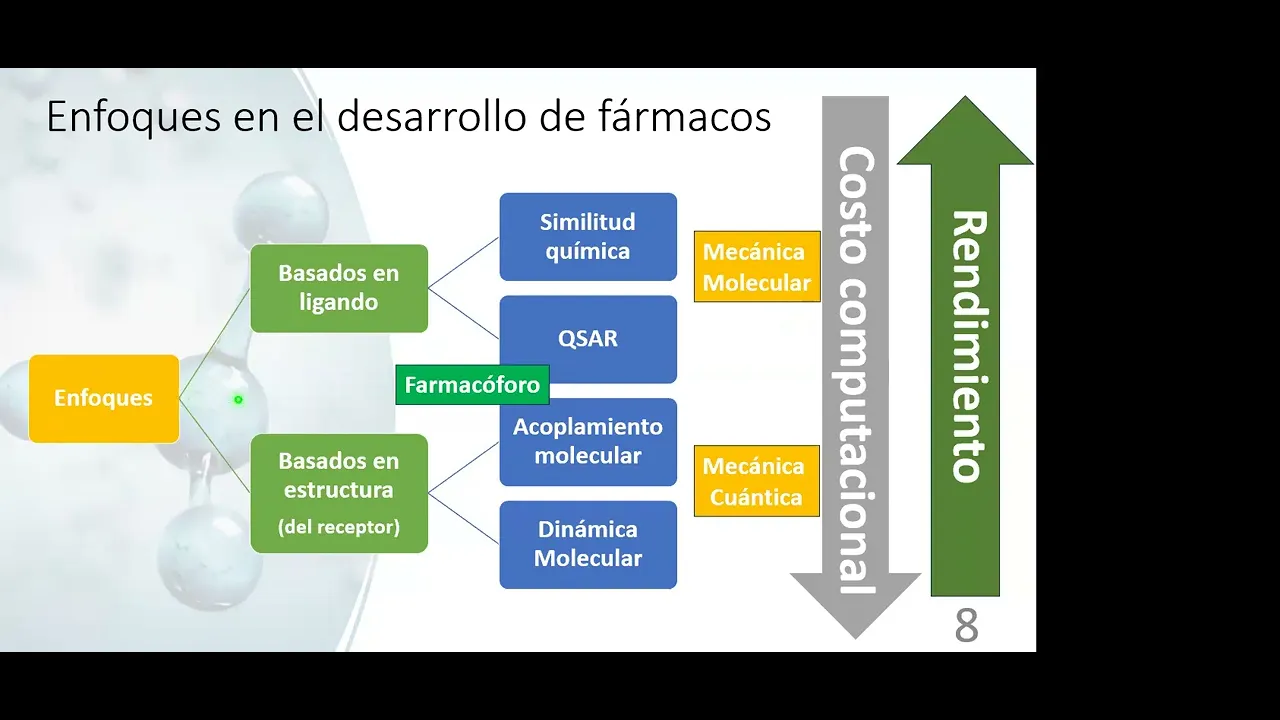



QSAR is a computational methodology that establishes quantitative relationships between molecular structure and biological activity using mathematical equations incorporating three key parameters: hydrophobic factors (measured by log P values and substituent hydrophobicity constants π), electronic factors (Hammett substituent constants σ indicating electron-withdrawing or donating ability), and steric factors (describing molecular size and shape effects). The Hansch equation integrates these parameters to predict drug activity, enabling rational drug design, lead compound optimization, and understanding of molecular-target interactions while requiring careful consideration of correlation validity and sufficient data sets.
QSAR in Medicinal Chemistry: Hydrophobic, Electronic & Steric Factors
Added:Basic principles of organic chemistry, including molecular structure, functional groups, and steric hindrance.
Fundamentals of drug-receptor interactions and pharmacokinetics (ADME principles).
Physicochemical properties of molecules, specifically partition coefficients (Log P) and chemical equilibrium (pKa).
Introductory statistics and mathematical modeling, particularly linear regression analysis.
Advanced 3D-QSAR methodologies, such as Comparative Molecular Field Analysis (CoMFA) and CoMSIA.
Computer-Aided Drug Design (CADD) workflows, including molecular docking and virtual screening of compound libraries.
Application of machine learning and deep learning algorithms in modern predictive QSAR modeling.
Practical lead optimization strategies in pharmaceutical R&D to improve the potency and selectivity of drug candidates.
28.2K views671likes14:55Original Release: 2022-06-25
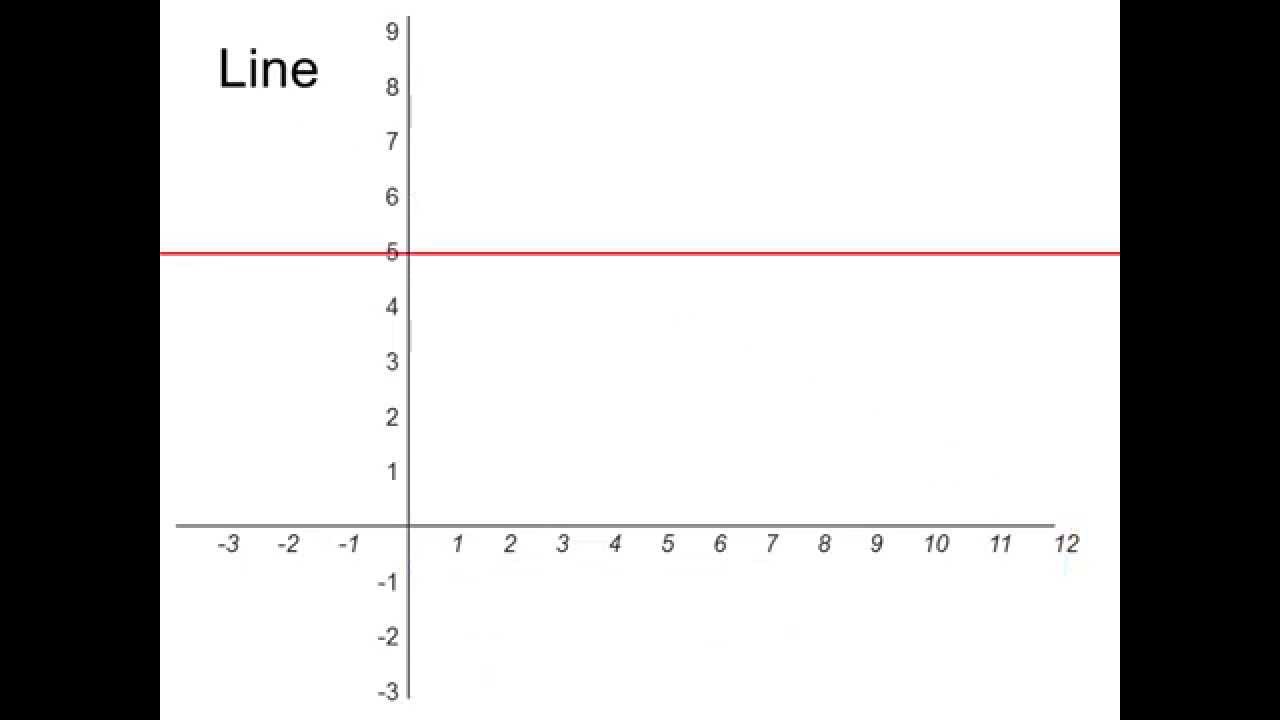
hello everyone welcome to the video on quantitative structure activity relationship in this video i will explain the important physical chemical properties like hydrophobic factors electronic factors steric factors and how they are incorporated in qscr finally hans equation and the advantages of qsr and applications this is my youtube video channel you just type in my name g series you will get the videos if you like the videos do subscribe and share let's get into the topic first let us understand about q s here quantitative structure activity relationship see most of us know about structure activity relationship what does it indicate what the structure activity relationship will reveals the relationship between the structure and biological activity let me give you one example in scr you might have studied that electron withdrawing group or halogens will increase the biological activity this is what you generally you see a rate now halogens means you have fluorine chlorine bromine iodine are there all of the all of them are halogens but all of them will not increase the activity similarly there is a quantitative difference is there and that is what is determined by quantitative structure activity relationships quantitatively how far that particular substituent is increasing or decreasing biological activity what is the relationship is deduced by qscr so this is what is given so qsr approach attempts to identify and quantify physical chemical properties of a drug to see whether any of these properties have an effect on drugs biological activity by using a mathematical equation see all these are put in a mathematical equation then the q s are formed and then the relationship is deduced now what are the physical chemical properties explored are hydrophobic parameters electronic and steric parameters see why these three are considered because evaluating them is possible it is easier that is the reason why hydrophobicity electronic and steric parameters are explored the other thing hydrophobicity can be taken for a whole molecule or for a particular substituent again this is possible for whole molecule it is log p it is it is possible to see what is the hydrophobicity of a particular molecule is but electronic and steric parameters it is only possible with substituent it is not possible for the whole molecule since only for substituents it is considered now how it is done see a range of compounds are synthesized in order to vary one physical chemical property and test it effects on biological activity now how it is done is let me put you in simple terms see let's say many compounds are synthesized and on y-axis biological activity is taken biological activity is taken as 1 by c 1 by c means concentration so usually why it is taken inverse of concentration is the best drugs will show maximum effect in least concentration hence it is taken one by c now let us say hydrophobicity let's say log p values or or whatever the physical chemical property it is taken in x axis now in moving this x axis direction you are increasing that property so imagine let's say you you prepared a molecule for which the log p is here and the biological activity is here you increase the log p biological activity is found here you increase the log p biological activity is found then a line is drawn which will cover all these data points and for this a particular equation is deduced now look at this there is a correlation by increasing log p what is happening activity is increasing and you can put it in an equation and that equation serves as qsr equation now certain things need to be considered see the line should be covering all the data points see this one is not a good fit because it is leaving all these data parts this one is a good fit because it is covering all these data points now let us see this hydrophobicity effect now hydrophobicity hydra means water phobic means fear it is nothing but lipophilic in nature lipophilicity now this is very important property because lipophilic nature is very important to cross the drug cell membrane as well as to bind with receptor crossing cell membrane is absorption a kinetic parameter binding with receptor is a pharmacodynamic property so both the properties are with lipophilic nature so it is very important to understand the understand the slip of liquid nature now how it is done it is done by partition coefficient it is given by concentration of drug in octanol and concentration of drug in water why optimal optimal resembles very similar to our biological lipid membranes so if the drug concentration is very high in optimal that indicates it is highly lipophilic in nature if the drug concentrates more in water phase it is low lipophilic or more hydrophilic in nature so this is how you can get log p values now as we have seen log p values in y axis biological activity and here log p values are given and this straight line will prove that proves the relationship so majority of drugs by increasing long p activities increase so does it mean we can keep on increasing log p values no see when you keep on increasing log p values you get a curve like parabola to certain extent while increasing till here you increase biological activity but after that the activity falls down so because completely lipophilic nature will will trap the drug molecules in adipose tissue so very few drug classes are there which are completely the is based on log p values like general anaesthetics generalistic then in order to show their mechanics of action they need to dissolve in cell membranes cell membranes has got lipid bilayer hence the action is completely related to log p values leaving this majority of groups need to have a balance between hydrophilicity and lipophilicity now substituent hydrophobic constant see we have seen for the whole log p value is there for a particular substitution it is pi value let me give you an example let's say you have benzene there and you have chlorobenzene is there so how did you get this chlorobenzene by replacing a hydrogen here with a chlorine right now if you want to find out this uh the substitution effect on this hydrophobicity you take the log p of this chloro benzene and subtract with log payoff benzene then you will get the value of the substitution effect so this is how the substituent hydrophobic effect can be calculated we'll see with the example look at this see the benzene log p is 2.13 chloro benzene log is 2.84 you put it back in equation this minus this how much 2.84 minus 2.13 is 0.71 the same thing we are we are putting in the same equation so how much it is 0.7 what does it indicate the chlorine hydrophobicity is this one means if it is positive value means it indicates it is lipophilic or hydrophobic in nature now we'll see another example benzemide see you put this subtract with this benzene one you will get minus 1.49 what does it indicate this substituent is lower hydrophobic compared to hydrogen see everything is comparing see only the difference is here hydrogen is replaced with chlorine or hydrogen is replaced with mi so that is what this is why it is called as relative to hydrogen so this is how it is carried one more advantage is look at them imagine you have you need to find out the log p value of metachlorobenzemine so how can you do it benzene see metachlorobenzamide the structure is this one we have chlorine here and right here meta position is there so benzene logs b value and chlorine substitution uh hydrophobicity value and amide substitution hydrophobicity value when you put all them together 1.35 the practical value is 1.51 which is closer to this value so see the advantage of this qsr approach without synthesizing the drag without checking the hydrophobicity in optimal water you can get a rough estimate and with that you can come up with a new lead molecules now so the substituent hydrophobicity constant see the qsr equation may include both e and pi be the whole molecule one and it is important for its absorption and binding how the drug is getting absorbed and how it is getting it is binding with the receptor whereas pi identifies a specific reason of the molecule which might interact with hydrophobic reasons in the binding site if you see for all the receptors it is not that entire drug goes and forms a bond now in the drug a particular functional group forms a bond so this is a particular substituent so that effect so both of them are very important so the pe will tell you about absorption and binding pi will tell how the interactions are going on with hydrophobic side chains now after that electronic effects so electronic effects will give the drug ionization and polarity again both of them are important for how they cross the cell membrane and how they bind with the receptor so these electronic constants are known as hammet substituent constant this is a measure of electron withdrawing or electron donating ability of a substituent on an aromatic ring remember this works only with aromatic ring we'll see with an example see benzoic acid see electronic effects i told you it is about polarity ionization so it is an acid so it it it gives benzoit now imagine you have a substitution at this now how the substituent will affect this ionization so you take various substituent and you put it there and you get an equation with that you can find out the effect of the substitution on this hydrolysis so the equation is this one log kx with substitution without substitution let us understand about this one now imagine see if you have an electron withdrawing group what happens see if you have electron withdrawing group whatever the charge is generated after ionization the charge will be spread over the entire molecule and it is stabilized so electron withdrawing group enhances ionization if you have an electron donating group the electron donating group will release electrons and these electrons these electrons will get repelled and reduces ionization so if you have an electron withdrawing group here you get a positive value here because here ionization is more if you have an electron donating group here you get a negative value because here the ionization is low that is what is given so this pi values depends on inductive and resonance effect and the substituent if it is in meta and para that is also dependent but it is invalid when when the substitution is at arthur version because of steric factors so the equations has got r and f values r talks about resonance effect f talks about inductive effect now understand this one see the constants sigma r and f can only be used for aromatic substituents the last one is steric factors now how the steric factors will affect activity relationships and how how can we quantify them see this can be done see again the size and shape of the drug will influence how easily it can approach and interact with the binding site a bulky substituent may act like a shield and hinder the ideal interaction between a track so in this cases a bulky substrate will reduce the activity or a bulky session may help and orient it properly to maximize its binding and increases activity both may be possible now how it can be deduced see for this hydrolysis of a parent ester is taken as a standard one so here a methyl substitution will be there and the substitutions are changed when you change the substitution you use this equation to find out how the hydrolysis is getting affected simple logic let us see with the example see in the parent molecule a methyl substitution is there ch3 ch2 cvo ch3 now hydrolysis is taken so this is taken as a standard one so when you put this in equation both of them will get zero because this is the parent molecule now when you replace this methyl with hydrocele what happens see the value 1.24 1.24 means this is 1.24 times easily hydrolyzing than this methyl derivative so what what is the change here steric parameters the lower size enhancing hydrolysis again fluorine also the same the moment you keep on increasing the bulkiness what is happening hydrolysis is getting reduced so this is how steric parameters can be deduced now finally there is something called as hands equation hands equation is a very simple one which puts all of them together in a single equation the biological activity can be related to log p values sigma values and e values steric parameters electronic parameters and hydrophobic term all of them can be put together in one equation so this equation will tell us how every parameter can affect the biological activity advantages look at this see basically you are quantifying the relationship between structure activity this is what is important how far it is affecting how far a particular substituent is affecting that is what is quantifying this now it is also possible to make predictions leading to the synthesis of new drugs and finally the results will help understanding interaction between functional group and molecules with those of their targets these are all the major advantages there are also disadvantages are there the main problem is false correlation may result due to experimental errors that may result in false molecule second one you need a large data set large enough data set if that is not there you cannot predict properly and finally qsr approach may be successful but it is not that all the time you expect a positive result no what all the applications it can predict the activity it can predict the toxicity and lead compound optimization is possible so this is about qsr lecture if you like the video content do subscribe and share thank you for watching this video
Up Next

16:18
Sleep Medicine Board Review: Sleep-Wake Regulation Explained
@BoardPrepbyThePassMachine
161 views•2024-12-10

48:47
Graphic Medicine: Comics for Collaborative Healthcare Communication
@nationalpatientadvocate
189 views•2023-12-04

10:28
Neuroanatomy: Central and Peripheral Nervous System Divisions Explained
@AKLECTURES
136.2K views•2014-09-20

3:05
Stages of Labor and Vaginal Birth | Childbirth Animation
@nucleusmedicalmedia
52.1M views•2017-08-18
Related Study Plans & Knowledge Roadmaps
Structured learning paths in Medicine
medicine
Abnormal LFTs: Diagnostic Workup & Pathology
01Liver Anatomy and Basic Physiology
02Introduction to Liver Function Tests (LFTs)
03Hepatocellular vs. Cholestatic Patterns
+ 3 more learning modules
12h6 modules
Explore Roadmap
medicine
Analyzing Blood Smears: RBC, WBC & Platelets
01Introduction to Blood Components & Smear Preparation
02Normal Morphology of Blood Cells
03Erythrocyte Pathologies & Morphological Variants
+ 2 more learning modules
12h5 modules
Explore Roadmap
medicine
Mechanical Ventilation: Waveforms & Alarms
01Anatomy and Physiology of Breathing
02Introduction to Mechanical Ventilation & Core Modes
03Ventilator Settings and Waveform Interpretation
+ 2 more learning modules
12h5 modules
Explore Roadmap
medicine
Neuro Exam: Localization & Stroke Syndromes
01Foundations of Neuroanatomy and Vascular Supply
02The Neurological Examination: Step-by-Step
03Principles of Neurological Localization
+ 3 more learning modules
18h6 modules
Explore Roadmap