




















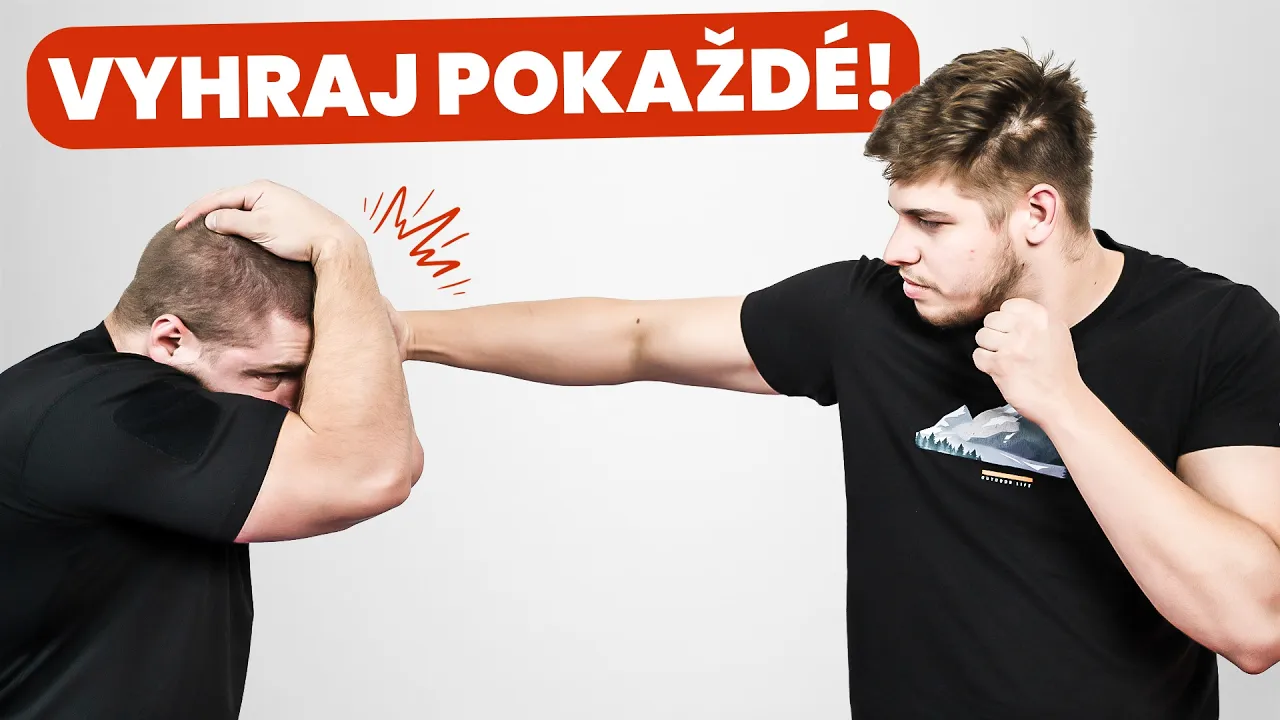
When confronted by law enforcement after using a firearm in self-defense, concealed carry holders should immediately state: 'I was attacked. I feared for my life. I will sign a complaint against that attacker. I want to show you evidence and point out witnesses. I need medical attention. I've just been under stress. I need to cool off for a moment. I invoke my right to counsel.' This standardized response prevents self-incrimination by avoiding detailed explanations, admitting fault, or providing inconsistent statements that can be rearranged and misinterpreted by prosecutors.
Legal Self-Defense: 9 Gun-Carry Mistakes to Avoid
Added:The basic legal framework of self-defense, including the concepts of imminent threat, proportionality, and the 'reasonable person' standard.
Fundamental constitutional rights, specifically the Fifth Amendment (protection against self-incrimination) and the Sixth Amendment (right to counsel) during police interactions.
The jurisdictional variance of firearm laws, including how state-level 'Stand Your Ground' laws differ from 'Duty to Retreat' statutes.
The typical sequence of a criminal investigation, from the initial 911 call and responding officers to the detective's interview and prosecutorial review.
The physiological and psychological effects of high-stress critical incidents, such as adrenaline dumps, auditory exclusion, and memory distortion (tachypsychia).
The distinction between criminal and civil liability, and how a defender can be acquitted of criminal charges but still face civil lawsuits for wrongful death or negligence.
The practical steps of establishing legal defense representation, including how to select a specialized self-defense attorney and the mechanics of attorney-client privilege.
Advanced verbal de-escalation techniques and boundary-setting strategies to resolve conflicts before they escalate to the level of justifiable physical force.
906.7K views16.1Klikes19:10Original Release: 2025-10-24
It starts the same way for far too many concealed carry license holders. Blue lights, cold steel handcuffs, and now a mug shot that erases a clean life. Sure, the concealed carry holder, he survived the threat, but he lost everything in the courtroom. Why? Because nobody told him there are actually two fights you must prepare for when you choose to carry. I'm Jeff Hampton, the people's lawyer. And in this video, I'm going to walk you through number one, the top concealed carry mistakes cops are counting on you to make. And number two, the specific words you can use to shut cops down. And stick around to the end because the last mistake will blindside even the most seasoned gun owners.
Mistake number one, firing warning shots. It's late, a parking lot outside a Chicago Union home. Two men close in.
Billy Coward, a 50-year-old Ford plant employee, feels cornered. He draws his pistol and he fires, not into a person, but to the ground. But this so-called warning shot, it wasn't a warning shot at all because two men end up being hit in the legs. The headlines, they called him a deranged gunman. The police, they charged him with attempted murder. He's suspended from a job he's held for 18 years, and for the next 18 months, he's stuck at home under electronic monitoring. Three years of litigation drain his savings and ruin his name.
It's only after surveillance video proved the other men were the aggressors does a judge dismiss all 12 counts, but by then the damage was done. Or take Marissa Alexander from Florida in 2010.
A woman fires a single shot into the ceiling to scare off her abusive husband. No one was actually hurt, but the prosecutors don't see a woman defending herself. They see a felon. A jury ultimately convicts her, and she was sentenced to 20 years in prison. It ended up taking an appeal and a change in Florida law before she won back her freedom. But this happened years later.
How does this happen? It's very simple.
From a both cop and prosecutor perspective, they see it as if they truly feared for their lives, why didn't they shoot the attacker? Why fire into the air? Because if it wasn't fear, it was only anger, and anger isn't self-defense. Courts treat warning shots as deadly force. And even though Ohio's Supreme Court in 2024 now allows juries to consider warning shots in self-defense trials, it doesn't stop you from being arrested, tried, and ultimately having to potentially appeal the case. So, what do you do instead? Do not fire to scare people away. You must only fire your weapon if it's to stop an imminent threat that you are in fear of serious bodily injury or death. If that's not the case, don't fire at all.
If the threat disengages, so do you.
step back and call 911. But if firing too soon gets you charged, firing too long could get you convicted. That brings us to mistake number two. Using deadly force too late. Here's the rule.
The defense ends when the threat ends.
Oklahoma 2009. Security cameras captured pharmacist Jerome Erseland pulling a revolver from under his white coat. Two teens rushed into Robb's store. One brandished a gun, so Ursul fired. The wouldbe robbers dropped unconscious to the floor. For a moment, Ursllin looked like a hero. He saved his life and his co-workers' lives. But then his adrenaline took over. He grabs a second pistol from a back room, walks over to the prone teenager, and fires five more rounds. The boy never gets back up. What do prosecutors tell the jury? The first shot might have been in self-defense.
The next shots were for revenge and execution. The result, he received a life sentence for his actions. What about the clerk in South Carolina in 2019? Robbers burst into the store and the clerk defended himself. But the surveillance videos showed one of the robbers crawling away wounded. Instead of stepping away, the clerk kept firing shot after shot. So the prosecution and the cops, they framed it as what started as self-defense turned into punishment.
The result, a felony conviction. The law is clear. Self-defense depends on what is known as imminence. Oliver Wendel Holmes wrote in the 1921 case Brown versus US, he said, I quote, "Detached reflection cannot be demanded in the presence of an uplifted knife." Meaning, if you fire one extra shot in the heat of battle defending yourself, a jury may forgive you. But when the danger is clearly gone, every shot thereafter is a crime. According to the Supreme Court, even police under the case of Tennessee versus Garner are not permitted to shoot non-dangerous suspects. So, what do we do here? It may actually seem simple, but it can become difficult under stress. Number one, after using one or two shots, justifiably, you need to stop and step back and assess the situation.
You must ask, "Is the person still armed? Are they still advancing towards me?" If not, stop shooting. You have to then issue this command. Quote, "Don't move. Drop the weapon." Then once the weapon has actually been dropped by the asalent, you're going to have to holster your weapon, call 911, and give a short, clear statement of exactly what you just did as the victim. But shooting too late isn't the only danger. This brings us to mistake number three. Some people, some concealed carried license holders, they pull the trigger too early. Detroit, 2013. 19-year-old Ranicia McBride crashed her car. Dazed and confused, she walked to a house for help. She banged on the door and the homeowner, frightened, raised a shotgun and fired through the door. She died instantly.
Prosecutors said there was no weapon, no imminent threat. As a result, Theodore Wafer was convicted of seconddegree murder. Or what about the case of Newman Raja in Florida 2015? Raja, a plane closed police officer, approached a stranded motorist. He thought he saw a gun being drawn, so he fired, killing the man. In reality, the victim was only reaching for his own lawfully owned weapon, thinking Raja was a robber. The jury then convicted Raja of manslaughter. The lesson here, your fear is not enough. The threat must be imminent and reasonable in order to use your weapon. Finally, what about the tragic case in Louisiana in 1992? It was Halloween night and 16-year-old Japanese exchange student by the name of Yoshihiro Hattorii walked up to the wrong house looking for a party. The homeowner saw a stranger at the door, assumed there was danger, and fired.
Tragically, the poor boy died on the porch, and the homeowner was tried and convicted of negligent homicide. His defense at trial, I thought he was a real threat. It didn't work. So, what exactly do we do here to protect oursel?
This is what we call the A OJ test. A stands for ability, O stands for opportunity, and J stands for jeopardy.
In order for you to use lethal self-defense as a concealed carry holder, all three of these must be present. Let's break them down. Ability.
Can the aggressor actually cause serious injury or death? We're looking here for a weapon. Their size, strength, advantage, were there multiple attackers? O stands for opportunity. Was the aggressor close enough and positioned close enough to you to use that ability now? Not behind a locked door, not too far away from you. They must have had the actual opportunity.
And finally, Jeopardy. Are they the aggressors behaving in a way that places you in imminent danger? Are they pointing a weapon at you? Are they threatening you? Are they charging to do something to cause you serious bodily injury or death? Remember, if those three don't line up, do not fire. But if pulling the trigger too soon lands you in prison, what about pulling the trigger for the wrong thing entirely?
Which brings me to mistake number four, using your firearm to protect your property. Connecticut 2024. A vape shop owner by the name of Joshua Marcato is robbed at gunpoint. The robbers flee with cash, but Marcato grabs his pistol and chases them into the street. He fires into their SUV as it speeds away and one suspect is actually hit in the leg and another in the stomach. Police, they don't see a victim. They actually see Marcato as the aggressor. He ends up being charged with multiple felonies.
Why? Because the cops say this isn't self-defense. This is reckless endangerment. The ultimate result, he ends up pleading it down to a lesser charge of assault. That brings us to Texas 2007 and the famous case of Joe Horn. Joe Horn was at his house as he watched burglars start to climb out of his neighbor's window. Initially, he called 911. The operator specifically told him to stay inside his house. Horn then responded, "I'm not going to let them get away with it." And minutes later, he shoots both men as they're fleeing and they lose their life. The grand jury, they actually declined to indict Joe Horn of anything. They cleared his name completely. How did this happen? Texas is one of the only states under Texas Penal Code 9.42, which permits deadly force to stop certain nighttime felonies. But the prosecutors and the cops, they didn't like it. They said that Joe wasn't protecting life. He was protecting property. And property is not worth a life. Now, most states don't draw a bright line on protecting property like Texas does. And even if they do, you've got to be careful because even though you may not end up having to be arrested or charged with a crime, you may end up still losing in civil court. For example, in the case of Howley versus Gillum, a man saw a thief stealing his battery from his truck. So, he turned around and fired a warning shot at his feet. The problem, the bullet ricocheted and killed the thief. Even though he was cleared under Texas criminal law, he was actually found liable under Texas civil law. And he has a huge money judgment against him. So, here's the deal. If someone's stealing your stuff, don't trade your stuff for picking up a felony. Do this instead. Number one, always secure your property with locks, lights, and cameras. Number two, be a witness. Write down a description. Write down their license plate and the direction they were headed. And then number three, only use deadly force if your life is at imminent risk. But even if you use force at the right time, saying the wrong words can still bury you. Which brings me to mistake number five. And this is the mistake that most concealed carriers make without even realizing it. They think it's okay to talk to police without a lawyer. Here's the rule. Anything you say can and will be rearranged. That's right. Not can and will be used against you, but it will be rearranged. For example, Florida 2018.
Michael Drea argues in a parking lot over a handicapped space. He's shoved to the ground. He draws his weapon and he fires. When police arrive, he starts talking. And he doesn't doesn't just start talking, he keeps talking. He gives multiple statements without counsel. His details begin to shift a little bit because he's under stress.
Prosecutors then play his own words to the jury, framing him as being unreliable and hiding something. The result, he ends up being convicted of manslaughter. How did the cops end up charging him with this? Their conclusion was he talked so much. If we can't really trust him about the little things, how can we trust him about the big things about how this went down?
they decided to call him a liar. Here's the deal. Police don't need your explanations. They need your words to build a case. Anything you leave out becomes, "Hey, man, why did you never say that?" Or any mistake you made now becomes a, "I can't believe you would lie about this." Even innocent admissions like, "Yeah, I had a a drink at the bar before I got over here." That turns into new charges. And please remember this, nothing you say will actually help you unless you're careful about what you're doing here. But everything you say can be rearranged and will be re misinterpreted and rearranged to make you look like you did something you didn't do. So what do we say here if we know cops will try to rearrange everything on us? It's very simple.
Number one, officer, I was attacked. I feared for my life. Number two, I will sign a complaint against that attacker.
Number three, I want to show you evidence and I want to point out the witnesses and what they did. The knife's over here. This lady over here, she saw it. Number four, I need medical attention, officer. Number five, I've just been under stress. I need to cool off for a moment. I invoke my right to counsel. I'm happy to answer any questions back at the station after I've had a chance to cool off and talk to my lawyer. And when you call 911 after a self-defense incident like this, only give the essentials. Number one, your location. Number two, the fact that police and EMS need to show up. And number three, the suspect description and the fact you are the victim. Always remember the 911 call, it's being recorded. Do not narrate your adrenaline. Now, imagine you didn't just act for yourself, but you wanted to be a good Samaritan for someone else. That brings us to mistake number six. By trying to help others, you might actually misidentify the good guy. If you don't know the full story, don't be a part of writing the ending. This brings us to Colorado. In 2021, a man by the name of Johnny Hartley heard gunshots. He ran towards the danger. He was wanting to be a good Samaritan, so he sees an attacker with an AR-15 who had just taken down a police officer.
Hurley draws his gun. He shoots. He takes down the active shooter and he disarms the rifle. Seconds later, responding officers arrive and what do they see? They see Hurley holding the rifle. They then mistake him for the shooter and take his life. Imagine a hero dies at the hands of the so-called help. Ultimately, Johnny Hurley's family received nearly a $3 million settlement because of the actions of the police.
But it didn't stop Mr. Hurley from losing his life by trying to be the good Samaritan. Another example, there were some bystanders that mistook plaincloed police officers as everyday criminals.
One armed citizen sees what he thinks is a mugging going on and he pulls out his weapon and he actually shoots. The problem was the person he shot was a a plane closed police officer making an arrest. Now the good Samaritan is actually charged with the assault. The cops and the prosecutors, their legal defense and their legal line is brutal.
You're not a hero. You didn't save anyone. You only ended up shooting an innocent person. So, having a hero complex or trying to be a good Samaritan is not a legal defense. Now, don't get me wrong here. The law does allow for the defense of others, but only if your belief was reasonable. The problem here is that your mistaken beliefs, if they result in someone getting hurt, are going to be seen as unreasonable beliefs, and you will be charged as a criminal. So, when you do have a situation that comes up and you want to be the good Samaritan to help out, instead you should do this. Number one, observe for a few moments. You need to confirm who's who. Number two, if it's not obvious to you who is who, dial 911.
Describe what you're seeing. Don't draw down. And then number three, if you do act, make sure you holster quickly. Keep your hands visible when police arrive so that you don't become the next victim.
But even if you know who the threat is, what if you happened to have been drinking? Mistake number seven is the one mistake juries never forgive. Never mix guns and alcohol or drugs. Being impaired equals impaired judgment equals an impaired defense. In Minnesota a few years back, a homeowner had been drinking and then he heard a bump outside his house. He steps outside afraid of what's going on. So he fires warning shots into the air. Cops are then just around the corner. They show up and they charge him with reckless discharge of a firearm while intoxicated. Had he been sober, the incident might have been completely different. But because he had been drinking, here he is now being charged with a felony. Now, prosecutors love to say this during a closing argument. They might use something like this. Ladies and gentlemen of the jury, the defendant admitted he was drunk while handling a deadly weapon. Would you trust his judgment? In fact, Ohio and Wisconsin have upheld convictions for armed intoxication. And federal law can potentially bar unlawful drug users from even possessing a firearm. So, what's the rule here to protect oursel? If you're going to carry, always be sober.
If you're going to drink, never carry.
And if you're impaired at home and something happens, you better be careful with confronting. I would instead barricade myself in my home, call 911, and wait for the police to make the confrontation. Because when the cop shows up, being buzzed turns reasonleness into recklessness. But if alcohol can destroy your credibility, watch out because chasing a suspect can actually destroy your case. Mistake number eight, chasing a fleeing suspect can actually land you in jail. Here's your rule. When the aggressor runs, your self-defense, it runs out. Which brings me to Michigan, 2020. A man sees a thief stealing a flashlight from his car. He then chases that thief down the road and shoots him in the leg. The thief, of course, he survived, but the homeowner was actually charged with felony assault. But here's the critical part.
At the time of the jury instructions, the judge tells the jury that at the time of the shooting, the homeowner was not in imminent danger. So, as a result of that, it's going to be very difficult for him to have ever won his self-defense claim. You say, "Wait a minute, Jeff. What about these stand your ground laws?" Well, it is true that stand your ground laws allowed you to hold your ground when you're attacked.
But whenever the person flees, whenever they run away, it doesn't allow you to gain ground by chasing them down and now being able to use your weapon. So, what exactly do we do instead? Number one, take down their license plate. Find out exact descriptions and information about the individual. Don't become the pursuer. Number two, call 911. Give the direction and the description of the asalent. And number three, do not re-engage a fight if you survived. Now, the story might be different if they reattack, but if they flee, you can't chase them down and use your weapon. And finally, if chasing a fleeing suspect makes you look like the aggressor, playing cop during a situation makes you look like a criminal. This brings us to mistake number nine, and this is perhaps the deadliest trap of them all. Whatever you do, don't play cop. You deciding that you want to play cop and make a citizen's arrest could end up losing your life or end up landing you in jail.
What about the famous case in Florida 2012? We all know the famous case of George Zimmerman, the neighborhood watch volunteer. He was following a teenager against police advice. There was a confrontation. There was gunfire and ultimately the death of the teenager.
Zimmerman of ultimately is acquitted, but prosecutors hammered him as a quote wannabe cop. After the trial, he became a national villain. And even without a conviction, his actual life was torched.
There are countless cases of armed citizens holding other people at gunpoint, making threats to them, holding them for cops, tampering with evidence. When police show up, cops see one guy with a gun, acting like he's in charge. And of course, there's only one person in charge when the cops show up.
And it's not the guy who wants to make the citizen's arrest. It's the cops. So, who do they arrest? They arrest the citizen making the armed arrest and now they are going to jail. I've heard this said by cops and prosecutors all over the country. This wasn't defense of others. It was vigilanteism. He was trying to take the law into his own hands and we won't stand for it. So what do we do instead in this situation?
Number one, detain only if life is at risk. Number two, don't move evidence or play CSI on any of this stuff. And number three, when cops arrive, holster, comply, and share all the information to show that you weren't acting as a cop and that the actual defendant, the person who actually was the aggressor, is the one who deserves to go to jail.
Now, we just covered the top concealed carry mistakes cops are counting on you to make. But did you know that there's a new court ruling that just came out that changes all the rules for gun owners when they end up in a confrontation with police? Check out this next video where I break down the top five new rules every gun owner must know under this new Supreme Court ruling.
Up Next
48:00
Stand Your Ground Laws: A Legal & Historical Analysis
@infowarrior454
102.9K views•2012-10-29

4:27
US Secondary Sanctions Impact on EU Businesses and Blocking Legislation
@Bureauvandijk
1.6K views•2019-03-20

5:27
Forensic Phonetics: Speaker Identification in Legal Cases
@nptel-nociitm9240
539 views•2025-03-19

24:42
Police Interrogation Tactics: False Confessions & Legal Reform
@LastWeekTonight
7M views•2022-04-18
Related Study Plans & Knowledge Roadmaps
Structured learning paths in Law
law
Self-Defense Law: Imminence & Castle Doctrine
01Foundations of Self-Defense Law
02Imminent Threat & Reasonable Belief
03The Principle of Proportionality
+ 3 more learning modules
12h6 modules
Explore Roadmap
law
Defamation Law: First Amendment & Actual Malice
01Introduction to civil torts and the First Amendment
02Elements of Defamation: Libel and Slander
03Public Figures vs. Private Individuals
+ 2 more learning modules
8h5 modules
Explore Roadmap
law
Hearsay Rule: Trial Evidence & Exceptions
01Introduction to Trial Evidence & Courtroom Basics
02Demystifying Hearsay: The Core Definition
03Non-Hearsay: Exclusions Under FRE 801(d)
+ 3 more learning modules
14h6 modules
Explore Roadmap
law
Medical Malpractice: Law, Liability & Care
01Foundations of Tort Law and Civil Liability
02The Four Elements of Medical Malpractice
03Defining and Proving the Standard of Care
+ 2 more learning modules
12h5 modules
Explore Roadmap