














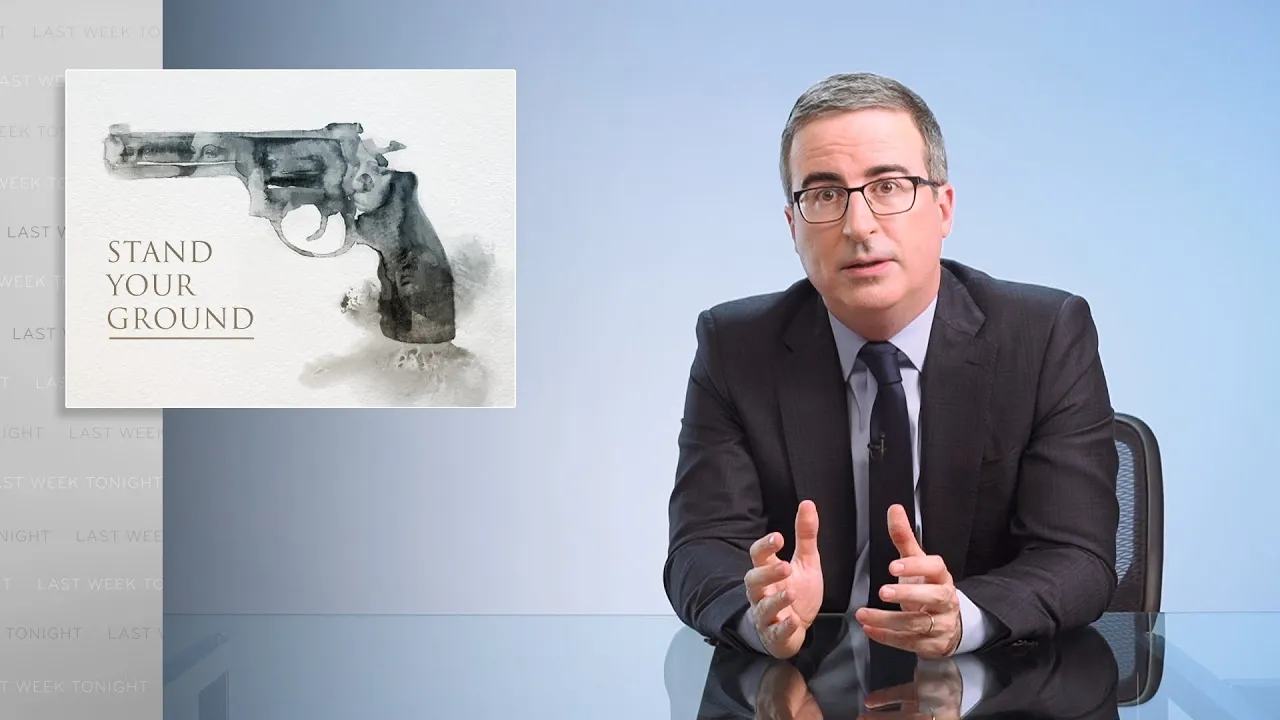






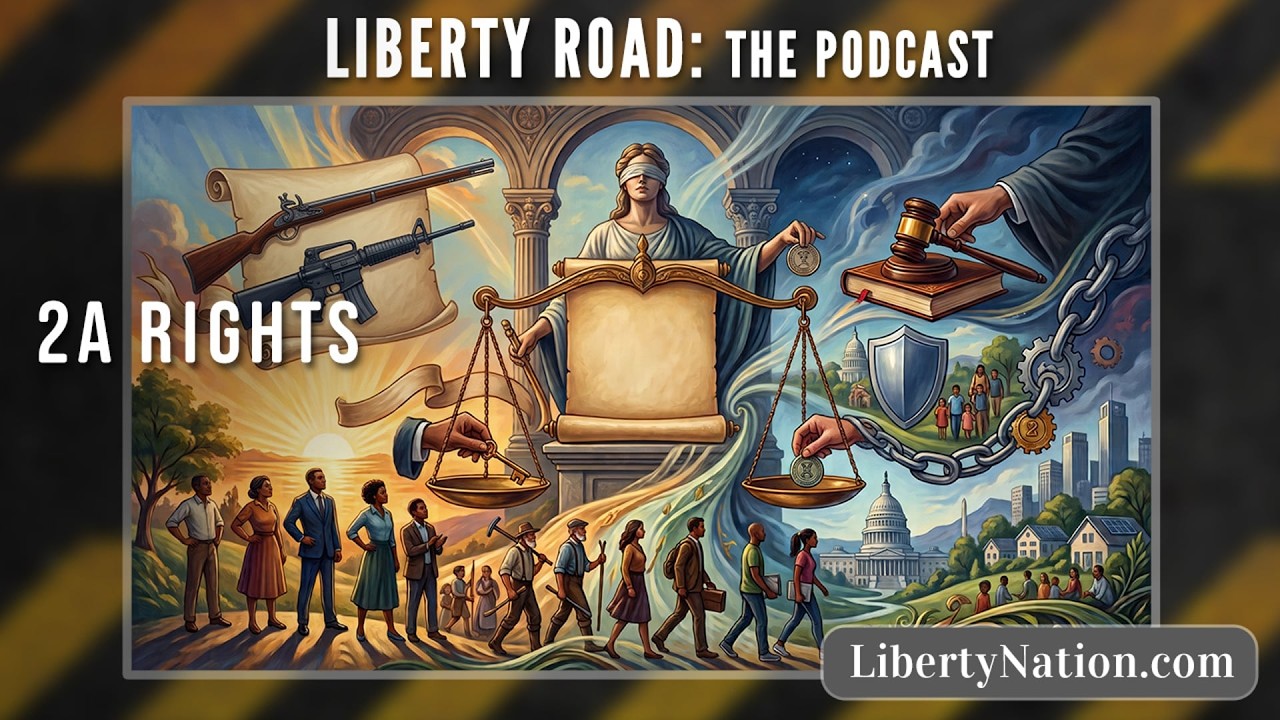


Stand your ground laws are elements of justifiable use of force law that protect citizens from bankruptcy and persecution by malicious prosecutors after righteously using force when an immediate and otherwise unavoidable danger of death or grave bodily harm exists to the innocent; these laws do not authorize shooting based on fear or nervousness, but require proving one acted reasonably under the circumstances using a three-prong test of ability (attacker's capacity to inflict fatal injury), opportunity (attacker can immediately employ that power), and jeopardy (attacker's actions manifest intent to cause death or great bodily harm).
Stand Your Ground Laws: A Legal & Historical Analysis
Added:The traditional Common Law principles of self-defense, including the core concepts of imminent threat, proportionality, and reasonable belief of harm.
The 'Duty to Retreat' doctrine, which historically required individuals to attempt to safely escape a dangerous confrontation before resorting to lethal force.
The legal concept of the 'Castle Doctrine,' which establishes that a person has no duty to retreat from threats when they are inside their own home.
The fundamental difference between criminal prosecution (where self-defense functions as an affirmative defense) and potential civil liability.
Empirical and statistical studies analyzing the actual impact of Stand Your Ground laws on homicide rates, gun violence, and overall public safety.
Analysis of potential racial, socioeconomic, and gender disparities in how Stand Your Ground laws are applied and adjudicated in the court system.
A comparative law study examining how self-defense legal standards in the United States differ from those in other common law or civil law countries.
The intersection of Stand Your Ground statutes with Second Amendment jurisprudence and contemporary legislative debates over firearm regulations.
102.9K views945likes48:00Original Release: 2012-10-29
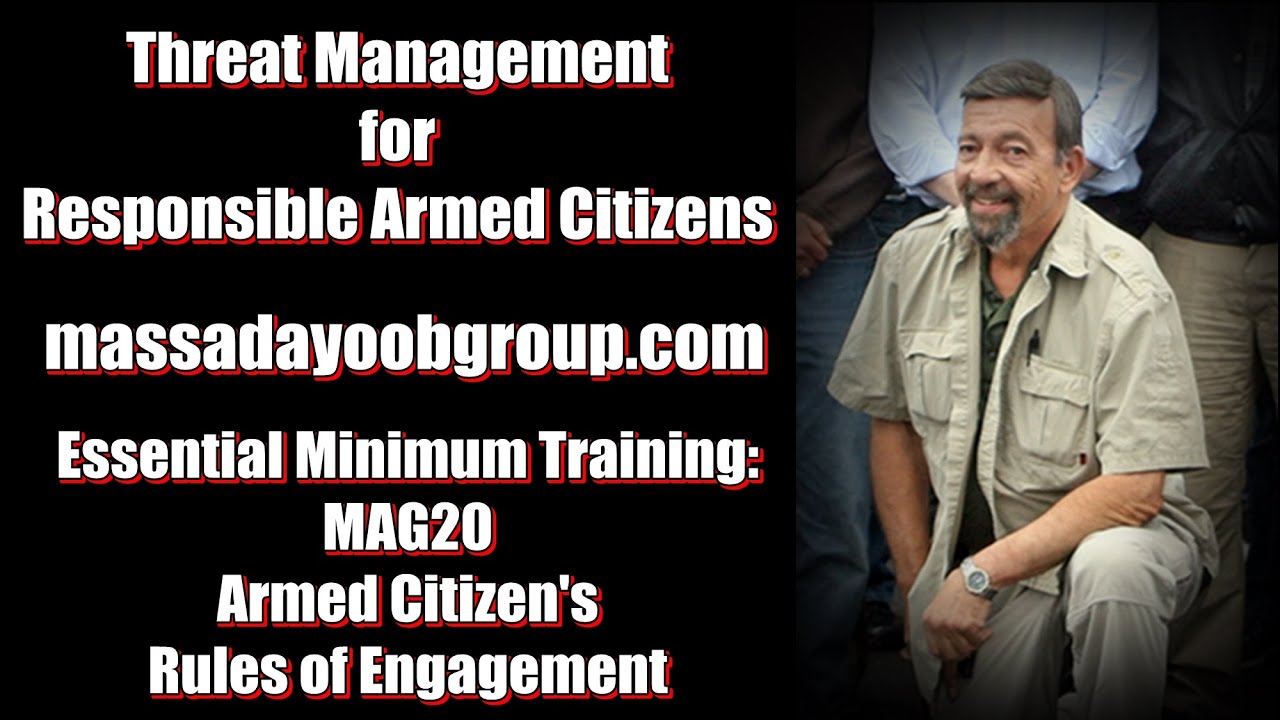
[Music] I'm really so stupid a slanted justice system high incarceration rates record unemployment voter disenfranchisement racism so to help me dig in to just some of these issues I'm joined by the president and CEO of the NAACP Ben jealous Ron Martin is something else that really profoundly showed the state the underlying state of just racism in this country what do you think this really revealed about you know here we are um it's kind of something that's under the radar but it really is pervasive you know this is a problem and if we're honest Frank we see it throughout the West you know when when I traveled to Switzerland or to France you see young men from North Africa being treated exactly the same way if you're in uh London you see young men from Jamaica being treated the same way where basically young men of color are treated as criminals just for being of color and we have these stand your your ground laws in this country something that you don't see really outside of the US that allows people to racially profile with lethal Force while walking down the street because what it says is if you fear that somebody's about to do you bodily harm you can shoot and kill them well there's a lot of folks unfortunately who are just afraid of men like me men of color simply because of how we look because we're a little darker because because we have a beard and and it gives them license to racially profile with lethal force and that's what we're fighting against before I introduce our first Speaker I do want to take just three or four minutes to lay something of a foundation for our discussion this afternoon to put the controversy over the standard ground laws into some perspective I think uh it's necessary that we first take a look at another law that Florida enacted in 1987 and that was their law regarding Concealed Carry Permits 25 years ago it was illegal in many states for ordinary citizens to carry guns outside of the home if they did not have a permit at that time the permit systems were a discretionary matter with the police if you couldn't persuade the local police department that you needed a gun for purposes of self-defense uh that was the end of the matter there was really no practical appeal from that denial but Florida adop adopted a new law that is commonly referred to as shall issue and the shall issue laws brought some dramatic changes to the law and as a practical matter to the number of people who were leaving their homes with Firearms under a sha issue system if any citizen can meet certain objective criteria such as like you're more than uh older than 18 years of age uh you pass a criminal background check you passed a gun safety course you don't have a history of alcohol or drug abuse uh problems if you meet these objective criteria then the concealed carry permit shall issue to that person that's why it it has that name critics of the Sha issue law said that crime would spike and we would soon see people shooting at one another over Petty disputes and arguments but that did not happen a crime did not go up it actually went down and criminologists to this day argue among themselves as to how much of the decrease in crime can be attributed to these uh shall issue laws Florida has issued uh according to my research more than 2 million Concealed Carry Permits since 1987 and less than 1% of those uh permit holders have had uh their permits revoked because of misconduct uh by the permit holder more than 30 states have followed Florida and adopted shall issue permit systems and so there are now about approximately 10 million people in the United States who have Concealed Carry Permits now Florida's standard ground law came along in 2005 and I know our panelists are going to get into a little bit more detail but the law basically did two things first it says that there's no duty to retreat in the home invasion situation or in situations where a person comes under a criminal attack in a public place uh the second thing that the standard ground laws do is they provide for immunity from Criminal and civil liability for person who are covered by the law and about 24 states have followed Florida and enacted similar Provisions in some jurisdictions it's called the castle doctrine and other jurisdictions that stand your stand your ground now some critics of the standard ground law uh you may have seen this in the papers recently uh they call it the shoot first ask questions later policy some police officials have criticized the stand your ground as being misguided and dangerous they point to the Trayvon Martin shooting and say that the standard ground law has encouraged Vigilantes to profile African-American men and they point to an increase in justifiable homicides to show that standard ground laws have led to problems and unintended consequences The Defenders of standard ground say that the uh that law does not apply to the trayon Martin case and that the law protects innocent G owners from overzealous prosecutors and ruinous civil litigation our first Speaker today is Mr Clayton Kramer uh Mr Kramer is a historian and he has written several books on the right to keep and bear arms his books and law review articles have been cited by the US Supreme Court and several other courts around the country Mr Kramer recently co-authored this KO paper which we titled tough targets I hope you picked one up outside uh this paper explores the manner and circumstances in which civilians use guns uh against criminals in self-defense I think one of the most important points made in that paper was that news organizations tend to report on the incidents where crimes are used in criminal incidents but they usually do not report the instances where guns are used to stop criminal attacks and that's because most often the gun is never fired and from the standpoint of a a news editor or a news producer when that type of situation happens uh let's say a criminal just runs away because he finds out that the uh his intended burglary uh victim has a gun and he runs away from the scene no shots fired no injuries no suspect in custody so from the standpoint of a news organization they just don't have much to write about so it's not reported and yet it's been estimated that these types of incidents stopping crimes uh happen hundreds of thousands of times a a year in the United States but again we just don't tend to hear about them I should also mention that Mr Kramer was uh instrumental in exposing the work of a disgraced academic by the name of Michael balil some of you may recall that Mr B was the history Professor from Emory University who won several awards for his 2000 book called arming America at the time it was a very controversial and bold thesis where he said that actually gun ownership in America was quite rare up until the time of the Civil War Mr Kramer came forward to challenge many of the claims made in that book and it as the weeks and months and years uh passed it turned into an academic scandal because the author was not able to support his claims and sources so his awards were rescinded his publisher dropped him and he lost his position at Emory University so that's one thing that uh you see Mr Kramer's name come up in the news uh as regarding to that incident Mr Kramer teaches history at the College of Western Idaho but he said that's only his part-time job the job that he loves the job that really pays the bills is the one in which uh he writes computer software for the state of ill please welcome clayt Kramer Idaho oh sorry [Applause] Idaho uh I should mention also that I've had some books published in areas besides gun rights books on black history as well that was one of my other Specialties in grad school uh well my presentation today uh of course is concerning stand your ground laws and why they represent a um a delicate balance of competing interest for for justice first of all Let Me Explain castle doctrine and stand your ground laws are actually a lot more closely related than many people realize both of them create a legal presumption in favor of a person who's using deadly force uh both substantially reduced prosecutorial discretion in deciding whether to bring a criminal charge and both have been growing over the last 35 years for a variety reasons both actions of state legislatures and also actions of the courts themselves um castle doctrine creates a presumption that if a stranger forces entry into your home that they intend to kill or cause great bodily injury and to my knowledge in every American state that is the legal requirement for justifiable homicide that you have reason to fear being murdered or suffering great bodily injury so these laws mean that a resident who uses deadly force against stranger who forces entry starts out with a very strong legal advantage prosecutor can still pursue a criminal charge against the person who shoots an intruder but the deck is now stacked against the prosecutor who has to prove that the shooter knew that the Intruder meant him no harm uh another way of looking at it is that castle doctrine Stacks the deck in favor of a person who was minding his own business when a stranger forced entry now closely related to stand your ground laws which have at their core the idea that you have no obligation to retreat from an attacker uh in your home before using dead force is this idea of stand your ground that even outside your home that you should not have an obligation to go ahead and Retreat this term stand your ground comes from a US Supreme Court decision beard versus US 1895 uh which held uh that a person was not required to retreat before using deadly force uh of course this assumes that you're not the aggressor that you were minding your own business and of course it also assumes you have a right to be where you were were when you were attacked that uh you know if obviously if you were trespassing or in some other way breaking the law at the time that you were attacked you would not be in anywhere near the same situation where does this notion of a duty to retreat come from at common law you were only allowed to use deadly force in the word of blackstone's commentaries for the prevention of any forcible and atrocious crime uh crimes like robbery murder rape uh breaking into a house at night uh these were the cases where deadly force was allowed uh and was recognized as being completely acceptable but there are circumstances that were a bit less clear that the common law did not handle very well what if u a stranger walked up to you on the street and punched you in the nose and started beating on you uh what if several strangers uh attacked you or surrounded you and started menacing you uh until 1532 uh if you drew your knife or your sword and killed them or just a lucky punch against an attacker caused that person's death uh this was technically a crime uh your your property would be confiscated and you might well be convicted of manslaughter and punished by branding in the hand now these circumstances were actually pretty common these sudden uh brawls and attacks uh in fact medieval and Renaissance England was actually worse than Detroit today in terms of the levels of violence uh so your only hope if you ended up killing someone under these conditions was to beg the king for a pardon and if you had good reason for what you had done and U of course you got a lawyer to represent your case before the uh courts of Chancery uh you could get that pardon but U your property's gone obviously unjust and so what happens is that and also juries are refusing to convict so Parliament passes a law in 1532 that uh adds to the category of excusable homicide what they called homicide say defendendo which is one of those horrible Latin phrases uh and this was the situation where you were attacked in the course of a sudden brawl or quarrel and you ended up killing your attacker now defense was not available if you had a safe or convenient way to um back away from the uh the attack uh you could not use this defense if you initiated the confrontation uh or if you had a chance to stop fighting and U could have backed away but chose not to so the goal here is to discourage killing now this was an affirmative defense meaning that burden of proof was on the person who was using the defense uh you know the prosecutor didn't have to prove uh anything here you as a the person making this defense had to prove that you had you know reason to be concerned now this is a little bit at variance with our laws today and there are people who say the American tradition of violence plays a part in this this 1850s illustration from Harpers captures well the sort of pointless and stupid brawling that was in some parts of the United States especially in the the the South a big part of the culture uh you've probably never seen a roast Pig used as a weapon before have you the historian Richard Maxwell Brown wrote a book some years ago called No duty to retreat in which he made the claim that uh this violence that was common in American society uh and a general focus on manliness uh had caused our courts to abandon this duty to retreat contained in the 1532 law uh and there's some debate about whether he actually had this correct or not uh even today English law is not really consistently following a duty to retreat there's a case I found called Rex V bird from 1985 where the English uh court of appeals uh ruled that a woman who took out an attacker's eye with a shot glass uh you know was not obligated to retreat before using that level of force and she had actually provoked the attack it was an ex-boyfriend they met at a party she poured a drink over him he shoved her into the wall she had a glass and took out his eye so even English law is is not completely consistent on this so perhaps this isn't something that we actually uh innovated on the English law now even states that you might think of as NRA occupied territories uh have at least in some places abandoned this Duty Retreat um California penal code section 195 here um you can see it on the screen uh defines excusable homicide in terms that are quite similar to that 1532 statute by the English Parliament uh but there's one significant difference and that is no duty to retreat and the uh courts in California starting as far back as 1895 with people V Hecker have recognize that there was a right to stand your ground uh and uh this seems to be the case in a majority of States uh that there is some recognition that at least under some conditions there is no duty to retreat to enjoy the excusable homicide statute um even states that recognize a duty to retreat in a public place uh often do not require in your own home uh even when the attacker is someone else who lives in the same house and that actually leads to an interesting Discovery um some of what has driven this abandonment of the duty to retreat uh and abandonment even by the courts even without legislative action uh has been domestic violence situations uh there's a number of State Supreme Courts that have recognized that there is no duty duty to retreat before using deadly force in your own home uh even when the attackers not um a stranger uh I've given you a list of a few representative examples uh State V livc from my state of Idaho not Illinois uh involved a woman who had shot an abusive husband he had been locked up overnight in the county jail he came back in the morning uh attitude not improved um she fired one shot as a warning to let him know uh to back off uh because he was threatening her at this point uh he was not good at taking subtle hints like that and he uh shoved her into the wall she shot him either by accident or as a result of of intent um somewhat unclear uh and uh at trial uh the instructions given to the jury were that she had a duty to retreat even out of her own home rather than use deadly force against this drunken brute and the state supreme court ended up saying uh no that's not right and so there's been a number of other states that have recognized that uh you know there's no duty to retreat out of your house now mentioned that castle doctrine and standard ground laws are closely related and sometimes they're so hopelessly intermingled that I have a hard time seeing them as completely separate um because of the controversy concerning trod Martin's death uh and Florida's law has become something of a model for other states um I'm going to go ahead and tend to focus on that first of all the standard ground law in Florida is primarily a castle doctrine law most of the text is about protecting your ability to uh defend your dwelling residence or vehicle from an attack uh use of force against trespassers is allowed but not deadly force and it's interesting the first use of Florida standard ground law that I saw when well for example the data that we put together for this report here uh involved a woman named Marilyn caroway she shot her ex-boyfriend when he forced his way into the screened in porch part of her of her home there's only a small part of Florida stand your ground law that protects the right to use deadly force in other places and even then the use of deadly force is authorized only you'll notice the language here um reasonably necessary to prevent death or great bodily harm to himself or herself or another or prevent the commission of a forcable felony so I'm having a little trouble seeing this as a really radical change in terms of when it authorizes the use of deadly force now you're probably wondering if this is not such a radical change why is it even necessary in an Ideal World it wouldn't be necessary the problem here unfortunately is prosecutors have an enormous discretion in deciding whether to pursue criminal charges and obviously in a legitimate case of self-defense you would expect a prosecutor to not go ahead and file charges uh even if there is some ambiguity you know you're going to tend to give the benefit of the doubt if you believe this person probably went ahead and was engaged in a lawful self-defense the problem is prosecutors sometimes abuse their discretion I hope that doesn't surprise anyone sometimes they're currying favor with voters um or at least some voters as we saw what the uh Duke lacrosse rape case uh a couple of years back uh prosecutors are not above violating the law in order to get votes um the district attorney Mike neong was uh in the middle of a uh primary and he needed a lot of votes that he otherwise might not have gotten eventually you recall he was disbarred for dishonesty fraud deceit and risk representation and even served I think one day in jail sometimes prosecutors have such a fierce opposition to gun ownership that they pursue criminal charges simply because the victim used G or perhaps a prosecutor wants to be seen as tough on crime now some of the early adopters of these sort of laws did so because of prosecutorial abuse of discretion for example California's uh home protection Bill of Rights uh which is a castle doctrine law uh this passed a democratically controlled legislature in 1984 by huge majorities in both houses uh in the state senate uh my state senator was one of only three out of 40 to vote against it uh and uh no one was going to mistake California's legislature back then for NRA puppets or even neutral on gun ownership so what provoked it what got them to pass this bill so overwhelmingly uh my recollection of newspaper coverage at the time was the LA County DA went ahead and prosecuted a woman who had shot a guy who had forced entry into her home uh now he didn't get very far on that but of course it was expensive I talked to the author of the bill a few days ago and he he remembers that there were a number of such incidents that had come up and this is why the legislature was so willing to go ahead and change the um U you know the equation to go ahead and change the balance on this to create this this uh presumption in favor of the the homeowner now the author of Florida stand your ground law says that uh the particular event that provoked it was a man shot an intruder who had forced entry into his motor home he was living in a motor home on his property after you know Florida has these hurricanes come through every few days and destroy everything it had destroyed his home and uh he was living in this motor home and shot the guy that forced entry and it took many months for the prosecutor to decide you know I'm not going to pursue this um and of course in the meantime remember the the cost of Defending yourself from prosecution will bankrupt you if nothing else does what effects have these laws had on crime rates well uh the stand your ground laws are really a little too recent to have have any long-term longitudinal effect studies but uh there is a little bit of work done on the effects of Castle Law um Dr lot's more guns less crime mentions statistically significant reductions in the rates for a number of the uh the common crimes like murder rape robbery and aggravated assault um although he's also careful to emphasize that the number of years and the number of states is so small that you know you might want to not might not want to draw too much um meaning from this now the April 7th Washington Post reported that after Florida adopted their stand your grand ground law civilian justifiable homicides tripled now at this point we're all supposed to go gasp uh but what you and it was apparently significant increase from 12 per year average to 36 Pere average but the same article also mentioned that police justifiable homicides also tripled over that same period of time and I don't really see how sand your ground law would have affected uh police justifiable homicides uh perhaps in fact the justifiable homicides increased because of an increase in aggressive uh criminal Behavior Uh now there's one rather interesting Quirk about the way the justifiable homicide data is gathered uh it turns out that the FBI who gathers this data from every state um they exclude the excusable homicides and they only include justifiable homicides based on the initial reports by the police uh if there's a later investigation by the police by the prosecutor by grand jury or a trial and that killing is ruled justifiable or excusable the FBI's data does not get updated and it's very likely since the same people in Florida that gathered this data for the FBI or what Washington Post is using it's very likely that that data is not being updated either so it may be maybe that not that there's actually been an increase in justifiable homicide maybe it's just being reported um much more early in the process as justifiable than it did before now in 1989 Time Magazine produced what I call a very useful piece of propaganda and it was useful because of the amount of actual raw data that it contained uh they devoted most of the magazine one week to what they called death by gun as best they could they got information on every person killed with a gun in the United States during one week um 464 deaths 199 criminal homicides 13 justifiable or excusable by police 14 justifiable or excusable by civilians but what happened when they went back a year later they did a followup and they discovered that 14 of those cases initially reported as criminal homicides were now actually justifiable homicides uh so at least a doubling of the justifiable homicide right rate as all these cases actually work their way through the criminal justice system uh and there were still some of these criminal homicides that had not gone to trial so that might might continue to change uh criminologist Gary kleck at about the same time was collecting studies that demonstrate that uh this is probably on the low side uh there are an awful lot of cases where women kill intimate Partners uh and they're often charged with a crime manslaughter for example uh and are later found innocent um so it you know these are complicated situations and I'm not surprised that police often initially charg these as crimes even though later investigation concludes yes this woman had a re sometimes this man had a reason to go ahead and use deadly force so did the justifiable homicide right actually triple or was it just crimes that otherwise would have been reported as murder or manslaughter and then later figured out were more likely to be reported as justifiable homicide at the very beginning I don't know for sure but I do think is at least a plausible explanation now stand your ground laws move the balance point of the Criminal Justice System there are prosecutors who argue that these laws make it too hard to prosecute criminals who shoot people or kill them in general uh the claim is that criminals use these presumptions that are being built into these stand your ground laws to get away literally with murder and I don't doubt that this does on occasion happen u a lot of violent crime remember involves criminals killing other criminals uh people that are arrested for murder usually have very long wrap sheets um and victims often have disproportionately long wrap sheets as well sometimes they're completely innocent people but sometimes they're you know bad people killing bad people um on the plus side it makes it harder for prosecutors to use the enormous powers that their position includes to abuse those who are engaged in lawful self-defense and I think what we really have here is a question of balancing the interests of Justice uh at what point does a law give too much benefit of the doubt to a person engaged in self-defense uh in states that have very little viol vient crime such as where I live in Idaho uh a stand your ground law is probably unnecessary and could even be harmful for the reason that critics give in states that have severe violent crime problems where people have good reason to fear being attacked on the street standard ground laws may make very good sense indeed now I cringe at the abstract idea of a stand your ground law because it will encourage people to use deadly force uh the world's full of stupid teenaged punks I hope this is not a surprise to anyone here they get mouthy they get aggressive they rely on intimidation when they are't actually being violent some of them a few days in jail a fine might be enough to make them stop being punks at least we can hope that and they aren't going to get that chance if they attack someone on the street who ends up killing them but when I look at Florida stand your ground law it doesn't worry me all that much it seems pretty carefully drafted outside of your home where does it apply you must be in a place you have a right to be you cannot be engaged in an unlawful activity so if you're a drug dealer you know you don't get the benefit of it you are allowed to meet force with Force so roughly equivalent to what's being used against you someone pushes you you can push them back someone pushes you you don't shoot them you are allowed uh to use deadly force under a rather limited set of conditions have to reasonably believe re to prevent death or great bodily injury to himself or herself or prevent the commission of a forcible felony um you do not get the benefit of this law if you are in the process of committing a forceable felony or trying to escape after doing so and if you initiate the confrontation that leads to someone's death you don't get the benefit of the law under these set of conditions um you can use it if you believe you're in imminent danger of death or great bodily harm and you've exhausted every reasonable means to escape such danger or you have withdrawn from physical contact and indicated you want to stop the fight so if you started the fight a lot of limitations on on on your ability to use deadly force so my argument is there may well be flaws in the standard ground law that Florida has and that other states have as well but I'm not seeing any clear evidence that this is a uh severe problem I'm not seeing any evidence that this is a systemic problem there may well be cases that require some adjustments to the law I do not see that the core of the law is fundamentally at flaw here thank you thank you our our second speaker today is a well-known Authority on Firearms police work and the rules pertaining to self-defense and the use of deadly force for 37 years he served as a part-time sworn officer uh in New Hampshire where he is currently serving as a captain he also serves as a police prosecutor in that state and in that capacity he teaches attorneys in their continuing legal education uh they earn credits on topics related to the use of force and justify def iable homicide over the course of his career he has trained thousands of police officers and civilians in weapons tactics and survival techniques he's a prolific author uh he's written thousands of columns over the past 30 years in periodicals such as the American handgunner and Guns Magazine he's also written many books the most relevant one uh to this forum I think is his 1979 classic and bestseller in the gravest extreme which uh was about the use of guns uh for self-defense defense widely endorsed by police officers lawyers and even judges when he's not training others or writing articles chances are he's uh out on the Range competing somewhere he is a champion pistol shooter winning competitions all around the country I should also mention that he has himself been involved in more than 20 armed encounters over the course of his career with that background I don't think you'll be surprised to learn that he is one of the most sought after experts uh to come to trials to testify on uh shoot and don't shoot situations uh self-defense cases and the use of uh Firearms uh in cases involving police officers and civilians please welcome Masada you i' like to thank Clayton Kramer for an absolutely outstanding historical perspective on this concept as he pointed out the Castle Law and or the castle doctrine and the standard groud laws are very similar but they're subtly different there's been a a lot of confusion over the the two in the last few years as these laws was spread and that is magnified to the power of 10 in the last two months after the currently ongoing controversial shooting in Sanford Florida perhaps the reason is the law being debated there uh you want to Google uh Florida statute 77613 as written actually encompasses three different concepts certainly the castle doctrine uh as Clayton explained going back to the English common law the citizens home is their Castle attack there they need not Retreat before using appropriate Force to repel the attacker the standard ground law is distinctly different because that covers the individual if they're assaulted in a public place some of the confusion has come from the fact that even some of the sponsors felt since now we'll be able to do on the street what we could do in in the home we use the term for it that we used in the home castle doctrine muddying the waters further that particular statute also encompasses a presumption of reasonableness now just as we all have a presumption of innocence that is we're innocent until proven guilty that particular law is written says the person who makes a claim of self-defense if they can prove it as a reasonable claim of self-defense if they can show to a prep of evidence standard that is more likely than not that they're telling the truth that it was self-defense the case should be dismissed this has created a great deal of ey and a a great deal of controversy I've heard the argument that well you you shouldn't allow this because all the bad guys will say they shot their victims in self-defense and get off ladies and gentlemen the bad guys have been using that excuse as long as there have been bad guys I shot him in self-defense some other dude done it I don't know a thing about it I didn't beat him and I'll never beat him again if you let me go basically through all that time skilled investigators and skilled prosecutors like the man at my left have torn those BS arguments apart and won the convictions as they should what the standard ground law does is keep the innocent citizen who's telling the truth that they did shoot in self-defense from going through the kind of legal nightmare that Clayton Kramer just described to you I've been an expert witness for the courts in shooting cases and uh weapons cases since the year 1979 I can point to people who want by the time they were finally acquitted had paid six figures in legal fees people who've lost their jobs and we'll talk in a in a minute more it it goes beyond the financial you'll hear the argument well we shouldn't allow stand your ground because it makes the police's job more difficult and it makes the prosecutors more difficult I submit to you that that is not true the burden that the prosecution has is to show that you are guilty Beyond A Reasonable Doubt a likelihood in the high 90th percentile for you to get off on presumption of reasonableness you have to show to a greater than than not certainty level preponderance of evidence 51% 50.1 1% whatever the given law professor May quantify it as that you did the right thing do the math if you have been able to convince a judge at hearing that it's more than 50% likely you telling the truth and you acted in lawful Justified self-defense how on Earth is any pro honest prosecutor who ever lived going to turn that around in a convincing this the same impartial J judge or jury that n he's 98% likely that he did wrong instead of right in essence it's not going to change anything if anything it may literally be more cost effective and more efficient as as well as simply more just for the legal system if within a matter of weeks after charging a hearing determines that yep more likely than not this guy really did shoot in self-defense and that's what the evidence shows it's done we've preserved our fiduciary duty to the taxpayers not to squander their money in a trial that could last for weeks or even months in a world where it costs thousands of dollars a day to keep that courtroom open where it costs hundreds of dollars an hour for you the defendant to pay for your defense attorney we hear people say well this law says you you can shoot anybody if you feel the least bit scared of them anyone who tells you that has tell you told you they never read the law Google that statute look in any of the states and these are the majority of the states as Clayton told you that have the stand your ground principle it doesn't say you can shoot because you're scared because you're nervous because you had mere suspicion you'll have to show that your action was reasonable now that what you want to do in the Florida statute the Florida statute says reasonable doesn't show you how to find reasonable so you track uh do a Google search for the Florida jury instructions and you'll find out that just like every other jurisdiction in the country they use another English common law Doctrine called the doctrine of the reasonable person it's essentially a three-prong test the the tri of the facts must ask themselves what would a reasonable and prudent person have done in the exact same situation as this defendant knowing what this defendant knew under the circumstances so if anyone tells you g if somebody this law says if somebody looks at you crossy you can shoot them they're telling you they never read the law they're telling you they don't understand the concept basically this has not been a huge C change uh as Clayton explained even in the states that still have the so-called Retreat requirement again we need to read the fine print nowhere in this country has Retreat ever been demanded unless it could be accomplished with complete safety to oneself and to others those others being those within the defendant's mantle of protection their family their customers and a robbery of the store that they own something of that nature we've got what about a 100 people in here let me ask you a question that I've been asking my students for many years can any of you think of a situation where you would shoot a human being to death if you could have simply walked away way and retreated in complete safety to oneself and others without trying to outrun a bullet without trying to turn your back on a drawn knife without trying to walk backward faster than another human being can walk forward I see no hands don't feel bad no one else has ever been able to answer that question for me either it's not a change in how things are done we're allowed in this country to use lethal Force to defend ourselves our families our loved ones when we're in situations of immediate otherwise unavoidable danger of death or great bodily harm to ourselves or to others within that mantle of our protection historically it's been a three-prong test to determine whether that situation existed and different jurisdictions different police acmy different training schools will use different terminology but basically the three factors are most commonly known as ability opportunity and Jeopardy ability means your opponent has the power to exert deadly force that is to inflict a fatal injury or a crippling injury often that will take the form of a per se weapon the the knife the club the pistol it can also take the the form of disparity of force disparity of force is a category of situations where the unarmed attacker has such a physical advantage that he's so likely to kill a crippled the the armed person that that Advantage becomes the equivalent of a deadly weapon and allows his intended victim to respond with deadly force uh we can see examples in this room anyone in here with a physical handicap attacked by an able-bodied person is facing disparity of force and a true violent attack is authorized to use a deadly weapon and self-defense as a general rule the female attacked by the male because Society recognized es males tend to be larger have greater upper body strength and have been a cultured to be more aggressive the uh we spoke of the physical handicap that can also be a handicap that occurs in the course of the fight you're an able-bodied man in prime of life but in the course of the fight the other man has been able to break your kneecap now you can't move away from him now you can't fight back on an equal force level at this point we've reached deadly force level for you to respond with it could be something as simple as position of Advantage the two of you are exactly the same height weight physical skill but the other man manages to get you down and he's banging your head against a rock or the other man gets you down and he's stomping you uh a kick that before might have broken a rib when you're down on the ground now becomes lethal Force because if you've ever read in certain law books that uh or laws of states but a Shaw foot is a deadly weapon doesn't mean a guy kicking you in the butt it means if you're down and being stuned uh if if my colleague on the left throws a punch at me here I can slip the punch I can roll with a punch but if he gets me down I can't do either of those things and now my head here is caught between the underlying ground and the crushing force of his whole body weight and in that situation his position of Advantage becomes the same as a deadly weapon and would authorize me to draw my gun or knife in self-defense force of numbers is an extremely uh common example of disparity of force the single individual attacked by two people three people four so that would be the ability element the opportunity element means capable of immediately employing that power if someone up there in the back row was threatening to stab me I'd certainly be concerned about it but he has a great distance to travel he has to get past several rows of of seats and he has to get past several people who at least one of whom I hope would stop him from stabbing the poor little old man but if instead he's up here with us nothing in between us the test have shown since the pioneering work of Dennis tuler in 1981 excuse me 83 the average adult male from a standing start can close a distance of more than 20 ft and stab their victim in an average time of 1.5 seconds so in that situation the opportunity Factor would be in and finally the third element Jeopardy Jeopardy means his words Andor actions manifest an intent to cause death or great bodily harm as it would be interpreted by any reasonable and prudent person such as yourself when those three things come together deadly force is warranted in self-defense it happens very frequently in the country the stand your ground laws were promoted by the people who recognize that and by the people who have seen the the ironic tragedy of someone who defends themsel defends their family preserves thems from a a murderous attack to come home to their loved ones suddenly having to go through the ordeal both criminal and civil of being painted as as the murderer as The Reckless slaughterer of men uh let me close briefly because I don't want to take too much time here we're not talking ancient history we're talking things that have happened recently case in point in West NE Mo Iowa October 29th of last year man named Jay Lewis middle-aged guy federal employee Works in an office clean criminal record so clean he has a a license to carry a concealed handgun in public is attacked on the Street by two men of another color they decide it would be an excellent idea to physically assault him he draws his gun he orders them vehemently to stay back they lunge disparity of forces in play he fires one man is shot across the petrol muscle into the bicep and wounded and the two of them decide you know what it's not fun being two coyotes on a bunny when the bunny shoots back we're leaving now does anybody have a problem with that act of self-defense Jay Lewis the man who fired was African-American there two attackers including the one who was wounded was Caucasian the the topic of race as it affect Crim affects criminal justice in America is the topic for another day at least for me Jay Lewis was arrested Jay Lewis was held on a six figure Bond but on an ordinary working man's salary he could not afford he stayed there rotting in jail meanwhile the folks who owned the apartment building where he lived served a notice that said ooh we understand you've just been arrested for shooting someone you are altogether too scary and dangerous to live among us consider your s EV victim and they mailed it to him at his apartment address and posted it on his door at his apartment when they knew or should have known that he was in jail and could not receive them and when he did not respond to that after the 30 days or whatever they cleaned out his apartment but his furniture his clothing his computers including a novel he was writing out on the front law to be stolen by whoever came by and of course they all were and after 112 days in jail prosecution dropped the majority of charges took him to to trial on the rest and the jury said collectively are you kidding us and rendered the acquittal does that mean the system works to an extent it does the man was literally homeless damn near penal that's not the way Justice should work it was to prevent things like that the political activists civil rights activists when I consider we we have many levels of civil rights activists in here uh those who fight for gun owners rights I consider to be civil rights activists as well uh I remember that Charlton hon former president of the NRA marched with Martin Luther King who was also a gun owner but their efforts have given us the Stander ground laws in many states there are they are moving now to put that law in place in the state of Iowa to prevent the kind of Injustice that Jay Lewis suffered from being suffered by any of their citizens there and for that reason this speaker supports the concept thank [Applause] you for anyone interested in learning more about uh Mr yub's training programs you can find more information at his website which is is mad Aug group.com
Up Next
8:13
Understanding Castle Doctrine, Stand Your Ground, and Duty to Retreat
@DonutOperator
1.4M views•2017-03-30

4:27
US Secondary Sanctions Impact on EU Businesses and Blocking Legislation
@Bureauvandijk
1.6K views•2019-03-20

5:27
Forensic Phonetics: Speaker Identification in Legal Cases
@nptel-nociitm9240
539 views•2025-03-19

24:42
Police Interrogation Tactics: False Confessions & Legal Reform
@LastWeekTonight
7M views•2022-04-18
Related Study Plans & Knowledge Roadmaps
Structured learning paths in Law
law
Self-Defense Law: Imminence & Castle Doctrine
01Foundations of Self-Defense Law
02Imminent Threat & Reasonable Belief
03The Principle of Proportionality
+ 3 more learning modules
12h6 modules
Explore Roadmap
law
Defamation Law: First Amendment & Actual Malice
01Introduction to civil torts and the First Amendment
02Elements of Defamation: Libel and Slander
03Public Figures vs. Private Individuals
+ 2 more learning modules
8h5 modules
Explore Roadmap
law
Hearsay Rule: Trial Evidence & Exceptions
01Introduction to Trial Evidence & Courtroom Basics
02Demystifying Hearsay: The Core Definition
03Non-Hearsay: Exclusions Under FRE 801(d)
+ 3 more learning modules
14h6 modules
Explore Roadmap
law
Medical Malpractice: Law, Liability & Care
01Foundations of Tort Law and Civil Liability
02The Four Elements of Medical Malpractice
03Defining and Proving the Standard of Care
+ 2 more learning modules
12h5 modules
Explore Roadmap