










![[354 회담_#302] 삐뽀 삐뽀!! 한국에서 잡혀갈 뻔한 외국인들!?😥](https://i.ytimg.com/vi/70gn_8KY_q0/maxresdefault.jpg)



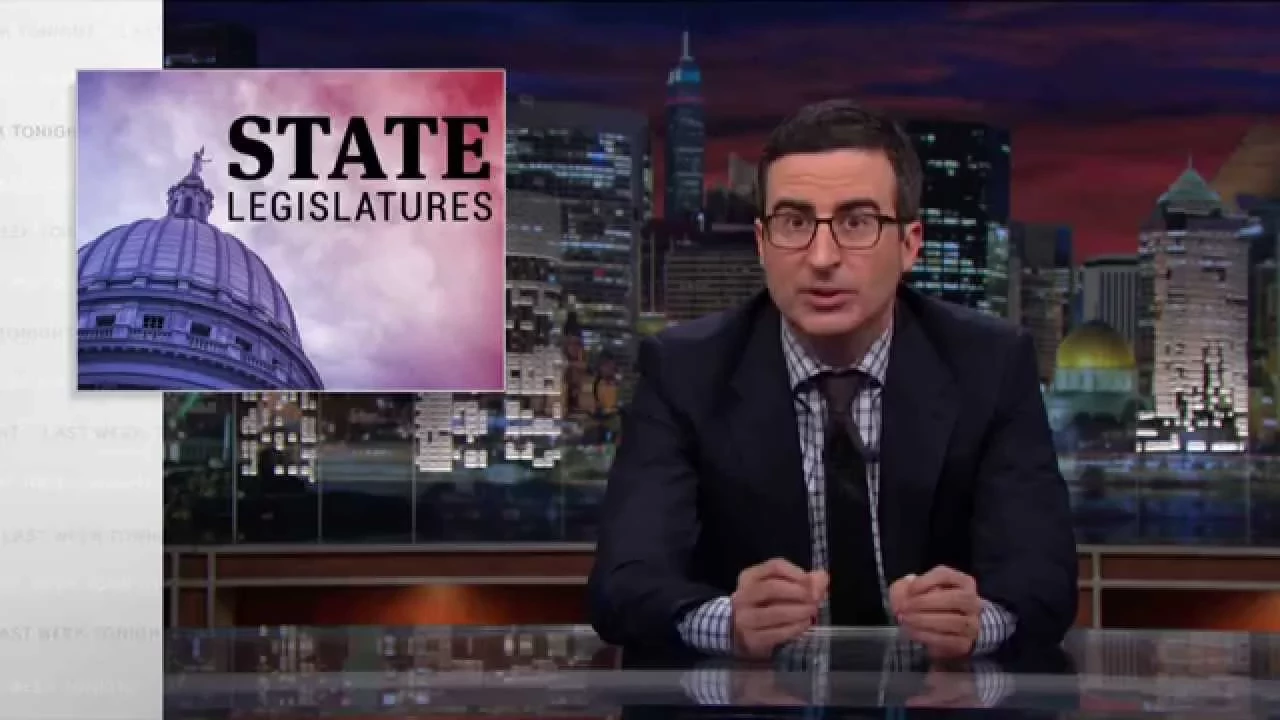



Stand your ground laws, which remove the duty to retreat from public places and extend castle doctrine protections, have been criticized for increasing violence (with studies showing 11% homicide increases in adopting states versus 2% decreases elsewhere) and exacerbating racial disparities in who receives protection; critics argue these laws create subjective legal defenses that can exonerate individuals who kill others, as demonstrated by cases like Joe Horn and George Zimmerman, while failing to address actual public safety concerns.
Stand Your Ground Laws: History, Disparities, and Impact on Violence
Added:Understanding the traditional legal concepts of 'Duty to Retreat' versus the 'Castle Doctrine' in self-defense law.
Basic knowledge of how state statutes are enacted and their relationship with common law in the United States legal system.
An introductory understanding of systemic racism and historical racial disparities within the American criminal justice system.
Fundamental concepts in public health and criminology, specifically how violence rates and homicide statistics are tracked and analyzed.
Analyzing the constitutional implications of Stand Your Ground laws under the Second and Fourteenth Amendments.
Comparative legal studies exploring how self-defense and homicide laws differ internationally, particularly in other Western democracies.
Evaluating the role of lobbying groups, such as the National Rifle Association (NRA), in drafting and promoting model legislation like ALEC bills.
Investigating policy alternatives and legislative reform efforts aimed at mitigating the violent consequences and racial biases associated with these laws.
6.7M views162.4Klikes19:18Original Release: 2021-05-17
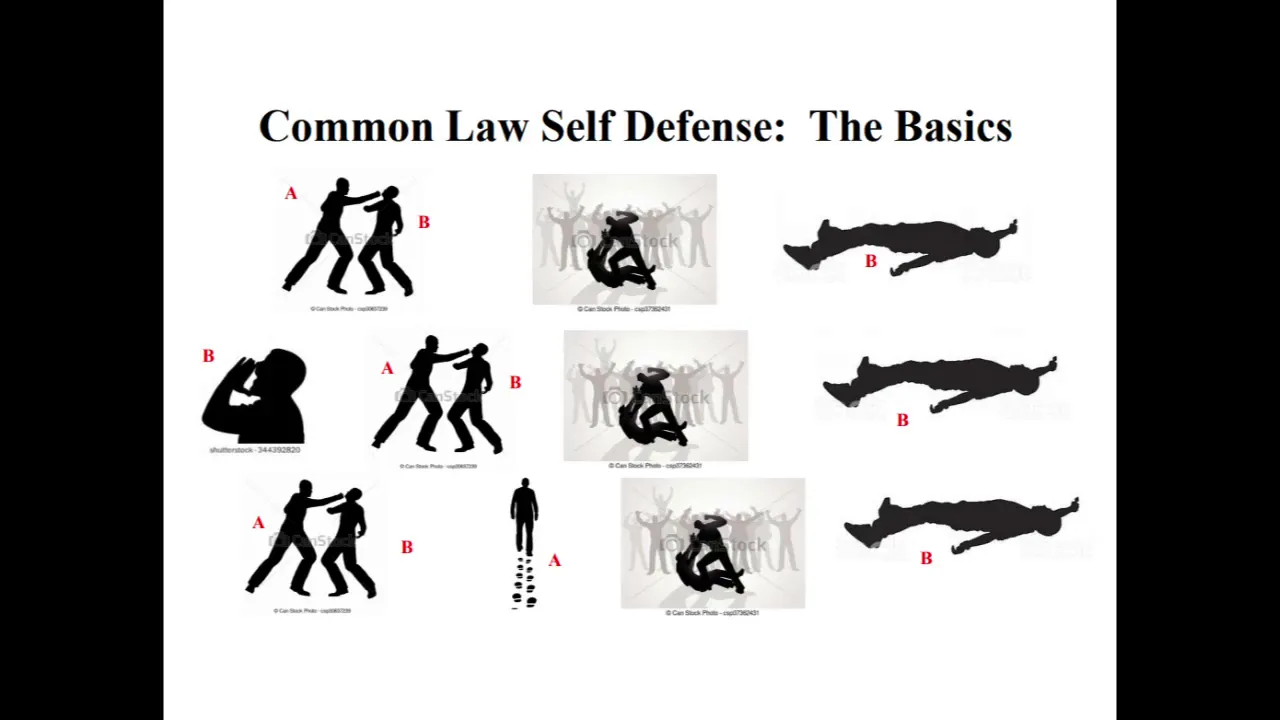
moving on our main story tonight concerns guns you know big pew pew sticks that go boom boom guns are everywhere in america and i do mean everywhere how many guns you think i can hide underneath a hawaiian shirt of course we got the gray man got my beretta model 85 feels like a car arm ct45 charter arms undercover 38 special grandpa dave's old derringer this is a sky cpx2 smith and wesson 442 oh wait one more north american arms sidewinder 22 magnum just in case you need something small wow that is the second most horrifying thing you can find coming at you in a hawaiian shirt right after john lasseter on national hug your boss day although i will say the reveal of the thumbelina sized gun in his tommy bahama pocket was an m night shyamalan worthy twist well done tiny gun you are both superfluous and surprising but this story isn't so much about guns themselves as it is about one particular law that significantly expanded how they're used i'm talking about stand your ground laws 30 states currently have them and while they were initially pitched as a law and order measure to protect people forced to make difficult decisions in impossible life or death situations in practice they can be evoked in incidents that really seem like they didn't need to turn deadly the man who shot and killed a father of four at a fluorescent bar is free tonight so far the gunman's not facing charges for the shooting at show me's bar and grill on wednesday afternoon the saint louis county prosecutor says he needs more time to decide whether he'll prosecute the gunman that's because missouri's stand your ground law is complicated scott berry was killed when an argument over how heavy a dog could weigh became physical holy not only is that a massive overreaction it's a pointless argument everyone knows dogs come in a wide array of sizes from pocket-sized sweeties to slender kings to dense boys to droopy boys to big honking boys to standard that's just veterinary science stand your ground laws gained notoriety nearly a decade ago when police claimed that florida's law kept them from initially arresting george zimmerman after he shot and killed 17 year old trayvon martin more recently they've been floated as a potential defense for the killers of a mart arbory and those are just two devastating examples of many and don't worry we're not going to show you the far too plentiful footage of people getting shot in public places tonight frankly we're just one senseless murder away from hbo max putting this show in the endless parade of human misery category alongside chernobyl and entourage but given the prevalence of stand your ground laws and the racial disparities in who they do and crucially don't protect we thought tonight it'd be worth taking a look at them and let's start with why exactly stand your ground laws were created because before they came along most states already had self-defense laws on the books that traditionally included an element known as a duty to retreat meaning you couldn't resort to using deadly force in the confrontation if you could safely avoid or de-escalate it now in many states an exception to this rule was a so-called castle doctrine a legal theory arguing that your home is your castle and there you can use deadly force much more broadly to protect yourself against intruders the key thing stand your ground laws did was remove that duty to retreat from public places basically extending the castle doctrine to anywhere you have a legal right to be if you have a reasonable fear someone might hurt you you have just as much right to shoot them in the street as you would if they were coming through the window of your house and this change was largely thanks to the advocacy of one woman with a pretty compelling story marion hammer says she was walking to her car after a long day at the office when she was accosted by a car full of men but she had a surprise for them i drew the gun up through the headlights of the car and i aimed at the driver and somebody in the car screamed the got a gun the got a gun i honestly did not expect to hear that come out of that woman's mouth help yourself to some hard candies in the ceramic pig absolutely take off your boots so you don't track anything on the wall-to-wall carpeting of course but a curse word in the daylight not in 10 000 contractions of the universe but the important part of her story concerns what she claims a police chief said to her after she told her story publicly the police chief told me well in that situation if you'd called the police we'd have arrested you because you were the only one who employed the use of deadly force and that made me angry and that argument is the absolute core of the case for standing ground laws that marion hammer could have been arrested for simply defending herself now she wasn't of course that didn't happen but someone said that she might have been and that made her angry put a few things there because while everything about marion hammer seems like a sweet everyday grandmother right down to this feline glamour shot of her posted on a cat breeder's website you should know she's also one of the country's most powerful gun lobbyists and a former president of the nra she has personally helped push through dozens of gun laws in florida alone including a 1987 bill allowing conceal and carry permits a law then duplicated in some form in almost every state leading to more than 16 million americans currently having licenses to carry concealed handguns so that margaritaville arsenal that you saw earlier you have this dana carvey character to thank for that situation and while it's not entirely relevant you should know hammer's advocacy wasn't limited just to guns she also successfully killed a petition from ten thousand school children to change the florida state bird to the scrub jay a bird so friendly it apparently eats peanuts out of your hand now she objected because in her words begging for food isn't sweet it's lazy and it's a welfare mentality and they eat the eggs of other birds that's robbery and murder i don't think scrub jays can even sing and okay slow down there marion set aside lazy welfare mentality and robbery and murder which is a lot to put on a bird scrub jays can't sing you might want to tell that to the scrub jay marion see that's fine is it great no it's not great it's fine it's perfectly fine sure the bird is no mariah but it's also no roseanne if that bird is anyone it's fergie you heard me the scrub jay is fergie tweet it talk it put it in your pocket i've made a flimsy take and i'm proud of it the point is marin hammer played a big part in passing one of the country's first standing ground laws in florida and the passage of that bill was immensely useful to the nra because it became a model for laws that they could then push around the country wayne lapierre openly said at the time that florida was the first step of a multi-state strategy and they were going to use the tailwind to move from state legislature to state legislature and they did just six years later standing ground laws had passed in 22 states and while following the killing of trayvon martin they became increasingly controversial states did not stop passing the laws they just slightly slowed down and dennis baxley one of the state representatives who helped draft florida's bill was adamant that it should not be rolled back we should stand beside law abiding citizens they should not be treated as a criminal they're doing something positive which is stopping a violent act from occurring there are going to be times with close calls near the foul line is it in or is it out who's the assailant and who's the victim yeah there are going to be some close calls is it in or is it out is it right or is it wrong is it self-defense or is it a murder provoked by debate about how much a dog can weigh that turned physical who can say not that guy and that is a little bit of the point here the way most states stand your ground floors are constructed they can make determining questions of guilt incredibly difficult because it all comes down to perceived fear whether you legitimately saw someone as a threat and that is definitionally subjective what i am afraid of snakes clowns and tilda swinton jesus christ might not be what you are and it's made even harder by the fact that often the only other person who knows what happened in the incident is now dead and citing stand your ground as a legal defense has been extremely successful in florida alone as of 2012 nearly 70 percent of people who claimed it as a defense had gone free and advocates for these laws will tell you that that's a good thing that before their introduction good people were getting sent to jail all of the time simply for defending themselves but they never had much in the way of actual evidence for that beyond hypotheticals like marion hammer's story about how someone said she could have gone to jail but crucially she didn't so standing ground laws weren't really fixing a problem that needed solving and the dangers they posed were pretty obvious to some from the start when georgia was debating a standing ground law in 2006 a local station asked people in the streets what they thought and watch as their third interviewee realizes something that the first two don't i think it's a lower crime myself because if a person is going to think twice about running up on a citizen if he thinks that citizens armed if you feel your life's in danger i think i think it's a good law i think it's going to get a lot of people hurt why is that well because when you walk up to me in the parking lot i didn't know who you were and by this loud if i felt that you threatened me i could just shot you right now you know that i can't that's not right yeah that last guy is completely right and in hindsight maybe we shouldn't have listened to the man in the pride of the south hat that by the way features a portrait of robert e lee over a confederate flag that hat alone should have immediately disqualified anything he said it's like if anthony fauci wore this bucket hat that says daddy in the shrek font if he did you'd be duty bound to ignore anything that he said because the fact is we now know overall not only do stand your ground laws not deter crime they may actually increase violence in standing ground states homicides overall have increased nearly 11 percent since the law's enactment whereas in states without those laws the homicide rate went down by just over two percent in fact another study found such laws translate into an additional 600 homicides per year and if you think it will come on you can't draw a straight line between these specific laws and people's actions in some cases you very much can including one of the very first standing ground cases in texas that of joe horn who called 9-1-1 to report a burglary happening during the day at his next-door neighbor's house i've got a shotgun uh do you want me to stop him nope don't do that ain't no property worth shooting somebody over okay joe horn sounds clearly upset am i gonna let him get away with it i can't take a chance on getting killed over this okay no i'm gonna shoot i'm gonna shoot but the 9-1-1 dispatcher warns horn to stay inside at least a dozen separate times i've got officers coming out there i don't want you to go outside that house then horn sounding angrier by the moment cites the new texas law that i have a right to protect myself too sir and you understand that and the laws have been changed in this country and since september the first and you know it and i know it yeah joe horn knew what the law said and despite the dispatcher warning him not to go outside 14 times he did just that and killed two people with autopsy reports later showing that both men appear to have been shot in the back he was explicitly told that property is not worth shooting people over which is obviously true and certainly not your neighbor's property if i found out my neighbor shot and killed two people to save my ps5 i would move tomorrow i know they're hard to get your hands on but jesus christ calm down i don't want your blood console and thanks to texas's new standing ground laws joe horn was never arrested and ultimately a grand jury declined to ever charge him with a crime and not only was horn spared any consequences he was later celebrated as a hero yeah 9-1-1 on and you said i'm going to go stop them this you got to get here i'm going to stop them they said no no no don't go out you you stopped them they came towards you you shot them yes sir that's right correct and okay set aside that joe horn looks like what would happen if bobby hill grew up and sucked the only time it's appropriate to cheer after someone says you shot them is if you're talking about the individual responsible for shooting this video of a family of bears in a swimming pool question you saw the bears you had your phone ready and you shot them right answer yes sir that's correct cue the applause no other circumstances none and if these laws on their own weren't bad enough there is now also a small cottage industry that's cropped up around them selling specialized self-defense legal assistance most of these companies offer membership packages including everything from educational training videos to money for future legal defense and bond the u.s concealed carry association insists it's primarily concerned with teaching conflict avoidance but it also gives you a wallet-sized card with tips on how to handle the call you make to police after you've shot someone a handy feature that their founder proudly touts to its members this is my own very own usca card you can see my name on it tim schmidt on the back of the card actually lists the exact instructions on what to say to a responding officer explain i was attacked feared for my life and i had to defend myself okay setting aside the fact that looks like the most boring episode of sportscenter imaginable it does feel important to point out that they've essentially created a get out of jail free card and that mixed with that man's get out of jail free complexion is a pretty awful combination and at least one of uscca's clients apparently took the advice on that card and ran with it carlos garcia's ex-wife jailene ayala paints him as a loving father who would do anything for his children she believes he was intoxicated when he showed up to pick up his kids and got into an argument with the next door neighbor nick julian iv over him playing loud music in the car julian armed himself with a handgun and shot garcia he claims in self-defense neighbors came out as julian iv was on with 9-1-1 what is your emergency yes ma'am i just had a man attack me in my front yard he attacked me and i had to use force i was afraid for my life yeah it seems all you have to do is memorize a few key phrases and you too could be free to shoot with impunity it's basically rosetta stone for justified homicides because during his 9-1-1 call nick julian made sure to say he feared for his life three separate times and can also be heard referring to his wallet and saying to someone you just need to call them give them the account number and my attorney and by the time the police arrived he was already on the phone with the us concealed carry association setting up his legal defense before his victim had even been declared dead and i know it might seem like these laws are just a free-for-all to shoot someone who scares you but the truth is there are some limits and you probably know where this is going because while most civilian shootings involve people of the same race when cases involve shootings across racial lines there are significant disparities in whose fear gets believed because the odds a white on black homicide was deemed justified by the police were 281 percent greater than the odds a white on white homicide was and the expansion of stand your ground laws have appeared to worsen that disparity a fact i'm pretty sure would surprise exactly two of these three men not only that but there are multiple examples where you would think if ever a stand your ground law would apply this would be the case and yet it didn't take sawatu salamara who waved an unloaded registered gun at a woman she believed was trying to hit her and her young daughter with her car but even though her state of michigan has a stand your ground law and even though that incident clearly falls under a reasonable definition of self-defense without it and even though she didn't even shoot the gun because again it was unloaded she was sentenced to two years on the charge of using a gun to commit a felony and while after outcry she was eventually able to plead to a lesser charge that wasn't before she'd spent a year in prison and she was pregnant at the time and was forced to give birth in shackles so despite being introduced to increase safety stand your ground laws actually increase violence and given around four centuries of history basing a law around who's afraid of who was always going to be dangerous it's the reason ohio state legislator stephanie house stood up to oppose her state passing its standing ground law back in 2018 when your presence when you're being your blackness causes fear do you hear what i'm saying i've been in these these floors where i hear people tell me you know people scared of you it's people i have never interacted with what do you do in places and spaces when your presence literally your face your face causes someone to be fearful of you this is a bad idea for people that look like me exactly that is just one of the things that makes these laws so dangerous they can exalt a white person's fear over a black person's life and are replied so unevenly the sewato salamara gave birth in shackles while this guy gets a parade standing ground laws have contributed to a society where vigilantes with guns feel they have the right to decide what is safety who is a threat and what the punishment should be they have turbocharged everything from road rage incidents to pointless disputes over dog weights so what can we do well the answer is actually pretty simple don't pass any more stand your ground laws and repeal the ones that exist they're redundant solutions to a made-up problem and they are actively doing harm in the past year at least 14 bills have been introduced in five states to roll their stand your ground laws back and if you live in a stand-your-ground state especially one where those bills have been introduced you should absolutely write to your representatives to urge them to repeal them as soon as possible and while you're at it if you do live in florida or you know what it any state in the interest of annoying marion hammer why not also demand that they make your state bird the florida scrub jay so that it can maybe one day deliver its fergalicious victory song that's a b-plus bird that bird is fine that's our show thanks so much for watching we'll see you next week good night you
Up Next
42:40
Malcolm Gladwell on Disagreeableness and Pulling the Goalie
@TheGladwellEffect
169 views•2025-01-10

12:54
Triumph of Orthodoxy Icon: Byzantine Art & History Explained
@BenCallan
2.1K views•2024-08-06

18:00
Encryption Policy, Privacy, and Law Enforcement: The Going Dark Debate
@LastWeekTonight
14.3M views•2016-03-14

1:42
Game of Thrones Opening Credits: A Cinematic Analysis
@gameofthrones
46.3M views•2011-04-18
Related Study Plans & Knowledge Roadmaps
Structured learning paths in General & Interdisciplinary Studies
general-studies
Elevator Engineering: History, Physics & Cities
01From Hoists to Safety Brakes: The Dawn of Vertical Lift
02Hydraulic vs. Traction: The Engineering Physics of Elevators
03Modern Speed, Safety, and Algorithms
+ 2 more learning modules
12h5 modules
Explore Roadmap
general-studies
Rubber: Material Science, History & Geopolitics
01Origins of Natural Rubber & Mesoamerican History
02The Chemistry of Natural Rubber & Vulcanization
03The Geopolitics of the Rubber Boom & Colonization
+ 2 more learning modules
12h5 modules
Explore Roadmap
general-studies
Containerization: Evolution, Logistics & Trade
01Ancient Trade & Bulk Cargo: Amphorae to Barrels
02The Industrial Revolution & Cardboard Packaging
03The Containerization Revolution: Malcom McLean
+ 2 more learning modules
12h5 modules
Explore Roadmap
general-studies
Textile Tech: Evolution, Labor & Global Impact
01Pre-Industrial Textiles: Handloom & Cottage Industry
02Mechanization: The Spinning Jenny to the Power Loom
03The Factory System & Global Labor Transformation
+ 2 more learning modules
10h5 modules
Explore Roadmap