

![Why Http is called stateless protocol ? [Stateless HTTP 1.0]](https://i.ytimg.com/vi/t7_8z36N3WM/maxresdefault.jpg)



![[Kurs API | 01] 🚀 Wprowadzenie teoretyczne](https://i.ytimg.com/vi/oEduJBcMdsA/maxresdefault.jpg)

![coding (not so) everyday until i get a job - day [167]](https://i.ytimg.com/vi/JC-iXDET87o/maxresdefault.jpg)











![Example of Microservice to Microservice Authentication [C#/.NET]](https://i.ytimg.com/vi/sVIDQCDETLo/maxresdefault.jpg)

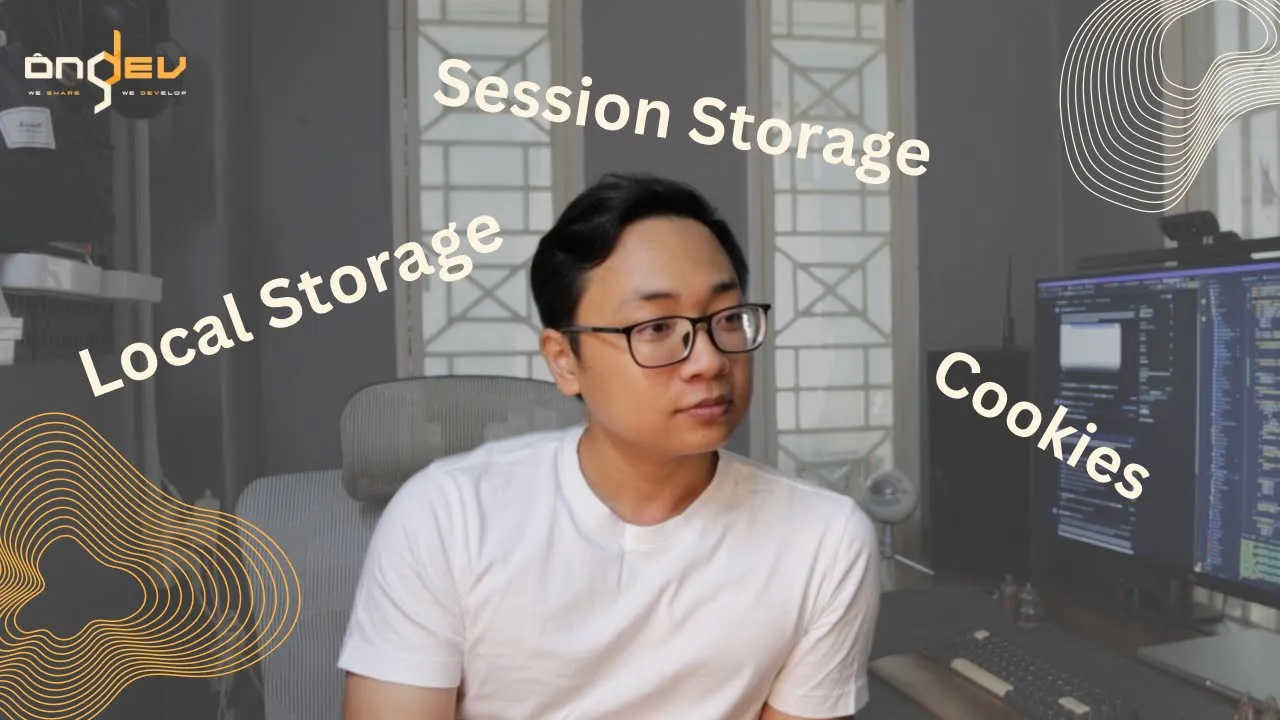
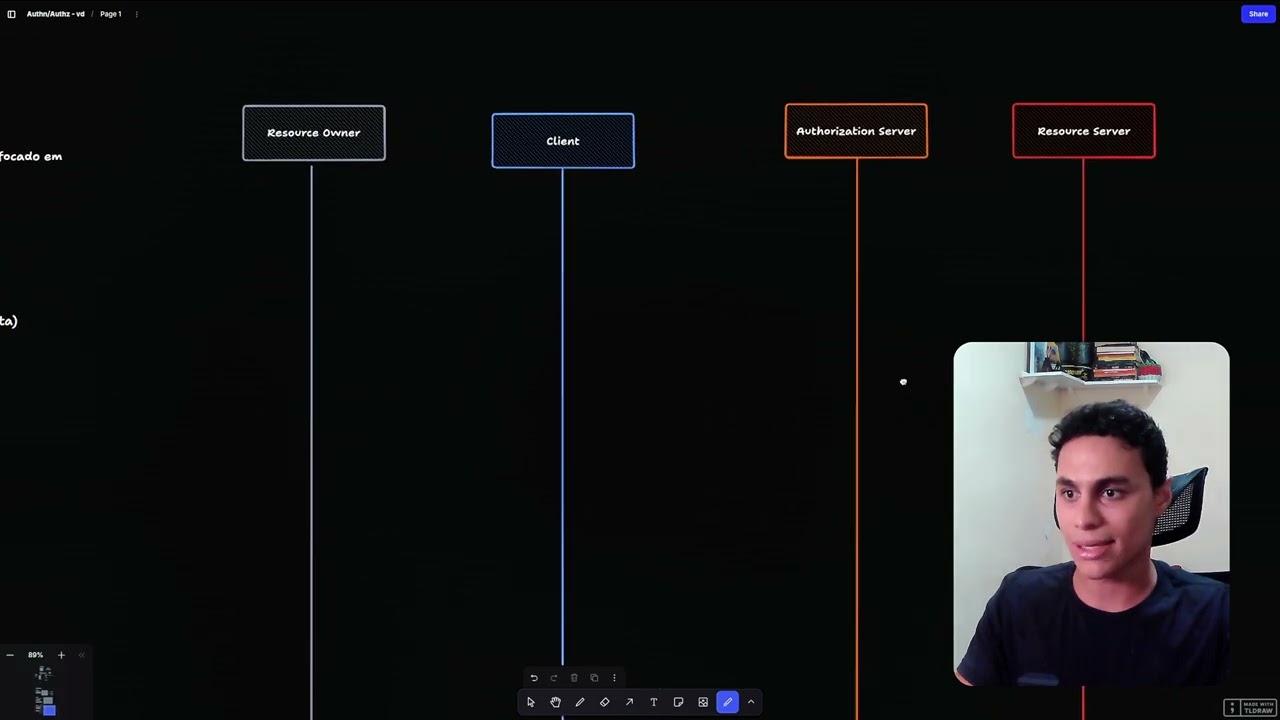
Session-based authentication uses server-side storage with cookies to maintain user state, requiring server validation for each request and being vulnerable to CSRF attacks, while token-based authentication (JWT) is stateless, contains all user information within the token, and is vulnerable to XSS attacks when stored in local storage; the choice between them depends on application requirements, security considerations, and scalability needs.
Session vs Token Authentication: JWT vs Cookies Compared
Added:Understanding the HTTP protocol, specifically its stateless nature and how request/response headers operate.
Familiarity with client-server architecture and how web browsers exchange data with backend APIs.
Basic knowledge of browser storage mechanisms, including HTTP cookies, LocalStorage, and SessionStorage.
An introductory understanding of cryptography concepts, particularly the difference between hashing, encryption, and digital signatures.
Exploring advanced token management strategies, such as using Refresh Tokens alongside Access Tokens for secure rotation.
Analyzing critical web vulnerabilities like Cross-Site Scripting (XSS) and Cross-Site Request Forgery (CSRF) and how to protect against them using secure cookie flags (HttpOnly, SameSite, Secure).
Learning standard authorization frameworks like OAuth 2.0 and OpenID Connect (OIDC) for federated identity and third-party login.
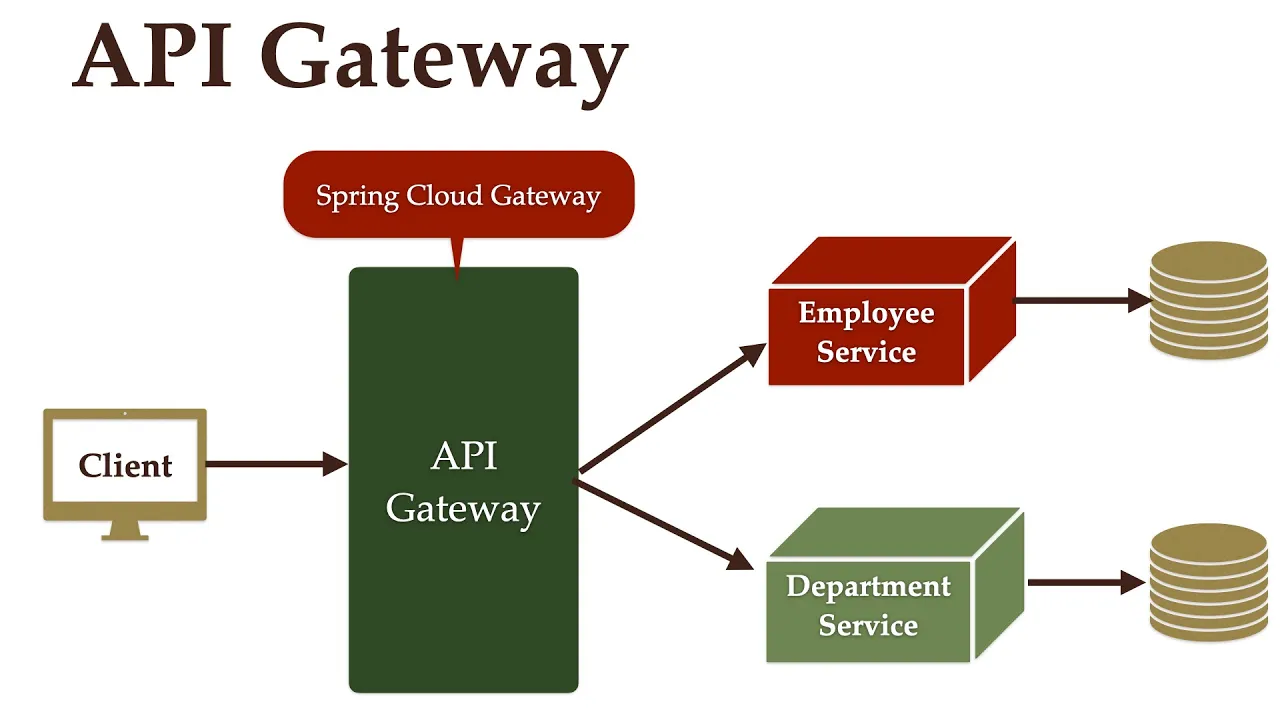
Designing authentication architectures for decentralized systems, such as microservices, using API Gateways and shared-secret or public-key token verification.
2.9K views56likes4:07Original Release: 2023-09-14
in this video I will be showing you the differences between token based authentication and session based authentication so firstly what is token based authentication it is a method of user authentication commonly used in web applications and apis it mainly uses tokens to verify a user identity and Grant access to protected resources while session based authentication is a common approach used in web applications to manage and authenticate user sessions using something called cookie it involves the use of server site sessions to keep track of a user authentication status and Associate data as they interact with the application so here we know that one users cookie and another one users token mainly Json web token or we call it JWT both methods are mechanism for handling user authentication and maintaining session state in any application a but they operate in different ways and have distinct use cases let's compare jwt's and cookie in terms of their characteristics and use cases firstly JWT is commonly used for authentication and authorization for any application the verification of JWT does not require any communication between the servers and databases because of its relatively small size a JWT can be sent through a URL through a post parameter or inside an HTTP header and it is transmitted quickly a JWT contains all the required information about an entity to avoid querying a database more than once the recipients of a JWT also does not need to call a server to validate the token in other words the authentication can be stateless on the other hand for cookie the server has to store and maintain session data of each users and validate the session to check if the user is still authenticated for each subsequent request this makes a Hazel for session cookie to skill horizontally AS application grows furthermore cookies are always stored on the client side usually in the browser cookie storage while JWT store on the client site as well usually in the local storage for web application however you will often hear people advis strongly against storing JWT in local storage this is because using local storage makes JWT vulnerable to xss attack xss attack also known as cross- site scripting attack for context the web storage such as local storage is accessible through JavaScript on the same domain attacker can easily inject JavaScript through form inputs to retrieve your JWT tokens by getting your JWT token attacker can easily validate SU and make request to the application server on the other hand cookies are vulnerable to csrf attack csrf also known as cross-site request forgery attack as browser automatically send cookies with all requests csrf attacks make use of this to gain authenticated access to a trusted site in summary JWT and cookies serve different purposes and have their own strength and weaknesses gwts are typically used for authentication and are stateless while cookies are primarily used for session management and maintaining State the choice between JWT and cookies depends on the specific requirements and security consideration of your application in some cases a combination of both may be used to achieve the desired functionality so this is all about the comparison between token base and session based authentication let us know what do you think about these two authentication mechanisms in the comment section below don't forget to like the video and subscribe to our Channel see you in the next video
Up Next

14:53
JWT Explained: How JSON Web Tokens Work and Their Benefits
@WebDevSimplified
1.4M views•2019-07-27
87:26
Introduction to Secure Multiparty Computation with Yehuda Lindell
@fhe_org
7.7K views•2021-02-04

4:55
HTTP Requests Explained: GET, POST, PUT, DELETE
@codecademy
103.1K views•2021-10-07
19:25
Enigma Machine Mechanics: WWII Encryption Explained
@JaredOwen
13.2M views•2021-12-11
Related Study Plans & Knowledge Roadmaps
Structured learning paths in Computer Science
computer-science
Container Runtimes: Namespaces, Cgroups & Go
01Linux Systems & Go Programming Foundations
02The Core of Isolation: Chroot and Filesystems
03Linux Namespaces: Process Isolation
+ 3 more learning modules
32h6 modules
Explore Roadmap
computer-science
Building a CHIP-8 Emulator: Rust & CPU Basics
01Computer Architecture Foundations (Bits & Bytes)
02Rust Programming for Systems Development
03CHIP-8 Virtual Hardware Specifications
+ 2 more learning modules
32h5 modules
Explore Roadmap
computer-science
Building BitTorrent: Go, P2P & Concurrency
01Go Fundamentals & Concurrency
02Networking Foundations & P2P Architecture
03Bencode Parsing & Torrent Metadata
+ 3 more learning modules
26h6 modules
Explore Roadmap
computer-science
Actor Models (C++ Concurrency & Lock-Free)
01C++ Multi-Threading Foundations
02Thread Pools and Task Scheduling
03Atomics and Lock-Free Queue Design
+ 3 more learning modules
45h6 modules
Explore Roadmap