
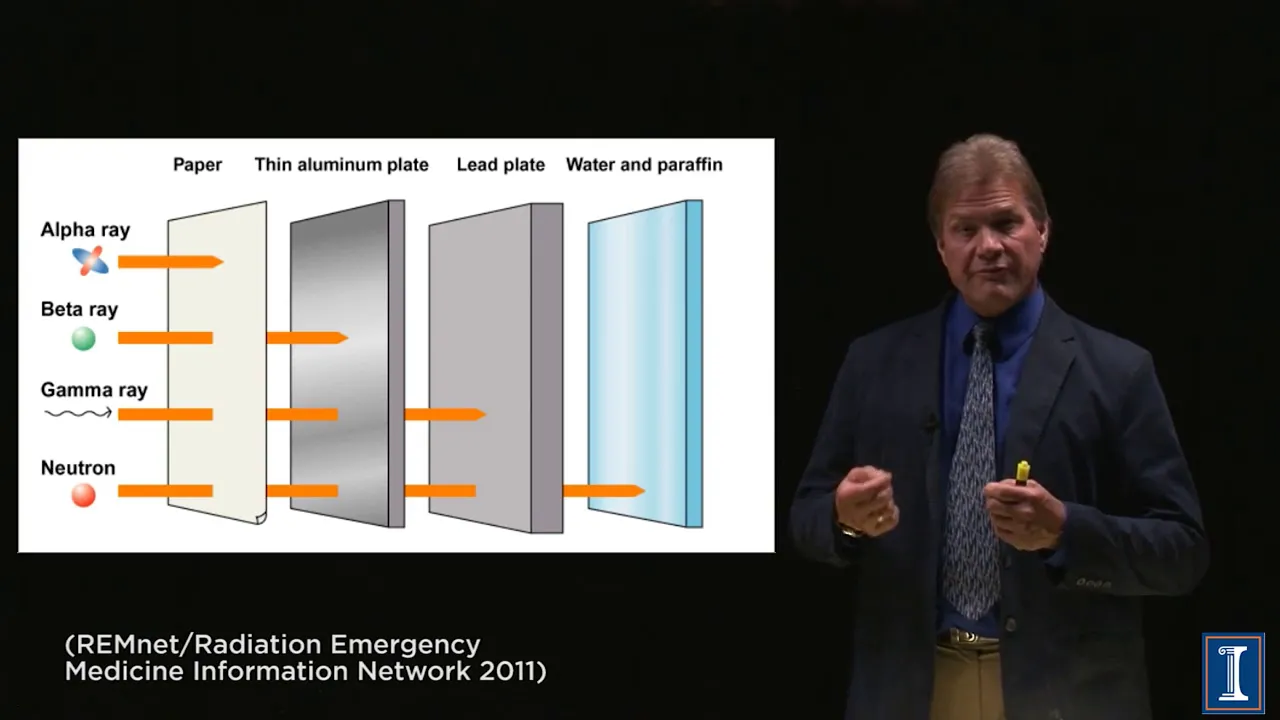


















A scintillation counter detects and measures gamma radiation by using a scintillator crystal that emits light flashes when struck by high-energy photons; these light photons strike a photocathode in a photomultiplier tube, liberating photoelectrons that undergo electron multiplication through a series of dynodes at progressively higher voltages, ultimately producing a measurable electrical pulse proportional to the energy deposited in the scintillator.
How Scintillation Counters Work: PMT & Electron Multiplication Explained
Added:Basic concepts of ionizing radiation, specifically gamma rays and high-energy photons.
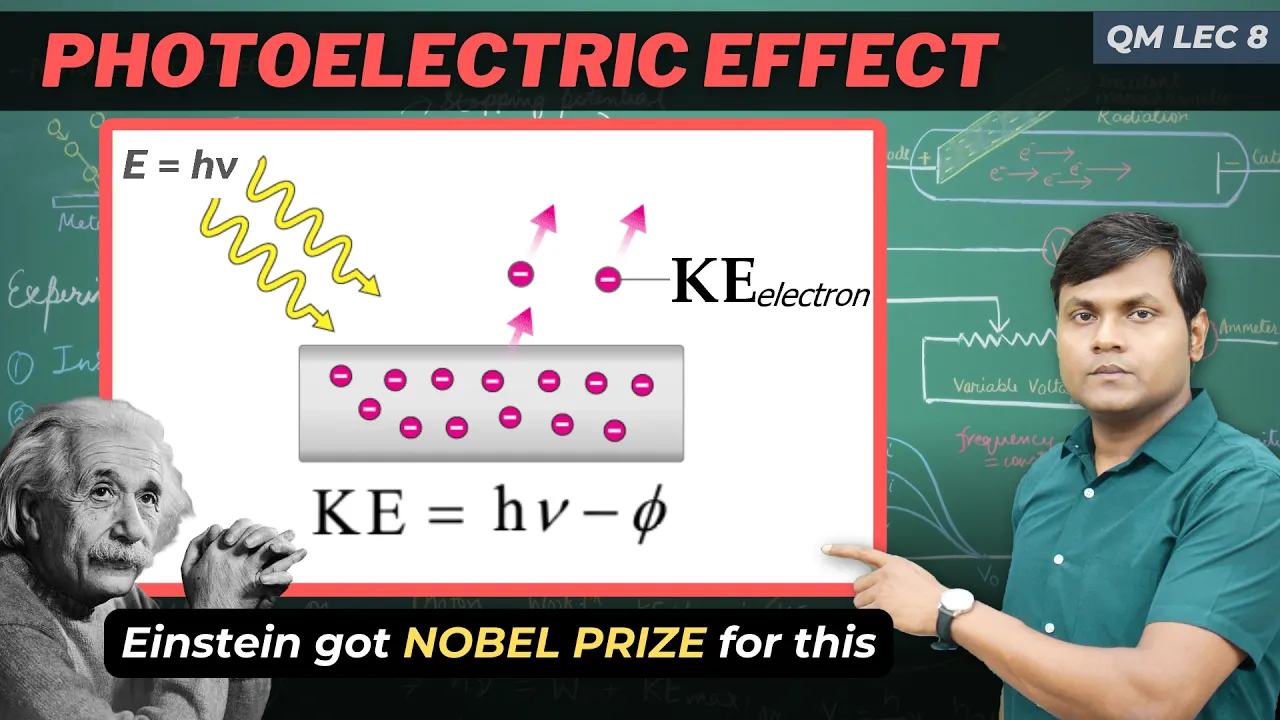
The photoelectric effect, which explains how incident light releases electrons from a metal surface.
Atomic excitation and emission processes, explaining how materials absorb energy and re-emit it as light.
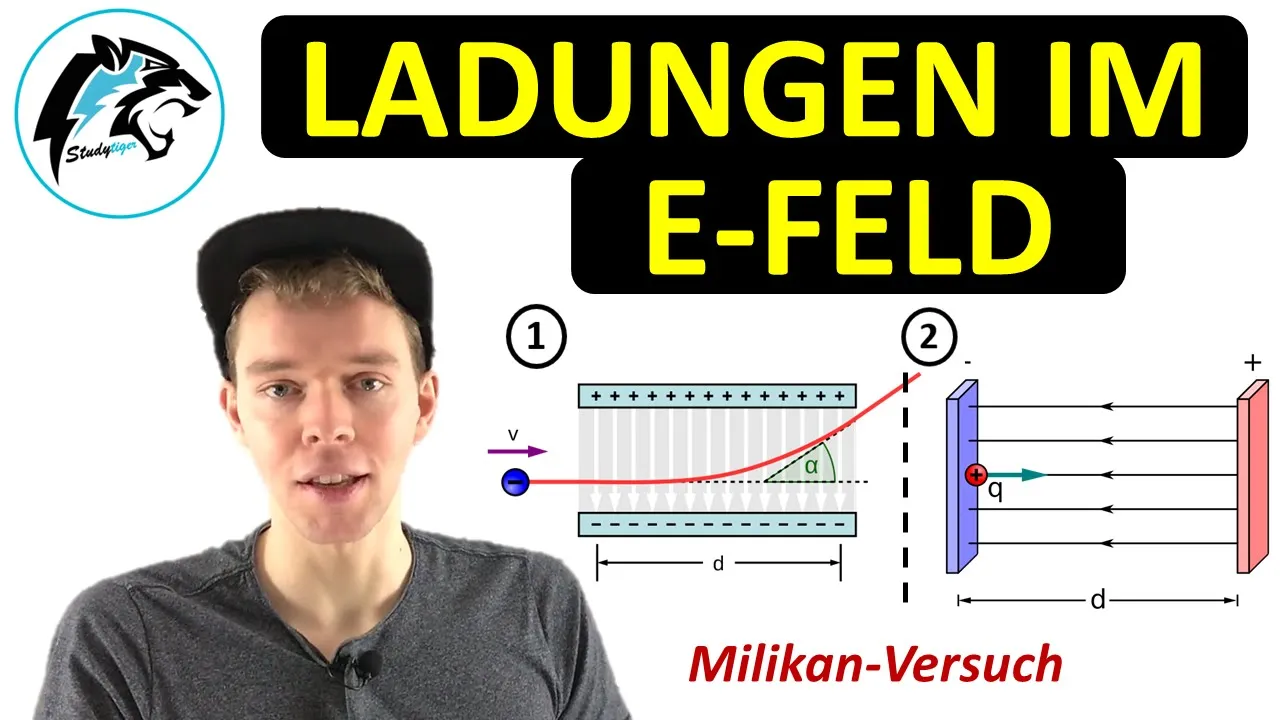
Fundamental principles of electricity, including voltage, electric fields, and how they accelerate charged particles.
Gamma-ray spectroscopy, including the analysis of energy spectra, photopeaks, and Compton scattering.
Alternative radiation detection technologies, such as semiconductor-based high-purity germanium (HPGe) detectors and gas-filled detectors.
Modern solid-state light sensors like Silicon Photomultipliers (SiPMs) that are increasingly replacing traditional vacuum-tube PMTs.
Practical applications of scintillation counters in medical imaging (e.g., PET and SPECT scans) and nuclear security monitoring.
56.9K views477likes12:35Original Release: 2016-09-12
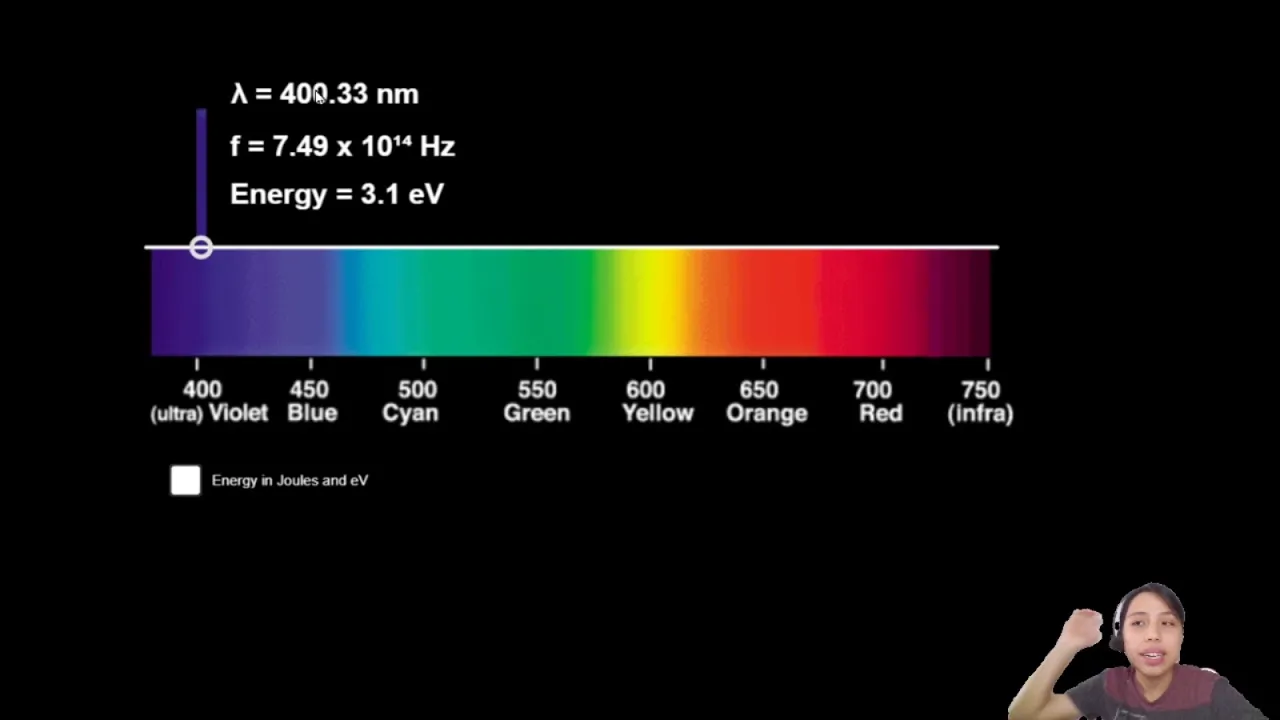
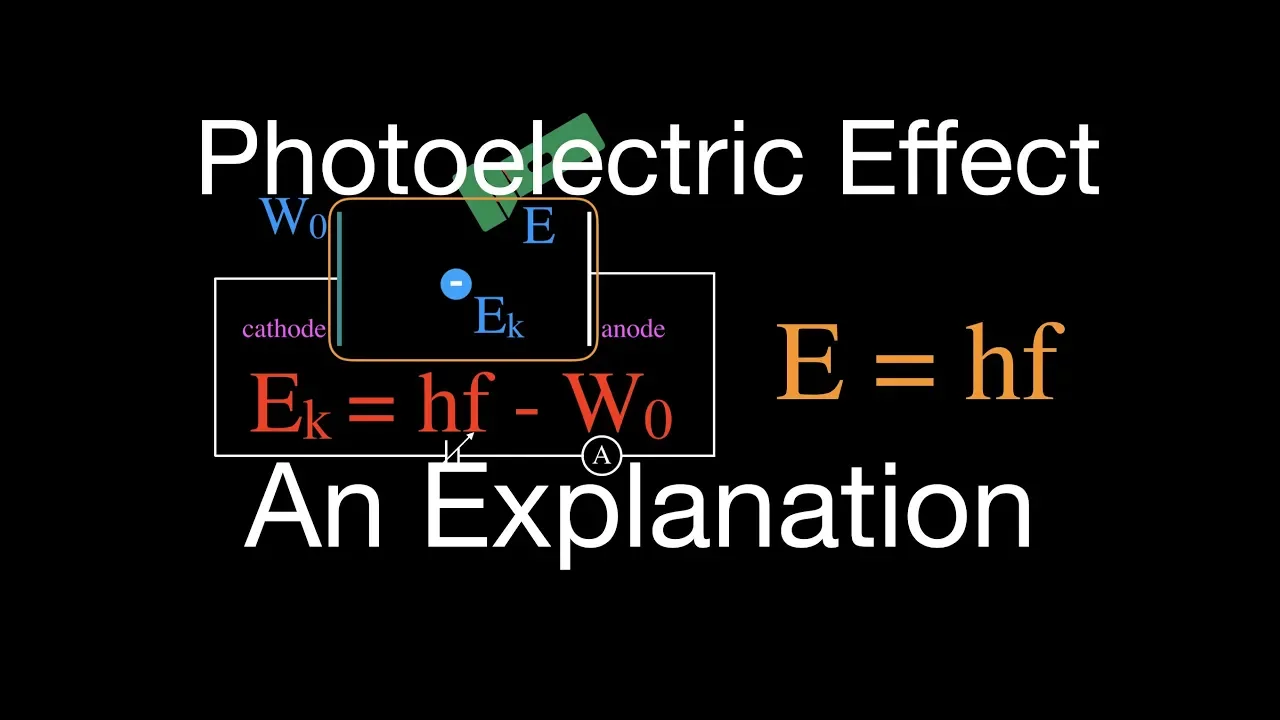
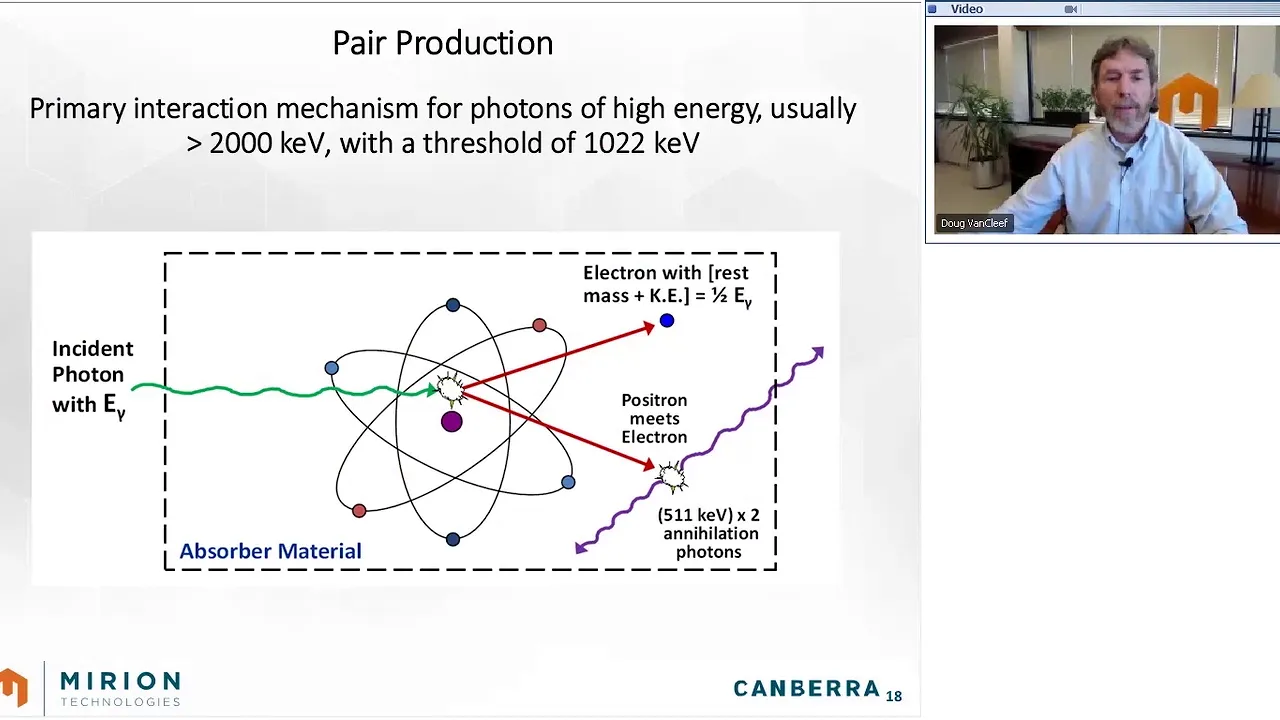
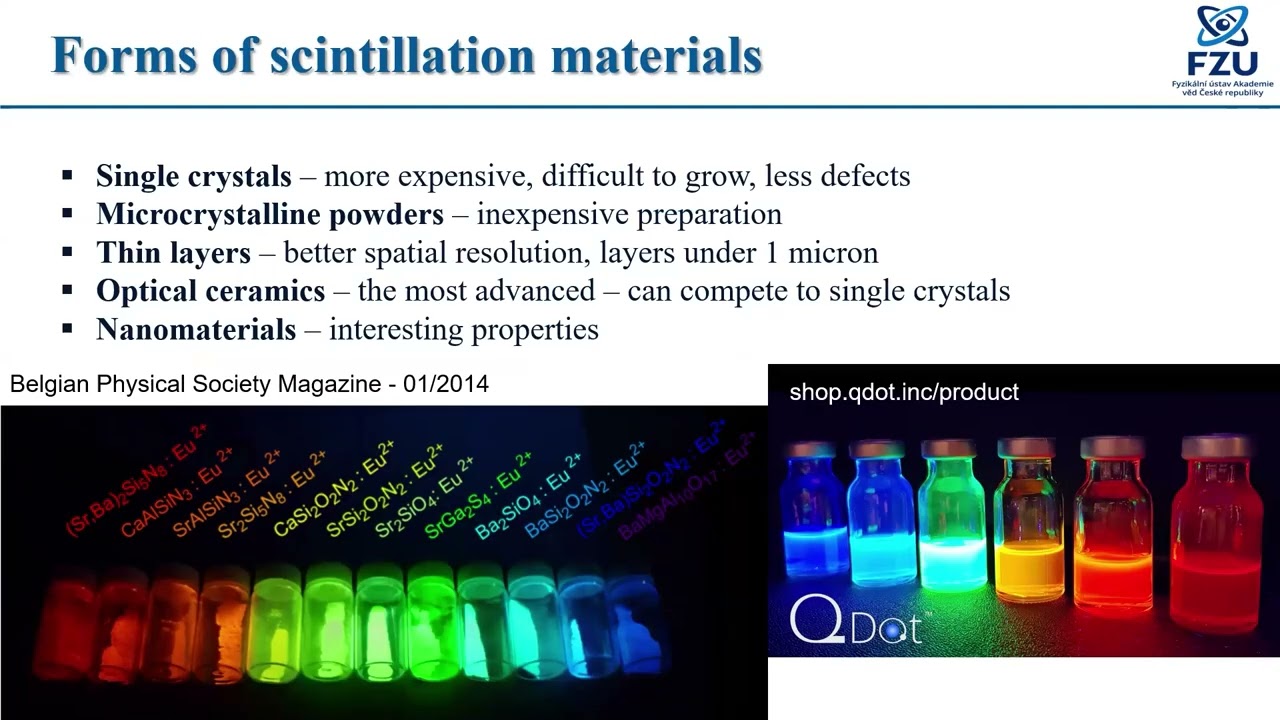
hey guys how's it going and welcome to this tutorial on the working of scintillation counter now before we head on into the working of the cation counter let's be clear on some of the basic definitions and the terms that I'll be using scintillation is basically a flash of light produced in a material by the passage of a particle such as an electron an alpha particle an ion or a high energy Photon and the process of cellation is one of linense whereby light of a characteristic spectrum is emitted following the absorption of radiation and the emitted radiation is usually less energetic than the than that absorbed so let's say if your material absorbs like 500 K of radiation then the emitted radiation would be would not be 500 K but it would be less than that and usually it is observed that is rather much much less than the absorbed radiation and here is an example of some liquid ventilator glowing under the uh presence of radiation all right so a scintillation counter is an instrument used for measuring such ionization radiation by counting the light pulses produced by the centil lator so what we have here is we our ctil counter consists of a cator which is right here um this is our cator then what we have is we have a photo multiplier which would be this section from here to here this would be our photo multiplier and the purpose of this photo multiplier is to multiply the number of uh light pulses that we get because uh we don't get enough photons from the cellat so we need some kind of multiplier system to amplify by the signal that we get from the cator and then we have a lot of electronics connected to our cellation counter to process the signal that we are getting so without further Ado let's get into the operation of the scintillation counter so here is a scintillator when high energy photons or radiation is incident on it um it emits low energy photons now these low energy photons are made to fall on this photo cathode of the photo multiplier tube now this is a photo multiplier tube and it is a vacuum tube consisting of a photoc cathode an anode and several doode stages now I will introduce the term dinote a little later on so first of all uh let's go back so when the radiation falls on the cator it produces low energy photons which are then made to fall on the photoc cathode now the reason I'm calling it photo cathode is because it is a negative electrode and it is made it is covered with a photosensitive material so when these photons are incident on the photo cathode what they do is they due to the photoelectric effect they liberate photo electrons from the photo cathode and these photo electrons are made to uh pass through these focusing electrode so that they are incident on another electrode called the doode now there are several of these electrodes which are relatively at higher Potential from the previous one so let's say this one would be at 100 volts compared to the photocathode then this would be at 200 volts then 300 400 so that they are relatively at uh a potential difference of 100 volts with each other so um these are the doodes and what happens is that when the photo electron that is ejected from the photoc cathode it falls on the doode excuse me it liberates several electrons and these electrons are called secondary electrons and the photo electron that was liberated from the photoc cathode is called the primary electron so this primary electron has enough energy that when it strikes the dinote surface it liberates a few secondary electrons now usually this number is like somewhere from 4 to 28 so let's say five secondary electrons would be liberated at this diode then they would be attracted towards the next doode which is at a higher potential and also one thing to not is that these dines are such as such position that these electrons are led to each other like they are reflected from one Doo to the other so they are sort of curved and they lie in the path of the electrons and since they are all at a higher voltage so the electrons are accelerated towards the doode so at each stage the number of electrons keeps multiplying because each electron can now produce five or six more secondary electrons so after several stages we have a lot of electrons and usually uh they can multiply a single electron into a million electrons so that is a lot of gain Okay so here is another schematic or uh rather an animation showing the working of the scintillation counter so the radiation strikes the scintillator which produces ctil photons which then fall on the cathode that is this red uh stripe over here and this cathode since it is photosensitive liberates photo electrons which are accelerated towards the doode and this doode will uh uh eject secondary electrons which get multiplied more by into more secondary electrons over here and so on and you can see here that each of these diode is there are several resistors over here so the potential of each of the doode is higher than the previous one and then what we do is in the end when we have a lot of uh secondary electrons in our photo multiplier 2 then they when they fall on the anode we measure the voltage of the pulse that we get at the an from the anode so that's how we can you know in principle measure the amount of energy deposited to our centil now one thing I forgot to mention was that when a high energy photon is incident on the cenator either a part of its energy is is absorbed by the senator or the whole energy is absorbed depending upon the interaction process that occur and there are usually three interaction processes that is the photo electric absorption then the pair production and the Compton scattering so we will talk about all these interaction processes in detail in a separate video maybe the part two of this video I'll name that like that so we will talk about those in detail so what happens is whatever is the amount of energy that is absorbed by the scintillator the number of photons emitted by the scintillator is directly proportional to the amount of energy absorbed by the scintillator and therefore the pulse that we get from our photo multiply tube is also directly proportional to the amount of energy deposited to the culator now keep that in mind that that the pulse is not directly proportional to the energy of the incident Force but rather it is proportional to the energy deposit to the cator and the energy deposited may depend upon the type of interaction that that Photon has with the material so that's what I wanted to tell you and here is a rather interesting table to look at now let me just talk about the S uh the CM 137 Source now what we know about this source is is that it emits a gamar ray Photon of energy 6662 kilo electron volts and what we know about a scintillator is that usually the scintillators are very have a very low efficiency and sodium iodide which we usually use it has an efficiency of 12% and it is considered to be highly efficient Crystal so what this efficiency means is that when this much of energy that is 6662 Kil electon volt is deposited to the crystal only 12% of this energy will be emitted from the crystal as the cellation photons now I told you earlier that it might not be the case that all of this energy might be deposit to might be deposited to the Crystal but for now for the sake of this video Let's just consider that all of this energy is deposited to the ctil so um with from a cator with efficiency 12% what we will have is we will have only uh 12% of this energy converted into cellation photons so that comes at about 79 kilo electron volt now since each cellation Photon has energy of 3 electron volt um because our sodium iodide cator emits radiation and lying in the range of of ultraviolet to the blue end of the visible spectrum so the photons have energy of three electron volts usually so dividing this 79 kilon volt by 3 we get 26480 cellation photons coming out of the cator now another problem here is that the photo cathode does not have 100% absorption rate so let's say if it has an absorption rate of 75 5% only 19,8 60 cellation photons will be absorbed by the photo cathode so out of this number only this number of scintillation photons is absorbed and if the efficiency of the photo cathode is around 20% Then it would uh then only 20% of the cellation photons that it absorbed would be converted into photo electrons that would be emitted into the vacuum of the photo to multiplyer two so the 20% of this number comes at about 3,972 electrons so only 4,000 electrons are emitted when about 26,000 cellation photons were incident on the photo cathode and if you consider a multiplication of factor of 10 the^ 8 for the doodes then the number of electrons that we get at the anode is about 400 trillion and if you m mply that by the charge of an electron that is 1.6 into 10 the^ minus 19 Kum then you get that then you get a very small amount of charge so even after such high ampli amplification by the dores and the photon multiplier tube it is still not enough to have uh this charge be easily measured by any Electronics so we will need two more electronic components in our cation counter that is the preamplifier and the amplifier now this video is getting kind of long so I'll rather uh end this video now and continue about on the rest of the topics in the next part of this video all right that's it for today thanks for watching and have a great day n
Up Next

3:53
Semiconductor Detectors Explained: Energy Bands & Physics
@nuclearsecuritynsspi
60.5K views•2010-12-02

12:53
21cm Hyperfine Transition in Neutral Hydrogen: Radio Astronomy Basics
@AaronRobertParsons
12.4K views•2011-10-13

32:32
NMR Spin Physics I: Zeeman Effect, Resonance Condition & Larmor Frequency
@nptel-indianinstituteofsci8064
2.3K views•2024-01-17

27:14
Entropy and the Second Law of Thermodynamics Explained
@veritasium
27.5M views•2023-07-01
Related Study Plans & Knowledge Roadmaps
Structured learning paths in Physics
physics
Nuclear Physics (Decay, Fission & Reactors)
01Atomic Structure and the Binding Force
02Radioactive Decay and Half-Life
03Nuclear Fission Mechanics and Chain Reactions
+ 2 more learning modules
12h5 modules
Explore Roadmap
physics
Soft Matter (Polymers, Colloids & Rheology)
01Foundations of Soft Matter & Thermal Forces
02Polymer Physics and Macromolecules
03Colloids, Surfactants, and Self-Assembly
+ 2 more learning modules
38h5 modules
Explore Roadmap
physics
Analytical Mechanics: Lagrangian & Hamiltonian
01Mathematical Foundations: Calculus of Variations
02From Newtonian Mechanics to Constraint Dynamics
03The Principle of Least Action & Lagrangian Mechanics
+ 3 more learning modules
28h6 modules
Explore Roadmap
physics
General Relativity (Spacetime & Cosmology)
01Foundations of Relativity: Special Relativity
02The Geometry of Spacetime: Equivalence Principle & Curvature
03Einstein's Field Equations: The Mathematics of Gravity
+ 2 more learning modules
55h5 modules
Explore Roadmap