



























Predictive policing uses algorithms to forecast crime locations and identify potential offenders based on historical data, but critics argue that these systems can perpetuate and amplify existing biases in policing practices, disproportionately targeting low-income communities and communities of color; since algorithms replicate the patterns they are trained on, biased inputs lead to biased outputs, raising significant concerns about civil rights, privacy, and fairness in modern law enforcement.
The Ethics of Predictive Policing: Risk, Bias, and Civil Rights
Added:Understanding of basic algorithmic decision-making and how predictive machine learning models are trained on historical data.
Familiarity with the concepts of systemic bias and historical disparities in criminal justice and law enforcement practices.
A foundational knowledge of civil liberties, specifically the right to privacy and the protection against unreasonable search and seizure (e.g., the Fourth Amendment in the US context).
An introduction to ethical frameworks, such as utilitarianism and deontology, to evaluate the trade-offs between public safety and individual freedoms.
Exploring methods of algorithmic auditing and technical approaches to measuring and mitigating bias in training datasets.
Analyzing existing policy and regulatory frameworks, such as the EU AI Act, governing the use of artificial intelligence in public sector and law enforcement applications.
Studying the real-world performance and societal impact of specific predictive policing tools like CompStat, Geolitica (formerly PredPol), or facial recognition systems.
Investigating alternative, community-based public safety models and restorative justice approaches that do not rely on predictive surveillance technology.
148K views2.7Klikes12:29Original Release: 2018-05-22
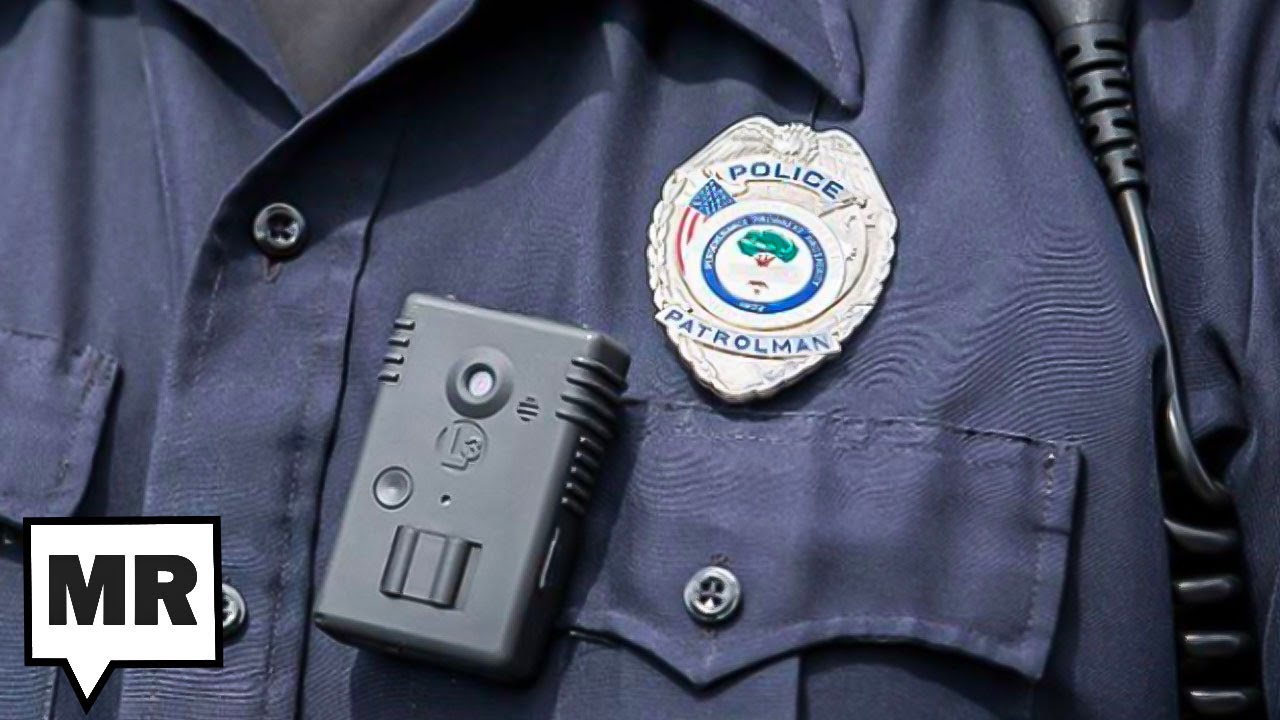
police in Los Angeles are trying to predict the future we know where crime happened yesterday but where is it going to happen tomorrow in the next day and they're not alone more and more departments are using data-driven algorithms to forecast crime it's all about improving accuracy and improving our effectiveness or efficiency in our service to the community when you see more police officers you see the lights hear the sirens the high visibility of officers does deter crime in certain areas proponents say it's helping to reduce crime but others wonder at what cost I think it targets and it just justifies in their eyes racial profiling I've just really worried about the world that my son is going to enter into become a young man in and I don't want people to look at him and prejudge him that could be life or death if someone calls the police on you the algorithm is always going to augment the system that it's in and if the system itself is biased is unjust then the algorithm is gonna replicate that predictive policing is changing policing in your city now and we need to start asking the hard questions about has an impact civil rights has an impact privacy has it impact suspects has it impact officers doing their job here's how we're gonna work for tonight certain floors will be out of 160 say you're living in Los Angeles and you just got out of prison the LAPD could be keeping tabs on you through a program known as operation laser it uses crime arrests and field data to determine where violent crimes are likely to take place and who will perpetrate them laser predicts who will commit a crime before a crime actually happens groups like the stop LAPD spying coalition are sounding the alarm in local communities they say predictive policing strategies like laser disproportionately target low-income people and communities of color why do you believe that this data is subjective the data is subjective and the data is biased because policing practices have always impacted black and brown and poor people now we have predictive policing just coming in with a veneer of science trying to tell us that that somehow making policing more objective but what we're finding is that it's only augmenting the way that policing operates the laser program tries to predict who might commit by crime using a point system for example if you're on probation that's five points on your record if you're in a gang that's another five a stop by police can get you another point the people with the highest scores in each of LA's 21 divisions are placed on a list called the chronic offender bulletin you tally up all those numbers some folks end up with two points some folks end up with 40 points those that are that end up with the highest number of points we'll take a look and see where are they now the most troubling thing about the chronic offender bulletin it's recriminate been on parole who have served their time it seems kind of hard to avoid police contact when that's your home and this is your history and the contact is coming to you well not necessarily if you live in the area and you did time and you've got a job and you're doing everything you're supposed to be doing then you're not gonna be getting that constant police contact police say they're just being proactive what we don't want is for that person to recommit another crime go back to jail and keep on the cycle so we try to get ahead of it the problem is the public has no way of knowing who's being targeted which is why the stop LAPD spying coalition is suing the city for more information police are supposed to inform individuals if they're on the list but we reached out to the ACLU legal aid and several defense attorneys and none of them knew of anyone who had been contacted by LAPD we feel that the people have the right to know what is going on in this program they may not know the name of laser and they may not know it the specifics of how it operates but I think they do know exactly what's happening that they're being monitored because people in the community they speak about it they say you know the officer came up to me and said I see you I know your brother I got your brother I'm gonna get you it is one part social control hey we're watching you and it's one part information question we are seeing who you're associating with the car you're driving who you're hanging out with your neighborhood and they're recording all that and putting it back into a larger ever-growing database that's used for investigative purposes and laser is just one of several new smart policing strategies some departments are also considering drone surveillance and body cameras equipped with facial recognition technology this video from the maker of an AI powered body cam demonstrates how the technology could be used to find a missing child not shown how they could use it to track suspects meanwhile cities across the country have embraced a predictive policing approach that focuses not on high-risk people but on high-risk places putting entire neighborhoods under watch critics worry it's targeting areas that are already over policed the problem is that if you're already over policing in a certain neighborhood you're gonna be predisposed to seeing data that's now gonna tell you to keep putting more and more officers in those areas Bari Williams is an attorney who advises startups in the bay area I absolutely love technology I work in the sector but I think that we need to be mindful of how technology is created and how it's used and how it can be used in the various purposes one popular tool focused on where crime will happen is pred poll today more than 60 departments nationwide use it to forecast crimes like burglaries and car break-ins everybody has a pretty good policing already in the LAPD's Foothill division one of the first to use pred pol it starts with the daily roll call officers get a map labelled with 10 to 20 hotspots they're encouraged to visit during their shifts the more time they spend in those areas the more likely they are to deter crime or so the thinking goes good work this is today's predictive policing boxes we're going to cover the three boxes that are in my area in the north end of pacoima pred pool forecast crimes based on patterns from the last several years it analyzes three elements of crime data the crime type the location and the time it then runs them through an algorithm and spits out 500 by 500 foot hotspots or boxes that officers should keep an eye on right now we're experiencing a lot of property crime that's what our predictive policing boxes are going to focus on officer Steve Nunez has worked in the Foothill division for 16 years what are you looking for as we cruise around um you know looking for anything suspicious even even sometimes looking for cars that that look like they've been sitting here for a while anyone that is maybe trying to open car doors just anything that just doesn't fit at first we were I don't know if we're gonna follow this predictive policing and having a computer tell us where to go but he's become a believer in print bull crime has gone down dramatically so part of it I believe is predictive policing part of it's just the community engagement has to do with just officers going out there and being proactive don't believe you don't appear for like a month and all that stuff like that so like I said I won't impound it you know because I know it is so I'll let you guys deal with it but at least get it off the streets the fundamental question here is can we trust the data and algorithms that police are using to predict crimes algorithms and big data model simply take inputs crunch them up to create outputs so if your inputs are biased your outputs are gonna be biased you don't need to look far to find troubling examples of algorithmic bias in 2016 Microsoft introduced an AI chat bot called Tay which quickly started repeating racist and anti-semitic comments it picked up on Twitter then there were those problematic google autocompletes which are based on popular human searches in January a Google search for Islamists are turned up results like Islamist SART evil and Hitler is turned up Hitler is my hero and there was also at the time the Google Images algorithm mistook black people for gorillas so what happens if prejudiced data makes its way into police work it's a seven for Barry Williams that risk is personal the biggest fear I have with predictive policing and my son is that he will be profiled I'm sure he probably will experience that at some point in his life already but I don't need something making that easier did you have a good day Williams lives in Oakland the city that so far has decided not to use pred poll still she says the image of black children being fatally mislabeled as a threat by police looms large in her mind in the case of Tamir rice you have a child who was playing with a BB gun and the police just rolled up and within three seconds shot him and that is a real concern for me my son and I like to go certain places and if the neighborhoods are not awesome and predictive policing is telling you to send more police into that area and we're there I'm not gonna I'm not gonna allow my child to go play in the street I'm not gonna allow my child to run in front of me I don't want anything to give police a false a false sense that he could have been engaged in something he wasn't the activists and the police are all coming from the point that makes sense for them I think from a community perspective that feels over police that feels that there is racial injustice and policing it's wise to be concerned about this new technology that's going to give police more power if you're a police officer you understand you have an incredibly difficult job and adding new technologies might help and you kind of want to get the benefit the doubt we've had crime rises over the last few years we have car reduction it is a tool it's not a panacea for crime and that's what a lot of people believe they believe that you utilize pred pull crimes gonna go away false that is a farce that is not gonna happen so it's an indicator it takes you there it could happen it could not it's a probability the question about whether predictive policing works is still open one study found that proposed algorithms correctly predicted crime just 4.7 percent of the time still that's higher than the human analysts who got it right just 2.1 percent of the time it's worth noting that the study was done by the company's co-founder and then there's the question of bias you start coming into the pakora area which is south of the 210 freeway now you're dealing with predominantly Hispanic families a lot of immigrants in that area and I noticed there are more boxes there the day we visited most of the pred PO boxes in the foothill division were in Hispanic neighborhoods but police say that's by chance I do believe the data is objective we're simply using the crime numbers the type of crime the location and at the time of one we thought that crime when that crime was reported to us it has nothing to do with anybody's ethnic makeup or or the neighborhood or or anything else according to research by pred Paul's co-founder their algorithms don't lead to more arrests of minorities than human policing but that isn't exactly comforting to critics of traditional policing the issue was that crime tends to happen in all areas but the problem is that marginalized groups are where police are usually congregating and there is evidence of that disparity today black and Hispanic Americans account for about a quarter of the total population but make up more than half of the prison population and there may not be a more infamous symbol of unjust policing than the Rodney King beating which happened right here in LAPD's Foothill division 27 years ago that beating and the riots sparked by the acquittal of the officers involved ignited a national conversation around police brutality that continues today members of the LAPD say that predictive policing is helping them move forward as an organization instead of being an occupying force like we were referred to once upon a time where there was a problem in the area and we'd had to come in with tons of cops we're trying to be more strategic but activists like the members of the Youth Justice Coalition say that new technologies will only make things worse it's basically allowing them to racially profile black and brown youth live Nona in a low-income neighborhood mostly black and brown people that live there and there's always police on my block but pretty boy I think it's doing is targeting communities that they're already been targeting stop LAPD spying coalition is still pursuing their lawsuit against the LAPD and for now the most concerned citizens can hope for is more transparency if there's a dialogue between these police departments and the communities that they're serving explaining to them how they're using these data points how they're using this technology it may go a long way predictive policing is here to stay and so what we should do is figure out how to identify the risks see them coming and address them before her before it's too late
Up Next
103:30
Edward Snowden Interview: Surveillance, Privacy, and Government Secrets
@StosselTV
6M views•2020-12-21

24:30
BRICS Pay and de-dollarization: A New Financial Order Emerges? | 55 chars
@DannyHaiphongYT
164.6K views•2024-10-22
7:33
Government Surveillance Methods: 10 Ways You May Be Watched
@BeAmazed
1.6M views•2017-04-09
10:19
Explaining the Saudi-Iranian Proxy Conflict in the Middle East
@Vox
18.2M views•2017-07-17
Related Study Plans & Knowledge Roadmaps
Structured learning paths in Political Science
political-science
Economic Statecraft: Sanctions & Chokepoints
01Foundations of Geoeconomics and Economic Statecraft
02The Mechanics of Weaponized Interdependence
03International Sanctions: Types, Implementation, and Efficacy
+ 2 more learning modules
12h5 modules
Explore Roadmap
political-science
Central Bank Independence: Politics & Policy
01Foundations of Central Banking and Monetary Policy
02The Time Inconsistency Problem & Inflation Bias
03The Delegation Model and Designing Independence
+ 2 more learning modules
12h5 modules
Explore Roadmap
political-science
Consociationalism: Power-Sharing & Stability
01Democratic Dilemmas in Divided Societies
02Introduction to Consociational Democracy
03The Four Pillars of Consociational Design
+ 2 more learning modules
12h5 modules
Explore Roadmap
political-science
Rebel Governance: Legitimacy, Economy & State
01Foundations of Rebel Governance and Statehood
02Establishing Political Legitimacy and the Rebel Social Contract
03Wartime Economies and Rebel Resource Management
+ 2 more learning modules
14h5 modules
Explore Roadmap