

















Forensic examination of skeletal remains from residential school burial sites involves generating biological profiles through age estimation (using dental development, skull features, and long bone length), sex assessment (primarily via DNA for children under 15), and disease/trauma analysis (including tuberculosis, nutritional deficiencies like scurvy and rickets, and enamel defects indicating childhood stress). Stable isotope analysis of teeth and bones can determine geographic origin by comparing strontium and oxygen levels to environmental baselines. DNA analysis from living relatives enables identification, while communities must retain sovereignty over genomic data and make decisions about excavation and information sharing.
Forensic Examination of Residential School Missing Children
Added:Basic human osteology and skeletal biology, including how to estimate age and biological sex from skeletal remains.
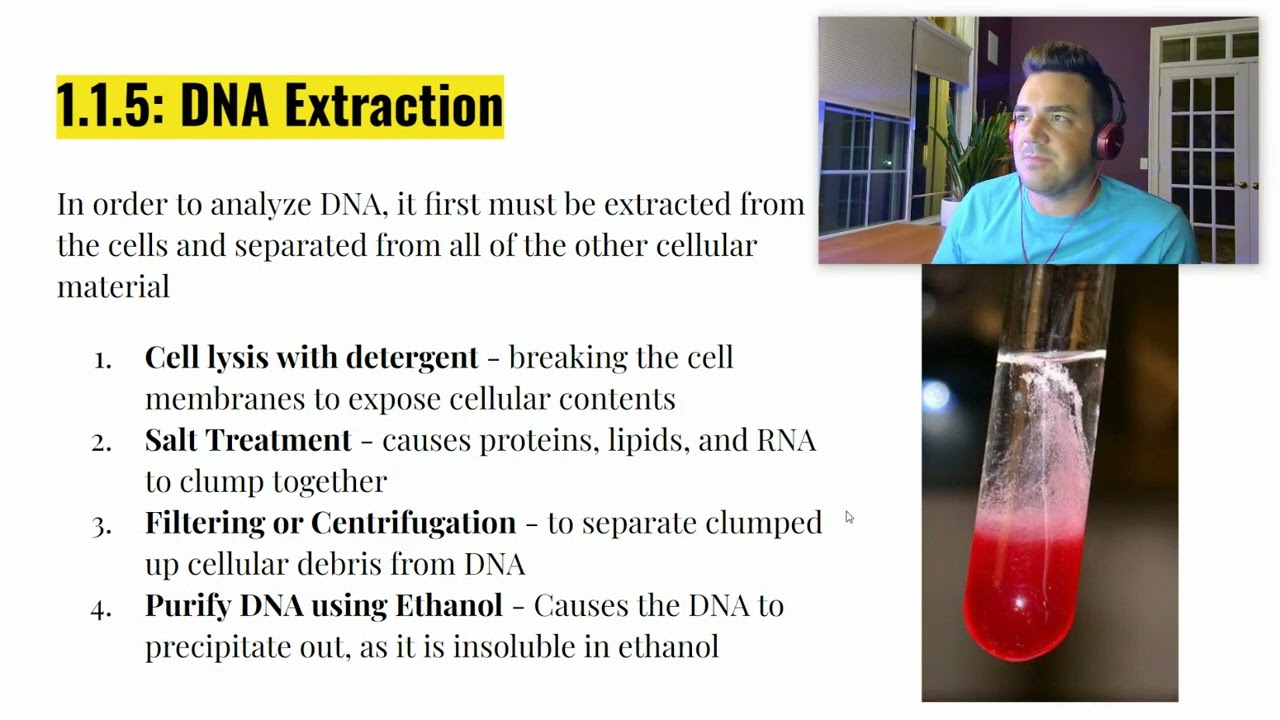
Fundamental principles of DNA profiling, including DNA extraction, PCR amplification, and short tandem repeat (STR) analysis.
The historical context and legacy of the Indian Residential School system, particularly regarding systemic neglect and documented student mortality.
The basic legal and scientific protocols of death investigation, including the roles of coroners and the concept of chain of custody.
Advanced forensic taphonomy, focusing on how burial environments, soil chemistry, and time affect the decomposition of juvenile skeletal remains.
Ethical, legal, and community-led protocols for conducting forensic investigations in Indigenous communities, emphasizing trauma-informed practices and repatriation.
International standards and methodologies for mass grave exhumation and humanitarian forensic action, such as those defined by the ICRC and UN.
Investigative genetic genealogy and next-generation sequencing (NGS) technologies used for identifying highly degraded historical DNA samples.
122 views1likes1:56:19Original Release: 2025-06-04
Good morning. I might have to say good afternoon also. My name is uh Harley Crochu. I'll be the moderator for for uh the forensic uh examination webinar and uh just want to share a little bit of myself. Uh uh my Blackfoot name is Gaupa. I come it's in English it's Bearchild. I come from the Pani Nation which is part of the Blackfoot Confederacy in southern Alberta. Um I guess a little bit of my background. I have a little bit of policing, justice, health, and uh community leadership and and uh you know been involved with the national advisory committee with the national center truth and reconciliation for a number of years.
Today we're going to focus the webinar on you know forensic examination and we have a number of uh uh presentations that are going to be very very uh uh important and and uh with with the information that we need that's going to help us on the search of finding our missing children. the ones that you know never came back from residential school and and uh you know and and uh so we're I'll talk mention a little bit more about the presenters in a minute here but I'd like to sort of just say you know the land acknowledgement I'm calling from my uh ancestral territory the Blackfoot Nation but a lot of us are calling from many places on on mother Earth and and uh just take the time to acknowledge the people that were here before you and and uh you know the people and their their traditions and their customs and and a little bit about them so that we can really recognize and respect the land that we're we live, play, and work on. But on behalf of the National Center Truth and Reconciliation, you know, uh they're located on the original lands of the Inishnabic uh in Wak uh Dakota Oate and Den, the homeland of the Red River Matei and the home to many Inuit. And uh you know, excuse me if I sort of mispronounced it a little bit.
I'm not familiar with with the the territories and the nations in in that area. And I just wanted to share a few of the housekeeping notes. You know, the topic that we're going to be talking about today is important, but it can be triggering. you know and there's times when when we you know we might feel a little bit of the emotion or we might you know be struggling a little bit. So you know I would like you know share that you know you know there there's an opportunity to call the hope for wellness helpline which is 18552423310 and or the national indigenous residential school crisis line which is 1-8669254419 and uh at times we'll show it on the screen or also on the chat line if you need to uh uh pro, you know, connect for for some of that health support.
In regards to your preferred language, you know, it's it's uh if you want to hear the interpreter, click the original audio, mute audio, and and I I believe at the corner of the screen, there is a interpretation icon, the globes symbol. just click that on and just click your preferred whether it's uh English or French and and uh you know you should be able to you know get the webinar on the language that that you need to for clearer understanding.
The webinar is being recorded and you will be available on the NCTR YouTube channel and uh you know the the information is going to be provided by the presenters you know there's an opportunity to you know ask questions a Q&A and uh we will at the end of the presentations we'll be able to uh to uh you know answer any of the questions. So, you know, just hold off on those questions and then just send them through uh at the end so we can uh you know, get the respective presenters to be able to uh respond. And at this point in time, I'd like to uh welcome Jackie, Elder Jackie Bouvier to open the session in in prayer and ceremony. And uh I'm just so thankful be able to, you know, hear what Jackie, the prayers that Jackie has because, you know, she is our one of our, you know, circle of survivors and and has so much knowledge and and uh and just really appreciate, you know, really appreciate you coming and and being able to, you know, open the session in a good way. We'll pass it to Jackie.
Thank you, Harley. I'm a visitor at the unseated territory of the Musquim Squamish and Swalter tooth. I have um cedar bundle that was presented to me.
I'm going to say my prayer in my language which is in mach and then I will say a few words in English you Creator, we come to you today asking for your guidance, wisdom, and support as we begin this meeting. Help us engage in meaningful discussion in this important meeting. A moment of silence. You can pray in your own way.
Mercy except We're done. Okay. Thank you, Jackie. Uh, thank you for your prayers. And there's you know for the moment of silence you know we need to it's so important to do that and and it's to you know strengthen our spirit and prepare ourselves. So so the next part of this is I'd like to sort of just share a little bit of what we're going to talk about. So we're the topics will be you know analysis of sketch skeletal remains perspective and methodology. The next topic will be process of death investigation and role of the forensic pathologist. And uh the last topic will be DNA component data privacy and sovereignty. And I'd like to sort of uh introduce our first presenter who is uh Emily Holland. And um just give me a second here. My screen seems to be uh a little bit There we go. Is having difficulties with screen, but I think it got it back. So our first present presenter will be Emily Holland who is a forensic anthropologist and a professor in the department of anthropology Branding University Manitoba.
She has contributed to numerous investigations involving indigenous communities including work with the RCMP, First Nations Police, the grassroots organizations like Drag the Red, and recently she was the forensic anthropologist and search director for the humanitarian search for the Prairie Green landfill where the remains of Morgan Harris and Mercedes Myron were successfully recovered.
Emily specializes in the recovery and identifi identification of children's remains and is affiliated with the Canadian Society of Forensic Science and the Canadian Association for Biological Anthropology. So she'll be talking as I mentioned earlier analysis of skeletal remains perspective and methodology. So I'll pass it on to you Emily.
Great. Thank you so much, Harley, for the introduction. And I want to say a heartfelt thank you to Jackie for your prayer and opening this work. Um, it it feels good uh when you pray. Thank you.
Just going to give me one second to share my presentation. All right. Um, as Harley mentioned, um, the importance of the land acknowledgement and he acknowledged a lot of the peoples that are in Manitoba as well as the NCTR is based in Manitoba. And I would just like us take a second to uh, kind of second that acknowledgement because I'm actually not from here. I'm not from Manitoba, but I'm also not from Canada. I was born in England and we immigrated here in 1983.
So, I consider myself actually very fortunate to live on these lands um and to benefit from all the teachings from indigenous people I've had in my life.
And so, I really have a deep appreciation and sincere recognition of all the people that have come before and all the connections I've made um throughout my time in Manitoba.
The point of my presentation today is to speak about uh what we can actually learn from the skeletal remains of children. And I do want to acknowledge so this is a difficult thing to consider and I really want to emphasize that excavation and exumation can only happen at the request of the communities and the families. uh it has to be a decision that they want and it and if that is what people want and they want to excavate or exume individuals from a cemetery so that they can return those children home, there needs to be a pathway forward for them to do so. Um but I really want to stress the importance that that decision solely rests with families, survivors, and communities.
When we talk about skeletal analysis, really what we're trying to do when we work with individuals is generate what we call a biological profile. So those demographic characteristics of someone that help us figure out important things about them such as how old were they when they died? Um are they male or female? It gets a bit more complicated for children um because some of those traits that we use to identify biological sex don't manifest until much later. One thing that can be very helpful is recording dentition and any potential dental work that the children might have. And this can be useful. Um, but of course we know that there are limited dental records and little dental care for children. It's also possible to assess for the evidence of disease or evidence of trauma. But I have to be very clear here that this is only things that affect bones.
And it might then be possible to link this information to medical records that can help you figure out uh who it is that you're working with. So, I'm going to go through all of these in a bit more detail. One of the things we need to think about when we talk about age assessment is what age categories we're referring to. So, the individual on the screen is my son Charlie at 6 months and at four years. So you can imagine that there's a huge difference between the development of him both biologically and mentally in these two pictures. So when we think about splitting people up into age groups or age categories, these are biologically and developmentally meaningful. So we have fetal, so you know they're not quite born yet, maybe not full gestation. infants birth to three years, children 3 to 12, and adolescence 12 to 20. And then we have our older um categories for adults. So these first four categories are the ones that are most important when we're thinking about residential school children.
One thing that's important when we consider these things is that each of these age categories uses different kinds of age estimation methods because of the differences in biological development. The best age assessment method is using teeth. Teeth actually start developing in uterero. So even though you might have a young child uh and you've they don't have look like they have any teeth, they do have developing teeth in their jaws. Dental development is under strong genetic control and there's limited impact from stress or from the environment that they're in so that it accurately tracks chronological age.
But there are population differences.
And if you are going to assess age from individuals, you need to try to make sure that you're using the populationspecific dental development and eruption sequence. The image on this screen is a multi-opulational um database that was created out of University College London and it has a number of different populations but most of them are European. So this doesn't necessarily reflect individuals of indigenous descent in Canada. It's also possible to assess age based on features of the skull. And this is common in really young children, infants especially. This is based on how the bones of the skull grow and fuse because we have expected stages of development of these bones at specific ages.
So we can look at the length of certain bones of the skull and age at death or to estimate age and the ratio of length to width. Pars basilaris is just a fancy word um for part of the bone at the base of the skull which is indicated in this upper image here this one. And also a fusion in age. So when does certain parts of the bone fuse to each other? An example of that is the temporal bone or the bone the left and right side of the skull essentially around your ear. Um when these parts fuse together happen at specific ages and so they can help us get an idea of how old young children are. It's also possible to look at the postranial skeleton anything below the head. We can do this by looking at the length of long bones. So physically, if we look at this image here, you can imagine it makes sense. As a child gets bigger, they're older. And so this really small bone is fetal. As they get bigger, we can see it increase in size.
And we can link this to age. But maybe what you've also noticed is that these bones don't have clear joint surfaces.
That's because those joint ends or epiphyses fuse much later after the bone has finished growing. So that fusion is called epithesial fusion and again there are strong times timelines associated with that and age and again known standards. The thing though that's really important about using long bone length to estimate age or epithesial fusion is that are affected by stress. So when we say stress we're talking about physiological stress. So were the kids uh in some kind of malnutrition uh situation? Were they exposed to a heavy disease load? Was there anything else in their life uh that was potentially impacting their immune system? When that happens, what the body does is it reduces growth to ensure it's devoting its energy to survival. And as I'm sure you can imagine, children at residential schools were probably in a very high stressed situation. We know that there was limited food, poor nutrition, high disease load. And so all of those things actually affect stress or affect growth. So one thing that's particularly useful is if you estimate age by how their bones are growing versus age based on their dentition, their dentition will give you a good idea of how old they are. their bones might make them seem younger than they should be and that actually tells you that they were in a stressed environment. So this gives us a sense of their life at the time of their death. Sex assessment is particularly difficult for juveniles. There is new research happening uh to help figure this problem out. But we have established methods for adults. But we have limited accuracy for methods in children. And this is because the secondary sex characteristics that we use to establish biological sex based on skeletal features uh don't tend to manifest until that child is going through puberty.
That means then the best way to assess sex in kids less than 15 is by DNA. Trauma and disease can also be established from the skeleton. But as I mentioned in the introduction, it's only those things that can affect bone. And the person has to live with that condition long enough for the bone to respond to the stress or disease that it's under. As an example, tuberculosis can affect bone, but it is also possible to die quickly from a tuberculosis infection. So, this is an acute cause of death.
And in those kinds of situations, there's not enough time for the bone to have been involved in tuberculosis at all. So if you die quickly from tuberculosis, it's not going to be in your skeleton. But if you have tuberculosis and it goes into remission, it's called secondary tuberculosis, and then it stays with you for a long period of time, which is actually common in children. Um, then it will manifest in the bone as well. And we can see that in skeletal marines. Another example is influenza.
It's a common cause of death especially in kids, but it does not affect the skeleton at all. So there's this kind of myth in um assessing skills remains where you look at a skeleton of somebody and you can say, "Oh, there's no evidence of any kind of disease.
Therefore, they must have been healthy."
that's not necessarily true because they died for some reason, right? And it's about parsing out uh what that reason might be even if there's no evidence on their skeleton. It's also possible uh to assess trauma. And when we talk about trauma, really what I want to talk about are fractures.
Children are actually at a high risk of fracture or injury due to their size um and to their body composition. So they don't have the same muscle structure as adults. Their bones are not as dense essentially, but also they're just smaller. So they, you know, in modern context they're more likely to get hit by a car because people don't see them.
That's the whole reason we have reverse cameras in cars.
But what we need to remember is because their bones are not as dense as adults, they're a lot more plastic, so they're a lot more flexible. So even if a child is injured, that injury might not cause a full fracture because of that high plasticity to their bone. They also tend to heal a lot quicker than adults. An example of a common childhood fracture is something called a green stick fracture. And this is called a green stick fracture because if you can imagine if you break a green stick off a tree and you push it with your thumbs, it's going to break on that top edge opposite from where you're pushing the force, but it's not going to break completely through the bone. And that's actually what you can see here in this arm. So this is the forearm of a child. This is the radius or the bone near the thumb. And this is the ulna.
And you have two fractures here. These are both green stick. They have not passed completely through the bone. And you can also see how they're a little bit deformed. They actually look bent.
That's because that plastic deformation in the bone is happening in the process of that uh fracture.
One thing about fractures that is helpful in assessments of child skeletal remains, and this is hard to consider, um, and this is something I have to do as a forensic anthropologist, uh, in Manitoba as well, is determine if there are fractures that are at different stages of healing. because it might be that a child has healed fractures and it can be common in cases of child abuse that these are in the ribs but also evidence of fractures that happened more recently. So then that can give us information about ongoing trauma. So previous abuse situations and then ongoing uh abuse as well.
Going back to tuberculosis for a minute, infants and children are more likely to contract tuberculosis than adults. And we do know and it's in the records that tuberculosis happened throughout residential schools in Canada and that those children uh were sent to sanatoria. Sometimes they recovered and came back to the residential school.
Sometimes they were sent home sick and then sometimes they died and u there's very little record. But trying to track those children from residential school to sanatoria and then past is quite difficult. But when a kid does contract tuberculosis, it can spread to kidneys, the brain, the joints. And in kids, the spine, the hip, and the knee, those bones associated in those parts of the skeleton manifest change as a result of that bacteria from tuberculosis and it destroys joint cartilage and bone. If you look at the image on the screen, this is the knee.
So this is the bottom of the thigh bone.
This is the top of the shin bone. This kind of empty area here that you see is evidence of tuberculosis. So the bacteria has actually eaten away at the inside of the bone. It is possible to identify tuberculosis in the skeletal remains of children both through X-ray and through observation of skeletal remains. It is also possible to identify the presence of tuberculosis using a DNA or ancient DNA.
You take a sample of bone and the bacteria, the DNA of the bacteria is what is being looked for, not the person's DNA. Also particularly relevant to residential school contexts or evidence of nutritional deficiencies.
such as vitamin C. A lack of vitamin C causes scurvy which is defective bone growth due to deficient collagen. Uh your bone is made up of collagen as an organic component and mineral mineral component as well. What happens in these situations? because the collagen is deficient. There's more bone being added to um the long bones or the jaw for example because the muscle is pulling on the bone but the collagen isn't very strong and so the bone is responding thinking it's in trauma and adding additional bone to try to provide stability.
Vitamin D causes ricketettus which is uh visible as bending of the tibia in this x-ray and this is a result of deficient mineralization. So that mineral component of the bone is not very strong. You have a lot more bending because there's more collagen and less mineral.
It's also possible to identify iron deficient anemia uh based on small porocity in the skull. In addition to using bones to identify nutritional deficiencies, it's also possible to look at the teeth to identify what we call enamel defects.
Your enamel um grows incrementally over time, developing in your jaw until those teeth erupt. And you can have periods of reduced enam enamel that can look like hits or lines or furrows here. And these happen while that enamel is growing. So there's something stressed in the environment. Maybe the kid is uh in a nutritional state or under disease load and the enamel cannot form properly. So it reduces how much enamel is placed on the tooth and you get these lines of less enamel. The thing that's really important about enamel is that it does not remodel. It does not fix itself.
Your bone on the other hand is constantly remodeling and fixing itself.
But teeth are a permanent record of malnutrition or stress during childhood.
And it's possible to link that particular line of reduced enamel to the age at which the child developed it. It's also possible to extract stable isotopes from teeth and bones to help answer questions about the child.
I included a screen here or a slide here on what stable isotopes are um because it's something I have to relearn every time I talk about it. So a stable isotope is a variation in a chemical element. I have a little picture. Hold on. There it is. So you have the same number of protons. So this is carbon.
They all have six protons. So they have a different number of neutrons. So carbon 12 here is six protons and six neutrons. It's stable.
Carbon 13, six proteins, seven neutrons.
It's also stable. Carbon 14 is what we call radio uh an unstable isotope or radioisotope and that it degrades over time. So the thing about stable isotopes is they do not degrade once they're in the bone or in the tooth. They stay the same over time. So you can compare what's in the bone to the environment. This can be particularly useful in the context of children if we're trying to figure out who they are. It can help us determine place of origin. So strontium is a stable isotope that occurs in bedrock. It varies across Canada based on the bedrock or across the world I should say. And this is absorbed into plants into animals and then into humans. And as it's being absorbed into your body, it replaces a little bit of the calcium that's in your bone.
So because it doesn't change over time, the strontium in your bone matches the strontium in the environment. So there's a baseline that's established and then you can determine that baseline in the environment and compare it to your individual and you can tell if they're from there or they're actually from somewhere else.
So the strontium in teeth happens while those teeth are growing and teeth don't remodel. So it's strontium from where they grew up. Whereas we're talking about strontium from bone that's strontium from the area that they were most recently living in. The same thing applies to oxygen. Oxygen lives in water. It's a component of the molecule. And the levels in bone reflect the water that was consumed usually within the last 10 years of life. And the oxygen in teeth is where they were living at the time their teeth were forming. So if we have a child that's living, for example, in northern Manitoba and they're growing up there and then they move to southern Manitoba to go to residential school, we'll have a difference in oxygen and we'll be able to figure out where they came from.
But in all kinds in all cases stable isotope analysis is destructive. That's something that needs to be considered. So when we think about this skeletal analysis, what are the potentials that we can do with it? One, age of death can help narrow down who it is we might have based on archival records.
Dental assessment and assessments of disease and trauma can potentially be linked to dental and med medical records if they're available and if we have access to them. And this can actually help identify an individual. Trauma and disease assessments can possibly assist in the determination of cause of death. And I say possibly because just because someone has a broken arm doesn't mean that's related to their cause of death.
but also just because their skeleton doesn't have something doesn't mean they didn't die of a soft tissue related disease. We can look at identifying nutritional deficiencies which can be linked to poor quality of food and life.
We might not find anything in the skeleton and we have to be very careful to be cognizant of the fact that you might learn very difficult information and what they experienced. And this is a highlighted screen because I think these are important points to uh emphasize. The community who is determining the examation or excavation needs to decide what they want to know.
And if it's possible to know that if you don't want certain information, you don't have to have it. Who is going to do the work? It is important to have people that have experience with infants and juveniles. Who is going to have access to this information after the fact and how will it be shared? Will families be able to visit or conduct ceremonies during analysis? And it's really important to establish clear expectations and protocols before any work is done.
And I know um Janette and Thomas are going to speak to DNA, but I just wanted to highlight a few things to think about. Identification of children may only be possible through DNA because we don't have uh dental records. For a lot of kids, the analysis is destructive. We actually have to remove teeth and bones to do so. and it requires DNA from living relatives or communities through a cheek swab or blood sample. So, the things that I think are really key and I know Janette uh and Thomas will speak to these are who's going to do the analysis, who's taking the samples from living people, and then how is that information stored or shared and who has access.
Not only is it important that communities make decisions for themselves about what they want to do, but that they retain the sovereignty over the information uh generated. Thank you so much for the time um for your time and for having me here today. Thank you to everybody I have on this screen um the National Advisory Committee and the Circle of Survivors. and if you would like my uh contact information um it's here for you. Thank you so much. Thank you Emily. Uh the information you provided was you know very well needed and and um you know certainly a lot of the information provided you know really helps me too you know understand a little bit better and and and also you know the area where where uh how important the dental is but also you know once we get to that point where we're looking at DNA you know the things to consider Thank you for that and and we'll probably have more questions as we continue on future. So, um I just want to remind everyone that uh if if they need uh wellness support that the number for the hope for wellness helpline and the national indigenous residential school crisis line is on the webinar uh chat page. And then also if you are needing interpretation you know please select the interpretation uh button which is a globe at the bottom and select your your the language of your choice English or French and uh and if you have any questions please um hold them till the end of the towards the end of the webinar at the after the last presenter. So at this time I'd like to welcome Dr. Kona Williams and I'll share a little bit of of uh who she is and and and and what she's currently doing. So Kona William is a cre and Mohawk and works as a forensic pathologist and coroner. She serves as the First Nations liaison for the Ontario Forensic Pathology Service, a director of the Northeastern Regional Forensic Pathology Unit in Sbury, Ontario, and co-chair of the Indigenous Health Committee Royal College of Physicians and Surgeons of Canada. Kona has extensive experience in investigating violent and suspicious deaths and providing expert ter uh testimony in court. So she's going to cover the topic of process of death investigation and the role of the forensic pathologist. So thank you Kona for being here and and uh sharing your knowledge. So I'll pass it on to you.
Thank you so much Harley. Um and thank you to Jackie as well for you know the prayer in the in the beginning uh and to my colleague Dr. Holland for her her presentation. It's a perfect leadin to what I'm going to share with you now. Let me just share my screen here.
Okay. Uh so thanks Harley for the intro.
I am a forensic pathologist in a corner and I will explain what those terms are uh and a bit about the death investigation system and and sort of what we're facing uh when it comes to looking for children who attended residential schools. Uh I just you know for those of you who do need supports please make use of them. I I promise I'm not going to show any any uh uncomfortable pictures, but I I will be discussing death uh and sort of what an autopsy is. Um, and I also just want to remind everybody that, you know, what I'm talking about isn't uh isn't scary, but it can be triggering. So, please keep that in mind. So, when people think of death investigation, this is probably one of the first things that comes up. Um, you know, what people see on TV versus what actually happens in real life is very different. Um, but again, I mean, anybody who finds out what I do, they almost immediately ask about CSI and and um, you know, on TV, it's the death investigation moves very quickly. I mean, they do have a you know, there is a lot of drama. there is quite a bit of um you know that it's everything's sped up and so it looks like things get solved within you know a nice hour or 40 minutes or however long the show is. Uh but things take longer uh for a death investigation and for something uh you know for this kind of investigation when you are likely going to be dealing with bones that process can take quite a long time. There's a lot of steps that need to be done. We have to very do things very carefully as Dr. Holland uh explained and then you know following uh any exumation or any examination from a forensic perspective uh there is still identification using DNA. So that will you know be a good segue into the next talk as well. So death investigation in Canada uh each province and territory has its own uh which means that there is no federal oversight there's no federal standards. So the you know it's a bit of a a challenge when the residential schools were run um by the federal government in part uh but the death investigation system is run by the provincial governments. Uh and so they're all different but at least in Canada there are two systems two separate systems. There's a coroner system and there's a medical examiner system. And these are the ones. So anything in red is a corner system. So I am in Ontario and so we do operate under a corner system. other places, Alberta, Manitoba, out east, they have medical examiner systems. And you know, there's various historical reasons for why this happens. Uh, and one thing to note is in nor in the far north, so in the territories, um, they do have corner systems, but there are no local like on-site um, forensic pathologists to do autopsies in the north. Uh so anybody who gets a forensic autopsy, the body will need to be sent down south uh to Ontario, British Columbia, Alberta. And unfortunately, because many of the provinces are so big, uh it typically if somebody is is found dead or dies in a in a small, you know, remote flying community, for example, it can take a while to to transport that person to a regional center uh to receive a forensic autopsy. So again there's the time component these you know these things don't happen uh overnight although we do try to accommodate uh uh as quickly as we can a little bit more about what the systems are in Canada and who are sort of the players. So in an in Canada and in Ontario specifically uh we have a corner system and these are these systems are old. Uh they originated in Britain and you know this this system is a thousand years old and it's certainly evolved over over the centuries. Um but these these positions are are governmentappointed. Uh and they may be medical doctors in Ontario they are. Uh so coroners are actually medical doctors. Um, but in many places they're lay people. So, you know, in some places you just really need to have uh, you know, not having a criminal record and, you know, have a high school diploma.
And that's changing, but the training to become a coroner, uh, there may be no training at all. Uh, but it could be, you know, a short course uh, running for a few days. So you know depending on which province you're in and depending on what system you have um you know there's a variation on the the skills and experience uh you know of the person who is the first person investigating the death. So, if you think about how death investigation starts, you know, anybody can call a coroner or or a medical examiner, uh, if they come across somebody who's died, um, typically the first responders will will be there, so the police or the paramedics, and then they will likely call either the corner or their medical examiner. Uh, and and then, you know, that is your liaison uh, between um, you know, the family and the death investigation system. Medical examiners are different. uh medical examiners uh are medical doctors. So they're all medical doctors and they're forensic pathologists trained like me. The system originated in the state so it's pretty new. Um but the training is much longer.
So for me I did a undergrad so I did four years of that then I did medical school which is another four years. Then I did five years of pathology residency training and a year of forensic pathology fellowship. So this is a very long time uh in order to become uh a medical examiner or forensic pathologist. So there's quite a difference in training there and experience. Um but at the same time you know whatever system you have uh regardless the the corners and the forensic pathologists will try to work together and and get the best possible outcome for the family. Uh so a little bit of word about pathology. Most people don't even know what this means and and pathology is actually just it's just it literally means the study of disease. Forensic pathology takes it a little step further and it is we do all know all those things. So we know all about diseases but we also uh interpret that in the context of the legal system. So this is why it's it's forensic. So out of all the specialties uh the medical specialties there are forensic pathology is probably one of the closest to the legal system and there are legal implications into what we do. Um you know so if somebody dies unexpectedly or under criminally suspicious circumstances that is the leadin to the forensic system. Uh and there's you know always sort of a legal flavor to that.
So, for example, if if you know, somebody dies and they've been killed by somebody else. So, if we call that a homicide, um that will likely go through the criminal justice system. Uh so, when people die under those circumstances, moving into the criminal justice system, part of what needs to happen is a good thorough autopsy to get all the medical and scientific data uh to, you know, to kind of work with that with all the information so that that can uh progress.
And just as a reminder, forensive pathology in Canada is is actually quite small. There's not that many of us.
There are training programs that have, you know, been running for the past several years. Um, but it's one of the youngest subsp specialties in medicine in Canada. Uh, places like the UK or, you know, the US, they've had, you know, forensic pathology for for decades. Um, but in Canada, it's actually quite recent. It's been around for not yet quite 20 years.
So what do we do? We investigate deaths.
Um so you know forensic pathologists that's what that's what we've been trained to do. Uh we perform the autopsies and when required we testify in court. So we do we are able to testify in criminal court. Um we perform reviews. So other forensic pathologists they might have a complicated uh you know case. We will review those uh to make sure that you know everything was done appropriately. Uh we do teach quite a bit. I do a lot of teaching. Uh and because the forensic pathologists in Canada are very very well trained. Um we do provide international expertise. So we go outside the country and help others um and give them the benefit of the training that we have. Uh so again just so that we know uh the coroner is a physician in Ontario at least. Um in other places that varies. Um the coroner is is the first um so if somebody does uh die suddenly unexpectedly or under you know unusual or criminally suspicious circumstances the coroner is your uh gate person to the death investigation system. So they're the ones that should be communicating to you the information about what's happening. You know what are the results of the autopsy? What are the next steps? Uh so they have the legislative authority to order the autopsy. uh but the forensic pathologist is the one who will perform it. The coroner will write the investigation report and a death certificate. Uh and so that is really important for families to have uh particularly you know if they're looking for compensation for example or you know if there's uh estates or uh insurance all of that those documents are actually really important. Forensic pathologist on the other hand again we're subsp specialist physician we do the autopsy and interpret all the tests. We write the autopsy report and in coroner system the autopsy report will flow through the coroner and then subsequently to the family. Uh and again we testify in court and I think probably one of the main things to remember is that death investigation is not just done by one person. It's a team effort. So depending on what's happening, depending on um you know what's required, we may have a couple of people involved. we may have all of these people involved. Uh and considering the complexity and the magnitude of the residential school system and the the burial sites, uh we're going to need quite a number of of people involved in order to ensure that, you know, the process is as smooth as possible and as careful uh to get as much information as we can. And so for any death investigation, these are the questions we need to answer. Uh and this is you know this goes for anybody uh who died uh and either we don't know why or you know there was there was some criminality to it. We need to know who uh and again that's going to be difficult um at least challenging when you're dealing with bones. Um so we need a lot of information about what happened to them in life and then we need information about uh from them in death and so who died is is very very important. Where did they die? And and people may, you know, have died where they were found or they may have been died they died died somewhere else and then were brought to the place uh you know where they were found. When did they die? That's that's actually really challenging. Uh so unless it was witnessed or recorded in some way, uh the when can be really hard and when you're dealing with bones, that can be even more difficult. So we may not get, you know, a precise time of death. Uh it's not like it's not like what we see on TV.
Then there's the cause and the manner of death. And these are important terms to get uh right or at least as close to the truth as we can. Uh because depending on on what what you want, what families and communities and nations want, these terms may be, you know, not that important or they may be extremely important, especially if you're considering um you know, litigation.
So the manner of death you'll probably hear you've probably heard these terms before. So if somebody died in an accident or by suicide or naturally uh homicide so that means literally somebody taking the life of another person uh or undetermined and and undetermined is difficult because it could be well we just we don't have enough information or we really truly don't know what happened uh to this person. Uh but technically the the um medical examiner and medical examiner systems will determine the manner. Uh in coronary systems it is the coroner who determines the manner of death. The cause of death is is very specific. So this is like your diagnosis. Um and so whatever the disease is or the injury or you know a combination that led to this person uh dying that will be the cause.
But like I said, it's very very specific and and it's um you know, if you if you think about manner, um manner is kind of more of a judgment call versus cause, which is very very specific. Those two are very important uh to get uh right and it's very important for you know anything to come later uh if that's if that's required. Uh the mechanism of death is generally not included. uh it can you know help sometimes especially if I'm in court in discussing things um but I really wanted to make sure that everybody knew cause of death and manner of death are the the two big important um terms to to understand an autopsy what is it we examine the body um and it's a very thorough examination um when you're dealing with bones we will be working very closely with forensic anthropologist ologist um because they are the bone experts. Uh but working together we go through the same basic um sort of uh set of of steps um for for every case and how long it takes and how complicated it is depends on on what's required. But these are the five basic steps to any autopsy. So, we need information and and that's that's something that I I think a lot of, you know, we don't really think about, but medical records very important. Any circumstances about how this person might have died, uh where were they, who were they with, um you know, what what was going on around that time. And unfortunately, for many of these the the children that are missing, we may not have that. Um but medical records, I would think for for a good number of them may be available. And so it would be very important for us to review those medical records to get an idea of what was happening uh in the life and death of that child. Uh so you know archavists in the archives that's that's important a translation even. Uh so if a lot of these um you know records might be in French. Uh so that would be important for us to understand. We look at the body and then we look inside the body.
Uh that's kind of what everybody thinks of as an autopsy but afterwards we have to interpret any testing that was done.
Uh and for you know for these for children uh if we are end up if we do end up looking at them um you know that could be uh imaging so post-mortem radiology taking X-rays uh or even CT scans um and then looking at uh working with the forensic anthropologist to determine what story is being told in the bones and then uh identification and then this point it's probably going to be through DNA. After all that's done, I come up with my cause of death. I make a report and then that is flowed either to the coroner or through the medical examiner system. Uh and you know should be provided to the family. So there's different phases of the forensic approach for this. Um you know this is obviously uh for those families and nations and um communities that want to pursue a forensic approach or thinking about it.
uh lots of communication has to happen.
We have to involve lots of people so that we know what you what it is that you would like to know about how these children died. Like I said, archival documents, research, interviews, um talking with people, reading the reports, reading any information that we have available would be hugely helpful. And you know, this is a good segue into the next talk. Um collection of anti-mortem data uh so before death uh from prospective families. So usually including DNA um in order to identify uh people and again it's a it's a team. We got lots of people that are involved.
There will be a good number of people involved in any examation. Uh even of one person there's a quite a large team um that gets together to to make this work. Um identification and repatriation. So repatriation means you know returning uh the bones or the person back to their community. Um and depending on what on what is is asked for likely there are going to be unidentified um remains. So bones that you know for whatever reason the DNA is too degraded or you know we just we just can't with the technology we have. Uh and so what what to do with them is going to be a a challenging question to answer.
So to remember there's likely going to be on marked burial sites at all 139 recognized uh Indian residential schools across the country. So that's not a small um you know a small task. There are other schools and other sites that are not recognized by the federal government which may also have burial sites. So those need to be considered. Um day schools, hospitals, Indian hospitals, industrial schools, reformatories, day camps. Uh I recently learned about a train uh that you know collected students. Um so even I'm still learning about about what happened and as we know children are often moved around from different communities. They might have different names or just numbers. Uh and so there may the records may not be that accurate. Um and so you know there's a lot of work to do ahead of time. Uh especially with trying to find them.
there's ceremonies and protocols and and language and you know all this needs to be respected now and and the variations between them uh as well which you know a lot of people don't really think about who are not you know from those communities or not involved with them uh and you know those need to be respected and unfortunately that wasn't isn't always the case with when it comes to death investigation but we're working on that communities and nations may have opposing views about exeumations Exumation literally means you know you excavate the site looking for human bones and what happens after that is again up to uh you know the communities and nations and families. Um but what happens if there's children buried from multiple communities and there's very opposing views about what how to proceed. Um that will need to be uh considered and discussed ahead of time. Your wishes are are paramount. Um, our involvement at this point depends on what what you want and what questions you need answered. Uh, and and a very clear communication system between death investigation and uh, you know, the questions that need answered um, just so that people understand what the process is and and what we need to do in order to answer those questions. There is a systematic approach to any type of work that we do. Um but at the same time we can be respectful and you know incorporate uh you know the traditional values and ceremony and protocol. Um and there may actually be training uh available or or at least training opportunities for those of you who want to be involved uh or who want to learn.
Um you know that that's a a big component of this that you know I think I think we can we can do this.
It it is important to keep in mind that it might not be possible it probably won't be uh possible to locate all grave sites and identify each child and determine exact cause of death. So keep that in mind and any discussion you have with the death investigation system that should be clear the whole way through. There are lots of barriers to this. Uh unfortunately, you know, most people don't really need to know or want to know about the death investigation system unless, you know, it happens and the involvement um you know, occurs. The destruction and access to records, long-term funding commitments, um there's the increase in violence and denialism. Um you know, it's very important that any process have the trauma supports uh to ensure that people are not um ret-raumatized or overtraumatized. uh you know because this is a a a traumatizing process or at least it can be access to sites. I mean there's there's you know we can we can go on about this but you know unfortunately there are barriers and and it it is going to take um a team approach to to try and figure this out and determine the best way forward. And as I said before existing processes are not always respectful and and that needs to change and it can change. there are ways to respect indigenous people and um you know the ceremony and the protocols uh and and do a thorough and and a good investigation that that is possible um but it does take time and you know there will be uh opportunities for learning I think on both sides so I think I'm just about out of time now and migwatch I've left my email down there and in case anybody wants to uh to get hold of me so thank you again for for the time and And um thank you for listening.
Thank you Kina and that's very very informative and uh yes you are right you know it is a team approach. There's many individuals that have uh different types of expertise and knowledge that that's part of that team. But also, you know, when we look at the team approach, you know, it's being respectful as you mentioned and and ensuring that our traditions and values are incorporated, the ceremony and the protocols and and you know, and working with our elders is so important. So, you know, I just thank you for that. and being a police officer, I I know that it's we really appreciate what what you guys do, you know, and the help that you provide and and and with that investigation. So, thank you. Uh we'll move on to the next presenter. But before that, I just want to remind you again that there's wellness support and uh the hope for wellness helps line is is on the chat line or the webinar chat page and the national indigenous residential school crisis line is also there. So you know certainly uh you know if you need to give them a call do so. Uh our next presenter or both two presenters is uh Juliet Jules and Thomas James and they're going to focus on you know DNA component data privacy and sovereignty and uh I'm going to get them to share a little bit about who they are and a little bit of what they do and and the expertise that they they provide when when uh you know helping the community in in their search for the missing children and and and you know, as Kona mentioned earlier, you know, the communication lines need to be clear and understanding and and I know that's going to be part of what you're going to talk about a little bit because a lot of these areas are fairly new to our our people. So, I'll pass it on to both you Juliet and and uh Thomas.
Soap. I'm Janette Jules from Tukloops.
I'm one of the uh managers of Laquway. Uh the missing our elders um said that we all had numbers at residential school and they didn't want us to be using the 215. So they uh came with the squats gene for um the children which is the missing. Um I'm a residential school. Um I went to the Camel Indian residential school as a day scholar and as a resident. I lived at uh physically lived at the residential school.
I worked for our community for 32 years in all areas of education right from uh preschool up to postsecary and then I was um on council for three terms and uh had numerous portfolios but one of them was legal justice and uh community safety and I was on counsel when the um news broke of uh the 215 and um I'm a traditional knowledge keeper. I'm a pipe carrier.
I was despite residential schools, my grandmother and my other grandparents ensured that uh myself and my siblings were taught our traditional ceremonies, our songs, dances, um our stethlehem, our truths, our uh spectaclas, our oral histories, and um all of the ceremony.
So despite all of those, I I have that.
I've been a pipe carrier for 48 47 years and have uh have walked and continue to walk that path. And I will hand it over to Thomas before we start on our PowerPoint presentation.
Just minding you mute yours.
Uh to see like Okay, I'll come here.
Oh, sorry. One second. All right, sorry about that. Uh, let Thomas James. Uh, good day. Hello everyone. My name is Thomas James and I'm from Team List.
Um, yeah, I've worked in universities and colleges uh supporting our indigenous students from across Turtle Island providing uh financial uh academic and counseling services. Um, oh, and sorry, I forgot to mention I'm also the executive coordinator for Janette Jules and Fred Seymour.
Um, and yeah, I sat on uh numerous boards and committees uh advocating for and supporting our indigenous students at the institutional go uh provincial and government levels. And uh just last year I just completed my genetics program at Harvard Medical School and I am just in my uh final year uh still of my neurobiology degree at the University of Victoria. Um yeah, it's really nice to see you all today.
[Music] All righty. PowerPoint. I'm just going to get to the PowerPoint. Okay. Is it on screen? Okay. I had two of them going.
[Music] Yeah, I got to get to the share thing right there. Yep. But I got to get on this one. And here's the Where's the share button? Uh presentation right there. Slideshow. Okay. Is it online now?
Not yet. Would you like for me to screen share for you? This is Tessa from Techport speaking. Would you like me to screen share for you? Yeah. And then I'll just do next slide. Sounds good.
Okay. Turn this off.
Okay. Pton laquakeway investigation bringing the children home with DNA analysis and presented by myself um and Thomas. today. Next slide. Overview. In this session, we will consider Kurt status of TTS ESCOY, the missing investigation, DNA analysis, a part of the WUK genome, the truthtelling and informed consent and community engagement, ancestral remains and DNA law, and collective rights to DNA. And next steps. Next slide.
Kumloops to Squapam TTS is the people of the confluence and are the campfire ofum to Squapam Nation as historic caretaker unit of the Squap Nation and holder of the inherent title and rights of Stokumloopsum Ul. Next slide. Go ahead.
Uh so last Oh my audience I'm probably gonna Uh so last week wave process to date uh the initial ground survey uh GPR uh has been done and right now uh oh sorry two initial uh ground surveys of the GPR has been done to date. Uh at the moment we are in the archival and documentary investigation.
uh stage as well as the one of genome uh truthtelling. Um and that is uh what we're yeah currently working on right now um and gathering all the information that we need uh before we move into the archaeological and for forensic investigations.
And from the beginning the t test at the chemist 13 grassroots families have stated that this is not an academic exercise. Uh next the uh slide please. And the expansion of Wanuk's genum truthtelling more than 80% of children who attended C uh Cam Loops Indian Residential School Kirs were not from Cam Loops to we've had 108 communities and 38 nations that attended. Uh and currently we have um uh to date we have 97 uh t test survivors. Um so showing in the circles here we have the and going to the blue is our and adjacent communities and nations and on the outer ring there is other Kirs survivors and intergenerational survivors with information relevant to the investigation. Next slide please. Uh and last week investigation uh preliminary findings of 215 potential graves anomaly anomalies in May 2021 with ground penetrating radar GPR. Um confirmed survivors knowing about children lost to Kirs in the residential school system. TA's role as caretaker uh last week department consultations andou between uh the four main nations uh the encap stallium and seal uh and participation in the national advisory committee and work of the special interlocktor. Um and in May uh 31st 2024 uh was the signing of historic sacred covenant with the Roman Catholic Church and our uh last weekly expert advisory team uh which uh includes archival, forensic, archaeological, scientific, legal and policy. Uh next slide please. And then I'll do You got to turn yours [Music] down. Let investigation. So one optimum the truthtelling is survivor intergenerational survivor oral testimony sharing truths about the children. Genealogy conducted by Squepum and other nation genealogologist to record kinship connections. So we still have within all of our nations our traditional genealogologists who know our family ties and uh connections to uh community to each other to community and to nation but also to other nations.
archival research, access to church sacramental records, NCTR and the Royal BC Museum. Where we're at today is on the ancestral grounds of the Songis and Esquyimalt nations and we are at a BC uh uh technical advisory meeting uh on Indian residential schools and we doing research at the World BC Museum further research. So, forensic GPR, light detection and ranging, the lidar magnetrometry and soil spectrop spectropy. Um, we're going to look at all of those. There may be other tools out there, but that is one that we are looking at and then on the advice of our uh um expert team, we'll move forward with the with that archaeology. When locations of burials are identified with uh precision decision to exume skeletal and grave site analysis, DNA sampling and analysis with willing living participants after uh potential examation with DNA from latquay uh to identify the close matches that need to be done. Next slide.
So the squway DNA and analysis process that we're uh working on right now is stage one willing living participants DNA sampling in community led by indigenous genomic scientists as stewards storage of genomic information in secure database free prior and informed consent to of nations informed consent of participants contributing DNA is a A to participate in Bonukum, create a living DNA archive. And stage two of LAQ sampling, ancient DNA analysis led by indigenous genomic scientists, storage of genomic information and secure second database. Databases screen against each other to determine close matches. genealogologists from TTS and other nations to work with families to reconnect and to repatriate. So just on a part of that once we start getting the sampling of the willing living participants um we um on the advice of our experts will need at least 14 terabytes of uh uh external storage in order to store all of that. And then we'll need another 10 terabytes for the uh stage two. Next slide. So just letting everybody know there's cost to all of this. La esco DNA process uh uh July 25 um onward. Step one DNA sampling with willing living participants. Storage of genomic information is in a secure database.
winter of 2526 um passing the TTS ancestral remains in DNA law 2026 27 stage two exumation and DNA sampling of esquway storage of genomic information in secured database. So this is if we get consent from everyone and we'll get to the consent from not only uh Tumloopsum but the other nations that we are working with and 2027 onward analysis and identification of close matches.
Genealogologists work with families to repatriate if possible. And we've also thought of if you cannot uh identify a match uh of children then there is the traditional adoption ceremony that we will need to do for the um children so that they have that connection and that home to be so um mikas is bloodlines of descendants blood memory and that's what our elders have always taugh taught us that who we are is in our blood. It's our blood memory and here's the blood lineage that you come from. So that's the closest that our our elders our fluent soap gene speakers have stated is uh we go to them for all of the soap uh soap gene that we need to use within our laws and others.
And that is what they came back to us and told us this is what we use when our ancestors are found. Then you can tie people who have passed. Next slide. I just wait I got to get to the Okay. Uh background previous DNA consultation. Uh TTS has been preparing for this work for decades. uh TTS visionary leader John Jules led consultations with 17 campfires in 1990 towards census uh consensus on proper treatment and scientific study of ancestral remains um which includes the rearial repatriation of ancestral remains based on flaws. The genological tracing through DNA testing is widely supported.
Uh scientific study can help us understand more about our ancestors, prove ancestral presence to affirm title and rights and affirm our oral traditions. And the different types of DNA testing, uh DNA profile testing to determine biological relatedness used here. uh ancest ancestry testing for genetic markers that identify ancient lineages is different. Uh next slide please. Uh you want to Okay.
[Music] So this is a map when you go and look at the um work that other scientists so first nations people in North and South America and around the world are the least studied. So academics around the world are always trying to study um indigenous people. They can't tell you if you're sapen if you're coish if you're blackfoot if you're deni clinket uh mohawk. they can only tell you that your uh your HEPO type is A B C D X and others. So this is a a map of North America that shows the hoype that they that the scientists look towards. Next slide. So to kumakman as caretaker of laquake from the first announcement in May of 2021 TTS made it clear that it has the responsibility to caretaker for the lost children. The responsibility extends to acting as caretaker of the DNA testing process and of the DNA information itself from both willing living participants and the LA esque both individual and collective indigenous community nation free prior informed consent apply to how genoma data is used. This caretaker role is responsibility includes developing legal protection for DNA samples and genomic information and in the ancestral remains and DNA law. So the Camlops Indian residential school is located right on our Camelops Indian Reserve lands as defined under the Indian Act. Next you Uh why a law for DNA? Uh so looking at current legal frameworks for DNA testing and research do not reflect collective rights of indigenous peoples to genomic data and information. While consent at the individ individual level is an established standard in law, genomic information is inherently identifiable and shared among families, communities, and nations.
The quality of consent may be inadequate because of unauthorized secondary uses.
Uh example, disclosure to law enforcement, commercialization of health data by direct to consumer genetic testing, uh DTCGT companies, uh self-determination and free prior and informed consent as minimum human rights standards. The UN Declaration on the Rights of Indigenous Peoples underrip. Next slide, please. Why a law for ancestral remains?
Provincial legislation BC Heritage Conservation Act denies indigenous authority over ancestral remains and fails to adequately protect burial places. Indigenous peoples often must fight for recognition of ancestors found within their territories. uh example the Kennaw with man um the history of stolen remains uherary and ceremonial belongings knowledge uh and self-determination and free prior and informed consents apply as minimum human rights standards. Uh next slide please.
Why? Ancestral remains and DNA law. Legal protections for DNA samples, genomic information from authorized use and disclosure, uh, indigenous governance, upholding TESS, SSN, and other nations, self-determination, and self-governance across territories through distinct structures. uh occupy in the field developing a firstofits-kind legal framework and president for self uh determined protection and management of indigenous genomic information. improve health equity uh ensuring tests uh squam and other nations are getting the benefits of the latest genomic health research while exercising data governance and sovereignty uh control uh the narrative ensuring identity and belonging is not distorted by the misuse and misinterpretation of DNA rather DNA can assist in articulating uh swam histories and who TTIS SSN and Swam are according to Swam legal orders. Next slide please.
[Music] Next law foundations.
Indigenous legal orders supporting principles, procedures, rights, obligations, decision makers, care of ancestor, ancestors, stewardship of DNA and citizenship, citizenship and belonging, obligations as yakaminma, caretaker of shakimul and all beings on the land. kinship ties um as the foundation of rights and obligations. Our genealogy connects us to the land to each other across families, campfires, caretaker units, and our nation. SAP genealogologists are the kas elder women who hold authority on kinship legal categories and processes for DNA and genomic information.
Next slide. The next step for steps for the LA esque investigation. DNA informed consent. Prep parrier informed consent from four nations building informed consent with community and participants.
And right now that's what we're doing is getting that and we'll be going out to the four nations to all all of the um surrounding communities so that we can show them here's the informed consent.
Here's the consent that the individual needs to have. Here's the consent that the community needs to know that we're doing and here's the consent that your nation needs to know that we we have so that there's that protection for everyone and the DNA law that we're developing. There is no DNA DNA law anywhere else in the world. We've gone out and done the research before we hired our legal team and they've done the research and there is isn't anything. There's some policies but not uh a law DNA law co-design drafting with legal council knowledge keepers from TTS and the four nations uh research agreement implement sacred covenant through research with the chief uh church archives. Forensic studies continuing in 2025 layering data decision to exume or not to exume by TTS and other nations. expert team on ongoing meetings to coordinate interd disciplinary team and data storage. TTS is exploring ways to implement data sovereignty by hosting all data on its private cloud. right now um it says 100 terabytes required or by agreement with uh trusted partners and that's something that we're looking at is who's housed in Canada who what does their intellectual proprietary and copyright stay do they uh recognize OKAP and we've been working with the native biodata consortium uh Joe Yoshetta down from Eagleb South Dakota on just on the platform form that they have on u data storage. So either working with him on there or the development of something that's here in um BC uh that we can utilize and then share with other nations across the country. Next slide. Cooks jam. That is all the work that we've been doing. But the DNA is something that I've uh really uh looked at and worked. I did do um uh um archaeological u work uh back in the mid70s and um also um have done a lot of uh work and study on DNA. I had to teach myself. My oldest son has a metabolic disease and there are hundreds of metabolic diseases in the world. So they just categorize in one area. Uh he has what's called hereditary fructose intolerance. So he can't have no fructose or zorbital which means any kind of sugar. and uh himself and two other people in the world are the only ones who had the genomic marker at the 17th genomi. Everyone else had it at the at the ninth genomi. So um there are all kinds of uh different ways of looking at uh uh DNA but it's the protection of it and that is something that uh I have thought of for uh many years and uh when everything first started that is what we discussed and we discussed that with the 13 grassroots families and they uh and chief and counsel and they gave a recommendations document to council and to our membership and everyone approved that it is where we can we repatriate the children home where where they can't be identified then we um do an adoption ceremony and so when you look at the um um piece that was talked about on the u strontium and when you're doing the skeleton analysis uh British Columbia during the water sustainability act that Canada was pushing across the country.
Um British Columbia did the isotope analysis of each of the rivers uh in British Columbia. So that's one other way besides the the rock of looking at where uh a child is from. We could say in the end if they you can't find a genetic um match to a family you can say that they're intap or stuckle or seal or satan and about which river that they were closest tied to. So Yres cook jam for listening to us and us share being able to share the work that we're doing.
Hey, thank you Janette and Thomas. That was really interesting and and uh you know pro I'll probably have a couple of questions as we move along and and uh but you know the information you provided you know is certainly so important because I think a lot of questions will come out from the various communities that are conducting that search. They may not be as far along as you as you are, but you know the information you have will be really important when they get to that uh stage or phase of that search. So I just want to thank you for your presentation. I want to thank Dr. Emily Holland for her presentation and and sharing a little bit about the analysis of skele skeletal remains perspective and methodology and and also to Dr. Kona Williams for for sharing the process of death investigation and roles of forensic uh pathologists. And uh at this point in time, you know, I think uh I'll check and see if there's any questions yet. If not, I may have a few myself. I don't see any on on the question yet. But for Emily, I was just sort of curious on, you know, I know, you know, you talked about, you know, the age of death, uh, you know, the dental and the cranium and the postranial sex assessment, those pieces, you know, the children do grow differently. And I know our children that were in residential school, you know, you although were starved or their experiments on. So I was just sort of thinking back of my grand my grandson who has always been on the top of that growth chart and he's he just turned you know when he was when he was 12 he was 6 foot you know and and and after that he did slow down and uh but I was wondering on on a child like that that has that uh you know early growth what would some of the markers be what would be some of the indicators of of age if it's you know if the bones are a lot uh longer or measurements aren't the same as that age group.
Thanks for that question. Um that's why there's always there's a range of variation, right? So that's why it's important for us to look at the bones in addition to teeth. Um teeth will give us a more accurate representation of chronological age. So how old someone is from the time they were born. And then if we looked at, for example, your grandson's teeth, maybe they'll tell us he's around, you know, 10 to 13 years old, but his bones because he's so tall might tell us he's 15 to 16, right? So then we could say, okay, maybe he's actually experiencing early growth period. And there are some other bones that we look at to actually identify that growth trajectory associated with puberty because there's that onset of hormones um and it happens earlier in some kids than others. So there's this movement now in biological anthropology to try to get away from just chronological age and numbers and look at the whole broad development of a person. Right? So are they in that growth trajectory associated with puberty which also tells us some important information about where they are in their life. So your grandson would look tall for his age. But that goes also to the opposite for kids in residential schools like you said Harley like they were starved. They were not in an ideal living condition. So they will be they might tend to look what we call small for age right. So they'll be physically smaller than expected given their potential dental age.
Okay. Well, thank you. You know, I just always sort of wondering how that works and falls within you know the you know you know detection of of what age and what are some of those components. So we do have a question uh I'm not young anymore so I have to take my glasses off to read it. So what is the role of the OC in the IRS investigation for Dr. uh Kona for Kona?
I well thank you for the question and thank you so much for that that last presentation that was very helpful and I I just want to say yeah for for all the work that you're doing. I'm just sitting here I had my mouth hanging open the whole time um as I was shoveling some food into it. Anyway, uh to answer the question, uh the OC is so there in in Ontario there are two branches of death investigation. We work together. So there's the OC, the Office of the Chief Coroner, and there's the OFPS, the Ontario Forensic Pathology Service. So we work together to um you know do the investigation of death in in Ontario. Uh the OC does uh like they're responsible for the coronial aspect of that. the legislation. Whereas the OFPS were the forensic pathologists. We have there's a big uh forensic unit in Toronto and there's multiple regional units and Sudbury has has one of them uh and that is where the forensic pathologist work uh a lot and in Toronto a lot of the uh forensic science uh happens. So toxicology, biology, genetics and genomics uh ballistics. So it's it's you know certainly there's a big component of forensic science um uh in Toronto and then of course uh with the satellite units. So like I said we do we do work together um but we do kind of administer kind of separate parts of the death investigation system.
Okay. Thank you Kona. And uh I do have a question for Janette or andor Thomas. I one of the things that I was sort of uh thinking about in regards to the DNA DNA analysis and and the sampling is what was your process in informing the community and in creating that understanding or that knowledge of what that is and and what what the steps were and then getting their their you know consent or where is I I guess maybe not only consent But how did you uh determine that support from the community? Cuz I know it's something new and and we're not all very uh knowledgeable in that area and some of us are a little bit concerned. So how did you manage that piece to move forward?
Um we've been talking about it right since 2021 and the ongoing work that we've done with uh our ancestors um on the uh testing. So uh back in the '9s '90s when my late brother went to all 17 communities and he had my dad and my uncle along with him to interpret they they explained everything that needed to be done. So when the when this came up and the work that we needed to do, we already had that consent in place because everybody said, "Okay, our elders uh one of the elders was uh 102 um that was in in the group and getting consensus from all 17 of the soap communities was a feat in itself um because they went individually to each of the communities. Then collectively all of the elders got together and they um met. And then what the work that we've been doing, we've been getting um analysis of our ancestors since um 1995 um on doing that and we worked with u um Lakehead University. So Dr. Scott Hamilton didn't know that we were we had worked with Lakeheaded University since then and gotten all kinds of reports and so I knew that the testing part was going to take a while. People think, oh, it's like CSI or you know FBI or any of them. It is not that. And plus to the experience I had with uh my oldest son, it took uh 4 months of testing from every single specialist that you could think of at the BC Children's Hospital.
Then they pulled in specialists from across the country and then they finally came up with the diagnosis at at 6 months of here's what he has. But that's when you come and you do when you're doing DNA DNA analysis and genomic analysis and then getting this and I've always explained cuz everybody said, "Janette, you get up and you talk to us about this because you know what you're talking about. We're not listening to these other people cuz you know they they they talk and they're great big words and all of this stuff, but you explain it the way that we need to have it explained to us. Plus, you understand the the process. So having that heads up and that and that and then we've been speaking with um all of the um four nations. So with the inclap there's 17 communities. The seal have seven theapam have uh 17 the stleium and that's the upper and lower stethleium have u uh 18 communities. So, and then we we've been working with the Bikani and the Tutsina and the Canai because they've come forward and then treaty 8 and uh uh treaty 6 just on a lot of the because a lot of the people out in that area attended and they've they're families missing. So, it's something that I've talked to everyone about is the DNA and we will be getting to the consent form. So, we've been working on the consent form since February. It is finally ready to be shared with everyone so that everybody knows here's the informed consent of the individual. But then here is also the consent that you need to have that when you're signing away your and giving your consent for your own individual that encompasses your family and your community and your nation. And then in some cases it's going to be crossnation because we all know the intermarriage of our people across the across the nations and especially in the last you know what 60 years.
Yeah. No that's for sure. Well thank you for that. And sounds like you know the elders were were part of that whole process early on. And I think that's important for most communities because, you know, the elders certainly uh help support and when they do support, you know, the families are more, you know, willing to learn and understand and and really look at it and and see, you know, the importance of it moving forward. So, thank you for that. We had people wanting to line up right at the beginning to give their DNA samples, but we said we need it. I told them we need to get this in place before we do that.
Yeah. Okay, that's great. Thank you so much. I do have another question here for for Kona. Dr. Williams, is there a time limit associated to the required death investigation? for example, IRS deaths from the 1920s, would the OFPS conduct a death investigation?
Yeah. So, that that's actually that was a question that we had as we were, you know, when this when the news broke about about um you know, the children that the 20 the 215 um typic died 50 years uh and and over um if they go through you know if there's for us to investigate that probably wouldn't be and I don't want to say it like this but it kind of is true sort of of of like what is the value or the utility because you know if this person had been um had died under criminally suspicious or homicide homicidal circumstances uh you know finding ing a living person who did that uh is probably not um is probably very unlikely. So so there was this kind of like 50year cutoff where anything older than 50 years would then go on to become an archaeological investigation and would not then uh you know potentially proceed through the criminal justice system.
That being said, um the discussions that have been had uh we recognize that this these deaths are are special. This is a system um you know this is a systematic u you know attempt at eradication of an entire people. uh and so we have to keep that we have to consider that and so far um this is something that we that we will sort of I don't want to say bend the rules because it's not really set in stone and each province has their kind of their own definition of what is um of recent forensic interest as as we call it uh and what is archaeological but I think those conversations are happening and that um you know that definition for these cases is changing uh and so these ones are are very important uh to our system uh and will be treated as such.
Okay. Thank you, Kona. And yeah, go ahead, Janette.
I keep trying to push the wrong button here. Um so, just on one of the things with Emily and I and I think Trisha and everybody else with the Knack needs to kind of take a look at is we're looking ahead like we're we're doing what we're doing now, but we're also looking ahead.
So if there is the per permission from everyone to do a an excavation then that's something that Emily can you know in the future or a group of people can do a uh piece on because it will be it will have to be a forensic archeological dig and that means total blocking off no um contamination of the site no contamination of the um ancestor ers that are the children that are found.
Um, no crosscontamination, no, you know, like that's that's another piece that we have to plan for soon as we finish this one piece. There's we got a whole bunch of pieces, but this is something that the other communities need to start being aware of. They might not even be close to here it is, but that is something.
And then it is here is how we need to guide uh other people into you know the other communities into here is what you need to start preparing for if and when you get to this point cuz we're at here is the point we need to be to gather information. Okay. Now at the other point here is the other piece that needs to be done and they're not cheap.
Thank you Janette. Uh Emily you have your hand up. Thank you. Um I just wanted to comment on what Janette said and then something Kona said too. Um you're absolutely correct, Janette. You kind of have to think 10 years from now, what is it that you want, right? And this is a conversation we're having in Manitoba as well because if people want to excavate um they need to think about, well, what are they going to use that information for? Is is there some kind of um criminal component that they want to investigate? humanitarian type of investigation that they want to pursue then those forensic kind of protocols need to be enacted early on as do the protocols to protect to protect DNA in the process of excav exc excavation. So Janette, that's an excellent point.
Thank you. And then Kona, I just want to follow up on that death investigation component because we're in the same kind of difficulty in Manitoba, right? Where we have this expectation of a cut off of, oh, it's archaeological, but that's not how we're thinking about it, right, with communities that's this is recent for them. This is a bigger issue for them. So, our office of the chief medical examiners is working hard to be involved to help facilitate um that process for them as well because it's kind of a gray area for residential schools. Thank you. Yeah. And I think I'd like to add is that the you know even though some of the the perpetrators may have long since died um the systems that created these schools are very much alive. Hey, thank you. I think we have room for time for one more question. Uh, take my glasses off again so I can see. In regards to the isotope analysis, has testing in the provinces and territories across Canada already been conducted or is this something that is ongoing or needed? And then also it says Janette mentioned that ice testing in BC rivers has already been done. What about the other provinces and territories?
And that's open to anyone that wants to respond.
Can I comment? Yes. Yeah. Go ahead, Emily. So, it varies by province and territory. A lot of the time the oxygen isotopes that are tested from water to track things like bird migration. Um, so it depends on what kind of research has been done in a province to determine what rivers or lakes have been tested for isotopes for oxygen especially. Um, so it's an ongoing thing. Um, there is a an isotopic map for Canada, but it doesn't mean things like our remote communities in northern Manitoba that their rivers have been tested, right? So there needs to be a bit more nuance and a bit more detail in the testing that has yet to be done so that those communities that are very remote where children were taken from can be uh linked into this isotopic map as well.
And so my understanding is that it is not complete across Canada varies by province and territory and more work needs to be done.
Okay, thank you so much. And uh I think we're into the last few minutes here. I just want to give time for uh our for our Elder Jackie Ruvier to to say the closing prayer. But before I I pass it on to her, I just want to thank all of you for your presentations and sharing your knowledge with us and your experience and and some of the stories that that come with it. So it was so meaningful. So, thank you for that. So, can I fast uh can I get you Jackie to uh say a closing prayer, then I'll wrap up with some housekeeping.
Squats money too.
Men hey mercy too. Thank you Jackie. Thank you for that prayer and and uh thank you for for opening us in a good way and and closing these conversations in good way.
Uh just for a final housekeeping, just want to remind everyone that the recording will be available on the NCTR YouTube channel. And uh certainly go back to the chat line if you need wellness supports because we have them both listed there or even take a screenshot of them and if you should require them after the session ends. And I just want to thank everybody for attending and encourage ongoing conversations and learning. And certainly I have a lot of questions still and uh I will be phoning to get get your uh thoughts on on uh the different uh questions I may have. But it's been an honor to moderate this and and thank you all for doing such an incredible job. So thank you very much and and thank everybody who's online.
Up Next
13:35
Stable Isotope Analysis in Bioarchaeology: Diet Reconstruction Explained
@RosieCrawford
1.6K views•2021-04-26

12:54
Triumph of Orthodoxy Icon: Byzantine Art & History Explained
@BenCallan
2.1K views•2024-08-06

9:49
FastAPI vs Flask vs Django: Choosing the Right Python Web Framework
@TechWithTim
302.5K views•2024-05-26

1:42
Game of Thrones Opening Credits: A Cinematic Analysis
@gameofthrones
46.3M views•2011-04-18
Related Study Plans & Knowledge Roadmaps
Structured learning paths in General & Interdisciplinary Studies
general-studies
Elevator Engineering: History, Physics & Cities
01From Hoists to Safety Brakes: The Dawn of Vertical Lift
02Hydraulic vs. Traction: The Engineering Physics of Elevators
03Modern Speed, Safety, and Algorithms
+ 2 more learning modules
12h5 modules
Explore Roadmap
general-studies
Rubber: Material Science, History & Geopolitics
01Origins of Natural Rubber & Mesoamerican History
02The Chemistry of Natural Rubber & Vulcanization
03The Geopolitics of the Rubber Boom & Colonization
+ 2 more learning modules
12h5 modules
Explore Roadmap
general-studies
Containerization: Evolution, Logistics & Trade
01Ancient Trade & Bulk Cargo: Amphorae to Barrels
02The Industrial Revolution & Cardboard Packaging
03The Containerization Revolution: Malcom McLean
+ 2 more learning modules
12h5 modules
Explore Roadmap
general-studies
Textile Tech: Evolution, Labor & Global Impact
01Pre-Industrial Textiles: Handloom & Cottage Industry
02Mechanization: The Spinning Jenny to the Power Loom
03The Factory System & Global Labor Transformation
+ 2 more learning modules
10h5 modules
Explore Roadmap