













![[LIVE] Programming DNA circuits | Learn Real Genetic Engineering - Part 3](https://i.ytimg.com/vi/jy4lvR-KUBM/hqdefault.jpg?v=65a8176d)





The lac promoter system enables controlled recombinant protein expression in bacteria by using IPTG (an allolactose mimic) to trick the lac repressor into falling off the promoter, thereby activating RNA polymerase to transcribe the gene of interest; unlike lactose which bacteria can degrade, IPTG remains stable and provides consistent, inducible expression without negative feedback.
IPTG Induction Using the lac Promoter: Recombinant Protein Expression
Added:The Central Dogma of Molecular Biology: A clear understanding of transcription, translation, and how RNA polymerase synthesizes mRNA from a DNA template.
Structure and Function of the Wild-Type lac Operon: Familiarity with the E. coli operon components, including the promoter, operator, Lac repressor protein (LacI), and the natural role of lactose/allolactose.
Recombinant DNA and Vector Design: Understanding the concept of expression plasmids, cloning genes of interest, and the role of selectable markers.
Difference Between Constitutive and Inducible Expression: Knowing how and why cells regulate protein production dynamically in response to specific chemical signals.
Optimization of Recombinant Expression: Investigating the effects of temperature, IPTG concentration, and host strain choice on soluble protein yield.
Alternative Expression and Promoter Systems: Exploring other inducible systems like the T7 promoter (pET system), the arabinose-inducible (araBAD) promoter, or eukaryotic expression hosts.
Troubleshooting Expression Bottlenecks: Addressing challenges such as protein toxicity to the host, codon bias, and the formation of insoluble inclusion bodies.
Downstream Processing and Purification: Learning how to harvest host cells, lyse them, and purify the expressed recombinant protein using affinity chromatography (e.g., His-tag/Ni-NTA).
9K views160likes8:20Original Release: 2023-07-20
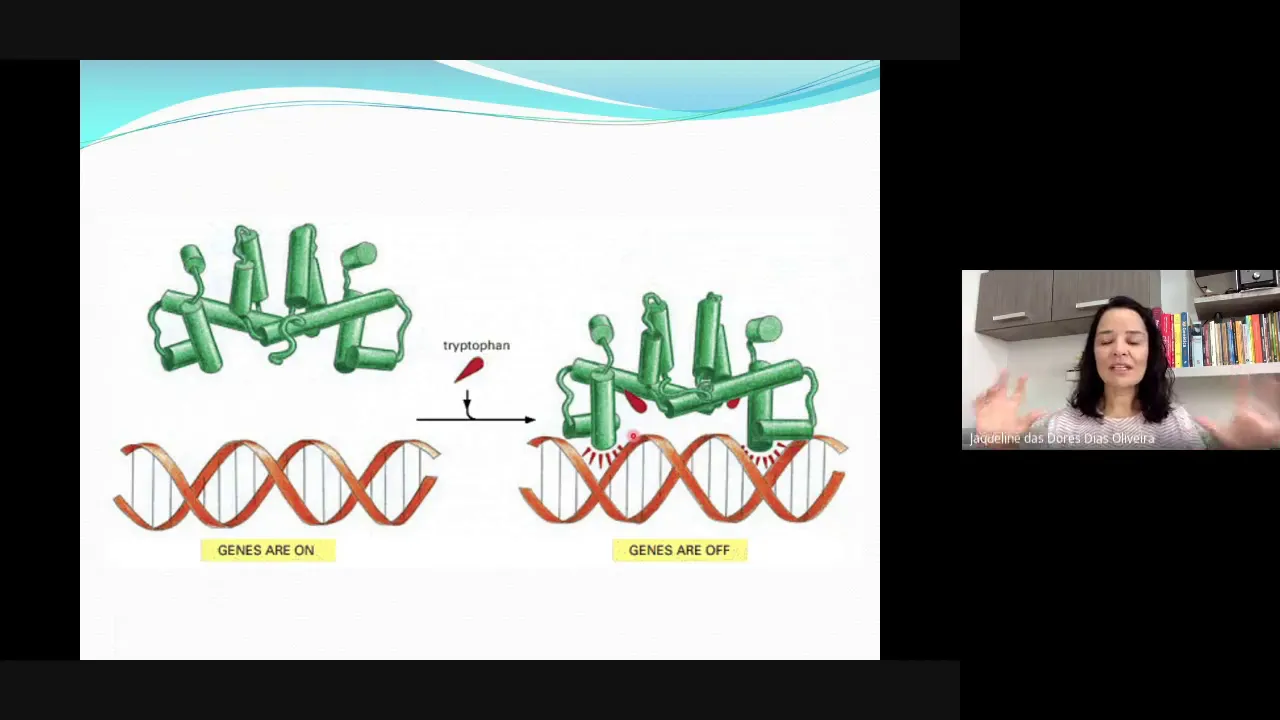
ibcg is an electrose mimic or analog and we use it to trick bacteria into thinking there's lactose around so we can trick them into doing things like making protein for us the reason why we use iptg instead of actually using lactose is because well the bacteria can't eat it they can't break it down and so it stays around and so the bacteria keep thinking there's lactose around so more of our protein will hopefully be found here's how it works the basic idea of inducible expression using the lock promoter system and then we'll get way into the details is that you stick the genetic instructions for making a protein of interest in front of the regulatory region that bacteria use to decide when to make a enzyme that breaks down lactose so this protein that takes the sugar lactose and breaks it down for energy use in this way when the cells sink there's lactose around they're going to start thinking they're making the the enzyme to break down lactose and instead they're actually going to be making your protein now the reason why this works is because bacteria are only going to make this lactose breaker this beta galactosidase when there's lactose to break and not enough glucose so in this way we're able to only when there's lactose around or something that looks like lactose only then are they going to actually make the thing of interest and this allows for inducible expression so expression or making of the protein on demand how it works is by taking advantage of this thing called a Lac operon and the enzyme that the lactose breaker I was talking about it's called beta galactosidase or beta gal Now Beta gal is made as part of this Lac operon which is basically just this group of genes that are like regulated at the same time and so they're all made together and so this Lac operon is going to make the biggest galactosidase as well as other genes that are needed in order to do the whole like lactose breakdown and import and all of that good stuff but the one that we care about is beta galactosidase in this case so beta gal as I'll be referring to it it has a couple functions it can takes this um sugar molecule lactose so this disaccharide made up of a glucose molecule and a galactose molecule and it can hydrolyze it so it can basically break this Bond into glucose and galactose now what it can also do is it can do something called transglycosylation where basically it just rearranges this molecule from lactose to allo lactose um and so this can also then get broken down by hydrolysis but if it doesn't get broken down or it's broken down what it can do is it can actually go and serve a regulatory role what it does is that it binds to this lock repressor which is this protein that sits on top of that Lac promoter so the Lac promoter is the region of the DNA that is basically going to be where the RNA polymerase is going to bind and get started making messenger rnas and making the recipe copy from this beta galacticidase Gene um and then and those other ones in the lock operon um and so then that mRNA is made and that mRNA is used to make protein so the ribosomes travel along it and make the protein and so if this but if this lacropressor protein is sitting on top of that promoter well now the RNA polymerase can't find the promoter and so you're not going to get mRNA made and you're not going to get protein made and so normally the bacteria don't want to waste their energy making these lactose breaker downers um if there's no lactose around that'd be like a waste of energy and if there's plenty of glucose around so they like this glucose better so if there's glucose they're not going to make the protein either and so there's um basically some regulatory things that go on but the slack repressor protein is going to be blocking this site and so if we can get this lacropresso protein to fall off well now we can get expression of of this Beta galactosidase And so when there's lactose around you get some aloe lactose and with the aloe lactose is going to do is it's going to bind to that Lac repressor and cause it to fall off leading to the expression of the the beta gal now I'm using bedding down here because that's what's naturally there and so you have the expression of things in the Lac operon but really if you basic all the information is coming from this Lac promoter region so we can stick anything in front of that Lac promoter and then if we trick the bacteria into thinking that there's lactose around we can induce the expression of something else some other protein we're interested in but instead of adding lactose which those cells could break down we add this mimic on this analog called iptg or isopropyl beta-day D1 thiogalactopyrino's side wow that was a mouthful so yeah we call it ipg and the reason why we use ipeg is it because it looks like aloe lactose and it can still bind to that lacropressor but it can't be degraded by Beta gal so the levels stay steady it has this diode either bonds which basically it can't be hydrolyzed like the um it can't be hydrolyzed like we got the hydrolysis of this lactose and so the beta galactosidase isn't going to be able to break break the bond it's not going to be able to break it down and this is important because if you added lactose or if you added aloe lactose well now the cells can break it down and so now you have less lactose around um and so if you have less lactose around well then that repressor is going to stay bound and so you get negative feedback and you'd be stopping the production whereas by using this iptg that can't get broken down well now this is going to hang around and it's going to lead to stable levels and a longer term expression and so this is why we often use this mimic ippg instead of adding lactose or aloe lactose um so bottom line we get this protein produced on demand sometimes what we do is we use this kind of like coupled system if you look if you see something like um bl21 de3 where you're using a t7 promoter system you actually use this lock promoter to control the expression of a RNA polymerase but this is RNA polymerase isn't the one that we were talking about before this is actually going to be a RNA polymerase from a bacteria infecting virus so a phage um and so this is the t7 phage RNA promoter RNA polymerase and basically it it recognizes a different promoter than the bacterial ribosomes so the bacterial ribosomes are going to recognize um that black promoter and some other promoters but they're not going to recognize a t7 promoter so if we put the t7 promoter in front of our Gene of Interest well now that t-set that Gene of interest is going to be controlled by the t7 polymerase and if we can control the making of the t7 polymerase well now we can control the making of our protein and we can also kind of get the cells to use all of the t7 RNA polymerase to make our one thing rather than having to have our transcripts or mRNA compete with all of the cell's own ones so often you'll see this t7 system used as well one last note um so basically beta gal is actually made in monomers so these single chains and those group up into dimers and then functional quartets these tetramers so that's just just a technical note because you know I like to provide all the details so I hope that helped you understand how we use um this lack inducible expression system um to make things on demand and why we use ippg instead of adding lactose or allo lactose
Up Next

7:05
Error Prone PCR: Principle, Mechanism, and Applications
@shomusbiologyofficial
25.5K views•2013-12-08

39:12
Taste Matters: Why We Like the Food We Do | Professor John Prescott
@smagforlivet-video
409 views•2015-12-07

38:38
Michaelis-Menten Kinetics & Enzyme Activity Units Explained | Biochemistry
@thebumblingbiochemist
2K views•2024-09-08
7:08
Bacteriophages: Earth's Deadliest Killers and Future Antibiotics
@kurzgesagt
34.6M views•2018-05-13
Related Study Plans & Knowledge Roadmaps
Structured learning paths in Biology
biology
Analyzing Animal Venoms: Genetics & Pharma
01Molecular Biology & Physiology Foundations
02Venom Evolution & Toxin Gene Recruitment
03Neurotoxins & Ion Channel Pharmacology
+ 2 more learning modules
18h5 modules
Explore Roadmap
biology
RNAi: Biogenesis, RISC & Gene Silencing
01Molecular Biology Foundations: DNA to Protein
02Introduction to RNA Interference (RNAi)
03Molecular Biogenesis of miRNA and siRNA
+ 2 more learning modules
10h5 modules
Explore Roadmap
biology
Mycorrhizae: Signaling, Biophysics & Ecology
01Foundations of Mycorrhizal Symbiosis
02Molecular Signaling and Root Colonization
03Biophysics and Bioenergetics of Nutrient Exchange
+ 1 more learning modules
11h4 modules
Explore Roadmap
biology
Circadian Clocks: TTFL, SCN & Periphery
01Foundations of Molecular Biology & Gene Expression
02Introduction to Chronobiology and Actograms
03The Core TTFL: Molecular Architecture of the Clock
+ 3 more learning modules
14h6 modules
Explore Roadmap