










![Qué Es La Psiconeuroinmunología [ PNI ] 🧠](https://i.ytimg.com/vi_webp/9rFvPeV_JTg/maxresdefault.webp)









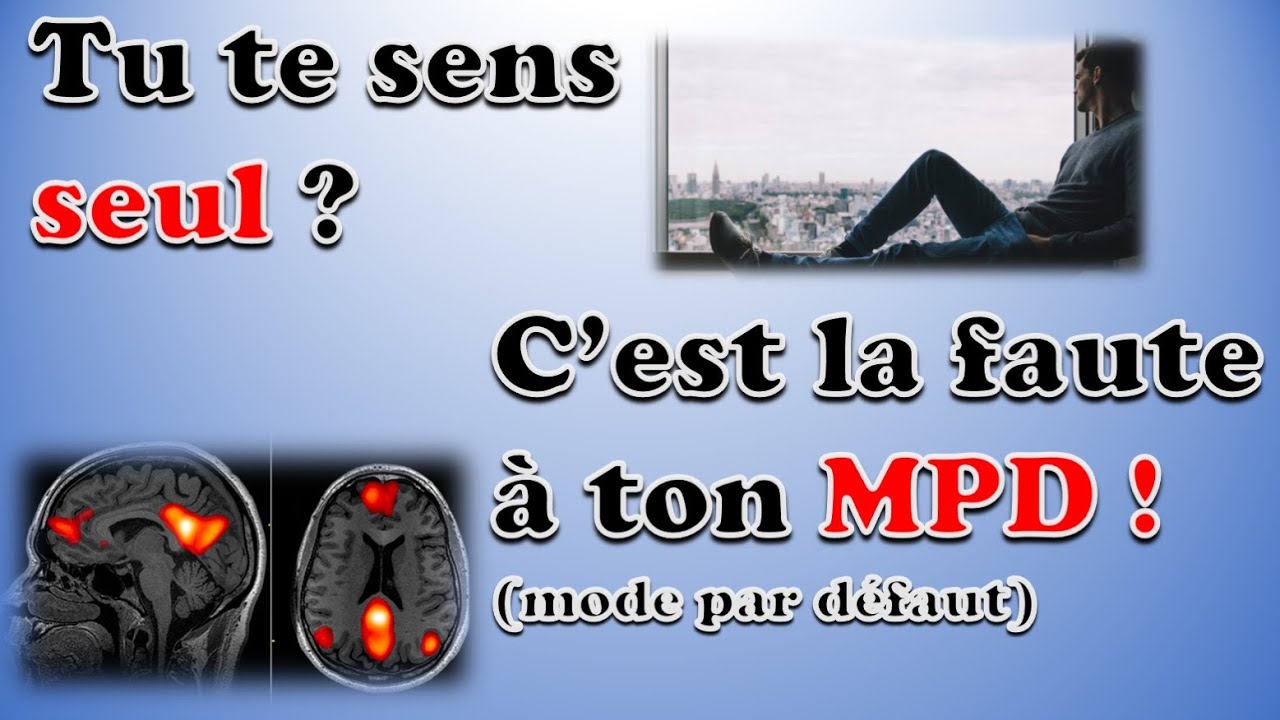
Loneliness is associated with measurable changes in brain structure and function, including decreased activity in the temporal parietal junction (involved in understanding others' thoughts), reduced connectivity between attention networks, decreased cerebral cortex activity (correlated with lower IQ), and a smaller hippocampus (particularly the dentate gyrus); these changes may be caused by or result from social isolation, and social media can help strengthen social ties to counteract these effects.
How Loneliness Reshapes the Brain: Neuroscience Explained
Added:Basic neuroanatomy, specifically the functions of the hippocampus (associated with memory and stress regulation) and the Temporoparietal Junction (TPJ, key to social cognition).
The concept of neuroplasticity, or how brain structures and pathways physically alter in response to environmental and behavioral stimuli.
The biological stress response, including the HPA (hypothalamic-pituitary-adrenal) axis and the neurotoxic effects of chronic cortisol exposure.
An introductory understanding of neurodegenerative diseases, particularly the cognitive symptoms and general pathology of Alzheimer's disease.
The field of Psychoneuroimmunology (PNI), investigating how social isolation triggers systemic inflammation and alters immune system-to-brain signaling.
Clinical and public health interventions, such as 'social prescribing' and community-level programs designed to mitigate the physiological impact of isolation.
The concept of 'Cognitive Reserve,' exploring how lifestyle factors and social connections build resilience against physical brain pathology.
Advanced Social Neuroscience, focusing on the Default Mode Network (DMN) and how the brain's default state shifts during prolonged periods of loneliness.
2.5K views99likes16:07Original Release: 2021-06-25
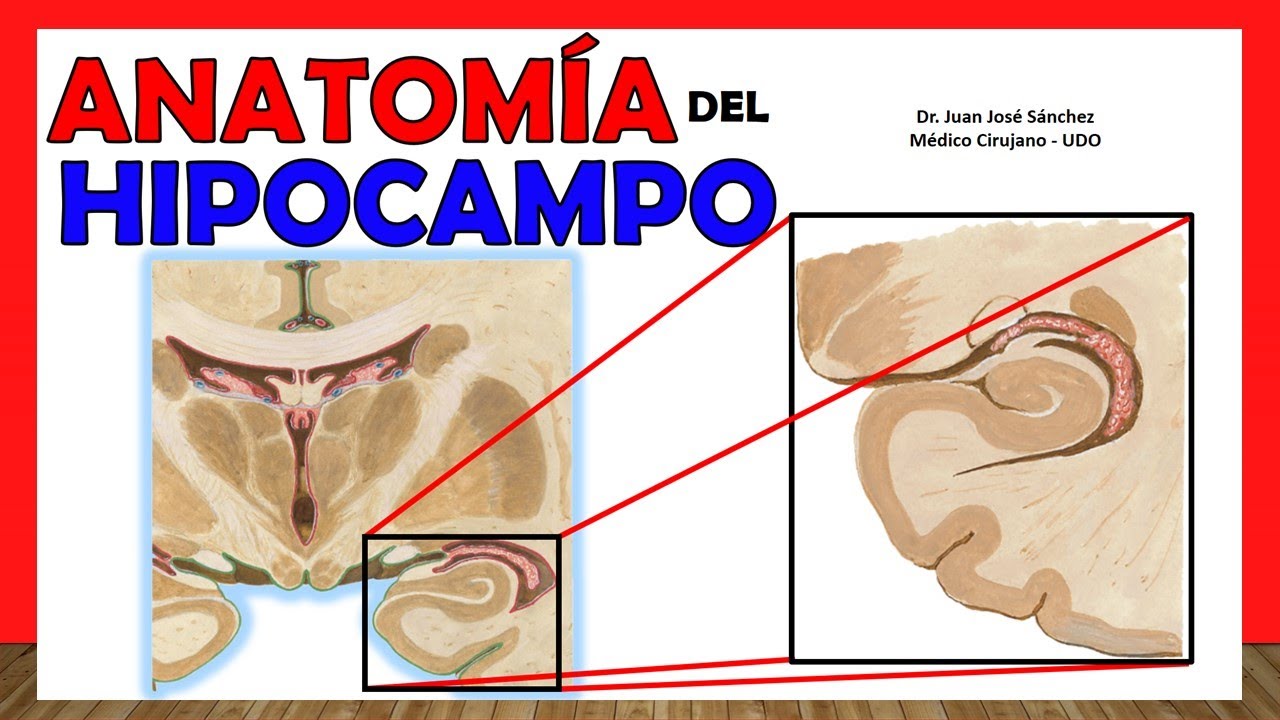
it's definitely not a good thing to be lonely and it is bad for your physical neurological psychological health in this video i'm going to be talking about how loneliness itself is instantiated in the human brain [Music] by the way i'm andrew and this is sense of mind this channel is all about helping you to upgrade your brain so you can improve your life my goal is to give you the facts and information so that you can make informed decisions about how to improve your life and better it as much as possible so if that sounds interesting to you at all please subscribe to this channel okay so back to loneliness this is something that i kind of meant to mention in the last video but you may be wondering how do psychologists and neuroscientists assess how lonely people are well the most commonly used assessment is called the ucla loneliness scale so it's basically a 20 item survey 20 questions how often do you feel that your interests and ideas are not shared by those around you and how often do you feel that you lack companionship there are you know 18 other questions on there so then researchers are able to take someone's overall score and the higher you score on that the more lonelier you are believed to be so we all know that loneliness is an undesirable state but more than that it is associated with negative health outcomes throughout life like an increased risk of mortality which can even be higher than that of obesity and air pollution in some cases it's also associated with increased cognitive decline and um one interesting finding with that is that people who score higher on the loneliness scale tend to or are more likely to have higher higher amounts of proteins that are associated with alzheimer's so tau proteins and others amyloid plaques so it's definitely not a good thing to be lonely and it is bad for your physical neurological psychological health in the last video i talked about how social media use depending on how you use it can make you lonelier or less lonely so definitely check that video out if you're interested um in this video i'm going to be talking about how loneliness itself is instantiated in the human brain all right what's up everybody this is andrew before we get into this episode um i just wanted to say that these associations that i'm talking about here with the brain are mostly when the subject is at rest so that's just something to keep in mind um i did that because i didn't want to complicate things with thinking about different psychological tasks that are involved in these other studies and just wanted a baseline view of what the lonely brain the socially isolated brain is like just in general without thinking about various tasks although in that article that i mentioned they do include uh more of those kinds of task-oriented experimental procedures so definitely check that out if you want to go deeper into this but yeah i just thought i'd issue that caveat before beginning because i don't think i mentioned it sufficiently so anyway i hope you enjoy i'll uh look forward to seeing what you think i will be relying really heavily on a review paper that was published just recently in 2021 by nicolo zavetti and colleagues in the journal epidemiology and psychiatric sciences i will be listing out brain regions that have been found to have altered activity in people that score high on that loneliness scale focusing on those regions that are obviously involved in social cognition so let's begin first decreased activity in the temporal parietal junction so this is an area as it sounds like it might be a junction between the temporal and the parietal lobes of the the cortex specifically this area has been associated in a lot of studies with understanding what other people are thinking or um understanding the intentions behind actions has some relation to empathy decreased activity in that region in the temporal parietal junction for lonely people makes a lot of sense because you know they're not going to be doing a lot of perspective taking if they're not engaging with other people socially if you're not around other people you have little use for a brain region that is involved in you know thinking about what other people are thinking okay so next one study has seen decreased blood flow between the ventral and the dorsal attention networks so it's not super important to know which brain regions are part of each of those and they are really important in any task that requires your full attention so they one is involved in in certain aspects of attention the other is involved in other aspects of attention and i know that's really broad but the main point is just that they're really important for um getting your full attention for for focusing on something that might mean that people are having a harder time concentrating i mean it that's a bit of a speculation with people who are lonely um but there there are alterations to these networks and decreases in their interactivity in people that have adhd so it's not crazy to think that someone who is experiencing that who's having lower you know functional connectivity between those two networks is going to have difficulty with like focusing attention so maybe that's a question for you when you're lonely do you think it's harder to concentrate to use your attention i know that if i'm working by myself all day um it can be harder to focus on things than when i get kind of a boost of of uh like social life of being around other people i think that that really helps me to refocus on things and not necessarily sure why i don't know if it even has anything to do with this specific finding but i think it's it's interesting nonetheless okay so the next finding um is that during prolonged isolation so like forced social isolation in an experimental setting um researchers have found that there is decreased overall activity in the cerebral cortex now that's really interesting the cerebral cortex is that folded kind of sort of twisted looking gyrated uh structure on the outside of the brain it's that that thing you think of when you see a human brain it's that folded convoluted structure and it is really responsible for a ton of different things i mean it's it's really hard to even like summarize what the function of the cerebral cortex is because there it's there's so many functions associated with it and it is you know connected to and intimately functionally connected with the rest of the brain but in general it it does sort of higher processing so it provides kind of most of the you could say processing power for the brain because um it does a lot of things like complex perception of all different senses it is involved heavily in thinking and consciousness is um dependent on the cerebral cortex and it's what allows for intelligence and very interestingly high levels of loneliness have been associated with a lower iq so kind of lower general intelligence and that could have to do with a less functional cerebral cortex but again let's just keep in mind that we're just looking at correlations we don't know which way the causal arrow goes but those two could have something to do with each other lower general intelligence and um loneliness through this connection of lower activity in the cerebral cortex okay so the next one in the prefrontal cortex and the orbital frontal cortex so these are areas right at the front of the brain and right behind the eyes and these are both involved in a lot of different functions but especially um behavioral emotional regulation in the prefrontal cortex and the experience of pleasure and the reward system generally as far as the orbital frontal cortex goes so again these are really general functions but they're both absolutely involved in social cognition and um especially the both both of them um damage associ damage in either the prefrontal cortex or the orbital frontal cortex um tends to have an effect of disinhibiting people so making them more likely to act out and not act according to kind of cultural rules so it does make sense that there would be altered activity in these regions in people with high levels of loneliness all right so next i think this is actually probably the most interesting finding of all there's been a consistent finding in people with moderate and high levels of loneliness that they have lower activity and sometimes even lower volume in the hippocampus so a smaller hippocampus and so this may have to do with the fact that the hippocampus is what allows you to remember explicit memories so memories of people places events experiences that you had these are all going through the hippocampus and it is like forming that memory one of those those categories i just mentioned is people right so the hippocampus allows you to remember things about people and to um form models about them like so to understand kind of who they are and like form a mental model of them and so if you have a damaged hippocampus you're obviously going to have huge troubles with social cognition you're not going to be able to remember who someone is and even if you do you won't be able to build on that knowledge of that person and kind of like increase your relationship with them there's actually a super interesting study that was done um it was over a period of 14 months where these eight or nine um i think it was eight researchers went into the into antarctica these other neuroscientists wanted to do a study on them and look at their hippocampus as well as their levels of brain-derived neurotrophic factor or bdnf which is a protein that helps neurons to grow new synapses new appendages basically they showed that on average their hippocampus had shrunk by about seven percent but is actually confined to a region called the dentate gyrus so that actually makes a lot of sense because the dentate gyrus is one of the few areas in the adult human brain that has been found to actually produce new neurons so most brain regions don't make any new neurons throughout life except the dentate gyrus and this is a part of the hippocampal complex and so um it could just be that people have less need for these new neurons when they are socially isolated and therefore their their hippocampus kind of shrinks over their dentate gyrus shrinks over time but um it is interesting that they were able to show a cause and effect that it was in fact the social isolation that seemed to cause that reduction in size and um and in bdnf levels they showed a reduced levels of bdnf and they found that even a month and a half after coming back that uh the at least the bdnf levels had not regained their um original level so there is a lasting effect of social isolation and that just makes me never want to go to antarctica on a research expedition and you know luckily i will never be qualified to do that anyway okay so those were the brain regions that um seemed very related to social cognition and had uh consistent findings associated with them as far as loneliness goes so again we don't know the causal arrow with most of these things but if that finding about the hippocampus is any indication then you know we should be aware of this because being socially isolated and staying lonely is going to have a negative effect on your brain each of us is different each of us is a different level of introversion and extroversion and so we are not going to have the same need you and i are not going to have the same need level of need for social interaction and um if you have you know very few social connections and this is just maybe not even possible to get out well as i mentioned in the last video social media can be a way of helping you to actually be less lonely the key is that you have to use it to actually strengthen existing relationships or to if you start new relationships you have to make sure that you transition them into real life all right anyway thanks so much for watching this video um like i said in the next video we will be talking about the neuroscience of social media use and try to tie all these topics together so definitely check that out and if you don't want to miss it subscribe to this channel by clicking that red subscribe button and hit the bell icon next to the subscribe button so you're notified and you never miss anything new from sense of mind also please if you got anything out of this video just give it a like and let me know your thoughts below alright by the way this video is brought to you by the diamond mind foundation it was written and produced by me andrew cooper sansone thank you so much for watching i'll catch you next time [Music] you
Up Next
60:01
Melancholy: A New Anatomy | Bodleian Exhibition Talk
@orielcollegeoxford7789
1.7K views•2022-03-04
21:55
Deciphering Neural Circuits Controlling Anorexia in Mice | Richard Palmiter
@AllenInstitute
2.3K views•2011-10-10

25:20
The Neuroscience of Mental Fatigue and Motivation
@senseofmindshow
37.7K views•2024-06-17
13:03
How Exercise Benefits Your Brain: Science Explained
@TED
11.4M views•2018-03-21
Related Study Plans & Knowledge Roadmaps
Structured learning paths in Neuroscience
neuroscience
Appetite Regulation: Brain Circuits & Hormones
01Foundations of Endocrinology and Brain Anatomy
02Introduction to Energy Homeostasis
03Peripheral Signals: Leptin, Ghrelin, and Insulin
+ 2 more learning modules
14h5 modules
Explore Roadmap
neuroscience
Neuroeconomics: Value, Risk & Brain Mechanisms
01Foundations of Neuroscience and Brain Anatomy
02Introduction to Neuroeconomics and Subjective Value
03Dopaminergic Prediction Errors & Reinforcement Learning
+ 3 more learning modules
18h6 modules
Explore Roadmap
neuroscience
Spatial Navigation: Cells, Grids & Brain Maps
01Foundations of Brain Anatomy and Memory
02Place Cells and Head-Direction Cells
03Grid Cells: The Brain's Coordinate System
+ 2 more learning modules
12h5 modules
Explore Roadmap
neuroscience
BCIs: Neural Decoding & Prosthetic Control
01Neuroscience Foundations: How the Brain Signals Intent
02Signal Acquisition: Recording the Brain's Activity
03Neural Decoding: Translating Brain Waves into Data
+ 2 more learning modules
25h5 modules
Explore Roadmap