











![[WEBINAR] Model-driven transfection and transduction optimization](https://i.ytimg.com/vi/nYHq22sn6bA/hqdefault.jpg?sqp=-oaymwEmCOADEOgC8quKqQMa8AEB-AH-CYAC0AWKAgwIABABGBEgcigRMA8=&rs=AOn4CLCS9hQkhZzbXztk6XMAU4gu-q6PBQ)










Successful scale-up of bioprocesses from benchtop to larger single-use bioreactors requires selecting appropriate scaling parameters based on process requirements: use KLa (volumetric oxygen transfer coefficient) for aerobic systems where oxygen availability is critical, P/V (power per unit volume) for homogenization and gas-liquid transfer, or tip speed for shear-sensitive cell cultures; maintaining constant tip speed during scale-up effectively preserves cell culture quality and performance across different reactor sizes.
Bioreactor Scale-Up: Stirring Strategies for Single-Use Systems
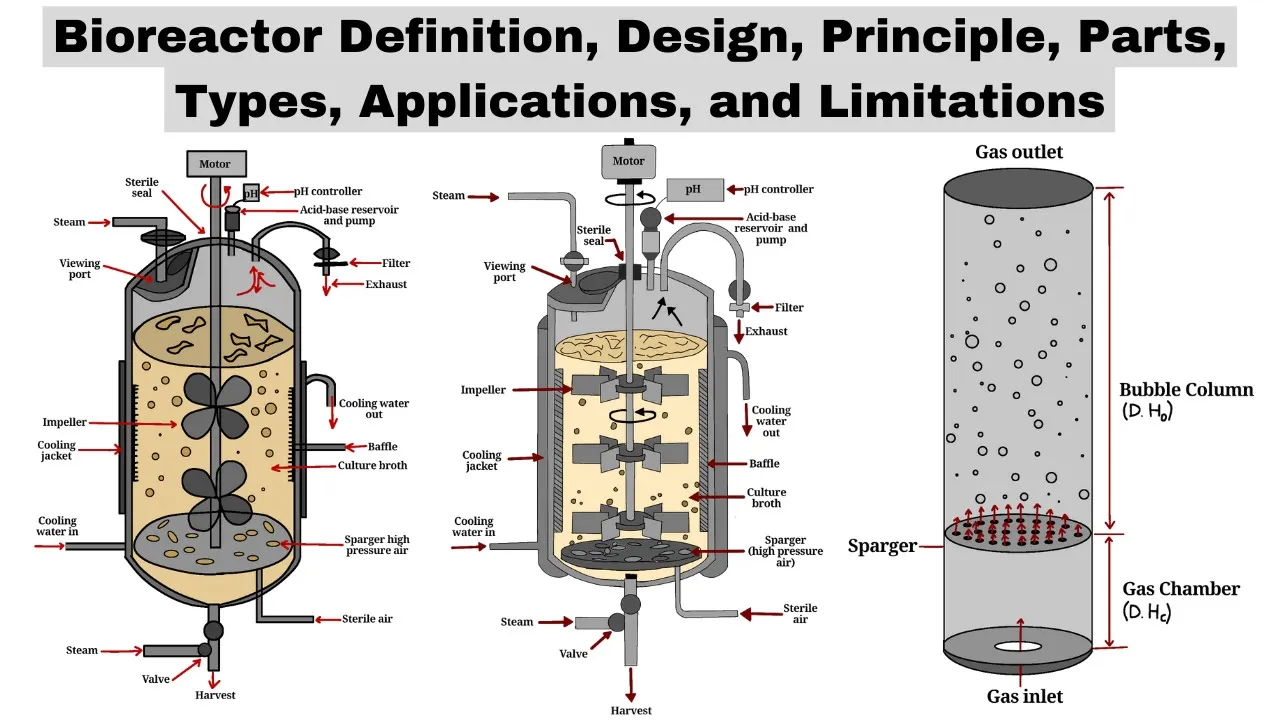
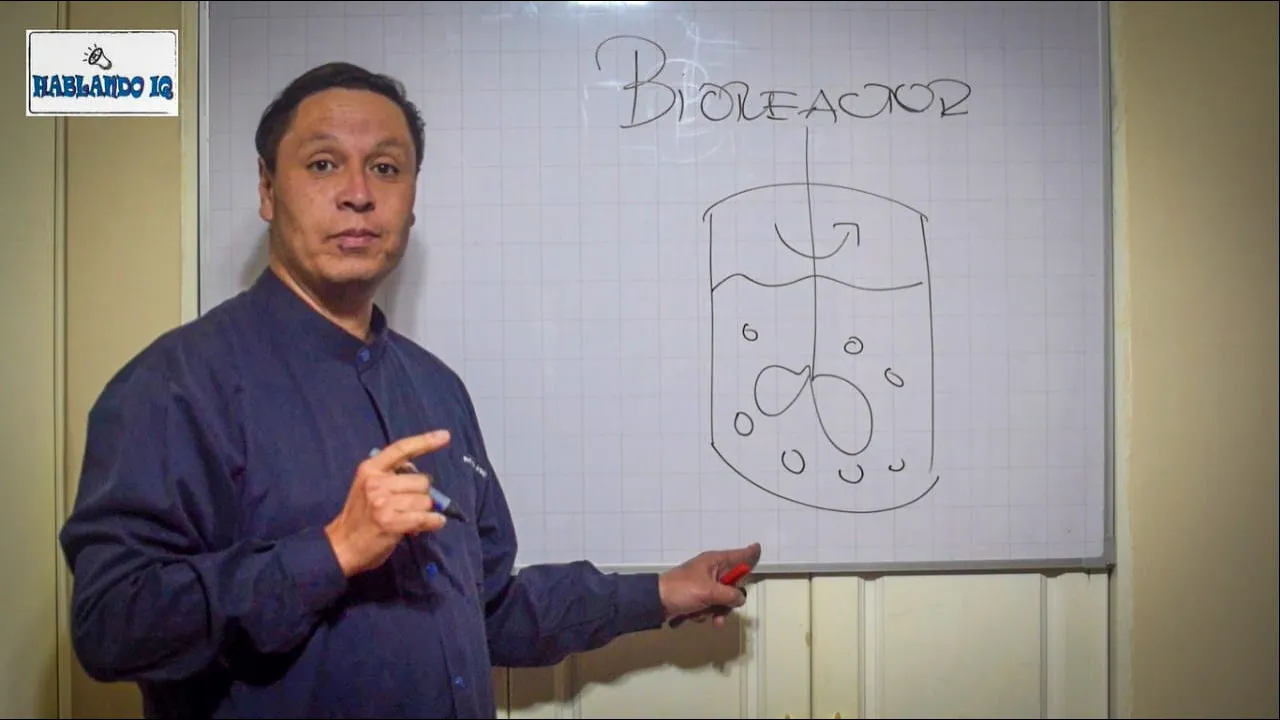
Added:Fundamentals of bioreactor design, specifically the components and operation of stirred-tank bioreactors.
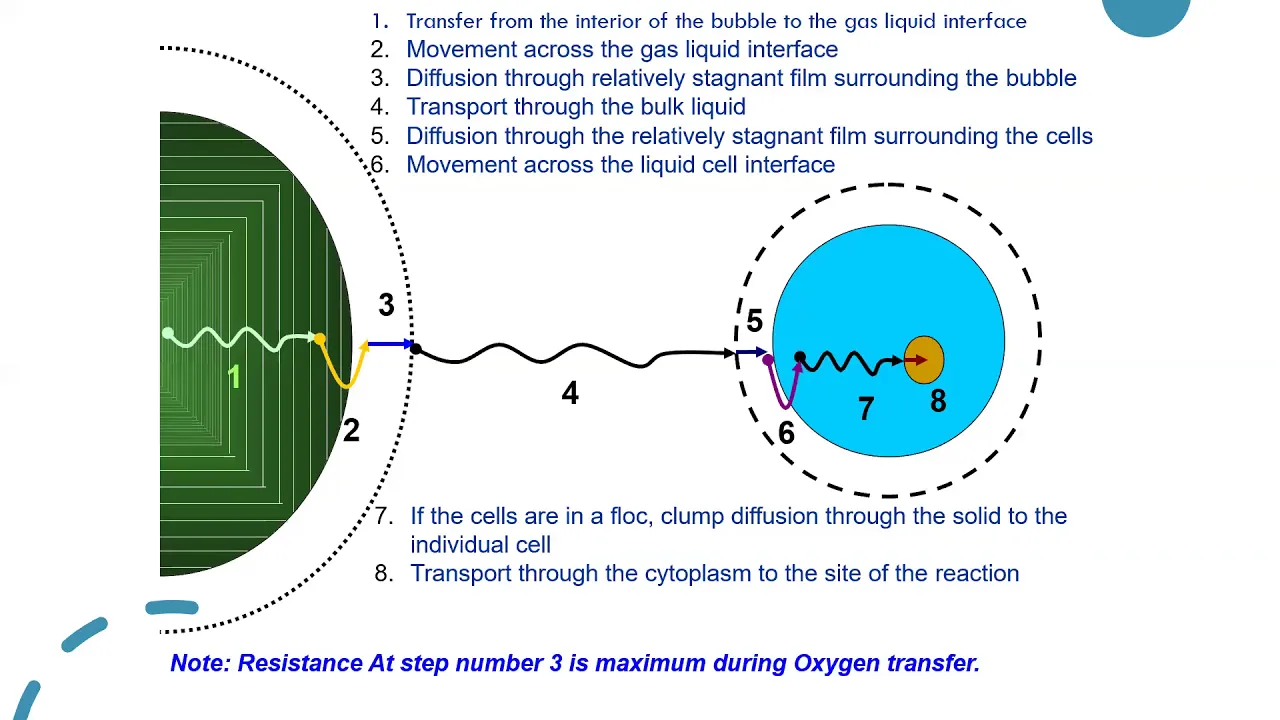
Basic principles of gas-liquid mass transfer in biological systems, including Oxygen Transfer Rate (OTR) and the volumetric oxygen transfer coefficient (kLa).
Key fluid dynamics concepts such as shear stress, mixing time, Reynolds number, and power input per unit volume (P/V).
An understanding of single-use technology (SUT) in bioprocessing, including its materials, benefits, and differences from stainless steel systems.
Application of Computational Fluid Dynamics (CFD) to model fluid flow, velocity profiles, and shear stress distribution in scaled-up bioreactors.
Scale-down modeling techniques to simulate and troubleshoot large-scale industrial bioreactor conditions at the laboratory bench scale.
Validation and regulatory compliance for scaled-up single-use systems, focusing on extractables, leachables, and bag integrity testing.
Adaptation of stirring and aeration strategies for specialized, shear-sensitive cultures such as stem cells, CAR-T therapies, or microcarrier-based processes.
201 views3likes18:36Original Release: 2024-05-17
hello and welcome to this bioprocess International ask the expert webcast I'm your host Leah Rosen the online editor for bioprocess international before we get started just a couple of notes this webcast is being recorded and will be made available for replay in the multimedia section of our website we've muted the audio lines but we welcome you to type in your questions for our speaker in the question answer window on your screen after the presentation we will begin the question answer portion and I will ask our speaker your questions questions and the question answer window will only be visible to myself and our speakers so thank you for joining us today it is now my pleasure to introduce our speakers Andy ambroso and Christina Bernal Martinez from gatina to share about appon bioreactors thank you Leah and thank you everyone for joining us today one of the most challenging aspects in Upstream bioprocessing is to start from cells growing in plates or flasks and then determine processing conditions in a bioreactor and then once a working process is in place transferring that process into a larger scale can also be stressful applicant is well known for highquality glass autoclaves and steel bioreactors and in recent years we've applied that expertise to produce the applex St a single-use bi reactor at bench scale today I will briefly discuss the fundamental principles in bioreactor scale up so you can see how to put these ideas into practice with single-use dird tank vessels first it is important that the applex has the classic hemispherical shaped bottom which enables well miixed liquid culture conditions Next 3D printed Parts make it easy to copy the shape and geometry of the stirring assembly and other head plate components in our glass vessel and with this starting point well-known scaleup considerations can Aid in transferring a process between different sized bi reactors so as we start to look at the theory of scaleup it's important to create similarity of geometric and physical influencing variables from there a scaleup strategy will rely on creating a single numerical value that rep represents the similarity which is Mo most important to your process as I mentioned on the previous slide geometric constants such as height over diameter Illustrated here can be accommodated in vessel design or perhaps by targeting specific working volumes in the scale of vessels but furthermore it's important to consider the nature and morphology of the culture itself so that the correct scaleup constant is chosen for example the volumetric oxygen transfer coefficient Kay is important in Aerobic systems where oxygen availability is important power per unit unit liquid volume or P overv relates to the homogenization and gas liquid transfer and it can also relate to sheer stress however tip speed is most commonly considered if shear stress is the largest concern so let's take a closer look if oxygen transfer is the key parameter then K is a good scaling Factor as you can see in this equation for oxygen transfer rate there are two terms all the way on the right is the term showing the difference between the equilibrium concentration of oxygen and the current concentration of oxygen which I like to think of as the driving force in that concentration difference the other term in the equation is the K and this really encompasses all the other physical factors which are influencing oxygen transfer within the vessel it can be affected by stirring speed gasing rate working volume or even media composition so with these many factors it's most common to determine K experimentally using the static gasing out with nitrogen method so you can see we've Rewritten the equation a little bit such that the oxygen transfer rate or the change in concentration is equal to K and then you have your B Star which by bioreactor Norms is actually equal to 100% do and measure do is the currency we can then take the integral to solve the equation for klaa such that when you graph the natural log of 100 minus the do you'll get a line where the slope is equal to K however this only tells you the KLA for one condition it is possible to study the Kaa rates for several conditions in your scale of Interest or at the large scale and subsequently model the effect that stirring or gassing has um but for the purposes of time I won't go further in that today but I'd be happy to address that if you wanted to follow up with us after this talk um so please reach out more with the contact info you see at the end but let's take a look at another scaling constant if oxygen transfer is not the most important thing for you in that case you might want to use p overb p overv is commonly used to match power input for mixing at different scales and as we walk through this equation you'll see that the power input to a bior depends on many things first is the power number of the impeller which is typically obtained from the manufacturer next is the density which is often assumed to be equal or close to one then you have n your stirring speed which gets cubed in this equation and then you have D the diameter of the impeller multiplied by the power of five the resulting power then gets divided by the working volume in the the bi reactor or in the intended scale so with the p over V calculated for one scale you get a desired constant and it's possible to subsequently calculate the stirring speed which should be used in your next scale lastly one more way to look at the stirring speed is by matching tip speed or excuse me another way to scale the stirring speed is by matching tip speed and the tip speed of the impeller blade is one of the locations where sheer forces happen at the cells so this can be really a good stirring or a scaling Factor when sheer forces are your largest concern as you see in the equation tip speed is simply calculated by multiplying the diameter by pi and the stirring speed and if the goal is to hold tip speed constant what you see is that at a larger bi reactor which would have a larger impeller you will need to lower the stirring speed I realize we have gone through these equations fairly quickly um but hopefully now you have some ideas how you could do scaling on your own and you'll know the working volume of both scales some parameters such as impeller diameter or maybe hopefully the impeller Power number and using some current stirring conditions you can calculate one of the three values above and then solve for the unknown stirring speed in your new bi reactor scale to see how this might work in a real word example let's listen to my colleague Christina talk about a collaboration we've done with some of our customers now let's talk about blood cells and their cultivations in single use steer tank bioreactors there is a global demand of blood and sometimes this fact faces important challenges such as chronically transfused patients or situations in lowincome countries in this sense the production of transfusion ready err sides from precursors is a potential alternative but in this case we will need to face more problems so problem number one is the large number of red blood cells required for a single transfusion how can we Face this problem one solution could be the use of the steer tank bio reactors okay let's say we decid to use the steer tank bio reactors we will need to face another problem the turbulence turbulence in the St tank can cause sheer stress and energy dissipation which could damage the cells in this regard here we are going to present the results of a retro blast cultivation in Ste tank bioreactors in both single use and conventional glass bioreactors this work has been done together with the do University of Technology and the blood bank sanen in Amsterdam the XV expansion consisted of 14 days experiment during the first eight days the stem cells were cultur in Petri dishes until the differentiation to Pro eritro blast in that moment those cells were transferred to the steer tank by reactors to the single use and the conventional glass for the next six days those cells were are culture using a repeated batch as a mode of operation in this slide you can see how the repeated batch was performed the cell concentration went from 1 million cells per ml to 2 million cell per ml every day in that moment some part of the medium is discarded and replaced by fresh medium to have again 1 million C per ml this process was performed during six days and on the right you can see a graph where the cell concentration variation is shown during the ram this is shown in the mini and the pet dish but in the app Flex was also comparable to these two here on the right you can see the theoretically calculated cumulative cell number that corresponds to the total number of cells that would have been produced if we would keep all cells in the bio reactor it's calculated based on the number of cells that were produced each day in the reactor and the delusion factor using for that the data of how much culture was harvested and how much fresh medon was added to the culture to assess the state of the culture eritro blast the expression of the surface markers was determined by flow cytometry as shown in figure a during proliferation it's important to keep the maximum number of cells in Gate P2 and P3 since P4 corresponds to spontaneous differentiation and should be keep should be kept at minimum a rro blast expanded in glass and single use steer tank by your reactors presented similar erro surface marker after six days uh of culture compared to static conditions and very important lower number of spontaneously differentiated cells were observed in both bio reactors compared to Petri dishes terminal viability measure as number of cells that are negative after propidium iodide staining was slightly higher in the single use Biore reactor cultures compared to Glass bio reactor and cultur dishes you can see this results in figure b a step further was carry out with the expansion of the eritro blast so we saw that we were able to keep the cells growing in the single use 0.5 liter and the the the aim of this experiment was to transfer those cells to a bigger size Biore reactor to keep the same conditions and taking into account that these cells are very uh sh stress sensitive we wanted to keep the same tip speed in order to get the same environment the tip speed used was 0.3 m/ second in both by your reactor so now the experiment is shown here in figure a during the first days the cells the stem cells were uh were cultured in the petri dishes then were transferred to the 0.5 L applex by your reactor the single use and after 3 days were transferred to the 3 lit in figure B you can see the repeated batch as a mode of operation in the same way and was explained before in previous slides here in figure C you can see the evolution of the volume in the steer tanks by your reactors started with 100 ml and at the end the maximum volum of 2.5 L was maintain three biological replicates were performed thanks to three donors and you can see here in those graphs like the cumulative cell number also calculated at the same uh way as explained before was very compartible between the three donors in the Biore reactor and they show a bit of more V variability in the static conditions a r blast expanded in the applex single use bi re vors graph a presented similar expression of the aitro differentiation surface markers compared to static conditions in graph b and a very important slightly lower level of expan spontaneous differentiation was observed in bi reactor cultures as evidence in the lower number of these markers in days 79 of the culture growth rate was uh very comparable in both in the bioreactor and the inese conditions concentrations of lactate in the seratan of bioreactor cultures was lower than in cultur dishes probably reflecting to a better control in oxygen availability in the Biore reactor on the contrary no difference was observed in the Sol specific ammonium production rate just to recap we can say that the single use steer tank bio reactors has been successfully used for the eritro blast expansion the scaling up of the bioreactor cultures from 0.5 to 3 lit using constant tip speed as a scaling parameter did not negatively affect the performance or quality of the cultures measure in cell yields viability or expression of cell surface differentiation markers and just to finalize I would like to say that the to be able to have one to two million cells per ml in 2.5 lit maintained for several days bu has close closer to the desired number that we need to a single transfusion unit okay great so the first question is are the constant tip speeds and PB methods still valid if the impeller type is different um like a rushan versus a pitch blade if not perfectly accurate maybe it's close enough for a small scale 1 to 10 liters most of the time you would want to stay with the same type of impeller you're using in small scale and in large scale um the tip speed strictly speaking about the physical forces at the edge of the material will be accurate with a tip speed calculation but a flat blade or Russian impeller creates much more Dynamic mixing than a marine or pitch bit impeller so the overall impact on Shear is quite different okay and how do the calculations for scale up change with two impellers do you double the diameter in the equation it depends on the equation in the p over V there is a term for the power number and that of course depends on the type of impeller so a marine or Maman cell culture impeller will have a different Power number than a rushian and it also depends on the number of impellers so you would have that power number multiplied by two if there were two impellers and is sheer from gas barging more or less important then Shear from tip speed that's a complicated question uh Shear from gassing is an important factor um Bubble coalescing for example can impact sheer stresses on the cells um so it depends a little bit on the bubble size and the quantity but the stirring of course is a known source of Shear so that's one of the easiest places to start when considering how to scale up okay so it looks like we just have time for one more question if we didn't get to your question we will be passing them on to Ann and Christina directly so go ahead and continue to type in your questions but the last question for the webcast is why weren't the blood cells expanded in The Rocker bag rocking bags are commonly used in cell culture but there will be a point where the amount of cells that you can grow in a rocking bag are limited because of oxygen transfer limitations also for further scale up it's very likely that a stirred tank uh single use bior will be needed so it saves time and understanding if you can perform the research on the bench scale also in a STD tank vessel okay well thank you and thanks to our audience for joining us the recorded version of this webcast will be available for on demand viewing on our website and as a registered attendee you'll receive a followup email providing with a direct link we look forward to having you join us for future bio process International ask the expert webcast look for those announcements in your inbox goodbye
Up Next

13:24
Case Study: Downstream Processing of Monoclonal Antibodies in Bioreactors
@MarloesPeeters
8.9K views•2022-12-22
14:12
Quantitative Real-Time PCR (qPCR): Principle, Method & Data Analysis
@animatedbiologywitharpan
129.2K views•2023-09-06
23:33
Microbial Degradation of Plastics: Biodegradation Pathways & Sustainability
@majeedhammad
2.9K views•2021-04-11

16:04
CRISPR and Genetic Engineering: How Gene Editing Works and Why It Matters
@kurzgesagt
30.5M views•2016-08-10
Related Study Plans & Knowledge Roadmaps
Structured learning paths in Biotechnology
biotechnology
AAV Production: Transfection, Prep & qPCR
01Introduction to Gene Therapy and AAV Biology
02Mammalian Cell Culture: Suspension HEK293 Cells
03Upstream Bioprocessing: Triple-Transfection Optimization
+ 2 more learning modules
18h5 modules
Explore Roadmap
biotechnology
Building Gut-on-a-Chip: PDMS, Cells & TEER
01Foundations of Microfluidics and Gut Anatomy
02Cleanroom Fabrication & PDMS Soft Lithography
03Epithelial Cell Culture and On-Chip Seeding
+ 2 more learning modules
26h5 modules
Explore Roadmap
biotechnology
Optimizing CFPS: E. coli Extract & Yield
01Fundamentals of Molecular Biology and Translation
02Introduction to Cell-Free Protein Synthesis (CFPS)
03Preparing E. coli Crude Lysate (The Extract)
+ 2 more learning modules
19h5 modules
Explore Roadmap
biotechnology
Haematococcus PBR: Design, Stress & Astaxanthin
01Biology and Life Cycle of Haematococcus pluvialis
02Bench-Scale Photobioreactor (PBR) Design and Engineering
03Culture Media Formulation and Inoculation
+ 2 more learning modules
15h5 modules
Explore Roadmap