


















Downstream processing of monoclonal antibodies involves a multi-step purification workflow including clarification (centrifugation/filtration to remove cells and debris), protein A affinity chromatography (high-selectivity purification targeting the antibody's Fc region), low pH viral inactivation/elution, polishing chromatography steps, and final viral clearance filtration; key considerations include product stability during processing, cost drivers (protein A resin accounts for ~50% of DSP costs), quality control through critical quality attribute monitoring, and emerging trends toward continuous processing and single-use technologies.
Case Study: Downstream Processing of Monoclonal Antibodies in Bioreactors
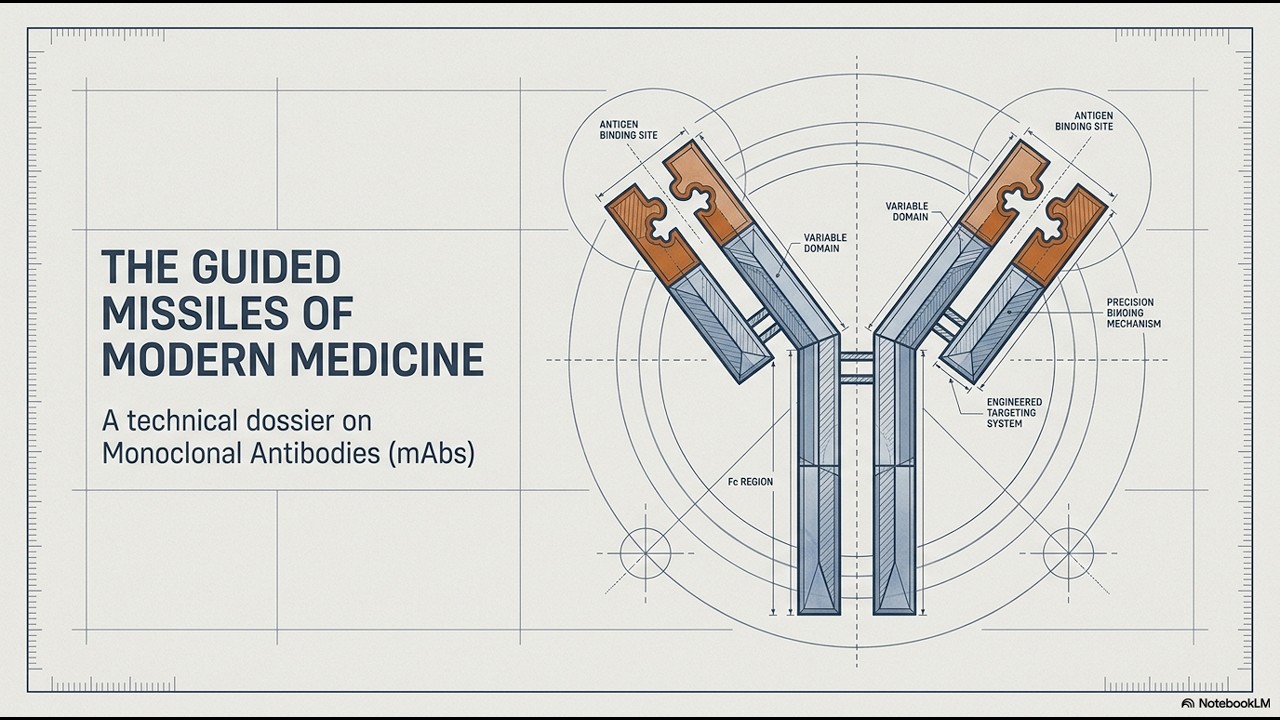
Added:Fundamental structure and function of monoclonal antibodies (mAbs), including the significance of the Fc region in binding.
Basic principles of upstream bioprocessing, including host cell expression systems (such as CHO cells) and bioreactor harvesting.
General chromatography principles, specifically liquid chromatography, stationary/mobile phases, and affinity-based separation.
Basic protein biochemistry, including protein stability, denaturation, aggregation, and the effect of pH and ionic strength on protein structure.
Advanced polishing chromatography steps in downstream processing, such as ion exchange (IEX) and hydrophobic interaction chromatography (HIC) for impurity removal.
Viral clearance validation strategies, including low pH viral inactivation and nanofiltration techniques in biopharmaceutical manufacturing.
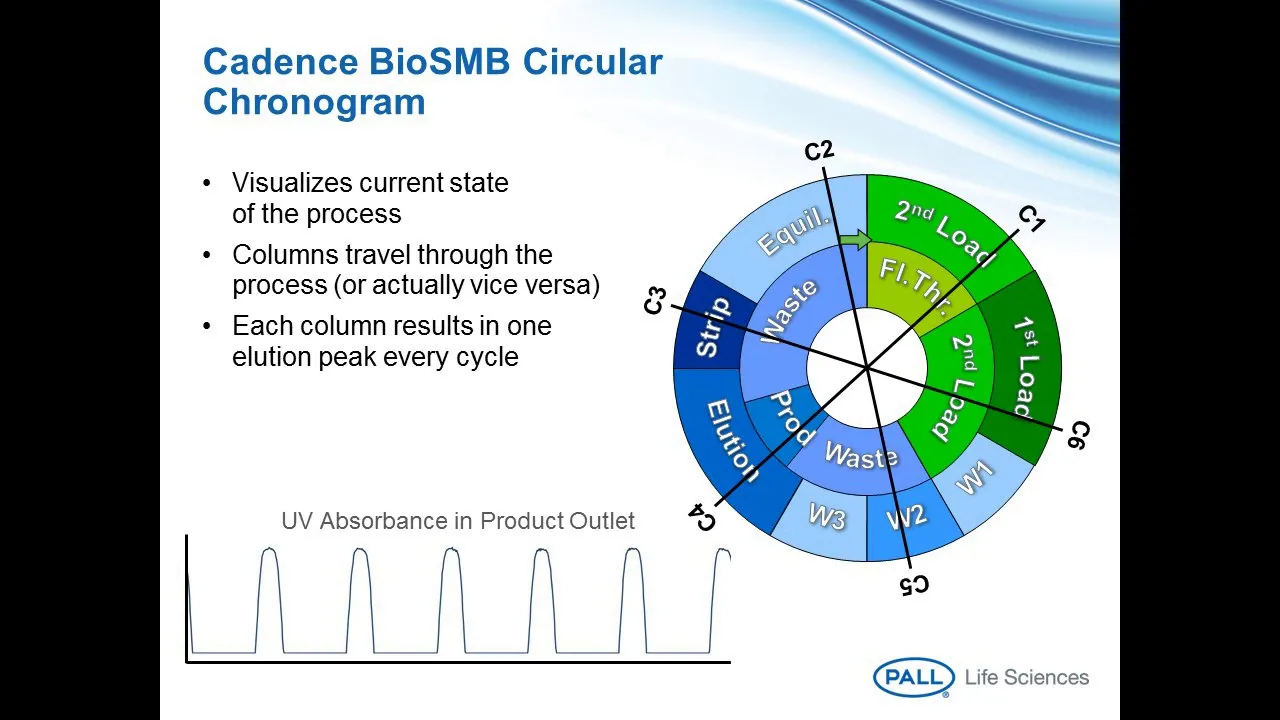
Continuous bioprocessing paradigms, such as multi-column periodic counter-current chromatography (PCC) and integrated continuous downstream lines.
Regulatory standards (FDA/EMA guidelines) and Quality by Design (QbD) frameworks for process validation and analytical characterization of therapeutic proteins.
8.9K views170likes13:24Original Release: 2022-12-22
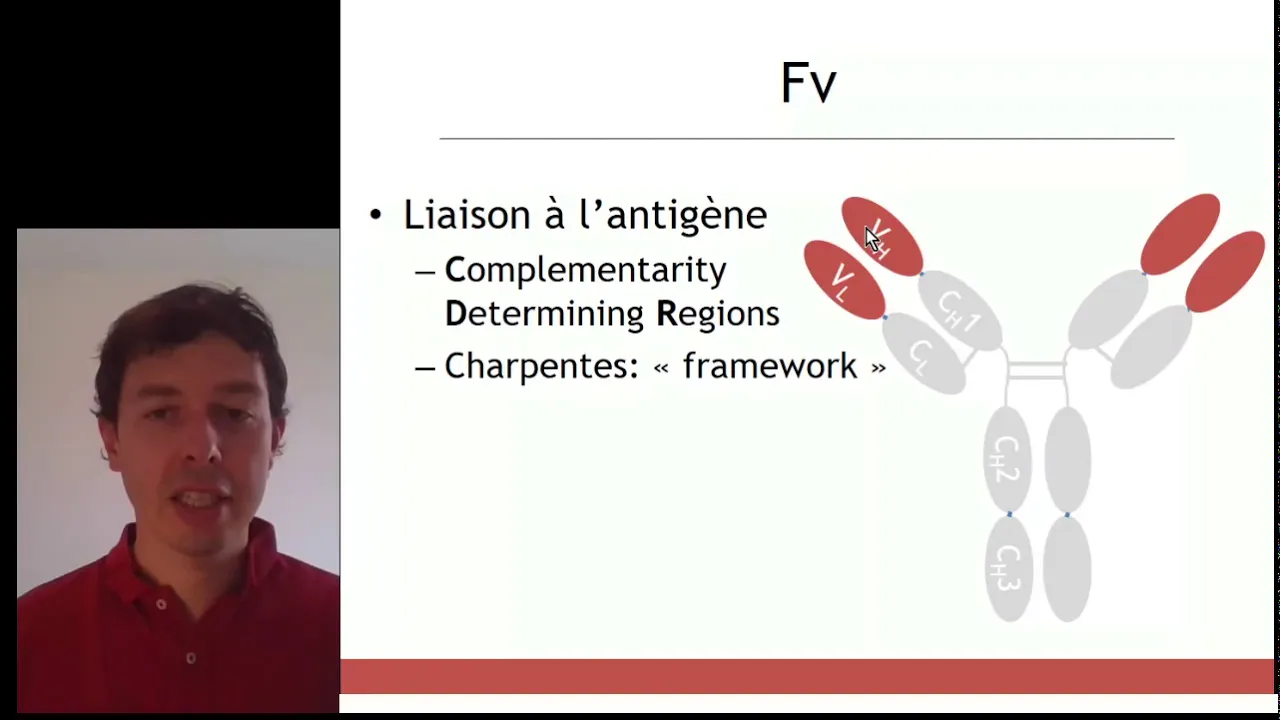
hi everyone and welcome here to the second video on Downstream processing in bioreacts and today rather than giving a broad overview I'm going to give a very specific example where I'm talking about monoclonal antibodies and why monoclonal antibodies well there's already been over 500 of them that are used for treatment of diseases and as you might know in your body we produce antibodies as soon as a foreign Invader enters our body so you could also Imagine and I also use some of them not always monoclonal but sometimes Pony clonal they can have various applications in sensing so antibodies are also used in sensing but in particular you can see there's a huge Drive in the market to find more and more monoclonal antibodies and you can also see that as definitely a scale up happening monocloney antibodies used for autoimmune diseases so very important aspect in the pharmaceutical industry now one of the things before we talk about the general process is talking about the stability because that's very important here so some products are more stable than I than others and definitely for antibodies we need to look at the stability during the harvesting process and only General processing things that we might want to consider is the pH they can tolerate and this becomes important when we look at chromatoga techniques which I'll come back to later the temperature but also freeze for stability in case you're going to use that some of these cells as you might remember particularly when we're working with Cho cells they can be quite sensitive to shear stress so you need to consider that when you use for instance certain filtration techniques and there's also the colloidal and conformational stability in case you're exchanging buffers which you will often do so you need to consider that as well now it's not just a stability but there might be some modifications happening and usually rather than just having an empirical process to determine this we would use some computational modeling so some insilical tools to kind of predict what would happen to these products in order to speed up the process so certain processes are not that applicable if you have antibodies that are not very stable so I'll talk you through some of the things that you need to consider in this process there are some general Trends we will have seen that every there is a definitely a trend going from bioreactors in batch or fat batch modes towards continuous reactor mainly because it's much more cost effective now the same applies to the processing step so again here is a shift towards continuous or semi-continuous Downstream processing another shift that we have seen happening is mainly because of the pandemic there's definitely a shift towards smaller production using single-use technology such as for instance this biowave reactors so that means they are more flexible towards market demand but you also have to consider that you might be generating more plastic waste so that's another thing to consider so generally we see this trend of smaller reactors which is continuing I have done a video of introduction to Quality by Design so feel free to check that out in case you're not quite sure what it is but we will see that process analytical Technologies or Pat and qbd are becoming even though they have been recommended by by the FDA becoming more and more important and process analytical Technologies is all about the sensors that you use throughout the process there can be a sensor that you monitor like offline so you have to take it to Specialists lab but here you particularly see that inline so directly either within the reactor itself or that you have a step in between where you take a little bit out of the reactor and then you monitor within seconds certain things so inline flow monitoring of proteins using ir and Raman is definitely very important to consider when we look at monoclonal antibodies there's lots of very specialist techniques that you can use um so you can make it as complicated as possible so normally within quality by Design you have a very specific framework where you kind of assess what the critical quality attributes are and within sensors actually there's a trend to move towards simpler systems so also using sensors that are very typical very low costs such as pH and conductivity to estimate whether certain things are happening so pH can be an indication of stability and connectivity is related to how your product is flowing through the stream so you will see the sensors even though they're very simple and everyone would use that in the lab they're actually very important here now let's then have a look at the general Downstream process of course there's not one specific format I'm just going to talk about generally what people would do so we start the Upstream process is where you actually produce your antibodies but these monoclonal antibodies will be in a mixture of other things now you would need to harvest that and then usually this involves either centrifugation or filtration and that's what we call the clarification step so in that step we're removing cells in the cell debris now and this is very different from lots of other Downstream processes which is why I wanted to give monoclonal antibodies as an example and I'll come back to this in the next slide here also a very common is to use protein a Affinity chromatography about this protein a does it interacts with a very specific part of your antibody so it can make sure that it really binds the antibody very well and removes some other compounds from it now this this Affinity chromatography is normally coupled with a low PH fold but viral in inactivation and it also means that you can elude off your antibody from your cotton what follows then is some polishing steps which usually include includes multiple Chrome photography steps and a filtration type of viral clearance what you then do is you would change your product in the final formulation buffer to get the final product now let's talk a little bit about this protein a Affinity chromatography and where it's used for now in this image here you can see to which part of the antibody protein a binds and there's a couple of other proteins that are important that can bind to other parts of the antibodies and they can also be used for chromatography the main advantage of this technology is that it has very high selectivity very high Purity and it's very fast so it would if you wouldn't use that you would definitely have to do more steps in order to get the antibodies from the mixtures and things that it does is removes host cell proteins host DNA and impurities that are associated with your process now there are also some very obvious disadvantage to this and later on you will see a distribution of the costs and you will see the resin really has a very high cost and generally it attributes at least 50 percent of your cost for the DSP after this Affinity chromatography you usually have a low PH hold in order to loot off your antibodies now even though most antibodies for a very short period of time can withstand these conditions not all of them can so it means that this process might not be very suitable for specific antibodies it can also lead to some leaching problems and that other things come off and for all of this there is a drive to find Alternatives towards this technique but I would say the main Drive is the cost so people are looking at for instance member floatation crystallization steps but what's particularly gaining more attraction is using multimodal chromatography so different chromatography steps in order to achieve the same and these chromatography steps would often have well they would need to have a lower cost of the resin to circumvent the cost associated with this particular technique now if we've gone through this whole process so imagine that we have gone through all these steps and you would have obtained your final products a key thing is how would you achieve quality control now we will have seen in this qbd approach that you would have to determine your critical quality attributes and monitoring it is an inbuilt quality control so monitoring thing will take place throughout the process not just at the end but even at the ends there is a certain number of steps that you will need to consider for instance you will need to do viral clearance studies which is why these filtration steps at the end are applicable and there are certain standards for that which you can have a look at now other things in terms of characterization include a standard physical chemical analysis biological activity the Purity obviously and looking at impurities contaminants and the stability over time particularly here for these antibodies we will look at the protein contents which you can very easily do with UV Vis absorbance and the potency would need to be recorded in order to make sure that it hits the threshold that you need now even though we talk about monoclonal antibodies which should be exactly the same um it is known that throughout the process a different buffers or differences in your production process can lead to having different sugars expressed uh and these difference in glycosylation patterns that's certainly something that you will need to consider throughout and that's the main source of having heterogeneity in your product so you would carefully need to consider that and this kind of comes back to the stability of your product throughout the process so certain chromatography steps might be too harsh or your antibody can't handle this and then you could see that these changes might occur so making sure that your batch is absolutely reproducible that you use exactly the same conditions is very important here and the final thing which is really important to consider is how do we produce these antibodies I have done a previous videos on where I've showed how we can use non-animal Technologies to produce antibody mimics despite that we have recombinant Technologies available and they should be widespread used we know that in the EU alone still a million animals per year are used for production of antibodies whether that's for Diagnostics or for treatment and the EU has now issued that if there's non-alimal Technologies available then you should adhere to this so this is where this concept of three hours comes into play which is related to refinement reduction and replacement of animals in research so it is very important to consider non-animal Technologies for this process but if you are working with animal immunization there are a lot more guidelines that you have to adhere to and then a final summary here so as I mentioned these monoclonal antibodies are becoming increasingly more important in Therapeutics so there's definitely a drive in the pharmaceutical industry to have a look at this now General these Downstream process includes specifically for monoclonal antibodies this clarification where we've removed the cells and the cell debris protein a Affinity chromatography in order to get the antibodies even though I've said um that there are alternatives being researched due to the high cost of this and then some chromatography steps which can involve for instance looking at a cation or an anion exchange because a lot of these purities would have a different charge and finally filtration which is needed for viral clearance now in this short diagram you can have a look and at the expenses that we're dealing with and you can see that at the moment the main costs do come for this protein a Affinity chroma coil due to the cost of the resin so that's why there is a drive to look for alternatives what I also want you to consider and as I mentioned before we've done videos on quality by Design and process analytical Technologies and the sensors are very very much needed to monitor the product during the downstream process and obviously also why the Upstream process while you produced in the reactor but also finally afterwards when you look at the Quality Control thanks for watching this video and do keep an eye out on further videos that will appear on this playlist where I'll talk about the downstream processing in buyer access
Up Next
44:18
How to Purify Recombinant Proteins: Methods and Techniques
@HSLSPitt
40.1K views•2015-10-14
14:12
Quantitative Real-Time PCR (qPCR): Principle, Method & Data Analysis
@animatedbiologywitharpan
129.2K views•2023-09-06
9:56
Perfusion Bioreactors: Continuous Cell Culture and High Cell Density
@MarloesPeeters
12K views•2021-11-09
16:04
CRISPR and Genetic Engineering: How Gene Editing Works and Why It Matters
@kurzgesagt
30.5M views•2016-08-10
Related Study Plans & Knowledge Roadmaps
Structured learning paths in Biotechnology
biotechnology
AAV Production: Transfection, Prep & qPCR
01Introduction to Gene Therapy and AAV Biology
02Mammalian Cell Culture: Suspension HEK293 Cells
03Upstream Bioprocessing: Triple-Transfection Optimization
+ 2 more learning modules
18h5 modules
Explore Roadmap
biotechnology
Building Gut-on-a-Chip: PDMS, Cells & TEER
01Foundations of Microfluidics and Gut Anatomy
02Cleanroom Fabrication & PDMS Soft Lithography
03Epithelial Cell Culture and On-Chip Seeding
+ 2 more learning modules
26h5 modules
Explore Roadmap
biotechnology
Optimizing CFPS: E. coli Extract & Yield
01Fundamentals of Molecular Biology and Translation
02Introduction to Cell-Free Protein Synthesis (CFPS)
03Preparing E. coli Crude Lysate (The Extract)
+ 2 more learning modules
19h5 modules
Explore Roadmap
biotechnology
Haematococcus PBR: Design, Stress & Astaxanthin
01Biology and Life Cycle of Haematococcus pluvialis
02Bench-Scale Photobioreactor (PBR) Design and Engineering
03Culture Media Formulation and Inoculation
+ 2 more learning modules
15h5 modules
Explore Roadmap