


















Nuclear fuel reprocessing separates valuable materials like uranium and plutonium from spent nuclear fuel through solvent extraction processes, primarily using the PUREX (Plutonium Uranium Recovery by EXtraction) method which employs tributyl phosphate as the extractant; this process enables recycling of fissile materials for energy production while reducing long-lived radioactive waste volume and potentially enabling transmutation of problematic isotopes, though it raises proliferation concerns due to plutonium recovery.
Optimized Academic Title
Added:Basic principles of Search Engine Optimization (SEO) and keyword research.
The standard structure of academic publications, specifically the role of titles, abstracts, and metadata.
An understanding of how academic databases (e.g., Google Scholar, Scopus, PubMed) index and crawl scholarly literature.
Advanced techniques for semantic search optimization and utilizing natural language processing (NLP) trends in academic writing.
Methods for tracking and analyzing academic impact using citation metrics, Altmetrics, and repository download statistics.
Strategies for digital academic self-promotion, including optimizing ORCID, ResearchGate, and institutional repository profiles.
Conducting A/B testing on scholarly working papers to analyze click-through rates (CTR) and reader engagement.
71.6K views400likes1:51:08Original Release: 2011-11-18
so good morning and uh I'll try not to scare you off too badly I'm Bob juen from rdge National Laboratory and we're going to get into the topic of use fuel reprocessing and I use the word used fuel here deliberately and separate from a term that you may see in your notes there spent fuel spent meaning no further use it's the type of fuel that we would send directly to the repository used fuel We Believe still has value so we're going to recover something useful from used fuel we'll begin with a brief history of reprocessing and talking primarily about commercial reprocessing uh we'll talk about then about the major steps of the reprocessing facility beginning with the head end uh primary separation steps that uh we go through the product conversion supporting operations and one of those they'll focus on fairly extensively the off gas treatment so why would we want to separate the components of used fuel well there there are several reasons first being that we um in historically the the primary reasons was to recover plutonium for weapons use that's the origin of reprocessing um second reason is because there's still energy uh value in the fuel and so we'll be recycling certain components back to the reactor uh we may also want to recycle some of the fision products to transmute those into shorter Half-Life materials so it it can also be used as a waste management tool um you might think that the fuel is a pretty suitable waste form but we also sort of believe that that in reprocessing you can produce potentially a a better waste form or a waste form where uh of a smaller volume um there's still sub that's certainly subject to some debate um and then I mentioned already to recover some of the long Half-Life um radioactive elements for transmutation um to get rid of those and as you you saw from Allen's yesterday there are some of those that uh have very very long Half Lives we're talking about tens of thousands of years so if we look at the fuel itself um coming out of the reactor and this sort of repeats the material that Allen had the bulk of that is still uranium about 95 to 96% of the fuel coming out of the reactor is is still uranium primarily u238 um that remaining part of the fision products about 1% is plutonium uh you have some minor actinides they're primarily the neptunium the amorium and the cuum you have some stable fision products you have some of the long half-live materials the ey and the technum the primary heat sources uh are less than a half a percent that's a cesium and stradium and then you have a few other long half-live um fion products well the history goes back to the Manhattan Project and the goal was to recover plutonium 238 or 239 uh Glenn seaborg separated the first microgram quantities uh using the Bismuth phosphate process in 1942 um that's the first 20 milligrams um two years later that process was scaled up to produce kilogram quantities at Hanford two years that's a scaleup factor of 10 to the 9th today we can hardly write a specification for a facility in two years so it was sort of remarkable what was done in during the wartime effort to scale up these processes facilities built at Oak Ridge ones built at Hanford uh just phenomenal efforts uh solve an ex exraction followed the the development of the business phosphate process and that became the Workhorse of the separations for uranium and plutonium um from the defense side it was then transformed into commercial use um and the focus there was on the recycle of uranium as well as plutonium and I already mentioned the waste management this is that the tea plant at Hanford so the the first process that was used I already mentioned was the business phosphate process this was an extension of an analytical chemistry process uh where the radiochemist would try and recover very small quantities of a of an element or from a very dilute solution using a carrier precipitation process they were able we get very high decontamination factors and that's the separation from The Unwanted components of a factor of about 10 the 7th and at the same time recover about 95% of the plutonium now there's some disadvantages to the process that was developed certainly it was it was a well understood chemical chem chemistry process but it was a batch operation it didn't recover any of the uranium and it had a great number of cycles and chemicals that were added and produced a very large quantity of waste the process itself begins with the disolution of the material in nitric acid you then adjust the veilance of the plutonium to four with sodium nitrate you add sodium phosphate and bismi nitrate to precipitate the plutonium with the bismo phosphate then you redissolve that precipitate you oxidize at the six veence State you reprecipitate with viness phosphate to remove the fision products that were carried over with the uh the precipitate to begin with you reduce the plutonium you reprecipitate you repeat that process several more times and finally you do a final precipitation with lanthum fluoride to decontaminate from additional fision products that were carried over by the first first three precipitation processes remember this is all bch but they scaled it up to produce kilog quanties of plutonium well the first then solvent extraction process was the redo process it was a continuous process that's a big Advantage it recovered both the uranium plutonium with high yield um was developed at argon National Laboratory tested at Oak Ridge in 48 and 49 and the first plant was built at Hanford in in 51 um it was later used at Idaho for the uh recovery of Highly riched uranium the Redux process now let's back up I guess I don't have some ah there's a slide missing okay well anyway the redo process proc um used hexone as the extractant U the advantage in all solvent extraction is it has the extract and it has to be admissible with the aquous phase so you have a ability to separate the two phases um the plutonium is again oxidized to four for the highest recovery and this is done by the addition of aluminum nitrate another chemical that's added but results in a large quantity of the aluminum waste um the other downside of that is that the hexone is highly flammable so you got large volum of waste you got a highly flammable solvent and so it wasn't used for a great many years and later another process was developed called let's back up one the butex process that was developed in the late 40s by some British scientists working in Canada at the chalk River Laboratory this used dibu carbole as the solvent has a lower vapor pressure than hexone that's a plus um but it's not necessarily stable when in extended contact with nitric acid so that results in a partial possibility of a pressurization due to degradation products uh ultimately that's what happened down here at the windscale plant in about 19 1976 uh nitric acid we used as salting agent that replaced the need for the aluminum nitrate so again there's an improvement here um lower vapor pressure and the you're reliable to eliminate the aluminum nitrate uh so you have a lower waste volume now thank you uh the process that is probably most most wellknown is the PX process um this uses tributal phosphate as the extractant um and it's put into a diluent to primarily control the density of the extract the organic phase and that diluent is Doane or kerosene it was suggested in about 1949 uh for the recovery of serium 4 from Rare Earth nitrates and then extended uh to the recovery of uranium and plutonium it's first developed at no's laboratory and then tested at Oak Ridge so many of these processes you can see there's sort of a a progression from uh small very small scale to some pilot plant work at Oak Ridge to later demonstrations and industrialization at the Savannah River plant the Hanford facility and at Idaho um this replaced the Redux process at Hanford in 56 and was used as in a modified form uh using a instead of 30% tributal phosphate at about 7% tributal phosphate in the PX process at Idaho in 53 this is a picture of the one of the Canyons at Savannah River this is the Purex plant at Hanford what you can see from here is it's a there's an awful lot of equipment in these Canyons a lot of piping to transfer equipment solutions from a piece of equipment to equipment there are a number of advantages of Purex over the other processes um the nitric acid is used as a salting agent Um this can be recovered and recycled so it results in less high level weight TVP is less volatile and less flammable than hexone it's more chemically stable in a asset environment and thus the operating costs are lower than any of the other processes why the operating cost lower uh because you you are able to recycle more of your Solutions you don't have to always at and and send to waste all the salting agents um the first commercial plant in the US was West Valley it's also the only plant in the US that has ever reprocess commercial fuel uh it went an operation in 1966 and operated to 72 uh relatively small capacity in the 200 to 300 metric tons of heavy metal per year it was ultimately shut down uh due to some upgrades for um seismic reasons and for Waste processing um and at the same time there was the construction of the Barnwell facility in uh South Carolina which is a much larger facility and it just did not seem to make economic sense to complete the upgrades at West Valley um there was the facility at Morris Illinois by built by General Electric construction was halted in 1972 it was never operated uh one of the issues is I understand that plant was the it was a very closely coupled uh facility meaning that there was very little surge capacity between the various operations in the facility it used fluoride volatility as a polishing step to uh do the final cleanup of the uranium this process fed a solid into to the uh reaction vessel where the fluoride volatility occurred and it was at that solid transfer step where the pipe kept plugging so it was really a mechanical issue rather than a chemical operation issue that ultimately uh caused the uh the failure of that design the barnwall facility uh was a to be A500 metric ton perear plant the construction was nearly completed and startup testing was in process when the policies of the US changed in about 1977 and for uh primarily proliferation concerns um the decision was made never to for that we would not proceed with commercial reprocessing and so the plant never operated with um commercial spent fuel all of the testing was done was basically cold with uh uranium throughout the world though the PX process has been used in a number of facilities uh in France uh they're currently operating two facilities with a combined capacity of 1,600 to 1700 metric tons per year uh these are the up 2 and up3 facilities at log uh windscale is currently operating the Thorp facility which is uh roughly or a th000 metric tons per year um Tokai mura began operation in 75 and the ricasha plant which is patterned after and built by ariva uh patterned after the up3 facility is undergoing hot commissioning uh Russia has the rt1 facility which is primarily was built originally for defense purposes began operation uh in 76 with a 400 metric ton Pere capacity uh headends were added to handle lightwater fuel Naval fuel fast reactor fuel uh there was plans and uh work began on a rt2 facility which was larger that was never completed and there's now talk of a u an rt3 facility uh but that is still in the talking stages these are photographs of the uh facilities in France this is the laog facility uh the Thorp facility in UK and Rasha in each of these I've drawn in a to scale a human being so your job is to find Waldo in each of those three facilities uh but what just kidding on that but they are massive facilities um and you're talking about 800 tons per year this is 1,600 tons but think about what that means that's roughly eight fuel assemblies per day those aren't that's not a huge amount of material in if you're looking at those assemblies but it takes a large infrastructure to support those operations and that goes anywhere from the headend the receipt of material through the um the processing itself the conversion back into a solid material and then the processing of the waste so there's a lot of infrastructure that goes with fuel reprocessing and if you back up another slide I'm going to maybe let you handle all the slide flipping the PX process as I said it's been implemented in a number of of places the advantages are certainly it's a continuous operation very high throughput relative to some other processes you can have high Purity very high selectivity you can tune that selectivity and the Purity by the flow sheet design and you can recycle the solvents minimizing the overall waste uh the disadvantages and these disadvantages aren't limited to the Purex process itself solv and degradation due to radiolysis and hydrolysis uh the solvent will break down into these very extreme radiation fields uh it's a dilute process and requires substantial tankage so we're you're talking about you dissolve material and then it's dilute diluted down to hundreds of grams per liter or in processes many times far less than that and then the what people tend to think of more than anything else when you talk about the PX processes are the tanks at handford at Hanford the purpose was primarily to recover weapons grade plutonium and there was sort of the waste treatment was an almost an afterthought it was put in tanks so it's the historic handling of high level waste that is tends to be I think maybe inappropriately associated with the Purex process itself and then coming out of that is the stockpile of plutonium so it it tends to bear with it a legacy from the weapons programs uh what you'll hear a little bit more about this a later this morning or this afternoon is the electrochemical process um I'm not going to talk much about these in fact this is the only slide I have on electrochemical processing um it was a technology for um an alternate technology basically for re processing or treating of spent fuel was started that development in 1980s and and primarily for the fast reactor fuel cycle um that fuel cycle tends not to require quite as high of of a degree of of decontamination of the product it's a compact process certainly more compact than Purex process with the idea that this could be collocated with several fast reactors the fuel from Fast reactors treated on site turned back into Fuel and put back into uh one of the reactors in that that integral fast reactor site the materials itself that are used are radiation resistant and so short cool fuel can be processed the size lends itself to criticality control benefits and it's Compact and uh compatible with the Advanced Metal fuel types um if you're going to process um oxide fuels you have to have an additional step to convert those oxide fuels into a form that's suitable for um salt or electrochemical processing so now that was sort of the the historical perspective and now we're going to look in a little more depth at each one of the steps of the reprocessing facility these are sort of divided into the headend processes which include fuel receiving the fuel dissolution an optional step called B oxidation fuel dissolution and then feed accountability and feed preparation so this takes us from the fuel assembly to a liquid you then go into separation processes and this is not necessarily the order that they're first second third cycle in reality you have uranium Cycles plutonium Cycles but you have multiple Cycles which all this is intended to represent of solvent extraction this does your separation into recovering your uranium plutonium separating your fision products away from that then you have conversion steps you're still in a solution form your next step is you got to convert that back into a solid um then there are a number of support systems that are required you have ventilation systems for off gas treatment you have waste treatment systems you have recycle systems you have cold chemical makeup systems we have process control and accountability systems robotics we have analytical chemistry systems that support all of this so we'll try and touch on most of these over the next uh roughly an hour now we'll start with the headend and we'll look at a sort of a very simplified flow sheet looking at what what are we going to separate and how how big are these streams so if you take a metric ton of heavy metal now that's really more than a metric ton when you get it because you got the hardware so out of a metric ton about 300 kilog or holes and Hardware that has to be dealt with that's panel in the headend this is all your headend steps you have a little bit that you never dissolve those are your undissolved solids maybe a 1 to 5 kilogram of undissolved solids in these dissolution steps you've got an off gas stream all the volatile components come off a gram of tridium 300 gram of iodin maybe less than a a tenth of a gram of carbon 14 kilogram quantities of xenon and Krypton come off you have some technum comes out of your separation steps the bulk of it is that uranium Stream So once you remove it everything else is pretty small the total amount of fision products about 34 kilg plutonium about 11 kilg when combined with a neptunium so these streams with the exception of this one are really pretty small and small doesn't necessarily mean they're easy to deal with we'll come to that in a little bit now you've got this and we'll come to this V The Vessel off gas in a while so we won't talk about that now okay I'm trying to advance can you find a little bit on the low R what l most is it mostly [Music] gcccc uh the question was could I comment on what is the low-level waste uh is it greater than Class C waste um you can have many types of low-level waste coming out of a reprocessing plant uh this can be um shoe scuffs would be low level waste some of this is incinerable materials uh there certainly is a stream that is greater than Class C waste um you have many of those would be from the defense side be considered true waste the type of waste we would currently send to to whip that's one of sort of the the streams that uh is a little more problematic for us to deal with in under the current um waste definitions uh in the US we don't have that category of um sort of there low and then there's moderate waste we don't really have anything that moderate waste category um alen showed this slide yesterday uh looking at the fuel assembly so the reason I'm again is in that disassembly step what we're interested in are these fuel pellets we've got to get those out of all of this hardware and we've got to have make a way to get access to chemically reach these so we can do the separations so we've got to get rid of all of this and we've got to handle all of this remotely and in a continuous way feed this into to a plant so the major job is to how do we expose the tar that that fuel of the target material um it the whole headend step the of fuel disassembly is making the fuel into a form that we can attack the uranium oxide the plutonium oxide the fision products chemically with nitr acid so the state-ofthe-art in most cases is to Shear this fuel into small segments and there have been lots of different designs for shears this one is sort of has the pinking Shear type of approach um you take an entire bundle of fuel you compress it with mechanical Rams and you take this sheer blade and you cut across it well the the the with that is you tend you you've got to be very careful in design that you don't crimp the ends of those fuel pins because if you crimp the ends the fuel pins then you can't get to the fuel meat inside of there with your nitric acid so the design is fairly important that when it's cut you've still got open ends of that but you may also get lots of other Hardware you produce some fines that come out um they've tried you with many methods have been tried to mechanically declad the fuel run it through like can openers uh you've got the fuel that has a shroud on it that further complicates this because now you have a a larger piece of stainless steel or zirconium that wraps around the whole fuel bundle in fast fuel that's a stainless steel hex shape that comes around this is actually uh some simulated um fast reactor Fuel and so we the design of the she was such that that was broken up into larger segments now these all then have to be fed into the next piece of mechanical Hardware whether that's the B oxidizer or the dissolver so now you're handling and solids handling tends to be a problem it's not quite as easy as transferring uh Solutions um saw saws have been used in the past but they they tend to be less reliable than the hydraulic shears and they produce a lot of fines so that's sort of the I can talk a long time about design of disassembly equipment we've used lasers in the past to make cuts down the uh the shroud of of fuel bundles um but the others I guess one of the thing I to talk about is chemical declad um some fuels alum aluminum clad fuels you do dissolve the cladding that produces additional waste you could dissolve the cladding on fuel you don't really want to do that that's another 300 gram per metric ton of liquid waste then that you have to solidify if you can remove that intact now and then clean it there may be some other things you can do with that cladding rather than or you compact it as metal and not go through all the vitrification processes and things like that to dispose of as high level waste Vol oxidation is an optional step that would follow the shearing of the fuel Vol oxidation has two primary purposes one is to reduce to release the the fuel from the cladding itself and to release the tridium from the fuel prior to it going into the dissolution process that's an important aspect in the sense that if the tridium and if you remember back a couple of slides that was a fraction of a gram per metric ton if it gets into the aquous part of the system now that tridium becomes tritiated water and mixes with all of the aquous streams in the plant and has to be dealt with with all of your liquid waste what do you do you know you may evaporate what do you do with the water you've got the tridium in the water now you can't get rid of it so it'd be nice to remove the tridium before you get into the aquous part of the system using air you can in essence burn the fuel from U2 to u38 by the addition of of oxygen when you do that about 99.9% of the tridium is released into the off gas stream and the fuel as it changes crystal structure expands forms very relatively small particles about 44 microns in size and comes out of the cladding so now we've got the fuel which was a solid pellet in terms of a powder that can be separated from the hardware just a sving process at the same time we release a fraction of the carbon dioxide the carbon 14 in the fuel small very small fraction of the iodin and some of the noble gases the process itself is controlled by the temperature the higher the temperature the faster the oxidation rate we can change the oxidizing environment by adding oxygen or ozone and time these are all kinetic processes time and temperature and the reactant composition this is a picture of a prototype Vol oxidizer um that's about 12 ft long uh this is scaled at about a half ton a day throughput the fuel is fed into the heating end and the best example this was a commercial Kiln it's a rotary Kiln there's a heating section and a cooling section air and oxygen is fed in countercurrent to the flow of the solids as it does I said the U2 is oxidized to u3 u308 excuse me and the oxidized fuel powder and the claddings are discharged at the far end the Airstream carries some particulates out that have to be covered in a particulate filter and returned back to the B oxidizer and you have an off gas stream that contains your volatile components that has to be treated before released to the atmosphere there is some additional experimental work going on on as you increase the temperature of Al oxidation you can drive off a number of additional uh species work in Korea using oxygen at about 1250 degrees C has shown whereas we at 500 to 600 Degrees get about 1% of the ion they get 100% of the iodin all the Krypton all the carbon 14 and substantial fraction of the cesium tenium ruthenium mly and others uh some additional work at at Idaho uh has shown very similar results uh for these other species where has this being done this is fall oxidation process has has not been employed commercially to date it's under investigation for a future reprocessing plant so this is experimental work um that's been taken to to a reasonable scale cold but uh on gram and kilogram scale hot so how would you implement some of these Advanced Vol oxidation steps you'd probably have a standard Vol oxidation process to separate the the bulk of the tridium and separate the cladding at this point you could then go to the advanced Vel oxidation where you go to higher temperature operations as you do that you have a different off gas stream these are the semi volatiles and you'll separate those primarily with a high temperature gradient uh condensation process uh there is some Krypton Xenon that will probably come off and you'd use cryotrapping for that um there are potential advantages if one could remove some of these that might separ simplify the down stream processes this is all in the developmental stage is particular pardon me par in this case it's not necessarily A particulate it would be a volatile component and then be solidified it would play out gas yeah it' be it would be gases at these temperatures now whether you do Vol oxidation or not the next step is fuel dissolution in the reprocessing plant you've exposed the the fuel material and typically it's placed in a in a perforated basket uh this basket's then put into nitric acid where essentially all the fuel in the Target or the fuel uh bundle or fuel piece dissolves out the cladding stays in that basket unless you separated it beforehand and the cladding then is treated as a separate stream you may wash that you subject May subjected to additional acid washes to remove the last traces of the transuranic materials hot nitras it's very corrosive so the design of this tends to be a challenge um you have a lot of off gas that come off of the dissolution process those have to be treated and this criticality of this becomes a very important issue you have lots of liquid and you have all of your visionable materials state-ofthe-art is moving from the batch dissolvers to continuous dissolver process where the acid and the fuel is being fed at the oppos opposite ends of the dissolver uh or into a ferris wheel dissolver and I'll show both the designs in a second both designs are immerse the fuel in the acid for the required amount of time and then allow you to separate those solids from a liquid stream but you can operate these in continuous rather than the basket mode in the basket operations you tend to have multiple baskets or multiple dissolvers in the plant little chemistry everyone wants a little chemistry early in the morning for the dissolution of U2 uh this would be in the case of nonv oxidation at low acid this reaction applies at higher acid you'll note that you [Music] use maybe a little more acid in this case but the important number to look at is how much of this acid ends up as NO2 or n half of the nitric acid here ends up as NO2 that's going up the stack and water here it's about a quarter of the acid is consumed if it's not recovered is just lost the stack um one could add oxygen to the dissolver if one does that you have what's called fumeless dissolution it's called fumeless because this there is no no or NO2 produced in reality this reaction tends to dominate below 10 m nitric acid but both reactions occur simultaneously it's just they have different rates if we have Vol oxidation and you oxidize the fuel all the way to u3 you can also have fumeless dissolution but the product in all cases is a Ural nitrate for u308 the product from B oxidation this reaction is sort of these are both sort of pseudo equations this reaction is the sum of that equation that equation and 8 times this equation and magically you have this reaction this this reaction is developed out of experimental observation of the process uh you'll notice if you look at the material balance on this carefully and try and balance that equation it doesn't quite balance what's this equipment look like this is the photograph of a small scale dissolver located at Oak Ridge in the radiochemical engineering Development Center this is the dissolver itself it's a 14 L dissolver we process in this kilogram quantities of fuel here is that Hall's basket there's a filter for taking the solution from the dissolver these tanks are feed tanks then for doing feed adjustment and feeding to the subsequent solvent extraction process this rack is about 3 ft across and about 6 feet tall just to get an idea of size for kilogram quantities of processing the ferris wheel dissolver in this case what you have in a batch dissolver you feed a quantity of nitric acid in the bass into the dissolver vessel and you add your Ural nit your uranium oxide to that what happens is you start with a fairly High concentration of nitric acid those reactions what you saw in those the nitric acid is consumed producing the urinal nitrate the acid concentration is constantly going down as the dissolution process proceeds in a ferris wheel dissolver you have what's not shown here is this is encased in another vessel you have a bath of nitric acid here that is now a continuous process and that nitric acid concentration stays constant you have constant addition nitric acid and constant withdrawal of the nitric acid the fuel is fed in through a chute and it's captured in a chamber of this Ferris wheel the ferris wheel is turning this direction comes in and it's immersed into the nitric acid as it it's the amount of time it's in the nitric acid controlled by the rotation rate of the ferris wheel at some point the the fuel is dissolved out and it continues the Halls continue to proceed up in each of these Chambers until finally they slide out and are discharged down this Chute for the capture of the solids so the solution time in this case is primarily by the rotation speed or the nitric acid concentration next slide okay The Continuous rotary dissolver is a in a way very similar to that except that in this case this is an enclosed chamber this chopped fuel is fed at one end nitric acid solution is fed at the other end the fuel stays between these two rotary flights this is basically a screw down the center of this this is rocked back and forth for a period of time then it's turned one complete rotation this advances the fuel from this end to this end step by step the nitric acid is flowing in here as the fuel advances it's seeing higher and higher concentrations of nitric acid the bulk of the dissolution takes place down at this end the harder to dissolve material moves this direction it sees the higher nitric acid concentration because the acid has not been consumed by the dissolution process the acid continues to flow down it sees higher and higher quantities of uranium and plutonium dissolves those and the dissolver solution finally leaves here the advantage of this is that you have the most difficult to dissolve materials are seeing the most concentrated nitric acid what's all this made out of um last l no this is primarily made out of stainless steel stainless uh in this case one of the things we up installed in this is a um one of the concerns would be is certainly criticality and we looked at putting a bore rated uh core down the center of of this dissolver to deal with criticality issues what is the size of the equipment that [Music] um it's about yay big um it's about um lengthwise about three of the tables put together uh there again it depends on what you're looking for in terms of throughput uh what I'm talking about is a unit that was designed for about a quar of a ton per day now once we've dissolved the fuel the last couple of steps are to prepare that fuel then for solve the solution for solvent extraction well what do we need to do in that one we need to clarify it uh there's material that you cannot dissolve there could be some stainless steel fines there could be some zircaloy fines that make it through the process and they're in the fuel so you you'll remove that by centrifugation or filtration you will put it in a tank and you will do accountability you're going to determine at that point exactly how much Phile material you have in the the process you have a known volume you have you take your analytical measurements and you do your first accountability at that point and you adjust then the material for to get to desired concentrations for solvent extraction and for the desired composition you may change the bance state in the normal state uranium's in the plus six plutonium's in the plus4 you'll have nitric acid and you have your fision product nitrates you may add simium 4 as a reductant you may have your plutonium reduced to a pu3 state you may add other reductants and and oxidants to adjust the chemistry depending on what you want to do in solve an extraction this solution contains all the important fision products linium zirconium rare aites the and iodin these are the things you want to get out of it you want to recover that uranium plutonium and strip away everything else so bunch of pictures of what the the headend looks like fuel receiving there's a dissolver there's a Shear there's that b oxidizer here are various dissolvers there's a picture of that large dissolver and accountability equipment looks like tanks all stainless steel primarily so now we'll turn to the solve and extraction portion basics of solvent extraction you're going to contact two emiss liquids an aquous organic typically such that the material of Interest transfers from one phase to the other and then you move it back so thally the typically in this case our aquous phase is nitric acid the organic phase is tributal phosphate and kerosene or end Doane and we control the degree of separation by Having excess TVP we vary the nitric acid concentration to drive the process to either strip to extract one of the species or to strip it out of the organic phase and then we add reducing agents to allow separations of uranium and plutonium uh various reductants ferrosol fate hydrazine u4 um feris alate results that Ferris ion and the sulfur ion ends up in the waist stream these two you end up with no additional waste products what you do it will be destroyed um veence States the whole game of SE separations tends to revolve around the veence states of the process PX process works because it extracts species in the veence state of four and six the red triangles are the most stable oxidization states of the actinide elements here's uranium it's in the six neptunium is in the five plutonium is the the four now you can by changing the chemistry Drive these to other veence states that's how we make some of the separations occur but notice that all of the higher actinides typically are in the three oxidation state they should not be extracted and very few of them have other oxidation states that we can drive them to all right I said as a general rule only four and six are extracted and so when we extract those they are complex with tributal phosphate and under the right conditions are moved to the organic phase I'll get to what distribution coefficients if it's a high number it tends to be extracted to the organic phase a low number it's not so the U6 is more strongly extracted than the u4 neptunium six more than the neptunium 4 plutonium six less than plutonium four these species tend to be very weakly extracted well not exactly chemistry here but more material balance issues a key term in solving extraction is something called the distribution coefficient distribution coefficient is nothing more than the ratio of the concentration in the organic phase divided by the concentration in the acous phase the higher the number the higher the concentration in the organic phase so with that one can write a material balance around a given stage coming in you have a flow rate of organic and a concentration of organic of an of a species of Interest let's say it's uranium you have an aquous stream and an concentration those are combined they're intimately contacted and they're separated so what comes in has to equal what goes out if you do that you can then relate that with the distribution coefficient let's assume for this case that there's nothing coming there's no uranium coming in in the organic phase so what is leaving in the organic phase here is nothing more than the distribution Co coefficient times the phase ratios and the concentration of the organic coming in the fraction extracted can be expressed by this relationship so do a little math play a few games with this if let's say simplest case the distribution coefficient is one and the phase ratio is one 50% of the uranium will go out with the organic 50% with the aquous pretty simple if we take and double the distribution coefficient what happens more goes out with the organic phase precisely 2/3 will go out with the organic phase by doubling the distribution coefficient it doesn't double but it goes up to 2/3 if on the other hand you keep the distribution coefficient at one and you double the phase ratio the very same thing happens you have 2/3 of the uranium goes out with the organic phase but its concentration is cut in half so you've got you have some the chemist the chemical engineer has some knobs to turn here he can play with the flow rates he can play with making some adjustments to the distribution coefficient and he does that by changing the nitric acid concentration the case of uranium 6 you see you have fairly high this is a log scale fairly High distribution coefficients and acid concentration above one plutonium goes from about.1 to above one as you go from one mole to 6 Mo notice how low many of these distributions are they will not they will extract but a very small fraction of those will extract this is sort of another way to look at that same curve but here we're just simply comparing how do those the uranium plutonium neptunium vary with oxidation state in the case of an oxidation state of six notice that the order is uranium 6 neptunium plutonium the oxidation state 4 is just the opposite PL tonium neptunium uranium typically we're talking about extracting plutonium 4 uranium 4 so to remove it we extract the in PX process the classic PX process you remove the plutonium that's extracted in the organic phase by reducing it from for to three if you reduce it from 4 to 3 it becomes unextractable and it goes back into the aquous phase so it can then be selectively stripped and you do that you can do that by various ways in this case the equation is using uranium 4 to reduce the plutonium this you're using one of the agents that you currently have in the plant uranium no additional waste um pu3 tends to be unstable in nitric acid Solutions it wants to go back to four it wants to be extracted so we have to add some other chemicals to it if you've got nitrous Ain you always will to hold that in the pu3 state while we're trying to reduce trying to strip it out so that's where hydrogene may come in to scavenge that nitrous acid all right let's go over that real quickly again First Step you put the feed solution in and you add some organic solvent and what happens lots of things get extracted but primarily you're going after those metals that uranium and plutonium but you get a few other things that come along just for the fun of it so now we scrub now that removes the impurities from this stream and then finally we add some we change the chemistry a little we change the nitric acid concentration and those Metals go back into the aquous phase so we've done one cycle that is a cycle of solvent extraction and we do that in using pieces of equipment that we stage together each stage gets a little bit of the work done and if you want to get very high separations you have to string a number of stages together so the heavy phase comes at one end white phase at the other end they move counter current to each other back to those equations we had earlier on you get what leaves these two stages from the settler is in equilibrium what comes in is not that's how you make the separation I said light phase moves this way heavy phase moves that way so we put that all together with the chemist his and we have the first cycle of solvent extraction this is coextraction of uranium plutonium salt the feed stream comes in into a bank of contactors the solvent is fed in One Direction and we put a little scrub solution in that was that second stage the little cartoon where things moved we extract the uranium plutonium and we try and scrub out the fision products came along for the ride and they go into the raffinate raffinate tends to be our waist stream that goes to the high level waste tank solvent containing containing the uranium plutonium moves to the Second Bank of contactors here we put a reducing stream in we're trying to take that plutonium 4 back to plutonium 3 when that happens it is this be it tries to move this direction because that's the direction the organic is going this takes it from the organic phase moves into the aquous phase and we come out with our pluton I stream it may have a little uranium with it that's why it goes on to another cycle for further decontamination this stream now contains primarily just the uranium and we stripped that by changing the nitric acid concentration we lowered it so it has now a very low distribution coefficient it wants to be in the aquous phase there's our our uranium solution well this is this is another piece of equipment located at o Bridge here are three Banks of contactors 16 stages each same size equipment as that dissolver and we do extraction partitioning and strip in these Banks there's certainly other types of equipment Jack law will talk about the equipment designs later this this morning uh centrifugal contactors each one of these represents one stage these have a lot of advantages in that they come to equilibrium very quickly they have very low inventories and I won't steal Jack any more of Jack Thunder here and this is sort of the picture of this equipment running here's uh gears turning an impeller behind each one of these you're looking at the settling zone of the mixer settler there are three ports on this in this we're looking at the scrub Bank notice the color change the loaded organic is coming in with uranium it's moving in this direction our dilute acid is coming in this direction it reaches about the middle of the bank and it picks up the uranium it's leaving this direction organic is Flowing this way aquous is Flowing this way the mixer is vertical behind each of these so it's running it's picking up the organic from here the aquous from here discharging it here organic goes this way aquous goes this way pretty neat you can actually see the separation taking place in this equipment and this is actually run in the hot cell well standard PX process separates uranium and plutonium and there are some other ways you can do this you can do what's called partial partitioning and if you do that what you eliminate is part of the partitioning bank here where we have a uranium back scrub we don't want any uranium to get out with the plutonium product we Lop that off if you do that what happens is you end up with the uranium still comes out this end your reductant comes in but coming out with your product is a a fraction of the uranium so you never produce any pure plutonium stream in a partial partitioning type cycle and depending on what your phase ratio remember the phase ratio goes along with the distribution coefficient depending on your phase ratio and this is a little chart of the phase ratio you can adjust the amount of uranium that comes out with the plutonium so let's say we're looking to get about 10% of the uranium with plutonium you take a phase ratio of about two to get there well there are lots of other Cycles you've probably heard of and um this is a recent flow sheet demonstration uh recent by probably two or 3 years now we did Vol oxidation did dissolution filtration we fed into this partial decontamination we separated uranium came with technum we purified the uranium stream we had the partial partition the uranium plutonium nunum magnesium it was separated converted into a solid well all of those fision products along with the AMU curum left in the raffinate here we separated in a TR X process the cesium and strontium from the and the raining fision products the amorium caran lanthanides went to a process called tall speak here we separated the lanthanides from the actinides in a process called fpex we separated cesium and strontium from the other fision products just sort of demonstrate what you can do with various solv and extraction chemistry the reason we did this at least we were the time doing this we we were looking can we separate those High heat components from the rest of the fusion products and yes you can what about the A and L separate those uh because you may want to send the amorium and curium back in as a Target uh to burn those um so you don't have to dispose of them but you can't do that with we're not looking to do that with the lanthanides now so just to sort of show a few numbers of how well the process works in raffinates the waist stream or the stream leaving the first cycle so we're getting all the itum we're getting this notice that most of the technum goes out with the uranium and plutonium streams uh we get a split of the uranium between the upu NEP it contain something it's not a pure stream by any means and these percentages are a percentage of this number not a percentage of the composition of that number so we're getting virtually all the plutonium where we want it we have a little over here we polish off with any further clean up if we wanted that of the uranium um very little state in the organic we stripped everything out of the organic phase so things are going where we want them to in the partial partitioning cycle now a word or two about product Purity it's great you separate it but how well do you have to separate it um the product specs at Barnwell in the Pu product less than 100 parts per million uranium less than 40 Pices total gamma activity in the plutonium product and less than five picocuries of zirconium niobium activ ity in the product those were the product specs from Barnell now that plant never operated so we don't know if it actually achieved that um typically one Purex cycle can get you about a DF of a thousand so you're able to reduce each of those Bad actors the fision products by a factor of a thousand and what was the star what was the weight of the start is this 2000c does it matter it doesn't matter this is just a it's just a composition at the end so it's it's how much uh what what are Trace impurities in that product on a gram per gram basis so multiple Cycles can be used to um to improve that product Purity this is basically here it it's a just often a tangent talking a little bit about modeling and how well you can predict sum of the separations these curves are the models this data when you get down to very low composition is where the models don't work real well so Dave the is going to be coming tomorrow I believe to talk about modeling some of the the trace components at very low compositions when we're trying to do the separations that's where there's a real need for better understanding of where do these Trace species go and how well do we do the separations uh these are product purity specs uh Fromm numbers to look at notice that the iron goes up as you go from the dioxide powder to the pellets the nitrogen numbers go down nitrogen is an important one because of the ingrowth of carbon 14 that's where it comes from from nitrogen 14 and so you you you want to keep this number as low as you possibly can get it fine exchange processes um are another separations technique they're typically used in the polishing of the product and typically you're either trying to recover a very small amount of material from a very large stream typically that's in in both cases one you're trying to recover something because you want it from a very dilute stream or you're trying to remove very small quantities of stuff you don't want from a stream so you typically this is a this is a resin material it's in a column and you typically are passing either a high acid concentration or a low acid concentration with your your material of Interest through this it ion exchanges with an ion in the resin that ion leaves with your solution and then your material is loaded with the species you've removed the in one case the you're controlling the separation to remove a desired constituent let's say we're trying to recover technum from a product and we want that as a separate stream it's very dilute in our product so we're using ion exchange to recover that and then we elude it to put it into another form or we're trying to remove something just a trace impurity and now we're limited by how much that material will hold and we may or may not recover that off the resin the resin may be disposed of most common example that you'll run into is your is a water softener if you have a water softener at home that's an ion exchange process you load sodium on to the resin calcium magnesium re displaces the sodium the sodium goes into your water the hardness the minerals that cause the hardness and water are loaded onto the resin um this equation will give you the capacity of the material and so in essence that material has a finite capacity and you'll see that nothing comes through for a period of time and then you reach the Breakthrough of that bed and then when your capacity exceeded everything else just passes through I mentioned techniques in recovery during the the work um in the afci program we recovered technum as a material for um a ultimately going into the waist as a separate stream we used a ryx resin to do that they're just small columns load with RX resin and then we recovered that as an ammonium protate um that we shipped to from Oakridge to lanel how did you get te off uh basically with an ammonia solution we just extracted it off the resin so there are various types of contactors centrifugal contactors uh in various sizes mixer settlers uh a pulse column they're all are viable solve and extraction processes so once you've got it off it's still in a solution your next step is you got to convert that into a solid and as you convert it into a solid um You probably go through these steps you're going to concentrate that solution you're going to do that either by evaporation by ion exchange or solvent extraction you then precipitate it uh typically with u Florine or an oxalate peroxide um then you will convert that um to a Tetra fluoride or oxide fluoride then reduce it with by adding um magnesium metal with some iodin as a catalyst and you put that in a closed vessel you heat it to ignition the calcium metal converts to a um calcium chloride um calcium fluoride and the in this case plutonium is converted to the metal that is sort of the the way one typically would come up with a a plutonium metal butt uh other processes that have been developed um you can denitrate that if you're in a nitrate solution direct denitration will decompose the um urinal nitrate as it does that it goes through um a trihydrate a dihydrate and finally it decomposes when you get above 184° see what you end up was it goes through a mastic stage it goes to a very sticky stage and then you end up with this glassy material that you ultimately have to grind grinding is not necessarily a good process you have lots of dusting so a process was developed called modified direct denitration we add an inorganic salt to the metal nit Nate we use a rotary Kil and we decompose that double salt as it decomposes it avoids that masty sticky nasty phase and you end up with a product that looks like this no additional grinding is needed it has a very high surface area and we've demonstrated that this can be converted directly into can be pressed into pellets these have not been centered these are uh the mixed oxide pellets out of that uh demonstration run from several years ago but certainly further developments needed in this area for process development for scale up for qualifying these products um but the advantage of this process was that we certainly avoid the grinding step and uh which is a big plus so product conversion you want to go from that liquid phase the solid phase and we we now down into supporting systems and in the supporting systems we're talking about things like cold chemical makeup which I won't touch on that's basically how do you feed the plant how do you make up all those Solutions you need to feed the plant nitric acid recovery and solvent recovery those are important because you want to recycle as much of the chemicals you add into the plant as you possibly can and you're going to use it for your nitric acid you're going to do use that chemical for process adjustments you want to minimize the liquid waste storage from a plant the fuel enters as a solid and the waste leave as a solid so what you're left with is how do you deal how do you manage all of your Solutions inside the plant and the recovery and reuse is a critical part of that we recover nitric acid from the off gas system from a back aerators from a product conversion step product conversion step remember that was taking a nitrate solution to an oxide the nitrate comes off that's a large portion of where that nitric acid went half of it went into the off gas stream during dissolution the other half the nitrate went with the product so we want to get both those halves back and then we have a lot of dilute streams that are processed you'd like the concentrate those dilute streams concentrate the acid back up put it back in where you want it the extractants are sometimes expensive and we'd like to recycle those we have to clean them up get REM remove those hydrolysis and radiolysis products how do we do that in most cases distillation uh pretty common industrial process um it's the primary process in the pet chemical industry in fuel reprocessing it's more of a secondary role um you separate materials by making taking advantage of the variations in Vapor pressures um you boil the liquid you condense The Vapor you do that repeatedly and as you boil it those with a higher vapor pressure come off first they're condensed and so you're able to affect a separation vapors contain the components of the lower boiling points and the bottoms are depleted in these components so you got the bottom of the the distillation column that's where your Heavies collect those with the lower Vapor pressures are down at the bottom uh so for concentrating nitric acid you tend to boil the water off the top and the nitric acid is at the bottom except it has a little thing called an asot Trope where you can only get to a certain concentration without doing rather extreme steps you control distrib distillation by controlling that reflux ratio you've got a condenser at the top how much do you send back to the column versus how much you take off the boilup rate how much comes up from the reboiler at the bottom and the number of stages how many of these boiling condensing boiling condensing steps do you have in your column primary applications nitric acid recycle a 800 metric ton per year plant requires a million G million liters of concentrated nitric acid a year that's a lot it accumulates corrosion products those will be collected in the bottoms of the tank you do have to remove corrosion products your your nitric acid eats away at your plant so those will collect in your Solutions we concentrate the product there's evaporation potentially between solv and extraction cycles and certainly before the product conversion steps it's basically this is evaporation that's basically distillation with only one stage you have a tank you heat it you have Vapors coming off the materials stay in the tank and then in waste concentration before you go to a a um let's say a vitrification system that's not all without some concern you may have heard of um red oil well red oil occurs by the decomposition of tributal phosphate in the presence of nitric acid at elevated temperatures the most notable case is the incident at tomsk where um they were they managed to trap a layer of organic in a vessel heated that vessel up it nitrated it exploded they blew the wall out of the facility uh they're very they can be very energetic and the typical approach is you use something called Dent washing which I'll come to or steam stripping of the aquous product stream to remove any Trace Organics that may be carried with the aquous phase when I early on I implied that we're looking at imiss streams they are imiss but they may through the design of the equipment have a small amount of carryover very fine droplets and they also can dissolve small quantities of the organic into the aquous phase so they there is a small amount that makes it into the aquous phase and we want to remove that before we go to an evaporation step so we control that by maintaining by doing evaporations at temperatures less than 130° C controlling the pressure adequate ventilation so you can't have a buildup pressure in a tank you minimize the quantity of Organics that could get into the aquous stream decanters Deon washes you control the concentration don't let it get above 10 m nitric acid and you may apply multiple methods so that you you don't rely on a single method of failure steam stripping is basically applying steam to an a to a system the vapors collect the organic phase when you heat that with the you you pass steam through the a through an aquous phase and the steam carries over some of the Organics uh you may then use that to recover the dissolved or entrained Organics in the AIS product streams um we also have used steam stripping to recover diluent from the organic phase the diluent is the F kerosene and typically it's 30% K or 30% tbp 70% kerosene if we're going to do diluent wash we may want to recover diluent from that material used that to wash the aquous phase it goes back in and we're not adding extra diluent to the plant Dent wash is basically another solve and extraction step except that we're washing the aquous phase with the organic diluent it pulls the tbp out of the aquous phase we do it in several centrifical contactors or mixer sellers running at a very high aquous to organic ratio and we may use one or more stages to that very high Aquis organic means you got a very small amount of that organic phase trying to gather up that small amount of tbp solvent treatment is to remove the those products that are created by radier or chemical hydrolysis that if allowed to accumulate will tend to accumulate a number of species in the organic phase that you don't want there and that you can't remove typically solvent treatment the first step is a carbonate wash that removes the DBP the dbut U phosphate and the monut phosphate from the tributal phosphate you can then pass that through a resin bed to further purify it and finally if you you can by dis by distilling the organic fase return it to virtually the quality of unirradiated material so what do those processes look like pretty standard chemical engineering pieces of equipment distillation columns tanks for making up chemicals blend water blend nitric acid blend react re reducing agents whatever you need pretty standard stuff solvent recovery tends to be mixer settlers and our last major topic will be off gas treatment and it's important because that is a stream that you can't accumulate in the facility you release volatile components virtually every step along the way but unlike the aquous solutions which you can contain in a tank these emissions that leave the plant and are carried uh certainly by the winds the typical species that we're worried about are tridium with a 12year halflife carbon 14 with about a 6,000 year halflife xenon's up here but there's no Xenon isotope with a halflife greater than 30 days so all the Xenon we're talking about is is stable Krypton with about an 11year halflife Krypton 85 excuse me and ion 129 with a 16 million year half life some of these and we're assuming that we're going to be having to capture most or all of these uh based on the fact that I'm assuming that regulatory drivers are unlikely to be relaxed on the emissions from the plant what are some of those what are those regulatory drivers that we're talking about and they're really three that I'm going to mention 40 CFR 190 is a unique regulatory driver because of these words it's the release of Krypton 85 and ion 129 are based on the energy production from the fuel so it's 50,000 curies of Krypton 85 per gwatt year electric from the fuel cycle it doesn't say where in the fuel cycle so I'm assuming it's all from reprocessing but if it's any place else that re limits reduces the amount that can be released from the from the reprocessing plant 5 mures of iron 129 for gwatt year electric doesn't matter what size the plant is it's based on the burnup of the fuel so if we look at what do those numbers mean in terms of recovery efficiencies or decontamination factors that we have to have in the off gas stream how much do we have to recover for ION 129 60 million million year halflife it doesn't matter how old the fuel is it's still all there um we have to have a minimum DF of 178 for this age Fuel and it tends not to change much with burn up of the fuel because those while the total mass of these materials increas Ines with burnup you've also got more you also have more energy produced by the fuel so the gwatt year electric goes up so DF of of 200 no engineering margin no nothing on this we've got to get less than a half a percent can be released for Krypton cooled 5 years fuel cooled 5 years we need a DF about five that's not too hard to obtain if we go to 30-year cooled fuel DF drops below one that says we may not based on this regulation have to capture Krypton 85 remember no engineering margin two other regulatory drivers 10 CFR 20 40 CFR 61 20 CFR 20 gives you concentrations for these species at the site boundary now what don't I know I don't know where the site is I don't know what the meteorological conditions are and I don't know how big the site is I also don't know how much fuel I'm producing or processing so these numbers are dependent on at least those four factors because the more fuel you you push through the plant the more you're going to release these numbers didn't change so I'm going to have to that will drive me to higher recovery factors because of the limits of the site boundary 40 CFR 60 is very much the same way it's based on dose to any member of the public again the more material you process the higher the recovery may have to be all right now we're just going to focus on the recovery of the volatile components got the fuel thing where can they come off you can get releases from disassembly when I chop the fuel up I'm going to release some of the Krypton Allan talked about that yesterday being in the gas plenum if I have Vol oxidation I'm certainly going to release the tridium if I do dissolution it's Krypton iodin carbon 14 uh are all going to be released into that off gas stream well I have very uh that's a that's a tenth of a gram that I've got to capture per kilogram of material or per metric ton of material that's two fuel assemblies I get a tenth of a gram I've got to go after that and get a DF of maybe a 100 all and I've got to get all but a gram or two it's a pretty tough challenge there well click click click okay so that's what I'm going after on the headend off gas system click but I have other streams all of these other tanks have ventilation systems on them iodin may move down through the dissolution process and into the separation steps so I have a small fraction of the iodin click that may have to be recovered to get that very high DF and I'm probably targeting at least a DF of a th000 to have a engineering margin of five in there so click now when I get to the waste processing any that was not released during the tankage is may come off during the waste processing steps again I have to capture it here because it's per gwatt year electric it's not a composition issue so click and click again what about the cell off gas this whole this hot cell any releases into the hot cell have to be managed they have to be treated also so click have to manage those streams what's happening as we go from each of these this is a fairly small off gas stream this is larger becomes much more dilute this is even larger and this is probably the largest one of all so what do you want to do you'd like to manage these streams in as concentrated a form as you possibly can click so it's how do you control these processes to evolve what you need into the off gas system click click and click so that's where the source terms are that's what we really want to know and we don't know them all real well let's click we do know what the compositions are the streams we're look okay so we're looking at Krypton 85 but that's a very small amount of the total Krypton Xenon not radioactive but it's going to come off with Krypton 8 kilograms of that material gram quantities here carbon 14 very small dwarfed by the carbon 12 and the carbon 13 Okay click now it comes down to the questions of what's the concentration this is what I've got to go after in the these are the grams release per metric ton into each of the streams half a gram of water from the fuel the processing stream and I'm assuming in this case I've got a DF of or a dint how wet how dry is that Gast minus 60° C that's really dry Las Vegas this time of year doesn't have air that dry uh if the cell is at about a dupoint of 15° C that's 10,000 gam of water blended with my half gram I'm going after just gives you an idea of the concentrations we're dealing with we're talking fractional parts per million in those off gas streams and I've got to recover 10 time or I've got to recover 99% of that fractional part per million that's the challenge in the off the emission control systems Okay click so what do these look like well we have this is the dissolver off gas system you're going to condense some of the water vapor you don't want you want to limit the amount of water vapor you send up to this off gas capture system we have a bed to capture tridium probably a molecular C it dries we have silver morite for iodin capture we have a scrubber for CO2 capture we have a bed or we use a cryogenic system for Krypton and Xenon capture pretty simple looking system um and each of these processes have been demonstrated and we can get DFS of the order we're looking for for TR as I mentioned it's a dryer the issues here is if we're going to dispose of a very short halflife material like tridium DF or a halflife of 10 plus years we don't want it to capture iodin which has a half life of 16 million years that makes it a different type of waste form so you want to do a fine job of separating we need High selectivity and we may have to recover the iodin and the together and then perform a separation to have a stream we can dispose of the triade water one way and the IOD in a different way okay next iodin lots of processes have been developed for iodin Recovery it's the one that has received the most interest I mention there are some reports from Carl's R some other operating plants where somewhere between 1 and 6% of the iodin is not evolved from the dissolver that makes it into the rest of the plant that's not where we want it we'd like the captur in the headend process so doing it whatever we can in the dissolver to drive off the I and is very important we have to recover 99.9% of all the I and fed to the plant that's that's a big number especially if we only get get 94% coming off in disolve off gas and now we have these very dilute streams later on to capture so that's where the vessel off gas line comes in and small quantities in the rest of the Waste Solutions are going to be released over extended periods of time carbon 14 recovery carbon 14 is the one radi nuclei that we may not have to capture at all um it it tends to be below the limits as we've done most of our analysis so carbon 14 it's up here I don't know if we're going to have to actually capture it depends on the size of the plant and any changing regulations but it's fairly simple costic scrubbing is a well in developed industrial process again you want to sequence these events so you the processes so you don't capture things you don't want to in each of them Krypton is a potential problem is a noble gas so you have a limited number of ways to go after it you can cryogenically recover it you can do some selective absorption but it tends to be more of a cryogenic process you slow it down on these beds and then you have to regenerate them um it is the one that produces the highest heat term and it decays to ridium which is a very corrosive liquid if you put it into storage well remember the block diagram where I said it's a pretty simple process so what looks simple on a block diagram when you turn it into Hardware isn't always that simple so this is a small experimental rig where we integrated each of those steps and there's the tridium column it's buried behind all the piping and the instrumentation the ey and column the costic scrubber and our Xenon and Krypton traps and I've already touched on many of these things I'll point out one item here the chemical impurities remember I talked about we had to bring in potentially a million gallons of nitric acid well a million gallons of nitric acid also brings in significant quantities of chlorine and bromine as impurities potentially on the same order of magnet itude as the iodin in the in that same amount of fuel they're Hallens they come off they are evolved they have to be trapped right along with it that will consume your capacity of your IOD and bed some other factors you might consider can we sell the Xenon that's one of the largest of the fision products Mass wise there's 8 kilogram of Krypton per metric ton it's worth last time I checked about $5,000 per cubic meter if it's pure enough maybe there is a market for that so some more pictures cell ventilation how ties your cell what leaks into that what how much carbon dioxide comes in there dissolver off gas systems primarily looking at capturing the NO2 we didn't talk much about that uh other systems for treating the off gas and the vessel off gas is a fairly large stream so other systems we'll just touch on in few words yeah might want to point out what's done operating okay that's that's a good point um there is no operating plant that goes after all four of those um iodin is captured in some cases some some cases it used to be released the sea log did that um Thorp will have to capture carbon 14 if they extend their operation they do capture iodin uh ricoso captures iodin Idaho did iodin and for economic reasons captured some Krypton but not for emission control but primarily to sell the Krypton um one of the things that if you ever went out to the Idaho Kem plant uh during the hey days there you could tell if they were operating there was a brown plume that stretched You Could See For Miles if the plant was operating that was the NO2 so tridium zero into the sea so we don't I don't think any of our plants are going to be built on the sea so I think we're we don't have that as a disposal pathway and I don't think it would be environmentally acceptable for us so I do think that any future any plant built in the US we're going to have to consider at least three of those four and maybe all four of them is there a way to do them all in one system can they all wind up in one stream rather than what you're doing I look at that off gas system that you have designed up there and building it on a production scale you'll never operate I it it'll be down forever because of the complexity of the system itself I mean we're facing the same things right now just with simple iodine removal at Hanford and it complicates the the off gas system to the point that it makes it almost impossible to operate and and you're looking at four very complex systems there trying to operate them all Contin continuously at the same time and balance that ventilation system that's a that's a tough job it's a real tough job I don't and I I think what you're you're going to try and do is you're going to try and do as much as you can in as small of a stream as you possibly can that's where Vol oxidation and some of the advanced Vol oxidation may come in if we can drive off all the iodin if we can drive off all the Xenon and Krypton all the tridium we may have one small stream to deal with but I'm not sure if the answer your question is there a single process that will capture all of the all of the species or can you make them go into one stream that's that's what trying to let's get them into one stream that that dissol that V oxidation off gas stream if we could do that but even you do V oxidation in your current flow sheet you're going to have three different separations techniques to get the items that you're looking for yes and and I'm just looking at it going from an op's perspective that stuff the other thing is how are you going to dispose of all of it I mean you're going to have four different products that are going to have to be disposed of are they going to do you assume it's going to get made into glass do you assume it's going to get where is it going to go the each of those I think will may have a different a different stream that we go to the iodin I believe we're looking at a a potential glass waste form for iodin I think John will get to that in his discussion Krypton may be stored in gas cylinders for Decay it storing it any other way becomes rather difficult although we are looking at some silicon carbide sputter deposits for for Krypton uh the tridium you may put that into grout it's a relatively short halflife you may be able to manage that for 100 years I agree I've got the hurry here um process control we didn't touch on but a very important part of operating plant every one of these pieces of equipment will have multiple instruments on them to monitor their conditions um this instrument control system here was just for One Bank of centrifugal cont what one cycle of solv and extraction robotics we have to maintain all of equipment in a hot cell you can't forget about the operability of the system and your comment on operability and maintenance I think is is very relevant to this what about proliferation um I'm not going to talk much about this at all whenever you separate plutonium you raise a proliferation concern and the urex processes and the Pyro processes have been proposed as proliferation resistant because we're keeping the plutonium with other transuranics and radioactive constituents not all the and critics don't necessarily agree with this argument because you can still perform chemical separation to separate the plutonium from whatever you've put it in and the idea of the keeping it with highly radioactive materials I think before 911 we might have believed that that no one would put themselves at risk to recover these materials I'm not sure that we can say that no one would put themselves at risk to touch some highly radioactive material and the longer we keep fuel in storage the less self-protecting it becomes um na4 is now basing proliferation resistance on attractiveness level so that may change things a little bit but I'm certainly not the expert in proliferation resistance here but no technology by itself is proliferation proof I I think we just want to face that fact um that one is going to have to rely on many aspects to protect physi material whether it's in a fuel assembly or whether it's reprocessed the fact is there's plutonium in spent or used fuel so we've got a couple with safeguards security transparency so where are we today solving extraction the which is the Workhorse of separations is a mature technology it's used on a commercial scale uh in a number of countries there are many new extractants that have been developed and but they have not been demonstrated at Large Scale these are the the Trux processes the fpex processes uh the high throughput and high separations factors are achievable they're done commercially and Mike G will talk about the electrochemical methods but they've been demonstrated for uranium recovery an engineering scale at Idaho the true recovery and salt recycle have not been demonstrated at the engineering scale but this is another talk for a little later where are we going we continue to look at Advanced uh new recycle methods electrochemical methods within the afci program and transportational and transformational methods many of these are things we've looked at in the past but we're looking at them again with a a new view for what they can offer us and we're integrating the separations efforts with waste forms it's no longer necessarily a case of well we're done with our separations here you go John take our waste do something with it I think we have to look at how do we couple that waste form with can we do things simpler better in the separations that make the waste form processing uh a lot easier and what do we have to do in the way of separations to make better fuels so that was fuel reprocessing this is the big picture or should I say it's a lot of little pictures and input for this talk pictures I got from a number of people throughout the doe complex like to thank all of them few of them in the room been here at various times and with that I'll now pass out the test oh I guess time for your questions do you think that the future really is going to H electrochemical is a qual opinion it depends on who you talk to I'm more of an aquous guy than an electrochemical guy I think they both have a role and I think that maybe the future is a combination of the two so um Mike do you have any comment on that I I me they can coexist there's some nice flow sheets electrochemical is really made for recycling the fast reactor you can combine them use an a process to recover trans retion light Water Reactor send them to the entire chemical process to recycl into fast reactor so there are ways to blend them together makes takes advantage of both the tech both the Technologies they don't have to be usually yeah I I don't think they are and I think that may be some places where we really need to get the word out a bit more that the where it's not it's either a or b it it really isn't an either or and in your measure of success would be sustainability you know the entire and sustainability going Beyond just resource sustainability economic sustainability environmental sustainability just going to comment that we have a lot of lwr fuel in storage in general you're not proposing to use electrochemical processes for all of that so a combination does make a lot I think it does and you know there are lots of new reactors that are being looked at and so yes a lot of this is done with the lwr mindset it's been looked at for fast reactors it's a little different some other things have to to be added to the uh the flow sheet to do fast reactor fuel okay other questions okay
Up Next
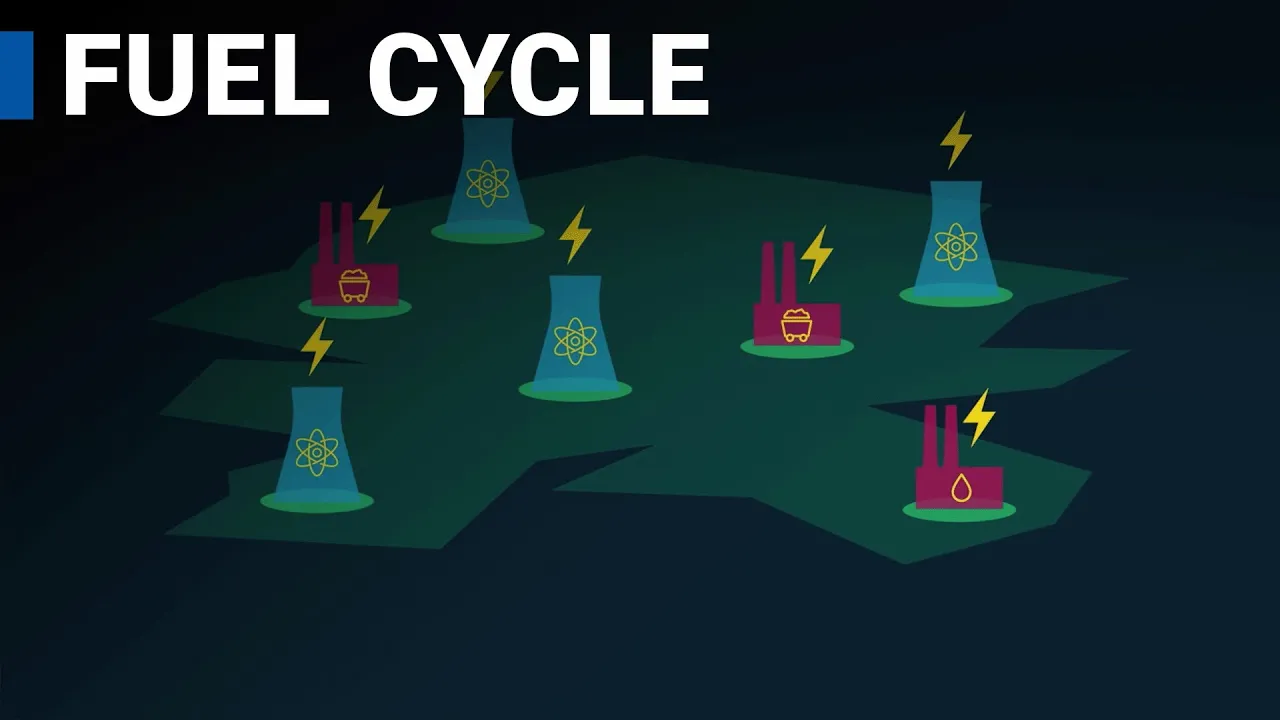
3:00
The Nuclear Fuel Cycle from Mining to Waste Disposal
@IAEAvideo
185.7K views•2017-05-29

30:32
Ultrasonic Transducers: Resonant Frequency Measurement and Horn Design
@imajeenyus42
229.9K views•2017-02-22
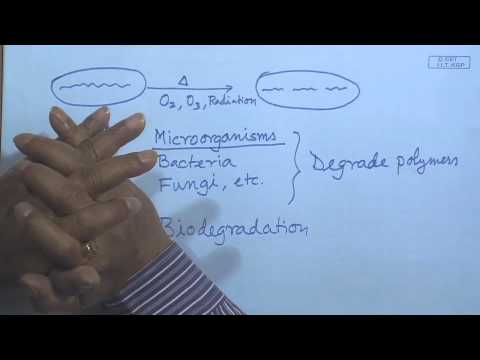
54:16
Polymer Environmental Degradation: Mechanisms & Stabilization
@iit
1.8K views•2012-07-10

33:39
How a Student's Question Saved a NYC Skyscraper from Collapse
@veritasium
22.8M views•2025-04-26
Related Study Plans & Knowledge Roadmaps
Structured learning paths in Engineering
engineering
Building Acoustic Levitators: Physics & Arduino
01The Physics of Sound and Standing Waves
02Piezoelectric Transducers and H-Bridge Drivers
03Arduino Programming: Generating 40 kHz Signals
+ 2 more learning modules
14h5 modules
Explore Roadmap
engineering
Building Peltier Cloud Chambers: Particle Tracks
01Cosmic Rays & Cloud Chamber Physics
02Thermoelectric Cooling (TEC) Fundamentals
03Custom Liquid-Cooling Loop Design
+ 2 more learning modules
18h5 modules
Explore Roadmap
engineering
Yagi-Uda Antennas: Modeling, Build & VNA Test
01Introduction to RF and Antenna Fundamentals
02Yagi-Uda Antenna Design Principles
03Antenna Modeling and Simulation in 4NEC2
+ 2 more learning modules
18h5 modules
Explore Roadmap
engineering
ECG Monitor Design: Op-Amps, Filters & Noise
01Electronics & Breadboard Basics
02Op-Amps and Instrumentation Amplifiers
03Bioelectricity and ECG Fundamentals
+ 2 more learning modules
18h5 modules
Explore Roadmap