










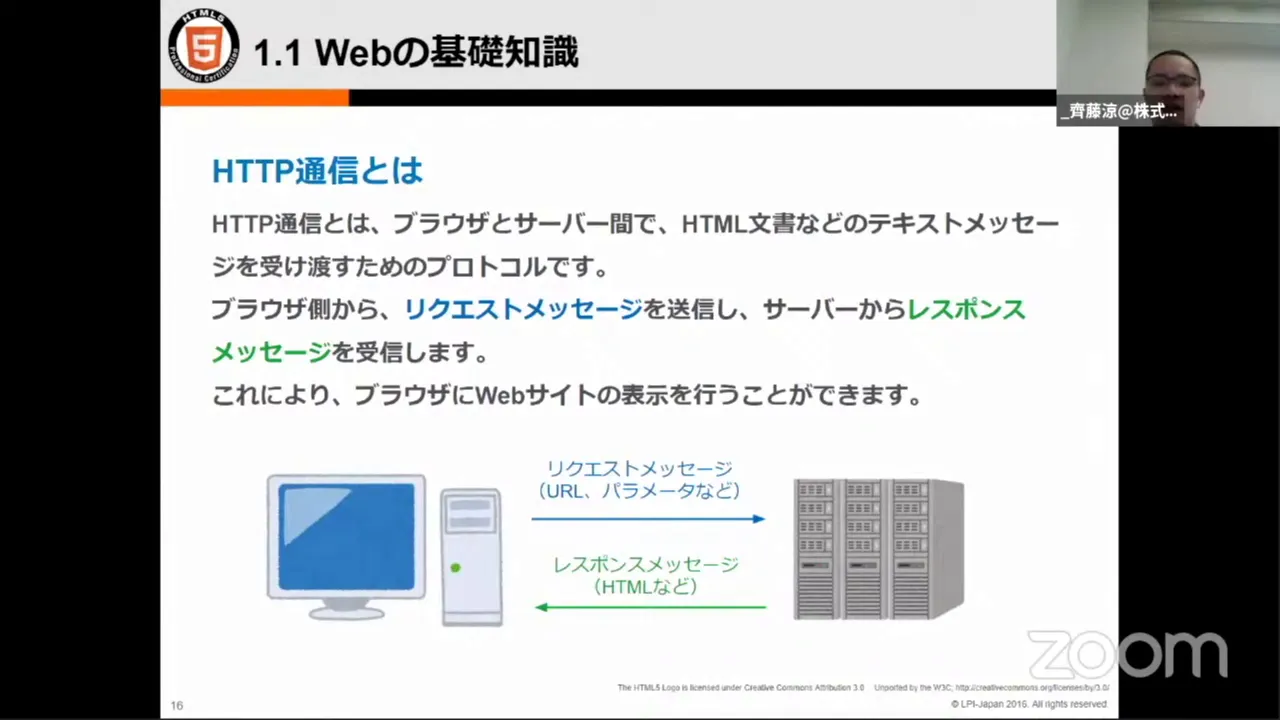























This lecture explains how websites work by breaking down the HTTP protocol, DNS system, and web hosting infrastructure. When you type a URL and hit enter, your computer translates the domain name to an IP address using DNS servers, then sends an HTTP request packet containing the method (like GET), path, and protocol version. The server processes this request, retrieves the appropriate file, and sends a response back. For dynamic websites, developers need to configure DNS records (A records, CNAMEs, MX records), set up web servers, and understand TCP/IP protocols and port forwarding to make their sites accessible online.
HTTP Fundamentals: Web Development CS75 Lecture 0 | David Malan
Added:Basic understanding of the difference between the Internet and the World Wide Web.
Familiarity with the Client-Server architecture and how web browsers function as clients.
Fundamental knowledge of HTML and CSS structure, as HTTP is used to transmit these document types.
Conceptual awareness of IP addresses and how devices identify each other on a network.
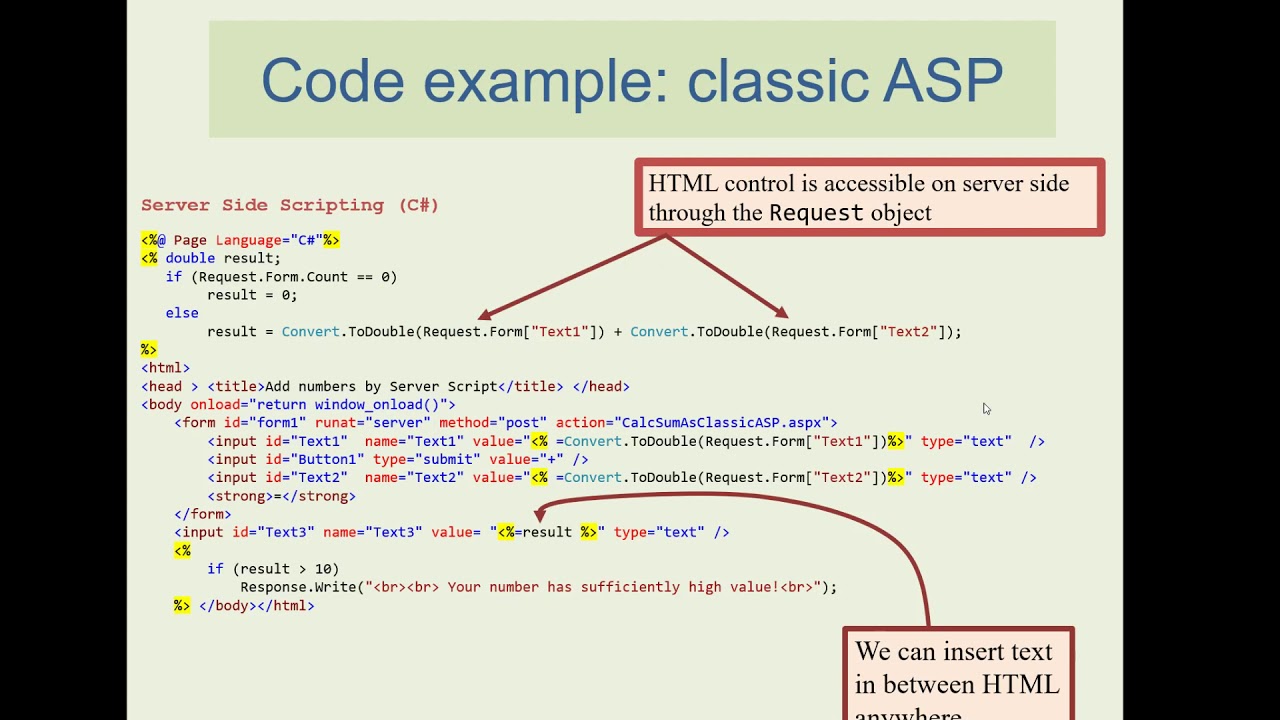
Server-side programming (e.g., Python, PHP, or Node.js) to dynamically handle HTTP requests and generate responses.
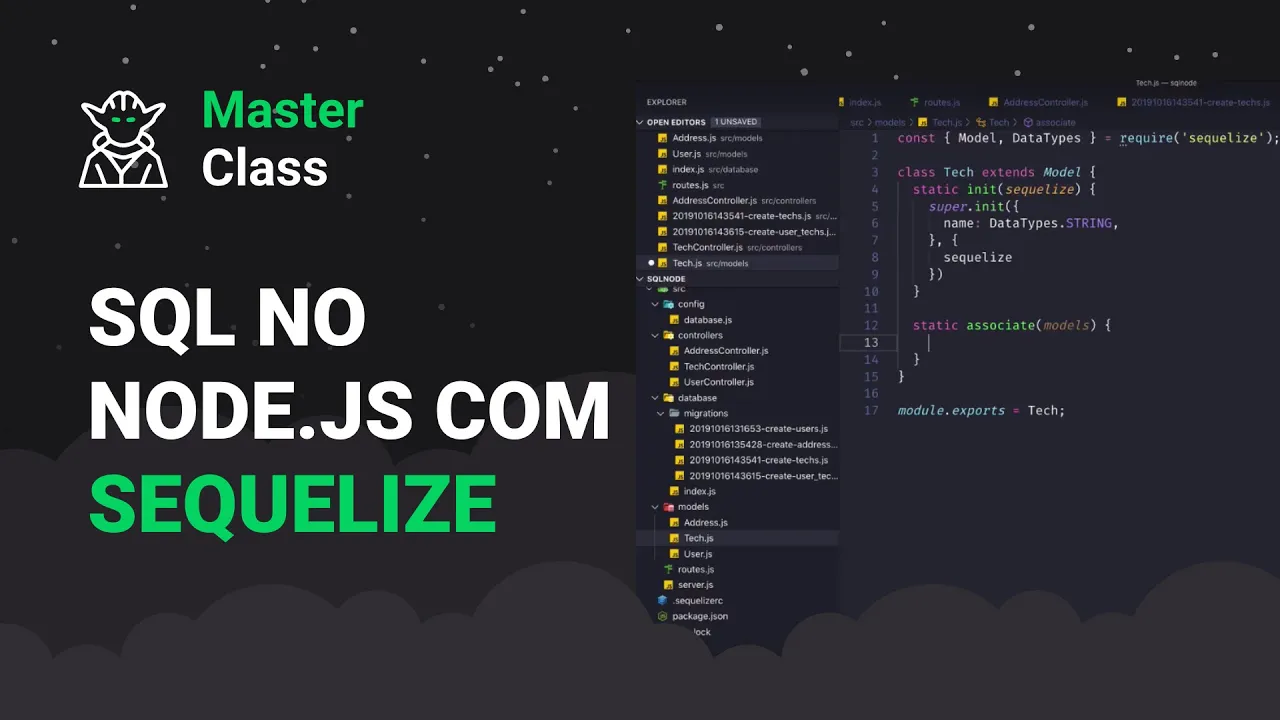
Database integration (SQL/NoSQL) to persist data requested and manipulated by web clients.
Designing and consuming RESTful APIs, utilizing HTTP methods (GET, POST, PUT, DELETE) and status codes.
Web security fundamentals, including HTTPS, SSL/TLS certificates, and protecting against common vulnerabilities.
Advanced deployment techniques, such as configuring web servers (Apache, Nginx) and utilizing cloud hosting services.
307.5K views2.9Klikes1:46:19Original Release: 2013-02-26
All right Apologies for the delay Welcome to computer science S-75 - Building dynamic websites My name is David. I'll be your instructor this summer uh... and it said pretty brief summer so we're gonna dive right in tonight into some material then wall take of breath a look at the structure of the course, expectations thereof and then conclude with some additional material Along the way, please interject with any questions that you might have but first some questions from me you go ahead on the internet on your laptop or desktop you pull up your favorite browser you type in www.google.com and hit enter What happens? Let's tell this story and we can be as high level or low level as we want, and I'll steer us in both directions. So you've hit enter.
What happens?
Anything you got?
Oh. Good. So that's the whole story. That's very good.
Let's tease it apart a little bit now and I'll repeat some of the answers sometimes into the microphone so that our folks who are taking the course from afar can hear everything so your computer makes a request through your modem goes to your ISP, reaches google.com servers and they've replied with the response, so good.
now let's dive in deeper there, and let's focus on the act of hitting enter Does someone want to propose, just give me one step in more technical detail what happens next and then we'll get to that same endpoint eventually Perfect. So we first need to translate the name of the site in this case the www.google.com into an IP address and, someone else, what is an IP address?
Good, so an IP address identifies a server or computer on the internet and an IP address is simply a number of this form. Let me go ahead and pull up a little scratch pad for notes here so an IP address as you've probably seen as something in the form of w.x.y.z and little internet trivia: each of these placeholders can be a digit from what to what?
...or number from what to what?
Perfect. 0-255, and there's some restrictions on what numbers can be where, but essentially you have number dot number dot number dot number. And each of those numbers can be again 0-255.
If we've really wanna start pressing deeper here, how many bits is used to represent an entire IP address under this schema, for those familiar with bits.
32. So why is that? Well, for though less familiar/unfamiliar, if you want to represent the number 0 - 255 which is a total of 256 numbers you need 8 bits because 2^8=256, But we won't go into too much detail on along those lines but if you've seen that IP addresses are just 32 bits it is because each of these numbers is 8 bits itself so actually let's go here. There will be much math in this course after at the following sentence really but if you have 32 bits: how many possible IP addresses are there for the world's computers?
so it's to 2^32 which is roughly.. those who are good with math in their heads..?
So it's roughly 4 billion. So that's a lot. But these days most of you have laptops. Most of you have desktops Most of you have telephones in your pockets or Ipads or the like. So there's more to places these days that are consuming IP adresses so if you follow the popular media of late you'll find that people have been freaking out that were about to run out of IP addresses but that's because we've been using version 4 for far too long.
Thankfully version 6 (u.v.w.x.y.z) has begun to get rolled out and version 6 (u.v.w.x.y.z) will have 128 bit IP address..which is great, because that's 2^128 which is huge! Barely pronounceable.
But it will also become a little more complex to break these things down so we can squeeze a few more years of discussion out of these addresses but realize the world is transitioning now just for the sake of the experience for those at home let me actually pause here just so we can plug in this recording device so we can capture to another format so let's leave that is that cliffhanger for just a minute or two and I'll be right back.
Where did we leave off? You've just hit enter. We had proposed that your computer had translated or needed to translate the hostname www.google.com into an IP address and then we talked for a moment about various forms of IP addresses so let's now push a little harder on how this translation happens so Google has a numeric address of this form (w.x.y.z) and as an aside Google actually probably has a whole bunch of IP addresses of that form. All of which lead to the same experience but perhaps different servers so how does your little Mac or PC or Linux computer know what the IP address of www.google.com actually is?
OK, good. So, it has to do a domain name look up using a DNS server.
For those unfamiliar, DNS is domain name system and this is an infrastructure on the internet that pretty much does exactly that. It converts domain names and host names to IP addresses and vice versa and will see tonight that it does a few other things in terms of helping with the routing of email with validation of ownership of domains and the like so there are these servers out there now your computer or your home probably doesn't have its own DNS server but probably Harvard does if you're on campus or Comcast does or Verizon or your company does.
Now if you're at a small college for instance and you're not visiting google.com but your visiting some random website.com It's very possible that you were the first person on a campus to visit that website ever or at least in a long time so what if your small little campus's DNS server has no idea what this IP addresses is?
Are you sort of out of luck because you went to that school, and not one where there's more people using that websites or equivalently, it's kind of the chicken and the egg problem (which came first?) if you're the first person to ever need to visit that website and therefore your campus's DNS server has no idea what that mapping is how do you solve this problem?
Exactly. So there's a hierarchy, thankfully to the DNS system whereby even though you might have your own DNS server on campus or company but that doesn't necessarily store all possible domain names and IP addresses in the world. In fact, that would be quite a large database otherwise and it's just not efficient to keep all of them around if they're not being accessed at all or very frequently but your ISP knows some bigger fish and maybe that bigger fish knows an even bigger fish that has its own DNS servers that might know, but in the worst case if no one along this hierarchy knows, there also exists in the world what are called root servers which are spread out geographically across the several continents and it's those root servers that essentially know who does know, what the IP addresses of some random website.com in other words those root servers know who the authority is for instance for all of the.com's in the world, for all of the.net's or the like so that you can have this initial request from little old your computer bubble up to these very high-level servers and then bubble back down to some authority who does actually know and the reason why that works is because when you go and buy your own domain name which is a process will discuss in just a bit you have to tell the world what the IP address is of you DNS server, so someone has to be informed proactively once really and only once when you buy the domain so for now let's come back to our story We've hit enter Google.com was in my browsers window. My computer has somehow figured out that it is 1.2.3.4 or something like that so now my computer puts together a message to send it across the internet to Google.com. What does that message look like?
Well in it's simplest form - it's a message that pretty much looks like this. It is literally the word GET in all caps a space a forward slash ( / ) if you're just requesting the root of the web server marked typically with / and then HTTP / version number Now in reality, there is a few more headers, so to speak, HTTP headers that get sent from browser to server, and we'll see those in action in just a bit, but this message captures really the most important aspect of the request so your little computer creates a virtual envelope more technically called a packet of some sort inside of that packet is a message like this Put on the front of that virtual envelope is a "To" address namely 1.2.3.4 or whatever Google's IP addresses is.
In the return field of this virtual envelope you know just like you were mailing something to a human there's the return address who which should be who's IP address probably?
Your own IP addressing, and your computer does know that if you have an internet connection and then your computer sends it out on the internet. Now we can dive deeper and deeper and deeper but for now assume that your ISP has what's called the default-gateway also known as a router and routers are the computers on the internet that know how to get data from point "A" to point "B", or if they don't know precisely how to go for "A" to "B" they know whom to pass it off to who can then get it one step closer to point "B" so in reality a packet, this virtual envelope, might go from router to router to router to router sometimes as many as thirty different routers across the globe until finally it gets to its actual destination Google.com.
Google receives this virtual envelope, sees that it's for its IP address, opens the envelope up, sees this message Google.com server happens to be running a web server and so that webserver looks for the file called "/" now "/" is typically a synonym for an actual file name like index.html or index.php or any number of other default standard file names so Google grabs that file from its hard drives and then puts it it's an own virtual envelope flips the two IP addresses the from and the sender sends it back to the internet via these routers it arrives on my computer. My computer, unbeknownst to me, opens this envelope sees a whole bunch of a language called HTML renders that HTML top to bottom and I see the search page for Google's main site What is the function of the slash?
so whenever you type in a URL There are several different components to it. HTTP typically followed by :// followed by something like this (www.google.com/) and so this is let's say a representative URL, but we can actually to tease this apart into a few components.
This is the protocol or schema at the beginning, even though in a browser we almost always used HTTP:// Have folks seen others?
HTTPS, similar, but different, in that it uses cryptography - a topic we'll come back to.
FTP:// SFTP:// WEBCOW:// Some of these are more standardized than others but the schema is typically an indicator to some piece of software how it should view the contents at that address so what comes after the :// It typically has something called a hostname or sub domain name followed by the domain name, which in this case is google.com or followed more precisely by a domain name witha TLD - top-level domain a.com.edu.gov.uk would be the TLD and then you have what we call a path and a path specifies exactly what file or folder you wanna access A single slash means get me the root of my hard drive and if you come from the windows world this is essentially equivalent to C:\ Or on a mac it's equivalent to that, or on a Linux computer it's equivalent to that.
So that is truly the root of your hard drive, the folder in which everything else on your hard drive lives now it turns out in a browser these days you don't have the type most of that. you can omit the HTTP:// You can typically omit the www. You can omit the slash, and things just work Why is that? both for the most part it's because browsers have just gotten a lot more user friendly right there what was the time a few years ago where advertisements in print and on TV would actually have HTTP:// but then the world kind of realized that you know anytime you see www.
something probably a website so we started omitting HTTP:// Now the world has gotten acclimated to any mention of.com or.gov so we don't even really need the www anymore and so whether or not www works or doesn't work is actually completely configurable by the system administrators of the website and in fact i don't have a sort of a soapbox to hop on right now but invariably during a semester, I'll come across some website for which foo.com or whatever the domain is.com just doesn't work you have to type in www.something.com and that's just a foolish technical design decision on their part. We'll talk today about how you can configure things to just work, and it involves a bit of DNS a bit of web server configuration but typically you don't see that dead end because browsers these days if you type in foo.com and hit enter and there is no foo.com IP address out there the browser will presumptuously or helpfully prepned "www." to the start of the address and then retry that one some browsers if you just type foo will automatically try foo.com, foo.net, foo.gov some of the most popular ones so in short a lot of the technical processes that are happening are being sort of hidden now by browser user friendliness for better or for worse So, the story began with hitting enter the story ended with you're seeing the home page of Google.
Any questions on the various steps in between, whether high level or lower level?
Allright, so that's the story told from the perspective of a user.
Why don't we tell the story from the perspective now of someone who owns a website or wants to operate a website so suppose one of your goals in this class or some other is to actually have your own presence on the web to actually buy your own domain name and have your own business or personal home page or whatever the case may be.
How do you go about doing that? You need more than just a laptop and a browser now you need a server on the internet because even though every computer on the internet, your laptop included has an IP address it's not necessarily publicly accessible because even that statement's a bit of an oversimplification.
You do not necessarily have a public IP address. In fact if you go home and you have internet access at home, especially wireless you probably have a home router like an Apple Airport Extreme, or you have a Linksys router or some device with antennas that gives you wireless internet access but Comcast or Verizon or whoever you're paying each month to give you internet access into the house via your cable modem or DSL modem which in turn is probably connected to that router if it's not one in the same device which some of the ISPs provide these all-in-one devices these days Odds are you have one IP address and if you have 3 brothers and sisters or parents or grandkids in the house all of you are sharing that one IP address and yet the individual computers in the home still need an IP address.
so what actually is the case is that when you're in a home network you have what's called generally a private IP address something of a form.. Anyone know what up popular internal IP addresses is?
Exactly. Anything, in fact, starting with 192.168.x.y is a private IP address, so the folks who invented the internet along the way decided "You know what? We should probably have some IP addresses that should never be given out."
So that within the company or home or a little test network you can have IP addresses that are guaranteed not to exist on the public internet so what home routers typically use iss 192.168.0 or 192.168.1 and then the last digit, it can be again between 0-255, but some exceptions. It really it can't be 0 or 255, so there are some constraints, but it gives you roughly 250 or so possible IP addresses If you don't like that, there's: 172.16.x.y There's a few more constraints on this one, but then if you really need a lot of internal IP addresses you can have what's called a "class a" private network 10.x.y.z is a private address and this actually gives you millions of IP addresses for your home or your business or your data center, but in short any IP addresses beginning with these few other prefixes are considered private but the problem then is that even if after this class you know HTML and CSS all the better. You know PHP, and SQL, and Javascript and you creates a website and you've run it on your laptop using software we'll introduce you to. A web server called Apache no one in the world is going to be able to visit your website because your address probably starts with one of these prefixes and your home router or cable modem or DSL modems is not going to let outside random people into your home network to access this IP address because frankly there's tens of thousands of people who probably have that exact same private IP address, so it's just uniquely identifiable and because your home router and your cable modem is sometimes a firewall into itself this traffic not gonna get into your home so in short that won't work.. but you have at least two options, two alternatives, how can you get your website out on the internet?
You can. Port forwarding. So let's go there. For those unfamiliar when you use a protocol like HTTP:// you're actually using other protocols behind the scenes and in fact you probably at least heard the the buzzword TCP/IP transmission control protocol internet protocol It's actually two protocols, two different standards or languages so to speak that govern how data can be transmitted on the internet and this is a bit of an oversimplification but for today's purposes assume that IP, the internet protocol, is just a set of conventions that humans came up with years ago that govern how you associate numeric addresses with computers so IP address derives from this protocol so IP is just the standard for assigning computers addresses however just signing someone an address doesn't mean you can get data to that address for that you need another standard another protocol and that's typically TCP transmission control protocol So TCP is the standard that web browsers and web servers speak in order to actually physically move data or electronically move data from point "A" to point "B" using the higher level notion of an IP address to actually uniquely identify points "A" and point "B" so for those who might want to go further in computer science and in networking in particular there's typically what's called the TCP/IP stack and so there's topics like there's the transport layer down here there's the others the IP or addressing layer here there's the application layer in short much of the internet is the result of smart people having design things and then design things on top of things on top of things and so we just typically over simplify and say TCP/IP.
So what's the point there?
TCP/IP allows not just the web to work but all sorts of applications There's the web. There's email.
There's instant messaging.
There's things like Spotify. There's dedicated applications they're using the internet but aren't necessarily inside of a browser so a server can actually do multiple things. It can receive email like Gmail can.
It can be a website and get HTTP:// traffic so a server because it can do multiple thing somehow needs to be able to uniquely identify the various things that it can do and so the world introduced this notion of port numbers and typically for a web server Rather, for HTTP:// it uses this protocol TCP and the world decided some years ago the number 80 will arbitrarily but consistently identified this service so if you have a server and you have a website, and a website uses, as you probably know, HTTP:// but will look at what that means in a bit it is running so to speak on port 80 it is listening so to speak on port 80 and the motivation for that is because you might also have an email server on the same physical box, right? Gmail, kind of an oversimplification, but they are both a website and an email service, and if you want to be able to send email to Gmail you can also used TCP but you have to use port 25 in other words if you've go to http://www.gmail.com a with a browser you obviously want to web page back so even though you, the human,haven't typed 80, it's automatically inserted for you by your browser, behind the scenes but if you send an email from Eudora or apple mail or Outlook or whatever you're using you again probably don't have to care about this detail but that program is going to send data still to gmail.com but specifically to port 25.
So, when a computer's on the internet, a server, and it's listening for traffic all of that traffic comes in on a specific port a specific like pathway into the server so that it knows if it's a webpage or an email, right? Because especially email; emails can contain HTML now so you need some way of distinguishing the two fundamentally so when you propose port forwarding, what does this mean?
Well, if your home network has a public IP address, and you usually, again, get 1 from your ISP and that is some address of the form w.x.y.z and your individual laptop on which you've created your final project that you wanna make publicly available is that one of these IP addresses, doesn't really matter what it is, what you can do is configure your home router AKA firewall AKA cable modem, it depends on what make and model you have, but that device, you can configure it to say any internet traffic that comes from the internet to my home on my public IP address destined for port 80 should be "port forwarded" to IP address 192.168.x.y port 80 in other words you can tell this machine to take incoming data on that port and then route it very specifically to this computer, your's, so that it just works.
Now, there is one gotcha here.
Especially if you have siblings, for instance or other technically minded family members or roommates if you're doing port forwarding in this way only one of you can operate a webserver behind your cable modem because you only have one IP address to uniquely identify your website and if you've already claimed 80 as your own and that's the default for the world browsers to use pretty much only your webserver can be accessed now there is a work around here if your roommates really ticked off at you, you can say "Fine, fine, fine, I will give you port 81."
but what does that mean? That means the entire world has to type out a URL like let's say your address was indeed w.x.y.z this would be your IP address your URL your roommates, unfortunately, would be this crazy looking thing (http://w.x.y.z:81/), right, or any number really.
Now, there are some restrictions on the numbers. Probably can't use 81, but the point is the same.
This is not standard, and you probably don't want your users having to remember such an esoteric detail as an arbitrary number.
However if on the internet you visit any website with :80, odds are you will get to the website with which you're familiar it's just the browser is again for user convenience inserting the port number automatically for you.
and little trivia for HTTPS, the secure version of HTTP, what port number does that use?
443, and you sometimes do see that in the URL and you also see some other ports commonly like :8080 :8080 is just kind of arbitrary popular port that some companies used to run certain services but in short using anything non-standard these days especially for commercial production web sites where you're trying to make money or trying to stay online up one hundred percent of the time using non standard ports is bad, because there are certain companies, there are certain campuses that will pretty much block any ports besides 80 and 443, but thankfully there's a work around, even if you wanna run some random server like a bit torrent server, or something like that all you have to do is change the port number to be 80 or 443 so the reality is that with firewalling and will have this conversation toward the end the semester, when we talk about security more generally, in a lot of security mechanisms are kind of a joke because all you need is a modicum of savy or you know, having listened to the past 30 seconds of words that I just said you can circumvent these kinds of restrictions. Hotels do this a lot, Starbucks does this a lot the port numbers are really just this very basic mechanism, and the world and adopted some standards, alright, so, perfect! We have a solution. All you have to do is somehow figure out how to download the manual for your Linksys router or Apple Airport and you can configure all this port forwarding stuff and run a website from your own, so not quite. Because if you actually have a popular website, Verizon and Comcast might very well notice and just shut you off entirely, because that huge disclosure agreement you probably clicked through and never read when you signed up for internet service probably said you may not run a website on your home computer so plus that this was a pain in the neck to do anyway, plus I might unplug my laptop sometimes and so my websites gonna go down anytime i go to go out so not the best solution even if you have a desktop so let's at least try to push a little harder and assume that we need to outsource this problem, or we at least need to put your computer on the internet itself, in a data center, on the campus, where it can stay plugged in perpetually, under your desk at work if the system admins allows it, and moreover i don't want my website to live at w.x.y.z, or any number for that matter, I want it to live it david.com or some URL that is sort of distinctly my brand or my name, so that begs the question how do you go about getting your own domain name?
Has anyone done this before? Yeah, how do you do it?
Okay, where do you purchase them?
Okay, so namecheap.com is a very popular place, fairly inexpensive Go Daddy is another very popular place This one (Go Daddy) is kind of riddled with up-sell attempts, trying to get you to buy everything in the kitchen sink, but you don't need to do that. There's all there's all sorts of domain name registrars out there these days. A bunch of years ago network solutions was the only one, but then the market was created and so there's a lot of places to buy domain names.
For the most part, it doesn't matter where you buy your domain name from, but you do sometimes get different features in particular you get DNS features sometimes, more control over your DNS servers.
They might throw in free email accounts, free hosting, but for the most part, it doesn't matter a huge amount in particular, you don't need to go to someone like network solutions and pay thirty dollars a year, when you could go to someone like Go Daddy and pay $9.99 a year or namecheap and pay $4.99 a year so in short paying more for domain name isn't necessarily giving you anything more uh... in the way of uh... functionality. It depends on what maybe the add-ons are.
So, how do we go about doing this? Well, let's go to something like Go Daddy.
Go Daddy's kind of a... Well, let's actually try namecheap.
Let's go to namecheap, see what they look like, much of my friends have indeed used this website.
right so let's see domain name to search and the search for david.com probably take. Oh,l that is a good price. Already doing better than Go Daddy All right. So as I expected it is taken as are almost all forms of david.
*Ha* They've suggested I name myself "David John", "David Smith", "David Johnson", "King David", "David Photography.us" So one of the hardest things, frankly, of starting a business these days is finding an available domain name, let alone your own personal vanity domain names for people's names but if we found something we like.. Maybe I do want DavidTV... Well, that's atrocious.
$6,000 for this domain but it's not yet taken.
It's probably one of the cheaper ones up above so let's assume we found something we're happy with so we add it to our cart and we check out I now own some domain name, David something.com.
So what now do I do with it?
How do I associate it with my web server?
and for that matter, how do I get a web server? Let's assume I have a web server, and we'll cross that bridge in a moment, but I have a domain name.
What do I need to do with it to start using it? Well I need to tell the world what my IP address is.
So I need to, somehow, tell the world that my server.. I don't know who's going to be hosting it, but i know it will have a IP address, by nature of how the web works.
so let's assume I know the IP address is going to be w.x.y.z.
I somehow have to inform the whole world that david.com's IP address is w.x.y.z.
So one of the things I'll have to do at namecheap.com or Go Daddy or networksolutions.com is I tell the registrar not what my own computers IP address will be but rather what the IP address of my domain names DNS server's will be and the convention is typically that every domain name in the world should have 2 DNS servers: primary and secondary so a main one and a backup one.
They can be one in the same, but the world really pushes people having at least two for the sake of up time and redundancy so I need to know not my own IP address, per se, but I need to know the IP address of one and then a second DNS server Now I don't have my own DNS servers and I want to configure two more computers in addition to my web server so this is where web hosting companies come in.
So in addition to buying the domain name I also wanna host my website somewhere and it could very well be the same exact company. Could be Go Daddy, it could be Name Cheap depending on the service that they provide, but we need to have a web hosting option. So what's the web host going to give us? A web host is going to give us hard drive to put my files on, you know, maybe not hard drive, per se, but some illusion of storage space they are going to have their own connections to the internet this web hosting company there hopefully gonna have a pool of IP addresses so that I can have at least one of them.
They're also going to have some RAM. they're also going to have technical support staff. In short, they're gonna have a server, and all of the things necessary to keep a server alive on the internet, and hopefully they're also going to have at least 2 of what..?
DNS servers.
So if I decide to host my website, let's say dreamhost.com. This is a very popular sort of "El Cheapo" (basic) kind of web hosting company that I've used myself in the past like $6.95 or $8.95 a month.
So that's pretty good but again you get what you pay for.
I wouldn't necessarily build a big business on it So for $8.95 a month I have the ability to upload my HTML and CSS files and soon PHP and Javascript files to their server.
Their server has nearby 2 DNS servers, each of which, have their own IP addresses. So once I know what Dream Host's IP addresses are for its nameservers, I'd tell Name Cheap or Go Daddy, or wherever I bought my domain name and that's it the only time I have to talk to my registrar again, most likely, is in a year when they charge me another $5.99 or $99 for my domain name. Unfortunately, "buying," you're really renting your domain name from these registrars.
Now there's a whole bunch more involved in setting up of the web server and getting my files there but at least now I've told the world that if you want to know where david.com is Ask these people. These two IP addresses of the name server. Either one and those IP, those DNS servers should hopefully know. Why?
Because so long as I keep paying dreamhost or someone else $8.95 per month they will ensure that both of those DNS servers know what my own website's IP address is, and how will they know?
Because of what I'm paying for is some storage space and some internet connectivity on one of their servers, one of their servers has an IP address so they just tell their DNS servers that david.com's IP address, is whatever the IP addresses is of the server they've told me to put my content on.
and will actually look in little more detail what's involved in that.
..but any questions?
so in answer to the somewhat frequent problem where a website does work at www.something.com but not at something.com How do you fix something like that? There's usually two pieces to the solution 1. You have to make sure that there's a DNS record for something.com that is, there's an IP address associated with it. In addition to one being associated with www.something.com and you need to configure the webserver to accept requests for either something.com or www.something.com but really let's focus on just this DNS piece for now.
so DNS... turns out the DNS is relatively straightforward and once you start operating a whole bunch of services on your own website. Maybe you have an email server, maybe you want to use hosted services like Google calendar Google docs. You can do things like actually for CS75, for this course, the TFs (teaching fellows) and I use Gmail essentially to host CS75.net's email so that's the website as I'll soon reveal if you haven't pulled up the website, and we want to be able to have an email list so that each of us can email everyone else very easily. So we want email addresses of the form [email protected] Now how do we do this? Well, we could set up a mail server, we could pay someone to do this, but an amazing service out there is Google apps, some of you might be familiar and for small fish like us where we only have a few people on staff you can actually have hosted Gmail, hosted Google calendar, hosted Google documents for I think 20 or fewer people for free and what you do is you configure your own DNS servers to map something like mail.cs75.net to essentially gmail.com so that whenever we send an email to something of the form mail.cs75.net, it figures out via DNS to actually go to Google. We could have calendar.cs75.net and you hit enter, you actually end up at Google Calendar, but our copy of Google calendar, and this is all thanks to DNS and there's only a few settings with which need to be familiar and we already talked about this one an NS record is a record in a DNS server that tells the world what the IP address is for that domain.
So, what's inside a DNS server?
Frankly it's a database, and you can think of it as like a database with excel files so spreadsheets that just have rows and columns and those columns essentially represents.. In each row, rather, you would have for instance a domain name and an IP address. Domain name : IP address. Domain name : IP address.
That's really all that's underneath the hood in a DNS server at least so far as we're concerned.
But there are different types of rows. So one of those rows can be an official record that says the name server, NS, for this domain is whatever IP address Dreamhost gave me.
For instance Now, what else can I have?
Well there's an "A" record. So an "A" record, a row of type "A" in that this spreadsheet of sorts is literally Domain name : IP address it's as simple as that, so if I had something.com In it's like the address should be xd w dot x dot y dot c that's what's called in a record and i can also have mail docs are something dot com or calendar dot something dot com and i can associate with an i_q_ dress and how do i do this they totally depends on your registrar or on your d_m_s_ provider whether extreme poster go daddy like but these days it's usually a web interface back in the day it was a command line you added a text file on the server but these days it's been made to be more user-friendly but it's essentially a spreadsheet thirst to his slightly fancier features a c name or canonical name isn't alias so it turns out with a lot of these webservices like school blacks where google's providing the service you don't necessarily want to have to know what google's i_p_ addresses writers one deep right on the only one who works there and so you can't really ask them out frankly could run a command in figured out but if you hard code into your work in a server the i_p_o_ dress of google dot com implication is that if they ever need to change their i_q_ address which happens not everyday pretty however few months few years for whatever technical reasons now your website goes down it's common kinda be better at least like a conceptually if calendar dot something dot com didn't resolve to google's likey address but rather what if pounder dot google dot com could instead resolve more generically too calendar dot google dot com so don't have your domain map to a nike address had your domain name map to someone else's domain and then let baird cnf server tell the world what the ac current i_q_ addresses of calendar dot google dot com so in other words if you want this layer of obstruction where you don't care what the i_p_o_ dresses you just care that your domain india synonym for someone else's domain name then you use a c name record and what the two columns look like our domain name domain instead of the main aim aki address so it's a wonderful useful feature especially these days if you look into hosted solutions not just like to collapse but companies that have services like uh... you know i customerservice forums if you go to a website know often have an address like support dot dell dot com or the like well there's a lot of companies days that to provide our customer service web sites at but it would look kind of lame if i go to del dot com and i get redirected to customerservice dot com del would provide read rather re brand someone else's service to look like dell even though someone else implemented and is hosting it so why us by a c name someone like dell could say support dot dell dot com should actually result to customerservice dot com but the user should never know that because the oral stage support dot dell dot com so that's just one of the things you can do with these things called seanangs and lastly in annex record as a male exchange record and mail change record simply states what is the i_p_o_ dress of the server or servers that should handle inbound mail for this domain and this is great because when you use your door over gmail or outlook and you type in the year uh... david mail-in at harvard dot e_d_u_ and hit enter similarly there you have no idea what harvard's i_q_ dresses but your computer does but it's not the i_q_ dress of harvard that you do you per se that your email client needs it's the acted as a partridge mailserver so thanks today that's your mac or pc can ask your icici is deanna server org dot doc dot this whole hierarchy we discussed earlier in state what is the annex record for harvard idea and harvard dot e_d_u_ still means name servers should be able to say send all mail to the psyche address and what's nice about annex records as you can have multiple wants with priorities so websites orf rather uh... domains that had very old large numbers of users were you really don't want their mail servers going down you could have two or three or ten different mail servers and the d_n_a_ system all say try this one than this one than this one than this one just in case any of those go offline it's all thanks to d_n_ s and while research take all this for granted once you start developing your own websites maybe creating your own companies or confirming back your own school having these abilities is wonderfully powerful and it really boils down to basics any questions all right so that was kind of a lot want to take out three or so minute break characters restrooms in the hallway there soda machines i think around the whole corner on the move rejoin in about three mins alright we are back so why don't we take a look at the course itself and what you are in four and with the courses expectations are so in terms of prerequisites the official prerequisites are these so much more years of programming experience as well as comfort with html c_s_i_s_ so what does this mean in real terms so summer school is very short since about six weeks and of course has three na lunch for billy sized projects and the gold really is to make sure that at the end of this short semester you feel quite comfortable going off and doing much more on your own in the way of website development not just html once yes s informed static websites but really dynamic websites that are driven by a language like p_h_p_ and javascript back in the database like mysql so it's a fairly intense course uh... if you believe takin something like computer science asks one of the introductory computer science class we're just one or two courses i will say from past experience you'll probably find the core challenging to say the least and typically willy estimate about thirty hours per project so there's three projects universally nine days for each of them on that's about thirty hours each but that was beyond average so students for whom programming is a little less familiar or it's been a bunch of your since you program to read only taken one or two introductory courses but don't really think of yourself as a programmer on the course is definitely more challenging so do beware uh... diving in i will say if you're on that fence and not sure if your comfort level in background is there but you can go to c_s_ seventy-five dot tv which is the opencourseware site for the course where we have several previous semesters worth of lecture videos handouts of projects some of which will be are similar to this summer's so by looking for the past you can perhaps in for as to what this summer will be like and get a sense then if the p_b_s_ of pastors projects completely overwhelm you or completely excites you so i would try to use that as an additional input tonight uh... before deciding whether this is the course for you um... in terms of expectations and there are these three projects in attending or watching if distant or unable to make it all in-person the lectures on the lectures will be structured as follows two tonight our focus is on h_t_t_p_ and for the mechanics the underlying fundamentals of the internet that for years you prolly taken for granted but once you really start building your own website and having to negotiate things like configurations of servers and coding databases tonight will start looking at some of those more technical details on wednesday and han next week will look at p_h_p_ itself so one of p_h_d_'s on most compelling features these days is one it's in tactically very familiar are very similar to mine which is with which many of the folks in this room in at home or familiar syntactic lee it's similar to ciency plus plus on and other a procedural languages on this very much in vogue very popular it's pretty only present these days in terms of the web hosting companies that they're out there and its super easy get setup even mac o_s_ comes with p_h_p_ an apache the webserver pre-installed and their packages for windows in the nixon other computers that make it super simple to get setup on in terms of related languages rop iphone in ruby you're probably the to close this contenders in terms of popularity with p_h_p_ and none of these is necessarily better than the others who could very quickly devolve into a religious debate but one of the nice things about p_h_p_ is again the omnipresence of support for a doubt there and also i think pedagogical e the documentation for p_h_p_ is outstanding and as you'll see the p_h_p_ dotnet online reference manual for functions and whatnot is rich with examples intelligent discussions and so we've just found that it's a very nice way of diving in deeper to web programming in front of course like this you should be able to continue on if you haven't come from that direction are ready to the likes of pipeline of ruby andrea speed for the job of world they espy's for the windows world there's a lot of commonalities among them will transition lecture three to looking in exile alyssa when it comes time to actually store data whether statically or dynamically you don't need a full-fledged database you don't need my sick we don't need oracle you don't need anything along those lines you could just use text files but he'd be nice if it's easy to read and write those text file select some now is a very popular language of sorts of metal language with which to right now textual files and to representative more generally of the topic will come back to when our javascript lectures on the document object models so they'll be some commonalities there uh... as sql are structured query language is what's used by a many relational databases these days among them my sequel oracle postgresql theirs also in vogue these days or are no sequel servers document uh... storage engines which will look at later in the semester as well but will primarily used for the courses projects my sequel will look at lecture six and seven eighths javascript and at this chat more general technique of ajax the ability to you whose javascript to query a server even after pages loaded to get back more data for instance google maps does this to get more reptile squares of mapping information when you click and drag a face book does this to push of live updates from your news feed in the light i will look toward the end of the semester then at some higher level concepts like security which wool interlaced throughout the semester but will really focus on it in lecture eight looking at common attacks on web servers on websites on databases so as to not necessarily acquaint you with everything they can go wrong but to at least plant the seeds in your mind of things you should be thinking about indeed there's so much code out there that is just one ruble because the people don't think do things like sanitize user input that is they don't check it for dangerous characters so we'll talk about things like sequel injection attacks will talk about uh... prostate scripting attacks in any number of other ways that are so darn easy to avoid yet many people just don't realize it or don't know how inferno typically simple little function calls conflicts and in the last lecture will look at scale build so would be of great problem to have if you've got so much traffic that all of the lessons you learn from lecture zero two eight uh... starts at your website search crumbling under the load and so will conclude the semester by looking at okay now you have to build now for a few dozen people two hundred people your school but several thousand or maybe even several thousand people per second how you actually scale from one little webserver to a bigger one but then once you have the biggest and most expensive available webserver what do you do we start to scale as they say poor is awfully so you get multiple servers maybe even cheaper slower web servers but you somehow figure out how to balance lowdown so to speak traffic across them how do you do that we databases how do you do that geographically uh... how do you do that with cloud computing a buzzword that's all the rage these days but has a very interesting technologies inter-lining will wrap up this master looking at those bigger picture issues in addition to second lectures we will have most weeks on sections in office hours for the course has uh... for teaching fellows folks who have either taught or take in the course before who'll be with us in the form of sections and office are sections will be a more slightly more intimate opportunities so on wednesdays in monday's typically right after lecture if you'd like to stick around to dive a little deeper into that weeks project so in addition to the pbf specification you'll get of a project one of its yes will walk you through the week uh... the week's project to give point now offer some design tips awesome helpful direction answer any confusion why did something quite poorly in lecture we can revisit those kinds of luck topics in sections that you get another perspective altogether and then office hours which is meant to simply follow section so one section officially wraps after an hour uh... office hours will be an opportunity for one-on-one human a with one or two fifty s uh... and this will be an opportunity in particular for questions with the projects if you're having trouble understanding something trouble chasing down some bug in addition to reaching out to us on line with a bs in person opportunities for those of you who are local for those of you were dissent more on the online opportunities in just a moment in addition to um... the courses classes there are projects three of them and they will outflow roughly in the order of the topics on the syllabus portal start in terms of p_h_p_ which would be new to song or most people in the room then will introduce mid semester databases in my sequel being will introduce javascript and ajax and so that all sense would be the tripartite approach of the courses projects in terms of the topics um... in terms of grades on projects are graded fairly holistic lead because you'll be encouraged to make a lot of design decisions on your own you won't necessarily have to implement per slice lee what we tell you to rather you'll have to meet certain feature and technical requirements so will to evaluate the three projects on these axes cisco will be in axis that and it'll be a numeric sport that captures how much of the project you actually attempted uh... correctness will capture how much of your code works in accordance with us back if it's very body that would not be considered very correct design is more subjective design is pain might work might work perfectly but does it look like a mass underneath the hood you had like ten nested four that's that is not good designed for instance and so designed to be an opportunity for pf particularly qualitative feedback from the teaching fellows on your code and style is the more of the aesthetics or your variables reasonably named are is your code well commented is it nicely indented the sordid easy things that are good habits to getting to meet if you're not yet enough that's what we define a style and then just for reference things are weighted in roughly the order the amount of time that's required to get things right so for instance this is the formidable used a computer total score for each of the project were correctness for instance is weighted more heavily then style and uh... batch of capture the fact that inventing a code polish and take you all that long but she seemed on bob's concert retake quite a bit of time so the format was meant to capture um... the courses website which help open just a moment has everything that you will need for the course including videos of lectures if you can't make it some evening work it's tricky because a full time work totally fine to watch the courses lectures online all the handout similarly will be available there what will be rolling out over email this week is access to a tool that actually uh... we've used in another class of mine concious fifty but it's a discussion tool that will allow you to interact with classmates with myself with the courses t_s_ online sab online discussion forms of sorts but using some of the same technologies that will talk about in the class including a jackson similar on so you will soon receive emails from us with invitations of sorts to create accounts within the uh... website so that we can you can start directing questions to classmates poor privately to the staff biopsy is fifty discuss so any questions on the structure expectations of but here in the right place must of course itself in terms of attendance is uh... expected and encourage bucks not factored so see it in a sense of protracted uh... then in terms of lecture typically we reese were slated for three fifteen to six fifteen i think will rarely go lol three hours typically the same course during the year on these two hours of classical typically have a little bit of wiggle room and let me not commit to just two hours per night on but we will typically not go i think as many as three hours for the frankly a lot to take and com twice a week no less uh... so uh... where we end up its act any other questions olin over there are two sections the implication of that detail is that sections will not start necessarily eta preordained time what will try to do is the test will come a bit early so if we do end up wrapping up a lecture we'll take a short break the band i've been right outright immediately to section an office hours so that you don't sit here awkwardly just waiting for an arbitrary time to come around for the distance students sections will be filmed as well and we will be making ample use of online interactions for students who are primarily distance on and we've also experiment in the past with things like skype in video conferencing or online chats com were quite flexible for whatever works uh... pedagogical for folks good question and typically not for distance jeans with sections we do film them but there is some leniency in when we post them we may experiment with trying to straighten some things online but this room is not equipped for that so i shouldn't makeup promises to that just yet but either way things will be available in synchronously after the fact the office hours will typically be right after sections on mondays and wednesdays which are right after lectures uh... the motivation being especially for folks who commutes we figured we try to compact things from mondays and wednesdays you'll have to come to campus yet again and we're flexible too if for instance you're really struggling in the class you have lots of questions or your schedule you have a nighttime class right after work 'em were happy to do things by appointment as well soldier will will meet you half way as best we can somewhat hosting companies we talked earlier about d_n_a_ aspin sort of getting traffic to some destination b but once they get their what's waiting for the use or where are your rates tim allen's yes essence in p_h_p_ files actually store so this is a little screenshot from this one company dreamhost and i don't necessarily recommend them over any others but they're popular among our own and super cheap and just to give you a sense of what you get and what you don't really get here's a screenshot of what you get for parity for eight ninety five per month so you'd have to get unlimited tera bites of disc storage space uh... you get unlimited tera bites of monthly bandwidth you get an unlimited number of domains hosted and you get an unlimited number of user counts email account bicycle databases and at the turn of the distribution of the next fall back took ourselves to good to be true so what is the capture but that's an amazing deal for eight ninety five unlimited everything so what are some of the taxes are what are they doing here technologically to make this possible exactly so a lot of these web hosting companies are shared services whereby you might get this but they're also promising the exact same thing to ten other people to one hundred other people now turns out that its g_d_p_ the protocol we discussed earlier there is a future for these days for what's called virtual hosting so back in the day for the web every website needed unique i_p_ address essentially so that when you type in something dot com you went to one web sites and that website madonna server that server had a nike address and if you want to the second website you better get a second server or these give that computer a second i_p_ address however in more recent versions of h_t_t_p_ will see through some experimentation with actual browsers browsers send and other issue to be hatter they don't just send gets they also send a reminder to the web server as to what the user typed into the u r l so that you can now have these days multiple websites foo dot com bardot combats dot com all living on the same physical server at the exact same like he address and because the browser's remind the server what the user typed in from dot com or bar dot com or about dot com the server even though it's receiving traffic for three different websites can figure out from those so-called headers what was requested and then return the appropriate domains homepage so in this case that's great 'cause it makes this possible we only have four billion i_p_ addresses in the world in the are legitimately running out and so this is great that we can multiplex servers in this way and put multiple people multiple websites on the same mikey address but there's a couple dot that's what's the implication of yes the fact that multiple customers on the same machine goods of the mission crashes now all of you are affected rather than just the one contention for resources right so you're kind of in bad luck a bad place it for instance when the other customers on the website server is face book dot com or something then take xiv unexpected popularity on all of a sudden or maybe it's a web site that's really text someone off and is getting some kind of internet-based attacked like a denial of service attack because people going after that website and just because your server your web site on the same server now you are down or otherwise offline as well moreover at one of the res one of the ways in which these uh... companies offer such discounted prices this 'cause it's not just you and to other websites as prime not ten it could be a hundred could be a thousand other customers on the same server and so there must be some fine print hopefully there's some fine print somewhere that does say this is subject to something right they don't have infinite tera bites on their web service infinite bandwidth there's gotta be some catch here otherwise the world monopoly thousands of dollars a month to host a real large-scale websites so you again sort of get what you pay for and this is actually expense of years ago i signed up for some fly-by-night operation for like two ninety five by year um... to host my website and it was a website that i did not care much for and that was good because it went down quite a bit um... so what they're not guaranteeing here's unlimited uptime for instance so there some some doctors but frankly if you're just starting small you just one experiment you need it place for testing website or you don't you're eight ninety five is more compelling than several hundreds of dollars or even more um... this is certainly fights compelling but as an aside things like emailing calendar and what not there's another alternatives you don't need to get those thirty-year west coast when places like google exist but suppose you are not so comfortable with that approach and you suppose to that you're not comfortable also with the fact that we used to not have any control over a dreamhost like server because it's being shared by other people in it because it's being managed by other people which is to say if they are running p_h_p_ five point two which is a few years old so rio like you're running p_h_d_ five point even if you want to take the advantage of new language features they were introduced in p_h_p_ five three and more recently p_h_p_ five four you're outta luck like you're gonna have to other funny web poster just deal with it you can't just install it yourself typically so similar they can you not upgrade different versions of software you can assist early reconfigured the webserver at will now they might give you some form of control but you'll reach a point perhaps we're just too frustrating not to have administrative access to the server so you can still achieve that so virtual private servers d_p_s_ is or an alternative to shared web hosting model and the d_p_s_ world you get a dedicated server to yourself lasorda you get the allusion of the dedicated server to yourself so thanks to a technology generically known as virtualization these days you can park by our server with like a bunch of six user a bunch of course lots of ram lost of disk space and then you can run virtualization software on it uh... something known janet generally is a hyper by sir like vmware or parallels or virtualbox there's a whole bunch of these products free in commercial like out there that once you run them and install them on the server on top of that software you can then install multiple instances of windows multiple instances of lyrics multiple instances if they allowed it of mac o_s_ so you can create the illusion of multiple distinct computers each of which has its own usernames and passwords its own administrative or so-called route account and even though they're sharing the physical hardware they are not sharing the same software so what you would get as the customer is the root login or the administrator login to your machine now there's still the risk of resource contention because these players to go to the quick over provision freshly if your pet spending in nineteen ninety five a month and not a hundred and fifty-nine ninety four ninety five months you're prolly gonna be on the server with fewer resources or with more customers but at least here you gain something and if you've been following along what is it fundamental you're gaining from a d_p_s_ that you didn't get from a web host exactly control you can to keep things up to date you can install whatever you want and also it's all morning altar servers compromised all it's our your words might not p whereas if the web hosting server is compromised everything on that server is potentially for durable so still not perfect because the reality is too even though you are the only one now with through ordnance traded access because it's a dedicated albeit virtual server for you that she was kind of a white lie who else has access the people there even if they don't know your password they have physical access the machines easier physical access to any machine in the world pretty much you can't compromise that you can do analytics computer for instance can be glued in what's called single user mode by pretty much any letter x when its booting up and that sort of bands any request for password at which point you can even change it um... even on p_c_s in computers you can usually reset certain passwords by opening the case up putting a little metal connector onto pins in a short circuits out the password and clears it out so in short physical access bat for security so you're not gaining more security off fundamentally you're just making it less likely that someone else's compromise will affect you and in some of these systems some software that system administrators we'll have the password or at least access to the root account on your server so in short we should just assumed that this is for you but probably at least one other person could physically access your conscience so what do you get uh... for the money well here and frankly these numbers are a little more compelling 'cause it's not on limited so what you're kind of inclined to believe a bit more about the quality of service for getting here but twenty gigabytes of storage no that's fine for typical website unless your website has a ridiculous amount of traffic in database traffic and logs which could build up and start taking mags are bigger bites of space uh... or if you're allow users to upload files are photos then you might need a lot of space but many websites even if they are dynamic this is probably planning transfers an interesting one twenty two hundred gigabytes per month for most websites that's probably fine and less your website is a photo website or worse a video website then you have to start to do the math and figure out exactly how much traffic data will be coming in and out of your server based on users patterns and moreover there's also corner cases this will discuss toward the end of semester you gotta worry about the bad guys out there if someone just unlike you words board or download some free piece of software that bangsar bangs the heck out of your computer they could just you've got your monthly allotment of bandwidth just by sending bogus traffic or downloading the same video again and again and again so there's very interesting adversarial tax when you have finances somehow tied to usage so you need to be where that especially with cloud computing uh... and let's see you get some amount of ran five hundred twelve megabytes here and so forth one of the things will look at the ring the semesters we start playing with apache is all give you a sense of uh... how you can assess how much ran your computers using image disk space it's using i dare say when the most common platforms for web hosting these days whether it's a vp s or it's is a uh... sir by post izla nixon some form whether it's debbie in or for the world war ubuntu war red hatter sent offer any number of versions of the next will happen to use the door of the class but it's representative of many a similar operating systems you can use mac o_s_ but it's not really use commercially to host websites just 'cause that's not really xoxo geared toward that you can use windows on but you really there's no good reason there's no come technically compelling reason to use a windows machine to host things like p_h_p_ your python ruby 'cause you're paying money for windows license to run free software so it's not necessarily compelling unless you are a powerful licenses and have the machines uh... generally going with these open-source tools is uh... quick comment compelling because none of the software reviews in the course uh... cost any money whatsoever and that's nonetheless quite popular and robust so went out declines so we will introduce it tonight but we will in the form of the first project so that you have an experience in the class that is as realistic as possible what will actually have each of you do is run your own webserver and run your own database server and actually run your own copy of lennox itself for this will use another tool that i use another possible i'm told this is that the appliance and this will be a downloadable file that inside of which he is in installation of land expat or lennox pacific lee but also installed for you in advance will be apache which is web server software my sequel which is database software p_h_p_ as well as support for a bunches of other languages in standard tools and the like and the up side of this is that rather than have you connect for instance to some random harbored servers on which you only have temporary access this is a virtual machine that you'll have a new computer for as long as you want to keep it around and it's very representative of the configuration you would find added d_p_s_ or at a commercial web host and because you'll have a real access on its and because it will be live on your machine only you'll have perfectly secure access to it ominous your laptop or desktop is compromised and you'll be able to configure apache and p_h_p_ and really tinker with things and best yet best yet if you showed up that's fine used on the new and you're back to sort of beginning comes along as you've saved your code somewhere which will encourage you a how and where to do so more on that in a week or so and how would you connect to this kind of thing uh... so as the states zen one u news so why not use this as a ship status so if you have any specific stands for secure shell and this is a way sort of all school way but now much more secure of connecting to a remote server and executing commands on it so this is just uh... free program that comes with mac o_s_ terminal and there's analogues for the windows world party has a free program for windows that a lot of people like to use and it allows you to open up essentially a black and white window or white and black window and see type in a username and password connect to some remote server and execute commands on it and those commands can be to create files removed files configure the webserver turn the database on or off for the like so what they'll find once we start using the c_s_ fifty appliance a virtual machine albeit running on your own computer not some server is you will be able to connect to that appliance as though it's a remote server looks so that you'd never even need to see the appliance itself literally once you turn it on you can minimize it and pretend that it's a server somewhere else on the internet because once you install it the appliance into a virtual machine is gonna have its own i_p_ address but it's going to be what type of i_p_ address so it'll be private to your own laptop so no one else can you can access it but you'll be able to go through precisely the same motions that you would if you are actually paying some third party to host your website or you own some server outs where on the internet services dates will be one of the techniques that we use s f three p for those unfamiliar this is a screen shot of a popular of windows client for transferring files called secure effects but others exist free ones in particular just listed writing drop files from your computer to a server but in this case the server is going to be a virtual machine running on your own computer that may be maybe or maybe not is minimize but again experience of the precisely the same sold where does that still be bouts so turns out when you are writing html uh... you at fairly static content but you do have these mechanisms and i'm guessing most people in the room have some were a lot of experience with it's you know and basic web sites on the life but these ultimately already basic input mechanisms by which we can start making dynamic websites in other words we have text field password fields hidden fields checkboxes radio buttons drop-down menus so these are the mechanisms by which we can start to get input from users so that when they interact with our website they don't necessarily see the same thing rather they might see different things every time we visit that website so let's do a little example here i'm gonna go ahead and don't download this on your own just yet because we will be posting a newer version soon but i'm gonna go ahead and open up a program coldfusion vmware fusion this is what's called generally again a hyper visor virtualization software and what i've just done is essentially run lynn x on my own that and you too can do this i'm gonna actually use the lyrics desktop discuss its here but i could similarly minimize it as i will just few minutes and will connect to his well so now i'm running lyrics on my syndicator and notice i currently have no idea dress that they should change in a few seconds once identity there we go so my lyrics computer virtual machine has just asks for the network give me i p address and it came uh... the protocol the computers use to get idea dresses dynamically does anyone know dac p are dynamic host configuration protocol that's what did that it's also how your own personal computer works at home and gets a nike address from your links this router or airport extreme so i'm gonna go ahead and to do with this first let me go to mike back to my mac i'm gonna open up the simplest the program's text edit which is what we used earlier animated just make a very simple web page on first thing i do doctype html so in the course will use html five which is the sort of the latest and greatest version of html and so i'm gonna say hello now let's do this let's call this and then body and close body and then on to say cool on ok gonna save this ominous go ahead and save it on my desktop as google dot html i'm gonna say yes uses two million of the text file and now i'm going to go ahead and pull up google dot html so i'm not exactly google just yet i can do a little better so let's make this a little different slowly going here did style text align center so into any of this looks completely critical new these are the kinds of things that we will take for granted and of course that the stuff looks familiar so let me say the relocate now looks a little more like a low but it certainly lacking in some key features among them i searched far right so let's go there so let me start to make a simple web page that i get on thirty many of you could have done are ready cuz you know html and forms and what not so let's go ahead and do this it down here on an essay form close by for a minute ago and fear and i needed inputs tight equals taxed and i prolly need a summit by hand so let me did input by you poor summits if this about you starts with victory it as best we can saved reload okay so now it's getting there this isn't the prettiest things so let me go ahead and do style wear flats sade two hundred pixels school back here and say it it still looks a little small three hundred pixels uh... looks more global alike and we really want to be an all here we could do this line lucky so now we've got roughly google but in black and white so unfortunately takes away more work to implement the back end of this website writes a front-end pretty easy were pretty much done other than some colors and some other features these days but what about the back end so if i actually wanted a patch into google let's see if we can now revisit that conversation we started earlier when i tried to dublin dub dot google dot com is the answer what really is happening let's take a look underneath the hood let's look at the age to be traffic and think about what it is we're gonna start building next week in terms of the actual back and so let's suspend this mental thread pull up the actual global dot com and take a look at what's is here i'm gonna go ahead first so that this is new lightning think it is we have the disabled this annoying instant search feature select this here i come search settings google instance disabling never showed instant results so the reason i wanna do this is ready to talk about javascript and ajax the technologies that nobody's on annoying or beneficial instant search feature we wanted to sort of all swollen she d p searches right now sub disabled that's so now hopefully i can save okay now i'm gonna go back to build a dot com is what it is like five years ago when you want a search for something on the internet so now i'm going to go ahead and take for instance harper so it's still doing auto complete but it's not immediately showing me the search results so now notice before here's the or l on that dub dub dub dot google dot com and now after early hit enter now known as the oracle so they're this is now hinting at the fundamental functionality of h_t_t_p_ we had just issued one of those debt requests we had two of them in fact the first one came up when i visited the home page then i hit enter in it appears that another get request has been sent wide because when you are all changed so generally anytime the keyword get is involved it's because the orals changed or equivalent leave the aural changes you just to get most likely so there's a whole lot of distracting stuff up there but what is relevant in uh... what looks familiar up there in the u r ellen gray i have no idea what h_l_ is site so i don't know source i don't know but what looks familiar okay harbor so let me delete manually all the stuff that i had no idea about what it means at least not yet so mummy i don't know what this is q equals harvard that i did okay legals harvard apple q i don't know i'm just gonna presumptuous the whittle it down to that analysis answer so interestingly still works and what's nice is that there's much less distraction we can have the same story boat with fewer distractions in detail so it looks like when hitting enter on the previous page if i throw away the distractions i have now been fitted snot slash but slash search question mark q equals harbor so what is q she was generally known as the h_t_t_p_ parameter so it isn't input to a web server that's generally comes from a four but as we'll see a few weeks ago also confirm javascript doesn't have to come from a form per se harvard is obviously what i typed in so what is slash search well it's not obvious here what programming language google uses before on face book we would probably see search dot p_h_p_ his face book is known for using p_h_p_ there also known for not hiding their file tensions which is very easy to do but they just don't for some reason gold does hide their file tension but a lot of google's code at least run-in has written a currently in python or in some other languages so it's not clear what language is on the server but slash search is referring to some files or some folder on the server what is the question mark the no the start of the parameters so anytime you have a question mark in your old that the marks the path and the preceding part of you are all from all of the parameters and parameters are key value pairs something equal something and if you have multiple parameters what separates them even though i already deleted the others ends the ampersand say assemble so if i had it deleted all of that recall that we saw something like this just a moment though and boat hwy quills harvard and i don't know what took you is but that's how you would separate parameters with m percent so this means we have submitted uh... ke of q anna value of harvard to the server so now let's use a fairly common tool built into chrome it's also built into safari firefox or something similar when we recommend something called fire bug on the courses website with which to do the same kind of thing but i'm in a good of you developer and developer tools and i will say these days certainly when using lamp clinics apache mysql and p_h_p_ which is this courses focused uh... many people are increasingly using chrome one because it's popular too because it's faster because it comes with some developer tools i would say firefox is also wonderfully convenient for doing development the mifsud certainly task on multiple browsers as well uh... require in one of the prep in the first project spec on you can get windows of rather intern explores getting better about having some integrated development tools from the course of perspective we don't care what browser you use because you'll be using again the appliance as a server you can use whatever browser whatever operations from on your own computer that you're most comfortable with but you are coming to this with some i'd say uh... less familiarity uh... with various tools chrome is pretty popular in firefox tend to be packing better for development purposes in indonesia task on all of them so one of my senior i'd just opened the developer tabs and now i have elements resources network scripts timeline profiles audits and consul we're not gonna use all of these but if you would never quite helpful one the elements have shows you the page's html but it pretty princess for u and it makes of hierarchical so that with those little triangles you can dive in deeper n c even though if we look at you source for the page it is an automatically of the page afaik uh... over here and view page source this is what came back from the server and i would argue this is not very readable unanimity actually still al even the html not that readable color coded maybe still not useful so what is this still x the developer toward actually parses it for you see can start to navigate and this is actually wonderfully compelling whether it's your site or someone else's if it's someone else's it's a wonderful way of learning how they did something or how they stylized something if it's your own site so wonderful way of chasing down bugs and also as you'll see changing on the fly some of the aesthetics without having to change actual files and then relo notary upload so we don't care so much about elements right now we do care about network so let me go to the networks have and what this tableau do first is uh... smith all of the network traffic between my browser and the server and will show each peacekeeping request one per line at the bomb some gonna leave this window open and click reload and again this is my u r l that's a lot i'd only hit reload once but why in the world that so many rose appear down here by clicking wants but look how much stuff just happened each of those again represents an eighty d p requests or virtual on bola from browser to server and back yet what does that mean behind the scenes okay good civil winnie support other things to me and concrete example of something as the polar so inside of the htmldiff initially downloaded there could be an image tag outsource tackling two tak two si es esta javascript images could be flash files could be a whole bunch of other assets so to speak and to get those the browser is predefined to sort of a personal ego get those assets so if it sees a source tagore image tag it will send another virtual envelope requesting that file specifically it might do it over the same network connection the same t_c_ p socket so to speak but each of these rose represents a different file that was downloaded ironically it seems that's harvard's not behaving well win the terms of the auto previews but that's good another day we can look at why uh... but let's look at the first one because that's the one that will be the most enlightening for now and when i click on this there's a few details so one the preview is just what was returned and here's another big mess of results from the web server but we don't care so much about that i care about the headers so many zoom in on this and rather than look at this fairly pretty printed version of it i want to look at the brawl source over diving in deep sort of uh... intellectually here so let me look at the source now this is what was literally sent in that virtual envelope that we started tonight's discussion with so there's the top-line debt slash search question mark you week was harvard stay safety p slash version number so that was in the envelope and we did promise to some other stuff in there second line is a reminder to the server as to what the user type and so what is the hostname now frankly but was not sharing their servers with other companies most likely so this doesn't really matter there but for shared web hosting companies the fact that i'm being reminded what do u r l was means i can serve up food dot com or bar dot com about us dot com so thankfully it's d_p_ does that there some arcane information here related to passing and connections inefficiency only wait my hand it back for now user-agent is interesting you might notice are ready but if you don't every web page of adverb visited is every website you've ever visited knows what computer you have and what opportune system you're running and what browser you were using why is that what browsers by default reveal precisely that information i'd have just told global behind the scenes that i have a mac running mac os x are ten point seven point four and if i scrolled down further or they will be able to infer that i was using chrome versions something or other so why in the world is that useful good so hard to believe this is use full from the bugging purposes useful for demographic purpose is to know who your users are goods so there's some features that could be dictated by what type of o_s_ or browser someone's using for instance if you go to a website that lets you download software it's not necessary that you detect with users opportune system browser are it's kind of a nicer user experience if the server only shows you the mac software because you clearly have a mac as opposed to me having to figure out which of the links to click for lenexa windows or mac o_s_ uh... another argument frankly is that this is completely unnecessary and we should never gotten to this habit in the first place because it for uh... it's not necessarily used all that much and indeed writing websites that of require knowing what the user's browser is is actually generally bad practice because there will be certain privacy tools that users can install on the computer glitches hide this information altogether for better or for worse and if you're relying on certain headers to be sent your own website could misbehave so they work turns out there's other tricks for doing detection and typically is will see in javascript it's better generally to detect whether a browser has a certain feature rather than is that a specific operating system for specific version of a browser however databases for the billboards this that allow you to figure out based on the so-called user agents strings what version of browser inopportune system some answers because frankly this is a little hard to read so softer exist that simplifies this so you can just check a boolean variable is mac ortiz pc our butts below so more pain details that always my hand that cookies will come back to in a week or two when we have to start using them to our advantage but will also talk about the security implications of them but in a nutshell all of these headers just text is what was inside of that virtual on book and the most important one arguably was the very first one 'cause that tells people what to return but now we see that it's not just last it's a full path so google has hopefully parks that string so-to-speak slash search question mark cubicles harbor and then you lustig you equals harvard as import to its database or what not to return customized results to me now if you scroll down let's see how google reply so this is just a chrome thing it is just kind of dumb down display of the query string printers justice useful specially for developer you can see it more easily this way but let me go ahead and use source now for response headers this is what the server responded with so turns out many of you have seen numbers return by servers who has ever seen message four oh four comeback it was for foreman file not found right so it's a nation's bee status code it's an arbiter number the world decided on years ago that means files not found what are some others you might have seen sizes five oh one so internal server error of some sort five oh three audience another internal error or resource are forbidden there's four oh three rather which is forbidden uh... three oh one and three oh two are redirects which are actually quite useful will start using those in the next lecturer to such aren't there some codes that you've probably seen for four th may be the most popular two hundred you might not have ever seen because the best one of all two hundred is literally ok in these everything worked out well see just don't see it because it indicates success as those little green icon that we uh... saw a moment ago before i expanded this so this is the servers response two hundred means found what you're looking for here it is now what else comes down we have the date from the server which might be useful uh... expires in past controls so directives to the browser saying do or don't pass this even though these are not necessarily reliable talk about this when we get the p_h_p_ uh... this is interesting set cookie set cookie is amazingly powerful if not a little unsettling especially northern advertising in tracking but we'll talk about that in the context of p_h_p_ notice that the servers telling us that it supports jeez it which is like uh... compression utility which is a compression utility in this just means a you can compress your date of june from me uh... the name of the server g_w_ s probably good google web services and then some headers that they use for some the security things will talk about later in the semester so that's what school was returned in addition to the content that has come back from the server so let's see this outside the scope of a browser on the boat open uh... a program called terminal the switches comes with mac o_s_ for those of you with windows padi as another option will look at that uh... or encourage that info my music supply uh... bull book at that or recommend that for future projects an interim program call telnet telnet is like associates put uninfected now that's a bit of an oversimplification i'm gonna go ahead and tell that to google dot com and nothing actually happens but he did figure out the was likely address so that's interesting but tell that by the fall uses port twenty uh... has been so long twenty-one tom is a sport twenty want to see people are twenty-one bikes there's no tone that server their tone it used to be to send messages and connected email servers in the like but what if i instead say eighty so there's no colin in this program there is in a browser but this is going to connect from my laptop to google dot com on ccp port eighty so this is interesting now i've connected to their server wine are how do i know that stony connected to tell doubly dot dot dot l dot google dot com where did this all come from the days of the n_ s_ trickery tally for load balancing purposes they had multiple server so they're fraud gotten one of them specifically but i'm gonna pretend to be a browser unless they get me slash using issue d_p_ version one point one and the answer and then if that's the last of my headers i have to hit entered twice and wala what do i see well the fonts kind of big in the html javascript kind of mina five but that's exactly what my browser got back but if i keep going up and open up and up notice i can say exactly what the servers response was so i see my age to be headers they came back from the server uh... set cookie and all those same lines exactly what i saw on the browser so i just pretended really to be a browser and we can do this with any websites and it's more than just a curiosity can actually help with the bugging great actually seeing what's coming back from a server i can do dot dot dot dot harvard dot e_d_u_ eighty death slap slashes vp one point uh... one answer answer so interesting bad request now why is that said we see some html is this the webserver assumes that a browser will typically be doing this why might this be a bad requests i'm actually in a guest here let's try this gets slash is tepee one point one post prioritize u so it didn't like the fact that i did not say the host hatter which means harvard's web servers probably using something called virtual hosting which is that feature i alluded to earlier when a website can support molt when webserver can support local websites bought for that to work browsers have to cooperate and the fact that i did not send that had her meant that the server didn't know who's hoping to return so we gave me that four hundred response of i don't know what to do now let's try one other thing on the cancelled s and let me do telnet sue not dubbed the dubbed a harbored idea let's try this one to see what happens so get slash h_d_t_v_ one point one answer answer they didn't like that so let's fix this again so gets slash uh... issue the p one point one post harbor dot you do you answer answer interested this is not the home page where i get this time some message about it's moved harbor but you do has moved permanently you know that's and if i scroll up more esoteric lian headers is one of different status code three oh one which you mentioned earlier three oh one these permanent redirect if a browser receives a three oh one it should never asked that question again it should just remember harbor dot e_d_u_ moved any move to wear to the value of the location field which should also be included in the response centers how did that happen well some system administrator gene at harvard just decided arbitrarily that's but reasonably that we don't want to standardize on harbor dot e_d_u_ ann arbor authors in people's browsers we want them automatically to be redirected to dub dub dub dot harvard dot the id a dot harvard dot e_d_u_ white one printing minutes one it's perfectly reasonable to more technologically it can be better for securities a bit of an overstatement but for technical reasons having the w_w_w_ means your cookies can be isolated to w_w_w_ dot harvard dot e_d_u_ whereas if your cookies were instead sent to harvard that you do you that means your cookies could be read really bite any websites so including c asp dot harvard dot e_d_u_ or xd summer dot harvard dot you do you so they sing doubly david w you're also forcing uh... released by default cookies to be more precisely define so there's some technical reasons as well only a year or two ago was this problem fixed on the recent a few years back someone on a new came to harbor tour on the news office and one of her first things i one of her first acts was to fix eucharistic omission for years recovered that you do you did not exist devito v_w_ dot harvard dot e_d_u_ existed and they weren't even redirecting south that is a bug that's now been uh... and questions then uh... what just happened and one of the terminal window open the meat offer up some other troubleshooting tips anissa lookup nameserver lookup is a wonderful way of doing those d_m_s_ lookups we talked about before what i've just done is asked the nearest city in a server which happens to be this because that's how harvard's configured the campus that's the deanna server and i've asked what's the idea dress of harvard i do u and it's given me the psyche address so far we get curious that we do that's uh... they should be peak on five slash i can address interesting whatever why this is not working will again be hosting like the website is not configured to understand mikey addresses by default however let's try another one and it's lookup cnn.com what c_n_n_ dot com interesting so it turns out we denounce you can also do what's called round robin you can return multiple mikey addresses for web server and those can rotate literally in the order in which their return to do but balance and we'll discuss that topping again for the end of the semester and scale ability but let me just one of these and c_n_n_ either pretty day on guessing they don't really share with some other websites so let's just go to their i_p_ address and indeed there's works now notice my you are all hasn't changed so now if i really want to get sort of phone uh... i really want to get sort of uh... creative i'm gonna do this on my mac and you can do this on a windows machine is well there's typically file on macs in my next computers is called at sea coasts which is a text file bitmaps that hard cuts ita dresses four domain names this is useful generally for internal corporate used for development purposes so will be able to do this with projects as well uh... i'm gonna go ahead and uh... sent the case here just a text file and noticed this is some basic ones that come with the system this is my t_v_ six version six address written in a uh... crazy form i'm gonna go ahead and paste in not that u r l but the i_q_ dress of c_n_n_ and i'm gonna say this is david news dot com so this is like manually overriding the mapping bataya ki address to something else here only for my own computer i'm not running again a server it's just that my opportune system ako s in windows is supposed to look at a file like this before asking india nasser so now let's see if this works doesn't work with all websites but let me go to h_t_t_p_ colon slash slash david news dot com kamon areas i'd just made my own or new site frankly this is kind of stupid of them um... they go i was just joking with some friends the other day that you could kind of have fun with this and make fairly offensive domain names of the only to c_n_n_ somehow uh... and why is this so this is trivial defects frankly in a web server i a web server could be configured as you will be able to do with features of the past you before long of checking upon receipt of one of those virtual envelopes what was in the to field if the to field does not match something that were happy with redirect the user how you respond with what sascha three oh one somebody's actually trivial to fix this kind of things that could still be they can't stop david news dot com from needing to c_n_n_ dot com but they can stop the browser from staying there or the spy encouraging it without three oh one to redirect elsewhere and this redirection is super com and not just for harbor dot you do you but even the courses own website if i go to issue p colon slash slash two seventy five dotnet and hit enter notice what the oral changes too a few things happen there so this is the courses website what are some of the things that got answered in automatically it seems deaf indeed so idea then just go to the dub dub dub version i also went to the secure person why we've just gone into the habit and i personally guns out of using us as offer everything it's relatively cheap to do it's relatively trivial to turn on and it's only getting cheaper it's accuser getting faster and some of you might be familiar with about a year-and-a-half ago uh... toolkit caught fire shape was released which was a wonderfully free proof of concept of something called the a session hijacking attack something we'll talk about in a few weeks time in the context of security long story short if you are visiting the website that uses h_t_t_p_ colon slash slash it is fairly trivial for someone in your nearby wireless vicinity whether in this room at starbucks even in your own home if you have adversarial for gaza blends are roomates to can't login to your facebook account or your google account or i cannot go facebook account twitter account or any websites that's not using h_t_t_p_ ass and that is because if you're not using a g_p_s_ nothing's infected known probably knew that but among the things that are infected or things called cookies so if you are just broadcasting cookies and cookies it turns out is hosting a weaker to hard the mechanism by which users are remembered as being logged into websites if you're just sending that cookie tool website again and again to remind unlike n on login on login that sign creek did anyone in starbucks can sniff that cookie and with the right technical savvy as you will soon have senate has their own another log into whatever you work doesn't mean they know your password but it doesn't mean they can hijack your current sessions so to speak so a protracted google because global about a year or two ago thanks to some of the issues in china they had with crack hacking and whatnot they transition all their services to a steep yes at least if you opt into at face book also find the offers this but again we come back to this uh... you a few more weeks of insecurity in your lives if you don't mind but will come back to this and talk about how you can have certain defenses up and i tragically even websites that redirect strong law the uninfected version to the infected version might still be vulnerable because many of those websites will first do a redirect that sends your cooking in the clear and then it realizes all of this to be secure by then it's too late so even though banking websites almost always uses there have been certain banks to be known to be not to technically uh... savvy who are still leaking cookies on four uh... reasons that will soon reveal so i said the duh duh duh based ups and then this stupid main page which is a media with the thing which is the tool we use for the courses website it's free with the software and that's not really intellectually interesting just their own software contact any questions on a cd p will delete david news dot com and again that wouldn't work with all websites in fact harvard's probably would not work for us so which is the party's hdv headers still become in invaluable resource when it comes time to chase down blogs are features in your own code let me take another quick look at something within krone's uh... developer toolbar in more than one last thing with regard to google and see if we can implement a little more of our own version of the world so let me go to the elements tab and just as a proof of concept here goes what's adds a little complex underneath the hood but let me go ahead and right-click on harvard university and they choose inspect elements and inspect element is nice because it's going to jump me right too the part of the html that relates to that portion of the page which is wonderful useful for diving in deeper to specific place so that is the a_h_ wrath that got me at harvard university link now suppose i'm actually google's designer and we're not quite happy with the shade of blue where the font size or font face it so i want to take over the website but frankly i don't have to log into the server and change font size and save the file dinh reload the browser and go thro the suit kinda like to do it uh... in line in the browser albeit at without saving any changes so notice you're on the right if you've not used from before that gordon developer tool bar notice on the right you have a summary of all of the styles that relate to that specific elements in the web page so from top to bottom here's the cv uh... there's the ciency assessed cascading top-to-bottom here all of the rules that apply to that all so there's apparently somewhere and google cssc apparently the file called search online sex and a link uh... dot w class mention in all of this where they're specifying the color of the link in the cursor that should be used over it so let me just right for text legally here let me just change this to let's say something we the random like or just so that is what i've done a their change who was elected or of course non permanently and only for the links in the page for which that csrs rule applies but the point here is that this is just a wonderfully quick and dirty way of experimenting especially if you're quite evil and you want to get let the pics alignment perfect in something being able to just tweaked it ever so slightly here and then figure out the values are and then write down in the actual file on the server just wonderfully useful also too if you're trying to figure out what font website uses i mean fighting the computed stop as this can be a little overwhelming like my god there's so many rules that apply to this element because of the cascading nature of c_s_ s let me just look at the computed styles which is a summary of the end result of all of these styles that have been applied enough i look for font-family indeed this is uh... appliances aerial followed by sensor so i know what font now google said just the debugging trick if you've not used it this and the networks have one abusing quite a bit most likely so now back to our own version of google unfortunately if i typed and harbored at google search doesn't go anywhere sort of the kind of did where did it end up urals almost the same it's a crazy looking you are opposite is obviously a file on my hard drive not on the internet but what the change in the oro yeah good so the question mark unattended but nope rameters got sent so let me go ahead and take a look at my file o well no predators were sent to them and give any of the main so let me go back and fix this restrict the fought so we can see more once and the need to input name equal skew here and let me go back over here and reload the page and now we go ahead and take harbor and now clickable search so now we have some progress so this is interesting now unfortunately google dot html is not a website nor is that dynamic it's literally just a static files you can send any parameters you want it's just you know inorg everytime but what is byproducts each year i'm kind of in a hurry to implement my own search engine uh... you know i read uh... knocked off my own new sites now would you mind search engine well i can actually do this form action should actually go to let's say dot dot dot dot google dot com slash search and i'm gonna say math the equals and get in all our case here slight inconsistency with what we've seen before now let me go back to this page reload and now mimetype harbored and watch the oral as i could answer uh... now i have implemented my own version of gul but how right all i did was i constructed a form on a specified a method of deaths inaction that happens to be a point b elsewhere but because of its dpm because a browser knows how to handle foreign it compiled all of the key value pairs in this case just want you equal something put it in the oral consented to that action attribute sent it to that particular u r l so now we have implemented our own version approval now of course denies that they were our search results and they were completely cutting corners here but that's where we'll need something like p_h_p_ to do things server-side let me pause for just a moment peter do want to say hello to class peters one of our for teaching fellows the others are at work right now do on a lot too actual hole up i have to come near you with a microphone value what you want to come this way so the cameras little more really available uh... although i a look forward to working with all of you and i will see you on wednesday much any questions that about the wolf faqs pgp precaution that's it had it not been named kit would this be broken so let me go back into here and let's just call a query thinking that's a reasonable name to give a parameter to mini reload mates gml me take that harvard answer and interesting they support we're so let me misspellings and that's probably not supported but maybe let's say family reload type harvard center okay that doesn't work so there's a bar cleary r_k_o_ for whatever backwards compatibility agrees other questions yes and on the entirety apartments campus your sessions can be hijacked so if you have malicious roommates or are you aria this thurs four technical people around you you are vulnerable to this issue hijacking can happen anywhere worker can is not use whether between you and the access points the wireless access point we're between you and the endpoints uh... webserver and i should say especially those of you are from out of town realize that harbor does that fine print in rules about not doing this to other people otherwise they'd that you can solve this problem by expelling people that's one way if you can't do technologically so this is one of these things were returned educators how it can be done but don't go trying this in the dorms on campus which he go home on your own home network other questions so where does this leave so we started by talking about global and we keep talking about who will be discussed so popular but it above the story applies to really any website out there so we talked about the in az and the process of not only booking up a web page is your rayl rather mikey address but also getting your own ita dress and getting your own web server in your own domain name we talked a little bit about html forms which would which you might be tonight are ready to the tools with which you can get a little more comfortable with diagnosing things in debugging things and we've written so that you know that's a that's a form all that we haven't done yet is actually implement the dynamic website for that we've completely outsourced to c_n_n_ and global today one of the first things we will do this coming wednesday is diving deeper to p_h_p_ and things like depts imposed concessions and shopping carts awesome the security implications around them will dive in cbc is fifty appliance in this virtual machine environment with which you get to uh... play you in terms of apache in p_h_p_ and mysql so tonight will turn abid early all stick around with peter for anyone with questions you might happen otherwise we will see you again on wednesday and after wednesday's lecture will flow right intersection office hours if you have questions about contents even though the first project will be released for a week or so sienna couple days
Up Next

7:39
What is REST API? Explain API, REST, and Web API
@Bitfumes
104.5K views•2017-10-30

14:51
Computing FFT and Plotting Frequency Spectrum in Python with NumPy and Matplotlib
@1mviews876
120.4K views•2020-11-08

4:55
HTTP Requests Explained: GET, POST, PUT, DELETE
@codecademy
103.1K views•2021-10-07

19:25
Enigma Machine Mechanics: WWII Encryption Explained
@JaredOwen
13.2M views•2021-12-11
Related Study Plans & Knowledge Roadmaps
Structured learning paths in Computer Science
computer-science
Building a Rust Debugger: ptrace, ELF & DWARF
01Systems Programming Foundations & Rust
02Process Control and the Linux Ptrace API
03ELF Layout: Inside Linux Executables
+ 3 more learning modules
38h6 modules
Explore Roadmap
computer-science
Container Runtimes: Namespaces, Cgroups & Go
01Linux Systems & Go Programming Foundations
02The Core of Isolation: Chroot and Filesystems
03Linux Namespaces: Process Isolation
+ 3 more learning modules
32h6 modules
Explore Roadmap
computer-science
Building a CHIP-8 Emulator: Rust & CPU Basics
01Computer Architecture Foundations (Bits & Bytes)
02Rust Programming for Systems Development
03CHIP-8 Virtual Hardware Specifications
+ 2 more learning modules
32h5 modules
Explore Roadmap
computer-science
Building BitTorrent: Go, P2P & Concurrency
01Go Fundamentals & Concurrency
02Networking Foundations & P2P Architecture
03Bencode Parsing & Torrent Metadata
+ 3 more learning modules
26h6 modules
Explore Roadmap