










![What does 'The Social Construction of Reality' Mean? - by Dr. Dennis Hiebert [with CC]](https://i.ytimg.com/vi_webp/K-4xWu2mo3M/maxresdefault.webp)












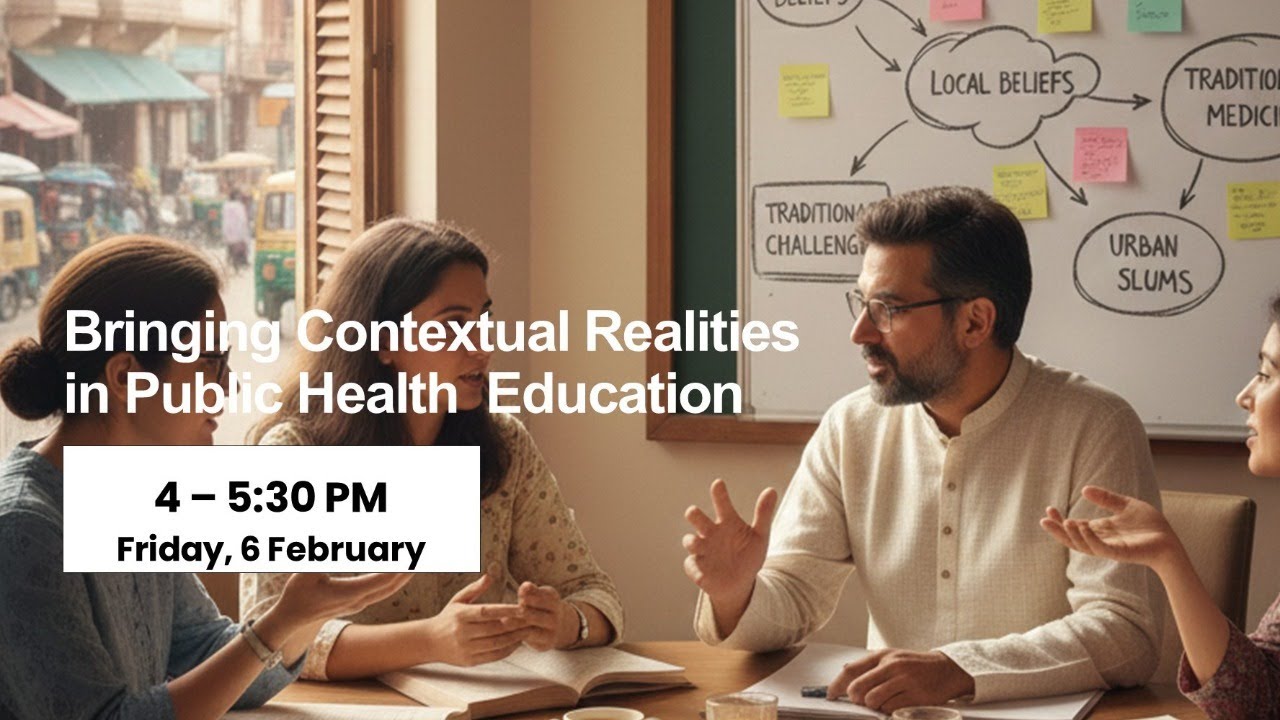





Medical sociology examines how society shapes health, disease, and illness through social, cultural, and institutional factors rather than purely biological determinants; this includes understanding the sick role (social expectations for those who are ill), medicalization (redefining normal behaviors as medical conditions), and how social institutions like healthcare systems, insurance companies, and cultural norms influence who gets diagnosed, treated, and how people perceive and respond to illness.
Medical Sociology: How Society Shapes Health, Disease & Illness
Added:The Sociological Imagination: Understanding how personal biography intersects with public issues and broader social structures.
Basic Sociological Perspectives: Familiarity with major sociological frameworks, specifically structural functionalism, conflict theory, and symbolic interactionism.
Social Stratification and Inequality: Knowledge of how socioeconomic status, race, ethnicity, and gender create systemic disparities in society.
The Social Construction of Reality: Concept of how societal beliefs, norms, and labels are collectively constructed and shift over time.
Medicalization and Demedicalization: Analyzing how natural human conditions or behaviors (like childbirth, aging, or ADHD) become defined and treated as medical disorders.
Comparative Healthcare Systems: Examining how different nations organize, finance, and deliver healthcare based on their cultural values and political structures.
The Epidemiological Transition: Investigating how patterns of disease, disability, and mortality shift as societies undergo economic and technological development.
Intersectionality in Public Health: Exploring how overlapping social identities compound disparities in clinical treatment, medical trust, and physiological health outcomes.
Sociology of Bioethics: Assessing the social, ethical, and power dynamics introduced by modern biotechnology, genetic screening, and reproductive technologies.
347.9K views5Klikes11:14Original Release: 2018-01-29
As we launch into our final segment of Crash Course Sociology, I’m sure one of the things that you’ve learned by now is that sociology touches on everything.
It helps us understand every aspect of society – even those that we think are strictly personal, like religion, sex, and gender.
And the same is true for another aspect of your personal life: your health, and how you take care of it.
Many of the factors that determine your health aren’t biological, but are social and cultural.
For example, research by Harvard sociologist David Williams has shown that factors like race and class, both social constructs, can have profound effects on health outcomes.
Sociologists also explore how the definition of disease and illness has changed over time and varies across cultures.
So just as health and medicine are regular parts of your life as a social being, so is medical sociology.
[Theme Music] Medical sociology seeks to understand the ways that society approaches and shapes health, disease, and illness.
And we need that understanding because, whether you realize it or not, the diseases that society deems worthy of research, or even treatment, vary across societies.
In fact, how our society treats disease has changed an awful lot just in the last century.
And that brings us to medicine, the social institution responsible for treating disease and restoring or improving the health of a population.
But the concept we have of medicine as a scientific field is relatively new.
So let’s go to the Thought Bubble for a brief jaunt through the history of Western medicine.
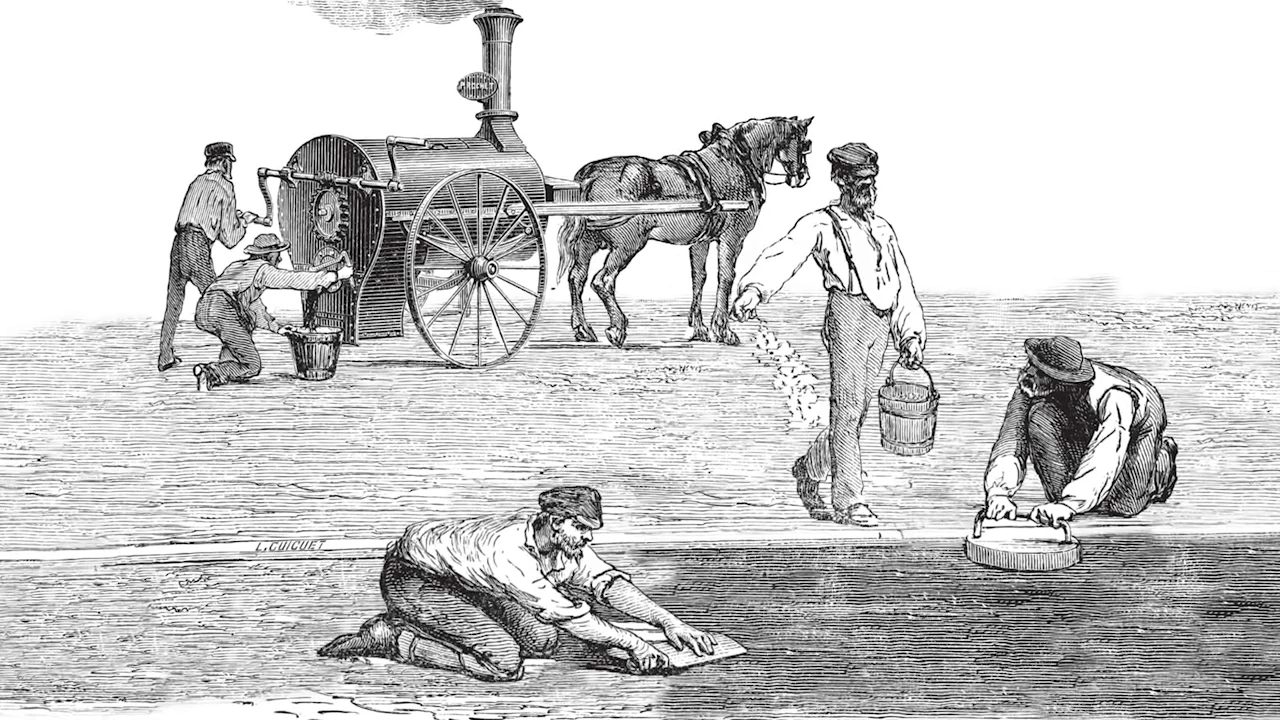
The so-called ‘father’ of Western medicine was an ancient Greek by the name of Hippocrates – yes the same Hippocrates that we get the Hippocratic oath from – credited as one of the first Western physicians to believe that disease was the result of a person’s lifestyle habits and the social environment in which they lived.
The Hippocratic system of medicine was based in humoral medicine, which remained in use until the 18th century.
Humoral medicine argued that all illnesses stemmed from imbalances of the four humors believed to make up the physical body: black bile, yellow bile, phlegm, and blood.
Under this theory of disease, if someone got sick, you had to rebalance the humors.
Got a fever?
Time to get some leeches since humoral medicine says that you have too much blood.
Humoral medicine dominated Western thinking, even into the medieval ages, when medicine came to have strong ties to religion.
Many interpreted illness as a sign of God’s disfavor, and cures often relied on prayer or pilgrimages to a religious site.
While medical practitioners of the day still used humoral medicine, altering the body to cure diseases was seen as tampering with God’s will.
Over time, a more scientific approach to medical treatment emerged, building on philosopher Rene Descartes’ theory of mind-body dualism.
This was a new belief that the body was separate from the mind and the soul.
And this allowed a scientific model of medicine to emerge, applying the scientific method to study and treat disease.
In the same way that you can study an engine, the thinking goes, you can also study anatomy and physiology.
And, yeah, there’s a Crash Course for that.
And just as you can fix an engine when it breaks down, if you understand what’s causing dysfunction in the body, you can fix it – without worrying that you were tampering with the will of God.
In 1847, the American Medical Association, or AMA, was founded to promote a more systematic approach to medical practice, by lobbying for Federal and state regulations in medical training.
The AMA also worked to set standards for the professional practice of medicine.
By incorporating a more scientific approach to practicing medicine, the AMA helped shape how we think about and treat disease.
Thanks Thought Bubble.
Now, just as how we study and treat disease has changed throughout time, so has what we consider ‘healthy.’ Rather than focusing only on the biology of health, Medical Sociologists define Health as a state of physical, mental, and social well-being.
In this way, Health is a sociocultural phenomenon, where the boundaries between being ‘healthy’ and ‘unhealthy’ can vary a lot, depending on who you are or where you were raised.
For example: How do you know when someone is sick?
Sometimes, it’s easy to tell.
When you can hear someone coughing and sneezing from across room, it’s probably time to pull out the Emergence-C and hand sanitizer.
But other times, you can’t tell just by looking or listening.
Sometimes diseases, like lupus or diabetes, don’t manifest with easily noticeable symptoms – which means that people who seem visibly healthy may still be sick.
Sociologist Talcott Parsons, working within a structural functionalist framework, described the social and cultural responses to disease through the concept of what he called the Sick Role.
Sick roles are the behaviors associated with having an illness.
To be seen as sick – and get the treatment deserving of being sick – a person must act the way society expects a sick person to behave.
The function of the sick role is to create a “social space” for non-normative social behaviors related to being ill in society.
So, you don’t get to stay home from school just because you feel like it – you have to convince your parents that you’re really sick.
And unless you’ve got the stealth skills of Ferris Bueller, that means following the social norms expected of you: staying in bed, eating chicken soup, sleeping a lot, sniffling, and looking miserable.
So the sick role comes with certain rights – you get to skip out on your normal responsibilities, and you’re not held responsible for being sick.
People tend to believe that you aren’t faking illness to shirk your duties.
Again, unless: Ferris Bueller.
But there are also some obligations associated with sick roles.
To be ‘properly’ sick, a person must want to get better.
They must also seek the care of medical professionals.
When you fulfill the sick role, you get a pass on the normal social behavior expected of well people.
But if people don’t perceive you as being ‘properly’ sick, you might not get the same amount of slack.
This is why people who have invisible illnesses are often dismissed as just being lazy.
Of course, not everyone with a disease plays a sick role.
Some diseases, like HIV/AIDS are heavily stigmatized, compelling some people to hide their illness and “pass” as being well.
And sometimes, the medical professionals that we depend on may refuse to accept our claims of sickness, which basically withholds your ability to engage in the sick role.
There are other critiques of Parson’s sick role, but the point here is that being “sick” is as much a social and cultural experience as it is a biological dysfunction.
Using another sociological paradigm, that of Symbolic Interactionism, Medical Sociologists show how health, disease, and illness are constructed by a society.
Medicalization is the process of taking social behaviors that are within the range of what we’d consider typical, and re-defining them as medical conditions that need to be corrected.
For example, one of the more frequently debated conditions is Attention Deficit, Hyperactivity Disorder or ADHD, a condition marked by an ongoing pattern of inattention or hyperactivity and impulsive behavior.
Since ADHD became recognized as a medical condition, diagnoses have increased dramatically, going from around 900,000 in 1990 to 10.9 million as of 2013.
But people disagree about whether the growing number of diagnoses for conditions such as ADHD are the consequence of over-medicalization of potentially disruptive social behaviors or are just the result of under-diagnosis in the past.
And, the boundary between a ‘legitimate’ medical condition and a medicalized one isn’t always clear.
For example, there are shifting definitions of what constitutes a disease.
Usually it’s defined as a structural or physical dysfunction of the body.
So doctors assess whether a person has a disease by looking at their symptoms and using objectively measurable data, like blood pressure or cell counts, to determine if they match the profile of a certain disease.
But what constitutes a ‘disease’ is not uncontroversial, and the parameters for determining whether someone has one is politically contested.
Yes, politically!
Remember, sociology touches on everything!
One system used to define diagnoses is called the International Classification of Diseases or ICD, which has been in use since 1900.
It’s revised every 10 to 20 years based on new data and changes in societal perspectives.
Sometimes revisions remove prejudiced and inaccurate definitions of disease, such as the removal of homosexuality as a mental health disorder from the ICD in 1992.
Revisions can also expand disease parameters, like when the diagnostic criteria for autism, Asperger’s Syndrome, and other related disorders was expanded to be called Autism Spectrum Disorder, a category that encompasses a wider range of social and behavioral disorders under one umbrella.
This change was made based on improvements in society’s understanding of the disorder.
But it also reflects changes in American society’s concern with these conditions.
Now, another way Medical Sociologists approach health is to look at illness.
It’s sometimes said that a person walks into a doctor’s office with symptoms, but leaves with a disease.
While a disease defines a dysfunction of the physical, an illness is the social and cultural response to a disease.
And your perception of an illness is likely to vary a lot depending on who you are.
People have what are called illness beliefs – assumptions about the severity and nature of symptoms.
An illness belief doesn’t have to be accurate, but the accuracy matters less than how the beliefs make you feel.
Illness beliefs help explain why some people seek treatment for symptoms while others may ignore them.
Or why some people strictly adhere to medical advice, while others blow it off.
Factors like race, social class, gender, or age can shape illness responses to disease as well.
For example, women consult doctors significantly more than men.
Men are more likely to ignore pain, or downplay the significance of symptoms.
Social institutions can also influence illness beliefs.
Family is one of those social institutions.
Did your parents make a big fuss whenever you got sick and let you stay home from school at the drop of a hat?
Or were you raised to tough it out and not miss school unless your arm fell off?
For adults, your work environment can also shape your illness response.
In the United States, businesses are not required to provide employees with paid sick leave.
For people who aren’t able to take time off of work without losing wages, or losing their job, only the most severe symptoms might make them admit that they’re really sick.
More broadly, institutions within health services – hospitals, insurance companies, pharmaceutical companies – play a major role in defining illness responses by: 1) defining what constitutes a disease, and 2) shaping who has access to treatment.
All patients are not created equal in the US healthcare system – which patients get quality care varies by social group and by how much our society values certain diseases.
This, in turn, shapes illness responses and illness behaviors.
And so we end up right back where we started: with the fact that Medical sociology helps us to understand the ways that culture and society shape health, disease, and illness.
In today’s episode, we learned about what medical sociology is and how Western approaches to medical knowledge have changed throughout history.
We then talked about what it means to be sick and introduced the concept of the sick role.
Next, we talked about how health, disease, and illness are socially constructed.
Finally, we talked about the distinction between disease and illness and the individual and institutional factors that influence a person’s beliefs about illness.
Next week we will explore Health Outcomes in the United States and how these outcomes are influenced by society.
Crash Course Sociology is filmed in the Dr. Cheryl C. Kinney Studio in Missoula, MT, and it’s made with the help of all of these nice people.
Our animation team is Thought Cafe and Crash Course is made with Adobe Creative Cloud.
If you'd like to keep Crash Course free for everyone, forever, you can support the series at Patreon, a crowdfunding platform that allows you to support the content you love.
Thank you to all of our patrons for making Crash Course possible with their continued support.
Up Next
11:19
Social Class and Health Inequalities: Sociology Revision
@5minutesociology323
1.9K views•2021-01-07
54:57
Contemporary Sociological Theory: Micro, Macro, Integrative
@NaSESYNC
45.7K views•2016-02-17

11:31
Food Access and Agricultural Revolutions: A Geography Lesson
@crashcourse
117.1K views•2022-02-15
9:41
What is Sociology? The Sociological Perspective Explained
@crashcourse
4.6M views•2017-03-13
Related Study Plans & Knowledge Roadmaps
Structured learning paths in Sociology
sociology
Celebrity Culture: From Hollywood to TikTok
01Foundations of Celebrity Sociology
02The Rise of Micro-Celebrity & Digital Platforms
03Parasocial Relationships & Algorithmic Intimacy
+ 2 more learning modules
12h5 modules
Explore Roadmap
sociology
Hostile Architecture: Space, Power & Control
01Introduction to the Sociology of Space
02Social Control and Surveillance in the City
03Hostile Architecture and Defensive Design
+ 2 more learning modules
12h5 modules
Explore Roadmap
sociology
Loneliness Epidemic: Third Places & Isolation
01Foundations of Social Capital and Community Cohesion
02The Death of Third Places and Urban Space Erosion
03The Privatization of Leisure and Atomization
+ 2 more learning modules
12h5 modules
Explore Roadmap
sociology
Sociology of Tourism: Gaze, Power & Heritage
01Foundations of the Sociology of Travel and Leisure
02John Urry and the 'Tourist Gaze'
03Staged Authenticity and Cultural Commodification
+ 2 more learning modules
14h5 modules
Explore Roadmap