















![INVENTORI DI MALATTIE [DOCUMENTARIO - PARTE 1]: PRODURRE FARMACI PER GENTE SANA ▷ FABIO DURANTI](https://i.ytimg.com/vi_webp/xwYDkJ4eAgo/maxresdefault.webp)


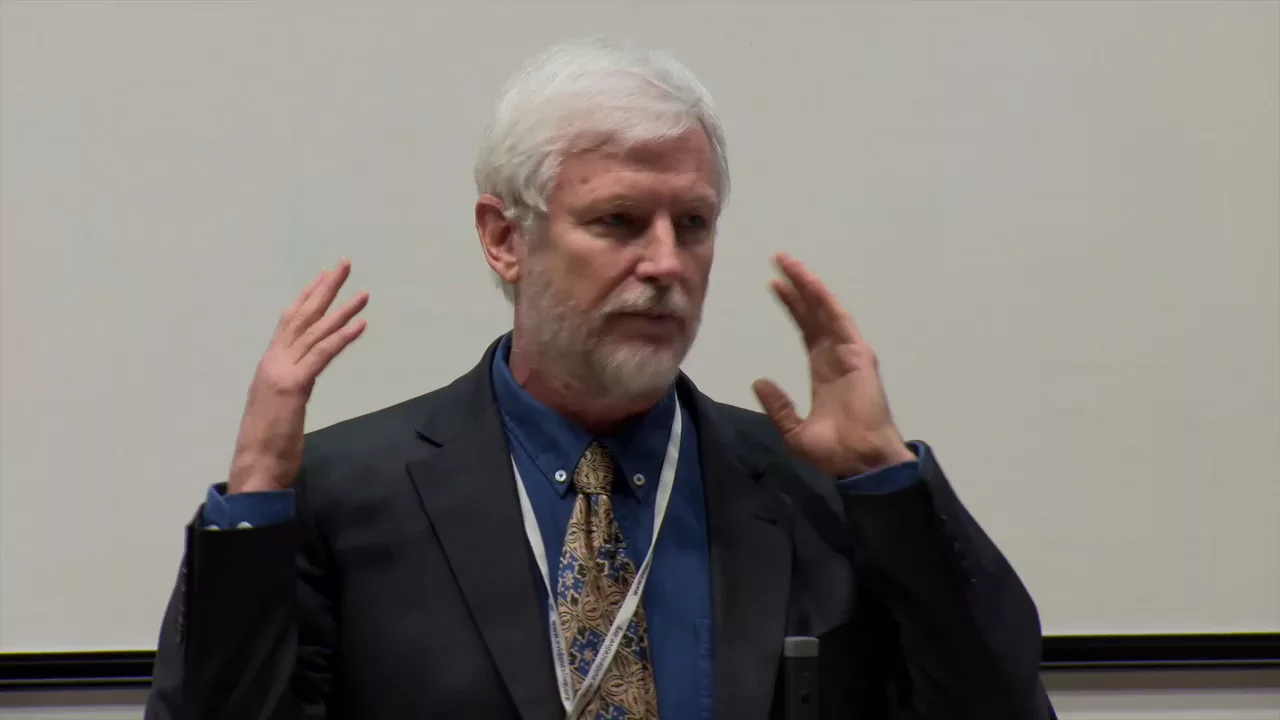

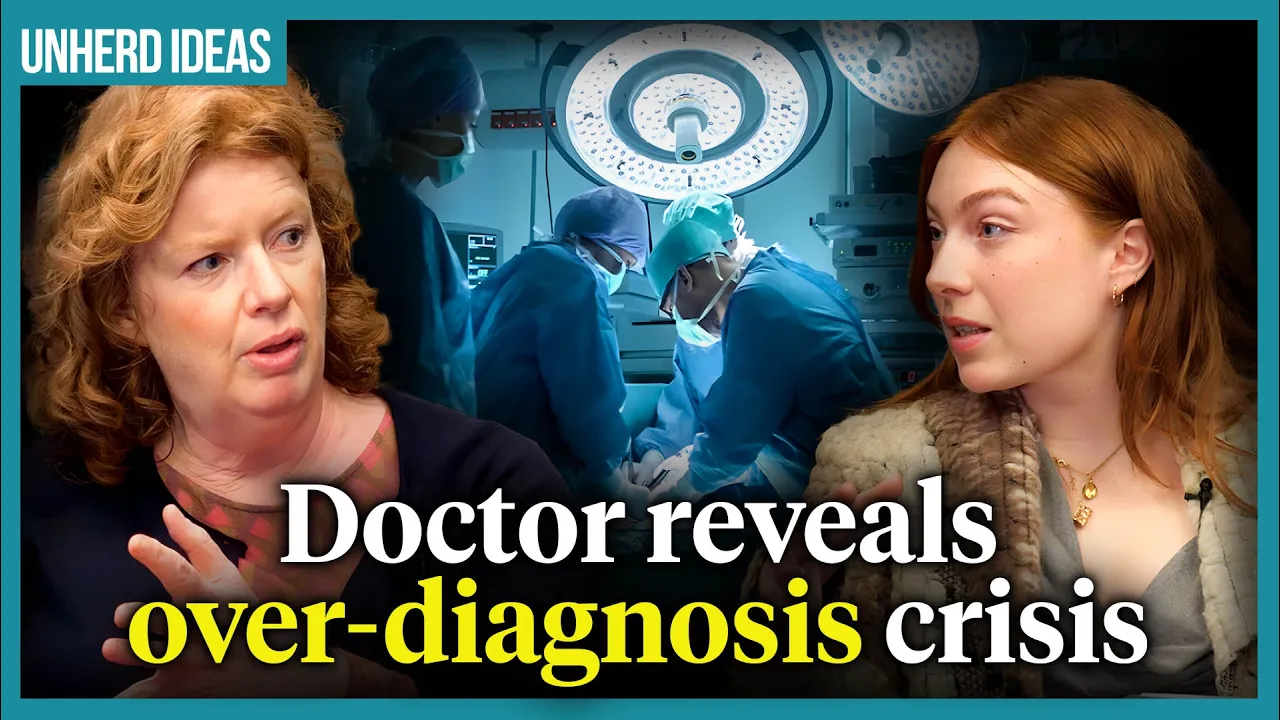
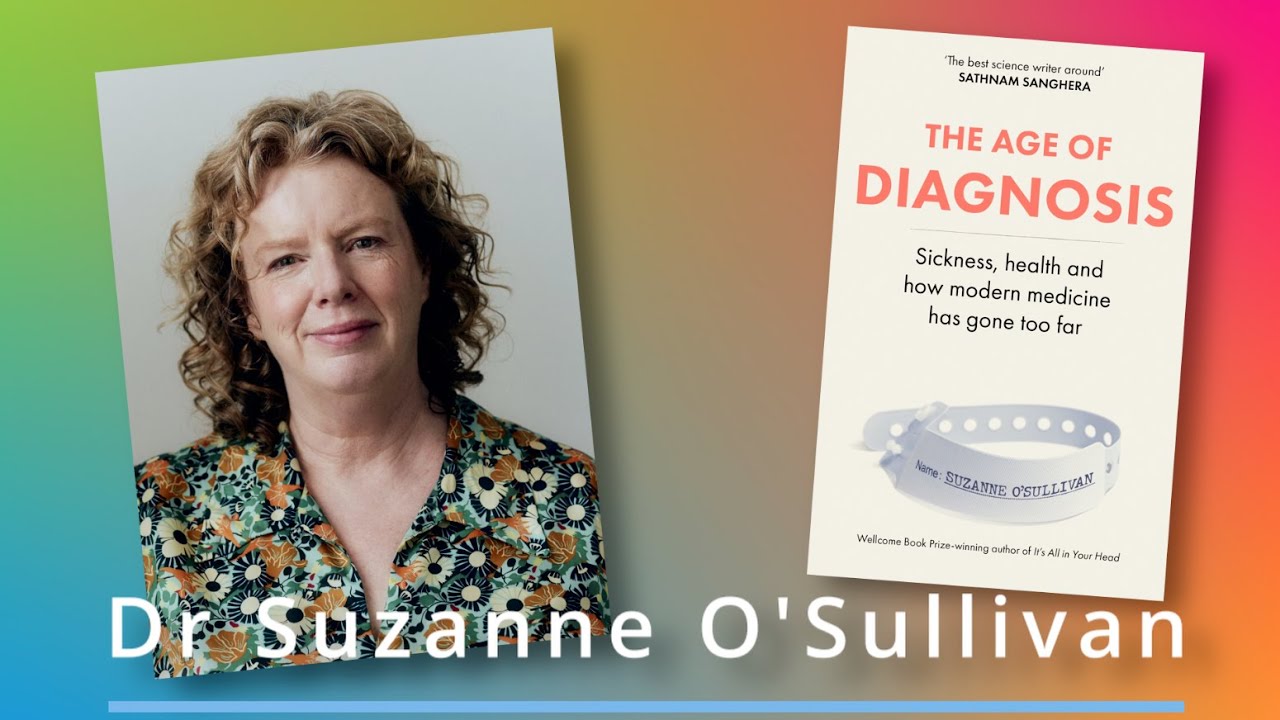

Medicalization is the process by which non-medical problems become defined and treated as medical problems, and it has been expanding significantly since the 1970s, with conditions like ADHD, obesity, and PTSD being increasingly categorized as treatable disorders; this process involves multiple engines including biotechnology, pharmaceutical industry marketing, consumer demand, and social movements, though there are countervailing forces of demedicalization such as the disability rights movement and GLBT advocacy that challenge this trend.
Medicalization of Society: How Human Conditions Become Treatable Disorders
Added:Understanding the sociological concept of social constructionism, specifically how social categories and norms are shaped by human interaction rather than being purely biological facts.
The distinction between 'illness' as a subjective personal and social experience, and 'disease' as a clinically defined biological pathology.
Familiarity with Talcott Parsons' concept of the 'sick role,' which describes the rights and obligations society grants to individuals deemed medically unwell.
An introductory grasp of the power dynamics within the healthcare system, including how the authority of medical professionals is established and maintained.
Analyzing 'demedicalization,' the sociological process where conditions (such as homosexuality or certain forms of deviance) are stripped of medical labels and redefined in social or political terms.
Investigating 'biomedicalization,' which explores how modern technologies, genomics, and digital health tools shift the focus of medicalization from diagnostic labeling to bodily optimization and enhancement.
Examining 'disease mongering' and the commercial drivers of medicalization, specifically how pharmaceutical companies, insurers, and consumer advocacy groups expand markets for new treatments.
Evaluating the bioethical and economic consequences of overdiagnosis, clinical overtreatment, and the medicalization of natural life stages such as aging, childbirth, and grief.
35.4K views329likes1:45:31Original Release: 2013-04-04
good afternoon everybody I'm Frank kessle I'm a member of the leadership team a senior fellow and member of the leadership team of the health policy Center and I'm delighted to welcome you on behalf of Gabe Sanchez our acting director and everybody else associated with the center staff uh other faculty and especially students who you should know are very much involved in planning the speaker series so I want to welcome you to this the second of our series and spring series and I especially want to say uh how pleased we are because not that you not only because you're all here but S as a byproduct I think of the fact that this uh particular speaker event is largely due to the efforts the initiative of Kristen Barker and people in other people in sociology um I'll simply say that the center has always attempted sometimes more and sometimes less successfully to build collaborative relationships with other places spaces and people on campus and this is by far the best example of that kind of collaboration so I'm I'm especially thankful to Kristen and we are especially thankful to Kristen and the sociology department and I am therefore um pleased to have Kristen introduce our guest speaker hi welcome everybody and um thanks to everybody who's participated in putting this together um especially Estella uh who has I couldn't have done it without you so thank you so much Estella um it's a really great honor um to me personally to introduce uh Professor Peter Conrad um I'll just give you a few of the formal things about Peter and then I want to share a little personal detail uh uh Professor Conrad is the Harry copelan professor of social sciences at brandise University he received his PhD at uh in sociology at Boston University he's been at brandise since 1979 he served as chair of the sociology department for nearly a decade and he is currently the chair of the interdisciplinary program Health Science society and policy which he tells me is the fastest growing major at brandise he's the author of over a hundred articles and chapters and 10 books in simple terms Professor Conrad is a legend a long long time ago when I was an undergraduate it I read a lot of books um but two of them really shaped My Life um uh I was a sophomore business major with aspirations to write commercial Jingles for television when I somehow wandered into a sociology of deviant class and read uh dramatically and I read the book The medicalization of deviants by Peter Conrad and Joseph Snider which provides a detailed account of uh how people who in our society at who at one time were considered bad or as my mother would say naughty uh came to be defined as ill so how the drunk became an alcoholic um how the Mad became mentally ill uh how unruly children uh came to have attention deficit disorder the book also explains what the reasons behind this um transformation are and some of the important consequences of it are I immediately changed my major became a sociology major took another class uh where I read the book um the sociology of health and illness um which uh is an edited volume that is put together by was first put together by Professor Conrad in 1981 last year the ninth edition of the book um was published uh and in that every Edition has contained the seminal readings that really Define the field of medical sociology um a and he's been doing that uh defining the parameters of medical sociology for more than 30 uh for more than 30 years so I said I became a major I then became a medical sociologist I'm not only the beneficiary of his academic scholarship but I am the beneficiary like many other in many others in medical sociology of his mentorship The Graduate students and undergraduate students even in this room should not miss the opportunity to talk to Peter while he's here there are few people in the field of medical sociology who know more about the discipline and none who will be as generous so please we have some events scheduled take advantage of them we're going to go for a walk in the desert somewhere which sounds treacherous on Saturday and you you can join us if you'd like uh he's been awarded countlessly for all of his work including um the most prestigious award in medical sociology uh for the the Leo um reader award for major contributions to the the subfield today Professor Conrad is going to be talking to us about a book he published in 2007 with um the Johns Hopkins University press the medicalization of society on the transformation of human conditions into treatable disorders a review of this book which appeared in the prestigious New England Journal of Medicine demonstrates the importance of his scholarship well beyond the confines of medical sociology and I'll just quote briefly from that review recommended reading for practicing Physicians or better yet for all physicians in training the so-called Gatekeepers need to be reminded that reductionist medical perspectives are problematic and at and that the best Solutions account for the social complexity that is inherent in The Human Condition please join me in welcoming Professor Peter conr that's okay I'm just trying to figure out how to get this thing to work ah there we go there I am now it's familiar territory um I'm I'm glad to be here it's really nice to see people that are interested it's also really nice to be in New Mexico after the Boston winter they still snow on my property um snow you know that's that white stuff that comes down um but uh and I've I've been to Albuquerque only once before and I I really really liked it when I was here my wife and I both liked the deser a lot and uh I look forward to actually hiking and doing all of that but it's even more fun to come talk about things that I think are are important I I just to graduate students I want to just to say one word about this era I'm probably have written more about ADHD and medicalization than I've written about other things in my especially Med about medicalization when I was writing my dissertation which was about ADHD then called Hy of children when I wrote my dissertation proposal it had the really really boring title of factors in the identification of hyperactive children this was 1974 when I or 73 when I wrote my disertation proposal it didn't mention the word medicalization in anywhere in fact I'd never heard of it it did it and only and then I went out and started collecting data and I started to say to see I I was doing research in a major Pediatric Hospital I was interviewing a lot of parents most mothers about their children and at that time I could actually look at school records and school or or School referrals actually to the program you couldn't do that now um to see why people thought that these kids needed to come here for the behavior problems that weren't obviously medical problems or at least weren't medical problems in the traditional way this major Pediatric Hospital dealt with medical problems that being said it was only halfway through writing my dissertation I read an article by Irving Zola called called medicine is an institution of social control and learned about the this term that he used there and know not a lot of people had talked about called medicalization I said oh my God that's what I'm studying and that's what I've been studying for the past 35 years so it's just interesting when you start your and I've done other things in between also but on and off for 35 years but what's really interesting is you don't know what's going to hit you in the face and I know I look at what I proposed in 1973 74 and I should have figured this out I should have known but I didn't and it was only this reading this and then it sort of changed my life my professional life so I'm going to share some of that with you now so when we talk about medicalization let's all get on the same page it really simple it means to make medical I used have to explain to people what it is you don't have to explain to people anymore everybody sort of gets it now because it's h when I started studying it it was on the edge of Sociology on the edge of the world people didn't necessarily think about that now you talk about medicalization some people still say well what does that mean you explain to them it means to make medical some things that weren't medical you give them a few examples they all get it now and if you want a more technical definition I I put that up here too medicalization is the process by which non-medical problems become treated as medical problem defined and treated as medical problems usually in terms of illness or disorders people when they talk about medicalization think you're always talking about overmedicalization but that's not the case we can talk we we can talk about there can be arguments made for some things that may be over medicalized and one population ADHD for instance in Suburban middle class populations and under medicalized in other populations or at least if you believe that the categor is viable um so medicalization when people talk about it they they almost use it as an epithet sometimes like it's a bad thing but sociologists you all need to understand that we study zations industrialization secularization urbanization medicalization it's not necessarily a good or bad thing when we study urbanization we don't necessarily say oh let's get rid of cities you and close them up everybody back to the countryside they tried that that doesn't work so I think it's really important to recognize that when we talk about medicalization we're not necessarily talking about overmedicalization and not necessarily talking that this is good or bad I'm I'm going to emphasize in my talk today what I think are uh some of the difficulties about medicalization but that doesn't necessarily mean mean that's the only thing that we and in fact I have a part in here if I have time uh I'll talk about what I think has been a beneficial as aspects of medicalization very specific thing so and the other thing is that medicalization isn't necessarily good or bad medicalization is and as we as sociologists need to study what medicalization is and what its consequences are without making the moral judgments of this is good or bad or the moral judgments of this is really an illness this is really disease we're sociologists we know this you're doctors you're really stupid you don't know that this isn't really a disease it's only a social construction you don't have to get get there you don't have to go there what the place you need to go is to say I want to understand how people decide that this condition this set of behaviors is something that's a medical diagnosis and how they how they believe it or justify it and what the consequences are you don't have to say that this really exists or doesn't exist because in fact you get into territory so I stay agnostic on those things I I'm I'm really agnostic if you ask me later about what I really think about ADHD I'll give you my opinion but my opinion is different than my analysis okay so medicalization is growing and expanding when I first started writing about it uh in the early 70s these were conditions that that were medicalized some of them were familiar to you some of them were not but these were medicalized you can make arguments about what the date was and so forth since 1970s you can see there's about four times as many and I'm only to putting up the categories that that are common I mean things like if I when I first started teaching medical sociology in the 1970s we didn't know what the word anorexia meant obesity was not seen as a medical problem um PTSD was unknown um erectile dysfunction that was called something else and it wasn't and it wasn't a a common medicalized uh it was called impotence what an awful word isn't it impedence no power um feel alcohol s of sleep which is be I have a student writing a dissertation on on medicalization of sleep on sleep apnea fascinating but it was not a medical problem sleep was what you did or didn't do you know um you what you avoided or or what you aimed for but it wasn't considered a medical problem I mean there were sleeping pills always just like there were pills for other things but that doesn't didn't necessarily make them medicalized in the same way and on and on I won't go so let me talk about the characteristics of medicalization I already as I already started to say that the key to medicalization is a definitional issue how the problem becomes defined and what what it consequence so the definition is is the issue you don't have to have as I'll say this a couple of times physician necessarily very involved one of the most uh long-term medicalized forms of deviant Behavior has been alcoholism and the alcoholism was defined not because Physicians wanted to medicalize it but because Alcoholics Anonymous did and they had although they had a very esoteric view of medicalization they were a social movement that basically medicalized alcoholism so and the key was the definition of it and not necessarily physician involvement there are degrees of medicalization we have some some forms of medic some forms of conditions or behaviors that are fully medicalized in our society despite reforms in the last 30 years or 20 years child birth is largely medicalized in our society um and we can think of schizophrenia is largely medicalized in our society whether or not people get good treatment for it or not is a separate issue but it's nobody's going to say oh schizophrenia that's a lifestyle no um and then there are things that are hardly met ized in our society internet addiction or um what was the other one I was thinking of uh internet addiction gambling addiction sort of in the middle is is somewhat Med somewhat medicalized and then there are things that where there there are different kinds of there are there are different kinds of views on it uh opiate addiction there are people in our society who treat opiates opiate addiction treated as an addiction treated all addictions as a as a sickness oh I know the the non-medicalized shopping addiction shopping addiction would be another one like internet addiction that it's somewhat medicalized but it's not really medicalized I think if you put shopping you went to your doctor and said oh I'm I'm not feeling very well what's the matter I have shopping addiction well I I'm sorry I don't diagnose that then you leave say she has Doctor shopping addiction there's a name for that actually too but anyway the point the point is is the degrees of medicalization and to say that something's medicalized it's not like a toggle switch some things are more medicalized than others some things are contested as as I was just beginning to say about uh opiate addiction I mean people who have o opiate addiction can get medical treatment other people get have opiate addiction end up in jail and what the difference is uh as probably sociologists can tell us very well about that categories can also expand and contract I'll just name two two of my favorite examples of that as I mentioned to you earlier PTSD post-traumatic stress disorder was not a very well-known disorder in the 1970s but we when we began to have soldiers come back from vietn the Vietnam War who had flashbacks and who had headaches and were somewhat depressed and had night sweats and mainly the flashbacks that they came this claim of a new disorder called post traumatic stress disorder very similar to what shell shock had been earlier but it came with the Vietnam Vets if you look jump to the 2013 now we have PTSD for people who had child suffered child abuse or sexual abuse or violence in a relationship or people who have viewed violence or people who' been part of a uh some kind of natural de Calamity like Katrina or something like that or people who have just even uh been experienced a lost family or something in in some situation like that we have just expanded and I'm not saying it's right or wrong it just is that we just expanded what we call PTSD I will say a few caveats here I'm I'm married to a physician my wife was an emergency physician for 20 years and we've had discussions with PTSD she said I don't know what it is or whether it's really valid I just know it's very useful for me to know about it because it tells me what to do as a physician and that's an interesting that's an interesting way of looking at it it still doesn't begs the sociological question of how did it get to where it got to and what are its consequences um the second example of expanding ADHD I've actually expanding categories is ADHD which I've actually done research on in the 1970s adht was talked about 250,000 to 500,000 Kids 6 to 12 um who had this had this disorder and then most half the kids outgrew it by the time they were 12 at least that's what people would say uh and the other half had other difficulties but mostly the focus was there now we talk about ADHD there's adult ADHD just read CDC says there four million adult adults with ADHD and or they call it adult ADHD um when when now and is redefined ADHD is a lifetime disorder it's not something you you you you sort of outgrow um and the difference between ADHD also in the six in the 50s I'm sorry in the' 70s was that it was 9 to1 boys because people focused on the hyperactivity part but eventually when they changed the definition to focus on attention as opposed to behavior suddenly they looked at the girls sitting in the back of the room the ones who were spacing out you know look looking like looking like that and said oh they have ADHD too they they just don't have the the hyperactivity part they have the space out part and since the word space didn't go very well in the DSM they just no but but but they it's an example of both of those are examples of categories that became established in one way and have grown in other ways so when you talk about increasing medicalization I talk about the increase in categories which you just saw but you also have to talk about the expansion of categories how categories that were narrowly defined at one time became more broadly defined to include many more people and as I think about the DSM sort of slice slice and dice the diagnosis further and uh they can also contract how many people get a for instance how many people you think today get a diagnosis of Hysteria very few although hysteria was the most common diagnosis in women certainly psychiatric diagnosis well into the 1920s and it's the long story what ever happened to hysteria just got named other things but still I mean the notion the category itself uh contracted and and then I'll give you well I'll give you an example about categories that almost disappeared and I already mentioned variable medical involvement that there's a lot of Med some some of the diagnosis well I'll even go back half a step people used to think that medicalization was medical imperialism doctors trying to go out and capture the world and colonize all these not true it's true in some cases true in some cases most cases when you look at them are much more complicated than that in fact there were things like alcoholism that doctors wanted nothing to do with until the 1970s and there became money available for many IA to do research on it because then do most doctors will tell you they don't know what to do for alcoholism even today go to AA it's good you know um so there's variable doctor involvement sometimes you obviously see a lot of doctor involvement sometimes you see doctors with certain being certain kind of entrepreneurs for certain kind of activity a recent one uh is pediatric bipolar there's a some of you may know there's a doctor named be Beerman who is a very well-known um I guess he's a neurologist or child psychologist child psychiatrist uh who has been promoting pediatric bipolar as a disorder um to the point that there's now 40 times higher rate of diagnosis of pediatric bipolar he he and I don't want to go in the details of it but sometimes there is a kind of doctor entrepreneurial cases but that's tends to be a relatively rare case they're mostly much more complicated but my point here is that you you don't need a lot of doctor involvement for certain kinds of medicalization medicalization is also bidirectional it can go you things can become medicalized and they become Dem medicalized and the two examples of of demedicalization I'll mention briefly here some of you may know these from others but I'll uh our masturbation and homosexuality if you look in the medical literature particularly between about 1870 and 1920 uh you'll see there was two diseases related to one another there both we would call them both today masturbation there was masturbatory insanity and there was on on onanism onism means from the book of Onin in the B Bible spilling your seed and all of that um the notion was and it's particularly true in Germany actually uh but it was true in in the United States as well there was a concern about boys especially who would masturbate mostly at night and there was a lot of concern about not what they called nocturnal emissions that the people had Medical Treatments for this and the only reason I put this in in my talk here is because it's it's interesting and it's an interesting example for example they had treatments where they would tie a little string to a little boy's penis and put it up to a bell so if he started touching himself the middle of the night ding ding ding ding you know Daddy could run in little sick freed what are you doing but this you know or putting or or putting a a ring around a little boy's penis that if you got an erection a ring with little Sharpie edgy things that that if you got an erection you you'd know it and maybe daddy would know it too um the the this these were in the medical textbooks the I'm not you can't make stuff like this up because you know just beyond and there are other examples of which I won't bother with there were very few cases of female um masturbation but if they were they were much more seriously treated um the notion was that women didn't have much sexuality and if they showed that sexuality there they were either going to be fallen women or there's something seriously wrong with them um and the in the extreme cases they did clitorectomies on on women um in in that same era so you can you can see that the kind of we laugh at the kind of things they did to the boys and nobody makes a sound with the things they did to some of the girls Al there were much much fewer of those so you could see today we think we don't think about masturbation at least in as an illness when Freud came along he he basically said well masturbation is not so much of a disease but if you're compulsive about it it's probably a disease Masters and Johnson not Masters and Johnson sorry sorry uh the Kinsey Report came in 1948 and 40 and 1953 male report and female report about American sexual practices lots of problems with the methodology but we'll leave those aside um and Kinsey reported that 96 93% of men had masturbated and 70% of women 70% of women my god um and suddenly suddenly it was kind of normal and the Masters and Johnson the human sexual response wrote in 198 1979 or in the 1970s anyway uh wrote about the human sexual response physiologically and they wrote in their book well it's the people that don't masturbate we're concerned about because they they were oppressed so we had masturbation I am certain it was the same thing in 1870 because there's only limited things you can do um to to about you know 2010 or or or so it's the same thing but the definitions have changed they've gone from medical definitions into to non-medical definitions so you don't necessarily see you don't necessarily see anybody being diagnosed in this way anymore homosexuality you all know the story and and some of it gets repeated now that we have the Supreme Court case just to show how how far we've come um but masturbation was one example but homosexuality is a more re more recent example in the 1970s and some of you are old enough to have been there uh it was a time of time of change time of social movements it was the the anti-war movement the Civil Rights Movement the uh environmental movement the women's movement uh all sorts of different kind of social movements and there was surprisingly to many of us at the time A Gay Liberation movement that emerged the Gay Liberation movement em emerged in the late 1960s and was began to bloom in the 1970s and gay people in the United States felt oppressed and they looked around for who their oppressor was and they looked around for who their oppressor was and one of the oppressors they said was Psychiatry because they think we're sick because we're listed in DSM as an illness homosexuality as an illness so they organized uh both inside and outside of Psychiatry uh they would spent three years picketing various APA meetings they they they organized uh research seminars about it um speeches and really pushed psychiatrists to reconsider homosexuality and illness I'll leave the details out but in 1973 they had a vote now I like I like the apocryphal image there was a big room and you could you could vote directly you know it's like all of you who think homosexual is an illness raise your hands all of you who think homosexuality is not an illness raise your hands okay we've just voted it out homosexuality is no longer in the DSM and it's no longer an illness that is true that is exactly what happened happened by happened by a mailed ballot it didn't happen in person but I like the image of happen having in person with all so this is the Democracy a little democracy but even with all the other things that have occurred in the past 35 years uh some of which I've done research on and written about things like the so-called gay gene and and other in a greater number of people gay and lesbian uh men and women who believe that believe that whatever their sexual orientation is is is is innate is part of them is part of their identity part of who they are as opposed to in the 70s they they told the psychiatrist homosexual is not an illness it's a lifestyle who would use that term today nobody so it's just in they call it today maybe a sexual orientation or something but they wouldn't call it a lifestyle but anyway these are the two two major examples and there are probably a few others that we can see about demedicalization compare that though to a list the list I showed you of medicalization earlier and you'll see which way the which which way the wind is blowing as Bob Dyan said you don't have to be a weatherman to know which way the wind is blowing all right so engines of medicalization what is present what is causing all of this I hesitate to use the word cause like that I put it in quotes but what are the factors in the earlier days I talked about the medical profession interprofessional organizations contest and social movements I'm going to skip talking about those because they're still important and I've mentioned some of those already in terms of medical entrepreneurs and what have you or uh different kind of conflicts or AA is a social movement and I'm going to move up to what I think has happened in the last two decades in the last two decades I think there are what I call the shift the shifting engines of medicalization we have biotechnology especially the pharmaceutical industry but in the future in the future genetics genetics I'll say a little bit about today but your children and my children's children if medicalization goes in the same direction it's been going for the past 30 or 40 years a lot of the conflicts and issues will take place in genetics and Neuroscience um but I'll I'll get get to that second is is consumers and when you talk about medicalization talk about consumers it's a whole different thing it's a whole different thing you know I'll give you an example and I I use the word Managed Care here you could just fill in health insurance as as you know instead of saying managed care physicians are still involved but they're more subordinate in the process they're largely Gatekeepers um in the expansion and contraction of uh of medicalization and we've had you know new kinds of categories medicalized that we wouldn't have even thought of the largest and most one the most interesting I won't say a whole lot about it has been the medicalization of obesity um whatever risk factors obesity creates we is one thing but but to see obesity itself as a disease and be able to treat it is another in fact I used to I used to say that one of the constraints on medicalization was that insurance companies wouldn't pay for gastric bypass operations no longer true they will under certain conditions so that shows Once More how bad sociologist are predictors dry oh yeah thank you someday I they will come and they will bring me a special bottle of medicated water just just for this talk we already have it all flavors we can have it medicated as well why not just you're drinking it anyway you may as well anyway this is something I've done more recently with one of my graduate students and with a health policy guy at the Rand in Rand cor whatever it's called at University of Pittsburgh I want I've always wanted to know how much medicalization costs how much it cost the Health Care system I mean that's not a way that most people look at it it's not the way I look at it but I was interested in it and I won't I'll spare you the details here but we looked at 2005 when the G G&P uh share of of medical cost was 16% and we looked at the direct cost only the direct cost not indirect cost of 12 medicalized conditions uh using the 2005 MEPS data and other National Data and published it in 2010 social science and medicine uh and we came to the conclusion that about 77 billion dollar is spent on medic medicalized kind and this is not to say this is good or bad or anything it's just how much it is about 3.9% of total domestic spending on Healthcare now I can't figure out whether it's a lot or a little it's it's as much money as we spend on public health so think of that public health is everything that means we don't spend very much it's also about as much money as we spent on cancer cancer is a big disease so it's it's not a small number but it's not an overwhelming number but I thought it was just interesting if we just take a cut of an angle like that anyway I'm going to skip this this is from the Deviant and medicalization all I wanted to say about the couple of things is that there there are brighter and darker sides to medicalization of deviant there were there were good reasons good possible benefits for somebody either people who have the various conditions and disorders and possible detriments for society or other or people who have the disorders um and I won't go into those most of those have been talked about I'm sure elsewhere and so I'm going to talk about now what I think are some of the major discontents with uh medicalization these at least their discontents that I have when I say what are the consequences these are some of the sociological consequences my biggest concern about medicalization if I have to have number one if you take home one take-home message for me here today is my concern is the pathologization of everything turning all human difference into some kind of medical disorder um turning all difference into pathology some of you may have heard of the this article I'm going to tell you about the last well person the last well person uh was published by a written in the New England Journal of Medicine in 1994 you know it's written in New England Journal of Medicine that's in a very special place um and by a guy named midor who is a physician himself and it it goes it's a story it's an allegory and it goes something like this a college professor in a small Midwestern oh it turns out to be in Ohio College uh went to for 45 years old or something like that went to his GP for a checkup and the GP did one kind of test cholesterol another kind of test PSAs another kind of test blood pressure on and on all these other kind of test blood work and all of this and did a full kind of round and found nothing wrong with it this patient and this was the last well person this was the last person in the United States without a diagnosis now I I this was written as an allegory of course but it's an interesting notion because we have now created so many diagnosis turned so many things into pathologies that we that we now have you know my concern is the pathologization of everything um there's a guy in North Carolina named Norton Handler who's also written on this topic and I think it's really interesting and also just it's always raised in the back of my head is whatever happened to hypochondria can somebody still be a hypochondriac I mean or will everybody actually get a diagnosis and you're not a hypochondriac anymore interesting paper for somebody to write whatever happened to hypochondria second second my second issue uh when I talk about the what what I think are some of the dilemmas about medicalization is uh the increasing medical definitions of normality the medical profession is increasingly defining and this is true in medicine as well in Psychiatry with the DSM it's true in a number of different ways is increasingly defining medical Norms as social norms and you can argue on individual cases whether it's a good thing or bad thing I'll give you a couple of examples um of that and increasingly we have the pharmaceutical industry now doing this the pharmaceutical industry in but to promote its Wares has promoted what is conceived of as as normal behavior let me give you just three quick examples I'm unfortunately I'm not always that quick but three used to be quicker but that I don't take my pills anymore no not true not true um I mean not true that I maybe true that I used to be quicker but I the pills is a joke um aging and sexual performance those of you who are under the age of 25 here let me tell you there was a world before Viagra people did have sex before Viagra it's hard to believe but but they did when Viagra first came came out um I think it was 1998 or something like that it wasn't that long ago when Viagra first came out it was introduced first place oh I'll tell you first best part of the story this is what everybody remember from this this talk does anybody know how they discovered Viagra how did they discover Viagra I think they it was a heart medication it was an anti-hypertensive medication right but how did they discover Raaz a diet but how did they discover the men were not they they had it they had it out out on trial the men were not returning their extra pills that's the truth and drug companies being smart as they are said why are these guys well they're kind of side effects I kind of like I kind kind of think they're and so the drug companies which are they're anything but stupid said there may be something here and so what they did was they first place they changed the definition or at least were involved in changing the definition from impotence to erectile dysfunction or or sex eventually sexual dysfunction uh it was much nicer term than impotence and and I totally agree with that when they first presented the drug the drug they actually promoted it for people who had medical conditions like diabetes or prostate cancer or some kind of surgery that had physiologically based erectile dysfunction that they they had now some kind of treatment for but that didn't last long because then they said well you know there's a lot of people who have who have this kind of trouble with rectile dysfunction and and we we should help them too and so they started with older people some of you may remember Bob Dole Bob Dole was a vice presidential candidate and I believe later a presidential candidate if I keep that straight um and he came on television and he advertised this is you know when you want you want to get invol he he advertised Viagra and that you know he took Viagra and then then they said well old he represented the old people then he then there's another group of people this well you know old people we have other people who you know still have sexual dysfunction and I'm sure that sexual dysfunction exists as long as people tried to have sex because it's just what happens sometimes um we have other PE we have other people let's see if we can get the most men people they were talking about obviously uh and then they had Raphael pomero some of you know rapael pomero was a big baseball player and he's he had an advertisement you can find this on on YouTube if if you want where he said basically I take batting practice I take Viagra and there are other there other football coaches and athletes so now Viagra was becoming normal and I as a student of medicalization I became interested in this so I called two of my two or three of my local hmos and I said do you pay for Viagra on on that and on your health plans and they said depends what's Health Plan I said okay but what do you what do you what do you you pay one of the what do you allow and said one of say we allow four pills a month another one said we allow six pills a month third one allow eight pills a month how do they know what's normal you know how they're making it up um so it's just interest and I'm talking about this kind of the pharmaceutical industry creating Norms I mean here here you have the pharmaceutical industry together with the health insurance industry um and then of course you've you've all seen the more recent Viagra you don't have to be old anymore you can be young and you come in you know the office you come oh what's new with Ted I don't know do he have a new haircut no does he have new clothes no does it does he have you know did he get a raise no well yeah very good I'm a punster but he got me there um and then across the field across the the screen after the third question is Viagra and so and now you see they've changed they they've tried to find drugs for female sexual dysfunction this whole medicalization uh of that there's a great movie if you've never seen it called orgasm Incorporated I encourage you to see it um but anyway anyway of staying with the the men but making it more of a couple's disorder then we have uh the Levitra and and and what's that other one seis right and and and the two bathtubs looking over which looks like could be New Mexico because you they seen for a long way um and it's and this the the tagline is perfect s Calis is ready when you are but you can see the the medicalization of sexual performance because now we have not not not only do we have 60y olds who think they can be as vigorous and vibrant as a 25y old when if if they just read the literature at 29 you peeking your testosterone it goes downhill after that although nobody knows really what testosterone does related to this but anyway the the point the point is now people take Viagra not because they have sexual dysfunction because they're worried they might have a sexual dysfunction so you can just see see this all right second example shyness shyness shyness used to be a trait that was actually kind of attractive oh she's she's really you know she's sweet but she's kind of shy or oh he's a really cool guy he's just very shy but now now we have a drug for shyness although you don't know that you may not know that yet when paxel was introduced paxel is an SSRI it went into a very busy and and wellp populated SSR Market Prozac Zoloft and half a dozen other drugs were already there so the people who are promoting paxel said we need to promote our drug differently so they what they did was they found a what was that time a rather obscure diagnosis in the DSM called social anxiety disorder and they planned on and you can read this in in a book by Christopher Lay called shyness chapter 2 I think is it's a brilliant chapter because he got he actually got the uh Records through a court case from galaxo about about this promo about this promotion it's it's a brilliant chapter he's an English professor at Northwestern but that's what medicalization travels um but anyway um the drug company began to to say well we what we need to do is brand this this is called condition branding I only learned this from reading the marketing literature condition branding we have to Brand this social anxiety disorder so they started with hiring a firm in New York who was going to promote this the public relations for firm and they started by having bus kiosks with imagine being allergic to people and it didn't say much more than that and it said small letters social an xiety disorder and then they started promoting it in magazines and and I believe on some telev early television director consumer advertising by the way direct consumer advertising is only legal in United States and New Zealand but the uh Genie is out of the box and there's no way to put the genie back in the Box we're going to we're going to have to live with it um but anyway they started promoting it on in magazines on television and they said do you have trouble at cocktail parties hard time meeting new people uncomfortable giving talks in public and there's two or three other things that I don't remember see your doctor because you may have social anxiety disorder and none of these people thought there was anything ever wrong with them and they looked fairly normal when you see them on the T TV but yeah I had sweaty armpits you know when I was given talks and I had attractive young women I it to meet I was kind of unsure that I go meet her you know maybe I should take paxel um but they didn't advertise paxel they advertised social anxiety disorder so maybe I have social anxiety disorder and then three months later do you suffer from social anxiety disorder if you do backel so they created the disorder made it public and then gave you the treatment for it now I'm not suggesting by the way that nobody benefits from drugs I I I throw this caveat in here all the time because some people think I'm anti-drug and I'm not at all anti-drug I'm anti what the drug companies do sometimes but I'll tell you I had a sister who had five major depressions in her life was suicidal in two of them uh was hospitalized for all five of them and in between had an excellent life and thank thankfully to ssris um so I mean she had you know a lot of benefit from drugs so I'm not anti-drugs but I am I am very skeptical of what some of drug companies do um anyway uh and so shyness now how much time do I have well tell me it's 10 to one what time do we end one what time do we have oh I okay just remind I I have time anxiety disorder I have interruptions oh I had that too that's why they thought I was ADHD when I was a kid Peter you you know can you sit down and raise your hand I said one or the other I I will tell you here True Confessions I was the kind of kid between third grade and sixth grade the teacher would say Peter would you could you leave the room so we could continue class you know and all I was doing was going back and looking at the Goldfish or the encyclopedia in the back or something that was more interesting going on in class and I was can't you behave better his parents sent him to Catholic school and he wasn't even Catholic but he said the nuns they knew what to do no ADHD in Catholic School how many of you went to Catholic School am I right you went well that's a whole another story we won't medicalize that um the the last one I I'm already over time here last one I won't say I've written about a human growth hormone in shortness little say that one what I will say about it is I'm very what one of the things I'm very interested in now are biomedical enhancements and I'll say a little bit about it later but there are very few biomedical enhancements other than cosmetic surgery um what interests me really are the potential of genetic enhancements there are no genetic enhancements yet to speak of but there will be I gu guaranteed uh guaranteed there will be if it's not your children it's your children's children it's they they will be there we because we just do a lot of enhancements the one I enhancement I could study was shortness and human growth hormone um I I won't go into the details here but it there was it was an illegal thing done by Genentech because you were allowed to they developed this artificial human growth hormone 1985 um and you were allowed to use it for people had growth hormone deficiency but not for anybody else it wasn't approved but the drug companies promoted it for some for well you know you got short kids you can give it to them and eventually they were Su they were sued and had to pay I don't know $100 million kind of lawsuit uh from illegally promoting it but the notion is that they promoted this drug and you give it to six to 12 year olds you have to give it to for five years and you get about two inches on the average and it cost about $10,000 a year so I thought it was about $50,000 an inch it might be worth it to somebody or not but anyway the whole notion of shortness as as a kind of body condition uh was promoted uh as an example of that but what I want to say is about that is that biomedical enhancements be they cognitive enhancements or body enhancements or is one of the areas where we will see increasingly medicalized and increasingly medicalized by consumers as well as commercialized Medicine by both again it may be a good thing all right the third the third is the sociologist will be familiar with this this is my my thirdd um medicalization and it discontents is the expansion of medical social control uh those are some sociologists have written about it uh D David Armstrong in Britain uh wrote a very nice paper on medical surveillance and the and the idea of how many parts of our bodies are now under medical surveillance how many different kinds of measurements people do and the more measurements people do the more they're going to find certain measurements on on one end and those will be labeled as is risk and sometimes that's a medicalization of of of risk um and there's a lot of debates about those things but that's a different kind of slightly different kind of medicalization but I wanted to mention it here and then of course there are medical social control mechanisms and I'll just mention two cases that I think are interesting that I have a graduate student doing research on one and there's been writing on on the other um and that is the use of psychoactive medications for what appear to be social control as much as as much as uh therapeutic treatment and the two cases I mean here one are geriatric people who are in nursing homes geriatric there are the highest rates of psychoactive drug use without me mental health diagnosis in any place are in nursing homes um that is a form of medicalization it's not medicalization creating the definitions uh the diagnosis but with the use of drugs and again maybe it's a good thing if you work in a nursing home you might say it's a good thing I don't I don't want to say that it just is the other one is one that I've just learned about because I have a student doing a PhD dissertation about is foster care foster care has the highest rates of medic psychoactive medications of any kids anywhere and um four times higher three to four times higher than you'd expect in in a normal population now the question is are these kids more Disturbed they've had a lot of bad experiences some have to go from Foster Care to foster care how much of this is a case mix I don't know the answer to that the second question is how much of this is just social control um you it's a way in which to keep the kid in the family well we can medicate them and the third is maybe it's just identification All forer Care kids at least in Massachusetts get a mental health exam all kids don't get a mental health exam so if somebody gives you a mental health exam some percentage of those kids will be found to have some disorder that can be in fact treated with psychotic medications my point is only that these are forms of medicalization that don't always fall on the list easily listed categories that I came up with earlier I don't think I have time to talk about medical excuse but medical excuse goes all the way from parents having to bring in a note for their kids in school why Johnny was absent oh he had a cold he couldn't come in to Johnny was AB absent oh yeah he wanted to say needed to see his his favorite cartoons Johnny can stay out of school because he's got a cold but he can't stay out of school to watch cartoons that's medical excuse is something you can you can have I was in in uh the Vietnam War I was a draft counselor during the Vietnam War I was actually conscientious objector eventually uh there were lots of people who got doctor's notes to get out of the Vietnam War there were lots of women in the 60s that got abortions because they got two do this is before roie W because they got these middle- class women who got two letters from doctors that said that they would harm themselves or harm the child if they had to continue the pregnancy and so they could get then a therapeutic abortion these are medical excuses the most extreme of this of course is the insanity defense somebody doesn't have to go to jail or or or be executed or hopefully not but um but they're either depending on state Guilty by reason of insanity or Not Guilty by reason of insanity that's the extreme of of that sometimes they're funny little stories about that I went to a State University and they had they had um compulsory ROTC Air Force RC I put on my shoes cleaned them up put on my uniform and I marched for the second day of school I said this is not for me so I went to my doctor this is true true story and I said I can't I'm I can't do this and he wrote me a note that I was allergic to wool and they let me out now if he wrote me a note that I didn't look good in blue I don't think that would have done it even though you know so you have to understand the power of medical excuse in our society um and you who take classes you teach classes if you miss things and students tell you that it's a medical reason you missed it it's a different way you look at it than if you if you say oh yeah we just had a party late last night and I just couldn't get up this morning all right um this is again sociologists will understand this one the clinical view is an individual view it focuses on the individual one of the uh and rightly so by the way if I'm sick I don't want to talk oh yeah right you're you're in you know lower class African-American man no wonder you're dying oh that's very interesting I don't you know keep your epidemiology yourself and take care of me um that being said as a sociologist I have a different view of this I look at the the larger scheme of things so medical medicalized categories uh focus on individuals rather than social context soci they obscure the social forces that infu influence well-being this is like bring col Newcastle to tell you this kind of stuff reinforces technological fixes for social problems um and misses out on the on sometimes on fundamental causes particularly uh by focusing on genetic as opposed to focusing Addiction in genetics focusing on the on the individual's propensity for addiction rather than the world in which they create somebody who has a propensity of addiction to become addicted so and finally and I'll say only a few words about this because I want to get to the next two slides um consumers and medical markets becoming more increasingly important in medicalization there are increasingly amount of things that are cons consumer oriented we all know about various forms of cosmetic surgery um and all the kind of biomedical enhancements we have and the way in which they become culturally embedded you can think of you know U everything from breast enhancements to as I was say giving one of these talks somebody said oh yeah my brother got Peck enhancements I don't even know what pecs were but he did and and you can actually get butt enhancements it turns out any part of your body that you need and of course we know you can get reductions equ equally so some parts of the body want to get bigger some parts want to get smaller um and we have mediated markets and direct markets mediated markets is is a term that I use when you have to have the insurance companies involved you try to get the insurance company to pay for for something like that uh direct markets when you have it yourself um a lot of cosmetic surgery is direct markets um but there are there let's see the other direct Mark oh infertility is is pretty much of a direct Market although some insurance companies are now are now covering covering it um but these kinds of things and some of these are very expensive but there are they becoming an increasingly commercialized form of medicine and medicine has become commercialized in a number of ways one of the two one interesting example of that is when I first got interested in medicalization 1980s i or actually in the 70s when I was in interested in 1980s I wanted to do something different different and I thought I was going to do research on bariatric Physicians does how many people know what a bariatric physician is here just a couple not many Barat physicians at that time used to be called fat doctors they dealt with fat people and they dealt with um they did only two two really two things they did little management of diet but mostly they gave people various kinds of pharmaceutical diet pills and they did surgery um G now called gastric bypass or the other first cousins of gastric bypass um and they were on the edge of medicine they were almost a stigmatized form of Surgeons you know you did if you said you're a bariatric surgeon first didn't know what you did but if they did said oh you do that compared to you know all the other wonderful things but but this profession was growing and I actually thought about doing research on I used to get their journals for two years to try to keep up and try to think about this and then I forgot about it for a long time but then medic care declared that obesity was a disease and that in fact it could be treated by in in its extreme cases Anyway by commercialized not commercialized by by physicians and surgeons and gastric bypass and belts and and all all of those clips and all those things that you can use and for some people they they were they're they're actually helpful at least for a certain amount of time um but but now they bariatric medicine has moved to the center there after that occurred hospitals were scrambling to get these formally stigmatized doctors into their hospitals or forly stigmatized is too strong word marginalized formally marginalized who because this would be a cash cow for hospitals so it's so interesting how all of these things medicalization isn't simply the change in Def it's all these things underneath that are interesting as well and commercialization of medicine is another consumers are are very important engine in this I'll just give you one example of that adult adult ADHD adult ADHD emerged in the 1990s before that nobody really talked about it and in emerging 1990s in a number of ways and I'll just give you the simplest way the simplest way is it began to be two simple ways one there was a book called D driven to distraction uh that was that was WR great Title by the way um book by by Ed hell and then secondly there were increasing number of kids being defined as ADHD by by physicians the numbers were going up and parents would say particularly fathers would say he has ADHD I was just like him no wonder I can't keep my job I can't keep my desk straight I don't know I'm never on time no wonder I didn't get promoted and suddenly it became what I call the medicalization of underperformance of people who didn't feel like they were doing as well as they should because I have evidence when I was doing this research of people who actually appeared to us very successful but in fact didn't feel very successful maybe for psychological reasons but or for otherwise but who defined themselves as ADHD and they were this wasn't the drug you can't blame the drug companies on this at all because drug companies weren't allowed to advertise for adults because the drugs were not approved for adults this was a consumer movement enti consumer movement um that wanted it medicalized we just did something else running out of power that's not very nice to say maybe I need a power drug all right I'll just continue um the other thing is the med do you know what the medical Mantra is of our society the medical Mantra of of our society related to this is is ask your doctor if filling the drug is right for you and that first place emphasize the doctors become increasing The Gatekeepers because it's not follow your doctor what he says to you it's ask your doctor if it's right for you and so um that's a whole long story in itself which I don't think I should go into um so we have the changing roles of Physicians from medical imperialism to Medical dominance to ask your doctor if it's right for you so Physicians are still involved in terms of legitimation guidelines official compendiums and Specialties uh sometimes as medical experts and once in a while as medical entrepreneurs but basically they have consumers now you can read this if you can't read this say patients know more about their diseases than me I must get a faster modem higher speed internet uh access than they have than them so I've already mentioned there is points of resistance to demed to to medicalization and uh I already mentioned demedicalization so I won't say much more about that there's a concept in sociology that we used Don light was the one who introduced it and developed it about crailing forces one of the things about medicalization is there are no counterveiling forces there are people out there who who are critics of certain kinds of certain kinds of uh medicalized Behavior uh certain kind of medicalized conditions but okay um so there no countervailing forces so therefore what we have is and what I've often said we have a tidal wave of medicalization over islands of resistance on and I some of these you'll know the glbt movement uh and demedicalization um what what we you can see though even there there's not total agreement transgender people disagree for instance whether G should be in the DSM from uh other people in the lbgt movement uh there's Disability Rights Movement Disability Rights Movement says disability uh comes from society U my body is my impairment Society creates my disability again attempt to Dem medicalize the child birth movement you know about there small groups of people against ADHD and all the way from scientologists to others there people you know beautiful women of all sizes against the notion of medicalization obesity and bodies these are but resistance on the internet I I'll skip most of these but the the idea and some things Insurance W pay for but these are examples of resistance but it's there as I say the they are islands in a tidal wave I'll skip this skip this and there you have anybody recognize the face there Mike dka Hall of Famer big Brute bruy end he loves his Levitra uh this is one of my favorites go on the internet and look at anti-aging that is if if genetics is the one hand of the future medicalization and and second hand is uh biomedical enhancements aging is another one if if you really think medicalization is a good thing invest in aging because there's more and more of us us and we're going to need more and more things that people are going so this this was on business week and I thought is could that be more perfect the anti-aging indust industry and again there's nothing wrong with some of these kinds of things to do but we're talking about the commercialization of all of these kinds of things and the Turning of these things into pathologies uh this is the the designer Jean Cafe we'll have three eggs blonde long legs an IQ of 160 on the side in the very near future certainly you still need prescriptions for many of the Pharmaceuticals but there will be a time in the very near future when Pharmaceuticals which are somewhat already available on the internet will be easily available on the internet I I am absolutely convinced of that and I don't mean you'll be able to print them out and just add water and there's your drug but um you'll be able to order them like you there'll be Lands End catalog on the one one one side and body's end on the other side um what I'm interested in now and I'll answer questions about it later uh is the globalization of ADHD I'm in the process of trying to develop a paper on this and you can see the these are three real things from different countries and this I just couldn't resist leaving off and this is Shameless advertising and that's it so I can I ask can I can I ask questions I can I don't need that I've already not yet not yet okay because few people make comments oh okay great so we're gonna have a I I guess I have to speak into this is that correct um we're gonna have uh Christopher lions and Estelle Vasquez make a few comments they're G to try to be brief and then we'll open it up for questions okay so Christopher you need to come up here because they're filming that's what I've been told sorry thanks for preparing me on that one Sor I should let Estella go first because she's a student um I'm sure everybody has a lot of comments here so I'll keep these very brief um but just to reify um reiterate what um Kristen had mentioned before uh your work has obviously permeated much Beyond medical sociology and the you know research on even the sociology of knowledge I'm a criminologist so I'm not a medical sociologist I don't really study the sociology of knowledge but I certainly have benefited from your work uh when particularly you're teaching deviant um your work on the social construction of deviants medicalization of deviant is really key uh to understanding the rise of the medical model for for how we uh intervene in and understand the causes of deviant and in various ways so it's been very important for me and my students very much um I think get a lot from your books and from your work um I've been interested as well in some of the stuff that you've been you discussed early on your career about the collusion or collaboration between medical knowledge and medical Authority and uh the legal um and Criminal Justice System particularly how medical knowledge can both influence how the criminal justice system decides to intervene in certain cases uh but also how we use medical intervention to deal with um criminals and offenders um there's a lot of research suggesting that uh these these type of interventions can be quite problematic or can be can vary dramatically across racial and gender line and um class lines certain indivual can afford to have much more uh support for um various definitions of who they are um when it comes to the legal so I'm curious if you thinking about the future and the frontiers of globalization if you can discuss maybe talk a little about that I mean where do you think we're headed with the sort of collaboration between medical knowledge and criminal justice knowledge and then more very generally you mentioned uh I think one of your slides here had this issue of globalization and um the future of or sort of maybe cross cultural comparisons between medicalization in so far as we can quantify medicalization do we see um to me that's a fascinating area I mean I think of when you think of the consumerization of medicalization um that's really strikes me as a capitalist driven Enterprise where because we're sort of good capitalist we also kind of want um and demand sort of products for dealing with certain things and the Pharma responds um how does that deal with how does that vary in other countries that are um less sort of capitalist Nets in that way I've been curious about those questions as well but do you want to come in talk to you and or should we have okay well thank you so much for being here Dr Conrad it's been a pleasure to have you here um so I yes I just want to make a few statements as well about you know the literature medicalization and um the changes that's been going on in our society and how sociologists have taken that into writing and talking about the various diseases and how medicine but also consumers drive this process and Pharma has an important role but um I think one of my thoughts and uh statements and kind of questions is you know given that we're in New Mexico and we're so racially and ethnically diverse and a lot of uh Scholars also study um Hispanic populations or native Indian populations and there's literature about how indigenous knowledge kind of often times conflicts with Western kind of biomedical um paradigms or Frameworks of medicine and so I guess one of my thoughts that I've been in my head a lot is like how does medicalization I don't know either challenges or supports or compliments or kind of talks about this cross-cultural notion of understanding diseases because um I know my Master's thesis was on how do we even conceptualize the term mental health and how does that differ among different populations you know Latin a immigrant or a native um a whole person and so really I guess any the insights on how U medicalization can speak to the cross cultural Notions of disease is is of Interest especially because today you were talking about how uh medicine or even Pharma kind of gives us these problems and then Solutions and even the framing of a disease is very interesting in how farma plays a role and Med medical providers play a role but us consumers do as well um and so all those factors kind of play into crosscultural things thank you well I still have my you would come out double if I gave that out um good questions I don't have all the answers for it but I can make a couple of comments about about them um cross we we know relatively little about cross-cultural aspects of medicalization there have been some studies uh about very specific things but not so much about medicalization we have also people using frames um I use the term medicalization in the US and some people have used the term biomedicalization I don't want to get into the distinctions between that at the moment uh and in the UK people have been interested in medicalization but have talked also about what they call pharmaceuticalization um and and that basically would be the notion that it doesn't necessarily have to have a medical category but it uses pharmaceutical um definitions so so there is some there is some kind kind of cross National but not nearly enough um There Are Places uh where I think the medicalization where we have both over medicalization and under medicalization um I mentioned the the fact that I sort of paid attention to ADHD for a long time in 1970s and early 80s there were a lot of people who thought that it was white middle class teachers putting their middle class values and definitions on Black Elementary School kids and defining them as ADHD or hyper Ive or whatever and get and medicating them turns out to be not true at all at least not in any data that I could find um in fact if anything it's Suburban kids who get overmedicated uh and for a variety of reasons we can discuss later and African-American inner city kids are if anything undermedicated at least in terms of what people would expect to be the prevalence now the prevalence numbers go up all the time when it when and don't usually don't take cross National or cross-cultural aspects into account um I will tell you one example of medicalization that I didn't talk about here that I think is an interesting one is menopause any woman that lives long enough is going to go through menopause so by my standards that's normal but by medical standards or a lot of medical standards menopause is something that's been treated as a disease uh with with hrts for instance hor hormone replacement therapy which has its own problems and as we find that creates more risk than it than it it prevents the rates have gone down but still a lot there are still high high rates of women created by treated by menopause there's an an anthropologist named Margaret lock who's my favorite medical Anthropologist who's retired but still writing interesting things um Margaret lock studied menopause in in the United States well actually in in Canada because she was at Migel in Canada and in Japan turns out in Japan they don't have a they don't have a name for menopause it's something that occurs but it's not seen as the change way my mother talked about it my father father said you you have to be nice to your mother she's going through the change this is you know and I was just a kid what did I know um they don't have the same definition of that but the most interesting thing for me was when she asked people in Canada which is sort of like the United States um what the major symptoms were they'd be exactly what you thought they they they'd be hot flashes night sweats and that kind of dis those kind of discomforts way down in the list would be sore back or sore neck in Japan you ask people what the symptoms are of the of what they're going through with as a sensation of Menses sore neck bad back hot flashes and night sweats were're way down in the list here we have the same physiological thing happening to these women happening experienced by these women totally different reports of experience so when we talk about crosscultural things we not only talk about different definitions but there may in fact be ways in which we hold things that affect how they affect what we do and obviously in Japan up until 19 um probably 1990s we didn't medicalize but now the drug companies think oh you know whatever we sell here we could sell there too and the other crosscultural thing I can tell you this is interesting I lived in Indonesia for a year and there was a year this half a decade or so after I finished the epilepsy book and I I got money from World disability fund to go interview psychiatrist and neurologist about epilepsy but I was no longer interested in epilepsy so I did interview them I was a good dubie but but I asked them about other things I asked him about hyperactivity or ADHD and I asked him about anorexia all of these doctors who are all psychiatric neurologists have been trained in US UK Holland or um Australia they were all Western train oh yes we we we know about the disorder uh anorexia for instance but no we don't have it here we don't diagnose it here and the reason they didn't diagnose it there I thought and I still still thought think was that there was a lot of people who uh in Indonesia were thin they were just food the control of food was not a big issue in fact having enough food was an issue that was so they did at least in when I was there 25 years ago they did not have anorexia by the way I would bet that they they do now because they didn't have anorexia the same way in Japan then and they do now so that's a whole another another story um so the question is is is do our Western definitions fit for all these for all these countries uh and we know very little about about that um so I think that's a really really good question and one of the reasons that I'm writing this paper on the globalization of ADHD is I'm I know in the 1990s ADHD in most of these countries whatever limited data we have and we have it's very limited data this kind of paper I'm writing my methodology I say Patchwork quilt you know you get a little bit of there a little bit of there a little bit there trying to make sense out of the story but in the 1990s there were very low rates of definition of ADHD outside of North America and Australia and the rates have gone up all over the world how did that happen I won't go into this because that wasn't the question now but that's an interesting question the the thing about criminology that you ask or crime and and deviant I wish I had an answer to that I mean clearly there are changes in in in some of those the kinds of things uh that that I talked about the book deviant medicalization was a largely historical Treatise of trying to understand how things came to be up until that time uh 1980 uh how they came to be medicalized I mean I would I would argue that alcoholism was probably similarly medicalized as it was then just slightly slightly differently um and and some of the some of the other things that people used to at in in the 80s talk about crime being a brain disease uh that sort of has fallen to the Wayside but people still or or XY y that it's you know genetic all those things proven not to be true um that that being said uh I think that we've probably had a you might have had it' be interesting a decrease in medicalization except for one one thing one thing this is the the and that is schizophrenia or serious mental illness we had de institutionalization for mental illness for Mental Hospitals in 1970s and 80s but we we didn't have any cures for uh and C de institutionalization was related to other kinds of problems um but now the largest number of people schizophrenia anywhere do you know where they are in jail in prisons and there's a was a wonderful article after the New Town tragedy was a wonderful article at least I thought it was a wonderful article an oped piece by a woman said you can Google this I am Adam L's mother see some of you already read this it's great and basically she says so she has a son Who's acting out and and she can't get him any medical Medical Care health treatment and the only place that she could get him treatment is if he went to prison so she's is she going to conspire to get his your child go to prison so he can get mental health so that's an that's a really interesting thing and I sent that article to three of my psychiatrist friends two child psychiatrist and they said she's absolutely right she's absolutely right so I thought I thought that I mean that that's an interesting way in which crime and and and has sort of overtaken medicalization yeah I just want to mention I I really enjoyed that article can we just get the mic here's here here's Mike short for Michael sorry the only difference is that that mother uh didn't own guns she recognized she had a mentally disturbed child and she didn't own guns so um the mother who wrote you know so I just that's that's all of that is true um I could go into more what interesting thing today is I was working out this morning at the hotel there there was a news flash across CNN that the let me see if I get correct the parents of the guy was it Laughner right the parents of lner was so concerned about him this is the one who was in The Gabby G Gabby gord's shooting so concerned about him that they took his gunun they took hid their their own guns away took his car keys away this is weeks before this and here's this kid who parents have already recognized as something is seriously disturbed about this kid and there was no place to take him at least that that's what they so I mean talk about crime and the other thing of course that's interesting is if you look at the the new town or any of these new town the one in in a Colorado or the Gabby GF if you look at the way the news media talks about it news media talks about is it's bifurcated it's either guns or mental illness it's nothing else either these guys are mentally ill so we medicalize them and make sure they don't have guns and give them Services where are you going to give them services but give them Services um or lock them up and or the other because it's not the mental illness it's not the person it's the guns so I mean I don't know a lot about crime and maybe somebody can figure it out but I think it's really interesting and there's there's ways in which medicalization like that the way it's people people develop their kind of own theories that are I think interesting so can I ask if other people have questions yeah that I mean you're the boss and I'm just no we're opening the HED hand here we're just asking that people use the mic so that it can be recorded not that we can't hear each other in the room thank you um my question is in the interest of time you kind of uh simply mentioned countervailing Powers right but could you explain a little bit more your position that they don't exist and what has changed in the course of the last few decades well that's a complicated question but let me give you a simple answer to a complicated question ciling Powers you know in in when we talk about them we have government drug industry uh medical profession all very powerful and all looking at issues around Healthcare and delivering health care and they focus on that and they might have different views of that in within that each one they different political stances and these are countervailing powers it's a political science kind of terminology that Don Donald pick they they they they they balance each other out or they duke it out nobody's duking it out with medicalization I mean maybe the insurance companies pick things here or there you know we'll we'll do do that and maybe there's a group group like with gay and lesbian uh people that pick out their own special issue everybody picks out there maybe there but there's no organization there's no way in which that somebody is suggesting that we that that there are people in our society that don't have enough health care and there are people in our society that have way too much healthare and I don't mean theyve waged much health because they're rich and they can afford it but in fact because so many of the things in their lives have been turned into medical so that's what I mean with there's no organizational counter counterveiling powers does that make sense does that answer your question yeah okay Howard old friend Howard whin hi Peter I I guess I wanted to first start by thanking you for uh not only this inspirational talk but for many years of your work in this field which have influenced me and many others um I wanted to uh allude to something I didn't realize about you you and your work which is your role as a conscientious objector and a draft counselor oh yeah because this is actually some uh Focus that you and I share and I I actually uh have become more obsessed about this area over time given our current state of endless war and the way that relates to our failing economic system and the tragedies that that's creating in terms of the epidemic of Mental Health um problems among uh active duty giis one suicide a day now and I just wanted to ask maybe you could turn your attention and comment uh on this sphere of medicalization because in this era where there isn't a a convincing narrative about why we have endless war what happens is that in our experience on a on a on a project uh with active duty GIS the majority of GIS going into Frontline uh action now are medicated with psychotropic medications and um this seems not only to be a way to deal with the lack of narrative to justify the uh suffering but also probably is uh contributing to the epidemic of suicide because of the interactions and side effects of several of the medications involved so I think this is a very important area of expansion medicalization I was wonder if you com just take a footnote to that and I'll make a comment on that drugs have been used by various kinds of military for a long time um for Air Force pilots there was time they gave them in fetamines to stay up or provigil I'm sorry hospice also the milot right so all of those all of those things have been I didn't know I don't know about that's what you say is news to me and it's disturbing um I I I don't quite know how to answer that I mean I I I think that people use drugs for lots of different things and here I'm talking about prescription drugs I'm not saying people who self self-medicate because there a lot of them um I mean those of you who drink Red Bull regularly you know it's legal but it's by the way don't drink it with alcohol it's deadly they it's huge amount of people end up in the emergency department drinking red wll with with alcohol but coming back to your point um I just don't know the answer I you know there's you probably saw this book I can't remember the title of it Comfortably Numb or something like that but is that is that the right title yeah Comfortably Numb where the argument is that people are given and take a lot of these drugs because our society is so screwed up and that this is a way in which we I don't I don't make this argument I don't like the argument but there's probably some truth to that under certain kinds of situations that makes more things tolerable we have stories in in the Vietnam War we we that people came back addicted to opiates because they were available and because they self-medicated because the war was so horrible um so I mean I I I think that that certainly is a use of drugs now if they are in fact prescribed to these soldiers for battle that's a whole another thing which probably is not new I mean I remember reading things about Warriors and various times that would take certain kinds of cocaine so just chew the leaves and and go into war that way so that probably isn't new but it is that doesn't make it any less disturbing I do want to say that Howard wrote wrote about some of these issues very early in 1970s in a book that nobody sees anymore what's that the title your book the capital illness in capitalist Society or something like that the exploitation of illness and capitalist societ the exploitation of illness in capitalist Society not a a very very promising title not not not not exactly you know book that says you know the the causes and and treatment of childhood pneumonia or something I mean the exploitation of illness to Capital Society it was I I it was an inspiring book when I read it many years ago and uh probably has been out of print forever but if you have a chance to look at it you can see Howard in his youth or read Howard in his youth so I'd like to ask both of you whether you think that the medicalization and the use of these kinds of psychotropic drugs especially in men at this point is really due to the failure of the socialization of violence to be enough to force men to go to war could you CL what you mean by socialization so so in general I think males are socialized to be aggressive and more violent than women right they're trained to be to to go into battle through Sports and other means to fight with each other and that training previously may have been sufficient to become soldiers but in in the current way we do War um maybe even in the old in the old ways we did war that social ation may have been enough and the uh honors bestowed on males were enough to actually allow them compel them to be Fighters basically and potentially now maybe that's not sufficient enough for men in our current Society to actually force them to take on this role does that make sense well you need to medicate them yeah um I actually am skeptical that this was ever sufficient historically and that the characterization of masculinity as as containing attributes to um to block the experience of dehumanization and inhumane activities um I I actually doubt that that this applied what Peter said earlier uh uh in terms of shell shock this was actually probably peaked in World War I and now is called PTSD but very similar in regard to what really is the dynamic it's very uh troubling because um it actually applies to women too because obviously women now are comprising an expanding percentage of combat uh people uhing percentage of sport yeah and and actually our clients uh comprise about 25 5% of of women and these issues about medic Med about medicalization and uh overt treatment apply to them too from my point of view it's it's it's somewhat more helpful to look at it in terms of the social structural causes in that we currently are living in a period where there's a vast part of the population without opportunities for educational advancement or economic advancement and so enter the military voluntarily for that reason and then are suddenly faced with the conditions where medication is necessary to survive I just want to add a footnote to that too some of you may have heard on the radio or NPR wherever I get my information these days um that the this is not unrelated to what you're saying the incredibly number the incredibly percentage of women in the military that get that are sexually abused and raped is just extraordinary higher than almost any other place including some of the worst places in the United States there are worst places in South Africa for example but but somewhat related that's that's not unrelated to this in some way that may or may not have anything to do with medicalization um I had one other comment I wanted to make uh and then I I'll have another question because I think of things I forgot sometimes drugs are created for really good reasons and really good things like many of us and I see their some good gray hairs here and you have parents are gray hairs and all of that there will be a drug I would predict in the next few years that will reduce the ravages of Alzheimer's probably won't cure it but it'll reduce the ravage of Alzheimer's this is an improvement me drug to improve people's memory when that drug comes out you will see I again sociologist as predictor here you will see two things happen one is hopefully that it will be used therapeutically and secondly it will be used as an enhancement it will use as enhancement um the same way that now people use things like Aderall and rlin but the and if I ask any graduate students and several of them were talking about studying for their comps how many would like improved memory you know right there you go non-graduate students improved memory well we all take that drug and I predict two things will happen one one will happen well have a new disorder called memory memory deficit disorder and there'll be a whole new and we'll be able to treat that and second thing that that will happen is that people will find out that maybe repression and and maybe denial were good things and that that evolution is smarter than the drug companies I just couldn't not say that anybody else questions comments oh I'm missing oh sorry they're bringing you Michael over here when you talked about resistance um back to the 1970s and the anti-war movement there's an issue in relation to um acceptance of authority that I think has changed you look at media things like um Alice's Restaurant and the scene of where the um young drafty is yelling kill kill in the psych psychiatrist office or you look at movies like One Flew Over the Cuckoo's Nest or the book or you look at things like Harold and Ma or the film The King of Hearts where where there was a Defiance of of authority and where Authority was questioned can you talk about the relationship between questioning Authority and medicalization well that's an interesting question um it's probably a good good connection between questioning Authority if you look the resistance disability movement the glbt movement even you know movements that I wouldn't support like Scientology they questioned Authority and try to put the and most of the resistance parts of medicalization that that exist or the um big bodies are beautiful movement u a fat acceptance movement is sometimes called um all of those question authority they just don't have the same kind of social movements that they do that that they had with the exception of glbt movement they they and the disability movement actually I shouldn't say that disability movement those are the two largest movements towards to questioning medicalization there are others I me there are other interesting things that I didn't mention for instance the most successful Health movement in this country other than the probably the AIDS and HIV movement has been the breast cancer movement but most of the breast cancer movement has been driven by and maybe rightfully trying to help women prevent their individual breast cancers and has not talked about the environmental causes that we know cause breast cancer even the people in the breast cancer move the Susan comans of the world Susan com running for cure but not running really to to prevent so the kind of lenses that we talk about uh that see society and I I hate to use that term even as sociologist because it's so vague but see aspects of society involved this now there are groups there are groups involved in in in this Silent Spring is one is a local one near near us uh in Boston uh but you think about even the way the what movements exist they're much more fragmented they don't don't look at H holistically so I had a question as well I was wondering you said you don't take a position necessarily on medicalization but I'm wondering about the implications for teaching and the reason I'm asking is you're aware that now the MCAT is going to require students to learn about the social determinance of health and clearly this work on medicalization has major importance for the training of the next generation of doctors but any any profession really are you aware of the social movement that created that effort to actually include it Does it include medicalization doesn't include a lot of medical sociology in fact um I've been actually working on a committee at my University trying to figure out because brand brandise one of its big constituencies are young Stu students who want to come and get we have excellent Sciences want to do the sciences and go to medical school and I've been on pred board for 25 years so I've been involved with some of this I'd love to have 10 minutes to answer the question but I don't so I have a minute so let me just say say this I think it's great absolutely great that the MCAT is signaling students that they should take social sciences and even even lot most of it psychology less of it sociology and even less of it's anthropology but that they should take that those courses like they take their biology and biochemical coures I think that is the best message they've given in 25 years um but when I looked at the sample tests that they gave particularly in sociology because that's what they asked me to look at they were good questions but they were questions you'd find in an intro textbook they weren't questions about health necessarily they were questions about human behavior now that's or some about health and inequalities and and some some of it would be it was okay it's probably the best part of it is it's going to is the message it's going to send I think um that social sciences and Behavioral Sciences are relevant to healthcare so and I don't I don't know how they they've changed already twice since they sent us the first sample packet of questions so hopefully some of us sent them um feedback so we'll we'll we'll we'll we'll see but it this is by the way I should tell you those of you in sociology this is an opportunity for sociology to get science-oriented students who wouldn't normally take a sociology course to take a sociology course even if it's an intro course or to take a medical sociology course cuz they think that maybe they'll learn something there too um and and bring that into their Consciousness I think and I I've told this my department I think it's a great opportunity for us I don't know what the results will be questions comments I think I had one more oh yeah I had one more I was going to say another old friend yeah we've known it's been a long time friend yeah um I recently got on a um list surve called the People's Pharmacy oh yes and that's interesting because it does seem to be a bit radical for example the question you don't really need to take Statin there's nothing inherently wrong with having so-called high cholesterol unless it's related to Heart unless you've got heart disease and you know that's and this sort of thing so I think it is it it is a bit of resistance against medicalization of some things yeah there is and although that that came out of card American Journal of Cardiology right they were the ones who first said you don't have to take statins but then it came out later that a second study published in New England Journal of Medicine that people people who lived um that even though it didn't seem to reduce heart disease it it seemed to have something to do with other things related to longevity so if you're on stat you may as well take them anyway yeah right I did want to mention one other I keep thinking of these other things because obviously you're very stimulating audience in 1971 a a very well-known uh psychiatrist I think he was named Gerald claran talked about one of the problems and he wrote this in in jhb journal health and social behavior so not that many psych psychiatrist um I psychiatrist or internist didn't matter um but he he had a concept called pharmaceutical Calvinism that people in the United States would rather do it by themselves than take drugs ain't that way anymore whatever the opposite of pharmaceutical Calvinism is we're now some people still hold those but overall in the culture it's ch that's changed and and so people are much more likely to be comfortable taking drugs particularly ones that that have a lot of cultural um meaning like Prozac I I remember when I gave this talk once somebody raised their hand in the back of the room and said oh I just have a little anecdote for you I have just two friends two two women friends of mine both of whom are just getting divorced and both of them had the same experience with their GP not a psychiatrist their GP and went in and told him he was getting divorced GP said oh should I start you on Prozac no diagnosis nothing else just should I start your own proac that's how common is been and and whether or not people will in fact do that or not it's no longer pharmaceutical Calvinism I'm done we're going to end this uh but I'd like everyone to join me in thanking Peter and uh thank you
Up Next

54:31
Medicalization & Pharmaceuticalization in Sociology of Health
@G_Chambers
378 views•2023-08-28
54:57
Contemporary Sociological Theory: Micro, Macro, Integrative
@NaSESYNC
45.7K views•2016-02-17
19:23
How to Analyze Conversations Scientifically | Elizabeth Stokoe | TEDx
@TEDx
1M views•2014-12-04
9:41
What is Sociology? The Sociological Perspective Explained
@crashcourse
4.6M views•2017-03-13
Related Study Plans & Knowledge Roadmaps
Structured learning paths in Sociology
sociology
Celebrity Culture: From Hollywood to TikTok
01Foundations of Celebrity Sociology
02The Rise of Micro-Celebrity & Digital Platforms
03Parasocial Relationships & Algorithmic Intimacy
+ 2 more learning modules
12h5 modules
Explore Roadmap
sociology
Hostile Architecture: Space, Power & Control
01Introduction to the Sociology of Space
02Social Control and Surveillance in the City
03Hostile Architecture and Defensive Design
+ 2 more learning modules
12h5 modules
Explore Roadmap
sociology
Loneliness Epidemic: Third Places & Isolation
01Foundations of Social Capital and Community Cohesion
02The Death of Third Places and Urban Space Erosion
03The Privatization of Leisure and Atomization
+ 2 more learning modules
12h5 modules
Explore Roadmap
sociology
Sociology of Tourism: Gaze, Power & Heritage
01Foundations of the Sociology of Travel and Leisure
02John Urry and the 'Tourist Gaze'
03Staged Authenticity and Cultural Commodification
+ 2 more learning modules
14h5 modules
Explore Roadmap