



























Medicine functions as an agent of social control through three mechanisms: medicalization (defining conditions as requiring medical solutions), genetic research influencing behavior, and the sick role (establishing social expectations for illness); illness is socially constructed rather than purely biological, meaning definitions of what constitutes illness are created by medical authorities and can vary across time and populations, as demonstrated by the medicalization of childbirth and the de-medicalization of homosexuality.
Medicine as Social Control: Medicalization Explained
Added:The basic sociological concept of social control, including how societies regulate individual and group behavior through formal and informal norms.
Talcott Parsons' functionalist framework, particularly the introduction of the 'sick role' and the reciprocal rights and obligations of the sick individual.
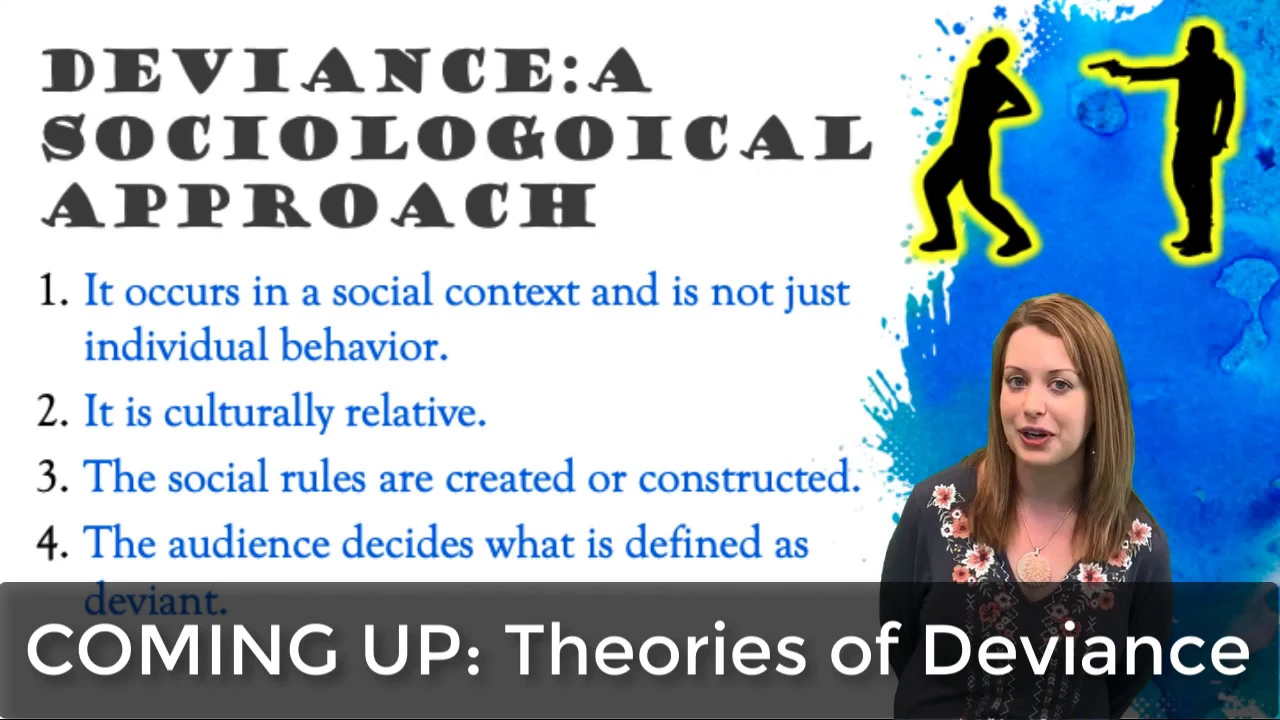
The sociological definition of deviance and how societies historically and culturally define non-normative behavior.
The theory of social constructivism, specifically how definitions of health, illness, and disease are shaped by cultural contexts rather than purely biological facts.
The concept of 'demedicalization' and the political or social activist movements required to strip medical labels from behaviors (such as the removal of homosexuality from the DSM).
The phenomenon of 'pharmaceuticalization,' analyzing how corporate interests and the global pharmaceutical industry drive the expansion of new medical diagnoses.
Michel Foucault's theories on 'biopower,' 'biopolitics,' and the 'clinical gaze,' which explore how modern states regulate populations through medical discourse and authority.
The intersection of medicalization with race, class, and gender, such as the historical pathologization of women's emotions ('hysteria') and the medicalization of natural reproductive processes.
The critique of modern medicine through Ivan Illich's concept of 'medical iatrogenesis,' exploring how institutionalized medicine can create new forms of dependency and harm.
369 views3likes32:13Original Release: 2018-07-08
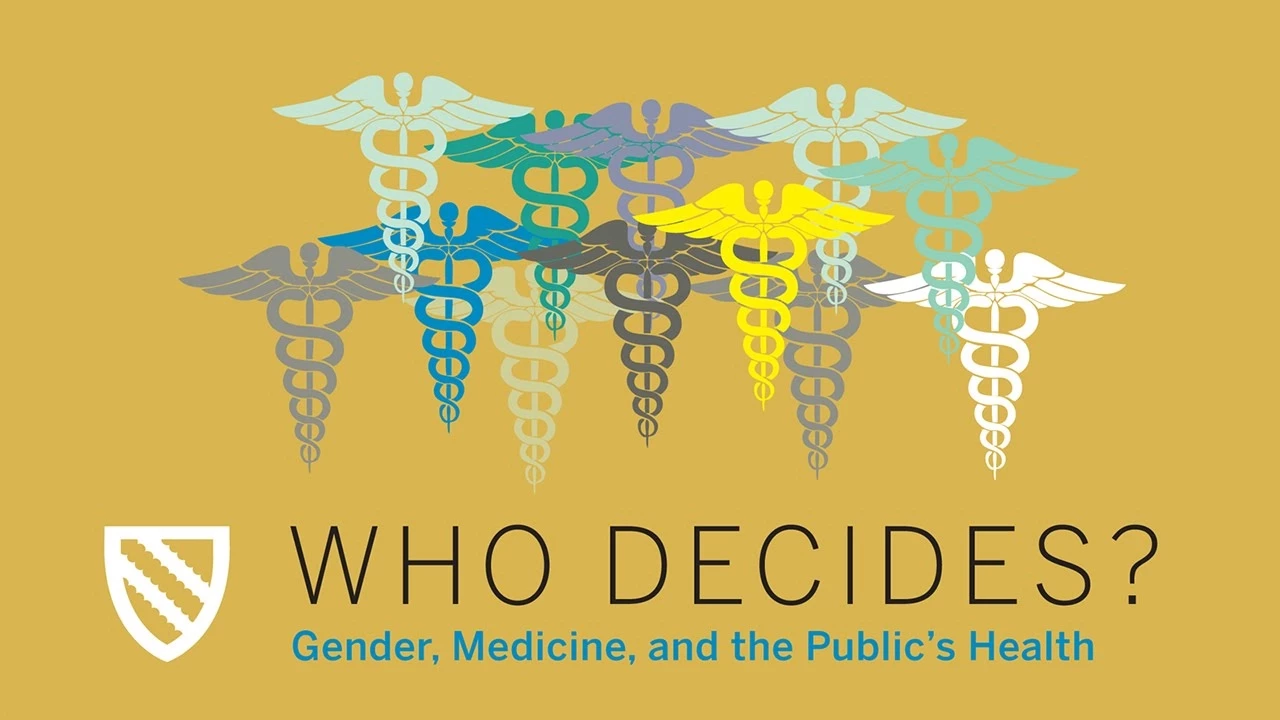
hi everyone welcome back and welcome to week five I hope that you're all enjoying the class and learning a lot about the sociological perspective on health and illness this week's readings focused on the social meanings of illness and I think your chapter does a pretty good job of laying out a lot of that what I want to focus on for this lecture and this will be the only lecture for this week is the idea that medicine is used as an instrument or that the medical institution the institution of medicine is an agent of social control so I'm gonna sort of zoom in on that idea in this lecture and give you a couple of examples of how this works so first let's sort of back up what does this even mean this idea that the institution of medicine was an agent of social control well medicine is thought of as a social institution so so see I'll just talk about medicine broadly speaking as a social institution and basically a social institution is a complex group of interdependent positions so in your textbook the author refers to this as enduring social structure so she calls a social institution and enduring social structure basically what that means is that you have this very large and complicated web of people working together in different social roles right in different capacities they all have a job to do sort of bigger than we can really wrap our minds around and they all come together to perform a particular role in society they meet some kind of basic human needs so it's obvious that the institution of medicine is aimed at people's health right but there are other social institutions like family which is in charge of continuing the species and socializing children into our society you have education right which is also tasked with socializing children but also educating people right so social institutions perform social roles in society they meet some kind of societal human need and they also shape human behavior so they just sort of by virtue of the way that they operate tend to encourage people to follow social norms so this idea of of an enduring social structure or a complex group of interdependent positions I think is the hardest thing to understand when it comes to understanding social institutions so let me just sort of like give you a simplified version of what this looks like well medicine is a complex group of interconnected positions right the field of medicine the institution of medicine you've got what you probably imagined first doctors and patients you've got physical therapists and their patients you've got pharmacists and pharmaceutical companies which play a really big role in the institution of medicine and we'll talk about pharmaceutical companies when we get to health care EMTs medical researchers and scientific researchers hospitals and all of the people who work there and the administration of that hospital right that includes people who work in HR people who work in maintenance and janitorial staff the doctors the nurses the physicians assistants all the people who work in the hospitals and the the function of that hospital itself you have government entities like the Illinois Department of Public Health for example and then you have larger organizations geared toward medicine and health like the World Health Organization in the u.s. you can think of the National Institutes of Health which is an arm of the government that oversees research on house you can think of the Centers for Disease Control which we've talked about earlier this term so all of these entities right are part of this complex web of interconnected positions that make up the field of medicine and so if we think of social institutions as agents of social control and in particular if we think of the institution of medicine as an agent of social control what does that mean well in your textbook the author says that medicine is a basic structure of our society that sometimes serves to keep people in line a really famous sociologist named Peter Conrad famous to me maybe not famous to you but he writes a lot on this idea of the social construction of illness which we'll talk about in a second and he talks about medicine as an agent of social control in terms of medicine really wanting to secure our adherence to social norms right that medicine intends to minimize eliminate or normalize deviant behavior and so what's really important for this idea that the Institute of institution of medicine is an agent of social control is this idea of social constructionism and social constructionism is sort of the foundational element of the sociological understanding of illness so in your textbook the author makes this distinction in Chapter five between the medical model of illness where we see illness is being objective and the sociological model of illness where illness is subjective so remember back in Chapter two that she also distinguishes between disease right which is a biological problem within an individual an illness which is the social experience of having a disease so under the medical model this idea of illness is like you have it or you don't there's really no arguing about it like there's a set of objective criteria I have the disease you have the illness there's no you just have it that's it the sociological model focuses a little bit more on this idea of subjectivity okay and if you want a comparison of this there's a really nice table in your book on page 103 from the sociological perspective illness is a social construction so we as human beings define what is illness and what is not illness sometimes illness is contested we may not agree right like the experts may not agree on whether a particular set of symptoms for example constitutes an illness and we can negotiate the meaning of a particular illness in one period of time something may be defined by the experts as an illness and later on it may not or vice-versa another reason that sociologists see illness as subjective right is that it's just it's seen as a moral stance right so so it's always and it's always posed in contrast to quote/unquote normality right so if you're ill you're not normal if you think about the way we talk about mental illness people who we deemed to be mentally ill are not normal right and if you're not normal it sort of implies that you're not good and if you're not good then that casts a moral judgment on being ill so if you're ill the logic follows that you're somehow not good not normal you're you're bad and and that varies depending on what kind of illness you have but it's always seen as sort of deviant sociologists also recognize that illness is the result of both social and biological causes so it's not as if sociologists are saying that everybody just makes up illness we recognize that illness is tap is attached to disease and that there are diseases that have objective criteria but there are there is a social component to illness and there's a really influential paper written by a sociologists in 1970 freed scence says when a physician diagnoses a humans condition as an illness they change the person's behavior by diagnosis a social state is added by assigning the meaning of illness to a disease it is in this sense that the physicians create illness and that illness is analytically and empirically distinct from mere disease so what this person is saying is that once a doctor tells you that you have a disease you are now categorized as somebody as having that disease and you are somebody who is now experiencing your life as somebody who has that disease you don't learn of a diagnosis and then move on with your life and it has no effect on you whatsoever typically being diagnosed with something changes you from a social perspective you react to it you change your behavior you think about the world differently there's a social experience that is attached to diagnosing a disease that is the experience of illness and so when sociologists look at illness they ask a lot of different questions but to that I'll point out our first who gets to decide what illness is for example who has the power to decide what is illness and what is not if you look back you know if you go back to the array of pictures that I just showed you who there has the power to decide what's an illness and what's not and the second question that sociologists would ask is is the determinant is the determination of illness applied equally so there's a lot of research that shows that doctors for example physicians or psychiatrists may diagnose some groups of people with a particular disease more frequently than they would diagnose another group of people there's an experiment showing that when two people of different racial groups presented the same psychiatric symptoms one was diagnosed with schizophrenia that was tended to be black men and others were not diagnosed with schizophrenia so this idea of like who gets to decide what's illness and who is being diagnosed as having illness these are the kinds of questions that sociologists are asking so let's look at an example here we could think about obesity as being socially constructed so if you're not familiar with the concept of IB obesity and how its defined it's based on body mass index right or BMI and body mass index is calculated as your weight in pounds divided by your height in inches squared that's this is not what the formula looked like before weight in pounds divided by height in inches squared that fraction then is multiplied by 703 that will give you your body mass index and so you can sense from this that your BMI obviously is different right depending on the ratio of your height and your weight and so there's this breakdown here where rather than calculating it you could really just look at your height in your weight and find your BMI and you'll notice that they've done something really handy here which is to classify every BMI level into five different categories underweight normal weight overweight obesity and extreme obesity so you'll see not only the colors but also underneath each category name you'll see how exactly it is that somebody gets to be classified in one of those particular categories well then you might ask how did these categories come to be right this is where the social construction comes in we think of obesity as being like you're either obese or you're not which according to this that is true but somebody created these categories it turns out that these categories were created by the World Health Organization in 1995 and those cut-offs were based on a lot of research mostly on men where and and the gender differences the sex differences were figured out later but the categories were created based on the correlation between body mass and mortality or death so people who had BMI is between about 18 and a half and 25 tended to have the lowest mortality risk and you saw that mortality risk increase when people had BMI less than eighteen point five and you saw it increase when people had BMI greater than 25 but these are pretty arbitrary cut-offs right like why not 29 instead of 30 for obesity so there's questions about these cut-offs why are they exactly that because if you for example you know if you're at a twenty nine point nine really what is the difference between you being overweight and obese it's a pretty arbitrary cutoff the other criticism of BMI is that it's not necessarily body mass that is the problem but rather the percentage of body fat that contributes to diseases and to mortality and BMI is not really a good measure of body percent body fat and you could have two people who weigh the same and who are the same height but have vastly different bodily compositions and have the same BMI right in terms of their composition of muscle and fat and so even though there's critique of these categories they still have consequences right we are very hesitant to be labeled as obese or even worse extremely obese and if that label becomes attached to us that could have consequences for us in our social lives right if you follow the news recently you may have seen that the President had a physical and there was some discussion of his stitches to his health statistics and height and weight were included in that and somebody from the New York Times noted that in the past he's always put that his height with six foot two well on this physical his height was listed at six foot three and in combination with his weight gave him a BMI that was below 30 where if his height had been listed at 6.2 his BMI would have been 30 or above so that distinction has real consequences even though it was created by human beings sort of arbitrarily so we build on this idea then that illness is socially constructed that is really the basis for the argument that medicine can be used as an agent of social control so you've got these your your book talks about three ways that medicine is used as an agent of social control one is medicalization which is the process through which a condition or a behavior becomes defined as a medical problem that requires a medical solution medicalization also happens when the definition is broadened to include more conditions or behaviors so something that has already been classified as a medical issue other types of behaviors associated with that could then be brought into that definition to make it bigger and to essentially increase the scope of control that medicine has around that particular set of behaviors you also the book also talks about genetic research as a form of social control right so genetic testing is becoming increasingly popular and this has an effect on individuals people who support genetic testing want to be able to test people for particular kinds of genetic markers in part because they want to generate knowledge and also because they want to inform people right they want to equip people with knowledge about themselves and their families but the intent there is probably also to get those people to change their behavior in light of what they learn right so this is another example of the institution of medicine sort of having an impact or seeking to have an impact on the way that people behave and then third the third thing that your book talks about is the idea of the sick role as a form of social control so in sociology the concept of a social role so for example student friend those are social roles and social roles come with certain social expectations so if you're a student you're expected to get good grades and be courteous to your professors if you're a friend you're expected to be supportive these are social expectations that come with particular social roles well being sick can also be a social role and Talcott Parsons is a sociologist from who was doing work in them in the 1950s and he argued that being sick can be a role and he argued that when we have an illness we're expected to act in a certain way and so your book outlines the four sort of components of the sick role and he talks about how as a society we've developed an idea of illness as being undesirable and so we have been socialized and we socialized others around us to behave in line with those expectations right to conform with society's expectations when we are ill I am gonna really focus on medicalization for the rest of this lecture because I think your book does a pretty good job of explaining genetic research and the sick role so let me give you one example of medicalization that your book does not talk about and then also an example of what they call D medicalization so medicalization right is is basically defining something that has not been thought of medically as as a medical problem that needs to be solved with medical intervention so one example of this is the medicalization of childbirth so here you have the argument that medical professionals are intervening in what has historically been a natural process so pregnancy and childbirth are seen as medically hazardous right that that it can be dangerous to have a baby and that having a child because it's dangerous is something that's in need of a medical solution so where does the social control of it all come in well first there's this idea that if you're having a baby outside of a hospital that is not good right non hospital births are really frowned upon and seen as deviant now this is changing the trends of out of hospital births the numbers are actually increasing over the last maybe 10 years so you're seeing an uptick in the percentage of babies that are born outside of hospital so you're starting to see essentially more women rejecting this idea that you have to be in a hospital to have a baby but this is something that for the last at least hundred years has been a medical process right having a baby has been a medical process and if you do it in another way you're seen as sort of weird right the second sort of aspect of the social control is that the medicalization of childbirth really alienates mothers from the experience of actually having the baby because you have all of this intervention lots of people sort of getting into the mix of childbirth and so what used to maybe be a something that was a positive experience for mothers can become really stressful and then if you also think about this through a feminist lens right there's a lot of feminist scholars from anthropology from sociology from medicine from public health who argue that the intervention of medicine in the 18th and 19th centuries into childbirth is really because doctors were men the insertion of men into childbirth when it has historically been something about women have done right with midwives with other women in the community and so you have this situation where men are claiming dominance and expertise and power in the experience of childbirth where that had not historically been the case and so research shows that you know we have improved birth outcomes there is reduced infant mortality and reduced infant mortality but there are also some other negative consequences of the medicalization of childbirth one of these is this idea of the Cascade of interventions so this is where when you're in a hospital you're having a baby having one medical intervention sets off the need for another medical intervention etc etc and I'll put a video up in the additional resources section really short two minutes for you to get an idea of what they're talking about but for example if a woman goes in for to have a baby and she wants to have an epidural which takes the pain away that also slows down the labor process while slowing down the labor process is not good for the baby so and it's not good for the mother so then the the second intervention is this medicine called pitocin pitocin speeds up childbirth and labor but it also brings on longer contractions and they're stronger contractions so then the mother starts to experience more pain so then the medical personnel around the mother pump up the epidural again well that slows down the labor and then you have more pitocin but then the mother doesn't feel anything but the baby is becoming distressed because it's stuck in the mother's body and then you have an emergency c-section which is really not the best outcome c-sections are safe but not preferred so I'll put up a video to sort of show you that they talked about this idea of this cascade of intervention it research actually shows that women who give birth in larger Hospital units are more likely to experience these kinds of interventions they're not necessary for every mother every child birthing experience is different but for the most part with normal births this is not necessary so that's one example of medicalization now if you shift over to this idea of D medicalization we can talk about the D medicalization of homosexuality so in American society Western European society you have this sort of progression of at least at least in the last 200 years of seeing of society seeing homosexuality as a moral failing right the Bible teaches you that this is bad and that this is a moral failing on the individuals part then there's a move to seeing homosexuality as a psychiatric disorder so something that's wrong with the person's brain and mental state and now what you tend to see broadly although this is not true for everybody you tend to see this idea that sexuality is a normal variation that people are born with their sexual orientation and that this is a normal variation of sexuality that you have different variations this is just one of them but this is where the scientific community is today and so I'll just walk you through sort of how this sequence unfolded so you have first starting in 1952 the American Psychiatric Association releases the Diagnostic and Statistical Manual for mental disorders the DSM one where it was which was just the DSM was released in 1952 and the DSM 2 in 1968 both of these classified homosexuality as a paraphilia so sociopathic personalities disturbance or sexual deviation something that was a disorder right after the 6th printing of the DSM 2 you have well in leading up through that right you have a lot of scientific sex research that is starting to argue that homosexuality is not pathological right it's not a disorder and then you have culturally you're starting to see the beginnings of the gay rights movement right so starting with the Stonewall Riots in New York City and so in 1974 with the release of the DSM to 7th printing the classification changes and is put under homosexuality is put under a new category light titled sexual orientation disturbance and then in 1980 the DSM 3 changes that to ego-dystonic homosexuality both of which refer to this desire to change one's sexual attractions really focusing specifically on homosexuality now the issue here aside from its two considered to be a disorder is this term change and so this these classifications sort of legitimated what's referred to as sexual conversion therapy so this idea that you could use shock therapy or some other kind of therapy to convert somebody from homosexuality back to heterosexuality right because the idea was that that was the natural state of being was heterosexuality and so if they had a desire to change their sexual attraction that is something that could be achieved through therapy this is not supported by the American Psychological Association today just this idea of sexual conversion therapy is not something that's supported by them or really anybody else in the scientific community with the revised version of the DSM three references to homosexuality were removed and so right now we're in the fifth version which was released in 2013 there are some references to sort of distress about one's sexual orientation but there are no longer specific references to homosexuality in the DSM what is now becoming a debate is a classification in the dsm-5 about gender identity disorder which is in reference to people who are transgender right who whose gender and sex identity do not match race the people who are not cisgender so that is a current debate that I won't get into here it's worth looking up if you're interested and so this is an example of D medicalization right we're actually medicalization and then D medicalization if you look at sort of the whole sequence of how we have thought about homosexuality across time this this sort of reach of psychiatry which is part of the medical institution this reach of psychiatry to include homosexuality under it's sort of umbrella of jurisdiction if you will and then really social movements against that to sort of take homosexuality out of this idea of a disorder and reclassify it as a normal type of behavior or a normal sort of orientation so the that is that is what I have for you on medicine as an institution of social control I've posted a documentary for you to watch called the medicated child and as you're watching this I want you to think about what you've read in the chapter and what we've talked about here and think about how these ideas of medicalization of social control of the social construction of illness apply to the story that's being told around ADHD and I will talk to you next week
Up Next

105:31
Medicalization of Society: How Human Conditions Become Treatable Disorders
@RWJFCenteratUNM
35.4K views•2013-04-04
54:57
Contemporary Sociological Theory: Micro, Macro, Integrative
@NaSESYNC
45.7K views•2016-02-17
19:23
How to Analyze Conversations Scientifically | Elizabeth Stokoe | TEDx
@TEDx
1M views•2014-12-04
9:41
What is Sociology? The Sociological Perspective Explained
@crashcourse
4.6M views•2017-03-13
Related Study Plans & Knowledge Roadmaps
Structured learning paths in Sociology
sociology
Celebrity Culture: From Hollywood to TikTok
01Foundations of Celebrity Sociology
02The Rise of Micro-Celebrity & Digital Platforms
03Parasocial Relationships & Algorithmic Intimacy
+ 2 more learning modules
12h5 modules
Explore Roadmap
sociology
Hostile Architecture: Space, Power & Control
01Introduction to the Sociology of Space
02Social Control and Surveillance in the City
03Hostile Architecture and Defensive Design
+ 2 more learning modules
12h5 modules
Explore Roadmap
sociology
Loneliness Epidemic: Third Places & Isolation
01Foundations of Social Capital and Community Cohesion
02The Death of Third Places and Urban Space Erosion
03The Privatization of Leisure and Atomization
+ 2 more learning modules
12h5 modules
Explore Roadmap
sociology
Sociology of Tourism: Gaze, Power & Heritage
01Foundations of the Sociology of Travel and Leisure
02John Urry and the 'Tourist Gaze'
03Staged Authenticity and Cultural Commodification
+ 2 more learning modules
14h5 modules
Explore Roadmap