

















![no thoughts, head empty || nintendo music [niche & obscure edition]](https://i.ytimg.com/vi/cX8UwXtwPw4/sddefault.jpg?sqp=-oaymwEmCIAFEOAD8quKqQMa8AEB-AH-BIAC6AKKAgwIABABGEQgZSg0MA8=&rs=AOn4CLDdIKplVu0ZzfUZIefPtFRu_I904Q)
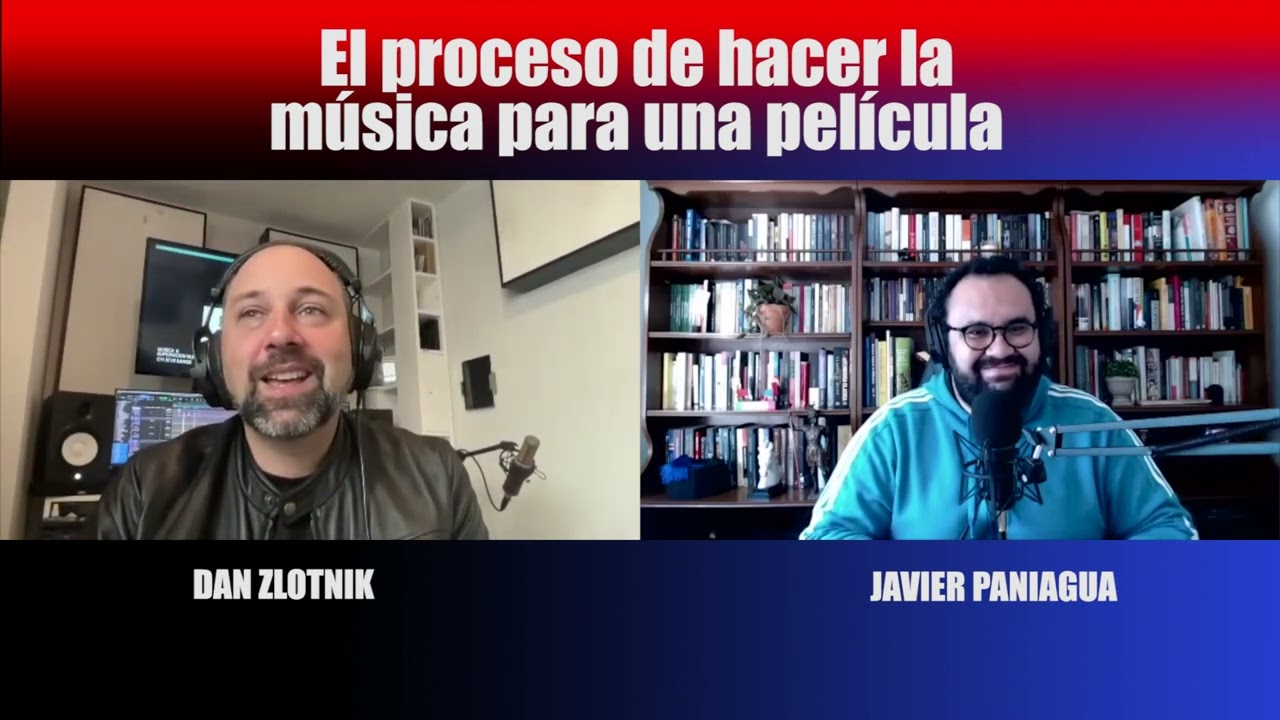





Film composers create character themes by translating psychological emotions into specific musical elements: violent or aggressive characters use dissonant brass and sharp intervals, while quirky characters like Wall-E employ playful harmonies such as dominant seventh chords with sharp 11ths; the process begins with emotion and improvisation, then develops through layering instruments like strings, piano, and percussion to build a sonic world that embodies the character's essence.
Film Score Composition: Character Themes with BBC Symphony Orchestra
Added:Basic Music Theory and Harmony: Understanding key signatures, chord construction, diatonic progressions, and functional harmony.
Introduction to Orchestration: Familiarity with the four main families of the orchestra (strings, brass, woodwinds, and percussion) and their basic ranges and registers.
DAW and MIDI Basics: Proficiency in using a Digital Audio Workstation, managing MIDI tracks, and loading virtual instruments (VSTs) like Spitfire Audio libraries.
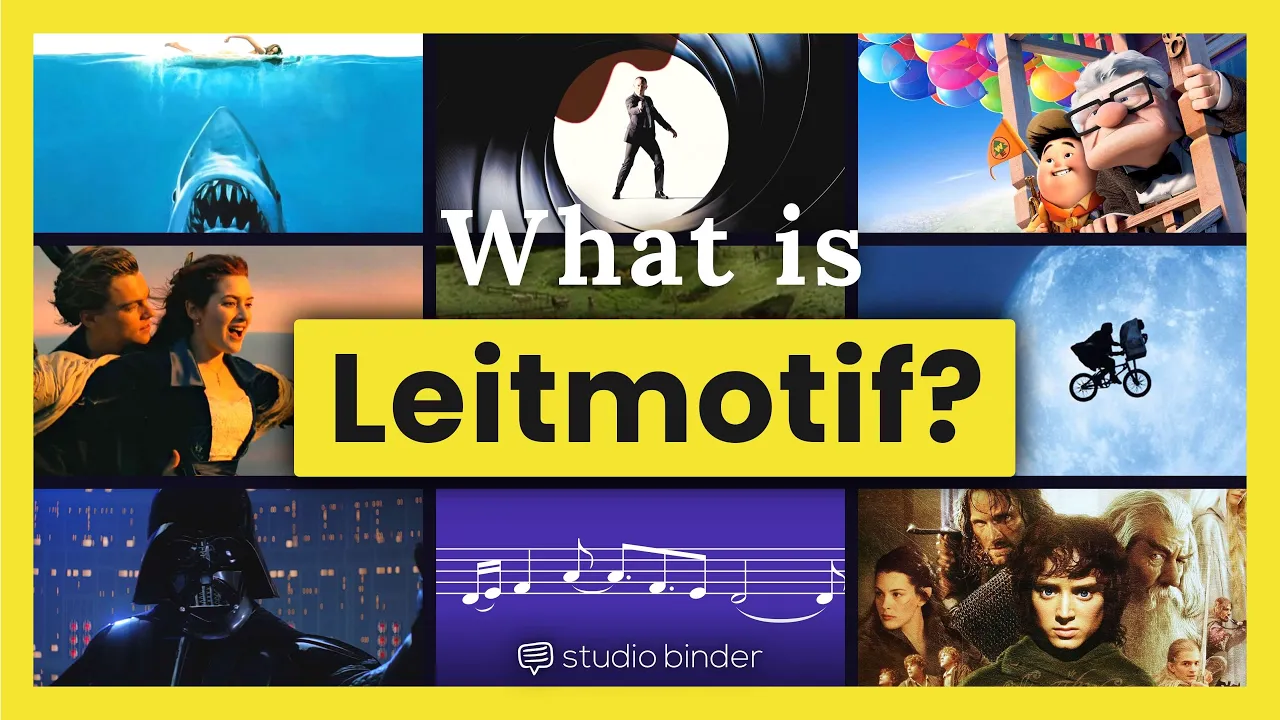
The Concept of the Leitmotif: Understanding how musical themes are historically used to represent characters, objects, or ideas in narrative storytelling.
Advanced MIDI Mockup Techniques: Mastering MIDI CC automation (expression, dynamics, and vibrato) to make virtual orchestral mockups sound realistic.
Thematic Variation and Development: Learning how to adapt, re-harmonize, and morph a character theme to fit different emotional contexts and narrative shifts throughout a film.
Film Syncing and Temp Track Analysis: Techniques for hitting visual sync points (hit points) and composing dynamically around dialogue and sound effects.
Hybrid Scoring and Sound Design: Integrating electronic elements, synthesizers, and processed acoustic sounds with the traditional orchestra for modern film scoring.
Orchestral Mixing and Spatial Audio: Learning how to use panning, EQ, and convolution reverb to place sample libraries in a cohesive virtual acoustic space.
307.7K views3.5Klikes23:34Original Release: 2025-07-31
The first major studio film I did was Greenbook. And for Wild Robot, I was on the project for almost two years.
Another one is Nick Fury from the Marvel universe, like writing his theme.
So, I'm going to kind of run through a bit of my process coming up with a sound for a character or a theme and use some iconic characters in film history to demonstrate how I might do that using some of these sample libraries. So, first I want to start with Jack Torrance from The Shining. And I feel excited about this one because watching The Shining was one of those movies that changed my perspective with film where it was very character-driven, very small, and also the score is like this aliator classical music and just very different approach. I think it's actually the first Kubic film that I saw. You know, I was thinking maybe starting with that iconic um melody in the beginning that and starting like a whole thing based on that just like how I might build off of that one little idea. You know, I still start with emotion for the most part where I am looking at what do these characters speak to on a psychological level that typically will kind of connect to sound. If it's something where they are incredibly maniacal and violent and aggressive, there are certain sounds to me that I think of whenever I feel or want to feel that like that feeling of anger or or rage or aggression. Um, I think music does such a great job of capturing that.
So, right now I'm like thinking about how I might play along with this little pulse with different instruments.
And then I might even um give myself a little bit of a sketch.
[Applause] starting off with using this uh Spitfire Firewood piano. Even though this is set to 44, I usually set the metronome to not have any sort of accent so that like I can change the time signature and kind of do whatever I want at any point. Like to start with a Chelly first and then go down to the bases sometimes just so I can be a little bit more melodic. the BBC Chel.
[Music] [Applause] All right. So, now probably just double that with the bases. Um, but I just kind of like to drag it in sometimes.
[Music] I think that's cool about Jack is just that aspect of like as he's going down and and um descending into this madness, there's kind of this like when is he going to pop and like react and have this violent explosion essentially?
[Music] And then that's making me think that some sort of other um Heleno thing would be nice on top of this.
[Music] That a little bit. And then this little section I'll get into the oenado and then might be good for this one. So this oenado I think I hear it being played first with the vias.
[Music] All right. So then I think that's good with just the strings. So I'll take the piano out.
So, right, we're going to think going to 16th there would be really nice to give some more energy.
And I usually like to make the second 16th a little bit softer velocity wise so that we're getting a little bit more of that.
We'll copy and paste here, right? And then on top of that, I like having the voices above it do like something in harmony that's like kind of similar but not exactly the same. So So something like that.
Yeah. And we'll copy that whole phrase here.
All right. And then uh I think this one would be interesting to start with it.
So we'll do that. And then copy this whole thing over.
And then here we go.
And then I think there it' be nice to bring in something playing this up the octave. I also really like using the BBC for this um like these kind of like faster patterns because I feel like it just has like a nice bite to it. So, even when I'm using the symphonic strings for a lot of the bulk of my writing, I still bring in these for these faster bits.
All right. And then I might even um still have this actually quantize even more so this all be a little tighter.
All right. And then now I can add some like more of those like snap pits things maybe.
as I'm going I usually like hear something else. So then hearing that there's something else I hear just hitting these long bass notes when we get to this certain part. Good.
[Music] All right. And then here, actually, I'll probably switch this to to being a spiccato. And then we'll add like a little chili part back here.
[Music] So, usually I try to like just kind of improvise something in and then just start to shape it.
[Music] All right, let's add a couple of things just cuz why not? And then we'll be done with this. Uh, but some brass maybe go along with this idea of like him uh getting more and more angry and like this suppressed rage starting to explode. Like these brass walls felt interesting in my head for that like and like really dissonant chords.
Having [Music] something that's like really low and dark with something that's high, I think adds to this kind of sense of suspense.
Heat. Heat.
[Music] [Applause] [Music] I think there maybe a little bit of like a like trim just to add to that sense of anxiety.
[Music] So I think the thing I love about this score in the original is how much they use all this like peni and like alitorric classical music that just feels uncomfortable. I actually use this Bernard Herman um Spitfire library for a lot of that kind of stuff too. But even just these little clusters with trim adds a little bit of that tension.
[Music] And I think be good. Yeah, I think the harmonics kind of just give this like mystery, this like low melody introducing the theme. Make sure that the melody's clear at the beginning and this like sense of time with these like unexpected hits.
I think um Coeno gives us this like sense of time and something happening at some point.
Continue to build on that theme and then the piano does variation on it and things kind of get a bit more sparse here.
To me, this is like, you know, him kind of going inward and maybe not exploding in that way, but then this dissonance kind of has some inevitability in the next section.
And I probably start adding like some percussion elements here.
SW [Music] a variation with that idea of the jelly.
Yeah, that's uh some Jack Torrance.
>> You know, it's interesting. I think the thing that's most challenging about uh creating a film score is actually the interpersonal dynamic with a new collaborator because in the beginning we're having conversations about feelings and those feelings being represented musically is completely subjective. And so I'll talk to somebody and say like we agree that this should feel nostalgic. We agree this should feel warm. This should feel happy. This should feel sad. This should feel violent. This should feel angry. like all these words, but then it's my job to figure out like what does that sound like? Like one director I've worked with thinks that piano is the the most amazing instrument and another director thinks that piano is melodramatic and like always is trying to make us emotional. And so oftent times I have conversations with filmmakers about music in general to see how they feel about those things. Often times that's where I find that temp music is helpful because then I can ask them what is it about this temp music that they love?
what is it that's missing from it? What is it that is delivering on those emotions they're looking for? So then I can understand that the pallet I'm creating is informed by our mutual understanding of of how to subjectively represent these emotions. For me, the finding out about like what pallet we're working with is the challenge. And then once I get clarity on that or once I've written a few cues and they're into it and they feel like I found the sound of the movie, it actually kind of is like a downhill uh you know ride from that point. All right, so this is my take on uh the character Wall-E from the movie Wall-E. And I'm just going to use some Spitfire samples to demonstrate how I might create something that sounds of that world or sounds like Wall-E to me based on his character. This one I'm actually going to start with spiccato strings. I think that like sometimes I start with piano, but sometimes I like starting with the sound of the strings just because it gets me out of my self-conscious head of like playing piano and I can just kind of play along to the uh what the strings would be. And oftent times I start with cello because it gives me enough of a range where I'm not running out of space um to like play a bit more of like an improv pass.
[Music] So already I hear like a little bit of some ghost notes with this.
And they're ghost notes. Make them a little softer.
All right. So I think that'll be a good loop here. We'll start with that. Take these little ghosts up here.
Cool.
[Music] Yeah, I think starting off with this kind of like dominant seven sound, but like the the sharp 11 adds like this kind of quirkiness that I think Wally has in a fun way. Something I actually found really interesting with studying uh the Star Wars score is like this idea of um these like major triads having this youthful optimistic sound to And I think that it's interesting that often times you find that like sound in like these like more happy golucky characters. So I thought that'd be an interesting um sound to start with in terms of like a key and also like a harmonic center for Wall-E. Um and then uh I like the idea of having some sort of like motor that start with pits but maybe would be double with like a guitar or something but like [Music] I like quantizing things like not entirely, but when it's something that's like this tight motor-wise, I tend to quantize a little bit tighter because um I know when we play live, it's going to be loose. I like the idea of doubling some of these chelly things with bass here.
[Music] [Applause] I think that's a good framework for here. And then I would go on to like what where I want this to go because I think the thing that's really cool about Wallally is that like there's this quirky aspect but there's a lot of heart to it. So, like just kind of thinking about the emotion of the story and how like there's this sweetness to it, you know, like Wally's relationship with Eve and also just the fact that he embodies in a lot of ways like the last hope for our planet in a lot of ways cuz he's like this like thing that has this love that's really innocent and sweet. And so I think having this quirkiness, but also this other side to him that's a little bit more full and emotional feels right. For some reason I'm hearing like a like a poly rhythm here. So [Applause] something that one of my teachers taught me when I was younger as a jazz pianist is like singing what I'm playing. um just because he was saying that you can't help but but sing what's naturally inside of you instead of like whatever like thing you practice essentially. And so I tend to sing even though I'm very bad at singing just because it makes it like a more natural thing.
And then I think this coming out of this little and I like the idea of it stopping for a second and then maybe there'd be a flourish into this little thing.
So, usually what I start with once I have like a sketch like that with piano, I just follow the the order of operations in my mind. So, it's like I'll start with bass cuz I know what that's doing down here. So we get like uh some nice.
[Music] So then I probably would play the melody next. So I have that melody there.
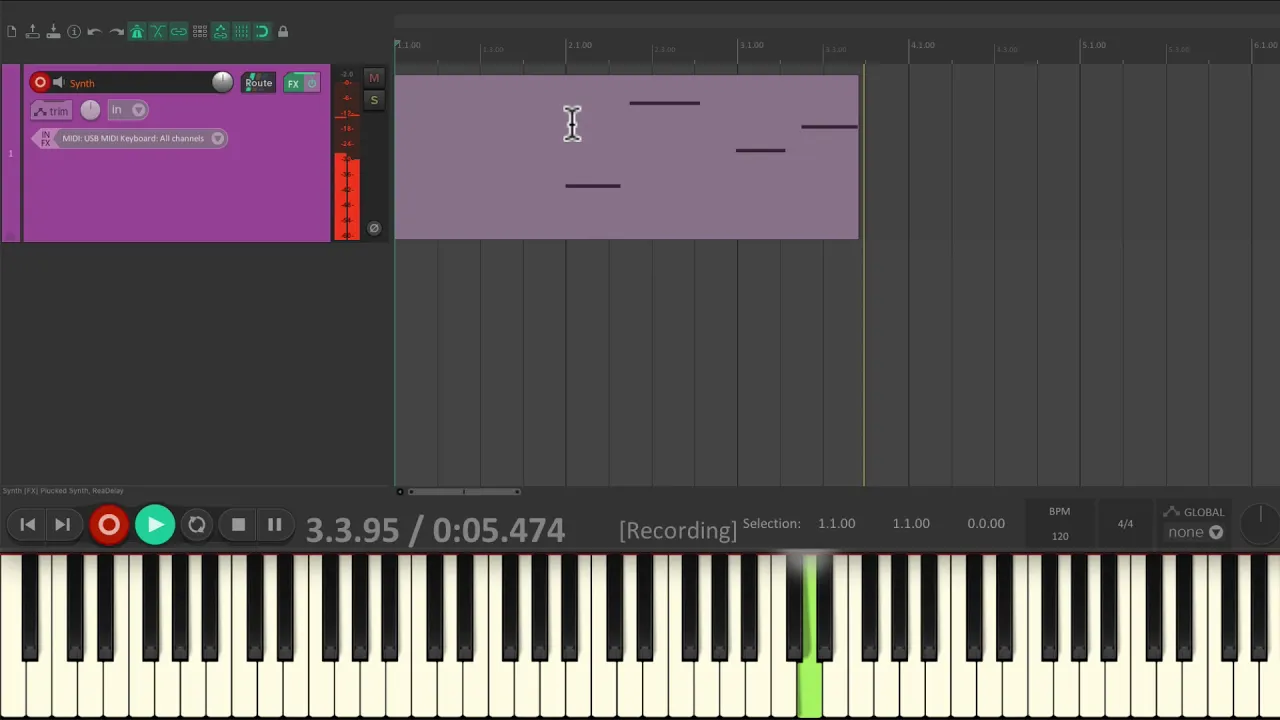
Sometimes I actually like to follow along with the piano roll just to see where I was.
[Music] Typically, I would probably have the Chelly do something a little bit different. For now, I'll just copy and paste the bases and bring it up an octave um where it needs to be.
And already I'm hearing like this being played kind of in harmony here with the the violins below this. Sometimes I just drag and drop it where I know the first one's going to be in the harmony. And then I kind of just place each one. And some of this is just like based on jazz theory or just like kind of my idea of like what might make sense instead of just doing it in thirds the whole way.
Just like something about how I'm hearing the pattern um makes it feel like the harmony should be a little different than just in thirds. Uh [Music] All right. For now, just to fill it in, I'll just play along with the chords so that we have a So then I'm hearing some sort of like rhythm through that. So I'll just do it in the solo strings just to have something that's playing throughout.
think that like there's um lightness and fun about Wall-E as a character and like about this story that even in this moment, especially if the cube starts off with this kind of like light playful thing that I want to keep that momentum throughout it. So listen to it from its own.
Maybe it might just like kind of vibe on some like other different things just to add some layers.
[Music] All right. Okay. So then I'm hearing like some sort of um uh like spiccato just to give it a little more fullness.
[Music] [Applause] Uh and then something like this. I think um I'd want it to be tucked and then maybe a bit of verb just so that it just blends a little bit more. And then I think like some little melody on top of this might be nice.
[Music] And then lastly, I'll just add a little flourish into this full section so that it's um like makes a little sense or feels earned.
[Applause] I hear something like that. And then I'm hearing like a higher frequency playing that. Before I get too deep into orchestration, just doing that with piano I think would be.
All right. So, let's listen to this whole thing. See how this came out.
So again, almost like this quirky string stuff with a little bit of like a piano melody on top.
And then we'll switch to this bottom side of it.
[Music] Yeah. So, that's like a beginning of how I would kind of structure a theme based on on Wall-E. I think the reason why I genuinely love using Spitfire stuff is just because I feel like it's so robust in terms of the tools that are available to do this so quickly with having symphonic strings, but different versions of different versions of symphonic strings. So that there's some that have a bit more bite to them for faster things, a bit more like fullness to them. Uh the spaces might be different in terms of where they were recorded. So that gives you a bit more variety. Um, and then to have the whole orchestral pallet or any other any other instruments that I might be thinking of, it's helpful that I feel like it's all kind of right there within what's available with with Spitfire. So, that's kind of why I rely on them.
Up Next
145:05
Bach Complete Partitas BWV 825-830 | Yuan Sheng Piano Performance
@PianoClassics
2.6M views•2018-08-10

12:54
Triumph of Orthodoxy Icon: Byzantine Art & History Explained
@BenCallan
2.1K views•2024-08-06

9:49
FastAPI vs Flask vs Django: Choosing the Right Python Web Framework
@TechWithTim
302.5K views•2024-05-26

1:42
Game of Thrones Opening Credits: A Cinematic Analysis
@gameofthrones
46.3M views•2011-04-18
Related Study Plans & Knowledge Roadmaps
Structured learning paths in General & Interdisciplinary Studies
general-studies
Elevator Engineering: History, Physics & Cities
01From Hoists to Safety Brakes: The Dawn of Vertical Lift
02Hydraulic vs. Traction: The Engineering Physics of Elevators
03Modern Speed, Safety, and Algorithms
+ 2 more learning modules
12h5 modules
Explore Roadmap
general-studies
Rubber: Material Science, History & Geopolitics
01Origins of Natural Rubber & Mesoamerican History
02The Chemistry of Natural Rubber & Vulcanization
03The Geopolitics of the Rubber Boom & Colonization
+ 2 more learning modules
12h5 modules
Explore Roadmap
general-studies
Containerization: Evolution, Logistics & Trade
01Ancient Trade & Bulk Cargo: Amphorae to Barrels
02The Industrial Revolution & Cardboard Packaging
03The Containerization Revolution: Malcom McLean
+ 2 more learning modules
12h5 modules
Explore Roadmap
general-studies
Textile Tech: Evolution, Labor & Global Impact
01Pre-Industrial Textiles: Handloom & Cottage Industry
02Mechanization: The Spinning Jenny to the Power Loom
03The Factory System & Global Labor Transformation
+ 2 more learning modules
10h5 modules
Explore Roadmap