Johann Sebastian Bach's Complete Partitas (BWV 825-830) represent a monumental cycle of six keyboard suites that exemplify the pinnacle of Baroque compositional artistry, featuring intricate counterpoint, diverse dance movements (Prelude, Allemande, Corrente, Sarabande, Menuet, Gigue), and sophisticated harmonic language; performed on piano by Yuan Sheng, this recording captures the elegance, wit, and rhetorical depth characteristic of Bach's keyboard works, demonstrating how these compositions transform traditional dance forms into profound musical expressions of human emotion and intellectual beauty.
Bach Complete Partitas BWV 825-830 | Yuan Sheng Piano Performance
Added:Deep Dive
Understanding of Baroque dance suite structures, specifically standard movements like the Allemande, Courante, Sarabande, and Gigue.
The Baroque Dance Suite (aka The Most Common Baroque Genre)
46.8K
The four core dances of the baroque suite each have distinct characteristics: The allemande (German origin) is the first dance with moderate tempo in 4/4 time and a serious, dignified mood. The courant (French origin) means 'running' and features fast, lively music in 3/2 or 3/4 time with an emotional, pleasant character. The sarabande (Spanish origin) is the slowest dance in 3/4 time with a distinctive halting sound from emphasis on the second beat. The gig (English origin) is the final dance with compound time (6/8 or 3/8), fast and lively tempo, and often features contrapuntal texture with multiple simultaneous melodies. These dances were originally written in binary form (A-B structure) and provided the foundation for the entire suite structure.
Click to watch →

David Russell — Altamira Home Concert | Classical Guitar
117.3K
Baroque suites are collections of dance movements typically including allemande, courante, sarabande, and gigue. Each movement maintains distinct rhythmic and melodic characteristics: allemandes feature moderate tempo with dotted rhythms; courantes have flowing triple meter; sarabandes are slow with expressive melodies; gigues are lively with syncopated rhythms. The suite structure represents a systematic approach to musical composition where each dance form contributes to an overall cohesive work while maintaining individual identity.
Click to watch →
![[신윤주의가정음악 260417] 유정우의 뮤직 큐레이션 : 클래식 용어 사전 (춤곡편)](https://i.ytimg.com/vi/nUqJVLFlgSk/maxresdefault.jpg)
[신윤주의가정음악 260417] 유정우의 뮤직 큐레이션 : 클래식 용어 사전 (춤곡편)
3.1K
Baroque dance suites follow a standard structure: Allemande (4/4 time, German-style dance, moderate tempo), Courante (3/4 time, French 'running' dance, fast tempo), Sarabande (3/4 time, originally from Central America, slow and elegant), Gavotte (4/4 time, French country dance, lively), Minuet (3/4 time, French court dance, graceful), Bourrée (2/4 time, French dance, moderate tempo), and Gigue (6/8 time, British origin, fast and lively). These dances originated from French court traditions and evolved from folk dances into sophisticated musical forms.
Click to watch →

7 brevi lezioni di musica - 1 - BACH parte 1
18K
Baroque dance suites typically contain four standard dances with distinct origins and characteristics. The Allemande is a slow 4/4 dance of Germanic origin, moderate and measured. The Corrente is a ternary dance with flowing tempo, having both Italian and French origins. The Sarabande, originally a Spanish or Central American dance described as wild and lascivious in the late 16th century, was formalized by the French into a slow, solemn dance with a distinctive 'tanta-tanta-tale' rhythm. The Gigue is the fastest dance, of English origin, characterized by a lively tarantella-like tempo and typically written in imitative contrapuntal style resembling a fugue. These four dances represent the multicultural synthesis of Baroque music, combining Germanic, French, Italian, Spanish, and English traditions into a unified artistic expression.
Click to watch →
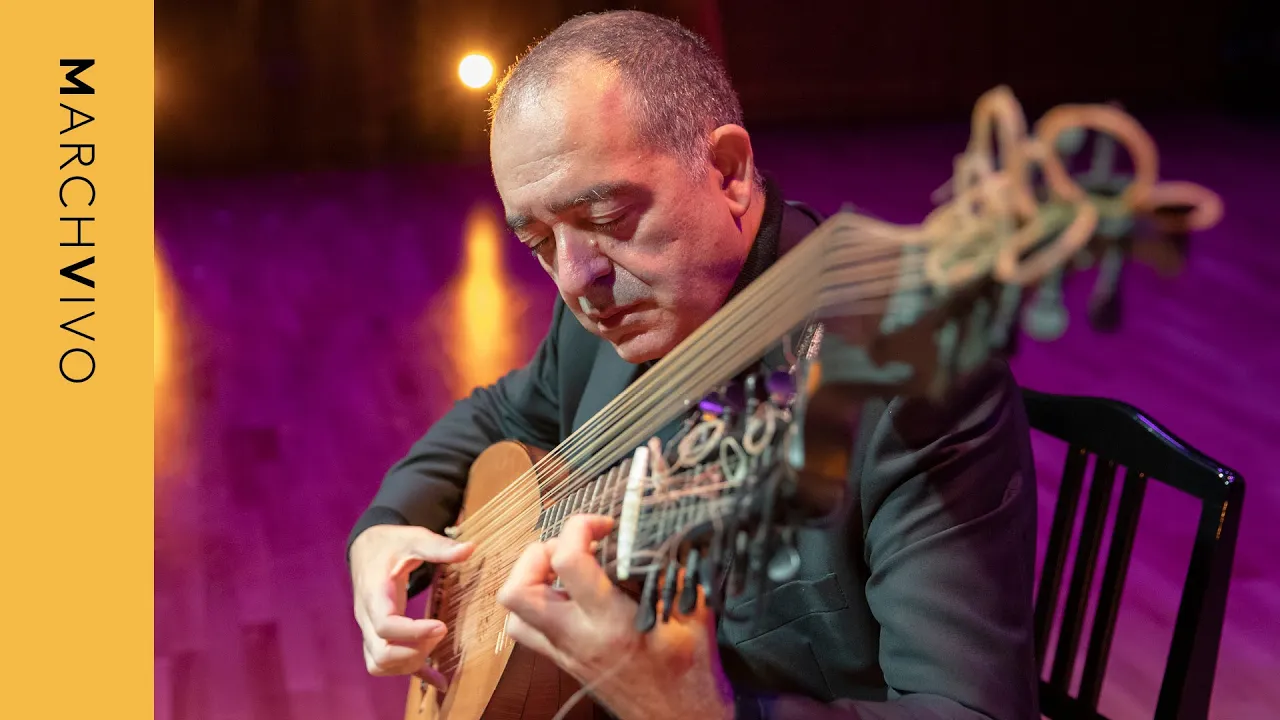
Bach, Telemann and Weiss: Baroque Lute Music | Xavier Díaz-Latorre · MarchVivo
462.1K
This segment demonstrates baroque lute performance techniques and the traditional suite structure. The concert features a complete baroque suite including Prelude, Allemande, Courante, Sarabande, Gavotte, and Gigue movements. The performer showcases the lute's unique tonal qualities and historical playing techniques. The suite demonstrates how baroque musicians structured their compositions around dance forms, with each movement having distinct rhythmic characteristics: the Prelude as an introduction, the Allemande with dotted rhythms, the Courante in triple meter, the Sarabande as slow and stately, the Gavotte with its distinctive upbeat, and the Gigue as lively with compound meter. This represents the standard format for baroque instrumental suites.
Click to watch →
Deep Dive
Basic principles of Baroque counterpoint and polyphony, where multiple independent melodic lines interact simultaneously.

French Baroque Lute Music
1.2M
The video demonstrates counterpoint and polyphonic texture, fundamental elements of Baroque music composition. The performer executes multiple independent melodic lines simultaneously, showing how each voice maintains its own rhythmic and melodic identity while interacting with other voices. This polyphonic approach creates complex harmonic textures where multiple melodies interweave, requiring precise timing and independence from each performer or instrument.
Click to watch →
CRAB CANON de J. S. Bach - Análise Musical de obra do PAS/UnB 2ª Etapa
17.8K
Polyphony represents the culmination of musical complexity in the Baroque period, characterized by multiple independent melodic lines occurring simultaneously. Counterpoint is the art of combining these lines according to specific rules of harmony and voice leading. Frederick the Great of Prussia invited Bach to demonstrate his improvisational skills on the harpsichord, presenting him with a musical theme and challenging him to improvise. Bach responded by composing 'The Musical Offering,' a collection of pieces demonstrating his mastery of counterpoint. This work represents one of the most sophisticated examples of Baroque counterpoint, where multiple voices interact independently while maintaining harmonic coherence.
Click to watch →
What Is Counterpoint in Music? Free Lessons
335.4K
Counterpoint is a musical composition technique from the Baroque era where multiple independent melodic lines interweave equally, as opposed to music with a clear melody and accompaniment; it involves forms like two-part inventions, three-part symphonias, and fugues with three to five voices, where no single line dominates but all parts contribute equally to the musical texture.
Click to watch →
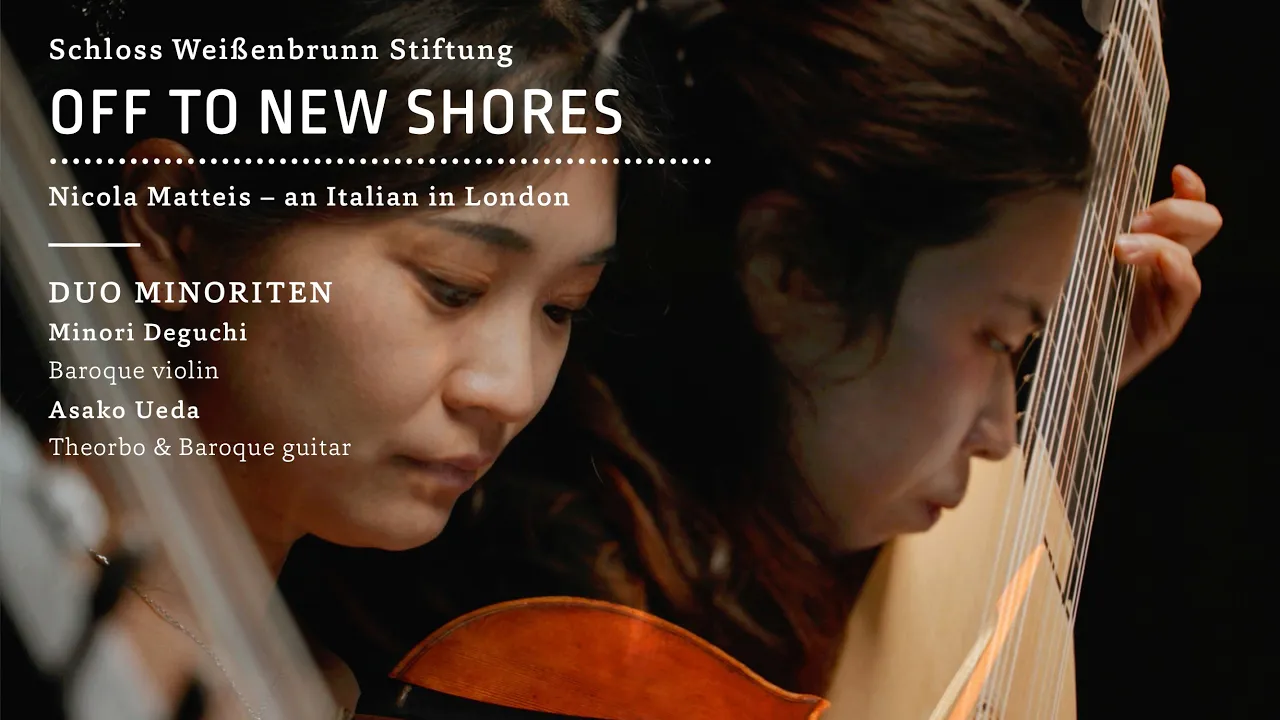
Off to New Shores I Nicola Matteis - an Italian in London I Duo Minoriten
16.8K
This extensive segment demonstrates the sophisticated polyphonic textures central to Baroque music. The performer navigates multiple independent melodic lines that interact simultaneously, maintaining distinct melodic identities while creating harmonic unity. This illustrates the counterpoint principles developed during the Renaissance and Baroque periods, where horizontal melodic independence coexists with vertical harmonic progression. The segment reveals how composers created complex musical webs where each voice contributes to both the overall harmony and individual melodic interest.
Click to watch →

HOW TO SOUND LIKE BACH
62.5K
Baroque music, exemplified by Bach, is characterized by polyphony (multiple independent melodic lines), dramatic and vivid expression, and the use of harmony; to sound like Bach, one should add moving notes and bass lines to a melody, use traditional chord progressions that resolve to the original key or its relative major, and arrange the piece with a quartet of two violins, viola, cello, and harpsichord, while using Baroque pitch (415 Hz) instead of modern 440 Hz.
Click to watch →
Deep Dive
Familiarity with historical keyboard instruments (harpsichord and clavichord) and how their mechanics and expressive capabilities differ from the modern piano.

Harpsichord vs Piano: How Different Are They Really?
37.2K
The harpsichord and piano are fundamentally different instruments despite their similar appearances; the harpsichord produces sound by plucking strings with plectra attached to keys acting as levers, requiring total body relaxation and minimal movement, while the piano generates sound through hammers striking strings, demanding arm weight and body weight in addition to relaxation, resulting in different dynamics, touch sensitivity, and playing techniques for each instrument.
Click to watch →

Vienna and the Danube
1.3M
The Clavichord and Harpsichord were predecessors to the piano. For centuries, the Clavichord was the standard keyboard instrument - small, simple, good for domestic intimate settings, with keyboard action involving a teeter-totter motion allowing some dynamic contrast and vibrato. The Harpsichord produced a bitter and brighter sound because strings were plucked with a quill rather than hit with a hammer, resulting in constant volume. Around 1700, a more complex mechanism was developed where hitting keys would throw hammers to strike strings at varying intensities, creating the 'piano forte' (soft-loud), which we now call the piano.
Click to watch →
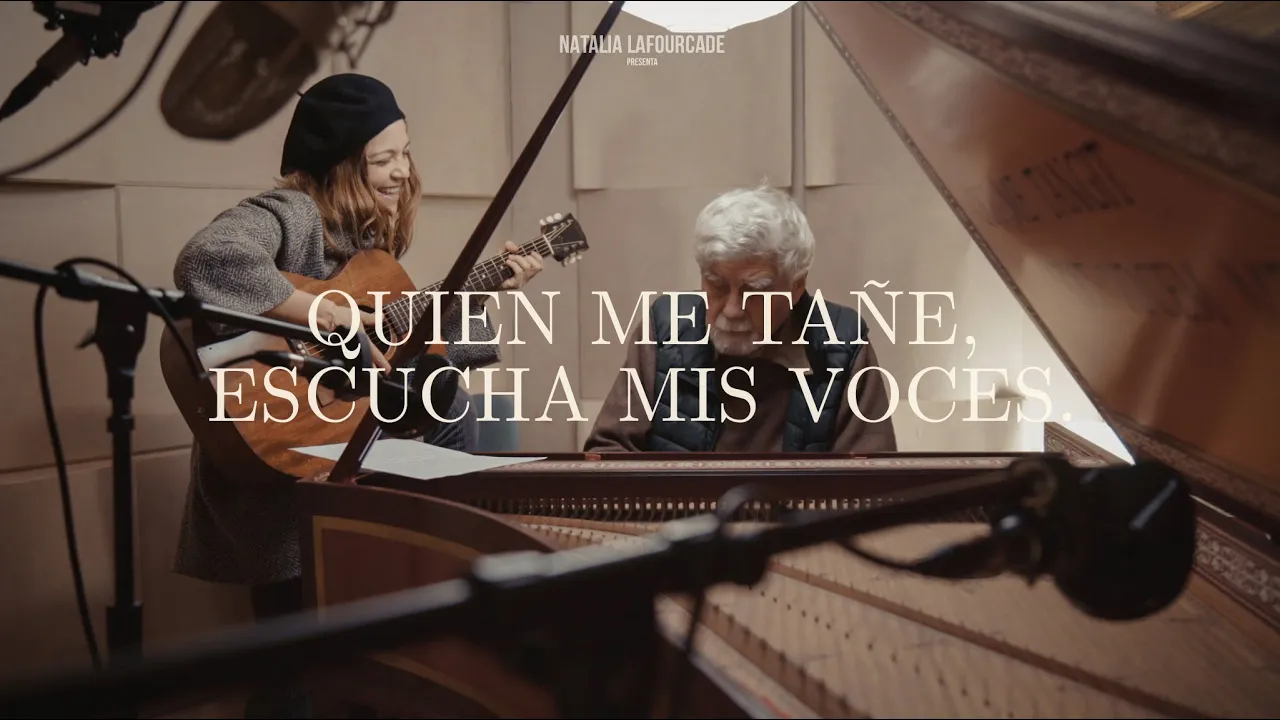
Gastón Lafourcade - Quien Me Tañe Escucha Mis Voces (Documental)
393.1K
The harpsichord and piano produce fundamentally different sounds due to their mechanical designs. The harpsichord plucks strings with plectra, creating a percussive, non-sustaining sound, while the piano strikes strings with hammers, producing a more resonant, sustained tone. When the piano was invented, it initially displaced the harpsichord, which was largely forgotten for nearly 100 years because it better suited the romantic aesthetic. However, this displacement does not mean the harpsichord was useless; it simply became less relevant to the prevailing musical style. The same musical piece can sound dramatically different depending on whether it is performed on a harpsichord or piano, demonstrating how instrument choice fundamentally shapes musical interpretation.
Click to watch →
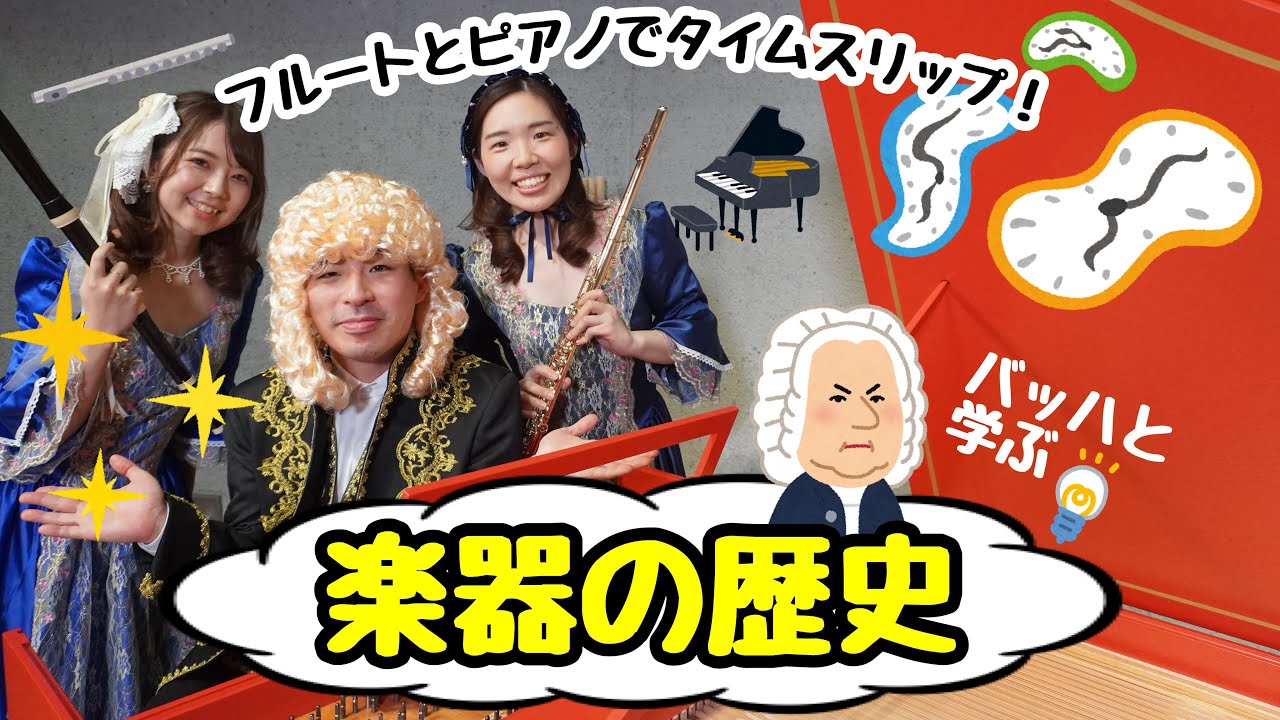
バッハと学ぶ!楽器の歴史♪〜フルートとピアノでタイムスリップ〜【小学校高学年向け】
10.6K
The harpsichord (チェンバロ) is a historical keyboard instrument that differs significantly from the modern piano. While both have keyboards, the harpsichord is primarily constructed from wood with iron or brass strings, whereas the piano combines wood and metal with steel strings. Harpsichords often feature colorful decorations and elaborate designs. The keyboard color scheme is typically reversed compared to modern pianos, with black keys on top and white keys on the bottom, possibly to make the hands of noblewomen appear whiter during performance. The sound production mechanisms differ fundamentally: pianos use hammers that strike strings, while harpsichords use a jack mechanism where a plectrum plucks the strings. Historical tuning standards also varied, with the harpsichord in this demonstration tuned to 415 Hz, lower than the modern standard of 442 Hz.
Click to watch →

Harpsichord VS Piano
54.7K
This video presents a comparison between the harpsichord and piano, two historical keyboard instruments, with the creator expressing a personal preference for the piano over the harpsichord while acknowledging appreciation for both instruments.
Click to watch →
Deep Dive
Knowledge of Baroque ornamentation rules and conventions, such as trills, mordents, and appoggiaturas.
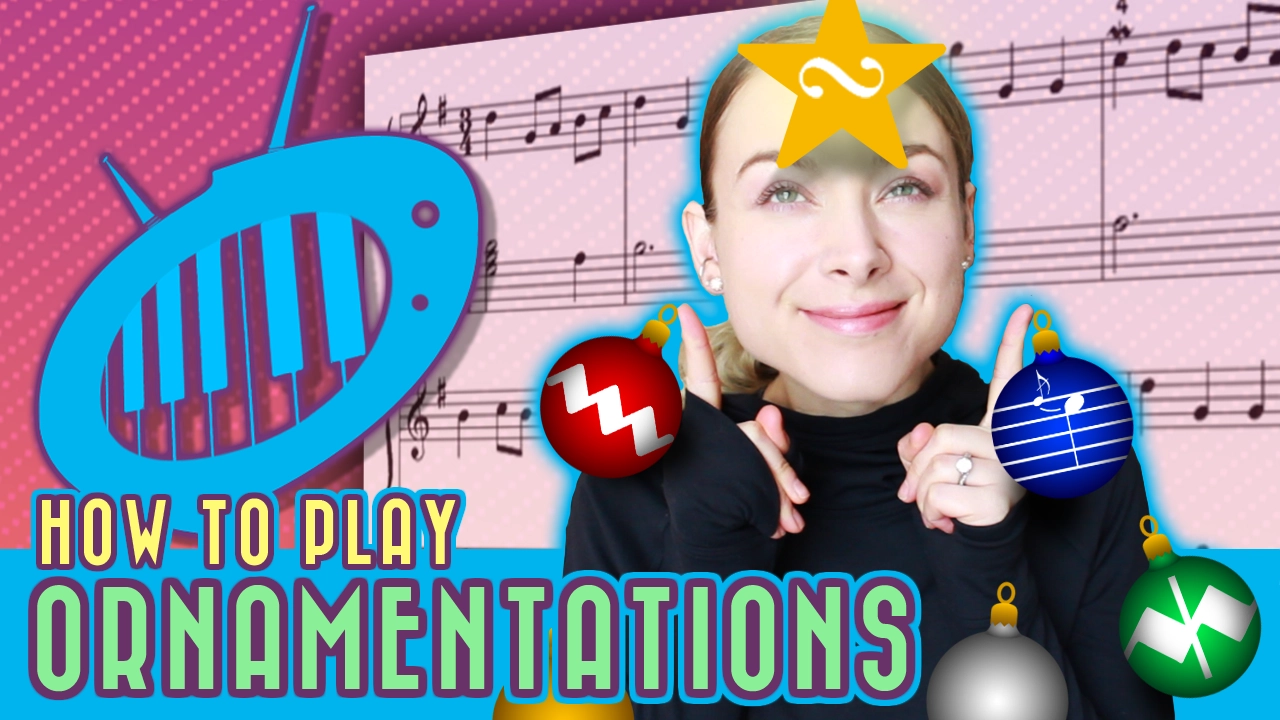
How to Play Ornaments: Trills, Mordents and More
132.5K
Ornaments are decorative musical elements that embellish melodies without changing their fundamental shape, functioning like decorations on a Christmas tree. The five main ornaments include: (1) Trills - rapid alternation between two notes a whole step apart, starting on the higher note; (2) Upper and Lower Mordents - quick turns between the written note and a higher or lower note respectively; (3) Turns - four-note patterns starting from the upper note, going below the first note, then back up; (4) Appoggiaturas - small notes beside main notes that delay resolution and are played on the beat; (5) Grace Notes - quick decorative notes played slightly before the beat, indicated by a slash through the note. These ornaments are notated in various ways including written-out notation, symbolic codes, or with asterisks, and their interpretation can vary by musical era and composer.
Click to watch →
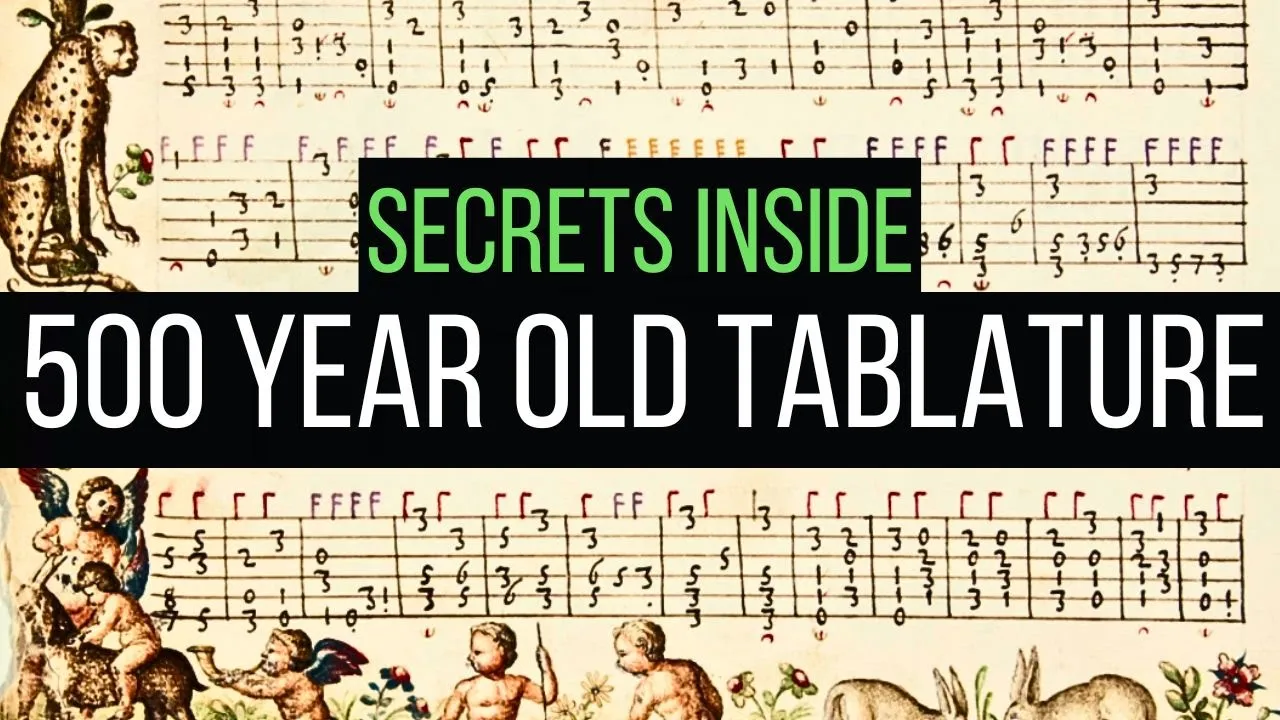
What GUITAR players can learn from 500 year old TAB...
71.7K
Historical tablature from the Renaissance and Baroque periods (1400-1600) was the dominant notation system for plucked instruments like lute and guitar for over 400 years, and it contains essential performance information including ornamentation symbols (trills, mordents, appoggiaturas), slurs indicating hammer-ons and pull-offs, and fingering dots that reveal how composers intended their music to be played, which modern guitarists can learn to interpret to achieve more authentic and historically informed performances.
Click to watch →

Jacques-Martin Hotteterre: the LEGEND of the French Baroque
13.9K
Hotteterre systematically defines Baroque ornaments: tromblon (trill) agitates two notes (whole or semitone apart), beginning on the higher note; lower appoggiatura (notated as V) plays on upward-moving melodies; lower mordent (vertical line) appears on short notes with pivot notes; upper mordent (rising diagonal) borrows sound from within longer notes for expression; duplicata adds a turn to trills; kolle slurs notes together. Each ornament has specific notation and performance requirements. Hotteterre admits describing all situations is difficult but recommends practicing long notes for expression.
Click to watch →

Intro to Baroque Ornamentation! | Team Recorder
46.4K
Baroque ornamentation is the practice of embellishing music by adding extra notes and figures, serving three main musical purposes: harmonic (creating tension through consonant and dissonant notes), melodic (adding interest to passages), and rhythmic (enhancing dance movements). The most common ornaments include the appoggiatura (a dissonant note resolving to a consonant), the trill (alternating between two notes starting on the upper note), the mordant (a quick turn between notes), and the turn (a decorative figure between notes). Regional styles varied significantly: Italian Baroque was more virtuosic and florid, French Baroque was more refined and intricate with less improvisation, and German Baroque combined elements of both. Key principles include using ornaments at cadences, in repetitions, and at points of emotional expression, while maintaining moderation and understanding the underlying harmony.
Click to watch →

Telemann Collection - Baroque Music
95.2K
Baroque performance conventions include specific ornamentation rules, articulation patterns, and dynamic contrasts. Performers add trills, mordents, and grace notes according to established rules. The video demonstrates these conventions through performances of Telemann's works, showing how authentic performance practice recreates the stylistic nuances of the Baroque era.
Click to watch →
Prerequisite Knowledge
- Concept 01Understanding of Baroque dance suite structures, specifically standard movements like the Allemande, Courante, Sarabande, and Gigue.
- Concept 02Basic principles of Baroque counterpoint and polyphony, where multiple independent melodic lines interact simultaneously.
- Concept 03Familiarity with historical keyboard instruments (harpsichord and clavichord) and how their mechanics and expressive capabilities differ from the modern piano.
- Concept 04Knowledge of Baroque ornamentation rules and conventions, such as trills, mordents, and appoggiaturas.
Subsequent Learning
- Step 01Comparative analysis of the Partitas played on historical harpsichords versus modern grand pianos to understand stylistic evolution.
- Step 02In-depth study of Johann Sebastian Bach's more complex keyboard masterpieces, such as the 'Goldberg Variations' or 'The Well-Tempered Clavier'.
- Step 03Exploring the unique tonal architecture and key relationships designed across the six Partitas (BWV 825-830).
- Step 04Investigation of Baroque musical rhetoric and the concept of 'Affect' (Affektenlehre) as expressed through keyboard performance.
Opening
Segment One
Deep Dive
Key Insights
Case Study
Strategies
Advanced Tips
Discussion
Conclusions
Opening
0:00Playing Section
- 1
Session begins with musical performance.
- 2
Atmosphere established, audience engages.
Historically Informed Performance on Period Instruments
While performing Bach's Partitas on a modern piano is widely accepted, a significant counterpoint comes from the Historically Informed Performance (HIP) movement, which advocates for using period instruments like the harpsichord. Proponents of this view argue that Bach specifically conceived these works for the harpsichord, an instrument with plucked strings, rapid decay, and no sustaining pedal. Performing them on a modern grand piano can alter the intended articulation, dynamics, and textures of Baroque counterpoint. Critics of piano performances argue that the piano's sustained tone and wide dynamic range can muddy the intricate, independent voices of Bach's polyphony, whereas the harpsichord provides the crisp clarity, rhythmic drive, and historical temperament essential to fully experiencing the music as Bach designed it.
Deep Dive
Comparative analysis of the Partitas played on historical harpsichords versus modern grand pianos to understand stylistic evolution.
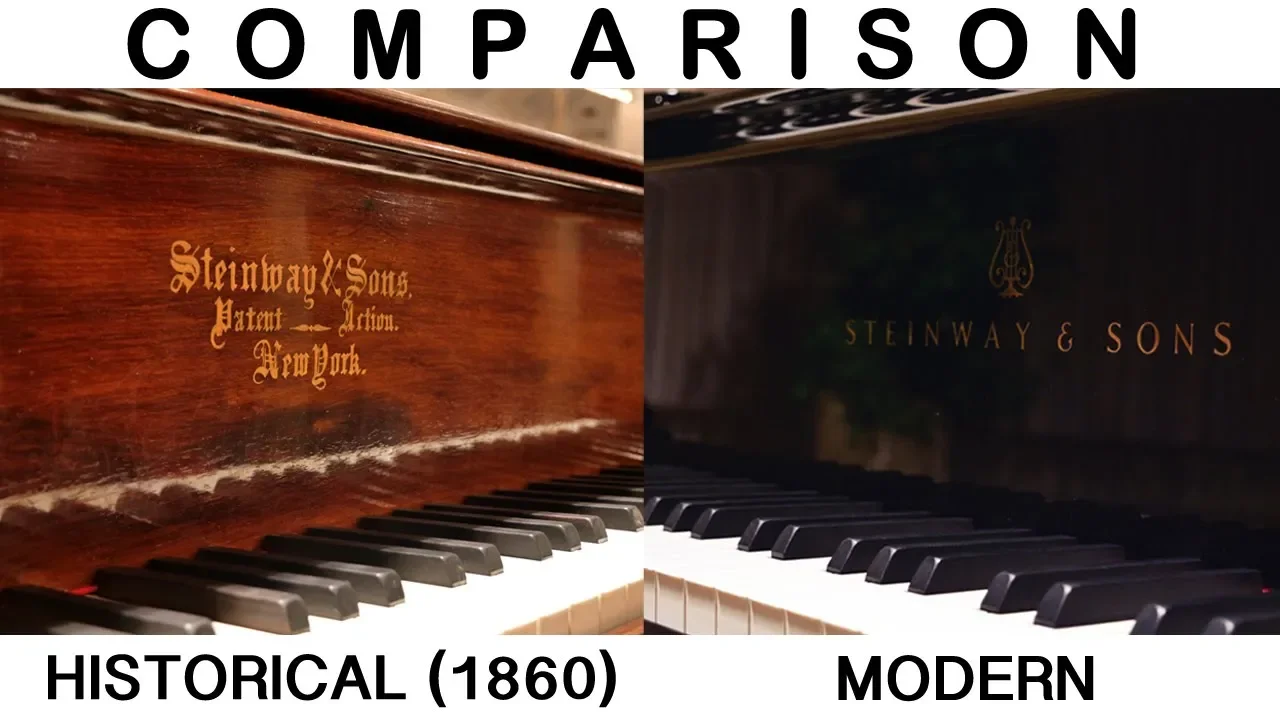
Steinway Flügel | Historisch - Modern | Ein Vergleich von Hardy Rittner
6.4K
This video presents a comparative analysis between a 1860 Steinway concert grand piano and a modern Steinway concert grand piano, demonstrating how historical instruments retain their characteristic overtone richness and require less pedal usage while modern instruments excel in volume, power, projection, and dynamic range, making them versatile all-round instruments capable of playing diverse repertoire.
Click to watch →

Comparing a modern grand piano with an 1814 Broadwood Square Piano
19.2K
Modern grand pianos and historical instruments like the 1814 Broadwood square piano differ significantly in design and sound production. Modern pianos have 88 keys (A0-C8), while historical pianos have much smaller ranges. Modern pianos use graduated stringing (1-2-3 strings) with thick bass strings and iron frames, producing long resonance and powerful dynamics. Historical pianos use 2 strings throughout with thinner strings and less tension, resulting in quicker decay and more delicate tones. Pedal systems also differ: modern pianos use right-foot pedals for resonance, while historical pianos used left-foot pedals primarily as effects. Historical pianos were tuned to lower 'classical pitch' rather than modern concert pitch, and used different temperaments where some keys sounded more in tune than others. These differences profoundly affect how music from different periods should be performed.
Click to watch →

Living Piano - KOCE Interview - Historic Concert Experience
2K
The piano has evolved significantly over centuries, with instruments like the harpsichord (1600s-1700s) and early pianos (circa 1760) differing substantially from modern pianos in design, such as having shorter keyboards, no pedals, and inverted key colors (black keys white, white keys black), which creates a distinctly different musical experience when playing historical music on these instruments.
Click to watch →
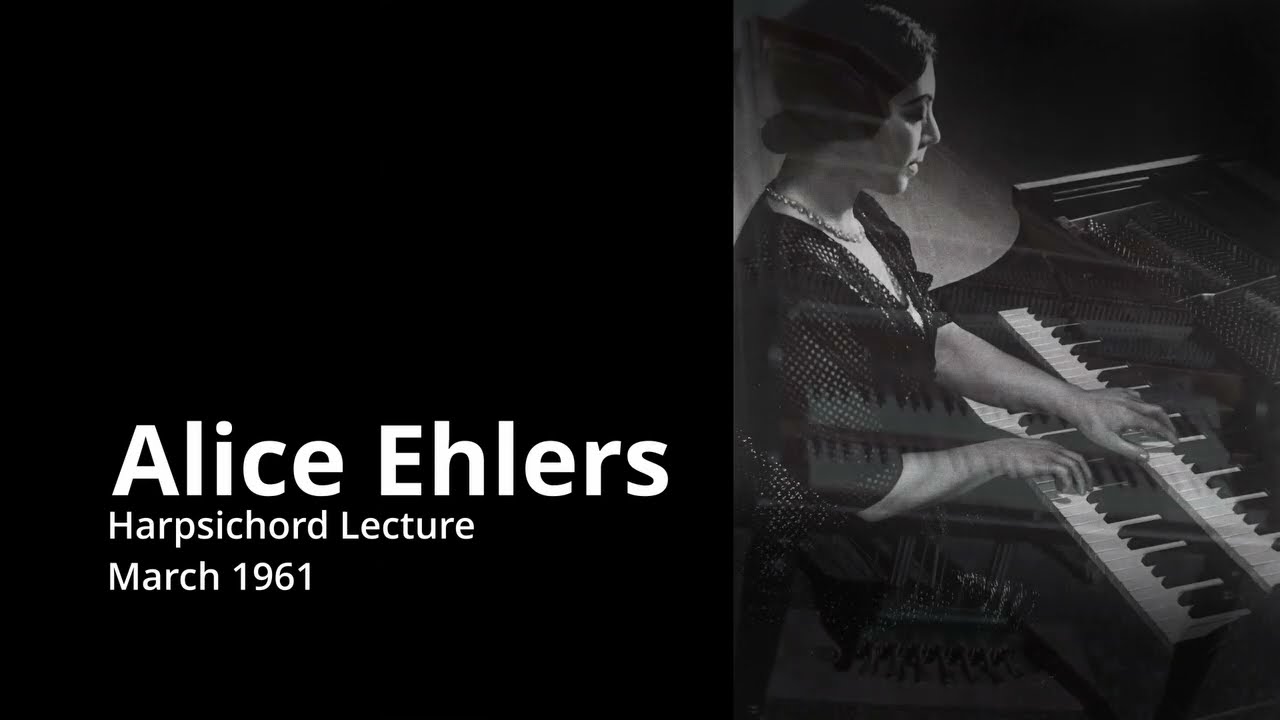
Alice Ehlers Harpsichord Disc 01 Part 01
191
Alice Ehlers explains why musicians in 1961 should play the harpsichord (an instrument from around 1750) instead of modern pianos: because the harpsichord is a plucked-string instrument with plectra that pluck strings, unlike the piano's hammer mechanism; it has two keyboards with different sound characters and multiple sets of strings (petals) that allow performers to change sonority through registration choices, which composers left to the performer's artistic taste; and to be true to Baroque music, one must use the instrument for which it was originally conceived, as modern piano editions often alter the music's original character.
Click to watch →

The Bach Partitas or WTC : What Works Best on Clavichord?
960
Bach's Partitas are better suited for clavichord than harpsichord because they require dynamic differentiation and expressiveness that the clavichord provides, while the harpsichord offers grand sonority but lacks the nuanced dynamic capabilities needed for these intimate pieces.
Click to watch →
Deep Dive
In-depth study of Johann Sebastian Bach's more complex keyboard masterpieces, such as the 'Goldberg Variations' or 'The Well-Tempered Clavier'.

Pierre Hantaï - Johann Sebastian Bach: Goldberg Variations, BWV 988
242.6K
Bach's Goldberg Variations (BWV 988), composed around 1741 and published as Clavier-Übung IV, is a monumental keyboard work consisting of an aria followed by 30 variations and a final return of the aria, featuring one canon per three variations arranged in increasing complexity from unison to 3x3x3, all built on the bass line rather than the melody; the work embodies Bach's theological worldview through numerical symbolism (3 representing the Creator and 4 representing the created) and creates a spiritual vision of the world through its cyclical structure.
Click to watch →

Johann Sebastian BACH - El músico más influyente de la historia - Sus obras esenciales
14K
Bach composed over 200 keyboard works for the harpsichord (and later piano). The Well-Tempered Clavier is his most significant keyboard work, consisting of 48 preludes and fugas in all major and minor keys. It was conceived as a pedagogical work to demonstrate equal temperament—a tuning system allowing music to be played in different keys without changing instruments. This work established the foundations of modern music harmony, which underlies pop, rock, and all contemporary music. The Goldberg Variations are an impressive example of musical variation, beginning with a beautiful aria and developing it through 30 variations that explore a vast range of styles and techniques while maintaining structural cohesion. Glenn Gould's recordings are particularly notable. The French Suites are beloved for their distinct characters, combining technical precision and complexity with emotional depth, often accompanied by joy and rhythm.
Click to watch →

Harpsichord explained and performed, with stories
166
Bach composed four major collections of keyboard exercises. The Well-Tempered Clavier (96 pieces) demonstrates even temperament through 24 preludes and fugues in each of 4 books, each in a different key. A fugue is a composition where a single theme is introduced and repeatedly developed, interwoven throughout the piece. The Goldberg Variations, commissioned by Prince Leopold of Anhalt-Köthen (who suffered insomnia), consist of 30 variations on a simple seven-note theme. The prince named the series after his harpsichordist Johann Goldberg and gave Bach gold coins. The variations transform the theme through various techniques while maintaining its core identity, demonstrating how a simple musical idea can generate endless creative possibilities.
Click to watch →

András Schiff discusses Bach
249.3K
The Goldberg Variations represent a monumental work in variation form that Bach hardly ever composed in this style. The Well-Tempered Clavier contains 24 preludes and fugues in all major and minor keys. The Art of Fugue is Bach's opus magnum, a single work in D minor containing two hours of the hardest counterpoint, exploring all elements of fugue writing. Bach's biographer said it was written to be read, not played. When playing with orchestras, the performer prepares string parts, bowings, and phrasing in advance, treating piano concertos as chamber music on a larger scale. The performer never has to sell an orchestra on their approach because preparation is so thorough.
Click to watch →

If I Could Choose Only One Work By...J.S. BACH
13.6K
The Goldberg Variations represents Johann Sebastian Bach's most significant keyboard work because it encapsulates his genius as a composer who treated music as an abstract formal art, combining contrapuntal complexity, virtuosic brilliance, and profound emotional depth within a single piece; unlike Bach's vocal works which require specific performance contexts, the Goldberg Variations exists in a universal musical realm accessible to all listeners, making it the quintessential representation of Bach's compositional mastery.
Click to watch →
Deep Dive
Exploring the unique tonal architecture and key relationships designed across the six Partitas (BWV 825-830).

Schaghajegh Nosrati | Mark Travis | Pre-Concert Talk
864
Bach's Partitas in B-flat Major (BWV 825) were among his last keyboard suites composed but first published under his direction in 1731. He called them his 'opus one' despite being composed much later. The key relationships (B-flat, C minor, A minor, D major, G major, E minor) form a hidden pattern: intervals going up and down by increasing amounts. This represents Bach's cleverness and inventiveness. The pattern continues into his second volume published in 1735, concluding with B natural. In German musical nomenclature, B-flat corresponds to B and H corresponds to B natural, forming Bach's musical signature B-A-C-H. The Partita in B-flat Major follows established patterns with dances like Allemande, Courante, Sarabande, and Jig, plus an opening prelude. Bach wrote primarily for harpsichord and organ, creating a tradition of transcribing for other instruments. His music withstands transcriptions across different instruments including guitar, harpsichord, lute, and piano.
Click to watch →

Bach: The Six Partitas - Mahan Esfahani
2.2K
Bach's Six Partitas (BWV 825-830) demonstrate his balanced relationship with the musical world, where he both absorbed influences from contemporaries and contributed uniquely to musical discourse; the 1731 published scores contain deliberate ambiguities that invite multiple interpretations, as evidenced by different manuscript copies like Mutel's 1750s version, which transforms Bach's original symphonia into a classical fantasy through ornamental elaboration, challenging the notion of a single definitive performance and revealing Bach's collaborative spirit as a composer who participated in musical discourse rather than existing as an isolated authority figure.
Click to watch →
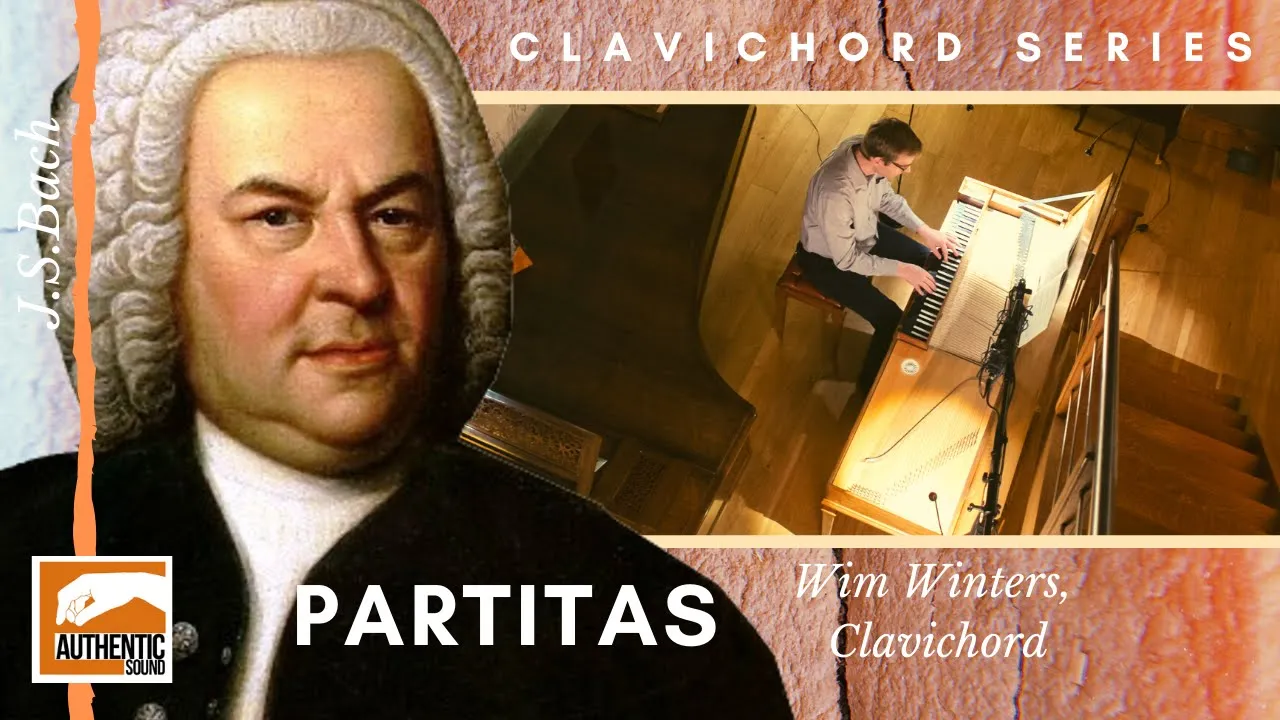
J.S.BACH :: PARTITAS BWV 825-830 COMPLETE :: WIM WINTERS, CLAVICHORD
123.4K
The video presents a complete performance of Johann Sebastian Bach’s six Keyboard Partitas (BWV 825–830), played on clavichord by Wim Winters. Each Partita is structured as a suite of dance movements, with distinct opening forms: Partita No. 1 begins with a Praeambulum, No. 2 with a Sinfonia, No. 3 with a Fantasia, No. 4 with an Ouverture, No. 5 with a Preambulum, and No. 6 with a Toccata. These works, composed between 1725 and 1730/31, are the most technically demanding of Bach’s three keyboard suite sets. Unlike the earlier English and French Suites, the Partitas exhibit greater structural freedom, with varied movement orders and non-standard openings. Originally published individually as Clavier-Übung, they were collected in 1731 as Bach’s Opus 1. Bach initially planned seven, then eight Partitas, but only six were completed and published in the first volume. The keys of the six Partitas—B-flat major, C minor, A minor, D major, G major, and E minor—follow a deliberate intervallic sequence: second up, third down, fourth up, fifth down, sixth up. This sequence continues into Clavier-Übung II with the Italian Concerto and French Overture, completing a tonal arc from B-flat (B in German notation) to B-natural (H in German notation). The autograph manuscripts are lost. The video includes timestamps for each movement and references Wikipedia for historical context.
Click to watch →

Bach, J.S.: 6 Partitas for keyboard, BWV 825-830 / Gianluca Luisi
4.6K
The video presents a complete performance of Johann Sebastian Bach’s Six Partitas for keyboard, BWV 825–830, as played by pianist Gianluca Luisi. Each Partita is structured as a suite of dance movements, with distinct forms and keys: Partita No. 1 in B-flat major includes Praeludium, Allemande, Corrente, Sarabande, two Menuets, and Gigue; Partita No. 2 in C minor features Sinfonia, Allemande, Courante, Sarabande, Rondeaux, and Capriccio; Partita No. 3 in A minor contains Fantasia, Allemande, Corrente, Sarabande, Burlesca, Scherzo, and Gigue; Partita No. 4 in D major opens with Ouverture, followed by Allemande, Courante, Sarabande, Aria, Menuet, and Gigue; Partita No. 5 in G major includes Praeambulum, Allemande, Corrente, Sarabande, Tempo di Minuetto, Passepied, and Gigue; Partita No. 6 in E minor begins with Toccata, followed by Allemanda, Corrente, Sarabande, Air, Tempo di Gavotta, and Gigue. The movements reflect Baroque dance forms and stylistic conventions, with variations in tempo, meter, and character. The performance is presented in chronological order with precise timestamps for each movement. The recording is part of an album cataloged as OC1112BV by OnClassical, released in 2021.
Click to watch →
![Bach 6 Clavier Suiten [Partiten] BWV 825 826 827 828 829 830 András Schiff](https://i.ytimg.com/vi/MV4VyhMS0ds/maxresdefault.jpg)
Bach 6 Clavier Suiten [Partiten] BWV 825 826 827 828 829 830 András Schiff
251.6K
The video presents Johann Sebastian Bach’s Six Partitas for harpsichord, collectively known as Clavierübung Teil I & II (BWV 825–830). Each partita is performed in sequence by András Schiff on piano, despite the original instrumentation being for harpsichord. The six partitas are listed with precise timestamps: Partita No. 1 in B-flat major (BWV 825) begins at 0:00:00; Partita No. 2 in C minor (BWV 826) at 0:17:20; Partita No. 3 in A minor (BWV 827) at 0:37:09; Partita No. 4 in D major (BWV 828) at 0:54:30; Partita No. 5 in G major (BWV 829) at 1:25:48; and Partita No. 6 in E minor (BWV 830) at 1:46:06. These works are standalone keyboard suites, each comprising a series of dance movements, and represent a foundational component of Bach’s keyboard output. The performance is presented as a complete, uninterrupted recording of all six partitas. No additional commentary, historical context, or analytical insights are provided in the description beyond the titles, keys, BWV numbers, and timing.
Click to watch →
Deep Dive
Investigation of Baroque musical rhetoric and the concept of 'Affect' (Affektenlehre) as expressed through keyboard performance.
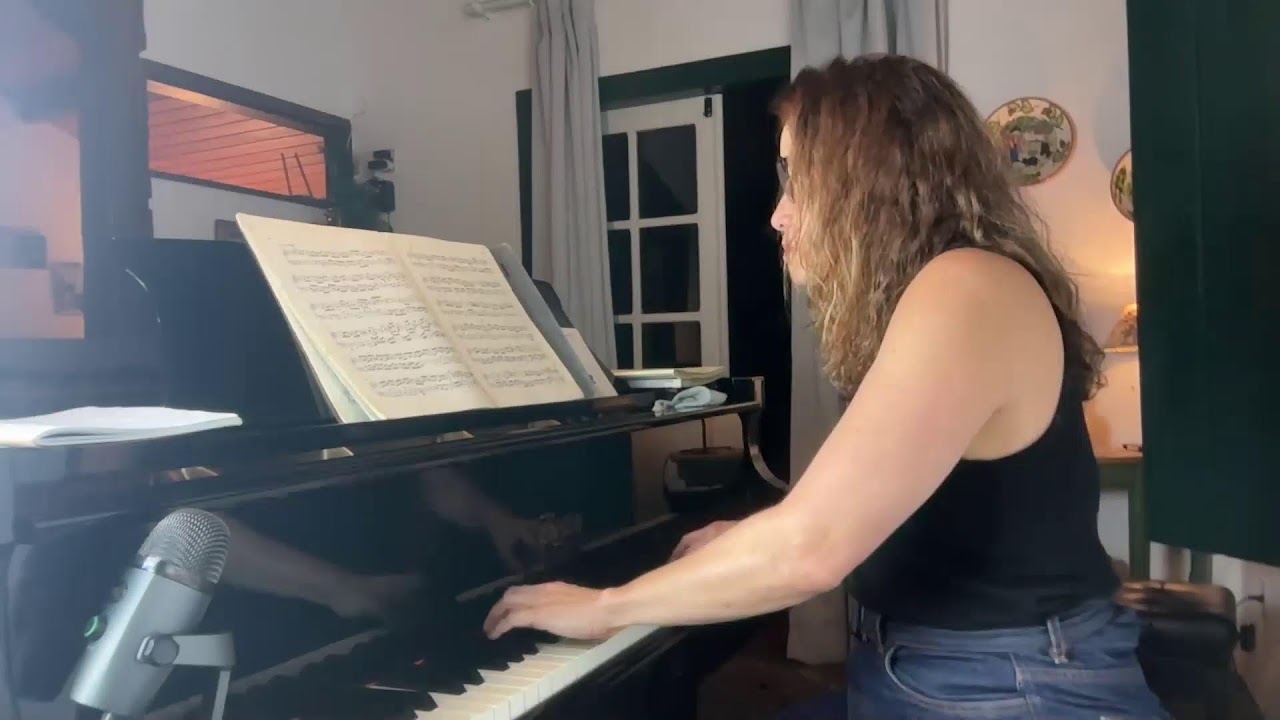
O que é estilo Barroco no piano
830
The Doctrine of Affects (Affektenlehre) was a Baroque musical theory originating in Germany, influenced by Plato's philosophy. Each musical key naturally expresses specific emotions: D major for nobility and royalty, D minor for deep sadness and resignation. During the Baroque period, sacred and secular music shared the same stylistic language, with no distinction between religious and secular contexts. A listener who did not understand the text would perceive both types of music as having identical characteristics. This unity would later give way to greater distinctions in the Classical period.
Click to watch →

La Teoría de los Afectos ¿Por qué nos conmueve la Música?
2.1K
During the Baroque period, musicians developed the Doctrine of Affects, establishing that composers can inspire different emotions through rhetorical figures. Descartes' 1649 treatise 'The Passions of the Soul' classified emotions as linked to psychological activity, with primary passions including joy, sadness, hatred, love, admiration, and desire. Spinoza identified three fundamental affects: Letizia (pleasure), Tristitia (displeasure), and Desire. The Germans developed Affektenlehre, using Greek and Roman oratorical resources to create persuasive musical discourse. When music uses these rhetorical resources, listeners feel more moved and convinced of its message.
Click to watch →

Ejecución e Interpretación de la Música del Barroco | Sesión No.6
192
Baroque musical expression was based on the theory of 'affects' or 'passions,' which held that music could produce specific emotional states in listeners. This was different from later periods where music was seen as expressing the composer's emotions. The dissonances and harmonic progressions in Baroque music were designed to produce specific emotional responses, such as the second minor in Vivaldi's 'Sinfonia del Santo Sepolcro' which produces a dramatic, poignant effect.
Click to watch →

The Doctrine of Affects - methods of working with emotions of the past in dance of the Baroque era
1.8K
The doctrine of affects, central to baroque art (17th-18th centuries), defines 'effect' as a movement of the soul or mind, emerging from Aristotle's rhetorical theory of persuasion. This became essential during the 'age of eloquence.' Sources span rhetorical treatises, philosophical works by Spinoza and Descartes, and musicological texts. The number of recognized effects expanded from four in early 17th-century sources to over thirty by late 18th-century French treatises. Three gesture categories exist: expressive (emotions), emphatic (highlighting importance), and mimetic (comedy). Key sources include Italian encyclopedic treatises, John Bulwer's illustrated works, and French priestly manuals, with consistent patterns visible in contemporary paintings and engravings.
Click to watch →

Концерт фортепианной музыки «Возвышенное и земное»
670
The Baroque era featured 'affect theory,' which assigned specific meanings to musical elements - certain passages represented joy while others represented sorrow. This created a musical language where composers could communicate specific emotions. French composer Jean-Philippe Rameau wrote three character pieces: 'The Hen' (with 'co-co-co' notation for chicken sounds), 'The Egyptian' (which was actually a gypsy in French usage), and 'The Savage.' The performer shares humorous anecdotes about audience reactions, including confusion about whether 'The Hen' was a rooster or hen, and debates about the appropriate interpretation of 'The Egyptian.'
Click to watch →
Opening
Segment One
Deep Dive
Key Insights
Case Study
Strategies
Advanced Tips
Discussion
Conclusions
Opening
0:00- 1
Session begins with musical performance.
- 2
Atmosphere established, audience engages.
Historically Informed Performance on Period Instruments
While performing Bach's Partitas on a modern piano is widely accepted, a significant counterpoint comes from the Historically Informed Performance (HIP) movement, which advocates for using period instruments like the harpsichord. Proponents of this view argue that Bach specifically conceived these works for the harpsichord, an instrument with plucked strings, rapid decay, and no sustaining pedal. Performing them on a modern grand piano can alter the intended articulation, dynamics, and textures of Baroque counterpoint. Critics of piano performances argue that the piano's sustained tone and wide dynamic range can muddy the intricate, independent voices of Bach's polyphony, whereas the harpsichord provides the crisp clarity, rhythmic drive, and historical temperament essential to fully experiencing the music as Bach designed it.
Understanding of Baroque dance suite structures, specifically standard movements like the Allemande, Courante, Sarabande, and Gigue.
Basic principles of Baroque counterpoint and polyphony, where multiple independent melodic lines interact simultaneously.
Familiarity with historical keyboard instruments (harpsichord and clavichord) and how their mechanics and expressive capabilities differ from the modern piano.
Knowledge of Baroque ornamentation rules and conventions, such as trills, mordents, and appoggiaturas.
Comparative analysis of the Partitas played on historical harpsichords versus modern grand pianos to understand stylistic evolution.
In-depth study of Johann Sebastian Bach's more complex keyboard masterpieces, such as the 'Goldberg Variations' or 'The Well-Tempered Clavier'.
Exploring the unique tonal architecture and key relationships designed across the six Partitas (BWV 825-830).
Investigation of Baroque musical rhetoric and the concept of 'Affect' (Affektenlehre) as expressed through keyboard performance.
2.6M views20.8Klikes2:25:05@PianoClassicsOriginal Release: 2018-08-10
[Music] you [Music] you [Music] you [Music] you [Music] you [Music] you [Music] you [Music] you [Music] you [Music] you [Music] you [Music] you [Music] you [Music] you [Music] you [Music] you [Music] you [Music] you [Music] you [Music] [Applause] [Music] you [Music] [Applause] [Music] you [Music] [Applause] you [Music] [Applause] [Music] you [Music] you [Music] you [Music] you [Music] you [Music] you [Music] you [Music] you [Music] you [Music] you [Music] you [Music] you [Music] you [Music] you [Music] you [Music] you [Music] you [Music] you [Music] you [Music] you [Music] you [Music] you [Music] you [Music] you [Music] you [Music] you [Music] you [Music] you [Music] [Applause] [Music] [Applause] you [Music] you [Music] you [Music] you [Music] you [Music] you [Music] [Applause] [Music] you [Music] you [Music] you [Music] you [Music] you [Music] you [Music] you [Music]
Up Next

123:43
How to Develop a Musical Idea: Full Tutorial & Guide
@ThinkSpaceEducation
191K views•2021-02-05

12:54
Triumph of Orthodoxy Icon: Byzantine Art & History Explained
@BenCallan
2.1K views•2024-08-06

9:49
FastAPI vs Flask vs Django: Choosing the Right Python Web Framework
@TechWithTim
302.5K views•2024-05-26

1:42
Game of Thrones Opening Credits: A Cinematic Analysis
@gameofthrones
46.3M views•2011-04-18
Related Study Plans & Knowledge Roadmaps
Structured learning paths in General & Interdisciplinary Studies
general-studies
Elevator Engineering: History, Physics & Cities
01From Hoists to Safety Brakes: The Dawn of Vertical Lift
02Hydraulic vs. Traction: The Engineering Physics of Elevators
03Modern Speed, Safety, and Algorithms
+ 2 more learning modules
12h5 modules
Explore Roadmap
general-studies
Rubber: Material Science, History & Geopolitics
01Origins of Natural Rubber & Mesoamerican History
02The Chemistry of Natural Rubber & Vulcanization
03The Geopolitics of the Rubber Boom & Colonization
+ 2 more learning modules
12h5 modules
Explore Roadmap
general-studies
Containerization: Evolution, Logistics & Trade
01Ancient Trade & Bulk Cargo: Amphorae to Barrels
02The Industrial Revolution & Cardboard Packaging
03The Containerization Revolution: Malcom McLean
+ 2 more learning modules
12h5 modules
Explore Roadmap
general-studies
Textile Tech: Evolution, Labor & Global Impact
01Pre-Industrial Textiles: Handloom & Cottage Industry
02Mechanization: The Spinning Jenny to the Power Loom
03The Factory System & Global Labor Transformation
+ 2 more learning modules
10h5 modules
Explore Roadmap