




![[r3s] TPM - The Explosion (Daniel Maslowski)](https://i.ytimg.com/vi/o6ypFuFgHmE/maxresdefault.jpg)



![Cryptography: symmetric key exchange, diffie-hellman [عربي]](https://i.ytimg.com/vi/6v7qHcTkV7s/maxresdefault.jpg)





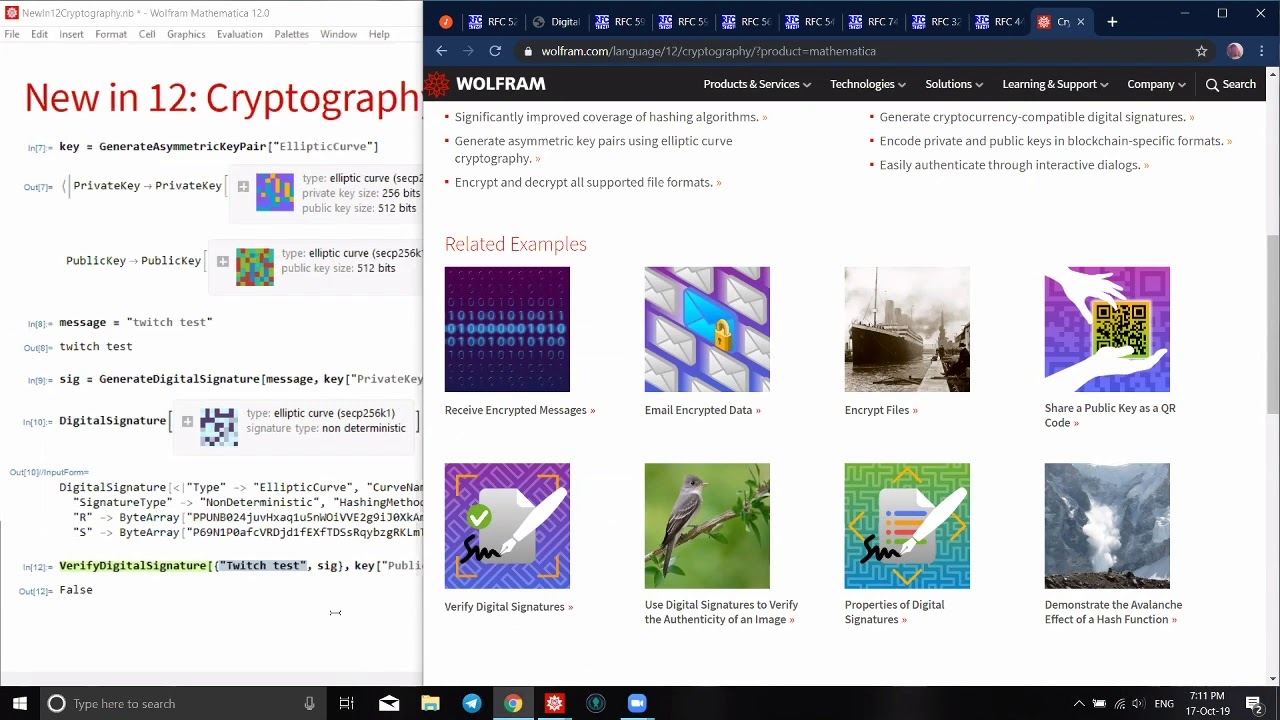

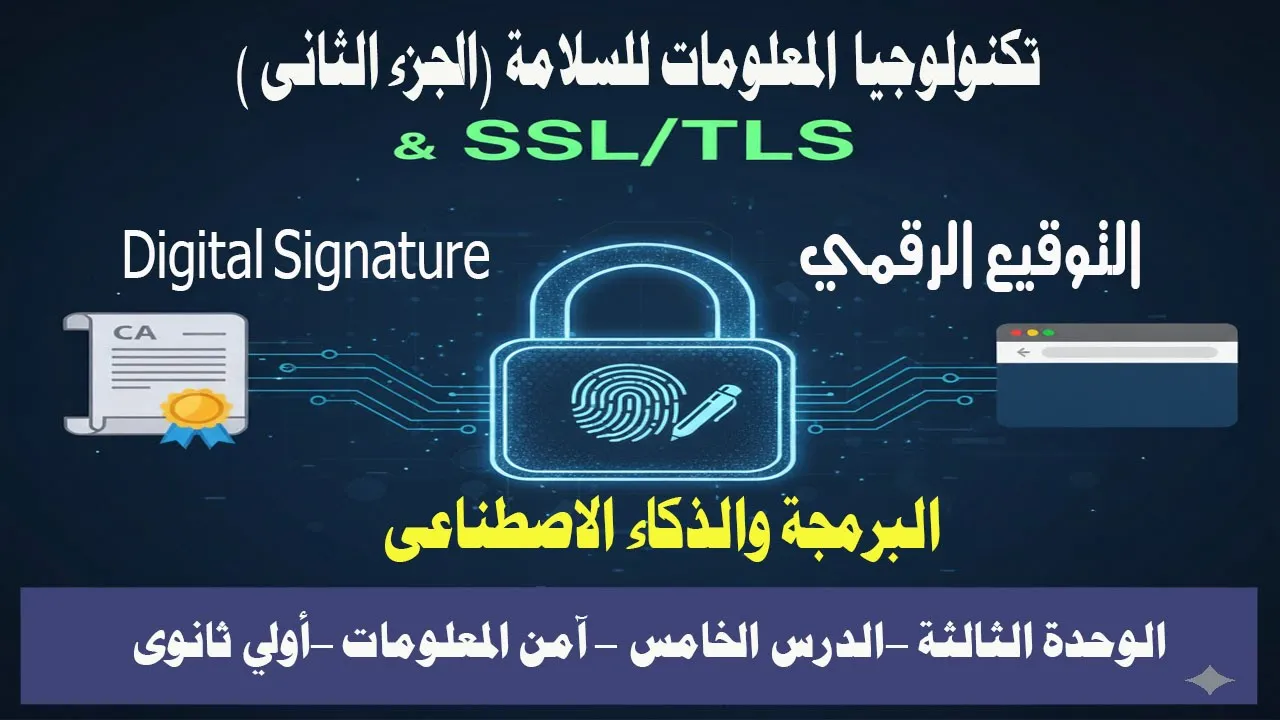



A digital signature is created by encrypting a message with the sender's private key, allowing verification by anyone who possesses the sender's public key, and provides three essential security properties: verifiability (proving the sender's identity), non-forgeability (preventing unauthorized signatures), and non-repudiation (preventing the sender from denying they signed the message).
Digital Signatures Explained: Public Key Cryptography Basics
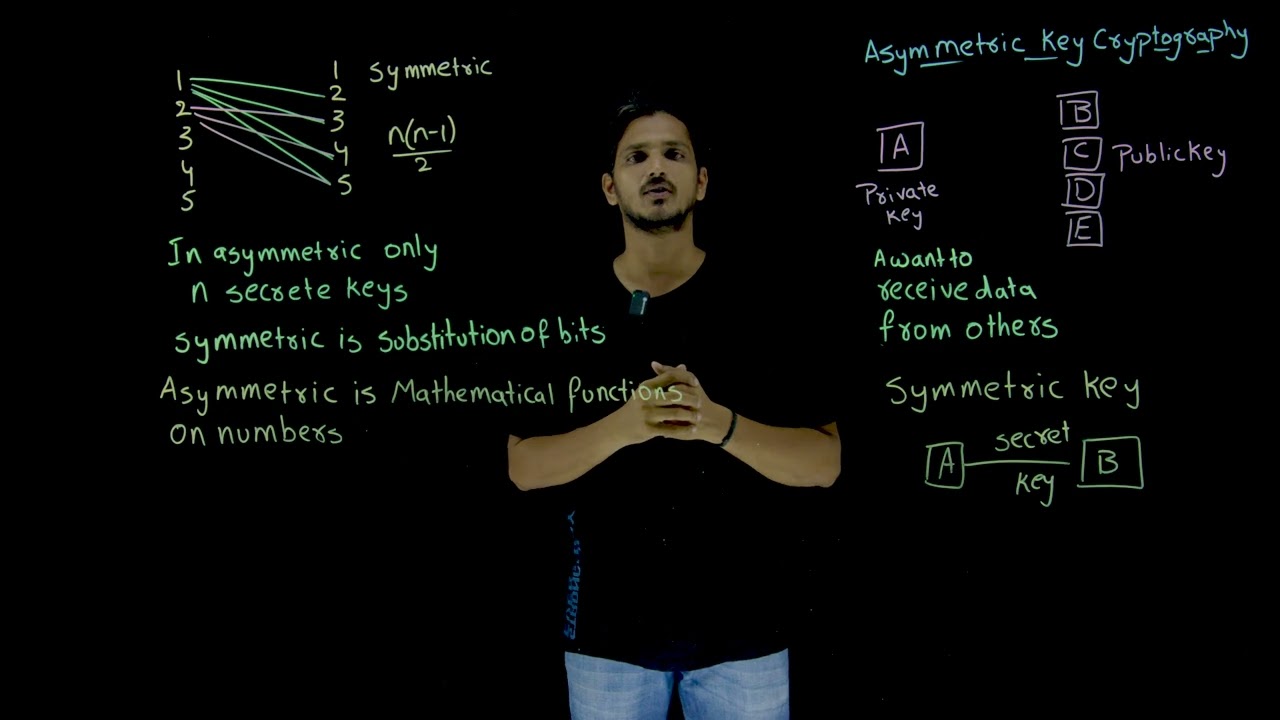
Added:The fundamental difference between symmetric and asymmetric (public-key) cryptography
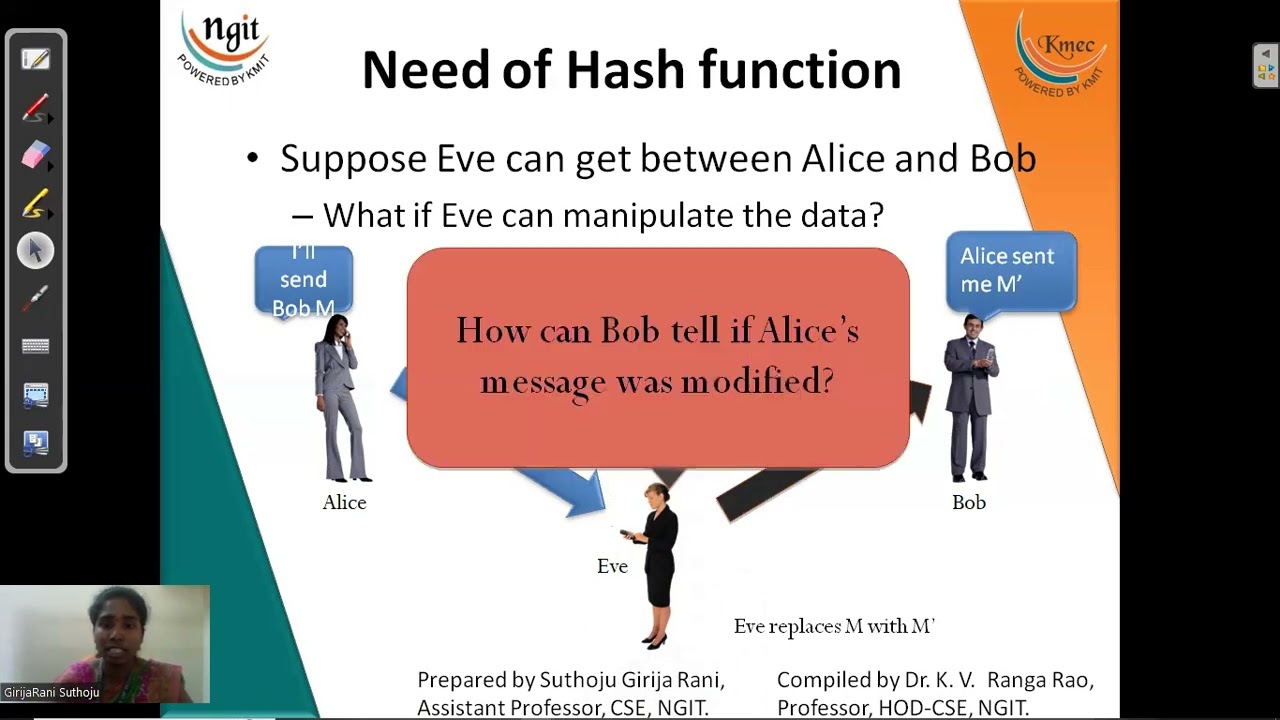
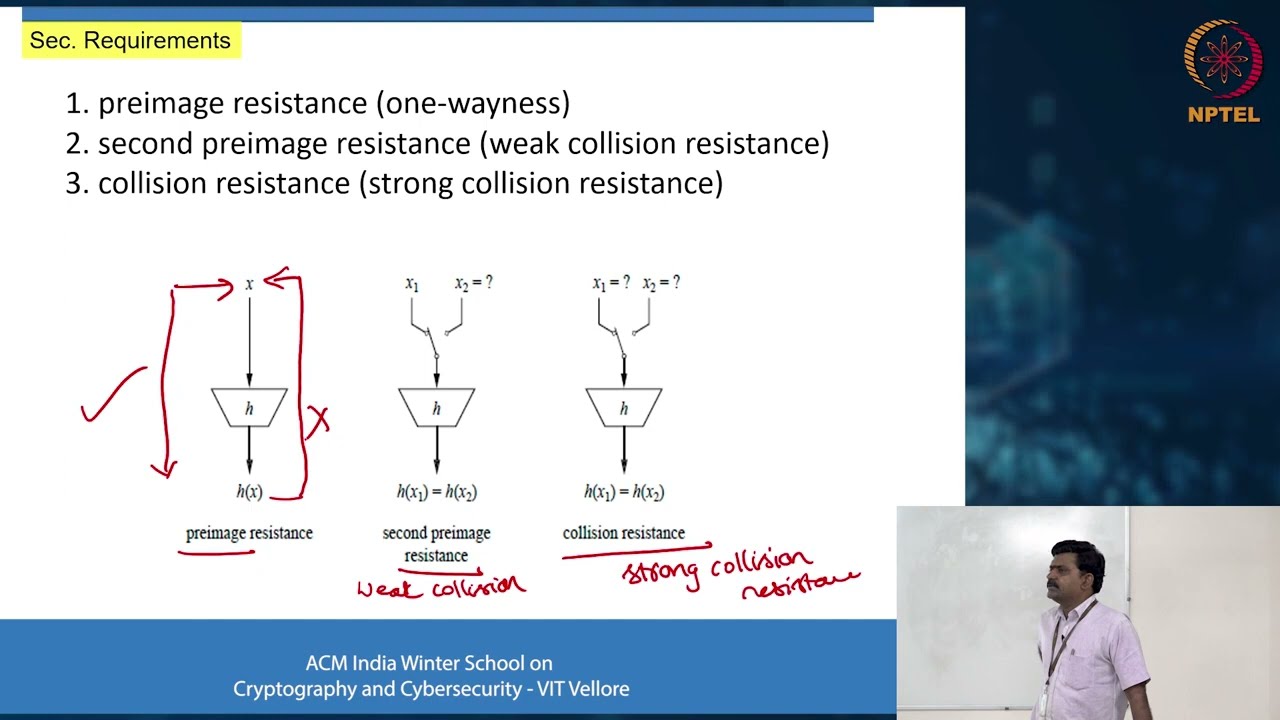
How cryptographic hash functions work to create unique, fixed-size message digests
The basic concept of key pairs, specifically how public and private keys relate mathematically
The core security goals of data confidentiality, integrity, and authenticity
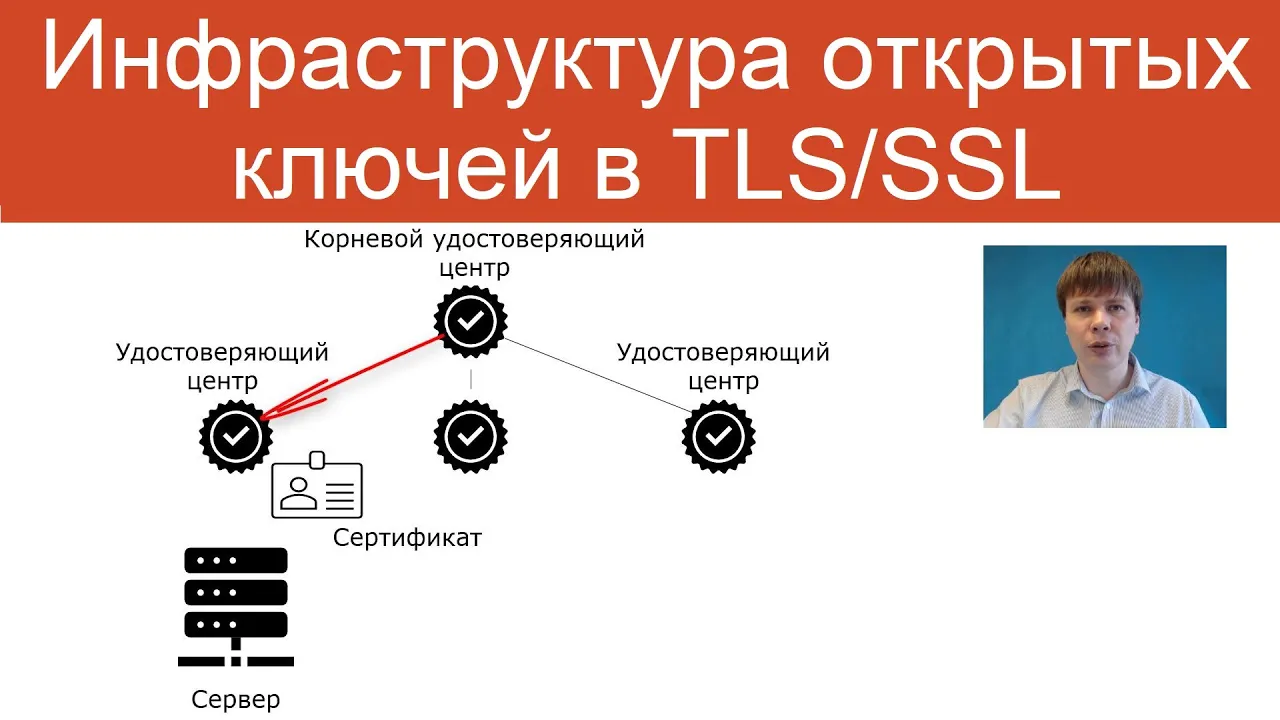
Public Key Infrastructure (PKI) and how Certificate Authorities (CAs) bind identities to public keys
Mathematical implementation of signature algorithms such as RSA, DSA, and ECDSA (Elliptic Curve Digital Signature Algorithm)
Real-world application of digital signatures in network security protocols like TLS/SSL, SSH, and PGP
How digital signatures serve as the foundational trust mechanism in blockchain technology and cryptocurrency transactions
37.9K views126likes9:39Original Release: 2015-05-20
friends in this lecture we will learn about digital signatures so what is signature in ordinary life so signature means that I have signed a document so it's a proof that okay I am the person who is asking something okay I sign a check in bank and it means that okay this is me who is asking for money drawing out money okay it should be verifiable so they will match my signature with the some copy of it okay and they will verify that it is correct and I'm the same person okay so this is verifiable it should be non forgeable so no one can forge my signature okay so I am let's say Mr X and I sign something so let's say this is my sign so this should be verifiable so if I go to a bank and I tell that okay kind of let's say password so this is there it will show that okay this is my sign and it is verifiable it will verify that okay it's me and it should be non forgeable so no other person can sign it okay so that's why we have so much complicated signatures and so on so that it's verifiable I can verify also okay and it's non forgeable it's not easy to forge so recipient Alice okay can prove to someone that Bob and no one else must have signed the document so there is a check of $20,000 okay and now this is sent to Alice okay so Alice won a prize money and Bob gave it and he signed the check also okay so now Alice the recipient of the award can prove that okay to someone that okay this is a valid check which Bob has signed and in fact it should be non forgeable also that okay no one else can sign that signature and in fact even if afterward Bob who signed this and he was giving a check of $2,000 $220,000 in fact so he also cannot say that okay I did not sign this document so these three three things are very important okay so simple digital signature of message so few things were that it is verifiable it is non forgeable and it is non- reputable which means I cannot now go back that okay I didn't give you a price this is not my sign so these three things should be there how it is done in case of internet or in the network so simple digital signature for a message M so what we do B Bob signs a message by encrypting with his private key KB minus so there is a message M so Bob is giving that message so he will now encrypt with it his private key okay so he will do sign it with KB minus and the message M so the signature the signed message will be this one okay and why now you will ask so usually we encrypted with the public key okay but here Bob is encrypting it with his private key now what will happen is that if I want to show that okay this is Bob who has signed this document then what I will do I will have the public key everyone has the public key so we will use that on the signed document and we know that if we apply public key on a private key signed message then I will get message M okay so Bob sends a message okay his digital signature and it he has now to tell that okay he signed that document it is he who wrote that non-reputable and then we can verify that okay it is Bob and the other thing was it is non forgeable no other person can do that so what he does he has a message dear Alice okay oh I have missed you I think you all the time I think of you all the time okay this is a message and Alice says that okay you have to send it so that I can verify it is you and no one other person is pranking me okay so how does it happen first thing is it should be verifiable so how is it verifiable this is the message now Bob signs it with KB minus so this key private key is known only to him so he encrypts it he sends the message public encryption and he sends the message along with the encrypted message with his private key so now how will she know that verify that it is Bob who sent this message so she will do what so this is his private key she knows his public key so she will apply kb+ to this KB minus M okay and then what will happen is she so someone is annoyingly putting the hor okay so sorry for that so kb+ she will apply the public key to this message and she will get the message so this tells that okay it is verifiable okay because I can read the message I have the message also and when I apply it on the encrypted message I get the same message so I know that okay it is encrypted it is Bob only who has sent this message so it is verifiable next thing is what was the next thing non forgeable okay so next how is it non forgeable so it's very difficult okay so to find some message another person let's say Trudy to sign the message okay such that when I apply the public key of of Bob then this will become equal to one the inverse process is very difficult it's almost impossible so it is non forgeable the third one is that non-reputable so it means now Bob wrote a love letter to Alice now Alice became angry and then he cannot say that okay it was try who did it okay so he cannot run away from that message so how will she do then she will tell Alice that okay I got a message from Bob so the message was there and he had sent it why why was it Al Bob only who has sent it because when I apply his public key to the encrypted message I get the same message this cannot happen Okay so it's inverse process of having a m message okay so let's say so there is no way out that you can encrypt using some other key and then what will happen so it's very difficult so let's try to see so I have a message I'm Trudy so and the private key of Bob is not known to me okay so I there is no way KT minus I sign 2D signs it with his message okay and here what happens he was signing it with his message Bob but now here Trudy signs this message and what will happen but if he says that this message is from Bob what will happen Alice will apply KB plus the public key of Bob and then if she applies it to KT minus M it is very very highly improbable that this will become M this will become something M Dash okay which will not be equal to M so we come back and we say that it satisfies all the three properties suppose digital signature so Alice receives message M with signature KB minus so how she verifies she applies Bob's public key KB plus to KB minus M and this she checks that okay she gets the message M so she verifies this is from Bob and then how is it non-reputable that it must be Bob so if this is the case it must be Bob if I'm getting like this I'm applying the public key of Bob then if I'm getting the same message then it is Bob and no one else okay so Bob signed this message no one else signed this and Bob signed M and not M Dash Okay non repudiation so Alice can take m and signature KB minus 2 quot and prove that it is Bob who signed the message okay so this is about the digital signatures
Up Next

62:17
OAuth 2.0 and OpenID Connect Explained Simply (2018) - A Developer's Guide
@OktaDev
2M views•2018-02-05
87:26
Introduction to Secure Multiparty Computation with Yehuda Lindell
@fhe_org
7.7K views•2021-02-04

4:55
HTTP Requests Explained: GET, POST, PUT, DELETE
@codecademy
103.1K views•2021-10-07
19:25
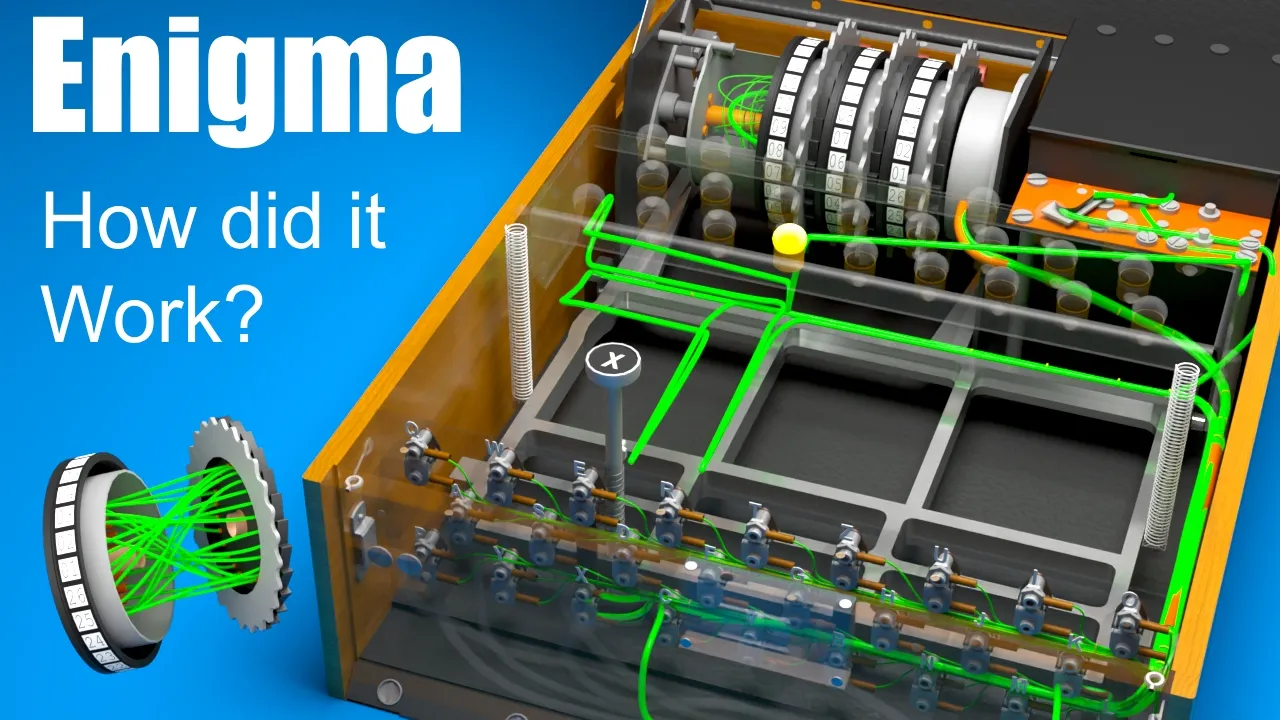
Enigma Machine Mechanics: WWII Encryption Explained
@JaredOwen
13.2M views•2021-12-11
Related Study Plans & Knowledge Roadmaps
Structured learning paths in Computer Science
computer-science
Container Runtimes: Namespaces, Cgroups & Go
01Linux Systems & Go Programming Foundations
02The Core of Isolation: Chroot and Filesystems
03Linux Namespaces: Process Isolation
+ 3 more learning modules
32h6 modules
Explore Roadmap
computer-science
Building a CHIP-8 Emulator: Rust & CPU Basics
01Computer Architecture Foundations (Bits & Bytes)
02Rust Programming for Systems Development
03CHIP-8 Virtual Hardware Specifications
+ 2 more learning modules
32h5 modules
Explore Roadmap
computer-science
Building BitTorrent: Go, P2P & Concurrency
01Go Fundamentals & Concurrency
02Networking Foundations & P2P Architecture
03Bencode Parsing & Torrent Metadata
+ 3 more learning modules
26h6 modules
Explore Roadmap
computer-science
Actor Models (C++ Concurrency & Lock-Free)
01C++ Multi-Threading Foundations
02Thread Pools and Task Scheduling
03Atomics and Lock-Free Queue Design
+ 3 more learning modules
45h6 modules
Explore Roadmap