









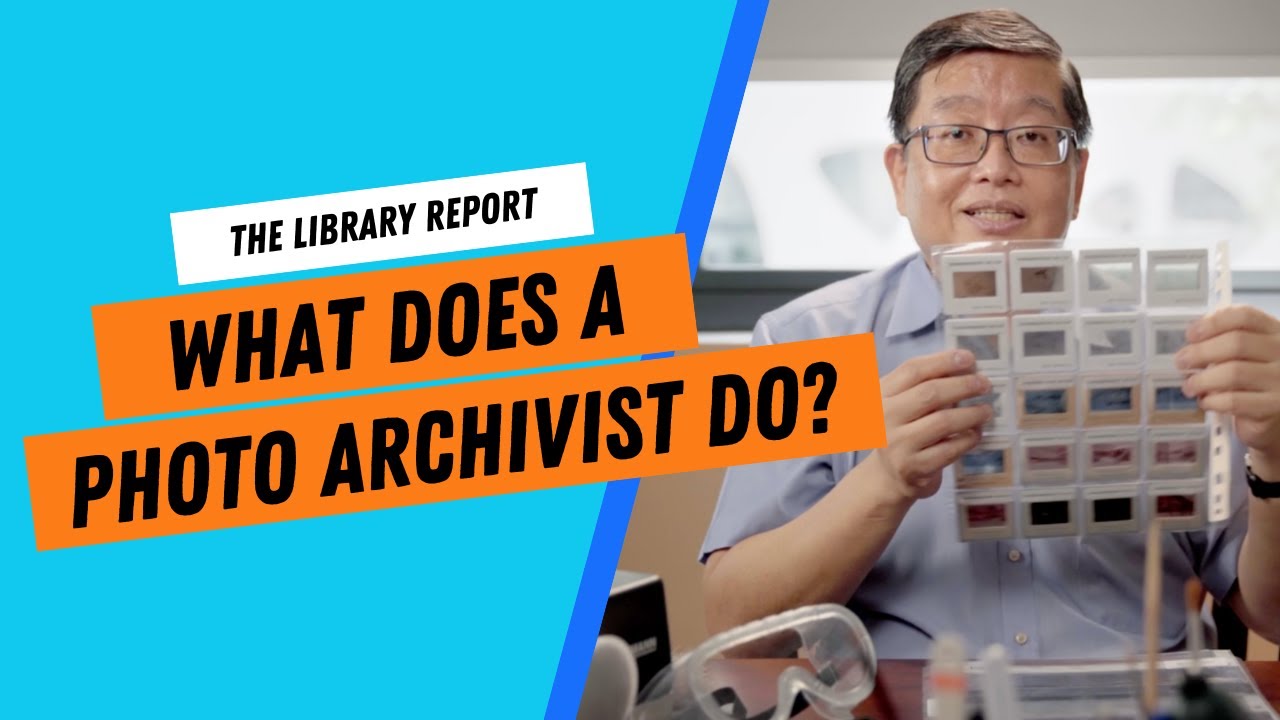












The Library of Congress sound archive preserves America's recorded history through field recordings from the 1930s-1940s featuring pioneers like Lead Belly and Woody Guthrie, while facing preservation challenges with fragile acetate and glass-backed discs that require specialized handling and innovative recovery methods like the IRENE system; the archive actively collects diverse sounds from both historical and contemporary sources, relying on donations and collaborations to expand its representation of America's cultural soundscape.
Preserving Sound History: Library of Congress Archivist Interview
Added:Understanding the history and evolution of early audio recording media, such as wax cylinders, shellac 78s, and magnetic tape.
The fundamental role and mission of the Library of Congress and national archives in preserving cultural heritage.
Basic concepts of ethnomusicology, particularly the significance of field recordings in documenting oral histories and folk music.
An introduction to physical archival challenges, such as the natural degradation of organic materials (e.g., vinegar syndrome, mold).
Advanced digital audio restoration techniques, including spectral editing, noise reduction, and pitch correction for historical audio.
Metadata standards and cataloging protocols used by archivists to organize and retrieve digital sound files (e.g., Dublin Core, PREMIS).
Copyright laws, public domain status, and ethical considerations surrounding the digitization and public sharing of historic field recordings.
Case studies on how public access initiatives, like the National Jukebox, impact education, historical research, and cultural revival.
340 views4likes5:54Original Release: 2011-09-14
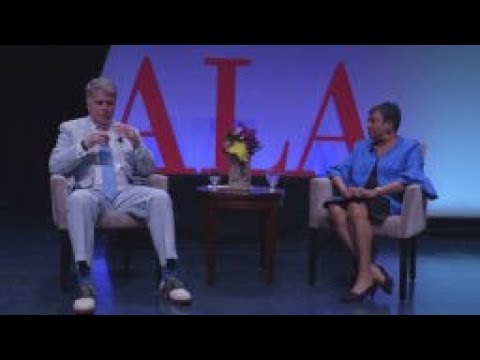
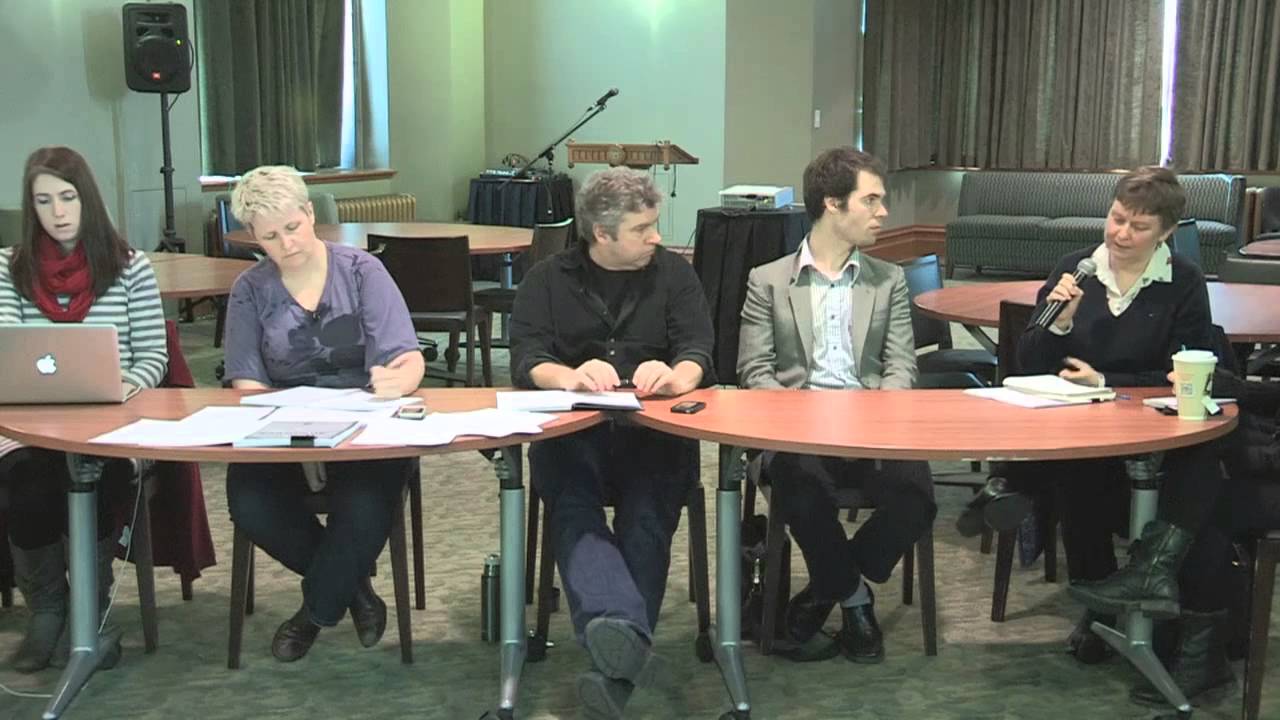
my favorite stuff i mean you know my my own interests my own tastes are pretty broad so you know i love most kinds of music and um love a lot of old-time radio those kinds of things what's up what are some of the rarest items or the rare well we have many unique items here library congress field recordings for instance um which were made in the 30s and 40s so you know the first recordings of lead belly muddy waters woody guthrie and other people you know those are unique master recordings okay yeah i've heard buddies recordings there's a program called blues before sunrise in chicago where they played some of those and what's your favorite part of your job favorite part of my job uh you know just being around all of this all this history all this this culture is really amazing i actually don't have that much time um to listen to things you know usually when i'm doing it it's to identify something where there might be a bit of a mystery about it but you know it's really a tremendous thrill to be working with this this incredible collection and to be adding to it i mean as as big as it is it's by no means complete and we're still trying to get many uh important early recordings into it and also you know many recent things there are a lot of areas that are very active out there that don't get a great deal of publicity but they're they're very important they're a lot of people involved in them and that can range from things like choral music to um you know handbell choirs uh which that's actually a very busy area you know there are a lot a lot of people involved in that music people composing exclusively for that so you know trying to be mindful of all those things and at least get some representation for them in the collection so what's the goal to collect everything that's out there in terms of recorded sound um i don't know how realistic that is you know that that's uh one of the questions that uh people are asked most at the library is do you have every book ever written and no we don't or even you know every every book in print or every book ever published in the us we we don't we've got a lot of them um but it's you know the goal is not to get every last thing but to you know to get as much of the the public record as possible and to get as much representation as possible for what's going on out there in recorded sound what are the biggest challenges in what you do biggest challenges um are i would say are in the actual preservation of recordings many of them require very special handling i used to be an engineer i used to do that kind of work i'm not doing it now but that's a tremendous challenge and even even when recordings are relatively easy to handle there are so many of them and um transfers are done in real time you have to get optimal playback so you know you can't just it's not like dubbing off cassettes at home or you know ripping cds uh it's takes a lot of time and care to do it properly well these radio transcriptions are there some danger with the acetate uh yeah that can happen um it's usually more of a problem with the the discs that were made for um for home use in those years uh but it um it definitely can happen with the aluminum-based disks i've found it to be more of a problem with the glass backed discs that were made during world war ii when aluminum was not available and i mean the the biggest problem though for glass back discs is that they break and so a lot of them were lost simply to breakage before they ever got to us or got into an appropriate archive but i my experience the glass-backed lacquer discs are prone to delamination more than the aluminum-backed ones are they simply lost causes then or is there a way no not necessarily there is if you can get all the pieces you know sometimes you can reassemble a broken glass disc if it's a clean break and you can line up the grooves they're also we're also experimenting with non-contact forms of playback there's the irene system which you know maps a disk and plays back the file that it creates so there's there's hope yet for for some of those disks how much is um and this will be the last question but how much is you going out and you know and seeking out items and how much is just people donating stuff uh it's both you know people people contact us frequently the national jukebox which went online a month or two ago has gotten a lot of people in touch with us you know sending in lists of 78s and some some very good lists you know with some unusual discs that they've found or have just been sitting around you know in the attic for for many years so a lot of things come to us that way we we also are in touch with uh with collectors and other archives well
Up Next

3:08
Systemic Racism in American Health Care: An ER Doctor's Perspective
@nowthisimpact
23.2K views•2020-06-17

12:54
Triumph of Orthodoxy Icon: Byzantine Art & History Explained
@BenCallan
2.1K views•2024-08-06

9:49
FastAPI vs Flask vs Django: Choosing the Right Python Web Framework
@TechWithTim
302.5K views•2024-05-26

1:42
Game of Thrones Opening Credits: A Cinematic Analysis
@gameofthrones
46.3M views•2011-04-18
Related Study Plans & Knowledge Roadmaps
Structured learning paths in General & Interdisciplinary Studies
general-studies
Elevator Engineering: History, Physics & Cities
01From Hoists to Safety Brakes: The Dawn of Vertical Lift
02Hydraulic vs. Traction: The Engineering Physics of Elevators
03Modern Speed, Safety, and Algorithms
+ 2 more learning modules
12h5 modules
Explore Roadmap
general-studies
Rubber: Material Science, History & Geopolitics
01Origins of Natural Rubber & Mesoamerican History
02The Chemistry of Natural Rubber & Vulcanization
03The Geopolitics of the Rubber Boom & Colonization
+ 2 more learning modules
12h5 modules
Explore Roadmap
general-studies
Containerization: Evolution, Logistics & Trade
01Ancient Trade & Bulk Cargo: Amphorae to Barrels
02The Industrial Revolution & Cardboard Packaging
03The Containerization Revolution: Malcom McLean
+ 2 more learning modules
12h5 modules
Explore Roadmap
general-studies
Textile Tech: Evolution, Labor & Global Impact
01Pre-Industrial Textiles: Handloom & Cottage Industry
02Mechanization: The Spinning Jenny to the Power Loom
03The Factory System & Global Labor Transformation
+ 2 more learning modules
10h5 modules
Explore Roadmap