The mental status exam is a systematic clinical assessment involving 10 key components organized into four categories: (1) Appearance (age, sex, grooming level - disheveled, well-groomed, meticulous), (2) Behavior (psychomotor agitation levels - slowed, calm, fidgeting, disruptive, aggressive; responsiveness - evasive, guarded, forthcoming; eye contact - avoiding, intermittent, intense), (3) Speech (spontaneity, fluency, prosody, speed, volume, amount), (4) Mood and Affect (mood = patient's subjective report; affect = clinician's objective observation, assessed by quality, reactivity, variability, congruence, and appropriateness), (5) Thought Process (direction and flow), (6) Thought Content (suicidal ideation, homicidal ideation, hallucinations, delusions), (7) Cognition (alertness, orientation, attention), and (8) Insight and Judgment (assessed on a scale from poor to good).
Mental Status Exam: A Comprehensive Guide for Psychiatrists
Added:Basic principles of psychiatric clinical interviewing, including rapport building and active listening techniques.

Clinical psychiatric interviews begin with rapport building through pleasantries and introductions. The interviewer establishes their role and explains the interview's purpose. Self-assessment questions like 'Are you crazy?' evaluate the patient's insight into their mental state. Word association tests assess cognitive function by presenting words and evaluating the patient's immediate responses. These initial phases establish trust and create a comfortable environment for assessment.

The psychiatric interview is the cornerstone of psychiatric practice, serving both diagnostic and therapeutic functions. Key elements include: preparing the physical environment (private, comfortable, secure); building rapport through empathy, genuineness, and unconditional positive regard; using active listening and open-ended questions; and avoiding leading questions. The physician should establish a therapeutic atmosphere from the first meeting, demonstrating authentic interest in the patient's experience. The interview should begin with demographic data collection (name, age, gender, occupation, living situation) and referral source information. The chief complaint should be documented verbatim with timeframe. The present illness history explores symptom onset, duration, progression, and functional impact. The physician should assess precipitating factors, treatment history, and both positive and negative symptoms. Comprehensive documentation includes what the patient reports and what is observed.

A psychiatric interview is a collaborative process between examiner and patient aimed at gathering clinical information and building rapport, which requires proper opening procedures (greeting, identity verification, confidentiality explanation), use of open-ended questions to elicit detailed information, nonverbal communication techniques (nodding, smiling, verbal acknowledgments), and maintaining professional boundaries while creating a comfortable environment for effective diagnosis and treatment planning.
![돈 모으다 친구들과 멀어졌어요. 외로움이 너무 힘듭니다. [이헌주 교수 풀버전]](https://i.ytimg.com/vi_webp/JB_e5eJFsx8/maxresdefault.webp)
Building rapport with others involves creating comfortable conversation flow. The goal is to make the other person feel comfortable and willing to share. Listening more than speaking creates a more comfortable environment for conversation. Memorized conversation topics often feel forced and uncomfortable. Mirroring involves repeating or paraphrasing what someone has said to show you're listening. Matching the communication style of the person you're talking with helps build rapport. Expressing genuine interest in what someone has said encourages them to share more.

Effective communication with psychiatric patients involves treating them like familiar coworkers or friends, using appropriate humor to build rapport, and practicing active listening by responding to their behavior in real-time rather than reacting immediately; when patients become agitated, calmly explaining that speaking in a normal voice allows for better communication can help de-escalate situations.
Fundamentals of neuroanatomy and physiology, particularly brain structures responsible for cognition, emotion, and motor behavior.

Different brain structures are responsible for different memory and emotional functions: (1) Amygdala - involved in emotional responses and memory formation (especially emotional memories); (2) Hippocampus and medial temporal lobe - involved in declarative (explicit) memory formation; (3) Neocortex - involved in priming and non-declarative memory; (4) Basal ganglia - involved in procedural memory (skills and habits); (5) Cerebellum - involved in motor learning and non-associative learning; (6) Thalamus - serves as a relay station for sensory information and has some role in memory circuits but is not primarily responsible for memory or emotion.

The nervous system organizes anatomically into Central Nervous System (brain and spinal cord) and Peripheral Nervous System (cranial nerves, spinal nerves, somatic and autonomic divisions). Functionally, it performs motor (voluntary/involuntary movement), sensory (peripheral and cortical sensations), and cognitive functions. The pyramidal system for voluntary movement originates in the motor cortex, descends through the brainstem with decussation at the lower medulla, and synapses with anterior horn cells (lower motor neurons) in the spinal cord. Upper motor neurons provide inhibitory control over lower motor neurons, which maintain muscle tone through continuous signaling. Reflex arcs involve sensory input, interneurons, and motor output, with lower motor neurons executing reflexes and upper motor neurons suppressing them to maintain proportionality.

The brain consists of several key structures: (1) Cerebrum - responsible for higher thinking, problem-solving, decision-making, planning, voluntary movement, personality, behavior, emotions, speech, language, and memory, (2) Cerebellum - responsible for balance, coordination, and motor control, (3) Brainstem - controls vital functions like breathing and heart rate, (4) Limbic system (including amygdala) - responsible for emotions, memory, and instincts. The brain has approximately 86 billion neurons and weighs between 1-1.4 kilograms. The cerebrum is divided into four lobes: (1) Frontal lobe - higher thinking, problem-solving, decision-making, planning, voluntary movement, personality, behavior, emotions, speech, language, and memory, (2) Parietal lobe - processes sensory information, spatial awareness, and body position, (3) Temporal lobe - responsible for hearing, memory, and language, (4) Occipital lobe - responsible for vision.
The forebrain is the largest brain part responsible for higher cognitive functions. It contains four structures: hypothalamus (controls emotions, sleep, eating, drinking, and body temperature), thalamus (acts as a junction collecting and routing sensory information), limbic system (controls long-term memory via hippocampus and emotional behavior via amygdala), and cerebrum (controls intelligence, consciousness, memory, perception, and cognitive skills). The cerebrum is divided into hemispheres and controls all mental processes.

The human brain is organized into four major systems—the cerebral cortex (responsible for higher cognitive functions like reasoning, language, and conscious perception), subcortical structures (including the basal ganglia for motor control and habit learning, thalamus as a sensory relay, and limbic system for emotion and memory), cerebellum (traditionally for movement coordination but also contributing to cognition and emotion), and brain stem (supporting vital life functions like breathing and heart rate)—each contributing distinct but interconnected roles to cognition, emotion, movement, and behavior, with neurosychology focusing on understanding how disruptions in these systems manifest as cognitive and behavioral patterns in clinical conditions.
The conceptual distinction between subjective symptoms (reported by the patient) and objective signs (observed by the clinician).

Psychopathology distinguishes between subjective symptoms (what patients report, such as 'I can't sleep' or 'I have insomnia') and objective signs (what clinicians observe through examination). Subjective symptoms are reported by the patient, while objective signs are extracted by the psychiatrist through dialogue and observation. Objective signs are considered first-degree evidence because they are directly observed by the clinician, while subjective symptoms are second-degree evidence as patients may forget details or misunderstand their own conditions.

Symptoms are divided into two types: subjective symptoms and objective symptoms. Subjective symptoms are those felt by the patient but not observable to an observer. Objective symptoms (also called signs) are those felt by the patient and observable to an observer. This basic distinction is fundamental to understanding symptomatology in homeopathy.
Subjective symptoms are what patients report (e.g., 'I have pain in my tummy'), which cannot be directly observed or tested. Objective symptoms are what healthcare providers can measure or see (e.g., a brain clot found through scanning). Western medicine primarily relies on objective symptoms and often dismisses subjective ones as 'crazy' or 'mental health issues.' However, subjective symptoms can be real and treatable, as demonstrated by cases like the Israeli patient who couldn't use mobile phones due to pain but recovered after gut treatment. Healthcare providers must discern between genuine symptoms and fabrication, and taking subjective symptoms seriously often leads to better patient outcomes than relying solely on test results.

Symptoms are subjective disorders reported by the patient that are difficult for the physician to verify, known through interrogation. Syndromes are the series or combination of signs and symptoms present in a patient at a given time that define a disease. Understanding the distinction between subjective symptoms and objective signs is fundamental to clinical reasoning.
Subjective symptoms are those felt by the patient but not observable to an observer. Objective symptoms are felt by the patient and observable to an observer. Objective symptoms are signs and pathologies, while subjective symptoms are the patient's own experiences. This distinction is crucial for homeopathic prescription.
An introductory understanding of major psychiatric disorders (e.g., schizophrenia, depressive disorders, bipolar disorder) as classified in the DSM-5.

The DSM-5 classifies mental disorders into major categories: Neurodevelopmental disorders include Autism Spectrum Disorder (with severity levels from mild to severe), ADHD (difficulty with attention and hyperactivity), Tourette Syndrome (motor and vocal tics), and Dyslexia (language comprehension difficulties). Depressive disorders include Major Depressive Disorder (low energy, sadness, sleep/eating changes) and Bipolar Disorder (alternating manic and depressive episodes). Psychotic disorders include Schizophrenia (delusions, hallucinations, reality disconnection). Personality disorders include Borderline Personality Disorder (unstable relationships, self-image, impulsivity) and Narcissistic Personality Disorder (grandiosity, attention-seeking, lack of empathy).

Depressive and bipolar disorders are now separate categories in the DSM-5, replacing the previous unified 'mood disorders' classification; major depressive disorder affects 6-10% of the U.S. population and is characterized by persistent depressed brain activity involving insufficient serotonin, norepinephrine, and dopamine, while bipolar disorder involves alternating manic episodes (marked by elevated mood, hyperactivity, and rapid thoughts) and depressive episodes, with biological causes including genetic predisposition and brain energy consumption fluctuations visible via PET scans.

The DSM-5 classifies various depressive and bipolar disorders based on symptom severity, duration, and pattern: Major Depressive Disorder involves discrete episodes of intense depression lasting 2+ weeks; Persistent Depressive Disorder (formerly dysthymia) features chronic low-level depression lasting 2+ years; Seasonal Affective Disorder occurs seasonally; Postpartum Depression is a major depressive episode occurring after childbirth; Bipolar 1 Disorder involves full manic and depressive episodes; Bipolar 2 Disorder involves depressive episodes and hypomania; Cyclothymic Disorder features frequent mild mood swings; Other Specified Bipolar Disorder covers partial symptom presentations; Premenstrual Dysphoric Disorder involves severe premenstrual mood changes; and Disruptive Mood Dysregulation Disorder addresses childhood presentations of severe irritability and outbursts.

The DSM-5 (Diagnostic and Statistical Manual, 5th Edition) classifies psychological disorders into several major categories: (1) Psychotic disorders including schizophrenia, delusional disorder, and schizoaffective disorder; (2) Depressive disorders including major depressive disorder, dysthymia, and seasonal affective disorder; (3) Bipolar disorders; (4) Anxiety disorders including general anxiety disorder, specific phobias, agoraphobia, and panic disorder; (5) Obsessive-compulsive and related disorders; (6) Dissociative disorders; (7) Somatic symptom and related disorders; (8) Personality disorders; (9) Memory disorders such as Alzheimer's disease; (10) Movement disorders such as Parkinson's disease.

The DSM-5 classifies mental disorders into major categories including: disorders of neurodevelopment, schizophrenia spectrum and other psychotic disorders, bipolar and related disorders, depressive disorders, anxiety disorders, obsessive-compulsive and related disorders, trauma and stressor-related disorders, dissociative disorders, somatic symptom and related disorders, feeding and eating disorders, elimination disorders, sleep disorders, sexual dysfunctions, gender dysphoria, disruptive, impulse-control, and conduct disorders, substance-related and addictive disorders, neurocognitive disorders, personality disorders, and paraphilic disorders.
Prerequisite Knowledge
- Concept 01Basic principles of psychiatric clinical interviewing, including rapport building and active listening techniques.
- Concept 02Fundamentals of neuroanatomy and physiology, particularly brain structures responsible for cognition, emotion, and motor behavior.
- Concept 03The conceptual distinction between subjective symptoms (reported by the patient) and objective signs (observed by the clinician).
- Concept 04An introductory understanding of major psychiatric disorders (e.g., schizophrenia, depressive disorders, bipolar disorder) as classified in the DSM-5.
Subsequent Learning
- Step 01Integrating mental status exam (MSE) findings to formulate differential diagnoses and clinical case formulations.
- Step 02Translating raw clinical observations from the MSE into standardized psychiatric documentation and electronic health records.
- Step 03Administering and interpreting structured cognitive screening tools, such as the Mini-Mental State Examination (MMSE) or Montreal Cognitive Assessment (MoCA).
- Step 04Conducting comprehensive psychiatric risk assessments (e.g., suicidality, self-harm, and violence risk) informed by abnormal MSE findings.
- Step 05Differentiating between primary psychiatric presentations and organic medical conditions, such as delirium or dementia, based on MSE patterns.
MSE Basics
0:00- 1
Explains the mental status exam's essential role for psychiatrists.
- 2
Categorizes the ten components into behavior, emotions, thoughts, and cognition.
- 3
Focuses on observing appearance, including age, sex, and grooming level.
Cultural Bias and Reductionism in the Mental Status Exam
While the Mental Status Exam (MSE) is a foundational tool in psychiatry, critics argue it suffers from significant cultural bias and clinical reductionism. The MSE relies on Western-centric norms to evaluate behavior, speech, and thought, which can lead to the pathologization of culturally diverse communication styles, spiritual beliefs, and coping mechanisms. Furthermore, critics from narrative psychiatry and phenomenological perspectives argue that the MSE's checklist-style approach reduces complex, contextualized human distress into static, atomized 'symptoms.' By capturing only a cross-sectional snapshot of a patient's state in a highly artificial clinical setting, the MSE often overlooks the social, systemic, and longitudinal factors driving mental distress. Alternatives like the Cultural Formulation Interview (CFI) and collaborative formulation-based assessments offer a more holistic, patient-centered approach.
Integrating mental status exam (MSE) findings to formulate differential diagnoses and clinical case formulations.

A case report in psychology follows a systematic structure including: (1) Case History with demographic data, complaints, precipitating factors, symptom details, treatment history, family history, personal history, and social history; (2) Mental Status Examination assessing appearance, mood/affect, speech, thought processes, perception, cognition, insight, and judgment; (3) Diagnostic Formulation creating provisional diagnosis with supporting points and differential considerations; and (4) Plan of Action outlining treatment recommendations. Information should be collected chronologically and documented comprehensively to ensure accurate clinical assessment and diagnosis.

This segment covers the mental status examination (MSE) components: (1) Appearance and attitude (demacrada, sad expression, cooperative); (2) Consciousness and orientation (intact orientation to time, place, and person); (3) Attention and concentration (correct days of week, transposition with months in reverse); (4) Memory (intact episodic and semantic memory, mild working memory impairment); (5) Thought processes (coherent, fluent, no perseveration or circumstantiality); (6) Thought content (persecutory delusions about book and phone call). The MSE provides a systematic assessment of current mental state essential for psychiatric diagnosis.
Psychiatry assessment relies entirely on clinical evaluation since no laboratory tests exist for diagnosing mental disorders; the process involves systematic history taking from multiple sources (patient, family, employers), mental status examination covering general appearance, speech, thought content, orientation, attention, memory, and judgment, along with cognitive function assessments to formulate a diagnosis and plan management.

The Mental Status Exam (MSE) is a systematic, objective assessment tool used by counselors to evaluate clients across multiple domains including appearance, behavior, speech, mood, thought process, cognition, attention, orientation, memory, insight, and judgment; this comprehensive evaluation aids in developing accurate diagnoses, creating differential diagnoses, establishing treatment baselines, and documenting client progress or deterioration throughout therapy.

Mental Status Examination (MSE) is a comprehensive assessment of all areas of a client's mental functioning, essential for developing appropriate care plans. MSE is performed during admission to establish baseline data and periodically to assess therapy response and determine discharge fitness. The framework includes: (1) Appearance assessment (grooming, hygiene, posture, eye contact), (2) Motor activity assessment (tremors, mannerisms, hyperactivity, rigidity), (3) Speech pattern assessment (rate, volume, intonation, fascias), (4) General attitude assessment (cooperative, hostile, apathic, guarded), (5) Mood assessment (depressed, irritable, anxious, elated, euphoric, labile), (6) Affect assessment (congruent, constricted, flat, appropriate), (7) Thought process assessment (flight of ideas, associative looseness, circumstantiality, tangentiality, neologism, concrete thinking, clang association, word salad, echolalia, mutism, poverty of speech), (8) Thought content assessment (delusions, suicidal/homicidal ideas, obsessions, paranoia, magical thinking, religiosity, phobias, poverty of content), (9) Perceptual disturbances assessment (hallucinations, illusions, depersonalization, derealization), (10) Sensorium and cognitive assessment (alertness, consciousness, orientation, memory, attention, concentration, abstract reasoning), (11) Judgment assessment (problem-solving abilities), and (12) Insight assessment (denial, awareness, intellectual and emotional insight). Mnemonics like ACT and ASEPTIC help ensure comprehensive coverage.
Translating raw clinical observations from the MSE into standardized psychiatric documentation and electronic health records.

Clinical documentation should include both present and absent observations, as absence of expected responses can be clinically significant. The MSE helps organize observations, focus attention, and individualize treatment while avoiding 'what you see is all there is' bias. Reliability refers to consistency (multiple clinicians reaching same conclusions), while validity refers to whether the assessment measures what it's supposed to measure. A test can be reliable without being valid. Validity requires reliability, but reliability alone doesn't guarantee usefulness. The MSE serves multiple purposes: recording the individual's state faithfully, avoiding memory errors, and providing a foundation for further study. Different disciplines may structure these categories differently, but the five core categories cover most clinical observations.

Present MSE findings clearly: Start with appearance and behavior, then speech, mood/affect, thought process, thought content, perception, insight, cognition, judgment, and risk assessment. Include both positive findings and relevant negative points. Example: 'The patient is wearing sunglasses and a hat indoors, appears restless, frequently looks around, and keeps complaining about perceived dirt in the room.'

MSE documentation includes identification data (name, age, sex, ward number, bed number, religion, language, education, date of birth), date and time of examination, and objectives. The objectives include recording collected data, identifying the patient's problem, and providing a basis for prioritizing nursing care. General behavior assessment includes level of consciousness (conscious or semi-conscious). General appearance includes physical build (ectomorphic, mesomorphic, endomorphic), personal hygiene (hair combed, bathed, dressed according to season), facial expressions (happy, sad, confused), and motor activity (increased or decreased).

Documentation to back up your observations use both the description of the individual's behavior during the interview and direct force made by the person in the interview.

The Mental Status Examination (MSE) is a systematic, structured clinical assessment tool used in psychiatry to evaluate a patient's mental functioning across seven key domains: general appearance and behavior, psychomotor activity, speech, thought processes (including form, stream, and content), mood and affect, perception, and other phenomena. The MSE should be conducted as part of a comprehensive psychiatric evaluation, incorporating information from patient history, family members, and other healthcare providers. The examination typically spans 2-4 weeks, with frequency adjusted based on patient acuity (daily in acute cases, weekly in stable outpatients). Key assessment techniques include using open-ended questions to obtain speech samples, distinguishing between subjective mood reports and objective affect observations, and carefully characterizing thought disturbances such as delusions, hallucinations, and cognitive impairments to guide diagnosis and treatment planning.
Administering and interpreting structured cognitive screening tools, such as the Mini-Mental State Examination (MMSE) or Montreal Cognitive Assessment (MoCA).

Three primary cognitive screening tools are used: (1) Mini-Mental State Examination (MMSE) - evaluates orientation, memory, attention, calculation, language, and visuospatial processing; duration 7-10 minutes; maximum score 30 points; scores below 24 suggest probable cognitive impairment; administration includes orientation questions, registration of three words, attention and calculation (serial subtraction), language commands, memory recall, and command following; (2) Mini-Cog - brief 2-4 minute test evaluating memory (word registration and recall) and executive function (clock drawing showing 11:10); scoring: 0-2 points suggests probable cognitive impairment; 3-5 points suggests low probability; advantages include simplicity, brevity, and minimal influence of language, culture, or education; (3) Montreal Cognitive Assessment (MoCA) - 10-15 minute tool for detecting mild cognitive impairment and early dementia, evaluating memory, attention, language, executive functions, abstraction, calculation, and orientation; maximum score 30 points; scores of 26 or below suggest impairment; MoCA is more sensitive than MMSE for detecting mild impairment but requires more training for correct application.
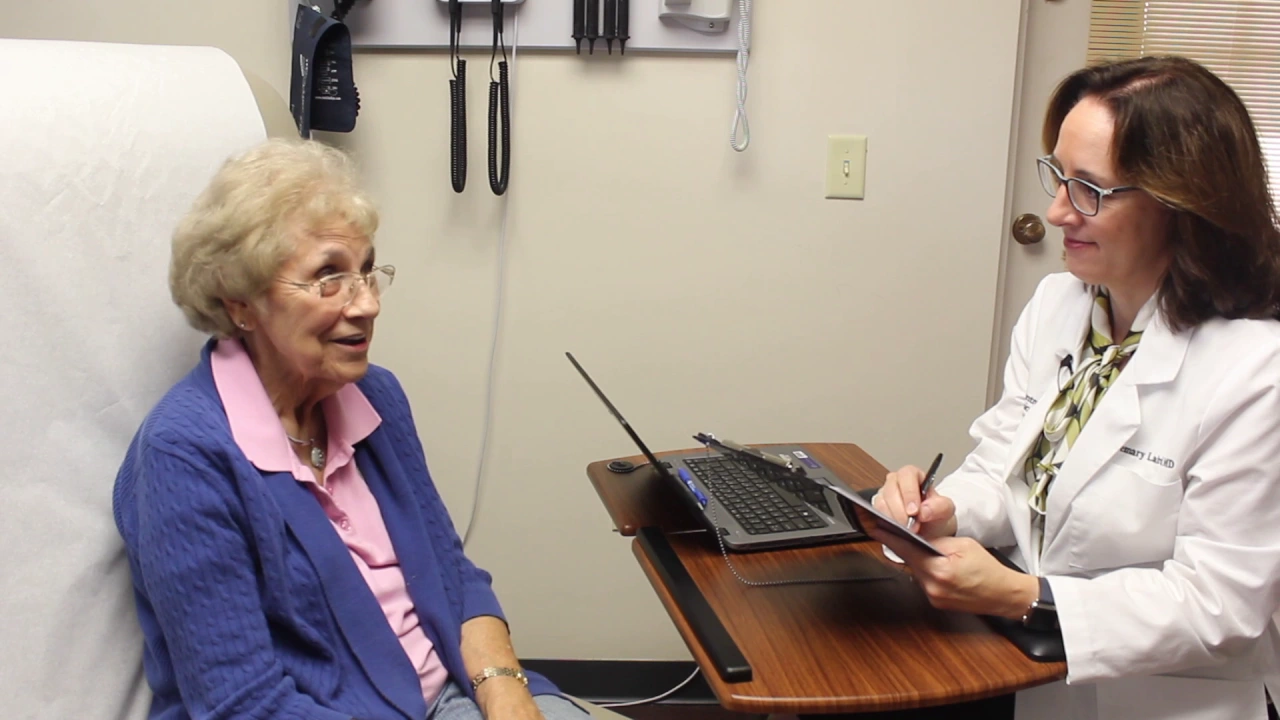
The MMSE is a standardized cognitive screening tool administered through a series of tasks including orientation questions (year, season, date, day, month, state, county, city, building, floor), immediate and delayed recall of three words, serial subtraction (counting backwards from 100 by sevens), verbal repetition, following multi-step instructions, reading comprehension, writing a sentence, and copying a figure. Each task evaluates different cognitive domains such as memory, attention, calculation, language, and visuospatial skills.

The Mini Mental State Examination (MMSE) is a 30-point cognitive assessment tool with scoring breakdown: Orientation (10 points), Registration (3 points), Attention and Calculation (5 points), Recall (3 points), and Language (9 points). Interpretation: 24-30 indicates normal cognition, 18-23 indicates mild cognitive impairment, 10-17 indicates moderate cognitive impairment, and below 10 indicates severe cognitive impairment. The MMSE is most commonly used for moderate cognitive impairment assessment. The Montreal Cognitive Assessment (MoCA) is a 30-point tool for mild cognitive impairment with scoring breakdown: Executive Function (5 points), Naming (3 points), Memory (5 points), Attention (6 points), Language (3 points), Abstraction (2 points), Delayed Recall (5 points), and Orientation (6 points). Interpretation: 26-30 indicates normal cognition, 18-25 indicates mild cognitive impairment, 10-17 indicates moderate impairment, and below 10 indicates severe impairment.
This comprehensive section covers the MMSE (Mini-Mental State Examination) and MoCA (Montreal Cognitive Assessment) cognitive assessment tools. The MMSE assesses 6 cognitive domains: (1) Orientation (time and place), (2) Registration (immediate memory), (3) Attention/Calculation, (4) Recall (delayed memory), (5) Language, and (6) Visuospatial Construction. The total score is 30 points. Cut-off scores vary by education level: ≤17 for primary education, ≤22 for secondary education or higher. The tool can be administered to illiterate individuals by reading questions aloud. For orientation assessment, the person must correctly state the current date (day, month, year) and specific location (hospital name, building, floor, district, province, region). For registration, the person must repeat 3 words (e.g., 'ดอกไม้', 'แม่น้ำ', 'รถไฟ'). Each correct response earns 1 point. For attention/calculation, the person performs serial subtraction (e.g., 100-7-7-7-7-7). Each correct subtraction earns 1 point. The delayed recall test assesses memory retention by asking the elderly person to recall the 3 words presented earlier. The order of recall does not matter, but the words must be exact. For language assessment, the person must name 3 objects (e.g., pen, watch, pencil) and repeat a phrase (e.g., 'ใคร่ขายไก่ไข่'). Each correct response earns 1 point. For command following, the person must perform 3 sequential tasks (e.g., pick up paper with right hand, fold in half, place on table). Each correct step earns 1 point. For writing, the person must write a meaningful sentence (e.g., 'คุณตาคุณยาย'). The sentence must have a subject, verb, and object to earn 1 point. Spelling errors do not disqualify the response as long as the meaning is clear. For drawing, the person must copy a geometric figure (pentagon with inscribed square). The drawing must show both shapes correctly to earn 1 point. The person should not use rulers or other aids. Scores must be interpreted in the context of education level and clinical presentation. Scores ≤17 (primary education) or ≤22 (secondary education or higher) suggest cognitive impairment requiring further evaluation. Scores above these thresholds indicate normal cognitive function. The tool cannot diagnose dementia definitively but indicates risk. The MoCA is designed to detect mild cognitive impairment (MCI) more sensitively than MMSE. It includes executive function assessment, which MMSE lacks. The total score is 30 points. A score of ≥25 indicates normal cognitive function, while scores below 25 suggest MCI. For individuals with ≤6 years of education, 1 additional point is added. The MoCA Trail Making Test assesses executive function by requiring the elderly person to connect numbers and letters in alternating sequence (e.g., 1-A-2-B-3-C...). The test evaluates visual scanning, attention, and executive function. The copying test requires copying a 3D cube drawing. The drawing must show all 3 dimensions (height, width, depth) with all lines present and parallel. The clock drawing test requires drawing a clock face with all numbers and setting hands to 11:10. Each correct response earns 1 point. For naming, the person must identify 3 objects (e.g., lion, tiger, elephant). Each correct response earns 1 point. The delayed recall test assesses memory retention by asking the elderly person to recall 5 words presented earlier. The order of recall does not matter. The attention assessment requires the elderly person to tap a table when hearing specific numbers (e.g., 1) from a sequence. Each correct response earns 1 point. For calculation, the person performs serial subtraction (e.g., 100-7-7-7-7-7). Each correct subtraction earns 1 point. For sentence repetition, the person must repeat a complex sentence exactly. Each correct response earns 1 point. For language assessment, the person must name objects (e.g., pen, watch, pencil) and repeat phrases. Each correct response earns 1 point. For verbal fluency, the person must generate as many words as possible starting with a specific letter (e.g., 'ก') within 1 minute. Each unique word earns 1 point. For abstract thinking, the person must explain similarities between two objects (e.g., 'กล้วยกับส้มเหมือนกันยังไง'). The response must identify abstract categories (e.g., 'ผลไม้' - fruits) rather than concrete features. Each correct response earns 1 point.

The 10 CS (10 Cognitive Screening) is a rapid test assessing orientation, memory, verbal fluency, and executive function. It can replace the Mini-Mental State Examination for quick consultations. Administration includes: orientation questions (year, month, date), three-word memory recall, one-minute animal naming fluency, and three-word recall. Scoring: 0-5 points indicates probable impairment, 6-7 points indicates possible impairment, and 8+ points indicates normal cognition. The MoCA (Montreal Cognitive Assessment) is preferred for patients with more than 8 years of education, while MMSE can be applied to any educational level. Both assess orientation, memory, calculations, naming, repetition, copying, comprehension, and reading/writing. MoCA includes additional domains like clock drawing, digit span, and similarities. Administration includes connecting sequences, copying 3D shapes, clock drawing, animal naming, five-word memory, digit span, subtraction, three-word repetition, letter fluency, and similarities.
Conducting comprehensive psychiatric risk assessments (e.g., suicidality, self-harm, and violence risk) informed by abnormal MSE findings.
Advanced MSE assessment distinguishes emotional expression types: reactive (normal), restricted (limited), labile (rapid inappropriate shifts—bipolar, BPD), and flat (severe reduction—depression, active schizophrenia). Thought process abnormalities include flight of ideas (rapid topic shifting with slight associations—mania) versus loosening of association (no logical connection—schizophrenia). Risk assessment determines high risk (active suicidal/homicidal thoughts, psychosis, homelessness, no support, weapon access) versus low risk. Rapport assessment and history reliability evaluation complete the presentation. This comprehensive framework enables accurate differential diagnosis and effective clinical communication.

This section details MSE presentation components and risk assessment strategies. For thought form, candidates should describe associations, looseness of associations, and other thought patterns. Thought content includes delusions, suicidal ideation, and other mental experiences. Perception should explicitly state 'no hallucinations found' rather than simply 'normal,' demonstrating clinical knowledge. Cognition should be described as oriented to place, person, and time. Judgment should be described as intact or impaired. Risk assessment includes suicidal thoughts, homicidal ideation, alcohol abuse, and domestic violence. Reliability evaluation should acknowledge that while patient history may be reliable, collateral information from family members can provide additional context for better management. For schizophrenia patients, candidates should note that responding to questions does not indicate normal behavior, as patients may respond to internal stimuli rather than external communication.

This section develops a comprehensive framework for psychiatric risk assessment extending far beyond self-harm and suicide. Risk encompasses multiple domains: risks to self (homelessness, deterioration, accidents, self-neglect, financial impulsivity), risks from others (abuse, exploitation, safeguarding concerns), and risks to others (violence, harm). The 4P model (Predisposing, Precipitating, Perpetuating, Protective factors) provides a biopsychosocial framework recognizing that risk rarely emerges from single factors. Unlike objective medical tests, psychiatric risk assessment is inherently subjective and dynamic—risk levels can shift rapidly within hours. Effective assessment requires genuine clinical conversation rather than simple checklists. Key red flags include access to lethal means, hopelessness, and plans. The distinction between care-seeking and attention-seeking behavior matters significantly for appropriate intervention.

The MSE is critical for suicide risk assessment, particularly when patients have recently attempted self-harm. Direct questioning about current suicidal thoughts must be conducted with heightened awareness, as patients may initially deny having such thoughts despite recent dangerous actions. When MSE findings indicate immediate danger, nurses must not leave patients unattended, especially in open ward areas. Documentation of all MSE findings is essential for legal and clinical purposes, including recording patient responses, observations, and concerns in nursing notes. Immediate reporting to supervisors or physicians is required when findings necessitate intervention. The MSE also applies across all healthcare settings, including emergency departments and non-psychiatric units where patients may present with psychiatric symptoms.

The Mental State Examination (MSE) is a systematic assessment tool comprising general appearance, behavior, speech, mood and affect, thought content and process, perception, cognition, and insight and judgment, used to identify signs of mental illness and risk factors. Suicide risk assessment should be conducted during mental health history taking and involves evaluating factors before, during, and after the attempt, including psychiatric history, planned vs impulsive nature, alcohol/drug involvement, method details, support networks, and social circumstances, with risk stratified into low, medium, and high categories based on ongoing distress, presence of plans, and rationality of discussion.
Differentiating between primary psychiatric presentations and organic medical conditions, such as delirium or dementia, based on MSE patterns.

Organic mental disorders have visible causes (infection, head injury, metabolic disturbance), while functional disorders (now called neurocognitive disorders) have no visible cause. Key differentiators: (1) Consciousness - impaired in delirium, intact in dementia, (2) Onset - sudden in delirium, gradual in dementia, (3) EEG - diffuse slowing in delirium, (4) Reversibility - delirium is reversible, dementia is progressive. Delirium is a medical emergency requiring immediate intervention.
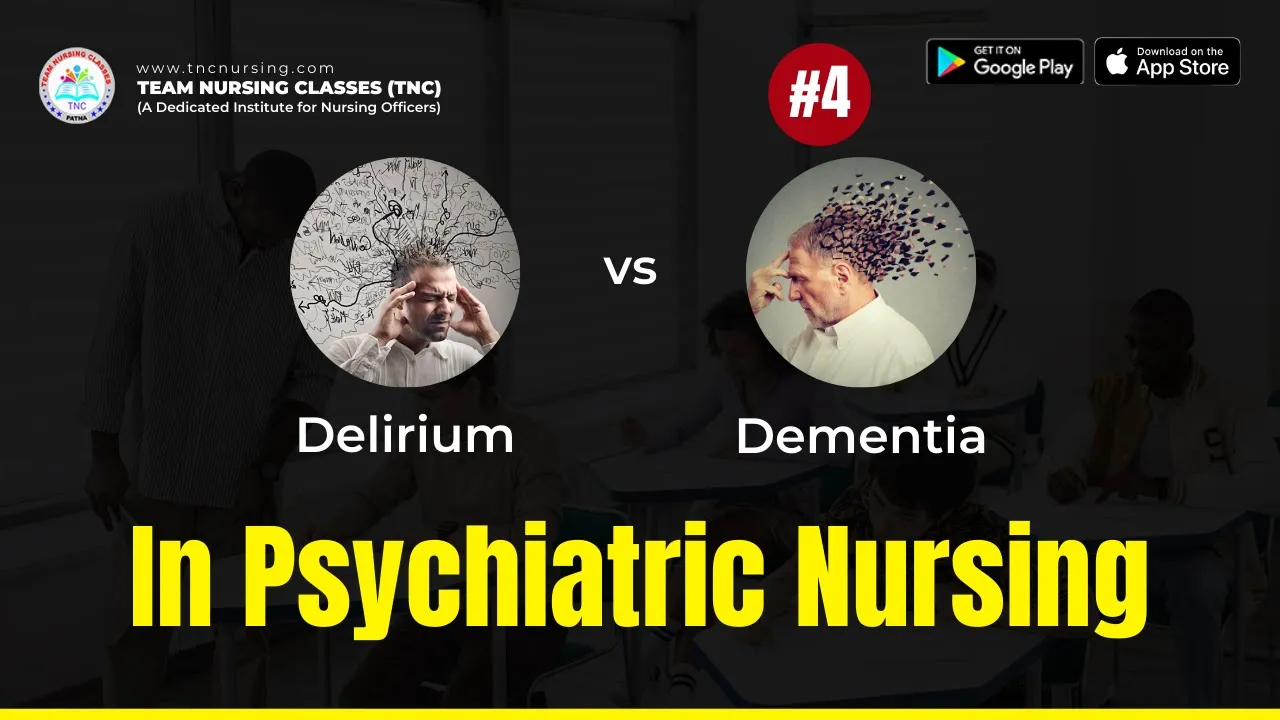
Delirium and dementia are both organic mental disorders but differ fundamentally: delirium has acute onset, impaired consciousness, reversible course, and shorter duration (less than 6 months), while dementia has chronic progressive onset, preserved consciousness, irreversible course, and longer duration (more than 6 months). Delirium involves neuronal functional impairment without neuronal death, whereas dementia involves actual neuronal degeneration and death. Key clinical differences include: delirium presents with confusion, disorientation, hallucinations, and disturbed sleep-wake cycle (sundowning syndrome), while dementia primarily affects memory with normal consciousness and orientation. Treatment for delirium focuses on addressing the underlying cause, while dementia management involves symptomatic treatment with cholinesterase inhibitors.

Delirium is acute (hours to days) with fluctuating consciousness and inattention, while dementia is chronic (months to years) with preserved consciousness. In elderly patients, infection (especially urinary tract infection) can present as delirium without fever. Always consider delirium in acute confusional states and investigate reversible causes. The key distinction is temporal course: acute onset favors delirium, while gradual progression favors dementia.

Dementia is a chronic organic brain syndrome characterized by progressive cognitive decline, memory impairment, and personality changes, with normal consciousness level, while delirium is an acute organic brain syndrome featuring sudden onset confusion, disorientation, and fluctuating consciousness levels. The key differentiating feature is that dementia involves only cognitive impairment with intact consciousness, whereas delirium involves both cognitive and consciousness impairment.

Delirium has acute onset (hours to days), fluctuating consciousness, and changes in cognition. Patients are confused, frightened, and angry when asked questions. Dementia has chronic progressive course with deterioration over time; patients may be unaware of cognitive deficits and try to answer questions despite mistakes. Depression (pseudo-dementia) responds to treatment and patients respond with 'I don't know.' Delirium responds to treating underlying causes (UTI, alcohol intoxication), while dementia and depression require different approaches.
MSE Basics
0:00- 1
Explains the mental status exam's essential role for psychiatrists.
- 2
Categorizes the ten components into behavior, emotions, thoughts, and cognition.
- 3
Focuses on observing appearance, including age, sex, and grooming level.
Cultural Bias and Reductionism in the Mental Status Exam
While the Mental Status Exam (MSE) is a foundational tool in psychiatry, critics argue it suffers from significant cultural bias and clinical reductionism. The MSE relies on Western-centric norms to evaluate behavior, speech, and thought, which can lead to the pathologization of culturally diverse communication styles, spiritual beliefs, and coping mechanisms. Furthermore, critics from narrative psychiatry and phenomenological perspectives argue that the MSE's checklist-style approach reduces complex, contextualized human distress into static, atomized 'symptoms.' By capturing only a cross-sectional snapshot of a patient's state in a highly artificial clinical setting, the MSE often overlooks the social, systemic, and longitudinal factors driving mental distress. Alternatives like the Cultural Formulation Interview (CFI) and collaborative formulation-based assessments offer a more holistic, patient-centered approach.
this talk is an introduction to the mental status exam the mental status exam is an essential skill for the psychiatrist it involves observation of the 10 aspects of a patient's mental status listed here when you're first learning these components it may be helpful to group them into larger categories such as Behavior emotions thoughts and cognition let's walk through the different components of a mental status exam in the table I'll present the terminology you might use to describe someone who has a normal mental status and Below I'll show common terminology I use to describe abnormal mental status you'll see that each component has a spectrum of presentations for appearance I generally comment on the patient's apparent age sex and grooming if this is a patient I will need to pick out of a crowd for example in a busy impatient millu then I might include additional visible identifiers such as clothing hair color tattoos and so on when describing a patient's level of grooming I tend to use the phrases disheveled for core grooming well- groomed for average grooming and meticulous for a high level of grooming for Behavior I comment on the patients level of psychomotor agitation how responsive they are to questions and their level of eye contact when describing psychomotor agitation I use words like slowed calm fidgeting disruptive and aggressive for different levels of agitation however it is also helpful to specifically describe the patient's behavior for example pacing around the room sitting in a corner or throwing objects when describing how readily they answer questions I use words like evasive if they are avoiding answering questions and guarded if they take long pauses or give brief responses as though they are withholding information if they answer questions quickly and fully I use the word forthcoming to describe the level of eye contact I describe it in simple terms such as avoiding eye contact intermittent eye contact or intense eye contact for speech I comment on spontaneity fluency speed volume amount and proy spontaneity refers to how much prompting a patient requires to speak and respond in a conversation fluency refers to how fluidly the patient pronounces words and sentences proy refers to the rhythm of a patient's vocal tone throughout a phrase or sentence speed volume and amount are hopefully self-explanatory mood and affect are two different aspects of emotion expression mood refers to the patient's subjective report of their emotional state while affect refers to the doctor's objective observation of emotional state as seen in the patient's facial expression for mood I simply record whatever words the patient uses to describe their mood such as okay happy depressed anxious angry and so on for affect I comment on quality reactivity variability congruence and appropriateness quality describes the veilance of the expressed emotion ranging from tearful to expansive variability refers to how rapidly and intensely affect changes ranging from Flat to labile reactivity refers to change in affect in response to stimuli such as brightening in response to a cheerful topic congruence and appropriateness refer to whether the patient's reported mood matches their affect and how appropriate the patient's affect is to the situation respectively for thought process I comment on both the direction of thoughts ranging from less to more linear and the flow of thoughts ranging from less to more logical For Thought content I ask and comment on a few important safety items including suicidal ideation homicidal ideation and hallucinations I also comment on whether I observed any apparent delusions or response to internal stimuli during the interview for cognition for a typical interview I comment on alertness orientation and attention however for interviews involving altered mental status it is important to complete a more thorough cognitive exam finally insight and judgment refer to two different aspects of a patient decision-making ability Insight refers to how well the patient recognizes and understands their illness or situation while judgment refers to how well the patient makes decisions for each of these I use a scale ranging from poor to good that's the end of this talk I hope this is a useful organizational schema for the mental status exam and introduces you to much of the terminology used when describing and documenting the exam thank you
Up Next

Cranial Nerve Examination | Clinical Skills OSCE Guide | Dr Gill
@DrJamesGill
5.7M views•2020-01-26

Graphic Medicine: Comics for Collaborative Healthcare Communication
@nationalpatientadvocate
189 views•2023-12-04

Neuroanatomy: Central and Peripheral Nervous System Divisions Explained
@AKLECTURES
136.2K views•2014-09-20
Stages of Labor and Vaginal Birth | Childbirth Animation
@nucleusmedicalmedia
52.1M views•2017-08-18
Related Study Plans & Knowledge Roadmaps
Structured learning paths in Medicine