




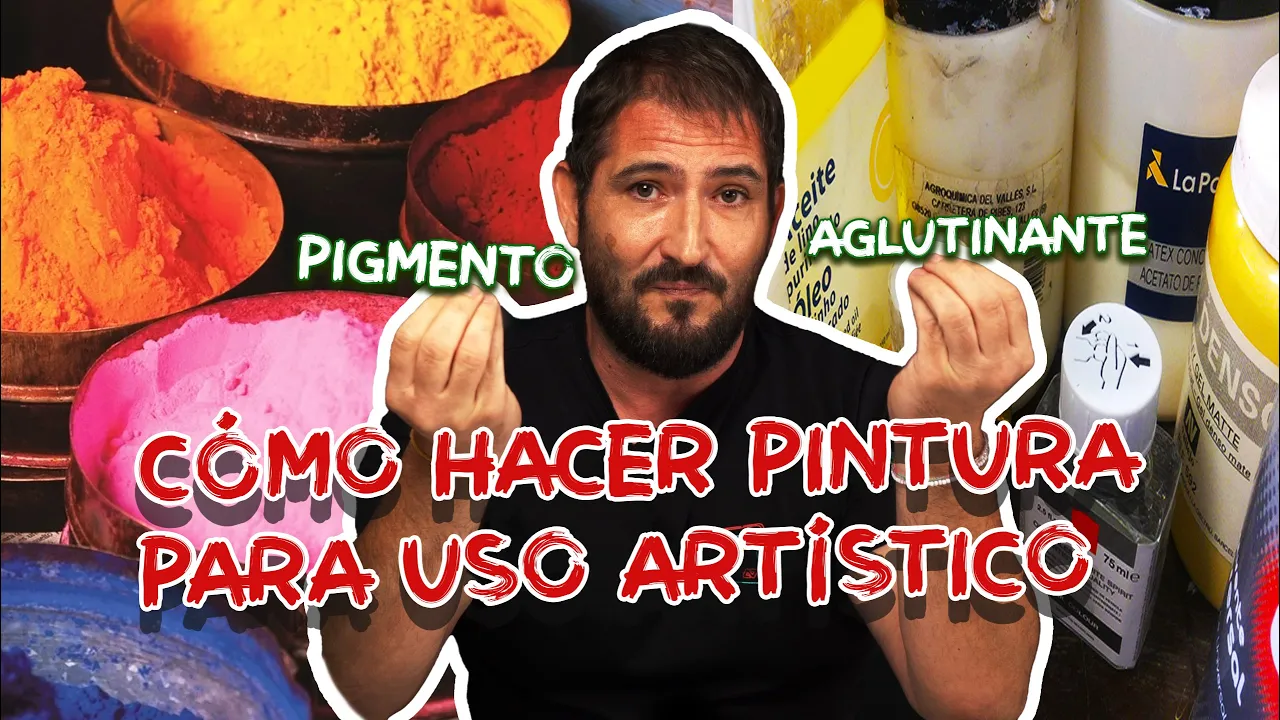



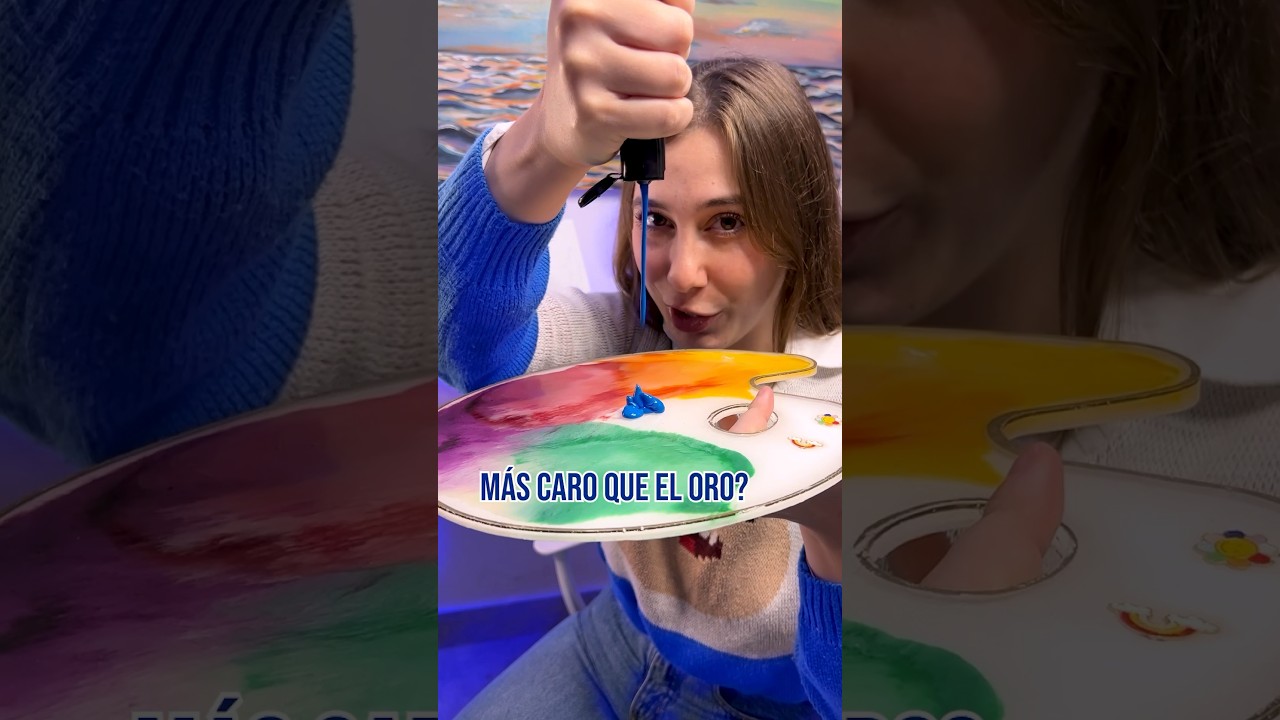
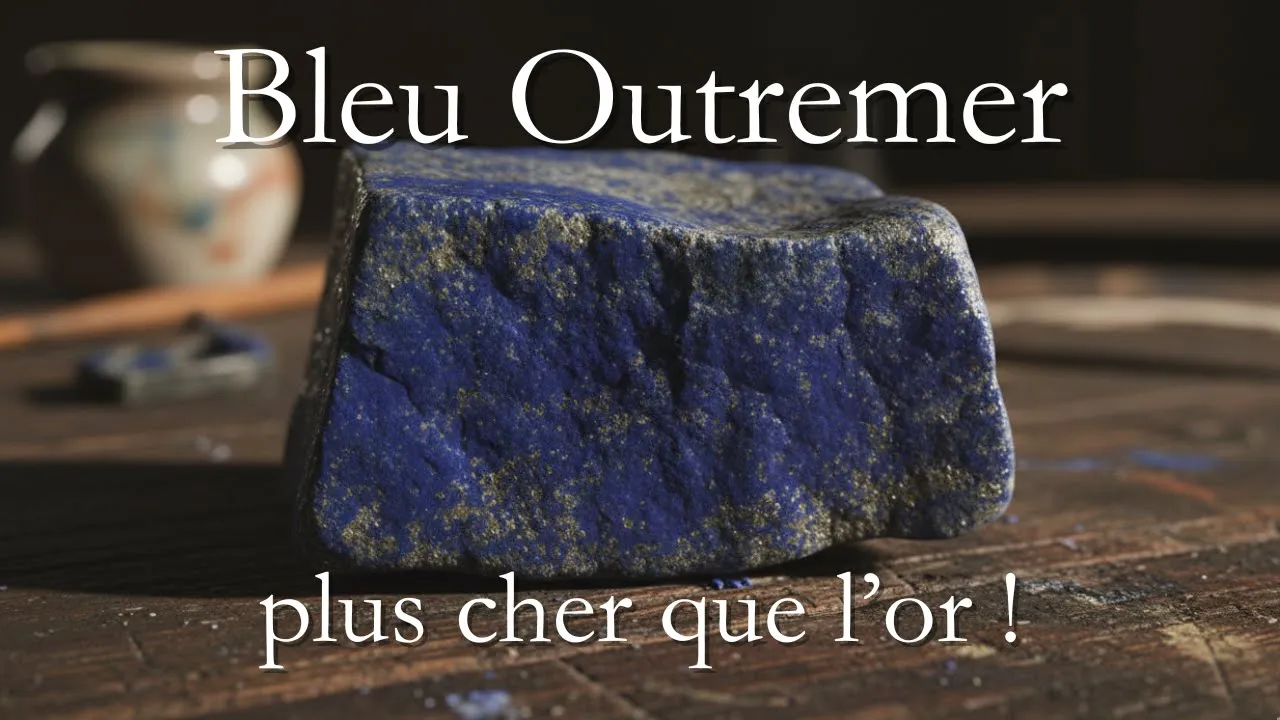













Ultramarine blue, historically the most expensive pigment costing more than gold during the Renaissance, is extracted from lapis lazuli through a labor-intensive process involving crushing the rock, separating the blue lazurite from impurities like pyrite, mixing with binding agents (pine rosin, beeswax, and gum mastic), and performing alkaline extraction to isolate the pure blue pigment; this traditional method yields a desaturated, transparent blue that differs from modern synthetic French ultramarine, which is more saturated and widely used today.
Making Ultramarine Blue Paint from Lapis Lazuli Rocks
Added:Understanding the basic composition of lapis lazuli, specifically distinguishing between the desirable blue mineral lazurite and impurities like pyrite and calcite.
Familiarity with the fundamental components of paint, specifically the distinction between dry pigment (colorant) and binders (such as gum arabic for watercolors or linseed oil for oil paint).
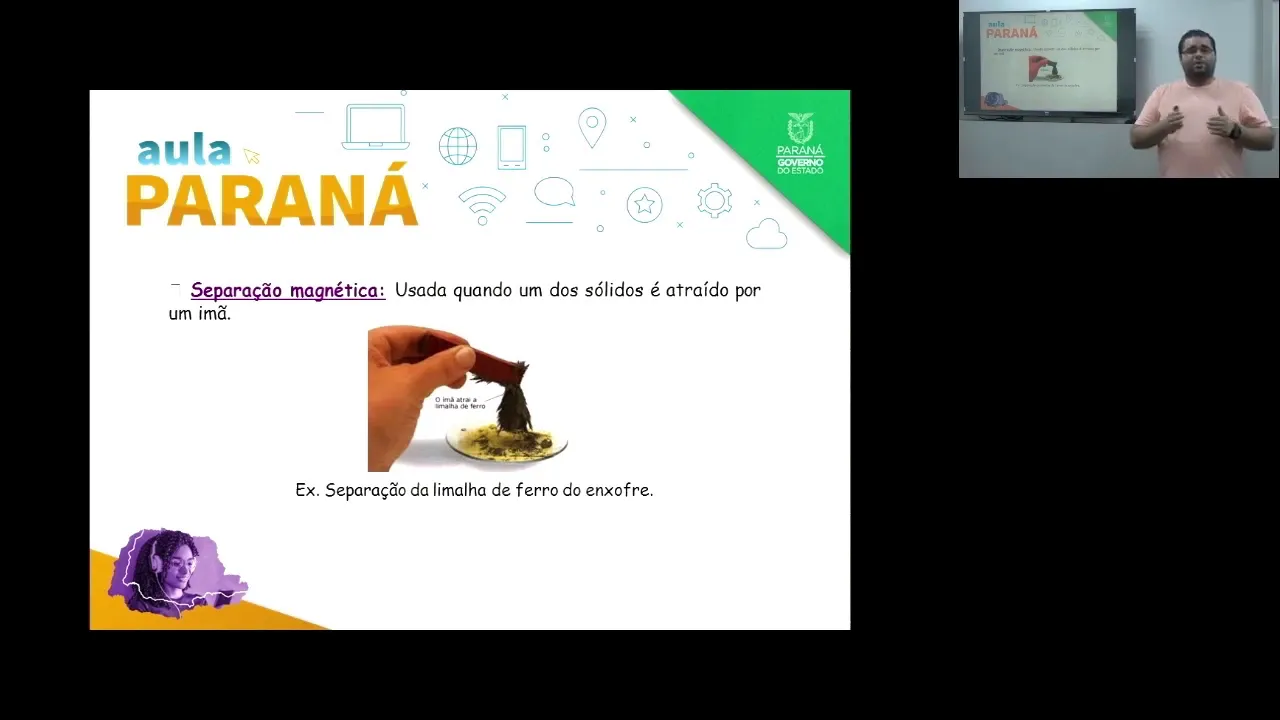
Basic knowledge of physical separation techniques, such as grinding, mulling, and levigation (separating particles by density using water).
Historical context regarding the value and rarity of natural ultramarine blue during the Middle Ages and Renaissance, often surpassing the price of gold.
Exploring the 19th-century scientific breakthrough and chemical synthesis of 'French Ultramarine' by Jean-Baptiste Guimet, which democratized the color blue.
Investigating pigment degradation and conservation science, such as 'ultramarine sickness' where the pigment fades due to exposure to atmospheric acids.
Analyzing other historical, mineral-based pigment extractions, such as deriving malachite for greens or cinnabar for vermilion red.
Applying analytical chemistry techniques (such as Raman spectroscopy or X-ray diffraction) used by art historians to verify the authenticity of pigments in historical masterpieces.
138.6K views8.3Klikes42:50Original Release: 2025-08-24
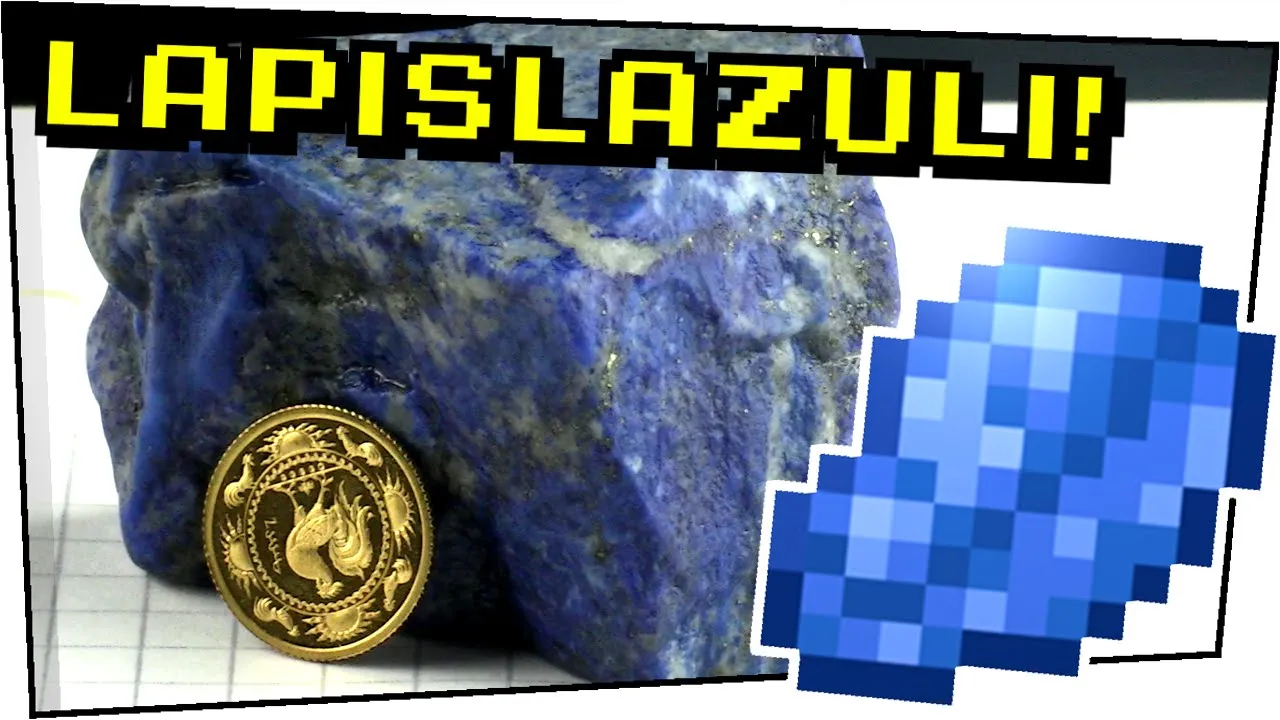
This is lapis lazuli and within it contains something called lazerite which is one of the most beautiful rich blue pigments for painting. In the Renaissance it cost more than the price of gold. So today I want to try to process this into my own oil paint and then I'm going to make a painting and test it out. Now we just have one big problem. I'm an idiot and I've never made paint before and we're working with some household tools here. Not really fancy paint making equipment. And this is one of the most difficult paints that you could possibly make. I think that was more than one problem. But we have a little bit of help from a man named Cenino Cenini. In the Renaissance about 500 years ago, he wrote a book called Elibro Delarte or the book of art. And in this book, he has actually a whole lot of really interesting recipes on pretty much anything that an artist would want to know. But specifically, we're looking at the one for the creation of ultramarine blue from Lapis Lazuli. Step one of that is to smash this thing up with a hammer. So, first off, safety is number one priority. I have an idea. Okay, I'm going to I'm going to smash it up inside of here.
Hopefully, to protect myself just as much as Well, I don't want to protect the rock. Actually, that doesn't make sense. I'm just going to hit it with a hammer a bunch. I I think I missed.
It's It's totally fine. This thing is completely fine. Tini recommends a bronze mortar and pestle, which is a big ass cauldron of metal that you can smash this thing up in. I don't have that. U but I have I have another plan here. And I have a fail safe, too. This bad boy, to be honest, it's not that impressive.
It's basically the same size as what I'm coming from, but this is four pounds of hammering death.
Four isn't really that big of a a number either. Let's see how this goes.
I think that the the thing under here is too soft. Um I I know what to do about this. I have an idea. Rock.
Oh. Oh, we made progress. Oh, we did it.
Okay, look at that. Now, the big problem with lapis lazuli is that it's not just the lazarite that we want. That's this nice rich blue. It's all this other stuff. You can see this sparkling fool's gold in there. That's pyite. And then I think this stuff is like calite or or some other stuff. Whole bunch of minerals in there. We got to grind it all up and then have in a way to somehow separate the blue from all the schmutz.
We got to get the schmutz off of it, basically. All right. This bag's going to help keep everything contained.
[Music] Bonk.
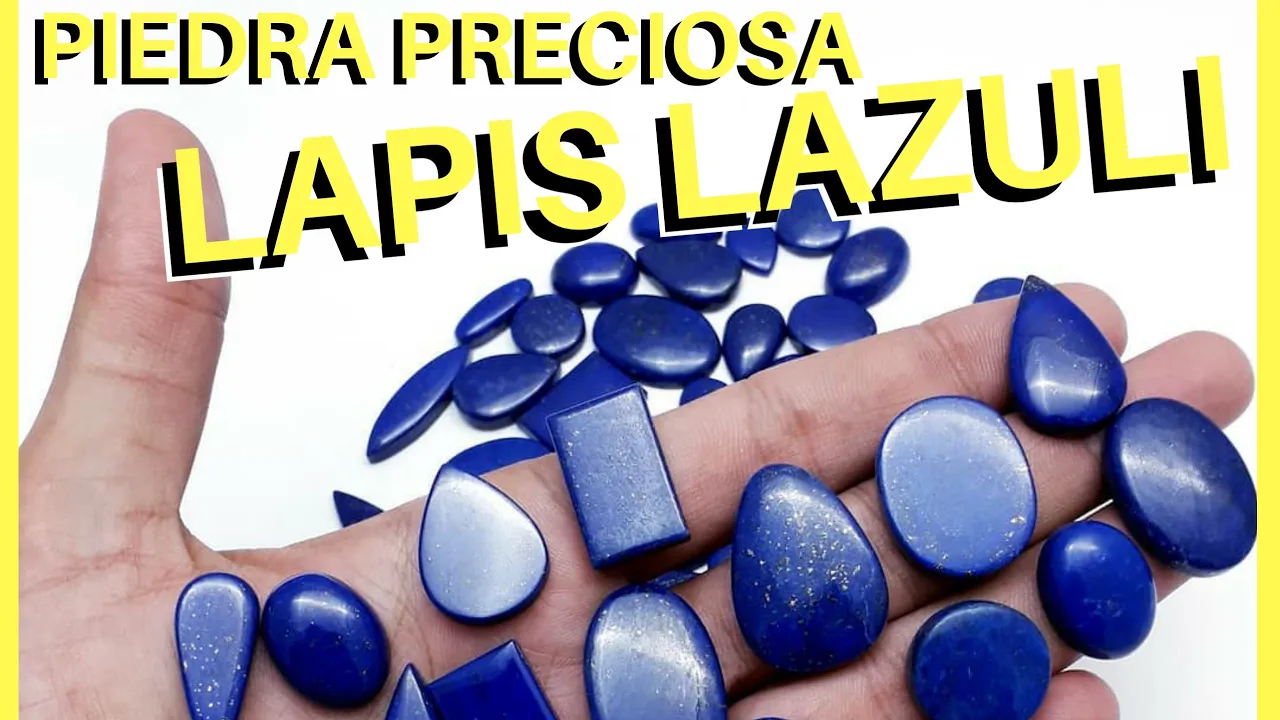
[Music] We're not making the most progress to be honest. This This rock's really hard. I mean, some great some great shards we got going on here. So, I'm going to set this aside. I have a backup plan. So, in Cenino's book, he recommends that we use the most blue lapis lazuli that you can find because obviously that's going to have the most pigment, especially look at look at some of them like like this one. Get that to focus. Yeah, that's so much blue in there. There's not all that other schmutz that we would need to get out. So, I found these polished rocks.
And of course, the polished ones are going to have more blue in it. So, I got some of these as well. And hopefully they're a little bit easier to break up.
But worse comes to worse. This is like aquarium gravel that I got. And I think this will be certainly much easier to break up. They even came in their own little bags that I can smash them up inside, which is actually really, really nice. So, this might have been a bad idea. Hit him with something good here. Let me get some schmutz.
Safety is number one priority.
Oh, that was a good one. Oh, it's breaking. It's breaking. We're making breakage.
You can see the towels. It's all full of holes now. It's completely full of holes.
[Music] Yep.
Put a little sass on that one. Can't hate a player. You can see as we come in close here, we get this actual beautiful sparkling blue that's all caught up inside of this towel. That's what our paint's going to look like. We're on the right track.
Probably should pick out the most blue pieces, but that's going to be our next smashing ground.
Uh-uh. Don't run away.
[Music] I almost just collapsed my thumb. That was so stupid. All right, back to work.
I'm just I'm not even opening this. I'm just shaking out from all these holes in the bottom. And there's a bunch in here.
To be honest, this doesn't look all that different from the aquarium gravel that we started with. I I I thought it might be hard.
I didn't think it was going to be this difficult. I'm just going to try to carve up all this stuff that's in here with the mortar and pestle and see if that's even possible. Hopefully hopefully this doesn't crack. I This is not the strongest.
Senini actually says cover it with one hand. So kind of like a Renaissance master if you think about it. I'm kind of like maybe the next Jado. Who knows? Let's get a little grinding motion.
That is the worst sound maybe ever.
Like definitely a lot of stuff in this aquarium gravel. It It It's not blue.
We got to get this down not to like a super fine like flour, but like pretty fine like kind of tea consistency.
Ow. Just hit me in the forehead.
Did you see that guy who like put dog medicine on his hands every day?
>> K 161 is spraying dog medicine on my hands in order to make the skin on my hands tougher. This episode is going to be an intense sensory experience. I rub my knuckles on a pillow and then he like crushed gravel with his hands every day until it was sand. Why am I doing all this? Well, it's because I like to break things with my knuckles, particularly concrete.
>> That's kind of what I feel like, but I'm doing it for like I don't know. It's going to take like an hour once. So, I think we're making good progress here.
Oh, I'm not sure we were making good progress. I think all the progress just spilled out somewhere else.
How is there still a giant chunk? You should not exist anymore. You kind of still do.
All right, we have like a decent amount of dust here. So, I I've heard that the yields of this are really bad. Like the blue doesn't turn into that much paint.
So, really, I still need to take all of this and turn it into dust. But, we're getting somewhere. There's not much bag left anymore.
These things are made of titanium.
literally impenetrable. Let's get back to this part. Super fun part. Let's make an easy video. Jake, don't spend three months making a a video about 3D modeling that nobody even cares about.
Let's just make a Let's make fun videos.
Let's make easy ones. Yeah, great idea.
Great idea.
[Music] We are getting a decent amount of blue pigment in here. There's still a lot of big particles. So, what I'm going to do is I'm going to strain it. So, now that we got that separated, you can see this pretty nice soft like sandy dusty blue pigment in here. That's nice. That we, you know, we might be getting somewhere.
Okay, back to the mines. Never ends.
[Music] It's so gray and white right now because there's a bunch of other stuff that's not the blue in it and a lot of that has to come out. So, if we're only starting with that much pigment and let's say we lose half of it, that is probably enough to make a little bit of blue. Definitely need a little bit more than that though.
Oh no.
That's bad, guys.
We actually have a problem.
I don't know where you get a where you get a mortar and pestle in the same day.
Oh, what do I do about that?
I need a little bit more. Not that much more, but a little bit. Let's get some more rocks. Okay, new mortar. Is it even worth putting in the bag anymore? I need a bag made out of like I need like a dragon or ruined bag. Some ruin trimmed bag.
Oh, there goes mortar number two.
[Music] Okay, there goes mortar number three.
Now I know why no other YouTubers make this.
I did not have a plan just in general, just for anything. I mean, that's a lot.
New plan. Uh, we did good. I think maybe we did the best we could. So, I'm going to collect all this dust and we're going to make it into paint. I actually thought this was going to be the easy part. It's kind of a stupid name anyway.
Senino Senini. It's like the first It's the same first name and last name basically.
Why don't you pick a better name, dummy?
But you know, that's this isn't bad.
Like that's a decent amount of pigment.
Let's let's let's weigh it. Place is a mess. It looks like someone was exploding the earth here. She exploding on my earth till I blew. She blew on my earth till I explode. The recipe, I think, calls for like a kilogram or a pound.
I was kind of hoping to work with like 100 grams.
We have 14. Jamie, give me the yields on that. All right. I did some reading and I tried as hard as I could to just confirm my biases and think that that was enough. But I I think if I'm going to do it, I'm going to do it. So, I'm just I'm going to beat the hell out of some more rocks. Basically, I'm really glad that I bought the polished lapis lazuli rocks because these ones are way higher pigment qual quality than the uh than the aquarium ones. The aquarium ones are are I think we're are pretty much just they're kind of junk. They don't have a lot of blue in them. You can see there's a lot of blue in there that's a little bit darker than the rest. So, that's that higher grade pigment, I think. All right, that's what I thought would be the easy part. But now we need to take some of these ingredients and we're going to mix them into some sort of plastic. We're going to melt them down and then we're going to mix that powder into it and it's going to create like a blue putty.
We have pine rosin beeswax and then this is something called gum mastic which is like it's something that you can chew on apparently. It was really expensive and I I've seen it on Tik Tok. I think like looks maxers are like really into this stuff. You like chew on it and I don't know. It's supposed to have like health benefits.
So, I'm going to take it I'm going to take a little swig.
It's crunchy.
It should gum shouldn't be cr What is that?
It tastes like pine. It tastes like a pine tree. It's like sap. It's like licking a forest floor.
It's so like a It's It's like a a warm green forest floor. It's a very waxy texture.
The taste is so weird. It's so earthy.
It's kind of good though. It tastes like taking a bite out of Morning in a Pine Forest by Shishkin. It's like the second or third video in a row I've mentioned Shishkin, so I got to chill out for you like the next sergeant. It's got a really nice like dense texture. This would like beef up your jaw muscles. So that's probably the looks maxer part. I have god knows what in my mouth. So much dirt and minerals. We need 7.9 grams of pine rosin.
Okay. I didn't think I was going to have to need this again.
I'm swinging a little bit heavy. I did not expect that to explode. Okay, that's 7.9.
3.9 of each of these grams.
And then our gum mastic.
Now we take this to a double boiler and melt this down into whatever paste. I don't know. Hi chat. I know this isn't really the optimal camera setup, but all we got to do is just I'm just going to put this in there. I'm probably going to like hold on to it. Hopefully that doesn't take two more hours like the last step did. I'm going to make a good painting at the end of this, by the way.
So, if you're like, "What's this guy doing? I hate him. He's an idiot."
Sometimes there's some things called an idiot savant. And uh I might be one I might be one of those. All right. I had to run and grab the pigment real quick. So, I got this now. And I I switched around the camera. You guys are on top of a pot now. And this is melted right now. We're going to mix this right into here. Hope you guys can see that. All right. Yeah, that's perfect.
Okay. Wait, now I feel good about this again. All right, I'm just going to transfer it into the baking tray. It looks so delicious. It looks like blue raspberry. So, this isn't inso's recipe, but I actually did do a lot of research yesterday. Um, I know it doesn't seem like I've done anything at all, but this is just actually not as easy of a process as it looks. One thing I read was somebody had way less waste because they let the dough sit into some warm water until it warmed up. This is probably a little bit too warm. I'll just put it in. And after they let this warm up in here, they took it out and they kneaded it like taffy. apparently works a lot of air into the mixture and helps it extract a little bit better.
So, I want the best chances that I can get. So, that's what I'm going to do.
Seni says to keep your hands well anointed in linseed oil. So, that's what I'm doing. Otherwise, this stuff is incredibly sticky. I think I'm losing more than I'm getting. Okay, let's let's knead this. Like, it's taffy kind of stretching it out and working it into itself. And after a minute or two, enough air will get pulled into it for it to be lighter in color. And then we're going to let it sit for a little bit. It's still sticking to the table a little bit. I'm going to use a little bit more linseed oil on my hands and on the table. Now that it's cooled down, it feels really good. It's getting really sticky. Hopefully I didn't add too much linseed. Maybe not enough linseed. Maybe I think I heated it up with my hands.
I'm going to stick it in the freezer for a second. Look like I fingered a smurf.
I don't know if I can put that on the channel.
That's crazy.
It's been in the freezer for a minute, too. I think the water was a little bit too hot. So, now we can kind of knead and pull this like taffy. It's feeling pretty good. Hopefully, this is going to be a good amount to work with. Now, this stuff was the same price pretty much or even more expensive than gold in the Renaissance. So, it was really only used for like special accents on pieces or very special pieces. You had to get a lord or a baron or the church in order to sponsor you in order to be able to afford this pigment. And in the 19th century, in the early 1800s, they invented a synthetic version of it. So, up until then, it was pretty difficult to actually use just because of how cost prohibitive or labor intensive it was.
Now, this is getting sticky again, man.
I don't get it. Maybe my ratios are off or something. Should be a pretty dense log. Should be a dense log. Okay, so something is not right here. Okay, I just melted like a gram more beeswax and I'm going to mix it in with this.
Hopefully, this will firm it up a little bit. It's still very sticky. Why is it so sticky? It's just like It's not bunched up. Not It's very sticky. I don't know, man. I don't know.
All right. I'm I'm really I'm not trying to mess this up. I'm doing my best here.
Oh, I'm losing so much on my hand. I have to roll it into a log and then we got to let it just chill for a little bit. Okay, we got to let it sit. We're going to put it in the fridge to kind of speed up the process of it just cooling down and hanging out for a little bit.
And what's going to happen is all the stuff that's not lapis, I think, is going to get pulled into the waxy resin solution. And in our next stage, we'll just extract hopefully only the lapis out. Okay, it's going in the fridge. You do not want to know what I did to the Smurf this time. Okay, I think I added too much oil. That That must be it. It said anoint your hands in oil. That's like anoint is like baptize, I think.
I might those words might that might word might not mean what I think it means to be honest. All right, it's the next morning. I I I I got some sleep. I did some research. I'm not going to let any of this get me down. We're going to win today. We're going to get blue pigment out of this. We're going to make a painting and it's going to be great.
Sini, I got a few words for you. First off, you screwed me. You screwed me on the whole anointing thing. I I might have baptized, I guess, which that's probably my fault. I I guess I didn't go to church enough. But you screwed me.
All right. This is very sticky still. I mixed more wax into it last night, but I ended up just letting it sit overnight.
The next step, Senini writes, is to put this into some lie water, which is very alkaline water, which will help the extraction. He uses wood ash. We're going to use some potassium carbonate here in order to do that. And you would knead it like a this plasticky dough, and that blue would come out of there.
Then we can pour off that blue water and let the water evaporate out and then we just have pure blue left. That's not going to be able to work super well because this is just going to break apart when we put it in there. So, I'm just going to put it in there and let it soak and I'm very gently going to massage it. And we're going to get as much out as we possibly can in one batch. I don't even know why I'm still listening to this guy to be honest. But I have a few more notes from him. A little something for this process that might help us out. know that making it is an occupation for pretty girls rather than for men, for they're always at home and reliable, and they have more dainty hands. Just beware of old women.
When you get around to wanting to use some of this blue, take up as much of it as you need, and if you have some draperies with lights on them to execute. What do you mean? Be beware of what old women.
He just slipped that one in. And he thought he could just what he maybe he just he felt too attracted to the gills.
Look how dainty my hands look in these gloves. It's so sticky. I'm not touching it without these gloves. We need 3 tablespoons of lie for this.
That's going in there. All right, here is the moment of truth. We're going to put our log in here.
And really there's there's probably not that much to see because we're just going to let this sit here for a little bit. And we'll see what happens.
Hopefully some of this blue should start to leech out.
One thing that makes me feel a little bit better is that there are some methods of extracting that don't involve this whole plastic kneading process.
They're just methods that are based entirely on washing it with water. So, if we got to wash this with water a bunch of times and and slowly take out a little bit of contamination and we can get it to like a pretty decent spot, then then so be it. That that's what we'll have to do. All right. Now, before I pour this into the jar, this glass jar with some cheesecloth here, hopefully to kind of catch some of the big particles of resin, since there's so much stuff floating on the top here, and it's not blue, I'm going to try to manually remove this with this little pipette thing. This might be stupid, but as much nonblue water as I can remove easily here at the start, like that's that's not blue.
This is the sisophician task of removing every grain of lie and resin that I cooked into this thing.
But at the end of the day, I'm going to push that boulder over the hill. It's not going to roll back down. It's rolled back down on me like 10 times, but I'm going to get it.
It is an indescribable smell right now.
It's like earthy and flat and strong. It it it does not make any sense. And I would say it's very far from being good.
I reversed the reaction. The blue was supposed to come out into the water and make the water blue. I made everything else but the blue come out, which um kind of just freestyling it at this point. And there is, you can see at the bottom there just very slightly. It might be hard to see there. He has a really rich, brilliant blue.
I mean, that was Oh, there it is.
There's all that slop. That's going to get caught in the cheesecloth, though.
Wow. You can actually see just how brilliantly blue that is at the bottom there. So, what worries me is that there's a lot of blue inside of this cheesecloth still that I was hoping would be dense enough to make it through into the water. There's a good amount of blue down there. Now, this will go into the fridge. That will separate out all these layers. We'll pour off the junk layers and hopefully be left with a very thin layer of just pure blue sediment, which I could already see at the bottom.
Well, that one's in the in the fridge.
I'm going to do a second batch here. And we'll hope to just get a little bit more of that blue that's still embedded in the sticky resiny mass cuz it is breaking out of that mass. And the resin is floating upwards. And that heavy particles of blue are settling to the bottom. So, it is working in theory somewhat like it should be. Look at how blue it is under that. I'm just going to pull off those chunks of resin. Really making me feel optimistic. This time I just I put a lot more lie in and I just broke it up quite heavily. Now we'll just wash this into here. This is this is a separate container.
All right. Yeah, I'm hoping that that extra alkaline solution will help break down some of the resins and dissolve it into the water. And then of course the lapis can't dissolve into the water, so that's going to stay and float down to the bottom. So this one it's going to go in the fridge to separate out by density as well. and and uh we'll check back.
Okay, several hours later again, this has settled out quite a bit. It looks like there's a pretty nice solid layer of blue on the bottom. So, I'm going to decant this, but which means taking off this top layer of dirty water, dumping it in here, and then we're going to have just some blue sludge left. It's going to go into here, and then it's going in the air fryer, which my air fryer has a dehumidifier mode. So if if if this gets too high temperature, I think probably bad things will happen. But I got the dehumidifier or the air fryer set to 100° right now, Fahrenheit, not not Celsius. So that should be fine. And in order to not waste so much, I am going to do this, I think, by hand like this.
As excruciatingly painful as as this is, I'm used to it. Why has this gotten so hard to push? Oh my god, this thing's all I think it's gummed up from the resin.
So, one thing that people get really confused about is they think that oil paints are toxic. Just that's what people say. Oil paints are really dangerous. They're really toxic. And they think that that means that the paints are toxic. But they're actually not exactly toxic. You see, what we're making right now isn't oil paint. It's not watercolor paint. It's just pigment.
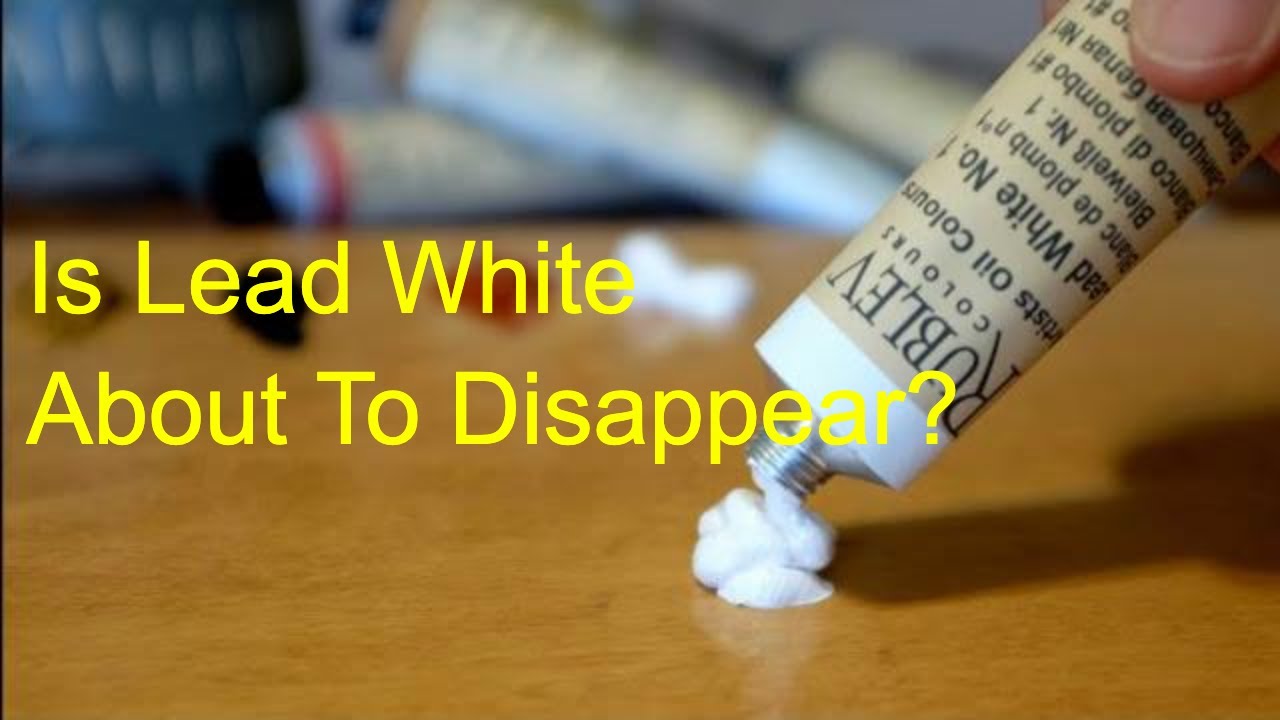
We're just taking something that's really pigmented. And you can do that with lapis lazuli and make blue. You can take red dirt and make super bright saturated red. You can do it with yellow dirt and make super saturated or I mean medium saturated yellow ochre dirt, right? That's where yellow ochre comes from. And then whatever you choose to mix that pigment with, that's your paint. So if you mix it with oil, it's oil paint. If you mix it with gum arabic, then it's watercolor. If you mix it with whatever acrylic, polymer, resin, plastic, whatever, then it becomes acrylic paint. So, are oil paints any more toxic than anything else? No, that doesn't make any sense, right? Because it's it's the exact same pigment. Some pigments are very toxic, right? in the 19th century and and before they used mercury sulfide, vermilion red, super super toxic, Chinese vermilion. Um, all all sorts of the pigments that they used back then were incredibly toxic. Most of them nowadays, we've made synthetic versions that are pretty much just as good. You know, everyone used to use lead white back in the day. Now we use titanium white. Lead white still has a lot of advantages in different ways, but there's ways you can get around that.
The only difference between oil paint and any other type of paint is that it has oil in it. And linseed oil, it's not really that toxic. Like I'm sure if you drink a gallon of it, bad things are going to happen, but it's not dangerous, right? What is toxic about oil paints is the solvents, tarpentine, and you know, most people use mineral spirits now, odorless mineral spirits.
Oh my god. Which is called Gamsol. And those are not the healthiest, but if you know how to use them, you know how to mitigate your risks, they're also not all that dangerous. It's very easy to be perfectly safe while oil painting nowadays. So, people just like to repeat things that they hear, but they don't really understand where stuff comes from. I'm really regretting my choice to do this by hand. I don't think this is really even saving me that much pigment, but I've committed at this point, and I have to do what I commit to. This is not a job for dainty women, okay? their pretty little hands couldn't handle this. I mean, women are they're very strong. Very strong. It's not what I mean. But, you know, this is this whole process. Maybe maybe that's why he said, "Beware old women, cuz they're just not strong enough for this process." He actually respects old women and he respects young women, too. He respects their strength, but he just wants to preserve the old ladies from having to do this horrible process.
I don't know if you guys can hear the insane thunder outside right now.
Probably. All right, let's get this into into some glass containers. And this is going in the air fryer.
All right, it's the it's the next day again. I you know this just it took a long time but but I don't care because we did it. We did it. You see that?
That's pure blue. Walter whites and Walter Whiteets. Let's go. Are y'all seeing this? Isn't this the bluest thing you've ever seen in your life? Look at all that pigment. It's not the bluest thing you've ever seen in your life.
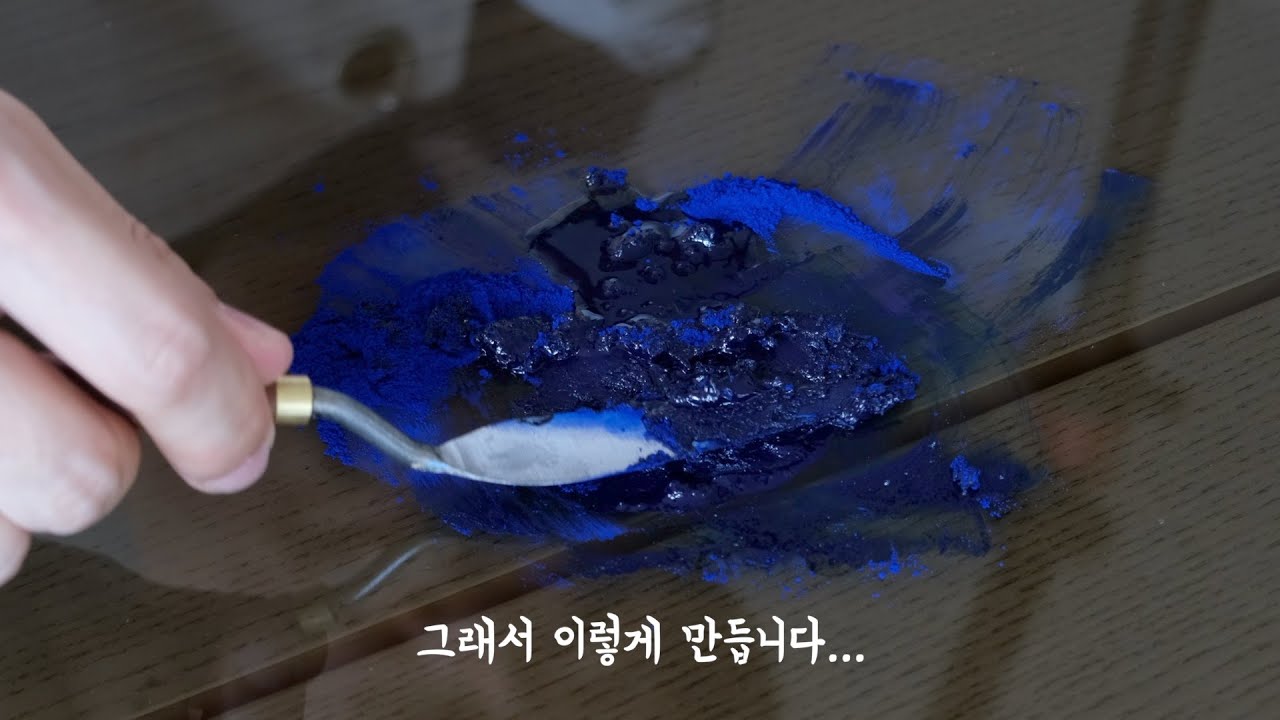
Well, it will get a little bit bluer when we put it in some oil or water, whatever binder, but I think first let's get it out of these containers. So, it has a little bit of this natural shimmer to it and that's because of the pyite, the fool's gold in there. And even in really nice quality lapis lazuli, you still get that pyrite shimmer. So, you know, mine probably more than most. You know, that's actually a little bit more pigment than I thought we were going to get out of just this jar. That's that's not bad at all. And the thing is is that this isn't really all that blue, but that's because lapis lazuli blue isn't actually that blue. In the 19th century, it got replaced by by French ultramarine blue, which is made out of of sodium and some other stuff kind of chemically synthesized, but that is way more saturated than lapis lazuli. And it's a little bit less transparent. So that's kind of the difference is with the Lapis Lazuli, you get a slightly less saturated version, but it's it's more transparent. It makes it more suited for washes and and very thin applications, which that's why pretty much no one uses it anymore because French Ultramarine is so cheap and so easy to get compared to this stuff. And it does pretty much a better job at most painting.
See that right there?
That's a pure lapis lazuli. I think we're over a gram here. Maybe even a couple. Three grams. Maybe minus the bag. So, like one and a half, two grams.
But it's probably over two as well.
That's pretty good. If we had double or triple this amount all day long, I'd say let's go for an oil painting. But because of how transparent this stuff is and how not brilliantly saturated blue it is, I'm a little bit apprehensive of that. I could do kind of a really thin washi painting, but the stakes are just so high that I'm really not sure that's going to be a good idea. So, we can make it something else using gum arabic. And this is watercolor binder. So, we need to dish out one line of gum arabic. So, let's mix it up and then we'll have watercolor lapis lazuli blue. All right. And now that we have this watercolor pigment powder, we need to add a little bit of water to it. Of course, as we work with watercolors, we're always dipping our brush in water and adding more to it. So, we need it to be kind of an overly thick paste. So, we're just going to add a little bit of water at a time. Just a few drops. I'll start out with a small splash first. And then I'm going to put in a drop of honey, too, because that helps the texture or something. Apparently, there's a splash. Hopefully that wasn't too much.
Mix it up. That might have been too much. I might have added a little bit. I really thought that was so safe. God, I I am so bad at this. I literally draw and paint like a caveman. I I'm not I'm not made for these sorts of artsy processes. There is still quite a bit of of pigment I see in there that's like particly or grainy. And that might just be from my not so great mulling or it's not fully dissolved. So, I'm going to keep mixing this around. I'm not going back to the dehumidifier. Man, that cost me like that was that was half a day of dehumidifying. It's pretty blue. Let me show you guys. You can see how blue that is. It's not super bound. There's a lot of pigment, too. That's just not suspended in it. So, maybe we need a little bit more gum arabic. Can I just have one thing go right? I would love just one one thing. You screwed me, gum arabic. It doesn't say anywhere on these instructions that the water is supposed to be warm or hot or something. So, this is very gently warming in some some hot water that I poured in here. I poured off just that top suspended layer of gum arabic that probably hadn't been, I guess, activated or bound yet. And I'm stirring this. I'm going to add it back.
Hopefully, it'll do a little bit better.
Otherwise, I can just keep stirring up my watercolor while I paint. I'm I'm over it at this point. This is I I swear to God, this this video is it's not this is not rage bait. I'm just I'm the one getting baited by by these terrible instructions. Cini screwed me. The gum arabic screwed me. Everyone's screwing me. I could have just bought a $10 tube of of of ultramarine blue and just been done with it. You know, it's about the journey, not the process. That's that's the beauty of art. Try this again.
Stir it up. Crazy style.
Crazy style.
[Music] I can't believe that we finally made it here. But before we start doing a little sketch, I just want to test something.
So, I have my travel watercolors over here. Get some of these up. And this is the ultramarine blue. It's the Windsor Newton. I'm not sure if it's the artist brand or the student grade, but I'm just gonna put down put a little more water on here and just kind of taper it out.
And I want to compare this to the Lapis Lazuli and see the saturation difference. And I'm going to stir up this because it's, you know, it's it's our own special brand. All right. It's it's not the smoothest, most optimal blend.
Okay. So, it's a lot more desaturated.
a lot more desaturated [Music] and it's very grainy. It's really load up a spot here.
It's a bit kind of uh muddy.
You can see a lot of like this darker grayish in there. It's probably impurities. I mean, definitely a little bit of it is is that that's just what lapis lazuli is. It's not quite as saturated. All right, let's let's let's paint with it and see what we can do.
All right, I'm going to use one of the beautiful references from my new website, Half Tone Studio. We got all sorts of over a thousand, I think, free references out there for you guys to draw from. And I got this nice 3D rendering of uh Michelangelo's David.
And and something I've been thinking about while I do this quick sketch lately, is and this sounds kind of cheesy, kind of corny. I think there's probably a time in my life where I would have rolled my eyes at this, but when you're starting a portrait or really any drawing, but especially a portrait, the first thing you should think to yourself isn't about form or anatomy or where the skull is or, you know, all that that complicated stuff. You know, that's certainly helpful, but first thing you should think about is what am I trying to express here? And with David, I mean, we have an incredibly expressive subject, right? David's look has this incredible determination and scorn in it. It's it's it's like a piercing piercing gaze and how can I use the shapes that I have in my drawing in order to reinforce that in order to make it stronger. So I do start with you know basically a silhouette but I am thinking you know how do we reinforce David's gaze that that scorn that piercing stare. Well, a lot of these shapes kind of spill into these triangles, right? We have we have our chin here and this kind of comes up like this. Same over here.
Comes up over here. 1/3 2/3 33. Yeah, I'm cool with that. And again, what are we trying to express? Like what is this look on his face? Well, that look is heavily defined by these angry eyes, right?
It's almost like a cartoon expression.
[Music] I just want to get painting. You know, this drawing probably isn't perfect. I'm I'm certain it isn't perfect, but that's okay.
Just want to have some fun and experiment around with this. And we'll do our typical academic move and just block in all of our shadows.
This is moving around pretty nicely. I'm really curious if we're going to see lots of those fool's gold speckles in there as we approach the ending. I've really only watercolored probably five times. It's kind of just something that I I bring with me when I go travel places. I do like fun little watercolor sketches cuz I think it's a really expressive and fun medium, but man is it it hard to do really subtle stuff with it. It's kind of looking like this is as dark as it's going to get. Uh we'll have to see how it dries a little bit more, but I could always try a second layer on some of this stuff, too. That's not that bad, though. I mean, it's not super pale. I was kind of worried it would be horribly pale. Obviously nowhere near those nice professional pigments that are super loaded, but you know, this is a totally workable value range. There's a lot of room to play in here. I'm going to thin out a little pan over here. And this will be much lighter, much more watery. And I'm going to start to round some areas that turn. So this is the side of the brow turning in there. Now it's really wet. I'm going to just I don't really know that many actual watercolor techniques, but I think this is one. I got that area nice and wet, and then I just dabbed in much more saturated pigment.
That's going to bloom outwards and make an interesting texture. This is definitely the type of painting where where the happy little accidents are actually happy little accidents. A lot of my work, the happy little accidents are are not so happy.
[Music] I'm going to try just wetting this surface here.
And then I'll grab some pigment. A good amount of it. I'm going to move it along this edge. Yeah. And it's just drawing into that water.
[Music] I will say this is this is handling like you know like you would expect watercolor to handle. The pigment is like reasonably saturated. It it's like a nice blue. It's it's not bad at all.
It's a little bit more on that earthy grayish desaturated like it's like a little bit hazy. This is my maybe what the sky would look like. But it's a nice blue. Like this is handling pretty nicely at the end of the day. Like you got to take the successes anywhere you can. Yeah, the second layer is going on nicely. And I'm really dipping into some super pigmented areas over here. And it's that's pretty pretty thick and dark. Like you can't see the paper through those deepest areas. So that's that's impressive.
All right. I took a minute for the paper to dry and and I'm going to cheat a little bit here because uh I only got one shot at this. So, this gel pen isn't working too well. Might have to grab the heavy duty stuff. It's basically just Copic brand white out.
It's really nice for cleaning up marker drawings or pen drawings. Every time I pick up my palm, it's just it feels all sandy because the pigment is kind of mostly floating on top of the paper and not exactly absorbing deep into it. So, there's all this like tiny little lapis grit.
Here is the finished sketch. I'll get y'all a few angles in close. See if you can see any of that shimmering pyite in there.
There is a little bit of shimmer in here, but it's not that much. What really surprised me about this though is this deep rich blue that you see in here. It's It's very unique and different from ultramarine blue or the French synthetic stuff. It has its own character. It's very desaturated. It's very I don't know. I I I keep walking past it and thinking that it has like this vintage or rustic look to it. I don't know exactly what those words mean, but they're just feelings that evoke from this pigment. It's very interesting and unique. However, I'm not so convinced that I couldn't just take the more saturated synthetic stuff and mix a little bit of gray, maybe some ochres into there and get something that is exactly this pigment or very close because that's just how color mixing works. If you have more saturated pigments that have the right range, then you can make less saturated stuff. So, factoring in the labor that this took, I'm not sure. I'm not so sure that this is really all that unique of an experience, but it was a lot of fun. And at the end of the day, that's what art is all about. Just getting to explore something new, learn about where things come from. It doesn't matter if you're doing a crazy process like this or you're just sketching something that is interesting to you, you're always learning about something. and and that's really what makes this whole experience so enjoyable for me and I really like this process. So the final question I have is should you make your own lapis lazuli blue or should you go to the store and spend $10?
Please go to the store. You can spend all of that time doing anything else but hopefully making art and practicing.
Thanks for watching.
Up Next

19:58
Geology Quiz: Katelyn Salem vs. Hank Green | SciShow Quiz Show
@SciShow
219.9K views•2016-11-02

12:54
Triumph of Orthodoxy Icon: Byzantine Art & History Explained
@BenCallan
2.1K views•2024-08-06

9:49
FastAPI vs Flask vs Django: Choosing the Right Python Web Framework
@TechWithTim
302.5K views•2024-05-26

1:42
Game of Thrones Opening Credits: A Cinematic Analysis
@gameofthrones
46.3M views•2011-04-18
Related Study Plans & Knowledge Roadmaps
Structured learning paths in General & Interdisciplinary Studies
general-studies
Elevator Engineering: History, Physics & Cities
01From Hoists to Safety Brakes: The Dawn of Vertical Lift
02Hydraulic vs. Traction: The Engineering Physics of Elevators
03Modern Speed, Safety, and Algorithms
+ 2 more learning modules
12h5 modules
Explore Roadmap
general-studies
Rubber: Material Science, History & Geopolitics
01Origins of Natural Rubber & Mesoamerican History
02The Chemistry of Natural Rubber & Vulcanization
03The Geopolitics of the Rubber Boom & Colonization
+ 2 more learning modules
12h5 modules
Explore Roadmap
general-studies
Containerization: Evolution, Logistics & Trade
01Ancient Trade & Bulk Cargo: Amphorae to Barrels
02The Industrial Revolution & Cardboard Packaging
03The Containerization Revolution: Malcom McLean
+ 2 more learning modules
12h5 modules
Explore Roadmap
general-studies
Textile Tech: Evolution, Labor & Global Impact
01Pre-Industrial Textiles: Handloom & Cottage Industry
02Mechanization: The Spinning Jenny to the Power Loom
03The Factory System & Global Labor Transformation
+ 2 more learning modules
10h5 modules
Explore Roadmap