





















![[LIVE] Singapore Budget 2022 statement by Finance Minister Lawrence Wong](https://i.ytimg.com/vi/_0M96RlE7xA/maxresdefault.jpg)



![[시장함께읽기] 9월 1일, 중국 청두 셧다운, 엔비디아 쇼크, 대만 드론 격추로 흔들린 투심(자동차, ESS, 음식료, 반도체, 면세점, 카지노, 조선)](https://i.ytimg.com/vi/J90DnqoqHng/maxresdefault.jpg)
Singapore faces a significant challenge in balancing its economic growth and high energy consumption (with each citizen emitting 8.35 tons of CO2 annually, among the highest globally) against its limited renewable energy options and carbon reduction goals; while solar power is the most viable renewable option (currently contributing only 1% of energy needs with maximum potential of 10-15%), the nation must also consider alternative solutions like hydrogen fuel cells and advanced nuclear technologies, while simultaneously addressing demand-side reductions through behavioral changes such as adjusting air conditioning temperatures and improving energy awareness.
Singapore's Energy Challenge: Inside Our Power Consumption
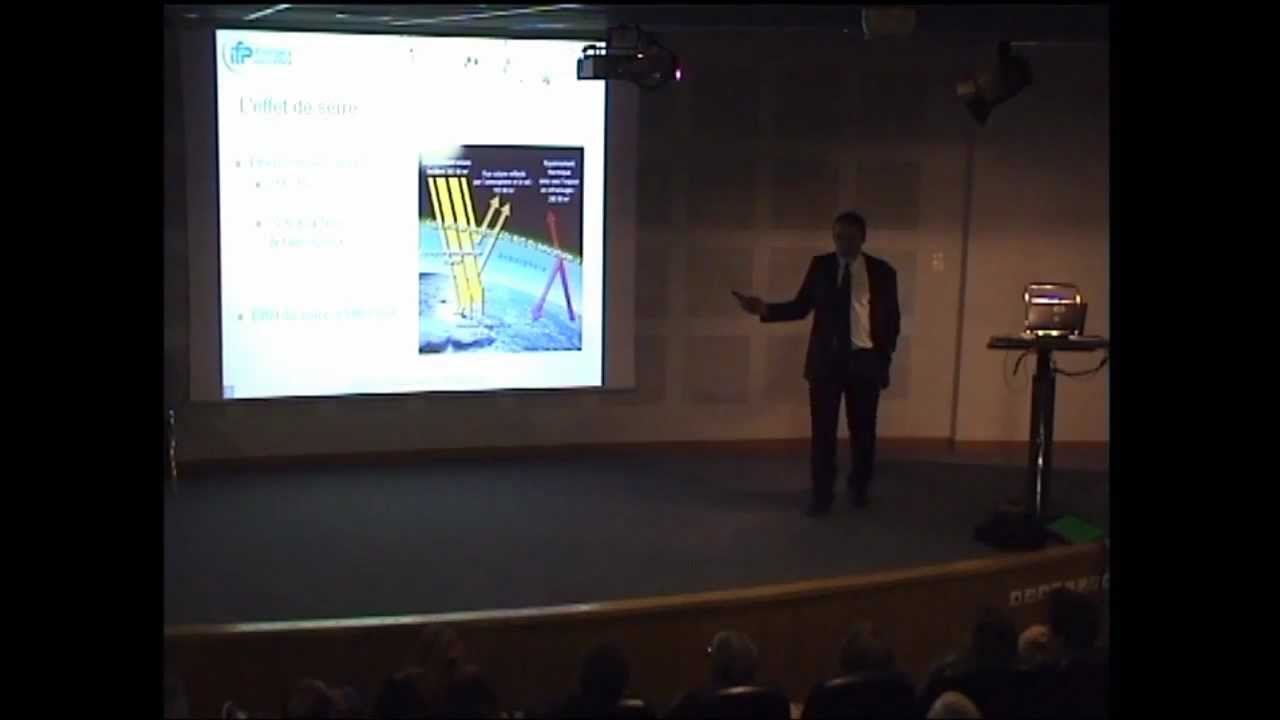
Added:Fundamental understanding of the greenhouse effect, carbon emissions, and their role in driving global climate change.
The distinction between non-renewable fossil fuels (especially natural gas, which powers most of Singapore) and renewable energy sources.
Basic principles of power grid operations, including electricity generation, transmission, and the challenge of intermittent energy sources like solar.
The concept of resource constraint and how geographical limitations (such as land scarcity) impact national infrastructure and energy options.
Regional energy integration strategies, such as the ASEAN Power Grid, and the geopolitics of importing cross-border renewable electricity.
Advanced clean energy technologies suitable for land-scarce nations, including hydrogen carrier fuels, deep geothermal energy, and nuclear fusion/fission prospects.
Urban decarbonization policies and economic mechanisms, such as carbon pricing, carbon taxation, and the implementation of national strategies like the Singapore Green Plan 2030.
Smart grid technologies and demand-side energy management, focusing on how high-density urban areas optimize power consumption through AI and energy storage systems (ESS).
139.6K views1.8Klikes47:49Original Release: 2021-03-19
[Music] i'm at the singapore sports institute and today i'll be facing the heat literally this chamber is normally used by athletes for acclimatization training but currently it's being turned into my personal hell on earth so right now we have set it at 40 degrees celsius and 76 relative humidity wow just hearing you say that makes me sweat uh it sounds terrible no i'm sure you're gonna go in and enjoy it really enjoy it why am i putting myself through this because if global warming trends continue these are the weather conditions we could experience here in singapore as early as 2045.
i've been in here about 10 minutes and i'm already sweating and uh it's not so easy to get any work done can't even type properly just it's sweating i just wipe it away and i just i it i start sweating again after 20 minutes even the cameras started to overheat and then came the final challenge in such excruciating heat would we be able to maintain an exercise regime i've never cycled under these kinds of conditions it's unbearable and after about another 20 minutes of cycling oh that's it i'm done [Music] i can't imagine that singapore could be like that one day what will happen to our home the irony is the electricity for the air conditioning cooling me down as i recover is our second largest source of carbon emissions if the very act of powering our lives comes at the price of accelerating global warming how are we going to get out of this carbon conundrum electricity invisible intangible yet absolutely vital to singapore's success when i look up at the bright lights of our skyline i see many testaments to our nation's achievements however more recently this appreciation has also come with a feeling of unease behind every light every screen every air conditioner there's a carbon price that we pay for electricity consumption [Music] every year on average each person in tokyo emits about 2.1 tons of carbon dioxide equivalent in beijing it's almost 4.6 tonnes a year in hong kong it's over 5.6 tons but each person in singapore is responsible for 8.35 tons of about 40 percent of singapore's carbon emissions comes from power generation [Music] and the problem is our appetite for power is going up by about two to three percent a year and this emerging industry is one reason for that increase the it and data center sectors are prime examples of the dilemma that we face today about 60 percent of the data centers in the asia pacific region are located here in singapore [Music] and we want to continue growing this sector but data centers are notoriously hungry for electricity today they consume about seven percent of singapore's energy by 2030 this number could be as high as 12 percent we want the data centers to be located here of course the sector could be worth 4 billion us dollars by 2025.
it attracts the big tech players to be based here not only that these data centers potentially will create thousands of jobs data centers are just one example of how our economic growth goes hand in hand with our increasing demands for electricity industries aside you and i are guilty too total household demand for power has gone up 20 percent in the last 10 years i worked with cna on a climate change survey part of it looked at our views on energy consumption according to our survey singaporeans think 28 of our electricity comes from renewable sources such as solar wind and hydrogen that is far from the truth the actual figure is only about one percent the problem is we don't have many sources for renewables [Music] our wind speeds are around two kilometers per hour much less than the four and a half kilometers per hour needed by most wind turbines [Music] we also don't have fast flowing rivers no gushing waters no hydropower the only thing we have is this the sun to find out why solar isn't contributing more to our energy needs i've come to singapore's largest solar project yet a floating solar platform currently being built by pub and semcorp to power all of pubs water treatment facilities hey dr randall how are you i'm hoping dr thomas randall of the solar energy research institute of singapore can give me some perspective on singapore's solar potential it will be finished by next year it generates the equivalent electricity for sixteen 000 hdb flats it's equivalent to say 32 000 kilotons of co2 emission savings every year which is pretty much taking off 7 000 cars of the road so it has a very uh positive impact on the environment so those numbers sound large but in the context of our overall energy needs what kind of difference is it making at the moment how much solar we generate in singapore is still very small it's about one percent or so but it's growing very rapidly and there's very ambitious targets it is uh 1.5 gigawatts by 2025. it's about four times more than we have today so that's three to four percent by 2025.
what about after what's the maximum amount of solar singapore can have so uh in terms of energy of our consumption we probably can do about 10 15 percent that's surprising we will always be limited in space unfortunately and then there's other challenges when there's a cloud coming in then the solar power drops if the cloud moves away the solar power goes up again i want to find out is it really that challenging to use solar on a tropical island like singapore we're going to try to film this episode using only solar power when we are out filming we'll leave the solar panel to charge this battery this battery acts like a power bank and when the crew returns in the evening they'll use it to charge the camera batteries this is a bit of a gamble as we're filming during the rainiest months of the year will we have days where we cannot film because we run out of juice or will we show the potential of solar i'll find out solar power is singapore's most viable renewable energy option though clearly not enough to power the whole nation but it's not the first time that we find nature inadequate if we had used technology to overcome our lack of natural water sources perhaps alternative low carbon technologies can be our solution to this power conundrum [Music] my quest to find energy alternatives has taken me to samaka while we normally associate the island with our waste landfill there's something else here that interests me and here's my ride my driver for today is xiaoyong a researcher from french energy company ng he's driving me around in one of singapore's few hydrogen cars we probably have driven around one kilometer okay and in a normal car it produces around 120 grams of co2 but in this car the only waste is going to be a water that sounds almost too good to be true how does it work exactly so you've got a little toy car in your car yes just like the car you're just sitting this toy car is also powered by hydration ah on one cup at the back of the toy car there is hydrogen store there and on the other cup oxygen they are created by splitting water molecules so i saw that the toy cars still had batteries well actually to produce hydrogen you would need energy if you use uh fossil fuels uh to generate this energy then it might not be carbon free if you use renewable energy like over there you will see some solar panels to generate hydrogen then the whole process will become hydrogen is essentially an energy carrier that allows us to import clean energy from elsewhere so how long is it going to take before we see this as a mainstream technology we certainly expect the market to grow as much as 10 times by the year 2050.
[Music] 2050 because to adopt hydrogen technology we need an extensive infrastructure to supply hydrogen to where we need it which we don't yet have i'm back to square one there's one final option that i'm going to explore it's been around for 60 years and already used globally an option that accounts for five percent of electricity generated in china 26 in south korea 20 percent in the us and 75 in france but in our survey only 17 percent of singaporeans think singapore should invest in this form of energy here i am talking about nuclear ready to blow my mind about nuclear is dr victor nyan from the energy studies institute nuclear energy is primarily fueled by uranium-235 right so assuming this is an atom of uranium-235 so i've got an extra ping-pong ball here this can be our single neutron okay so it goes in there once the urine testosterone received the neutron it then becomes unstable and split in the process releasing tremendous amount of heat and also more neutrons and these neutrons in turn then collide with other uranium-235 atoms forming what we call the sustainable chain reaction an atom is a tightly packed cluster of neutrons and protons surrounded by electrons in a nuclear reactor we fire a neutron at it to force it to split apart since we can't go inside a nuclear reactor we built a simulation that approximates what happens inside one as my make-believe neutron hits the atom it makes the subatomic particles break loose of their bonds one atomic reaction triggers another and another releasing heat and energy in the process and this chain reaction keeps going until the nuclear fuel is spent this is exactly what happens inside a nuclear reactor and this heat would then be used to re-steam and then the steam drives the steam turbine to produce electricity how much electricity well assuming this box is a uranium fuel for about half a cubic meters the amount of electricity from this amount of union fuel can produce enough electricity to power all our hdb flats in singapore for about 10 months wow and the best part is all of these electricity produced will be free from carbon emission which sounds fantastic but public opinion is still very much against nuclear energy isn't it you're right there is still some negative public perception mainly because of fukushima in 2011 a major earthquake caused a power failure at the fukushima nuclear plant in japan this shut down the water pumps needed to cool the reactor which resulted in a meltdown the radiation fallout forced the japanese government to evacuate the surrounding area let's say we had a nuclear plant placed over there in jurong island what would happen if there were to be a catastrophic accident like the one at fukushima while we don't have earthquakes the plant could be damaged by sabotage or systems failure if the cooling plants failed the reactor would start to overheat when this happened in fukushima people within three kilometers of the plants were ordered to evacuate in this case everyone on jurong island would have to leave but when the power wasn't restored to the cooling systems the reactors started to melt down releasing radiation the mandatory evacuation zone was extended to 10 kilometers then 20 kilometers at this point the western part of singapore along with much of the central business district would be unsafe the evacuation zone would extend all the way up to bishan and kala furthermore those living between 20 kilometers to 30 kilometers were asked to stay indoors or voluntarily evacuate in singapore's case the only safe location would be changi airport and its surroundings as fantastic as jewel and changi are i don't think the whole of singapore would want to move there at the same time eventually due to the buildup of hydrogen in the reactors explosions occurred at fukushima the blasts were small limited to the plants but that's not exactly good news [Music] you see the explosions damaged the plant structure allowing radioactive particles to seep out they would eventually be absorbed by the ground and water simply put in the event of a catastrophe however unlikely singaporeans would have nowhere to go this scenario explains why singapore and singaporeans are circumspect about nuclear power and why a 2012 feasibility study concluded that nuclear technology isn't suitable for us yet but what about the future how far could nuclear technology and safety advance prof chung from the singapore nuclear safety and research initiative is showing me the latest advances in nuclear power technology some of which have already been built and tested even used in other countries that is what we call a small module reactor or smr for short yes small in a sense not just a fiscal size but more important in the power output typically it is about 100 megawatts of electricity and a typical nuclear reactor produces more than a thousand megawatts okay so it's less than 10 are there advantages to being small for a nuclear reactor yes safety why is it safer any nuclear reactor will still generate a lot of heat okay and this heat has to be removed by forced cooling system and if this force cooling system failed for any reason the call will heat up and that will result in an eventual meltdown just like in fukushima a small modulator has a lot less of this heat that need to be transferred away it sounds like this smr won't melt down there's still a slight risk a very very small risk but there are technologies that's actually coming up that may actually bring this to really almost zero such as for example there is the type of a rector called the pepperbait high temperature gasket reactors pebble bed what's that about this what's that this is a pebble this is the fuel you're just carrying some uranium around with you no this is a mop-up of the pebble viewer it is made of graphite with uranium particles scattered inside it and each of this particle is encased by a tresol coating the coating are designed such that it will prevent any radioactive contaminant from leaving it so long as the temperature is kept below 1600 degrees celsius and graphite it dissipates heat very well it can never get anywhere close to 1 600 degrees and the heat is what comes out to create the power that we need correct correct so in this reactor you can see that it is filled with hundreds of thousands of such pebble and the helium is flowing through and picking up heat along the way when heated the helium gas expands creating the pressure and propulsion needed to spin a turbine thereby generating electricity so that sounds kind of promising but low risk doesn't mean no risk with the research into the technology we are getting closer and closer to zero risk but not yet watch it so we've explored solar hydrogen even considered something like nuclear but while it's good to know that we are investing in clean energy options i'm still concerned you see climate change is urgent and we can't wait around hoping that technology will eventually save us we need action now so perhaps we need to turn our attention from supply to demand i think it's time to evaluate our electricity consumption i'm starting with households but with 5.7 million people in singapore where do i begin [Music] shenhui is with the energy market authority which tracks the country's electricity usage so the average consumption across singapore is 350 kilowatt hours per household per month yep that's right but the highest consuming one is 440 yes that's really quite a large difference yes it is which town is it it's actually this town over here this one yeah that's right oh yeah i am fabricating two electricity meters i'll use them to let the residents of singapore's most power hungry town see their electricity [Music] consumption when we talk about climate change it is important to see how everything is connected because there is this idea of a tipping point where a runaway chain of events leads to irreversible damage to our planet much like a set of dominoes for example a 2 degree celsius rise in temperatures could reduce the amount of rain in the amazon and trees would begin to die trees are needed to pull water from the ground into the atmosphere through a process called transpiration with fewer trees there's now less water vapor in the air to form clouds and that means even less rain this prolongs the dry spell and even more trees start to die so with a 2 degree celsius rise we could lose 20 to 40 percent of the amazon and without trees to absorb carbon dioxide that means more carbon is released and the temperature goes up even more and so the self-perpetuating cycle continues [Music] so turning off the aircon or walking instead of driving may seem trivial but our individual actions do matter a little here a little there it all adds up and moves us away from these tipping points and that is why a week ago i went to the energy markets authority to find out which particular hdb towns households consume the most electricity i built two giant electricity meters to show the residents of this town their electricity consumption after a week of construction they are ready which town you might ask it's passers passers has 30 000 hdb flats and is home to about a hundred thousand residents an average pacifist hdb flat consumes almost a quarter more energy than the average flat elsewhere in singapore granted the flats and passers tend to be larger and the average household size bigger that could account for why they use more electricity even so i am curious to know what the residents in passers think about their electricity habits this meter on the right shows in real time how much electricity the average singapore household has consumed so far this year the one on the left the passeris average [Music] so are you surprised by this information i'm very surprised anybody willing to confess that sometimes you waste electricity is the problem more comfort and convenience i definitely think that that's the case yeah it's always nice to be under the aircon [Music] almost everybody i spoke to today agreed that sometimes it was difficult to do the right thing because it was inconvenient or it was uncomfortable they said it was hard you know and perhaps we need to find a way to make this invisible problem more visible to nudge people into doing the right thing every day with each appliance and every behavior this is going to take some work you see a ucla study found that if you give people constant visible feedback on their energy consumption it helps them reduce the amount of electricity that they use hey guys how are you so i've roped in behavioral scientist dr tanya nagpal and the co-founders of resync technologies emiya nurov and giantika sony they already have an energy monitoring app that i'm hoping to tap on so we have developed an app where people can monitor their energy consumption in real time uh they can understand which appliances are consuming the most amount of energy so that's that's providing them information uh but is that going to shift their behavior do we need to do more to to kind of nudge them in the right direction yes i think it's important to give them positive feedback so it should be well timed and it should be uh very specific like not generic you know co-save electricity something like that so things like how much money i'm spending yes and we can also provide them a benchmark how were you doing last year and how are you doing right now we can try to implement uh additional features to what we already have in our app we can come up with the number of trees saved yes or the carbon impact of your energy consumption as a feature in the app which will give them a realistic figure on the impact of switching on a light bulb on the climate paper we can send out notifications as well like to the user in terms of their energy impact maybe their dollar value how much they are spending on their energy with a smiley with a smiley ear with a smiley hair i mean while the recent team is modifying their app and adding tanya's suggestions i've convinced three families in paseo risk to give it a go [Music] who uses the most electricity karensa no not me do you all agree as well is it her yes mine is because of the icon the aircon because i switch on the icon almost every night okay yeah by the way linux is a computer yeah he plays computer his computer is on perpetually 24 7. so this is the computer that never sleeps yeah basically yeah how about you turn your computer off at night when you go to sleep and then with the app see whether it makes a difference to your electricity consumption can okay sounds good [Music] so who uses the most electricity why why are you the chief culprit here basically he uses the aircon because he walks from home he is the one who encourages the use of aircon i'm the one who sits there innocent but do you actually turn the icon on at all yourself yes he does only uh to get my little brother to stop complaining okay wait wait among the bedrooms which is the bedroom that uses the most electricity um definitely definitely ours okay can we have a look yes okay sure that um so this is my um this is his bed this is okay all right have a seat i've got something cool to show you guys so this is an infrared camera i know that already who do you i noticed the kids left the windows ajar i want to show them how this overworks their air conditioner your aircon is really cool can you see that that's very cool that's very cool but the outside is kind of warm so if you leave the windows open like this the cold air will seep out the air conditioner has to work a lot harder to keep the room cool if you don't close the windows yeah okay so shall we close the windows yeah [Music] this is a whole family and we do have a fifth member of the family she's actually in hospital right oh dear what happened in fact she's been in a hospital because of a accident that she had in february 2019 i see if you're talking about before the accident that electricity is about 300 kilowatt you know per month but after janna's accident you know the household bill gone up because janna is bed bound the family installed air conditioning around the house this has led to more than a doubling of their electricity bill okay what's so this is norjana's room where she spends almost 247 here i see since the accident as as you can feel this room is cooler because we have to switch this uh conditioning on okay i've got this thing here and um it's an infrared camera that i've plugged into the phone so purple is cool and yellow is warm let's see which are the cooler and warmer parts of the room you see that fan there is very cool you can see that there and you can see how it's it's cooling this side of the bed quite effectively can you see yep so it tells us that if we can use the fan as a supplement to the aircon you can actually make the settings of the aircon not quite so powerful so this will reduce the power consumption of the air conditioning that's right the resync team has installed monitoring devices in the homes of our volunteer families and they've updated the app it will show the family's electricity consumption in 15 minute intervals the team also added notifications to motivate the families [Music] and to find out what feedback works best the notifications will be different each week from daily consumption numbers from money saved to reduction in electricity use [Music] and finally to their carbon emissions and in a month we'll check in with them to see how they fared what's interesting speaking to the families is that they all know that air conditioning is the biggest electricity sink and if you look across at the block you can see an air conditioning unit installed in every home singapore has the highest number of air conditioners per capita in southeast asia evident from the number of discarded air conditioners that you can see here about 75 of our homes have air conditioning installed about 40 percent of our electricity used in our offices and homes goes to air conditioning and aircon installations are expected to rise by 73 between 2010 and 2030.
[Music] with that in mind we need a way to keep cool and yet be able to junk these energy guzzlers we need to dig deep to solve this cooling conundrum well deep beneath marina bay sands in this case this is a part of marina bay sands you don't know about come and have a look at the end of this rather dingy tunnel is a door that most wouldn't notice hi hello i must say it's very cleverly hidden this is the singapore district cooling facility that's very noisy goodness wow what is this this is water chiller this is a central plant where the chillers are located so all the warm water from surrounding buildings we collect it back here tilt it down and we release the fill it back to the building so all the buildings will no longer have chillers and all the chillers will be consolidated at this central plant we serve three categories of buildings the offices like mbfc and of course the iconic mbs and we also serve mrt stations so how is this better for the planet we can actually achieve up to 40 percent energy efficiency in this building typical uh in building plant yes so there's a 40 energy saving by having centralized cooling correct wow wow that's a lot air conditioners need cold water to produce cool air so having a district cooling facility as opposed to having to build and install individual plant rooms and cooling towers helps make businesses in this area more energy efficient there are plans to roll out district cooling to new estates like jurong lake district and tanga but what about the rest of singapore most of us won't get a district cooling system anytime soon [Music] retrofitting all our aircons would be too expensive so just turn up our air conditioning temperatures right before you snub that idea think about this turning up our air conditioning temperature by just one degree cuts our electricity consumption by up to six percent we often think that we are more comfortable and productive at lower temperatures but do we really need our rooms this cold to test this out i've set up these temperature control tents to simulate different environments 22 degrees which is a common setting in many offices 25 degrees which is the temperature recommended by experts for the correct balance between comfort and efficiency and 31 degrees which is the average temperature in singapore on a hot day the idea is to see if temperature affects our performance [Music] helping me out are doctors we and emily from singapore university of social sciences we've gathered two groups of volunteers both groups will first take a computerized test at 22 degrees celsius then one group will take a similar test again at 25 degrees celsius while the other at 31 degrees celsius what we're really trying to look at is things like attention cognition and how that is affected by temperature so i'm measuring his physiological responses to stress and to different conditions i'm looking at his heart rate his skin conductance that's how much she's perspiring and another one will be his skin temperature so how is it actually affected by the different climates that he's in so a couple of days of testing and some number crunching later i meet up with emily and xiohui again to review the results there was actually better performance in the group that was in the hottest conditions so meaning the 31 degrees they actually did better than people in the 25 degrees celsius condition so both groups perform better in the warmer rooms and what's even more interesting the group that took the test in the room that's 31 degrees celsius outperformed the group in the room set at 25 degrees celsius why is that in the colder conditions probably thermal regulation is happening because your your temperature the skin temperature here was probably about 20 ish right which is very far away from your body's core temperature of 37 degrees so because all that energy resources are used for thermal regulation probably less energy and resources are available for the mental and cognitive tasks so does this suggest that we need our homes and our offices warmer not have the aircon at 22 degrees yes yes i think the data seems to suggest that as well yes similar studies have arrived at the same conclusion including one published in 2010 by cornell university this study found that workers in offices with temperatures in the low 20s were less productive than those in warmer environments well that was a surprise warmer temperatures may actually help us to perform better i know it's unrealistic to turn off all our air conditioning in singapore but maybe we can nudge singaporeans to turn it up a little bit closer to 25 degrees and turning up the air-con temperatures is something our passerus families are trying to do among other things two weeks into their electricity challenge by using this light i think we have saved a lot i've been attempting to avoid using aircraft so now when i am outside or i'm sleeping i will turn off my like it's a hot wet muddy afternoon i can't think of a better place to be than passer is mangrove park hey guys hello what are you all up to uh we're just finishing our carbon stock assessment in the mangrove excellent as i learn more about clean energy alternatives in singapore i've come to realize our options are limited but perhaps we can approach the problem another way by removing and capturing the carbon we emit so dan how does the mangrove trap carbon in the soil so like all plants they take up carbon dioxide by photosynthesis that gets stored in all the leaves and all the roots and then when they die they all accumulate on the surface of the soil and normally in a regular forest thing all of these leaves and roots get broken down by bacteria fungi and things that doesn't happen in mangroves because the soils are waterlogged instead of being broken down they just get stored and accumulate over thousands of years until we have this kind of superstore of soil carbon [Music] and since the carbon stays in the ground instead of being released into the atmosphere it does not contribute to global warming so what does this machine do it helps us to understand how much carbon is being absorbed by ecosystems such as mangroves and we can then use that in our calculations of for example offsetting our climate change emissions how much carbon dioxide is in our mangroves so at the current time it's about 1.6 million tons of carbon dioxide stored in our mangroves so that enters about equivalent to the annual emissions of 621 000 people we've lost about 90 percent of our mangroves in singapore but even that remaining percentage is still able to perform this great function of course there's no limit to all nature-based solutions including mangroves but mangroves can be one type of solution within a larger kind of toolbox [Music] after getting down and dirty i'm now taking to the skies with chemical engineer dr praveen [Music] lingard from up here we can really take in one of our most important assets singapore is surrounded by water the seas play a key part in our livelihoods but they also have an important role in the carbon cycle [Music] almost 25 percent of the co2 we produce now gets absorbed by the oceans and seas they do this in two ways one is carbon dioxide get dissolves into the water or the salt water the second is that carbon can be trapped in the form of biomass like planktons which actually sink deep to the ocean flow when they die and is there a limit to this effect can we reach a saturation point absolutely yes too much of carbon dioxide is not good for the oceans in a sense that it can lead to acidification or algae blooms both of which are not good for marine life so what scientists have asking ourselves is can we replicate what nature does like mangroves or ocean with the limitations of the ocean as a carbon sink scientists in recent years have been working on various ways to sub carbon dioxide from our atmosphere and to store it underground but such methods of storing carbon are energy intensive and prone to leakage from earthquakes can you turn that knob which is why praveen is studying a solution that harnesses the unique conditions found in the depths of our oceans in this reactor we have simulated high pressure up to 1000 meter below the sea floor what praveen has invented is a chemical catalyst that will convert carbon dioxide into hydrates these are ice-like crystals they can trap a lot of co2 in there nature provides us an analogy or an answer or a cue in nature methane has been stored in hybrids for millions of years and it presents itself as a huge energy resource we are actually taking a similar analogy and we want to put co2 in these locations but for hydrates to form praveen requires extremely cold temperatures and high pressure conditions you'll find naturally on the ocean floor so his team is recreating those conditions in the lab to study how feasible it is to store carbon dioxide as hydrates deep in the ocean so this sounds like a almost a magic bullet you know that we can capture carbon lock it up in a stable form and put it away at the bottom of the ocean is that is that the right way to understand this what we do here in the lab is we want to look at ocean as another way of storing co2 we expect co2 hydrates to be stable for as long as we want them there so i would say in five to ten years we should have a commercial scale viable technology in singapore but that is not going to be sufficient to capture all the carbon that we are emitting right now so i am doing my part we wanted to film this episode using only solar power we were able to do that about 60 of the time there were many days during our filming period where it was raining or overcast this challenge with the solar panel and our filming shows us some of the difficulties with clean electricity generation here in singapore and until our electrical supply is carbon neutral the only thing we can do for now is to cut back on our electricity consumption and in their own way our pasta risk families have tried to make a difference one month ago they installed an app to help them hi guys hello today they've come back to find out how they did welcome back guys it's been about a month since you started using resync's smart home app so if you remember what we did is we measured your electricity consumption for the three months before and then we averaged that out that became your baseline we then compared using the app what you did to that baseline so giantica how did they do so all three families did quite well all of your consumptions actually went down during the last one month so the wongs previous to the experiment your average consumption per month was around 600 kilowatts it went down to 511 kilowatts which is about 15 of savings well done well done guys who saved who saved the 15 it was all you okay what about the jews how did they do oh they did spectacularly well as well your base consumption was 688 kilowatt hours it went down to 434. wow that's about 36 percent reduction very good you turn the temperature of the air conditioning up no i cut it off you turned off the air conditioning well done what about the rust even family oh this is amazing this is fantastic before the experiment your consumption was 685 kilowatt hours during the last month it was 312 kilowatt hours it was like 55 reductions yes you halved your consumption yes we did we've decided our dining area we move it to where there's only one l led light stay bright enough everybody just enjoy eating there now so if you remember we kept on sending you notifications through the app but we changed those every week we started off by telling you how much energy you'd used and then in the second week how much money you saved in the third week it was about how much you had saved compared to your baseline and then finally we told you how much carbon you saved which ones worked for you it's the is the money info the money info yeah every morning that was that week then when i woke up thing thing i say 50 of my you know the money spent on their energy okay so the positive encouragement the data says uh the wong's responded best to week three which was the baseline model while the other families responded best to the carbon footprint so different types of notifications work differently for different people that's true okay well done it's not just the residents of pasiris that have to be mindful of their power use it's all of us while we're already investing in game changing technologies it's time to do even more so that we have not just one but a few options that will work for us and this little island we live in till then it's up to each of us to exercise prudence in the energy we use so the next time you get your electricity bill don't just look at the price you paid in terms of dollars and cents but consider the price in carbon you
Up Next
8:48
DIY Solar Tracker Experiment: Energy Yield Comparison
@greatscottlab
2.5M views•2018-07-01

30:32
Ultrasonic Transducers: Resonant Frequency Measurement and Horn Design
@imajeenyus42
229.9K views•2017-02-22
54:16
Polymer Environmental Degradation: Mechanisms & Stabilization
@iit
1.8K views•2012-07-10

33:39
How a Student's Question Saved a NYC Skyscraper from Collapse
@veritasium
22.8M views•2025-04-26
Related Study Plans & Knowledge Roadmaps
Structured learning paths in Engineering
engineering
Building Acoustic Levitators: Physics & Arduino
01The Physics of Sound and Standing Waves
02Piezoelectric Transducers and H-Bridge Drivers
03Arduino Programming: Generating 40 kHz Signals
+ 2 more learning modules
14h5 modules
Explore Roadmap
engineering
Building Peltier Cloud Chambers: Particle Tracks
01Cosmic Rays & Cloud Chamber Physics
02Thermoelectric Cooling (TEC) Fundamentals
03Custom Liquid-Cooling Loop Design
+ 2 more learning modules
18h5 modules
Explore Roadmap
engineering
Yagi-Uda Antennas: Modeling, Build & VNA Test
01Introduction to RF and Antenna Fundamentals
02Yagi-Uda Antenna Design Principles
03Antenna Modeling and Simulation in 4NEC2
+ 2 more learning modules
18h5 modules
Explore Roadmap
engineering
ECG Monitor Design: Op-Amps, Filters & Noise
01Electronics & Breadboard Basics
02Op-Amps and Instrumentation Amplifiers
03Bioelectricity and ECG Fundamentals
+ 2 more learning modules
18h5 modules
Explore Roadmap