













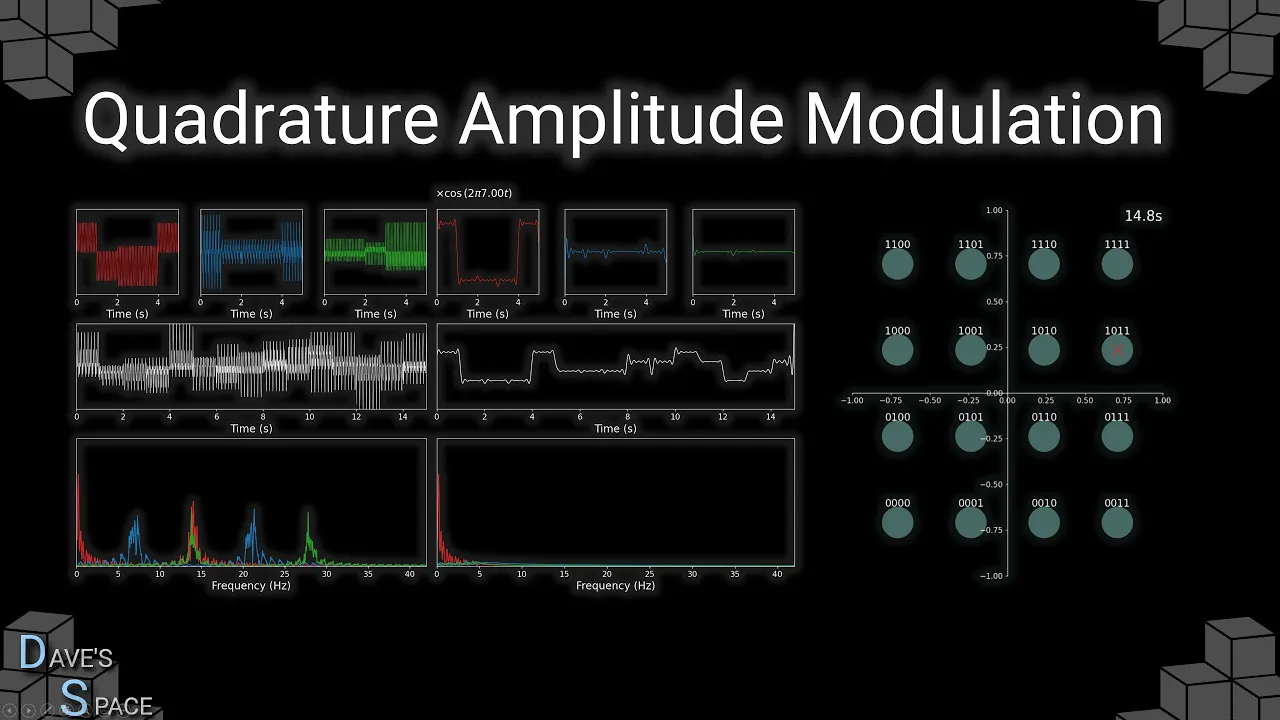

QAM (Quadrature Amplitude Modulation) is a modulation technique that encodes digital information by varying both the amplitude and phase of a carrier wave, represented visually through constellation diagrams where each point corresponds to a specific combination of bits; the receiver decodes signals by correlating the received signal with sine and cosine waves to extract the transmitted data, with the spacing between constellation points affecting error probability and spectral efficiency, enabling modern communication systems like Wi-Fi, 4G, and 5G to transmit multiple bits per symbol using schemes such as 16-QAM, 64-QAM, and 1024-QAM.
QAM Modulation Explained: Principles and Applications
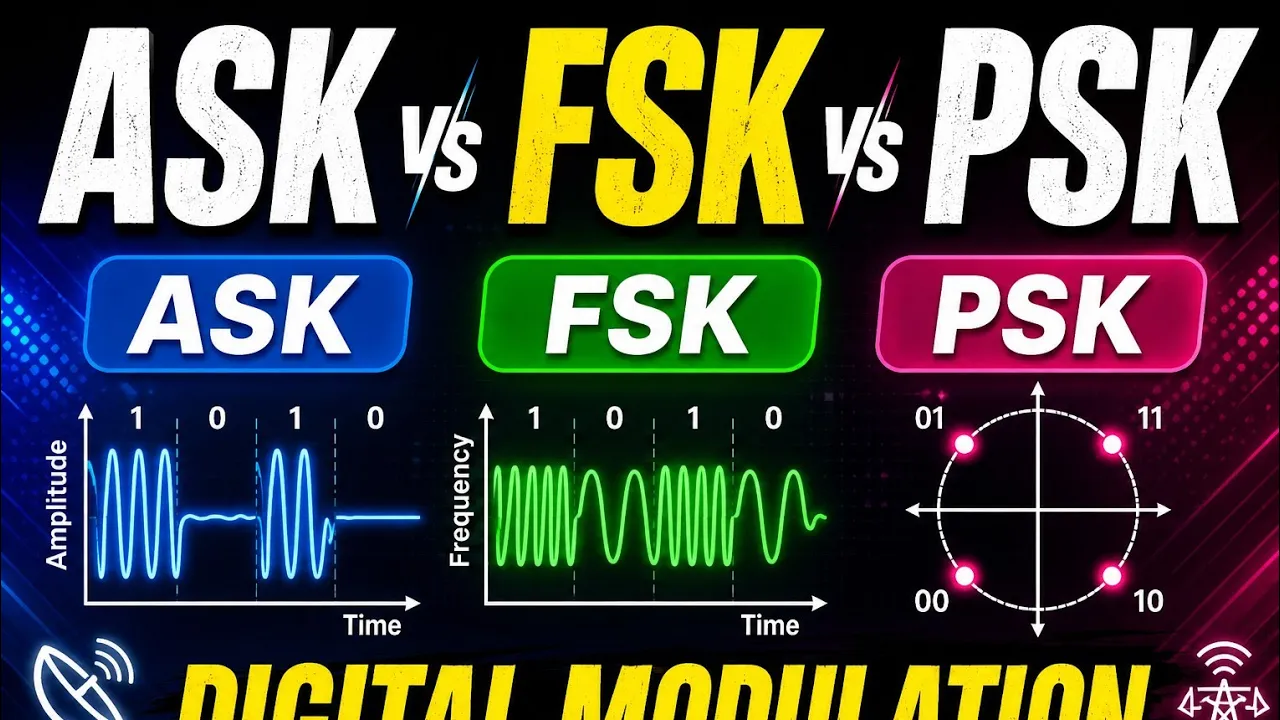
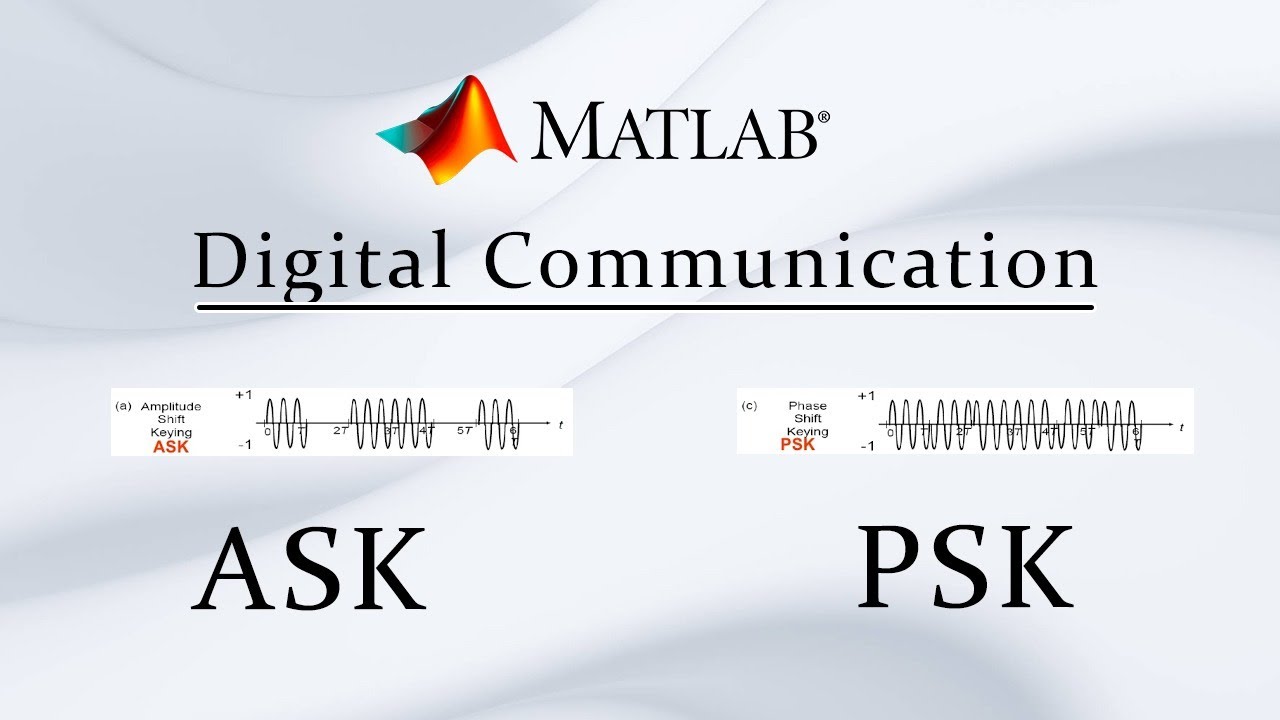
Added:Understanding of basic modulation schemes, specifically Amplitude Shift Keying (ASK) and Phase Shift Keying (PSK).
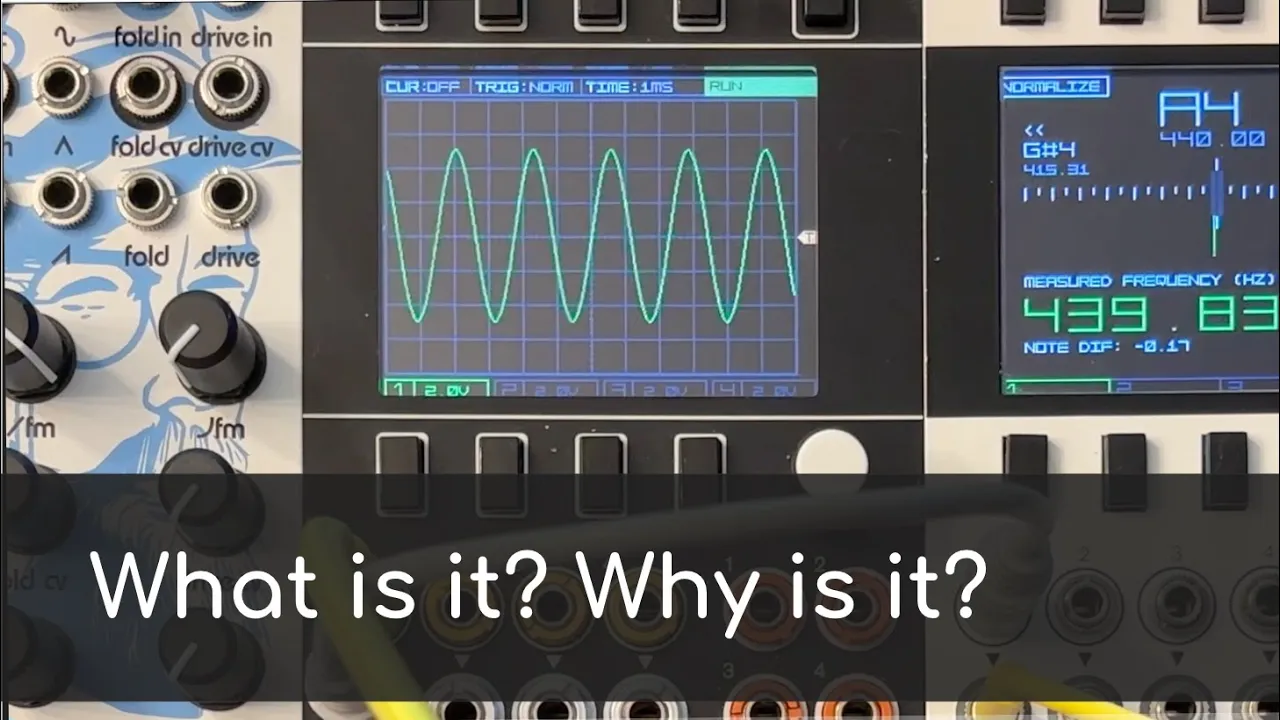
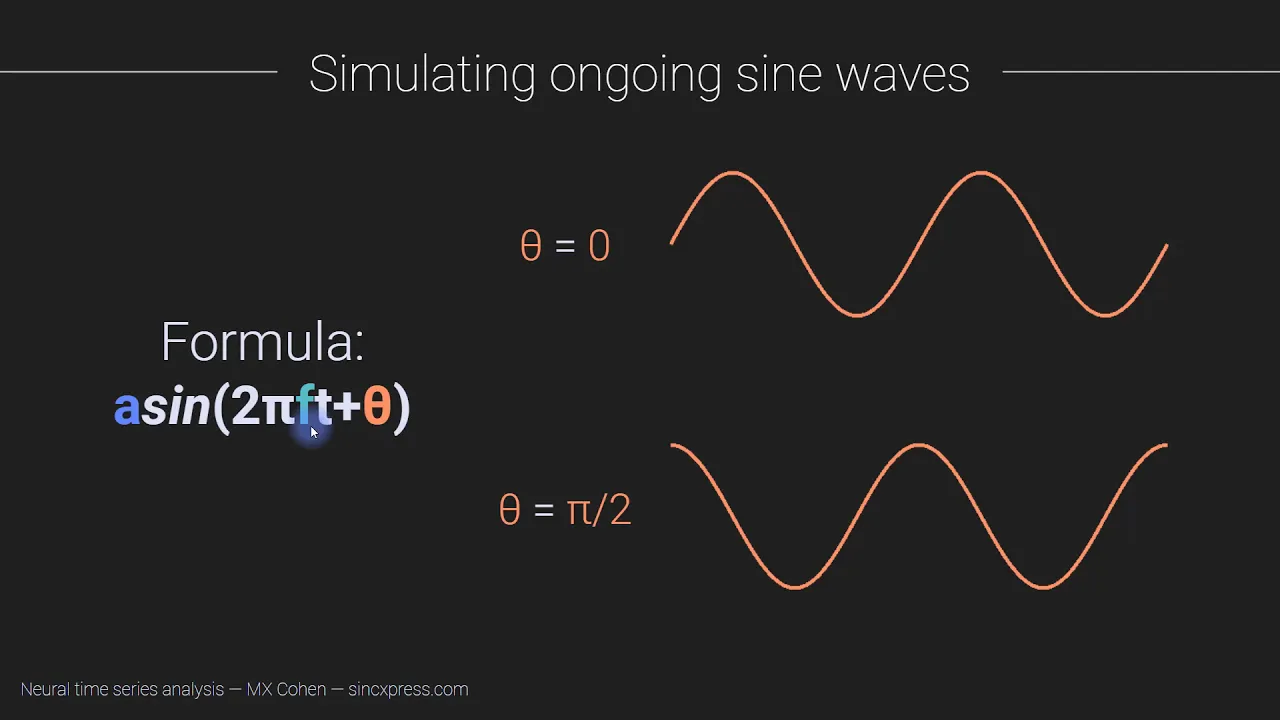
Fundamental characteristics of sine waves, including amplitude, frequency, phase, and mathematical representation.
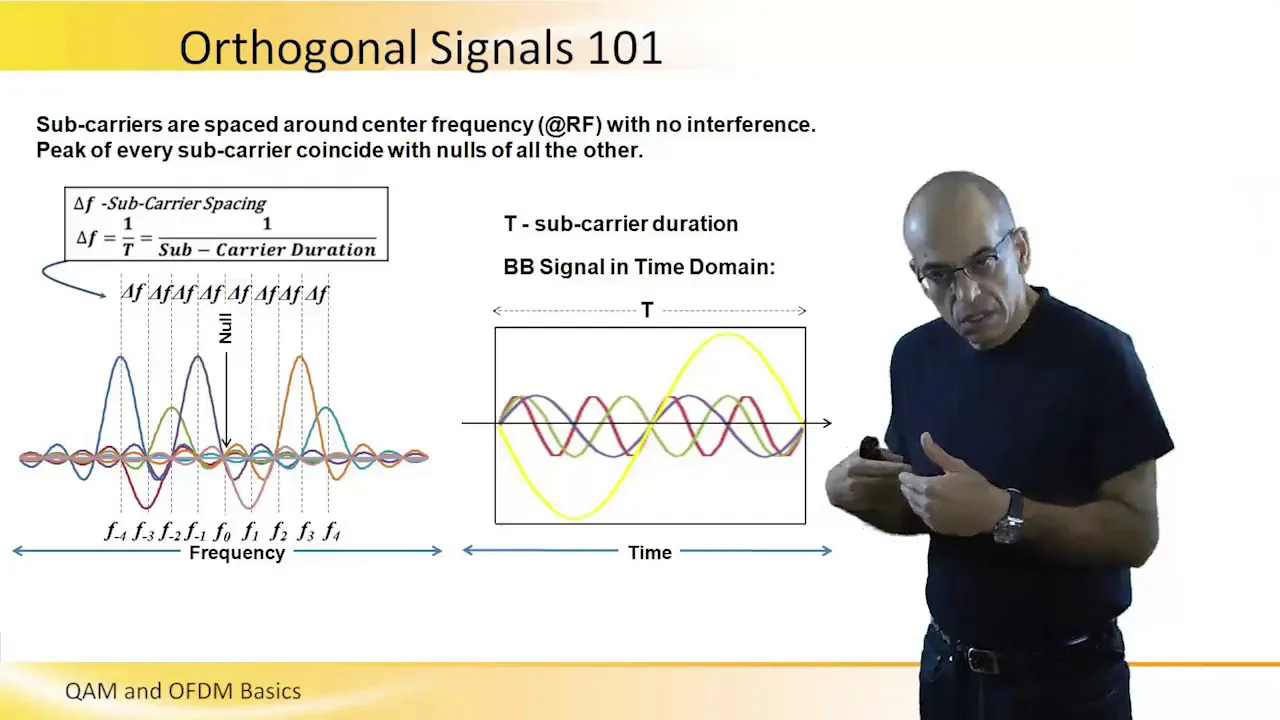
The concept of signal orthogonality and how In-phase (I) and Quadrature (Q) carrier signals function.
Basic digital communication metrics, such as bits, symbols, bit rate, and baud rate.
Analysis of Noise and Distortion, specifically evaluating Bit Error Rate (BER) versus Signal-to-Noise Ratio (SNR) on constellation diagrams.
Exploration of high-order QAM configurations (e.g., 256-QAM, 1024-QAM, and 4096-QAM) used in Wi-Fi 6/7 and 5G networks.
Channel Equalization and Carrier Recovery techniques used by receivers to correct phase rotation and amplitude attenuation.
Integration of QAM with Orthogonal Frequency Division Multiplexing (OFDM) for multi-carrier broadband communication.
122.1K views5Klikes6:47Original Release: 2025-03-17
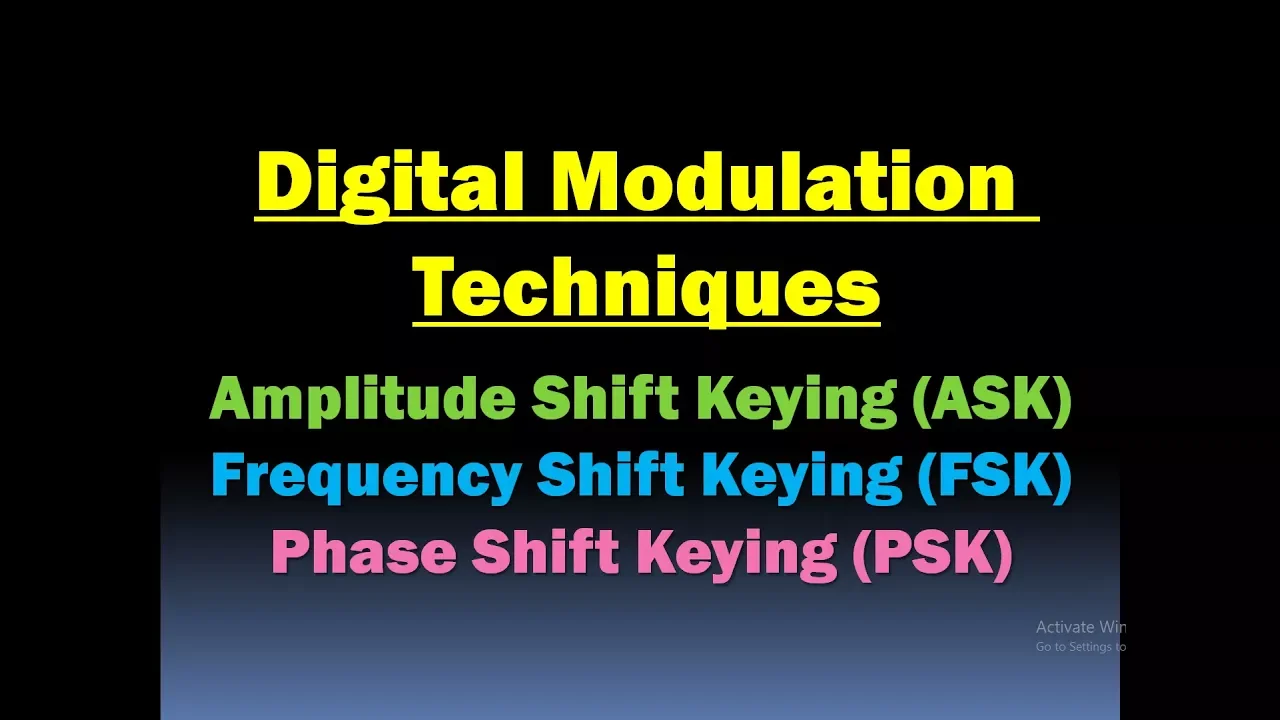
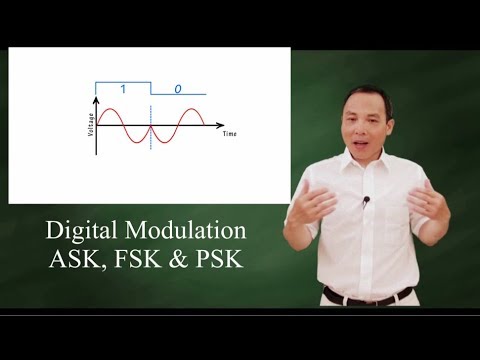
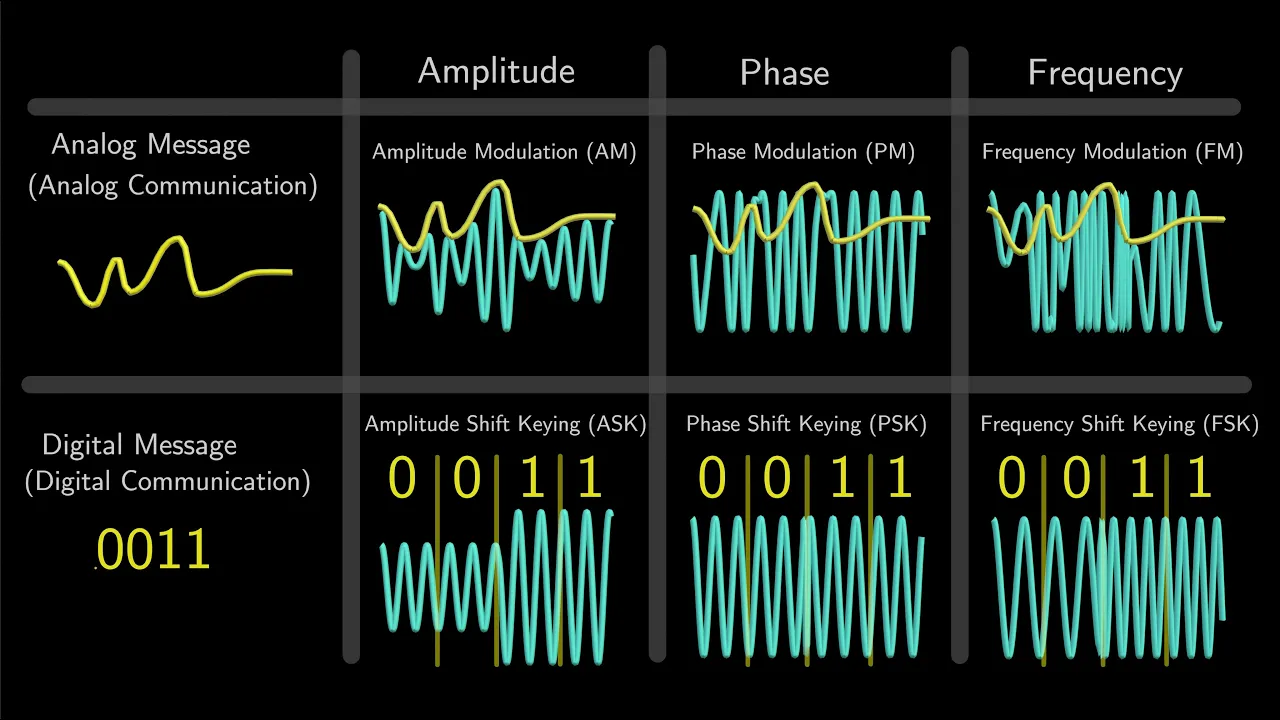
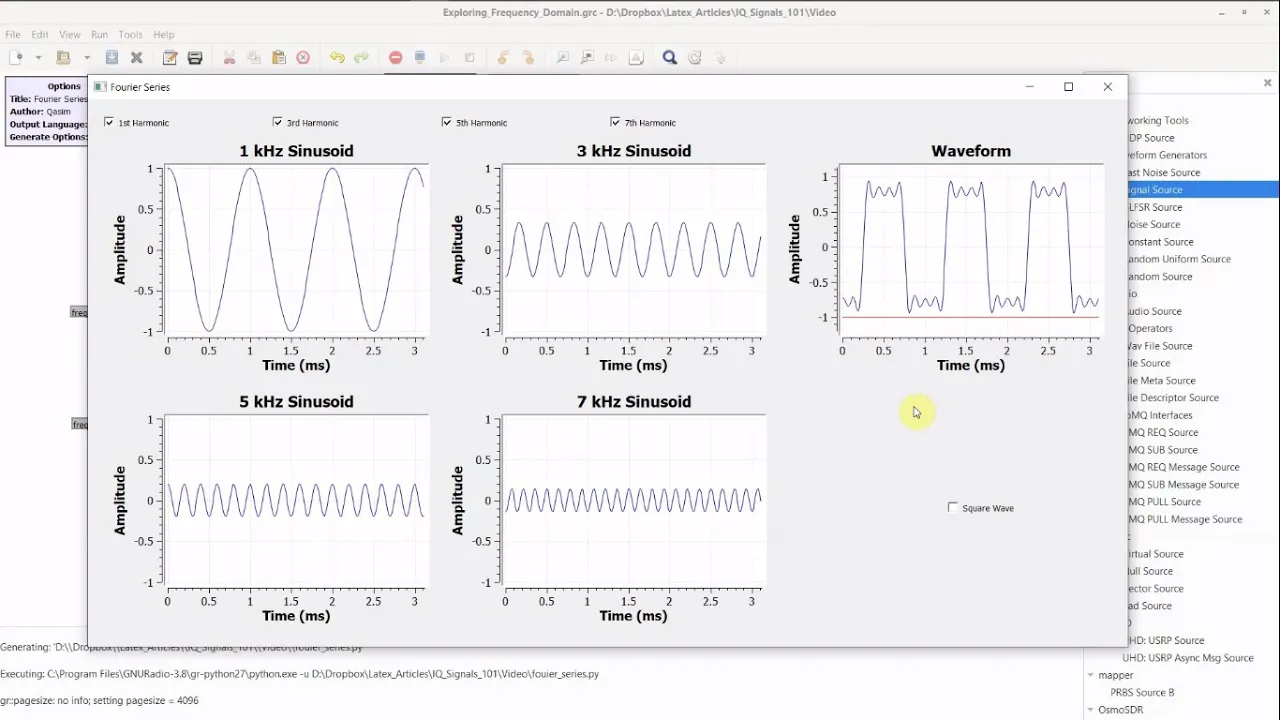
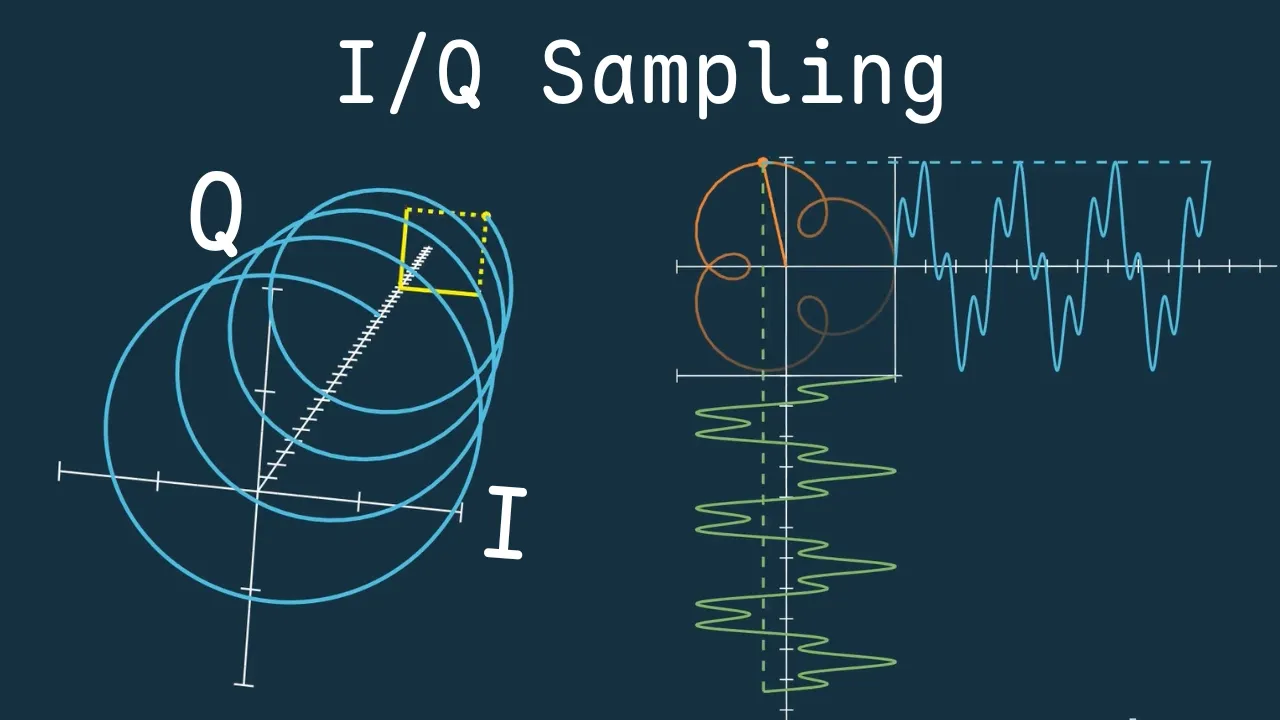
QAM is a modulation scheme widely used in most of modern communication, including TV cables, optical networks, WIFI, 4G, and 5G. In this video, I will explain what is QAM modulation and how it is implemented in a wireless communication system. QAM is a modulation technique that encodes information into both the amplitude, and phase of a carrier wave. Any cosine wave with frequency "f" can be represented as a point on a constellation diagram, much like a vector. The length of this vector represents the amplitude of the wave. So, if we extend the vector, we're increasing the wave's amplitude. Similarly, the angle of the vector indicates the phase of the wave. Now, any wave with any amplitude and phase can be constructed by combining a sine wave and a cosine wave. If you project this vector onto the vertical axis, you get the sine component. Similarly, project it onto the horizontal axis, then you obtain the cosine component. Then add these sine wave and cosine wave, you get the wave with the same amplitude as the vector length, and the same phase as the angle of the vector. Keep in mind that "f" represents the frequency of the wave, which we're assuming to be constant for now. You can ignore this for the moment. We can encode information into the amplitude, and phase of the wave —just like I mentioned in my previous video. Let's consider a simple transmitter setup. Suppose we represent bit 0 as one point and bit 1 as another point in the constellation, and we transmit that. When the receiver gets this signal, it needs to map it back to the corresponding points on the signal constellation. So the receiver correlates the received signal with sine wave and cos wave. In other words, the receiver multiplies the received signal with a sine wave and integrates the result to get the vertical component of the constellation point. Similarly, it multiplies by a cos wave and integrates to get the horizontal part. If the received signal is same as the transmitted signal, then the receiver gets the same constellation points as the transmitted constellation point. But in real-world systems, things are not perfect. The received signal gets weaker due to path loss, which reduces its amplitude. Plus, interference and noise can distort the signal, causing the received point to deviate from where it should be. If the receiver knew the exact amounts of path loss, interference, and noise, it could adjust the received point back to its original position. Of course, the receiver can estimate these values using pilot signals, but it cannot know them precisely. Remember that, our transmitter has sent bit 1 signal right after the bit 0 signal. So the receiver receives the distorted version of the transmitted signal and would map that also to a constellation point, which is of course deviated from the transmitted constellation point. To distinguish between bit 0 and bit 1, the receiver divides the entire constellation area into two regions—one for bit 0 and another for bit 1. If the received point falls within the bit 0 region, the receiver decodes it as bit 0. Otherwise, it's decoded as bit 1. If the transmitted constellation points are close to each other, then there is a high probability of error while decoding. To reduce the probability of incorrect decoding, the transmitter spreads the constellation points as far apart as possible. But there's a catch: the length of the vector determines the transmit power. Since there's a maximum limit to the transmit power, all our constellation points have to fit within this circle defined by the maximum available transmit power. So, to reduce the probability of error, the transmitter can fit constellation points as far apart as possible within this circle. Additionally, if there's less unpredictable interference and noise, then we can pack more bits into the same signal, boosting our spectral efficiency! In this example, the transmitter encodes 2 bits into a single carrier wave, and the receiver partitions the entire constellation space into 4 areas for decoding. For example, if the received signal lies in this area, then the receiver decode it as bits one one. Here is another example where the transmitter encodes 4 bits into a single wave, which requires 16 constellation points. We arrange these points in a square grid pattern because this arrangement increases the minimum distance between any two points, thereby reducing the error probability. All these modulation types fall under QAM modulation. If we send only two signals, it's called BPSK, four signals make it QPSK, 16 signals give you 16-QAM, and so on. In 5G, we even use "64 QAM", "256 QAM", and "1024 QAM"! Now you know the workings of QAM modulation, demodulation, and the signal constellation diagram. Before we wrap up today’s video, I’m excited to share that my new website, WirelessExplained.com, is now live! This site is designed to work hand-in-hand with my YouTube content by providing introductory blogs for each video lecture. Plus, all of our content is available under a CC-BY-SA license —meaning you can freely re-use it with proper attribution. Visit WirelessExplained.com to explore more and stay connected with the world of wireless communication. Thank you for watching.
Up Next
11:39
Piano for Beginners Lesson 1: Keyboard Notes & Finger Numbers
@BillHilton
2.7M views•2016-12-08

12:54
Triumph of Orthodoxy Icon: Byzantine Art & History Explained
@BenCallan
2.1K views•2024-08-06

9:49
FastAPI vs Flask vs Django: Choosing the Right Python Web Framework
@TechWithTim
302.5K views•2024-05-26

1:42
Game of Thrones Opening Credits: A Cinematic Analysis
@gameofthrones
46.3M views•2011-04-18
Related Study Plans & Knowledge Roadmaps
Structured learning paths in General & Interdisciplinary Studies
general-studies
Elevator Engineering: History, Physics & Cities
01From Hoists to Safety Brakes: The Dawn of Vertical Lift
02Hydraulic vs. Traction: The Engineering Physics of Elevators
03Modern Speed, Safety, and Algorithms
+ 2 more learning modules
12h5 modules
Explore Roadmap
general-studies
Rubber: Material Science, History & Geopolitics
01Origins of Natural Rubber & Mesoamerican History
02The Chemistry of Natural Rubber & Vulcanization
03The Geopolitics of the Rubber Boom & Colonization
+ 2 more learning modules
12h5 modules
Explore Roadmap
general-studies
Containerization: Evolution, Logistics & Trade
01Ancient Trade & Bulk Cargo: Amphorae to Barrels
02The Industrial Revolution & Cardboard Packaging
03The Containerization Revolution: Malcom McLean
+ 2 more learning modules
12h5 modules
Explore Roadmap
general-studies
Textile Tech: Evolution, Labor & Global Impact
01Pre-Industrial Textiles: Handloom & Cottage Industry
02Mechanization: The Spinning Jenny to the Power Loom
03The Factory System & Global Labor Transformation
+ 2 more learning modules
10h5 modules
Explore Roadmap