





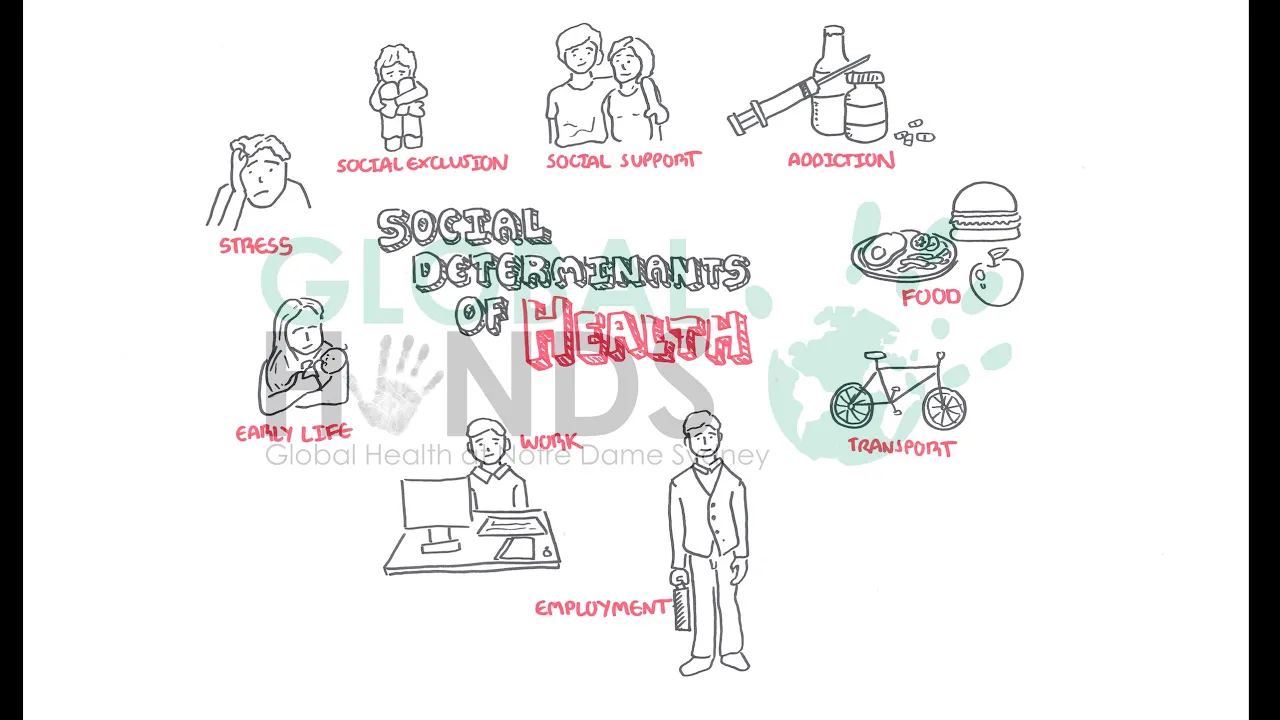








Applied medical anthropology examines how social factors—including racism, economic inequality, and structural discrimination—create health vulnerabilities that transcend biological explanations; for example, racialized communities face higher COVID-19 mortality not due to genetic predisposition but because systemic racism places them in more vulnerable social positions through frontline healthcare work, limited PPE access, and reliance on public transport, while chronic diseases like obesity and diabetes spread socially through factors such as the global food economy and social inequality rather than individual behavior alone.
Applied Medical Anthropology UCL Module Overview
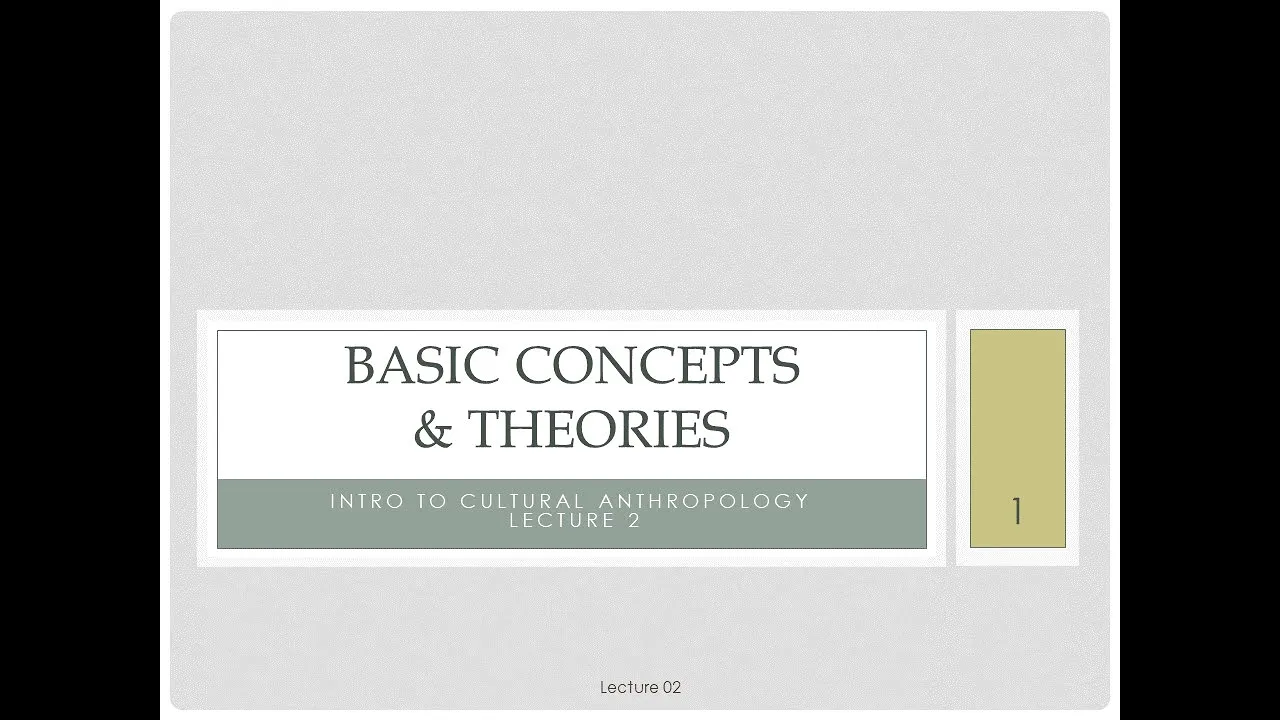
Added:Fundamental concepts of cultural anthropology, including ethnography, cultural relativism, and how belief systems shape human behavior.
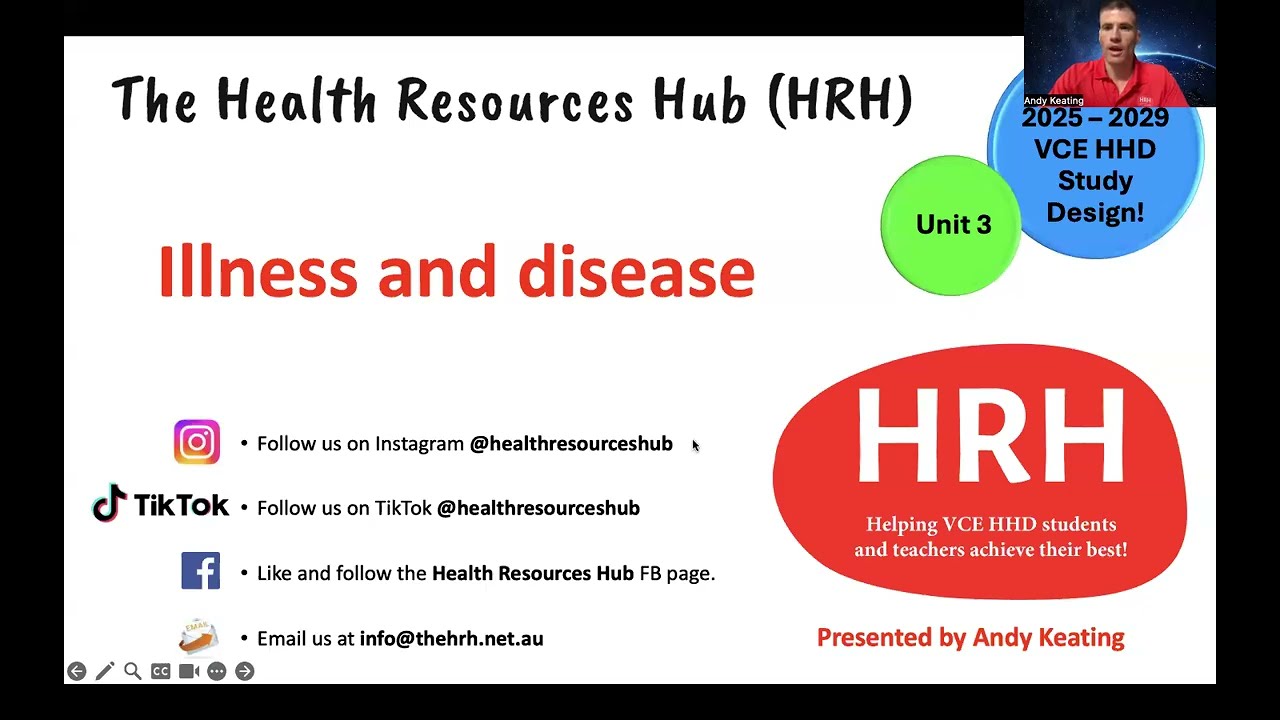
The basic distinction between 'disease' (the biological pathology) and 'illness' (the subjective, social experience of being unwell).
An introductory understanding of global health challenges and the social determinants of health.
Critical Medical Anthropology (CMA) theories, exploring how political economy, systemic power, and social inequalities impact global health outcomes.
Applying qualitative and ethnographic research methodologies to design and evaluate public health interventions.
Examining case studies of structural competency and cultural humility in clinical practices and international health organizations.
The process of decolonizing global health frameworks and analyzing the historical impact of colonialism on modern medical systems.
2.9K views48likes10:38Original Release: 2021-06-01
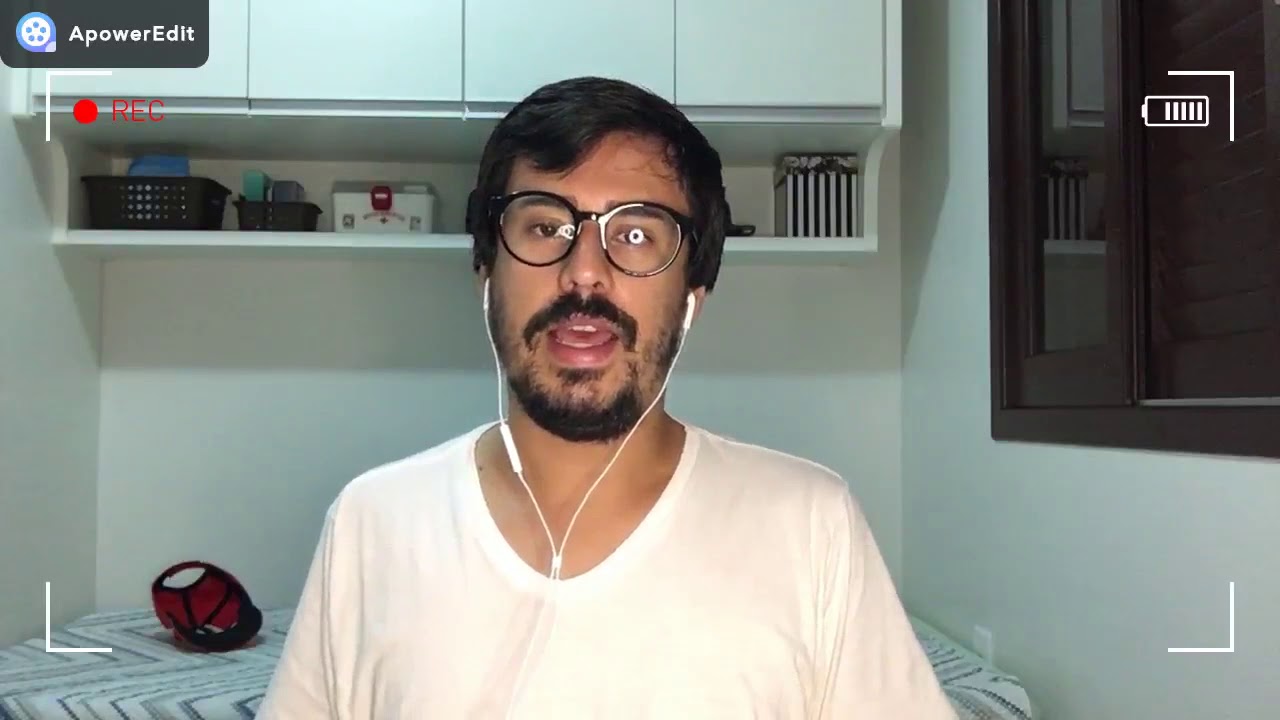
hi everyone today we're going to be talking about aspects of applied medical anthropology with carrie here um to start with could you give me a quick introduction to the module absolutely uh aspects of applied medical anthropology is a module that tries to give students the skills to use and apply critical medical anthropology perspectives to contemporary global and public health problems so we do this through a variety of topics from obesity to cross-border health care to covid to population aging and the goal is to try to give students a sense of the possibilities but also the limitations of applying uh anthropology to contemporary issues um thank you so this year you added a week on race inequalities during covets could you really go over the material for that topic yes so this week was really inspired by students who um inspired by the black lives matter protests came to the department and asked a bunch of the lecturers to really try to integrate more efforts to decolonize our curriculum but also to have our classes really speak to the effects of racism in the world today so i wanted to integrate a week on kovid but i also wanted to integrate um a week on racism and the health effects of racism and i thought it would be interesting to combine the two um and the week really thinks about the effect of racism on the experience of covid and we know in the uk that people from being communities um are not even they're more likely both to transmit kovid um they're also more likely to die from covet 19.
so there have been all sorts of people who have been asking well why is this the case uh and there are several kind of scientific and medical literatures that suggest that it's because particular racialized groups are genetically predisposed to being vulnerable to the virus and the literature for this week that we engaged with in the module is really trying to problematize that point of view um so not only did we learn that there's more genetic variation within racial groups than there is across racial groups um but we also learned that genetics aren't meaningful alone that they exist in social environments so the week was trying to help students understand how racism and the ways in which certain racialized groups are degraded and subjugated socially really put some groups in a more vulnerable position during covet 19.
for example we know bain communities are working on the front lines more than their white counterparts so they're probably going to be transmitting the virus often a lot more often we know that they rely on public transport more than their white counterparts we also looked at how a lot of nurses in the nhs from dame communities really struggled to access proper ppe in the beginning of the pandemic so all of these really kind of racialized social effects um have made bain communities um more vulnerable to the disease so it's trying to understand the social factors that make us biologically vulnerable in particular racialized groups yeah i really like how the department adapts the curriculum every year um to ongoing events that's that's always really helpful so during the course we learned that it would be useful to consider obesity as a communicable disease even though it's not infectious could you elaborate on why that is yes so um one of the things that medical anthropologists have been really interested in is the rise in chronic diseases globally and as you say chronic diseases aren't infectious they're not like viruses um but they are communicable and what do anthropologists mean by that um well there are lots of social factors um that are emerging globally that are kind of becoming more socially contagious we can see for example the global food economy is making highly processed food more and more accessible to greater portions of the world we also know that one of the huge determinants of obesity and diabetes is social inequality and social inequality is becoming a really difficult issue worldwide and we know that this is not something that only low and middle income countries deal with it's also something that high income countries deal with and we look at the united states their obesity and diabetes rates are rocket high um and so it's really trying to help students understand that for example people who are really struggling with inequality with precarity who are having to work five jobs they're going to find it difficult to um cook really kind of nutritious meals to exercise and to even access food that would be nutritious for them so really trying to understand the kind of social context that makes people more vulnerable to having obesity and diabetes um and those social factors uh really contribute to that spread as these social factors are becoming more prevalent across the world so too are these conditions thank you uh one of the assignments for this course was for students to write an advocacy letter i really enjoyed writing mind and i was wondering if you could go over the reasons behind that choice of assignment yeah absolutely so i i was actually inspired by two of my favorite anthropologists um one of whom emily a store wrote about the advocacy letter assessment on a really great medical anthropology blog and the advocacy letter assessment is a opportunity for students to apply their anthropological knowledge to a health issue that they care about and to really advocate for some kind of change around that health issue and in the letter they have to find somebody to send this kind of um advocated change to so we've had students send them to mps uh to people who work in the who um and really the kind of motivation for this assessment was to not only give students the chance to do what the module is supposed to do which is to apply this anthropological perspective to these health issues but to do it in a way that might really create change um i know lots of the students who've been in this module have actually sent their letters and i'm going to be really curious to see what comes from that i haven't sent mine out yet but um can you give an example of an advocacy letter from a student that you think captured the essence of the module yeah there were so many more um i mean they were it was really inspiring i mean we always enjoy reading these essays because we see what students have learned and and what they're really kind of um what kinds of concepts they're struggling with or find meaningful but this assessment reading these letters was really powerful partly because so many students it was clear that what they were writing about really meant a lot to them so i had students a student write about bettering hiv aids education here in the uk a student who was arguing for cannabis use during cancer treatments um a student arguing for uh the kind of male effects of privatization of the nhs in their experience with that and it was really a range of extraordinary topics that students really integrated both kind of personal experience but also really critical anthropological perspectives um and it was a very powerful mix thanks to finish off who do you think should take this course and why oh gosh well it's such a pleasure to teach this class because there's so many students that come to it i think i've said this to you laura um really hoping to reflect on how they can make what they've learned in their anthropology degree meaningful in the world and this is often kind of third year students who have learned all of these skills who are really kind of moved by anthropology and are asking themselves what next and i think this course helps students really grapple with those questions how can we put to use these skills that we've learned in our degree how can anthropology be made meaningful and not just be made meaningful but really catalyze important and needed change and so the module i think sometimes encourages students to ask these questions you get to ask these questions with other kind of similar minded people who are really hoping to do something meaningful with their degree and it's a real privilege to teach and i think students do get a lot of enjoyment out of learning how to do this in particular around health issues but more broadly reflecting on this question of application and anthropology yeah it is quite hard to figure out how to apply anthropology and even how to explain how you apply your degree to other people as well so this course has been really helpful especially for the advocacy letter i made my mom read mine as well um so she can understand what type of changes medical anthropology and anthropology in general could advocate for and how that happens um obviously you know depends on whether the person will read the letter and will actually do something about it but yeah it's been a it's been an absolutely amazing course and um and everyone's loved it as well so yeah i really recommend this course to anyone watching this video and thank you thanks laura
Up Next

9:23
Cross-Cultural Apology Norms: British vs American Politeness Theory
@LostinthePond
233.3K views•2025-03-12

38:41
Astrobiology Through an Anthropological Lens: Field Insights
@georgiatechastrobiology
128 views•2021-04-14
4:45
Proxemics Explained: The Study of Personal Space
@Vox
536K views•2016-07-05
10:38
Psychology of Internet Trolling and Pranks Explained
@AzzyLand
10.7M views•2017-12-20
Related Study Plans & Knowledge Roadmaps
Structured learning paths in Anthropology
anthropology
Space Anthropology: Analogs, Culture & Habitats
01Foundations of Space Anthropology & Cosmic Imaginaries
02Extreme Isolation & Micro-Societies in Orbit
03Space Analog Habitats & Earth-Based Simulations
+ 2 more learning modules
15h5 modules
Explore Roadmap
anthropology
Legal Anthropology: Customary Law & Pluralism
01Foundations of Legal Anthropology and Social Justice
02Legal Pluralism: Coexisting Legal Systems
03Customary Law and Indigenous Dispute Resolution
+ 2 more learning modules
15h5 modules
Explore Roadmap
anthropology
Global Tourism: Gaze, Authenticity & Heritage
01Introduction to the Sociology of Tourism
02The 'Tourist Gaze' (John Urry)
03Staged Authenticity in Tourism
+ 3 more learning modules
14h6 modules
Explore Roadmap
anthropology
Modern Kinship (ART, Adoption & Chosen Family)
01Foundations of Kinship and Family
02Assisted Reproductive Technologies (ART) & Relatedness
03Transnational Adoption and Global Kinship
+ 2 more learning modules
12h5 modules
Explore Roadmap