








![Orange Pill [OP18] - Looking for Dmitry, Finding Bitcoin](https://i.ytimg.com/vi/bm4MPH_uxAI/maxresdefault.jpg)








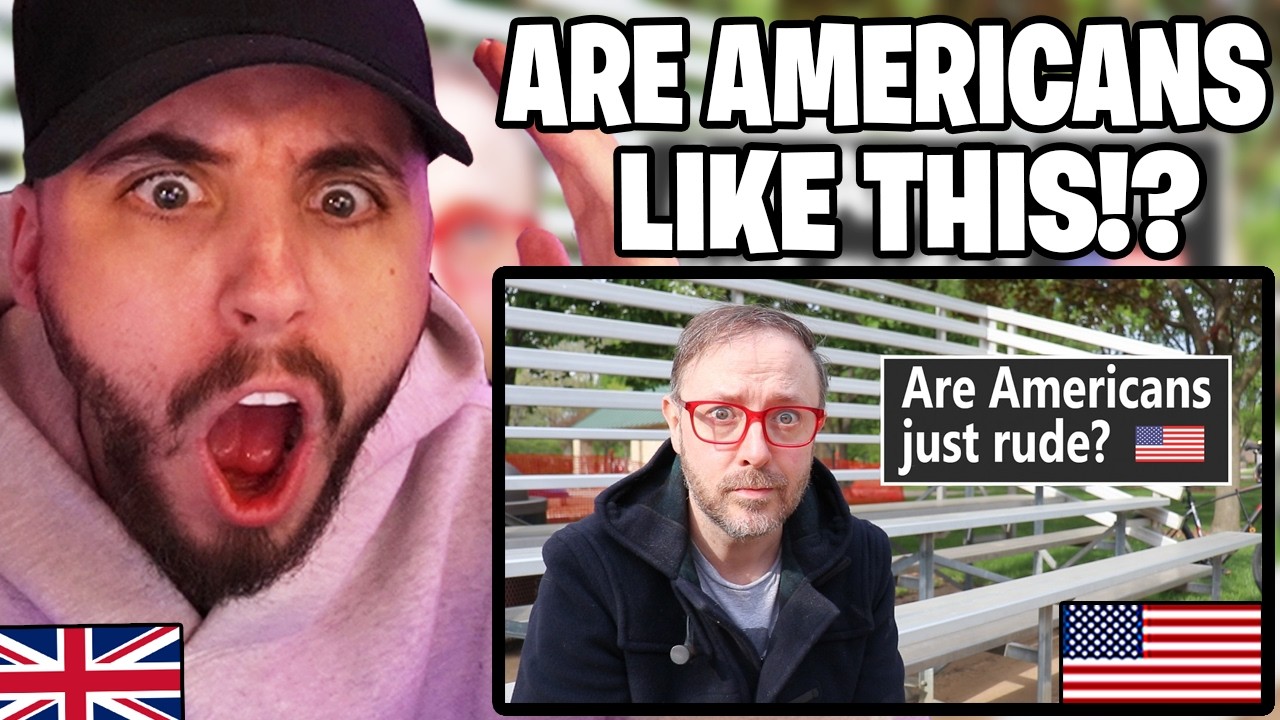




Americans apologize less than British people because British culture prioritizes negative face (avoiding imposition on others) and uses 'sorry' extensively in everyday interactions, while American culture prioritizes positive face (being liked) and reserves apologies for genuine transgressions, viewing excessive apologizing as potentially weakening or redundant.
Cross-Cultural Apology Norms: British vs American Politeness Theory
Added:Brown and Levinson's Politeness Theory, specifically the concepts of 'positive face', 'negative face', and 'face-threatening acts' (FTAs).
The fundamentals of Speech Act Theory, understanding how apologies function as linguistic tools to perform social actions and repair relationships.
Edward T. Hall's cultural framework of High-Context vs. Low-Context communication styles.
Basic sociolinguistic differences between British and American English, including varying concepts of social distance, class, and egalitarianism.
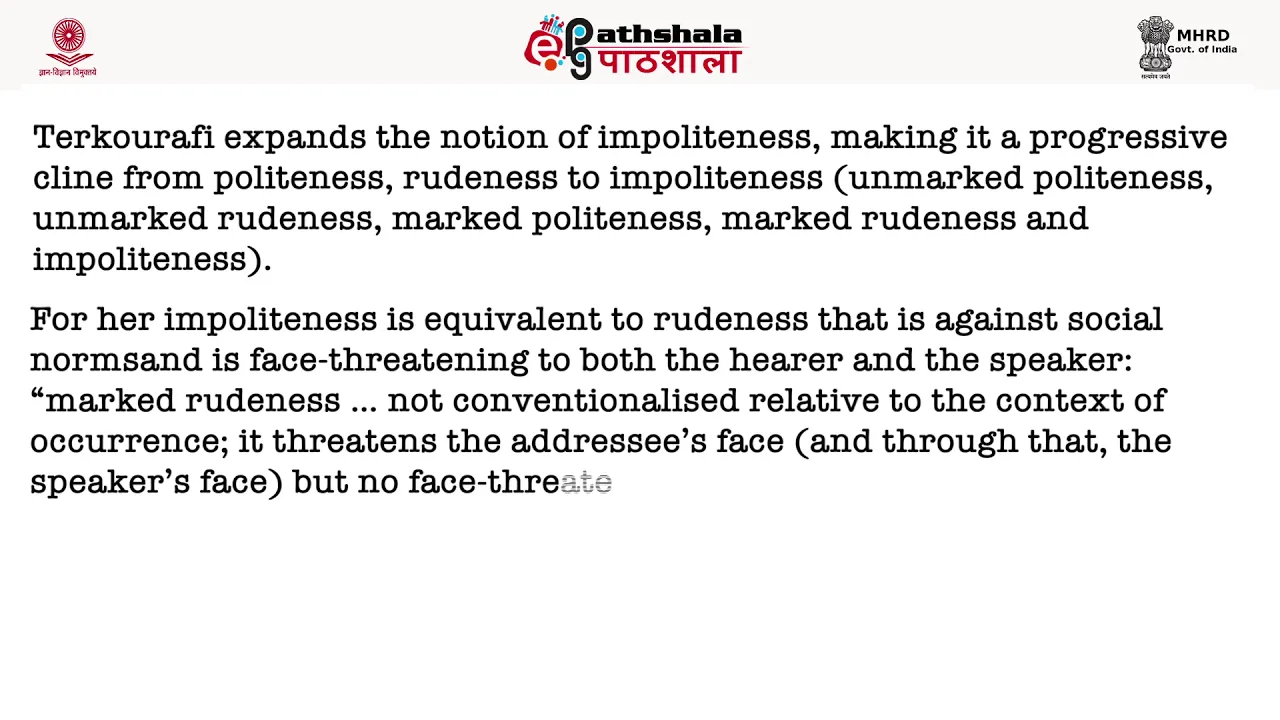
Exploring Jonathan Culpeper's Impoliteness Theory to understand mock politeness, sarcasm, and passive-aggressive communication in Anglo cultures.
Applying cross-cultural pragmatics to international business communication, crisis management, and diplomatic public relations.
Analyzing digital intercultural pragmatics, looking at how British and American politeness norms translate to emails, messaging apps, and social media.
Conducting contrastive pragmatics comparing Anglo-American apology styles with Eastern collective 'face' cultures (e.g., Japanese or Chinese communication styles).
233.3K views17Klikes9:23Original Release: 2025-03-12
and he fell right over on his ass it hello I'm Lawrence and I'm on a quest to uncover all of the memos that Britain and America lost in the pond and one of those memos pertains to apologies recently I was at the hairdresser getting my haircut and my beer trimmed and in the process of that I got an irritation on my neck where the razor had been this isn't something that usually happens and All Is Forgiven if you are watching but there's something about that moment that stood out to me my hairdresser my American hairdresser said oh my God Lawrence I'm so sorry but in an amican accent and I said it's fine my job only requires me to go on camera in front of hundreds of thousands of people don't worry about it but the thing that stood out to me is the fact that she said sorry because one major difference that I've noticed between living in Britain and living in the United States is that on this side of the pond you hear that word less and in this video I'm going to take a look at why that is subscribers of this channel will know that I make no apologies for the content that I put out even though most of the time I should and if you're not yet subscribed yourself do that now in the me time here's why Americans apologize less than British people 200 years ago when I was 18 I studied Linguistics I loved it because now I had an academic justification for the stupid that I said and one of the things that I learned in depth and subsequently forgot about was politeness Theory what's politeness Theory Lawrence I was doing that impolitely just for the humor well politeness Theory deals with the notion that we all carry a face and I don't just mean this I mean our self-esteem so think of the term I was trying to save face and there are two types of face as posited by Brown and levenson they were the linguists that came up with politeness Theory and those two types are positive and negative phase and you might be thinking Lawrence this is all way too technical just tell it to me like I'm five our positive phas deals with a desire to be liked and our negative phase deals with our desire to not be impeded or bothered or interrupted and in Britain we tend to prioritize our negative face in other words we do our best not to impose on this is why I'll often hear British people say things like I don't mean to be a pain love but could I borrow your umbrella you know that could impede the other person because they might need that umbrella because they live in Britain and so British people go in there with that verbal acknowledgement that they might be impeding them putting them out by using phrases like I don't mean to be a pain it's apologetic language before you've even really committed anything worth apologizing for will sometimes go out of our way to commit a face threatening act against a person's positive face the desire to be liked by using insulting anguage toward even our friends Steven you big how are you doing this isn't something that happens very often in America but that's not to say that Brits never tried to save positive face like I'm sorry mate but that was bang out of order you in other words that's a not very delicate attempt to save the other person's face because while you are telling them that their actions were wrong you're starting it with that softening word sorry now obviously in this circumstance it can be perceived as a sarcastic sorry or a redundant sorry Americans on the other hand would not do that I don't think I've ever heard an American start a sentence I'm sorry but unless they are genuinely apologetic I think that's the big difference is that we have all manner of contexts in which we can use the word sorry in Britain that don't necessarily connect with the notion of an apology whereas in America the word sorry believe it or not is usually reserved for apologies what a novel idea it doesn't mean that Americans won't insert other similar phrases that might offset that kind of attack to the positive phase you often hear Americans say with all due respect you're an at least that's the Americans I speak to but the American priority is really toward positive face the desire to be light whereas avoiding Crossing that line into imposing on your negative a is not such a big deal here I mean I've said this before you could be walking down the street and somebody says hi cuz they're trying to be nice but in Britain you know this is less common just due to that cultural belief that we don't infringe on people's privacy or privacy even if they are out in public and this crossed my mind earlier when I was just scrolling through YouTube shorts and an old Harry Enfield sketch came up Harry Enfield is a comedian in Britain who had a comedy show and in a sketch that was called something like Americans visiting a British restaurant you know they walk in these Americans just waving at everyone in the restaurant saying hey good morning how are you an American wouldn't actually do that at least I don't think so but it was just sort playing up that stereotype that Americans will talk to anybody sometimes without that regard to imposing on the negative face because culturally they just don't have that as much here another good example is I'll be walking down the street with my wife and if she sees a woman who's wearing a pair of heels that she likes she says give me those heels now no she doesn't do that she says oh my God I love those shoes but in an American accent and the woman who is American responds back with thank you I got them at JC Penney for 30% off and that's it that's the conversation and they just go their merry way I must say I don't think American blogs tend to do that you know like excuse me I love your toll belt mate would you get never mind never mind as a British man living in America I spent years uncovering the subtle and sometimes not so subtle differences between our two countries and if there's one thing that I've learned it's that whether you're in Britain or the US one thing remains constant The Internet Is Watching You yep every time you browse the web there's a chance your data is being tracked stored or sold to people who probably know more about your browsing habits than you'd like this is especially alarming when I'm looking up why do Americans call Wednesday hump day but even worse public WiFi Lees your personal information exposed to cyber threats and much like a British queue online security should never be breached enter nordvpn your digital bodyguard except it doesn't need a tea bre with just one click nordvpn encrypts your internet connection keeping your data safe from prying eyes they also let you change your virtual location which means I can access region locked content like I'm living in London even if I'm in London Ohio if you sign up at nordvpn.com Pond nordvpn is your oyster here's why every PR purchase of the 2-year plan will receive four bonus months on top an offer that extends to all plans standard plus and complete and I'll be honest you're not going to find a deal as good as this one except through content creators like me which is proof that I'm really important but also that you should jump on this deal right now remember head to nordvpn.com Pond to get your exclusive offer the link is in my description below a few years ago I was just mindlessly scrolling the internet when I came across this story from the point of view of British actor and comedian Simon Peg now my angli audience might know him from Sha of the Dead hot FS or even space but he also has a role in the mission impossible series which stars somebody called Thomas Cruz Tom and Simon are actually friends in real life and Mr Peg when talking about Mr Cruz said he maintains his authority by never apologizing for his mistakes he further goes on to say that if somebody corrects him instead of saying sorry Cruz will just say yeah and WI at me I mean he didn't even apologize to us all when he jumped up and down on that couch on Oprah on Oprah Show not on Oprah and I imagine to an actor like Simon Peg who grew up in that same British sensibility that I did that might seem either narcissistic or as he says a tool by which to maintain Authority I see it though as a potential example of this notion that you often hear in America that apologies can be seen as a sign of weakness or an admission of blame this is particularly true in business and Leadership Tom Cruz in effect is a businessman somebody who considers himself a leader and I remember when I worked for a business here in Chicago before I became a full-time YouTube sensation there was one time when I completely messed up and I was late on a deliverable and I felt bad about it so I I actually went to the person who was overseeing that part of the project and I apologized to them and they were stunned this was an American person they they just hadn't heard somebody utter the word sorry in the workplace before for me it felt like I was ful displaying Integrity by owning that mistake but also to try to correct it so you might be thinking Lawrence does all of this mean that British people care too much and Americans don't care at all no since I left Britain I've also left behind those so-called redundant apologies I think I've been influenced by the American way of doing things the more direct approach to things I no longer use phrases like I'm sorry but I think that in some ways you know Americans are on to something because if you are using the word sorry every other sentence like I used to do in Britain sorry has the potential to become redundant when you are genuinely apologetic it almost becomes meaningless at that point because you have a reputation for using the word sorry in places where you're not on the other hand do I think that apologizing shows weakness no I think it shows strength in fact that's what this colleague said to me it takes a lot to admit that you have weaknesses to say it out loud cuz most of us I don't know that we're actually capable of it I mean I'll be honest most of the time I'm not capable of it when you have is 700 odd thousand subscribers it goes to your head and so you don't feel like you need to apologize much and I've just realized that's why Tom Cruz is the way he is let me know in the comments if you are sorry that you watch this video or just in general recently I talked about the secret rules of being an American you'll watch that video next and until next time goodbye
Up Next

11:04
Indigenous Rights and Standing Rock: A Call for Climate Justice
@TED
238.8K views•2018-04-30

38:41
Astrobiology Through an Anthropological Lens: Field Insights
@georgiatechastrobiology
128 views•2021-04-14
4:45
Proxemics Explained: The Study of Personal Space
@Vox
536K views•2016-07-05
10:38
Psychology of Internet Trolling and Pranks Explained
@AzzyLand
10.7M views•2017-12-20
Related Study Plans & Knowledge Roadmaps
Structured learning paths in Anthropology
anthropology
Space Anthropology: Analogs, Culture & Habitats
01Foundations of Space Anthropology & Cosmic Imaginaries
02Extreme Isolation & Micro-Societies in Orbit
03Space Analog Habitats & Earth-Based Simulations
+ 2 more learning modules
15h5 modules
Explore Roadmap
anthropology
Legal Anthropology: Customary Law & Pluralism
01Foundations of Legal Anthropology and Social Justice
02Legal Pluralism: Coexisting Legal Systems
03Customary Law and Indigenous Dispute Resolution
+ 2 more learning modules
15h5 modules
Explore Roadmap
anthropology
Global Tourism: Gaze, Authenticity & Heritage
01Introduction to the Sociology of Tourism
02The 'Tourist Gaze' (John Urry)
03Staged Authenticity in Tourism
+ 3 more learning modules
14h6 modules
Explore Roadmap
anthropology
Modern Kinship (ART, Adoption & Chosen Family)
01Foundations of Kinship and Family
02Assisted Reproductive Technologies (ART) & Relatedness
03Transnational Adoption and Global Kinship
+ 2 more learning modules
12h5 modules
Explore Roadmap