












![[Full ver.] 🇰🇷눈치 vs 🇯🇵공기를 읽다: 한국은 감정, 일본은 조화? 어느 게 더 피곤할까?](https://i.ytimg.com/vi/9gU21eynSig/maxresdefault.jpg)




![DISCUSSING POSITIVE AND NEGATIVE POLITENESS MARKERS, FACE NEEDS THEORY [VCE ENGLISH LANGUAGE]](https://i.ytimg.com/vi/-0JOrdckC3o/maxresdefault.jpg)





![[김종배의 시선집중] 팁 문화 논란 속 숨은 문제는?|日 오염수 방류에… 국민들은 분노하는 진짜 이유는? with 장윤미 변호사& 한민 문화심리학자](https://i.ytimg.com/vi/sp1kijVwQNE/maxresdefault.jpg)


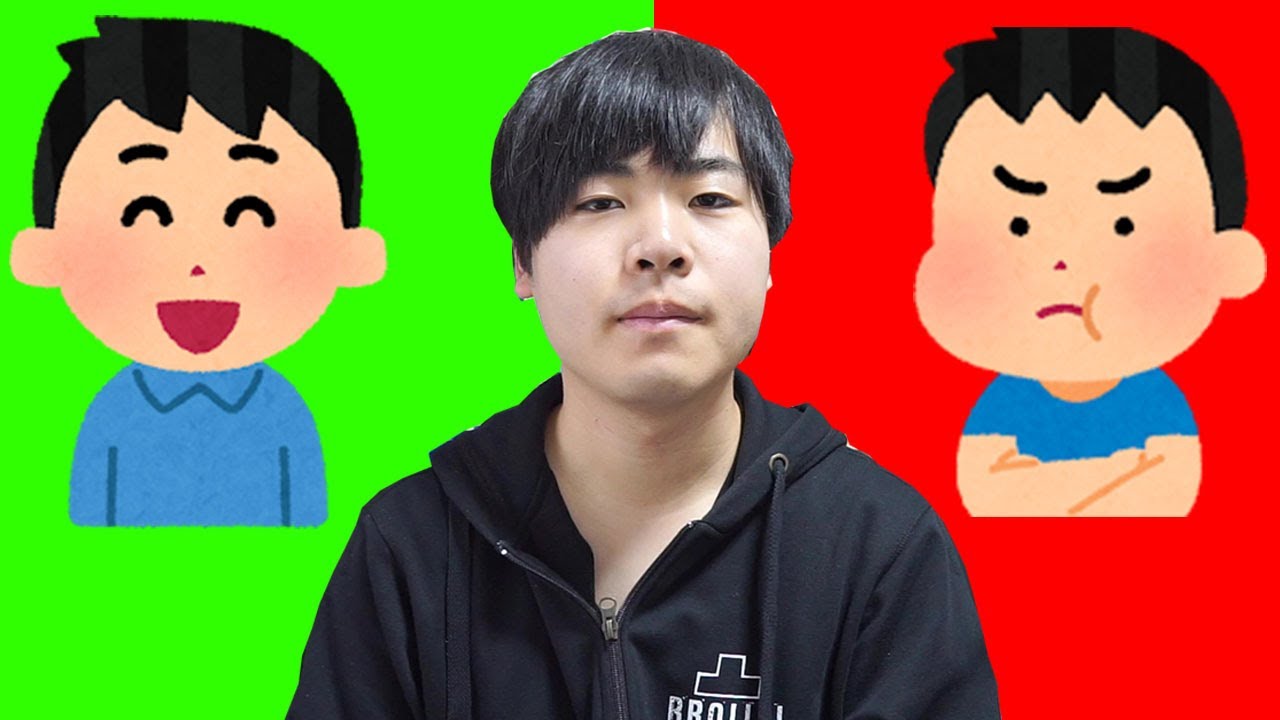

In East Asian high-context cultures, saying 'yes' often means 'no' because direct refusal threatens social harmony and others' face; this indirect communication style prioritizes maintaining relationships and avoiding confrontation, using elaborate soft rejections that reflect social hierarchies, power distances, and cultural values of politeness and group harmony.
Why 'Yes' Means 'No' in East Asian Communication
Added:Edward T. Hall's framework of High-Context versus Low-Context communication cultures.
The sociological concept of 'Face' (mianzi/chemyeon/mentsu) and its role in maintaining social harmony in East Asian societies.
The distinction between Collectivism and Individualism as defined in Geert Hofstede's Cultural Dimensions theory.
Basic understanding of how non-verbal cues (such as silence, posture, and micro-expressions) carry semantic weight in indirect communication.
The linguistic and cultural practice of 'reading the air' (Japanese: 'Kuuki wo yomu') and emotional intelligence through 'Nunchi' (Korean).
Brown and Levinson's Politeness Theory, specifically how 'positive face' and 'negative face' shape linguistic choices.
Practical application of indirect communication analysis in cross-cultural business negotiation, diplomacy, and global team management.
The concepts of 'Honne' (true feelings) and 'Tatemae' (public facade) in Japanese communication and their equivalents in other East Asian cultures.
354.1K views14Klikes19:09Original Release: 2024-08-16
yes equals no this sounds absurd but it's actually very common in East Asia and core to its culture first East Asians have a pretty extreme aversion to saying no just look at articles like wers listing 16 ways to say no in Japanese without actually ever saying the word there are also some long-standing cultural factors in East Asia that Mak saying yes an accepted way to me no in fact the rabbit hole goes much deeper than just yes meaning no so stick until the end if you want to see how far this contradiction goes but I know claiming yes equals no sounds crazy so let's start with some examples some of which you might actually be familiar with some popular methods as proposed by yamay are saying no by saying yes for example hey are you coming clubbing tomorrow yeah I do need to take care of my frog though he's traveling the world right now and I just need to be at home for when he comes back oh okay see you didn't say No in fact you said yes but really you mean no okay if that's too much you might says you can also imply no by being really vague or by changing the subject of the question hey clubbing tomorrow dude do you ever think about why people go to the clubs though like before dating apps it feels like people went to the clubs to find a date but now it just feels like people go there to disassociate okay oh look you don't even have to entertain them with a response you can just evade hey clubbing ah got it I knew I heard something just then all right at this point I know someone is thinking just tell them if you don't want to go well if only things could be that easy but that's the whole point of this video we're going to look at why saying no is so hard in East Asia what kind of strategies have evolved given this culture and how you might be able to tell next time if someone really means the yes they gave you or if they're just saying it to start we have to break down this phenomenon of avoiding no and it really comes down to two things let's talk about the art of politeness and the importance of face why is saying no so hard aside from some of us being innate people pleases saying no is hard because this response usually contradicts with the expectations of the asker no one is ever going to ask for something expecting to be turned down so they've come to you and now you have to let them down even if you have a valid reason saying no can still suck how much it sucks though is dependent on a lot of factors like how close you are with them what sort of Rel relationship you have what kind of person they are the size of the imposition whether you're turning down a big ask or a small thing and some other factors that probably have more weight in East Asia like their rank are they your senior are they older than you and if you are in a position to say no taking into consideration social hierarchies expectations and possible consequences depending on the context we'll talk more about these cultural factors later because this has evolved a lot of the strategies and saying no but I want to walk us through what happens when we turn someone down because saying no is an act of refusal it's also known as a face-threatening act you don't want to make someone lose face or make them feel embarrassed or hurt when you reject an invitation to hang or reply that you can't help them out with what they're asking because of this we have to be more considerate in how we deliver our refusals this consideration really is just being polite in fact Brown and levenson Define politeness as a complex system for softening face-threatening acts politeness can range from a simple and direct no thank you to all those examples we had at the beginning where no wasn't even mentioned in the response in these latter cases it's a very deliberate way to preserve face for the other person and it's also very indirect these elaborate soft rejections are intricately designed to reflect the other person's age Rank and seniority all of which would impact the level of politeness deemed appropriate in East Asian interactions this link is highlighted by sell as he says politeness is the chief motivation for indirectness East Asian societies are also quite hierarchical and they place a strong emphasis on maintaining group Harmony given this context if you've decided to say no this decision already kind of upsets the group Harmony so it's really on you now to express the sentiment in a non-threatening even flattering way depending on how senior the other person might be really you just want to make sure the other person doesn't lose face in politeness Theory face can be positive and negative and this is Rel relevant in any social situation positive face is our desire to be appreciated validated and liked it's tied to our self-esteem if you wanted to appeal to this whilst asking for a favor you could say could you help me with the assignment please you're the smartest in our class and you know the most on this topic flattery does wonders in appealing to positive face then you have negative face which concerns our freedom to do what we want in order to be considerate of this when you ask someone for a favor you could slip in words to make the request seem less of a burden like hey can I ask you a little question or show that you're being mindful of that time by saying I'm sorry to bother but blah blah blah in rejecting someone we can keep in mind the same two basic ones you can appeal to positive face by turning down an event saying that sounds like it would be a great time however I can't make it you can also speak to negative face referring to yourself I would lend you money but I'm in a bind too so I can't help you the next reason for why yes means no has to do with power we mentioned East Asia having a more hierarchical stru in society so these are cultures which we would say have a high power distance power distance refers to how accepted it is that there will be an unequal distribution of power in East Asia people accept this difference in power as a result of seniority or age and they will be quite conscious of Behaving according to where they are in the hierarchy in Japanese the social norms you would follow in order to be properly polite is called Wakim following Wakim influences how you would speak to someone which would then naturally include how you refuse someone and we can imagine saying no to someone who is higher up in the hierarchy would be harder than saying no to your sibling or friends macheski did a study on this as he asked Japanese respondents who they struggled with saying no to the most and the most common answer was their boss in fact the two respondents who didn't answer with their boss hadn't yet entered the workforce and they instead said refusing their upper classman was the hardest one respondent elaborates on the situation in a Japanese company for example you have to obey your boss we have this kind of culture if I refuse an invitation I will feel anxiety I'm afraid they might not invite me again and this anxiety of the consequences from saying no could explain why most Japanese respondents refuse their boss with a response like this I'm terribly sorry but I've made another plan for that day a long time ago so I'm very sorry but I'll have to say no to your wonderful invite compare this to how American respondents would refuse their boss appealing again to that positive face and beginning with that would be wonderful before expressing their regret of not being able to make it the work culture in Japan with its strong hierarchies power distance and emphasis on group Harmony could have led to Japanese respondents being more apologetic in turning down their boss whilst weaker workplace hierarchies and a more equal distribution of power in the west may have allowed American speakers to open more positively and even talk more informally in turning down the same invite soft rejection therefore becomes a life skill in East Asia so because of East Asian countries Val Fai prioritizing group Harmony and in having a considerable power distance you get an environment where yes becomes no and a whole bunch of other refusal strategies to boot here are the 16 ways we to put forward saying no I won't go through all of them but feel free to pause and take a look although I really think some of these would do more harm than good like if I ever asked someone to hang out and they pulled a number seven and left the room I would quite literally never recover you can just bury me in the room you left me in East Asia has many cultural expectations of how one should act or respond that is fitting of their role within society and their relationship with others I go into the cultural context in more depth on my last video but a major influence is confusion philosophy which emphasized virtues such as respect and outlined clear social hierarchies that are still relevant today with these cultural expectations then of how one should act in East Asia fitting of their role what happens when we have intentions that go against that saying yes when we want to say no is a pretty specific example of this conflict more generally it's common for East Asians to say one thing and for it to not reflect what they're actually thinking at all but that's not the only example of what you see not aligning with what you get and this is actually a true story I booked a hotel from a major traveling website and the night before I check in I get a message from the official app saying I need to confirm my credit card details with them or my booking will cancelled so I follow the link to to confirm my details but as I try to pay my bank sends me a verification text which I actually wasn't able to receive because I was overseas and I had a different SIM card the pavement doesn't go through because I couldn't successfully verify and so through sheer dumb luck I avoid getting scammed but I wouldn't recommend this strategy what do I wish I did differently a not panic because that's how scammers get you and B because that's easier said than done I wish I had guardio installed so I wouldn't be vulnerable to these situations designed to pressure and corner you into to making bad decisions guardio comes in really clutch here it's a cross-platform security solution that acts as a first line of defense constantly scanning for Threads with every move you make and blocks anything malicious that comes your way guardio automatically scans and blocks bad things in emails and will alert you if anything in the email is fishy it blocks bad LS fishing attempts and fake websites no matter the source of them cardio also blocks malware and dangerous downloads with one account you can have five family members on it so everyone is protected when our laptops and phones hold so much personal information of ours it's important we keep it secure and like the travel scam that I encountered sometimes hackers are scary good and as Vigilant as you may be you can still make mistakes in my opinion don't risk it because it's so stressful when you end up with a big Financial loss you can try out guardio for a free 7day trial and get 20% off their monthly subscription fee using my Link at guard.
i/ thank you to guardio for sponsoring this video and I genuinely hope none of you guys ever get scammed excluding the scam of East Asian saying yes yes when they really mean no I feel that one is just inevitable like I said it's common for East Asians to say one thing and really mean another and refusals are only the tip of the iceberg here in Japanese there are two words that perfectly delegate The Divide between what we think and what we say and it captures how this might actually be in conflict that is H and H describes our true feelings whereas T May is what we show in public you might not want to go to an event that's but if you say you'll try your best to attend that's t or maybe you bump into someone that you haven't seen in a while and after some small talk you both say we should totally hang out if this were two Asians talking there's a 95% chance that they're not going to follow through on that being able to discern intent from what's actually being said is therefore really important in understanding East Asian culture because East Asian prioritize face the words that are being spoken out loud cater for the feelings of the other person rather than what one might actually think because of this discrepancy in what is said and what is meant East Asian cultures are known as high context cultures this term was first introduced by Hall in 1976 in exploring how different cultures communicate Hall describes High context cultures as one in which most of the info is either in the physical context or internalized in the person where very little is in the coded explicit transmitted part of the message which means the real meaning of what people say is often not in the words it's something you pick up upop on through shared values from knowing the person or from physical cues around you as high context coaches rely on social cues more a good communicator is one who is able to read the room words like NTI and KIU highlight exactly this trait of being able to read between the lines when it comes to forming and maintaining relationships and since we have high context coaches we also have low context coaches and hor defines low context cultures as where the mass of the information is vested in the explicit code so most of the information that the other person wants to say will be made explicit and told to you a good communicator in a low context culture is someone who expresses what they feel and think because you shouldn't expect someone else to read your mind if you're curious about what kind of culture your country has this is hore's classification which is very depended upon by Scholars since hore hasn't provided any quantitative processes for how he determined the ranking so just ah heads up many scholars have called this out for being anecdotal but if you see your country let let me know do you agree with which side it's on horse dimension of high and low context cultures remains very influential despite the criticism with the ranking of countries one thing to point out though is that collectivism and individualism often coincides with the high and low context distinction which is interesting and also makes a lot of sense because collectivist cultures Place more emphasis on the relationships you hold with other people so to prioritize those relationships you might say things you don't always mean conversely individual is cultes Place more emphasis on oneself so it could Foster a preference for more direct communication instead of always beating around the bush I think we're starting to see now that good communication will vary depending on cultural backgrounds G and park did a fascinating study looking into the kind of communication different coaches prefer an example of a scenario they gave respondents where your partner has developed a habit that you do not like and do you want to address the issue with him or her how would you go about communicating par ipants were then given a range of actions from telling them as clearly as possible to finding an opportunity to gently bring it up with them expecting that they would get their point K and park found that Chinese respondents preferred indirect communication regardless of the situation Valance and European Americans prefer direct methods of communication more compared to Chinese respondents most importantly when respondents were asked about Imagining the partner's communication style in which they would anticipate greater relationship satisfaction Chinese respondents imagined a more indirect communication style whilst European American respondents imagined a more direct communication style I do want to add a little bit more Nuance to our discussion at the moment though because I don't want the takeaway to be East Asia equals indirect communication equals never expressing how you feel to provide more depth here let's take a look at the concept of amay in Japan like many cultural Concepts it's hard to translate but it's commonly viewed as dependency and Indulgence and Amaya will allow us to understand understand why we can't just assume East Asians always communicate indirectly this buzy graph holds the answer this model is tesa's 1986 conceptualization of amay and she proposes two sides to amay which then leads to different forms of communication at the core of any interaction is according to Tesa this buza here which has our need for Oneness and belonging then this next ring on the left is our dependence need born from our need of wanting to know if others will be there for us amay therefore facilitates communicating with Eno and Sashi which is communicating indirectly on the right again stemming from this need of Oneness we have the acceptance need which is our desire to be accepted by others despite all our failures mistakes and weaknesses and it's here that amay actually serves to facilitate a more direct communication Style mik elaborates on tz's model as he explains amay shows up as dependents resulting in an indirect style of speech when we talk to strangers acquaintances and those of higher status because we don't know if they will meet our need of being there for us so we ask in an indirect way and if they were to reject us it would also be done indirectly otherwise if we're too direct with what we're asking it could make the other person uncomfortable and if they're too direct with their response especially if it's a refusal that could hurt us am might however manifests as Indulgence with family close friends and people we do know well and this results in more direct communication because we trust that we can State our feelings and intentions and that they will stick by by us even if there's conflict or if we behave poorly you have Japanese students as quoted by mik saying Amaya doesn't work abroad you have to say everything compare this to Maynard's observation of conflict in Japanese culture confrontations often occur among close friends where Amaya relationship is well established Amaya is referred in such different ways because they were actually talking about two manifestations of it one that prohibited direct speech and one that facilitated it I know I could have said East Asians would talk directly with people they don't know and directly with people they do know but it's not the same one last point I want to highlight as well is this need for dependency I want to call this out because it's actually viewed quite differently in the East versus the West in the west dependency is often seen as a threat to autonomy whereas in the East it's encouraged and is actually viewed as a necessary part of relationships you can see this difference in how kids would often move out in the west by 18 but it's common for Asian kids to continue living with their famili throughout their 20s dependency isn't seen as an obligation as it might be perceived in the west rather in the East it's more of a warm feeling of commitment another example would be how in the west you'd often spit the bill evenly with everyone paying their dues so there's no obligation between anyone compare this to Asian practices of saying oh I got this you can get it next time this view of knowing that there is a next time and that you're both depending and reciprocating off each other makes the obligation feel warm I just realized this video could give people trust issues this is obviously not the intention and I probably need to emphasize here that at the end of the day East Asian saying yes when they mean no is usually an act out of respect for you and consideration for the group dynamic and East Asians do communicate directly to as I mentioned though saying what's really on their mind is more reserved for people they're very close to when I told my mom I was first planning to make this video she actually laughed because this soft rejection to preserve face is such a big part of East asan culture but it's not something everyone is aware of I hope this video was insightful in showing how different types of communication Styles might be valued let me know in the comments what you thought was most interesting I personally love the distinction of high and low context cultures it's really simple but I also feel like it explains so much finally a big shout out to my patrons I post exclusive bonus commentary there and you can check it out for free at this link thank you so much for watching Until the End please subscribe if you enjoyed and I will see you in the next one bye like every time I Rec in my hand it's just like Lego Lego clam clam shap
Up Next

121:55
Federal Indictment Analysis: Josh Duggar & Britney Spears Court Updates
@TheEmilyDBaker
161.6K views•2021-05-01

12:54
Triumph of Orthodoxy Icon: Byzantine Art & History Explained
@BenCallan
2.1K views•2024-08-06

9:49
FastAPI vs Flask vs Django: Choosing the Right Python Web Framework
@TechWithTim
302.5K views•2024-05-26

1:42
Game of Thrones Opening Credits: A Cinematic Analysis
@gameofthrones
46.3M views•2011-04-18
Related Study Plans & Knowledge Roadmaps
Structured learning paths in General & Interdisciplinary Studies
general-studies
Elevator Engineering: History, Physics & Cities
01From Hoists to Safety Brakes: The Dawn of Vertical Lift
02Hydraulic vs. Traction: The Engineering Physics of Elevators
03Modern Speed, Safety, and Algorithms
+ 2 more learning modules
12h5 modules
Explore Roadmap
general-studies
Rubber: Material Science, History & Geopolitics
01Origins of Natural Rubber & Mesoamerican History
02The Chemistry of Natural Rubber & Vulcanization
03The Geopolitics of the Rubber Boom & Colonization
+ 2 more learning modules
12h5 modules
Explore Roadmap
general-studies
Containerization: Evolution, Logistics & Trade
01Ancient Trade & Bulk Cargo: Amphorae to Barrels
02The Industrial Revolution & Cardboard Packaging
03The Containerization Revolution: Malcom McLean
+ 2 more learning modules
12h5 modules
Explore Roadmap
general-studies
Textile Tech: Evolution, Labor & Global Impact
01Pre-Industrial Textiles: Handloom & Cottage Industry
02Mechanization: The Spinning Jenny to the Power Loom
03The Factory System & Global Labor Transformation
+ 2 more learning modules
10h5 modules
Explore Roadmap