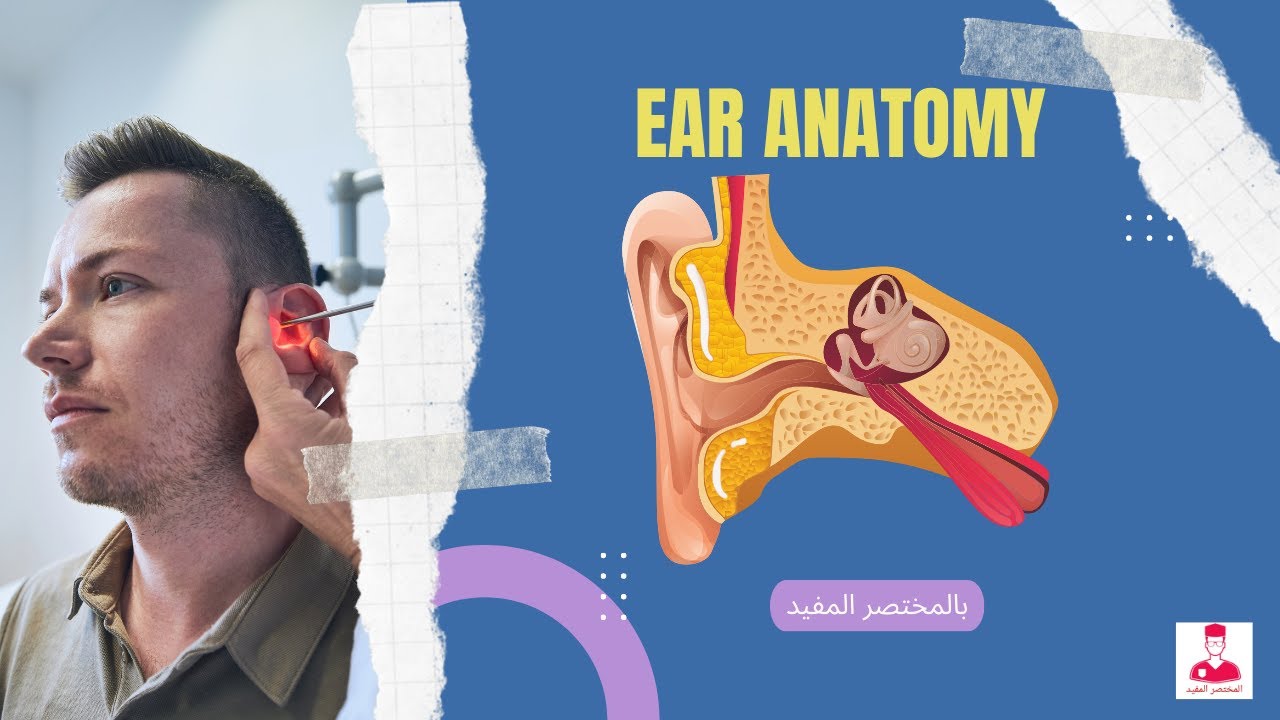


















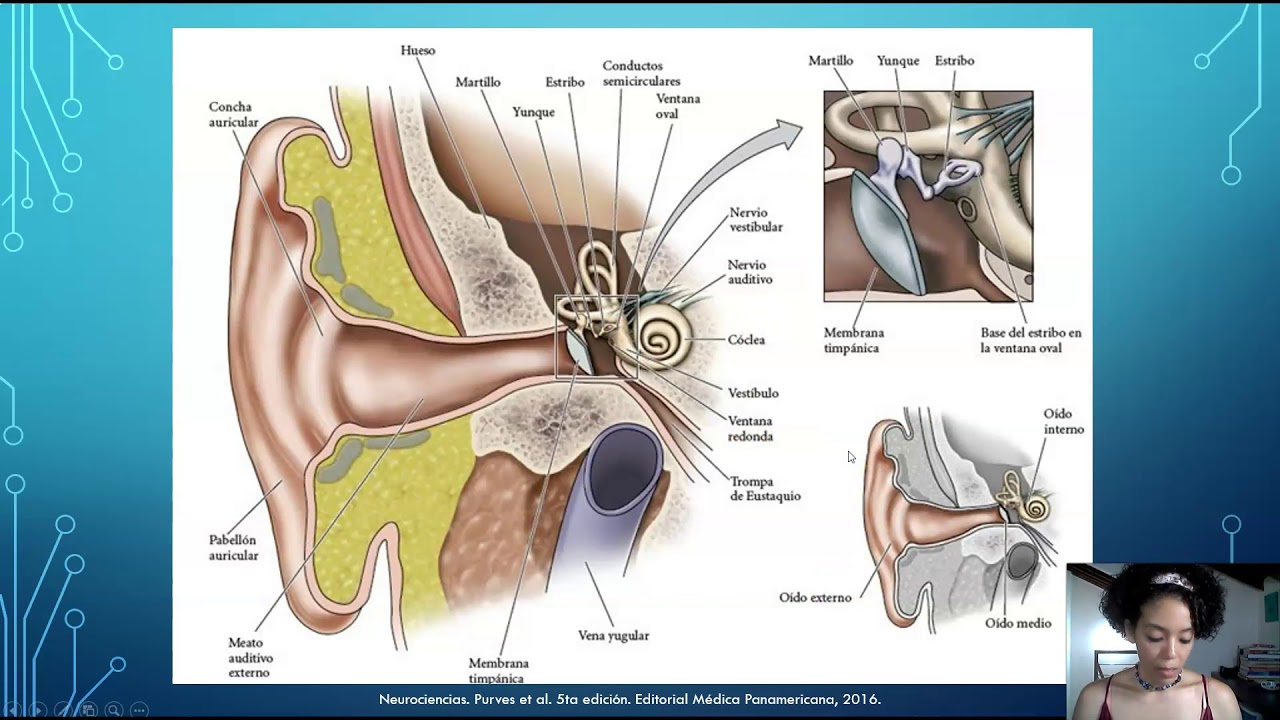
The cochlear duct (scala media) contains endolymph and is separated from the scala vestibular by the Reissner's membrane (vestibular membrane) and from the scala tympani by the basilar membrane. This anatomical arrangement is essential for proper auditory function, as the basilar membrane supports the organ of Corti where hair cells transduce sound vibrations into neural signals.
Neuro 2024 Sup Exam Part 2: Cochlear Duct & Vestibular System
Added:Basic anatomy of the ear, specifically distinguishing between the outer, middle, and inner ear structures.
The fundamental mechanism of sensory transduction, particularly how physical movement is converted into electrical neural signals.
Anatomy and physiology of Cranial Nerve VIII (Vestibulocochlear Nerve) and its basic projections.
General organization of the brainstem and cerebellum, which serve as central processing hubs for balance and hearing.
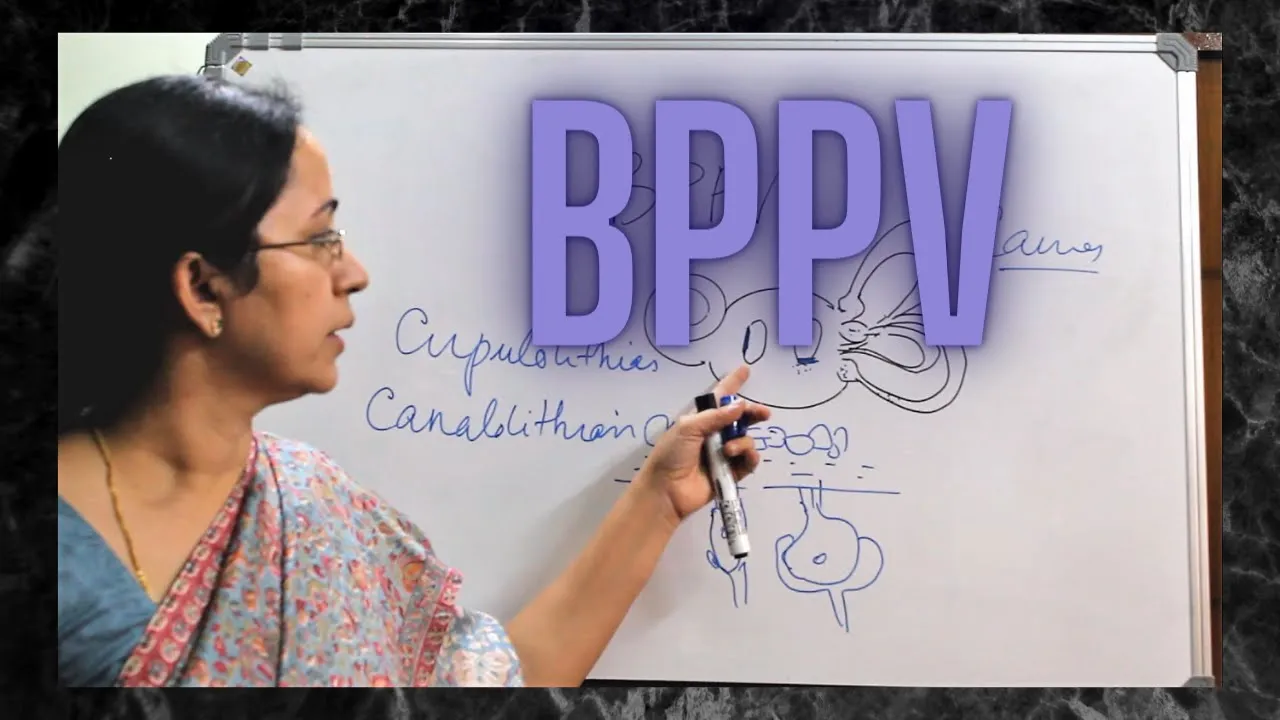
Pathophysiology and clinical presentation of common vestibular disorders, such as Benign Paroxysmal Positional Vertigo (BPPV), labyrinthitis, and Meniere's disease.
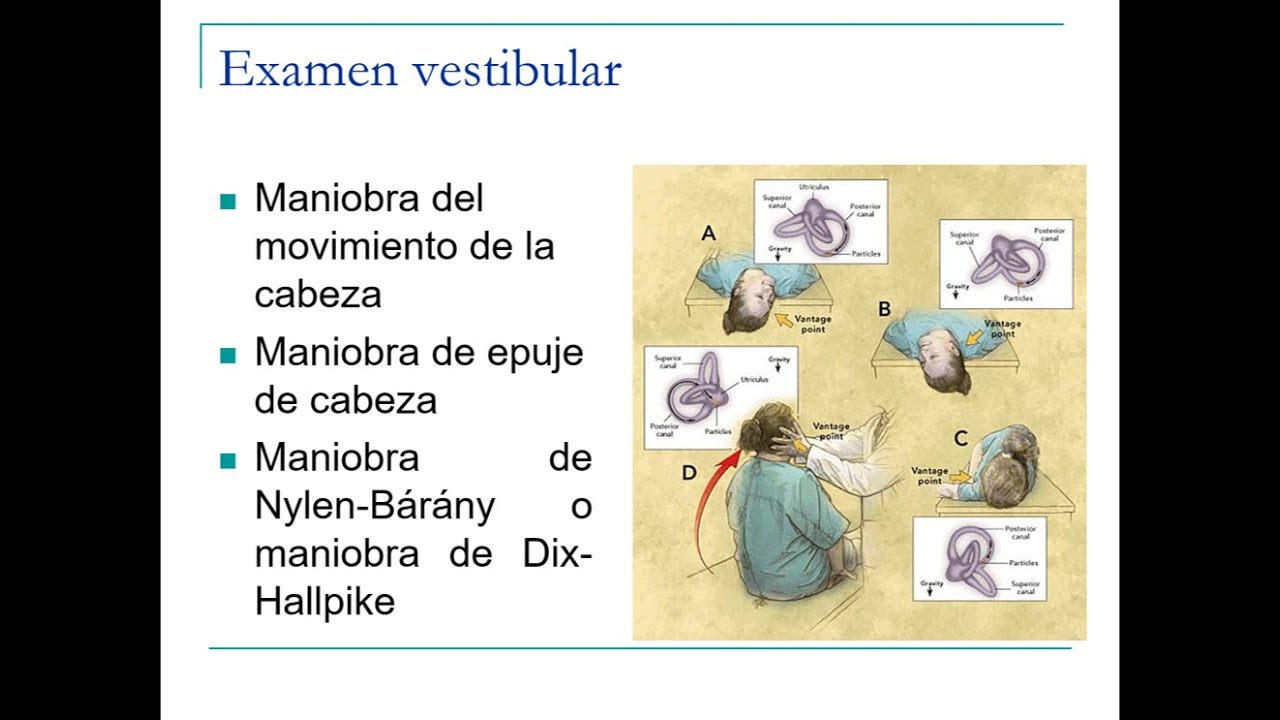
Clinical assessment techniques for vestibular function, including the Dix-Hallpike maneuver, vestibulo-ocular reflex (VOR) testing, and caloric reflex tests.
The principles and applications of vestibular rehabilitation therapy (VRT) for patients with balance and coordination deficits.
Advanced neuroanatomy of central auditory pathways and cortical representation of sound and equilibrium in the temporal and parietal lobes.
146 views4likes1:53:56Original Release: 2024-11-18
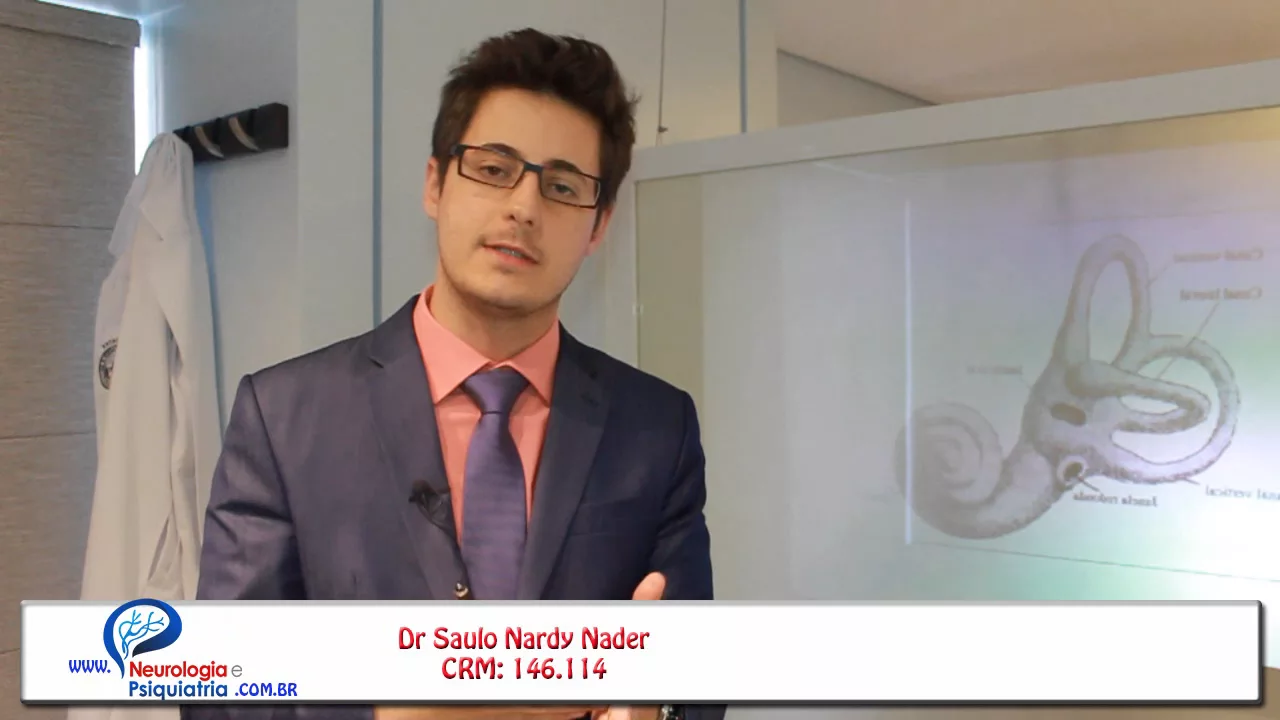
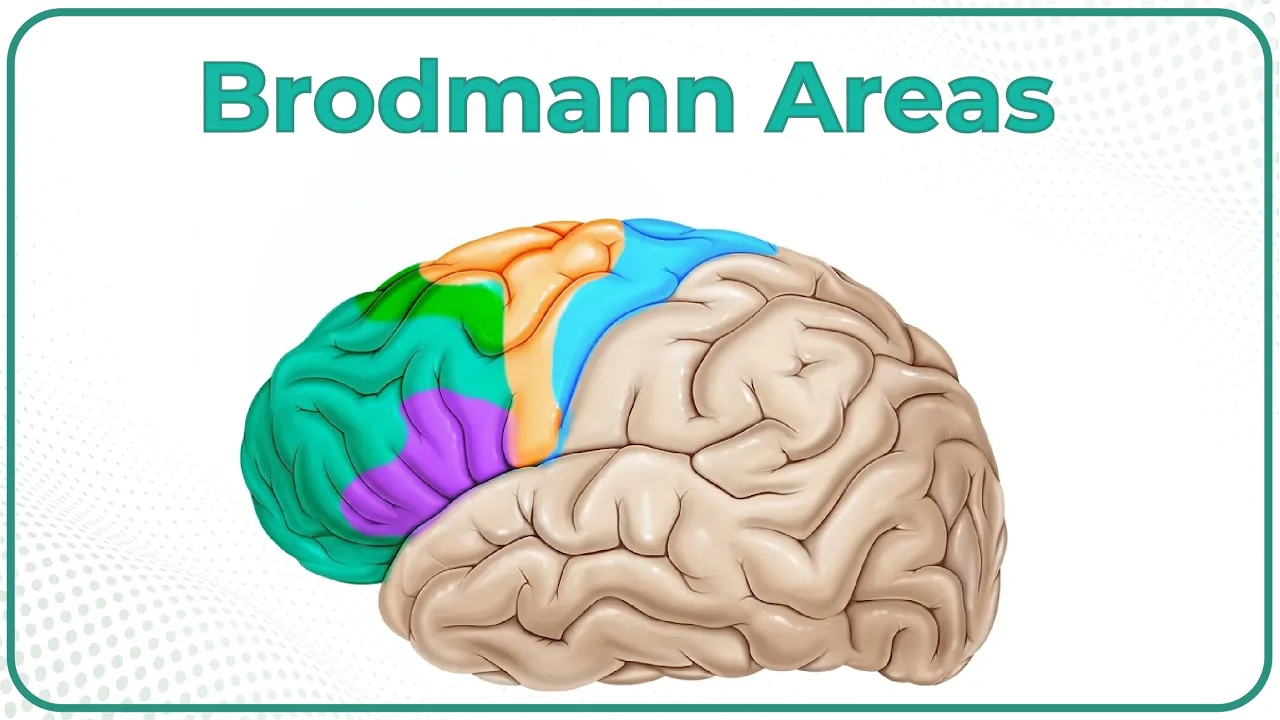
that's uh where we ended so we are done up to question 40 which of the following is true about the clear duct it contains endolymph and is separated from the scalar vestibular bya membrane contains perm and is separated from the Scala tempy by the basil membrane contains endo and is separated from the scalar tempy by the tectorial membrane it contains Peril and is separated from the scalar vul by the organ of C anyone that can help with this one which statement is true about the coad anyone are people in church or what I don't want to speak okay so we know when we are talking about the year say there is our out the p and then we are going to of the external auditory canal so these two making up the external a we are going to have the tanic membrane here after the tanic so this will now be the beginning of the middle ear attached to the tanic membrane we are going to have the malas which is an Ole Bon Ole then attached to the malas we have got the Incas which is another bony OS attached to the Incas we have got the stees which is another Bon oo and then now this guy the step is specifically attached to part of the ca you know a CA is this shell like snail like structure like that and then we are now going to have at the end they are going to have the semicircular canals having the lateral the anterior and the posterior semicircular canals so something like this when you look at so this is making up the middle ear the bone OES which are the three of them and two muscles the stas and the tensor Temp and the and this this membrane here now that's me here when we go to the inner ear the inner ear are found in a bone part of the the temporal bone the hard part of the temporal bone that's the pet part of the temporal bone and when you look at that pet part of the temporal bone inside so we call it the Bon Labyrinth Labyrinth is just referring to inner ear so the Bony Labyrinth inside the Bony Labyrinth we are going to have the membranous Labyrinth now inside the membranous Labyrinth to have these spaces so that's the membranous Labyrinth and specifically we have got three many spaces we have got the what we call the vesu which is the central part the Vue now the the vestib is also known as the aoth organs that's the sucu and the utricle and then you are going to have the three semicircular canals semicircular canals which is anterior posterior and lateral and then we also have the clear so these are the spaces that we find in The membranous Labyrinth now it is good to understand how they go so you can see where this bone the stes is connected the stes is connected on part of the clear so this structure is the clear and then on the middle here we are going to have the VES or not the VES operators so the vular apparatus is the entire of these structures involved in Balance including the semicircular canals but the VES is just the auto organs those that are involved in just noticing linear acceleration so when you look at the structure of the VES actually just all these canals start all these three that you've mentioned here inside they have got endolymph now specifically when you go to this guy the Clea you make a crosssection of it you are going to see three cavities inside the C the one on top is a scalar vestibular so Scala vul and then you have got the one down which is the scalar temp and then this guy here on the middle that is a scalar media the scalar vul is going to come and open somewhere find the the over window the SC T is going to continue to where you have got the round window the round window somewhere down this guy and this guy have got pery which is rich in sodium the Scala media has got Endo actually the scal media because it has got Endo it is continuous with this canals you can see this the semicircular canals the circuses the utricles and the scalar media they all have Endo is just the scalar vestibul and the scalar temp which have got per now when you just get the the C alone to look at the so that we can be able to answer this question properly let's see how it is organized so the ca as we said it has got those three cavities scor vular and scal temp and when you look at the way the ca is it goes like this and at the end where it is so pointed we call that as Apex at the Apex the SC V and the scal temp communicate you have got what we call the Helo streamer there that's where the two guys communicate now the Scala media which contains endolymph is also known as the co duct and it is going to end at the Apex and the Apex where the scalar Media or the C duct ends is known as a copular okay copular so besides that when you look at the the same guy the scalar media it is bounded by two membranes so you have got a membrane on top membrane on top is known as the vestibular membrane also known as the race n membrane or vestibular membrane and then when you come down you have got the basill membrane so down here you have got the Bas membrane and then you have got now hair cells there which have got longer kosia and the shorter steio so specifically for the outer air cells there's going to be another membrane that is going to engulf them like that you can see the Airs of the outer air there's an outer membrane that enges them like that they they are a bit inside and that's known as a Toral tectorial membrane so on top here the r n membrane is also known as the VES membrane is separating the scalar media from the vestibular membrane on top sorry from from the Scala vestibul on top the basement membrane is separating the scalar media from the scalar tempy down so just that is what we need to understand so now we can answer our question which of the following is true about the C duct contains endolymph and separated from the scalar vestibular by the r n membrane contains have been mentioned so please just pardon me on this one the vuli is a membrane of the three spaces that I mentioned like this vestibul is on top the temp is down hope that's what I said so you this membrane that separates the media from the vestibular is a Riz membrane okay so it contains endo and is separated from the scalar vesul by RAR membrane it contains Peril and separated from the scal temp by the Bas membrane contains endo and separated from the scalar temp by the tectorial membrane it contains spym and separated from the scalar VES by the organ of Court anyone that can help us with that question anyone now that thank you so much please be free to open your mic and then be able to speak so the answer is a contains endol okay okay so you have got these are three cavities you can see them like this here you have got the scalar vestibul here you have got the scalar temp scalar media so this membrane is a basill membrane the one on top is a resner also known as a vular membrane but you know inside the SC media you have got the organ of C which contains the outer air cells the inner air cells and also the spiral gangria so just for the outer a cells within the scalar media on they are going to be bounded on top let's say this is your outer air cell specifically like that you are going to have another membrane which will go like this so it is covering the top part of the outer air cells the inner air cells the the the ca is not covered by the tectorial membrane so the tal membrane is part of the inside of the scalar media but not the the actual one which is separating so like you're going to have another membrane here just within hope you get that yes all right which are the question 42 which of the following is true about the hair cells in the organ of C now we've already let me just draw them and then we answer this question you can see these guys like this now in the C know the C is involved in hearing the colear has got inner and outer air cells the one involved in hearing at the bottom of the air cells specifically the inner hair cells are the ones that are involved in hearing the outer hair cells those guys are get information from the olivary nucleus okay from the olives that information is coming from the Cent from the brain so the information coming from the brain is coming to the outer a cells so that there is amplification because what is happening is this remember the air cells rest on the basement membrane both the inner air cells and the outer air cells are found on the basement membrane like that actually the outer air cells are a lot you are going to find them in a row of three like that inner air cell is going to be alone just in a row only in one row like this so the inner a CS are the ones specifically involved in hearing why because when information has come from the outer here this is our outer here it passes through the external can now it hits on the e drum the information is transmitted to the maras and then to the Incas and then to the step the stepes is connected at what we are calling the over window information is going to now come those vibrations from the stepes is not going to be transmitted inside because the fluid which is inside cannot it can't compress there where water is water is is incompressible so when you there is this vibration is going to push on these air cells so that is going to cause this B membrane where the air cells are resting to start vibrating when the Basel membrane starts vibrating these air cells are connected by what we call Tip Lings tip links and these tip links contain potassium GED channels remember we said that the scalar media has got more of potassium because it has got endol which has got high potassium so these tip Lings what is going to happen is because of the vibration of the basa membrane the short stereo is going to move towards the longest stereo which we can as well call as aosa and when that happens this channels open and potassium starts to flow to the inside of the cell when potassium flows to the inside of the the bottom potum will start leaving calcium will start entering when calcium enters is going to cause exocytosis of neurotransmitter which is excitatory neurotransmitter and that is going to go on this neuron here so that has caused the depolarizing potential on the neuron these neurons are going to gather a lot of them from different different air cells specifically inner air cells and they going to go in what is known as a spiral gangion and then now is going to go to the auditory cortex this is the inner air cell but the outer a cell what the cell does is that it is going to receive information from the brain through the olives in what is known as the oliv Clea bundle because it's coming from the olives to the Clea and that information is basically to strengthen the vibration of the Bas membrane so that there is amplification of sound so that is a direct way in which the brain can actually regulate hearing Direct through the outer air cells so which of the following is true about the hair cells in the organ of C there are mechano receptors that depolarize when stoia Bend towards the kosum they are chemo receptors that hyperpolarize when glutamate binds to their receptors they are thero receptors that depolarize when the temperature of the Endo in increases there are photo receptors that hyperpolarize when light stimulates their ropin anyone that can help us with this one he thank you so much so that's a correct one okay 43 which of the following is true about the vestibular system now let's just look at this so that we can answer our questions real quick we have got these structures we have got three semicircular canals and at the end of the semicircular canals there's a dilation which we call the UL and inside the ampul you have got what we call chry ular and the Crystal ular is actually the point where you are going to have Crystal ular that's where you are going to specifically have those receptors that are going to be picking up uh rotational acceleration in the ampul the dilation at the end of the semicircular canals cryst ulies connected to the semicircular canals you have got the utricle connected to the utricle you are going to have a Circ I can write it here CC now inside the utri and CC these two guys we call them Auto organs or the VES the three semicircular canals utri and CC the known as a vestibular apparatus by the utricle and CC alone they known as a VES or the auto organ these two the utri cond organs will be picking up linear acceleration or gravity gravitational po now the way you can think of this is that the utri is arranged going upward so they are like this because these guys are not involved in in hearing they're involved in Balance instead of having out and in inner air cells they have got type one and type two air cells which are similar to The out and inner which are found in the ca so you can see how the utricle is think of u u is like this it goes upwards so these guys are oriented in this direction they're oriented upwards those are the utricles and then you have got the Circ which have got air cells like this so what happens is that when you are standing upright you are pushing against these air cells and so the shortest CIA is going to be going towards the longest CIA and so for you to be able to notice that you are standing the circuses are responsible for that specifically and then when you are lying down what will happen is that orientation will change the OS are the ones that will be facing this direction and then the circuses will be straight so you now start pushing against these guys because now you are lying and so what to be picking up that you are lying down will be the utri so some are you can see these guys are picking up information when you are standing very IAL and then these guys will be picking up Point your horizontal so of these guys that we have said from the semicircular canals these guys are going to you are going to have a branch of the N coming from the semicircular canals and then also from the suc and the utri so this is going to form a gangon from the and the UT also going to have another gangon like that so these two are going to form what we call the vestibular gangon and then is going to go to the vestibular nucleus in the third ventricle so you can see you have got two vestibular ganglions and then you have got one spiral gangion that picks up auditory information not balance so in total in the a we have got three gangly gangria so which of the following is true about the vestibular system it consists of three semicircular canals two aoth organs and one ular it detects angular acceleration linear acceleration and head position it sends signals to the cerebellum spinal and nucleus all of the above anyone that can help D thank you so much it's all the above remember the VES the inner is related to the cerebellum for balance also to the spinal cord so that you can be able to move your muscles in order to maintain balance orot Nuclear So that you can be able to fix your Gaze on one thing to to be able to maintain balance which of the following is true about the vestibular ular reflex it stabilizes the gas during head movement by producing eye movement in the opposite direction it involves the three neuron AR consisting of vestibular AER vestibular nucleus and ocot neuron it can be tested clinically by the caloric test of the head impulse test or of the above anyone that can help with this one anyone let's be let's be free to contribute thank you so much it's also all of the above are we good with this one we can move okay please if there's something that you're not clear on you can still go on and ask which of the following is true about min's disease this this this word okay let me mention something about this disease this is a disease that affects uh balance so what happens in this diseases you know you have got the clear these three semic secular canals and then you have got your aoth organs and those so these guys are connected to what is to to a duct here and this duct is aimed at draining the extra endolymph we call it the endolymphatic duct at the end we are going to have the endolymphatic sack and then it is going to take the Endo to the Cal spinal fluid that is how Endo is drained but then in this condition what happens is that there is accumulation of endo probably because is aade of the endolymphatic sck or the endolymphatic duct so there is no drainage and some drugs that are used used to treat bacterial infections like streptomycin let me ask what class of drug is streptomycin anyone so this am my thank you so much so am my am my low gly Amo Amo glycoside specifically we know than thank you so much specif we know that this guy is inhibiting 30 s ribosomes that's how it works okay away from that so strepto can actually lead to the distraction of the air cells besides just the endolymphatic that being blocked and the same accumulation of the Endo of endolymph because of the blockade of the endolymphatic system can as well lead to the damage of the air cells so what will happen is that there's going to be edema and another cause that can result to to the damage in this condition is edema of this same space okay edema of the space that is surrounding the endolymph so if there is a EMA you know there's going to be compression on the air air cells and there's going to be damage on the air cells so how are you going to treat this condition sergery can help you can as well give diuretics and steroids you want to someone to lose a lot of water so that it can reduce on the edema also H1 antagonist as well can help so that's how you treat this condition so which of the following is true about Min disease it is caused by increase increased pressure in the endolymphatic sack due to impaired absorption of endolymph it manifest as episodes of vertigo ttis hearing loss and oral fullness it can be treated with diuretics low s diet vestibular suance or surgical depression or the above de thank you so much so This Is How They manifest when someone has got this disease you feel like you are spinning but then you are not really spinning and then you having Rings feeling ringing Sensations in the he some hearing problems which of the following is true about the O Factory receptor o Factory they located in the factory pum in the roof of the Nazo cavity they are modified byol neurons that can regenerate they express only one type of aaor receptor protein out of about 1,000 or or the above anyone it's also D thank you so much the factory system is the one of those most special systems in that uh the the actual Factory cells are not found in a gangon so just in the roof here is our CRI plate down here we are going to factory sales bipolar sales and then down here they have got this CA and then a lot of them are going to come together to form the factory n Factory n is going to sign upse on what we call the Gras with second order neurons you have got different ones you have got tufted cells and mitro cells so those two types of cells the Ted cells and the micro cells are excitatory you also have what they call perr cell here which are inhibit in nature because they produce G also another of another type of cell which I forgotten the name that also is inhibitory just here and then the information is going it's actually the only sensory modality that go that can go direct to the cerebral cortex minus passing through the thalamus which of the following is a mechanism of adaptation to prolonged odorant stimulus increase synthesis of cyclic addtion monophosphate in the factory receptor cell increased opening of sodium and calcium channels in Thea receptor cells decreased release of neurotransmitter from Thea receptor cells all the above anyone that can help with this one anyone so just like let me just describe a bit and then we can come back and answer here is uh our we'll start first with our neuron let's this is a CRI form plate you have got your first order neuron there so this neuron you can see at the end now we can make it much bigger so that we go at the molecular level to see what is really happening so what happens is that to these neurons you have got a gapo proton so for that jod protein you know it is seven passes seven times here you have got a receptor at the end so the first thing is that your odorant should be able to dissolve and then it will come and bind to this receptor which is a jod g s Cod receptor when that happens there's going to be stimulation of the jod protein the Alp and that will lead to the displacement of the GDP that is present here and then you're going to substitute with GTP the alha subunit that has got the GTP is going to go and activate Aden Cy when you activate so that's Al sub go GTP is activating adate Cy when you activate Aden cyclist is going to lead to the conversion of ATP to CM what CM does is that is going to go again on the membrane and open sodium gated channels when it opens the sodium channels sodium will start flowing to the inside of the cell when sodium flows to the inside of the cell what happens is that it Le to a depolarization that is going to lead to also the influx of calcium and calcium is going to lead to the exocytosis of neurotransmitter but what happens is that if you wonder if you step in a room that has got chicken your first smell the chicken this place is smelling nice after you stay for long enough you stop smelling the chicken but the chicken is still there or have you wondered why you can't smell yourself however much you try you you can try even right now try to you will not smell yourself because we are adapted to our own C because we are near so when you are near an odorant you get adapted to the smell there because of excessive activation of this system what happens that when sodium accumulates very much it's going to go and and the calcium will start going to close this Channel and so that leads to adaptation so I hope we've gotten something so which of the following is the mechanism of adaptation to prolong order and stimul stimulation increase synthesis of cyos monos the receptor cell increase opening of sodium and calcium channels in Thea receptor cell decrease release of neurotransmitter from Thea receptor cell of the above anyone that can help anyone [Music] so it's all the above so you can see ID C is going to be a lot that when it is a loot to activate more of the CM you are going to have more sodium and more pot calcium going in end those guys are going to start inhibiting the channel so that you don't release neurot transmitter if there's no relase of neurotransmitter it will mean that there's not going to be generation of AC potential for toble to perceive the smell which of the following is true about the Gory receptors they located in the test bars of the tongue and other parts of the oral cavity they are specialized epithelial cells that release neurotransmitter on two aent na fibers they are they can respond to more than one type of tant molecule anyone that can help with this one D is also the above so here is a tongue let's let's talk about this the back of the tongue what type of uh what type of what do you call it test does it respond to the back of the tongue so the back is better thank you so much like you can just think of your medicine when it you know you are trying to drink the medicine and then it's St and then how about on the sides of the tongue which one is the majority on the sides of the tongue sour plus what even s and then the tip of the tongue the tip is sweet yes thank you so much so the way these guys help in generating an action potential is that for for let's start with something easy the sour sour is related to hydrogen it is also known as acidic so what will happen is that the hydrogens are going to go under attach on the receptor when they attached they going to close potassium channel so potassium will not be able to leave this cell you know if potassium is POS the video if he doesn't leave the cell the cell remains positive and that's how an action potential is generated and then when it comes to the salty salty works by what is known as the Amo ride sodium channels so what will be happening is that when you eat salty food just think Sal s contain is actually the table so to use sodium chloride so the sodium binds to The receptors opening this ch and then sodium starts to flow in and that seads to the action potential sweet and bet they work by G proteins specifically for the sweet it is working via GS you know GS this is the Aden Cycles so what is happening that your your molecule of your food molecule attaches to the jod receptor there is activation of C when that happens it converts ATP to CMP C the end result is that c a m p is going to close potassium channels when you close potassium channels then that is going to lead to no potassium living and how it does this is that when the CMP accumulates there's going to be what is known as the activ phoc kindness phoc kindness is the one that is going to come and phosphorate these channels and then close them for the beta it works also VI G protein but specifically it is GQ you know GQ what happens that when your test guy B to the receptor there's activation of the Gin when the Gin is activated what is going to happen is that is going to lead to activation of phosph C that is going to break down P I2 to ip3 inico triphosphate and D A di glycer so those are the two guys that you are forming specifically when you form ip3 ip3 is going to lead to an intracellular increase in calcium and you know when that calcium increases inside the cell there's going to be exocytosis of neurotransmitter so this is how this guys work so we've already answered this one we said this D which of the following tests detected by a d proton which of the following tests is detected by a d proten CLE receptor mechanism sodium ions hydrogen ions sweet molecules or of the above anyone which all this is detected by G proten anyone guys do would you want to say something dog blessing Karen John anyone all right please go on thank you so much it's a c remember the only two that are carried by Jeep Ren is sweet and so and sour not sour and better which of the following cranial nerves carries test information from the anterior two3 of the tongue facial nerve glaring nve vas nve trinal nve the facial nve thank you how about the glos ofel posterior 1 thank you how about the Vegas the all offerings or just the rest of the other test receptors pharmacology now neuropharmacology the psychiatrist in the Emer Department plans to initiate lithium while awaiting a bed on the psychiatric unit which of the following suggested predictors of lithium non response remember non response if present would you would make you recommend an alternative agent why if it's present you are not going to use lithium instead you use an alternative a history of soical IDE IDE ideation B the presence of mixed features C family history of lithium response D two episodes within a a onee time period anyone anyone to help with this pardon B which one am I getting b or d anyone else I I didn't get that clearly oh B okay anyone else do we all agree with B doc why do you choose B would you have to explain okay there's also a thank you so much would you want to explain doc okay thank you so lithium when lithium is being taken it has got some side effect and one of those side effects is that leads to sdal thoughts so it's one of those things that you want to to be able to to look out for this sdal thoughts okay now remember here we have not yet started the drug the question is which of the pH suggested predictors of lithium non response if present would you make recommend an alternative so the lithium is going to end up causing sucidal thoughts before you can even start giving it like you see someone having those sual thoughts don't want to give them again because might just wasen that and they kill themselves the patient is started on lithium and now under goes an orthopedic consultation for ankle pain which is improving ankle fracture is roted out with an x-ray and now the physician asks for a pharmacologic option for pain control what medication plan would be the most would be the best recommendation remember this patient is taking lithium a do m b TR 50 mg c nine 500 Mig daily and such D acetam mopin 1,000 mg so which one would we pick someone is taking lith and then you they having pain so which one of these drugs would be the best to to manage that pain especially that the ankle pain is improving D thank you so much what any reason why you would go for that any okay so when you look at this guys what D is of course good yes acetamino or aoine why would you go for that dog any reason okay so that is what type of drug is nine thank you so much so that's what I needed us to understand so when you look at lithium there are drugs that can increase the concentration of lithium specifically those drugs that lead to dehydration that will lead to loss of water it will lead to toxicity specifically NSS you don't give them together with lithium and also you don't give these diuretics like the Loop Diuretics and also the thides don't give this together you know the thid and the loop guys someone is losing water and so as they are losing that water it means that the concentration of the drug is going to be increasing there are also some drugs that reduce the concentration of lithium drugs like foping anyone who remembers the class of drug this guy is seman so you don't give this drug is going to to reduce the concentration of your lithium and also things like Caffe caffeine also reduce the concentration of Li so these two guys when you look at a a specifically is it s r select seroin rtic inhibitor so it is not used for pain traad door is used for pain but you know it has got some form of addiction right want to avoid that because it's much strong now proin is an n and this guys supposed to be avoided acetaminophen is not an ND can be classified in that category but it works on a different enzyme so it has no really effect on lithium yes talk hope that is okay thisas line laboratory screening before starting V Pro yes please they so if you want it to be effective and these drugs are reducing the concentration it means that it will not be effective so we just want to take note of that interaction so let's say for example thinking of giving let's say day or something like that should be aware that if we give this the concentration of lithium is going to reduce yes Baseline laboratory screening before starting V Pro it should include which of the following ammonia liver function tests h l a502 variant thyroid function test anyone to help a ammonia okay thank you so much anyone also Li function test anyone El have got this two anyone else with another thought we need the third party what the third party decides or give us what we are picking anyone okay so one thing we need to take note of the mod stabilizers is that for for lium you really want to pay attention to the kidney because it affects how the drug is going to be able to wake because of toxicity and such and then for viic acid you really want to pay attention to the liver because it really affects how the drug is going be able to work actually you don't give this drug when there is a liver damage so you really pay attention to the liver when it comes to this drug so when you hear lithium kidney V it the LI so we want to do some liver function test to make sure that the liver is okay that should be because the drug is removed in the liver a 34 year old woman with bipol disorder has been controlled on lithium 600 mg two times daily for the past 18 months after failing other medication TRS Shee presents to a primary care physician for increase the noser and vomiting which which are the like the ear signs of lithium toxicity lithium concentration is 1.1 and she is found to be approximately 4 weeks pregnant a past psychiatric history is complicated with six complications since the age of 18 for both Manic and depressive episodes or severe with mixed features she has attempted suicide three times what is the best cause of action in this patient begin a slow Crosser to D Pro the sodium discontinue lithium and begin a closer by titration start a slow tap of lithium to a Target concentration of 0.6 stop the lithium and avoid the use of psychotropic medications anyone that can help us with this one anyone Pon B why would you go for B Dog discontin and begin a close up interation of course let me just just mentioned something in case someone is wondering you can use Second Generation and psychotics to treat Mania oranic episodes or bipolar when you're talking about bipolar it is like so you're having going up this is Mania like where someone is very happy and then going down this is someone is sad so at points they are happy at points they are sad just like that so specifically M stabilizers are aimed at at treating Mania someone present they are too happy they are talking too much they have got Euphoria that's when you can be thinking of giving them lithium vate and these other drugs so and also so there is B and C would you want to explain C do thank you so much okay so the that's actually the best one the the you want to go to a concentration of up to 0.6 because that will be before toxicity when you start going Beyond 0.6 that's when the toxicity effects of lithium starts to appear so want to start small and then you start increasing the concentration not until you reach 0.6 which is should be the maximum so that is going to reduce the exposure remember this woman is pregnant so it to reduce the exposure of the fetus cuz the drug is not having a bigger concentration plus the patient will be at least better so you discontinuing the dose might just cause relapse where the symptoms come back and closer Pine is really not too good because of course we can think of changing to another drug but CL Pine is not even the B you know it has got a lot of side effects like a granulocytosis seizures even gestation or diabetes so those are the things that we want to think of and just discontinuing the drugs will not be the best option because this woman is you know having a problem here and then the other drug for a VY sodium should be avoided in pregnancy because of neurotube defects and low IQ for the baby that can be born so the best is a 26 year old patient is being discharged today after being hospitalized for treatment of manic epod associated with bipolar disorder the patient is being discharged on lithium or lanzapine Lanza with an outpatient clinic followup in two weeks the patient expresses a new interest in having a health lifestyle to include a regimen of dating and exercise what would be the most important education Point related to the medication safety over the next two weeks to provide remember this patient has got bipolar actually specifically you want to be treating the manic phase of the bipolar you are discharging them on lithium and these other specifically lithium you know it can go into toxicity and they want to have a healthy lifestyle like dating and exercising so I want to give them advice a describe the risk of exercise excessive caffeine intake that may result in elevated lithium concentration caution to not abruptly reduce orate sodium from the D because this may result in decreased lithium concentration describe the signs or symptoms of lithium toxicity and the importance of adequate hydration during exercise as over ex over exision with dehydration may result in increased lithium support the decision to take on a healthy lifestyle and advise the that the metabolic effects of Aline May contribute to cardiovascular diseases disease so the dog pick C anyone [Music] else thank you so much so basically that when you look at a decrease the risk of excessive caffeine intake that may result in elev lithium what is the effect of caffeine on lithium does it elevate or decrease it decreases so already this option is lying and then be caution to not abruptly reduce or fully eliminate sodium from the diet because this may result in decreased lithium so eliminating sodium from the diet you can think it properly together with dehydration when someone is dehydrated there is ink increased lithium instead of decreased so when you don't have enough sodium like the reduction in sodium just like reduction in water which is basically dehydration those are going to result in toxicity you know when you lose sodium sodium is normally lost together with water so you can think of in that way that increases this toxicity for for this guy not incases and then for C this person wants to start taking up exercise and when someone is exercising you know they are sweating they losing both water and sodium so meaning that there they're going to be toxicity so I want to tell them to be taking a lot of fluid so that they can be able to to help themselves not to go into toxicity 56 according to the fifth edition of the diagnostic and statistical Manual of mental disorders which is not a core feature of dementia with L bodies impaired cognition with changes in attention and aless visual hallucinations persecute spontaneous M features similar to Parkinson's disease theut delusions anyone to help with this one anyone all right so when we are talking about dementia we know dementia please take note of this it's high demena is a development of multiple cognitive defects please don't forget the word multiple she really cons emphasize this it can come maybe in a multiple choice just development of cognitive deficits dementia is characterized by development of multiple cognitive deficits like someone has got memory impairments there's a phasia they can't inability to to find pleasure in things to initiate complex Behavior so all those problems and you have got different types of dementia the most common being ala's disease and then you also have what they call vascular dimensia and the vascular dimensia is specifically associated with people that have got like high blood pressure diabetes also high cholesterol so what is happening is that blood is being disturbed from reaching to the brain and is affecting memory there another is known as nutritional dementia that includes nutrients like vitamin B 3 and vitamin B12 you know if someone likes B3 which is n there are four D like dermatitis demential death so dementia is part of them there's also another dementia which is associated to HIV so HIV Associated dementia specifically not any type of HIV but HIV one so when you're treating this one you're basically giving and trat riral therapy also have l body diena and here you basically having an accumulation of two proteins Al nulean or ubiqutin so specifically for this guy it has got what they call Core symptoms the symptoms that to for L Body Dimension now remember in Parkinson's disease there is also the accumulation of these L bodies so in L Body demension the co symptoms are three there's going to be some fluctuating cognition like someone appears fine you know when it comes to the brain normally thinking analyzing things is fluctuating they appear good not good good not good they can think properly later on no there's also visual hallucinations now I'm seeing my wife that died 50 years ago and then there's also some symptoms that are similar to Parkinson's disease because of the same L bodies so these are the three core symtoms there's also another type of Dimension which is known as frontal temporal dimensia so those are the main ones okay and how you treat these dienas they basic you basically affecting you are destroying these neurons all these different things can destroy the neurons like the L bodies in the C system decreasing your your neurons there your your sorry you decreasing your neurotransmitters so the treatment is aimed at basically increasing these neurotransmitters for example you can give acet Coline a stress Inhibitors so that you don't break acet Coline and acine a stress Inhibitors you have got Don Z you have got re stigmine you have got gamine and then you have got tacrine these are the main four guys that you give the acine stress Inhibitors but you nor don't use tarine because it has got it shows toxicity it's like this T crine but Z rmine and gamine you can give them like similar effects besides that you can also use nmd blockers those drugs that will be able to block your glutamate and you have got one important drug there which is known as Mantine some side effects that so if you giving these guys on top which are acine estess Inhibitors so just think of what does acine do the side effects of acine you know Coline is produced by the parasympathetic parasympathetic is you are resting and digesting so you want to go to the toilet and all those things you can think of the effect of atic Coline right and you are you are really seated your Pew is small and all the others and then for nmd receptor antagonist or blockers like mtin to read to things like dizziness headache and confusion those are the main ones and for this guy how it works is that it's going to slow intracellular calcium accumulation because calcium is not accumulating in the in the cell that will prevent the damage of the neurons further because in these conditions in dementia there's damage to the neurons because of the calcium and so it also slows the rate of cognitive function okay the way someone is losing the cognitive function you can also give an psychotics for those whose Behavior already changed because this guy affects memory because people end up having aggressive behavior so you can also give an psychotics you can also give anti-depressants but don't give antidepressants like TCS you know TCS have got different effects on different receptors so I want to avoid those anti-depressants that have got effect especially on the acine because acine is needed for me for cognition in the brain and the problem here is that they lack cognition so if you give those which are again blocking aine it wasen the symptoms so the best antidepressants you can use are the serotonin selective seron rtic Inhibitors ssris and then you also want to avoid giving sedatives like the benzoin because those produce inhibitor neurotransmitters that will still be reducing your neurot transmitters and so they wasen cognitive impairment so basically that is it okay so we can now answer our question here according to the fifth edition of the diagnostic and statistical Manu of mental disorders which is not a COR feature of dementia with L bodies impaired cognition with changes in attention and alness visual hallucination spontaneous mot feature persecutory delusions this thank you so much so we refer to this statement here for the next four questions which are the last four an 85 year old female patient reported to the gerric clinic with family concern of gradual memory loss the family reports gradual decline in cognitive function medical history of significant significant medical is significant for diabetes M and hypertension you can think of vascular dementia right she has some difficulty working and balancing due to PRI accident many years ago current medications include lipide twice daily 5 Mig twice daily aspirin 81 Mig daily l noio 10 migam daily and at 10 is EST living at B time current blood pressure is 143 out of 87 mm of mercury all Laboratories are within normal limits with the exception of a serum creatinine and creating in clearance her current manyi mental state exam is 21 after feather testing and follow up she is diagnosed with probable alima's disease the psychiatric wants to initiate the patient on an atic Coline stress inhibitor which agent would be most appropriate to recommend Dono galantamine mtin Riv stigmine so here you can see when it comes to the C clearance CA clearance 17 that's very low so it means that there's some kind of problem on the kidney and this guy is not excreted there so it's going to be better CU it not lead to those toxicity things lentin is not even an AOL inhibitor is actually an nmda a antagonist following the initiation of anoline a stress inhibitor which is the most appropriate fact to educate the patient and caregiver stop the drug is going to stop further memory loss it is going to S the progression of the disease wasen agitation and aggression restore memory loss permanently anyone which one of these are you going to tell the thank you so much so when it comes to the brain these things act you don't heal them you don't stop feather loss you just slow the rate at which you are losing and you never restore permanently the memory once it starts it starts which are common side effects of associated with acet Coline stress Inhibitors the common side effects git distress insomnia and weight loss blood blood cloths weight gain sedation g d suggestion and extra pyramidal symptoms weight gain insomnia and T cardia anyone to help with this one anyone okay so the side effects git distress yes weight loss and insomnia these are common for these drugs a g distress like problems on the G remember acine parasympathetic when someone is just sitting they want to go to the toilet so there diarrhea they want to urinate so there's urinary incontinency and all those other things there's also weight loss and insomnia after two months the family brings the patient to the agent care emerence room with a notable decrease in cognitive function the patient is diagnosed with delirium psychiatrist contacts you for recommendation to treat delirium which agent would be the most appropriate based on request AR Clos Pine IV hopo or Oro alido so which an psychotic would be the best to use someone that has go delirium anyone okay so the best that you would want to use is Al PR you we know the problems that come with closer Pine it being one thing that it causes that is very very common anyone to mention it the most common side effect of closer Pine yes you are going to have those are granulocytosis harop perido is a a first generation and psychotic and you know why we normally don't recommend F generation and psychotics these guys they show Extra pyramid side effects so I repo are being the best which medication listed above is the most appropriate Choice TOS are drugs that you are going to use more especially for pain relief right the the Badness when it comes to opioid use is they have got some side effects like sedation they depress the central nervous system besides that they can as well depress the respiratory system and they also suppress cough so meaning that someone that is taking these drugs will not be able to cough because it's suppression they also called meosis the P becomes small except one and then they also cause noer and vomiting git symptoms they they will be able to relieve diarrhea because act on the intestine so they opposite is going to be true right they can cause B trct sping the contraction of the B detract because they are going to work on the sphin of or to close it meaning that they can affect the digestion of lipids and this effect can be reversed by none and then there have also other side effects like itching so when you look at let's start with where okay I'll just mention them morphine is a prototype for for these opioids it can be given im IV subcutanous and those it's broken down in the liver but the guy is not well good because of addiction dorphin which is heroine is even more pent than Morphin no any medical use except that it is known for abuse because it causes Euphoria you also have pine bethine is also known as is that a question or something okay so Pine is also known as me perine this guy is also known as deero is the is less potent than Morphin and it causes less respiratory depression as we said for other aics and another good thing about Pine is that it has got no effect on the cough reflex so meaning if you give it no someone won't be disturbed when it comes to coughing but it can cause tremors muscle twitches and convulsions l it's metabolite yes metasis because others will cause myosis it's the only one another problem is that it is going to cause the cardia so just one thing that we need to take note also that was emphasized is that it has got a shorter duration of action and it's got a fast onet of action it causes less depression in the new bones because there are some enzymes that the new bonds don't have like the those that are going to be able to break down the drug so it is going to be prepared in b u ureic in those conditions where the B system is already Contracting because remember we said that the problem here is there's going to be B trct contraction so this one is preferred because it doesn't cause that and then it is also good to be used in the pregnant because it has got less effects there methadon where is the guy this guy here is is given normally it has got EO action like Morphin but lead to addiction so it is given for those that have got opioid dependencies it is going to be substituted so that they can be treated for opioid dependence there is this one that is associated with debts especially most debts in the United States fent it is more liquid soluble than morphine and it's more po it's used as a general anesthesia even in small doses it is deadly and it is the one of the major causes of deaths because of Overdose worldwide we also have Codine Codine is less potent than morphine and it produces less Euphoria it is a good anive for those that can't cough that have got too much coughing you can give them but it does not cause an aesia doesn't stop pain and it has got lower abuse potential than Morphin so you use it for moderate mute to moderate pain and also to suppress cough it is a good anive we also have other guys like this first one here bu Prine which is having a high efficacy it is also an antagonizer or an antagonist to Morphin so in case someone is abusing Morphin this one is an antagonist trado is uh going to be used for modate to to severe pain binds on new receptors it can cross the placenta and enter breast milk so you can see the effect of trado and it is metabolized by the cytochrome enzyme what else should you know about that and then you have got antidotes remember we mention methadon methadon is used for dependence but the antidote is now Zone and Zone J there those two guys are used as antidotes to opioid dependen so if someone is dependent yes please methadon methadon is used in opioid dependency like you substitute it for those who are abusing opioids and then you'll be able to treat the the dependency and then none and none they used as antidotes you know like someone has taken poison what are you going to give so that you reduce the effects of the poison so that you be Zone and in a Lo zone for acting as antidotes because they are going to reverse the py they act like psych mimetics they are going to reverse the effects of the opioids so like the depression of the cardiovascular system the respiratory system these these guys can be able to reverse those so so I think that is what we can revise a bit on these opio we know this is a benzo diine this guy this is an SSR I this is a benzo diine so we can go now to our opt to our questions also have F there so James okay let's go back to to what the doc as the drug that you which drug causes disia is it the same Pine instead of eia anyone that can remember that okay we are going to get it on the way so we can go so gem is is in alcohol withraw requires detoxification however significant liver damage so which dry can we give for that of the Dr above thone me meth and the others for someone that is in alcohol withraw but requires detoxification but has go significant liver damage thank you so much doc so that is the L remember from the from the lecture on this Al with dra you can use the benzoin example there is lanam that we can use for withdraw M six medication to support abstance from alcohol she requires regular opioid anesia for pain relief okay so we are saying we can use D from there okay there's also part four that is also before we can answer three war is ambivalent about addressing his alcohol dependency he lives alone and spends most of his day drinking so what can we use now for this condition if we for the and then we also have this one part six if we put therine there is a co- factor in glucose metabolism and key in the management of or withdraw then what are we going to put here okay okay and then three Mary six treatment for opioid dependency there is a family history of sudden cardiac events and she has a prolonged Dy interval Psalm six treatment for opioid dependency and there is a family history of cardiac events so remember we said that the same buo something something there is also acting as an antagonist for for the Morphin and then five used as first line in the treatment of Attention Deficit Hyperactive disorder in children which one so this patient is not concentrating so want a stimulant of the central nervous system like we have got aactive attention deficit so this guy is a stimulate of the Cent n system has anyone a different option anyone with a different option from meate taking the drug for more than three anyone okay so we can pick this guy here da so benzo as we saw from our codependence and these other topics like an anxiolytics you use them for two weeks after that they can cause dependence mang has been prescribed perotin to treat newly diagnosed generalized anxiety disorder in the first two weeks he experiences and increase and severity in anxiety symptoms which adjuvant drug would he require is taking drug for anxiety disorder and you want anant what you can add on top of anxiety so which one of these can you add on top anxiety and when you look at this again this statement this is a newly diagnosed condition and then you've given this patient this is an SSRI you know these guys take long so in the first two weeks experiences an increase and severity in anxiety because that's how the SSR be have initially they going to wasen the condition and then later on they can help so in that period when they wening you want to give a benzo disine because it acts faster so that's why we can use a benzo there like Lam is used the now use disorder patients which one can we use in aloh use disorder patients alcohol use this old patient so we can we can we can get this one the an do to opioids different answer for the alcohol use disorder patient so when you give now TR Zone it is going to support abstinance in now cuse disorder and then the last one will tolerated than tricc and de presence in the treatment of unipol disorder so you can see this guy FL a 10 this is should be an SSR these guys are better than tricc antidepressants you know these guys have got a lot of side effects so we can get e there just here co-actor in glucose metabolism we picked which is therine therine is important every time especially when you giving someone that has good stength to withdraw from alcohol and then they've got hypoglycemia first always give them thine because want to prevent and Seath actually never give someone that has got hypoglycemia glucose without giving them thine clearly we want to label the dark here a what is a anyone the anterior lobe of the cereum you can just hear that if you just writeit WR so the anatomy guys I don't know thisum and then B the outer part here what is out part of the cortex of theum Pardon and then and then what what can be C yes so the ab is actually the medulla which is the inside that is making the the tree there AB so this out part is the cortex cerebella cortex cortex of cerebellum and then how about D posterior L thank you and then e [Music] so specifically we know this is the third ventricle right the the third ventricle the fourth the fourth ventricle because the third is supposed to be in the Danon on top and they pointing at this structures that make cereal spinal FL so the chid of the fourth ventricle and then how about F okay FL C no so it's called like that because it has got has got two parts it's like this has got the fular and the nodular and then now about G Meda medang and then how about H thank you what's the other name for the INF Pango anyone the rest from board those are way they'll be using if you've checked through their pass paper instead of just saying INF they've given multiple choice you know the answer that INF but is not there so rest from Bard and then how about I thank you what's the other name for the Mido paron the braam pontis thank you so much it attached to the pawn so braam pontis and then how about J what is this part Superior cere P what's the other name yes so we start with the vertebral arteries let me write it like so here and here so this one vertebral artery and then these guys are going on top to form a structure there and that's where this system is ending isn't it and then we have got another part there where we having Parts like this connecting the back of course supposed to be going like that and then we have got structures coming from here and then like that and then like that actually from this same guy we have got another part going like that like that and then we have got Parts here and then we have got these guys here then we have got these guys here and then we have got here from this guy we have got also a guy that comes out of it there and then we have got these nice ones here okay so we we can put them like this what what is this one this one thank you so much posterior inferior cere artery and then how about sorry how about this one the anterior spinal artery and then we can come to this one who is this one the I anterior inferior Cella artery and then who is this one Lain which is going to the inner here r in thine artery and then how about these short guys here the pon AR thank you and then this guy here the Bas artery and then we can come to this one here the superior cerea artery and then this one here the posterior cerebral artery and then this one here the posterior communicating artery please differentiate this is posterior communicating this is posterior cerebral and then this one here here anterior cerebral artery and then this one here anterior communicating artery this is communicating this is Cal also differentiate them cereal communicating and then we have got this one here the do cerebral artery and then we have got this guy here and cared and then we can now do our last one which is this one the opic artery so those are the guys the last one is just a quick one it each part is just five five Mar so it's not too much data you need to produce out find the parts and function functional rows of the motor remember motor cortex the parts and function RS of the motor cortex let's start which one is the first part of the motor cortex that we can mention the yes number one primary motor cortex that is area what thank you so much broadman area for where is it located the precentral charas of which lob of the frontal thank you and then what is the function because we just want to mention like the part and the functional row what is the function of this guy it controls voluntary movements isn't it and then the second area which is motor the primot that is area what area 6 thank you so much what's the location of the preot cortex location is actually in the front of the premotor cortex just in the front this is area remember this is our our brain like this hope it's here is our Central ccus in front you I've got the premotor cortex just in front to it front to it you have got the preot what is the function of the preot area so this guy is the one that programs skilled motor activity you know skilled programs skilled motor activity and then to be able to direct the primary motor area to be able to execute so skilled motor activity anyone that can give us an example of a skilled motor Activity thank you so much riding a bicycle fighting writing typing you know and then number three any other motor area supplementary motor area and this is area what part of area six and what is the function where is it located let's start with the location so for this one the location is is found on the medor aspect of the hemisphere in front of the parentral L and the function anyone anyone okay so this guy is also involved in planning motor movements and then any other area any other broker area is it motor or sensory so you can also mention broker Z this is area what are we motor planning when to plan and also to prepare for movements like complex movements actually you know imagine you are moving you see a box they tell that that box contains a lot of heavy things and then you you go there you're trying to lift with all your strength you lift it you just find out there was nothing so you are protected like that because the cerebellum and the cerebrum are also going to help in error correction to adjust movement based on the feedback so expecting something else and then you went there found something else so you have to adjust to that and this is also helping and then broker's area where is it located which LOB the frontal specifically when it comes to the frontal you have got the inferior the mid and the thank you so the inferior frontal Jus and what's a function yes for speech for me to be able to speak that's why Brokers a pH here you can understand but you can't speak when a yeah you can speak but you can't understand and then for the last one we can mention is the frontal I field so you have got also this area like area eight that is involved in moving the eyes when you turn to the to the left the eyes can face the opposite direction outline and describe the extra pyramidal Pathways of the motor system anyone that can say something about that extra pyramid just anything anything that you can yes please all right thank you so these neurons are coming from you know the pyramidal system comes from the cereum and it is passing through the pyramids in the medulla and going to the rest of the body but the extra pyramidal starts from the brain stem we are going to have those that are starting from the red nucleus we call them the rub spinal having those which are starting from the vular nucleus you call them V spinal those which are starting in the tegmentum of the med brain Teo like in the tectum sorry so tectospinal those starting in theives you have got olos spinal this guys is just coming from the brain stem going to the spinal cord like the rubro spinal when when it comes from the red nucleus in the tegmentum that's the med brain is going to decate just there and then to the opposite side the vestibular spinal comes you know the vular nucleus is found in the third ventricle and the third ventricle is between like the pawn the medala and also the cellum so it will come from there and then it will be able to go to the its lateral side okay that's a vestibular spinal and you are trying to control just the axum muscles and posterior muscles so that you can be able to maintain balance the rular spinal you have got the pontin reticular formation and the medular reticular formation they form the lateral reticular spinal tract and the medor rular spinal tract the lateral is going to increase muscle tone that's a work which comes from the pawns the lateral comes from the pawns from the B time for from the P formation to increase muscle tone the med which comes which is a med just Med form the medular tract okay and that is going to decrease muscle tone now the way these guys are oriented is that they let's say here is the place where I've got talking about the spine the P the pawn are bit on top the Meda is down you have got foration in the Meda and the rular formation in the pawns the ones in the pawns are more Medi the rular formation and then the Meda is small lateral but the same guys which are Med these guys in the ponds they are going to form the lateral rular spinal tract but they are more major in location but they form is lateral and then these guys which are lateral which in in the in the medulla they going to form a medior pathway but they are lateral in position the medial pathway will be decreasing muscle tone the lateral pathway from the paes will be increasing muscle tone and then the tectospinal comes from the superior cicular and you know Superior cicular is related to vision and fular which is related to hearing so this would basically respond to moving of our body or our head because of visual and auditory stimulus you hear a sound u 10 that's the tectospinal and then the olivo spinal comes from the inferior liing nucleus which is in the medala and then is it only end in the cical region of the spinal cord and basically to move the neck muscles and that is it for this one thank you so much
Up Next

15:55
How Lungs & Kidneys Regulate Blood pH: Bicarbonate Buffering
@chuckalootis
4K views•2020-07-31

48:47
Graphic Medicine: Comics for Collaborative Healthcare Communication
@nationalpatientadvocate
189 views•2023-12-04

10:28
Neuroanatomy: Central and Peripheral Nervous System Divisions Explained
@AKLECTURES
136.2K views•2014-09-20
3:05
Stages of Labor and Vaginal Birth | Childbirth Animation
@nucleusmedicalmedia
52.1M views•2017-08-18
Related Study Plans & Knowledge Roadmaps
Structured learning paths in Medicine
medicine
Abnormal LFTs: Diagnostic Workup & Pathology
01Liver Anatomy and Basic Physiology
02Introduction to Liver Function Tests (LFTs)
03Hepatocellular vs. Cholestatic Patterns
+ 3 more learning modules
12h6 modules
Explore Roadmap
medicine
Analyzing Blood Smears: RBC, WBC & Platelets
01Introduction to Blood Components & Smear Preparation
02Normal Morphology of Blood Cells
03Erythrocyte Pathologies & Morphological Variants
+ 2 more learning modules
12h5 modules
Explore Roadmap
medicine
Mechanical Ventilation: Waveforms & Alarms
01Anatomy and Physiology of Breathing
02Introduction to Mechanical Ventilation & Core Modes
03Ventilator Settings and Waveform Interpretation
+ 2 more learning modules
12h5 modules
Explore Roadmap
medicine
Neuro Exam: Localization & Stroke Syndromes
01Foundations of Neuroanatomy and Vascular Supply
02The Neurological Examination: Step-by-Step
03Principles of Neurological Localization
+ 3 more learning modules
18h6 modules
Explore Roadmap