




![[HÓA 11] Khái Niệm Về Cân Bằng Hóa học (Sách Cánh Diều, Kết Nối Tri Thức, Chân Trời Sáng Tạo)](https://i.ytimg.com/vi_webp/0_uc9eRWITA/maxresdefault.webp)





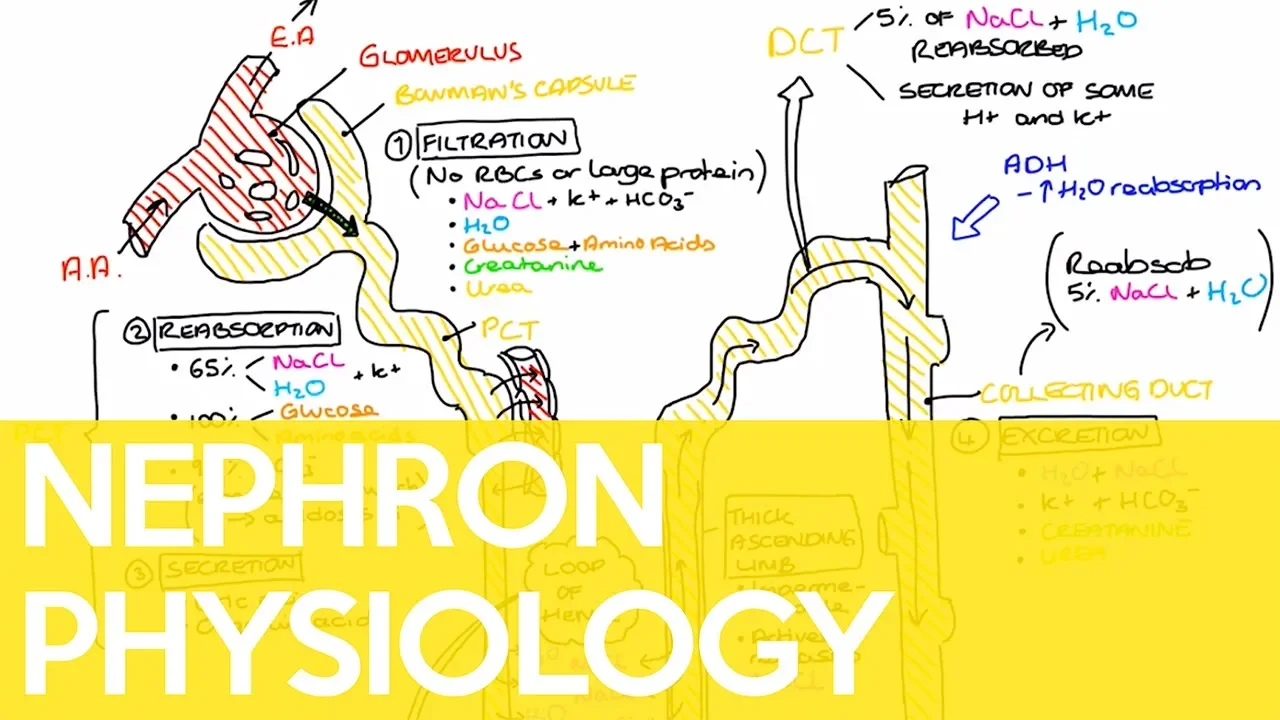

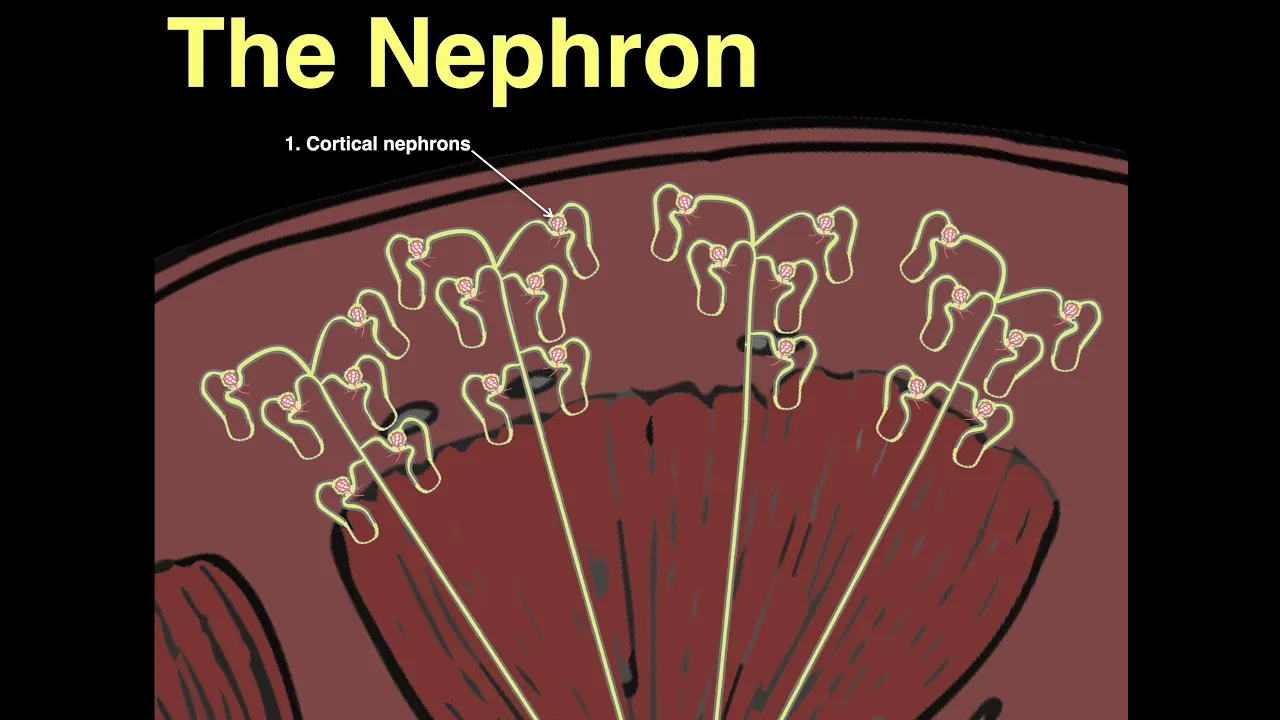

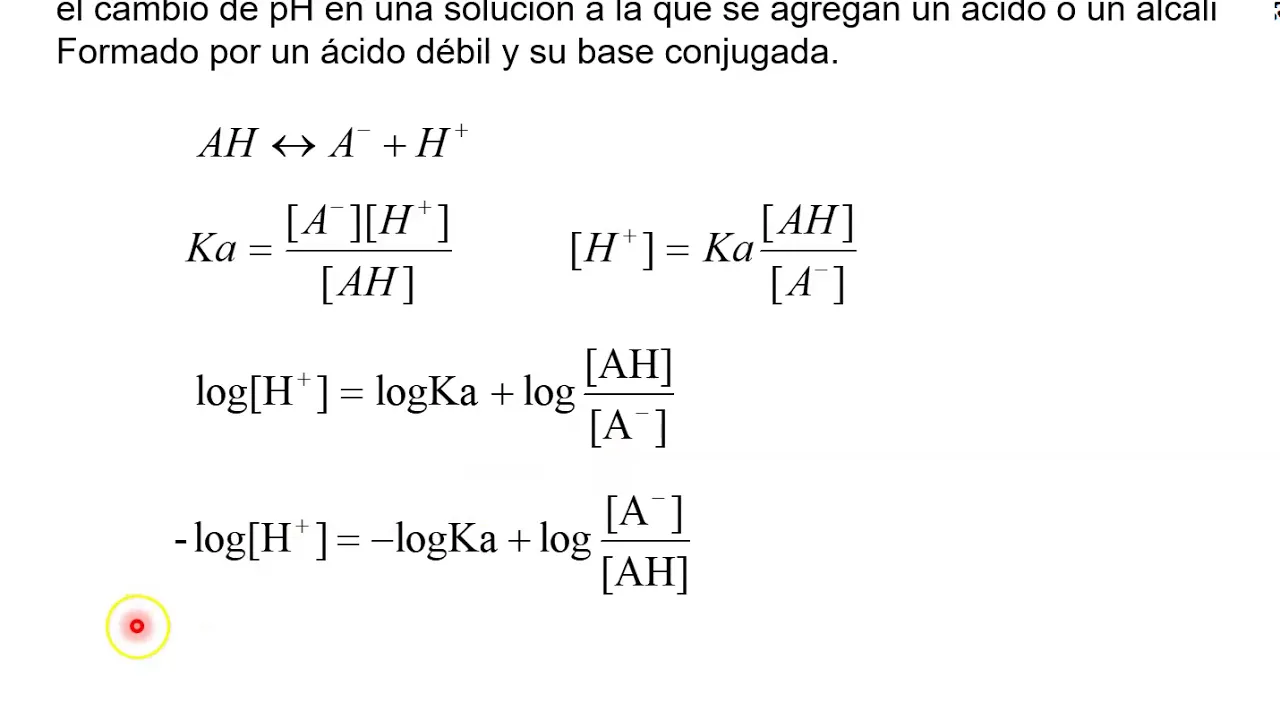















The human body regulates blood pH through three mechanisms: chemical buffers (bicarbonate, phosphate, and protein systems), the respiratory system, and the kidneys. The respiratory system controls pH by adjusting CO2 elimination; when blood pH decreases (acidosis), the lungs increase respiration rate and depth to remove more CO2, shifting the equilibrium CO2 + H2O ⇌ H2CO3 ⇌ H+ + HCO3- to the left and reducing hydrogen ion concentration. Conversely, when blood pH increases (alkalosis), the lungs decrease respiration to retain CO2. The kidneys are the most powerful long-term regulators, capable of eliminating hydrogen ions, replenishing bicarbonate reserves, and excreting metabolic acids (phosphoric, uric, lactic, and ketone bodies) through urine, though they respond more slowly (hours to days) compared to the respiratory system.
How Lungs & Kidneys Regulate Blood pH: Bicarbonate Buffering
Added:the topic of this screencast is regulation of ph by the lungs and kidneys you can find information about this topic in chapter 15 of your textbook there are two objectives of the screencast explain how the lungs regulate ph and explain how the kidneys regulate ph in the previous screencast we identified three mechanisms the human body has for regulating ph chemical buffers the respiratory system and the kidneys of the urinary system we considered the chemical buffers in the previous screencast so let us now turn our attention to the remaining mechanisms the respiratory system and the kidneys we will start with the respiratory system the bicarbonate phosphate and protein buffering systems were chemical buffers the respiratory system in contrast is a physiological buffering systems while it is slower to react to changes in ph compared to chemical buffers it is twice as powerful as all three buffering systems combined its ability to regulate ph is based on its ability to control the rate of elimination of carbon dioxide from the blood by the lungs in order to truly understand how the respiratory system regulates ph you must commit this equation to memory it's one of the most important equations in human physiology carbon dioxide plus water catalyzed by the enzyme carbonic anhydrase forms carbonic acid carbonic acid then dissociates into hydrogen ions and bicarbonate this is a reversible reaction means meaning it can proceed from left to right or from right to left depending on the relative concentrations of reactants to products so where does the carbon dioxide in this equation come from of course it's generated by the tissues as a byproduct of aerobic respiration aerobic respiration as you know cellular respiration occurs in the mitochondrion of cells oxygen is consumed and used to oxidize molecules produced to produce atp and a byproduct is carbon dioxide and water and that carbon dioxide is loaded into the blood and water in the blood remember blood is about 50 water combines with carbon dioxide to form carbonic acid and carbonic acid being an acid dissociates into hydrogen ions and bicarbonate also notice that this portion of the equation is the bicarbonate buffering system so how does the respiratory system regulate ph the respiratory system regulates ph by controlling the amount of carbon dioxide in the blood the lungs can remove more carbon dioxide or less carbon dioxide if the lungs remove less carbon dioxide carbon dioxide levels increase this equation shifts to the right with an increase in carbonic acid leading to an increase in hydrogen ions and bicarbonate ions and this increase in hydrogen ion concentration will decrease ph on the other hand if the lungs increase the removal of carbon dioxide from the blood that will shift this equation to the left resulting in a decrease in hydrogen ion concentration and an increase in ph so the lungs regulate ph by increasing or decreasing the amount of carbon dioxide the lungs removed from the blood to make sure we understand this let's look at a couple of scenarios how would the lungs respond to an increase in blood ph now remember that if there's an increase in blood ph it means there's been a decrease in hydrogen ion concentration so if the hydrogen ion concentration decreased in the blood how would the lungs respond the lungs would respond by decreasing respiration rate and the depth of breathing so in other words the lungs would remove less carbon dioxide that would cause an increase in carbon dioxide levels shifting this equation to the right and therefore increasing hydrogen ion concentration lowering the blood hopefully back to normal levels or to the restoring it to the normal range what about the contrary situation what if there is an decrease in blood ph recall that a decrease in blood ph means that there is an increase in hydrogen ion concentration or there is an excess of hydrogen ion concentration how would the lungs respond if you said respiration rate would increase and the depth of respiration would increase you are correct if the hydrogen ion concentration is too high the lungs are going to respond by attempting to remove more carbon dioxide more freak frequent breaths and those breaths will be deeper there will be a higher title volume that's going to decrease carbon dioxide levels that will shift this equation from the right to the left resulting in a decrease in hydrogen ion concentration and therefore restoring the blood hopefully to its normal range i want to make the point that the respiratory centers of the brain the medulla and the pons are always making small adjustments to respiration rate and depth in response to ph without your conscious knowledge so this is happening all the time and we are more or less not even aware of this this response to ph is also why if you hold your breath for an extended period of time when you start breathing again you will often breathe more quickly and more deeply for a period of time and also we know that sometimes after a period of hyperventilation a person will actually stop breathing for a short period of time this is all in response to changes in ph with the lungs responding such that ph can be restored to the normal range we have now discussed how chemical buffers and the respiratory system can regulate ph let us now turn our attention to the kidneys which are the most powerful regulators of ph in the human body buffers can tie up hydrogen ions but cannot eliminate them the lungs can vary carbon dioxide levels but there are limits to how high or how low the lungs can change carbon dioxide levels and they can't replenish bicarbonate reserves which are so vital to the effectiveness of the bicarbonate buffering system however the kidneys can eliminate hydrogen ions from the body can replenish bicarbonate reserves and in addition the kidneys can eliminate metabolic acids themselves they can excrete phosphoric acid uric acid lactic acid and ketone bodies which are acidic through the urine so the kidneys are the slowest hours to days for them to completely or fully respond to a change in ph but they are the most powerful regulators of ph and maintain and maintenance of acid-base balance let's go back to this equation now adding the kidney here to see what role it plays in regulating blood ph so let's go back to the question what if ph of the blood decreases so in other words what if hydrogen ion concentration has increased and what if the lungs have done all they can do or what if the reason why blood ph has decreased is because the patient has emphysema or the patient has chronic bronchitis so in other words we have low blood ph due to a high or excess hydrogen ions because of a respiratory acidosis that is the lungs are unable to remove sufficient amounts of carbon dioxide how might the kidney restore blood ph well the kidney can literally remove more hydrogen ions through excretion of urine and can add more bicarbonate to increase the power of the bicarbonate buffering system this is the power that the kidneys have in regulating blood ph they're not binding up the hydrogen ions they're removing them directly and so hydrogen ion levels can be restored to the normal range and we have blood ph restored to the normal range what if the opposite is true what if there is an increase in blood ph and again the lungs are not able to sufficiently restore blood ph levels let's say that for whatever reason the individual consumed a large amount of some alkaline or basic food or or beverage and now we have a deficiency of hydrogen ions so we have a high blood ph how would the kidneys respond the kidneys could excrete more bicarbonate and excrete less hydrogen ions again the issue is hydrogen ion concentration is too low so by removing more bicarbonate and excreting less hydrogen ions hydrogen ion concentration would increase and the ph of the blood would return to normal levels so let's sort of recap how the kidneys regulate blood ph they can excrete acids and hydrogen ions directly they can also excrete bicarbonate ions if necessary or they can excrete less that is conserve or generate new bicarbonate ions to increase the capacity of the bicarbonate buffer system and because the kidneys can significantly vary the excretion of these of these substances and ions urine ph can vary anywhere from 4.5 significantly acidic to eight which is significantly basic in summary the human body uses three mechanisms to regulate ph chemical buffer systems the respiratory system and the kidneys of the urinary system the three chemical buffer systems increasing order of power or effectiveness are the bicarbonate phosphate and protein buffer systems each buffer system uses weak acids and weak bases to resist changes in ph the respiratory system is a physiological buffer system where the lungs regulate ph by altering the rate at which carbon dioxide is removed from the blood the kidneys of the urinary system are a powerful physiological buffer that regulates ph by altering plasma levels of hydrogen ions and bicarbonate ions and also by removing acids directly from the blood before ending let's review the learning objectives of this screencast explain how the lungs regulate ph and explain how the kidneys regulate ph this is your final screencast not only of this chapter but also for this course so this is a time to celebrate and i would like to wish you the best of luck in all of your future endeavors
Up Next

Acid-Base Balance Physiology: pH Regulation Explained
@letstalkmedicine548
221.1K views•2015-12-04

Graphic Medicine: Comics for Collaborative Healthcare Communication
@nationalpatientadvocate
189 views•2023-12-04

Neuroanatomy: Central and Peripheral Nervous System Divisions Explained
@AKLECTURES
136.2K views•2014-09-20
Stages of Labor and Vaginal Birth | Childbirth Animation
@nucleusmedicalmedia
52.1M views•2017-08-18
Related Study Plans & Knowledge Roadmaps
Structured learning paths in Medicine