









![FUNÇÃO RENAL - FILTRAÇÃO GLOMERULAR [Renal 01]](https://i.ytimg.com/vi_webp/Vt2qT9Cf_qs/maxresdefault.webp)
![USMLE Step 1 - Renal Physiology [High Yield BRS Concepts]](https://i.ytimg.com/vi_webp/Ob_g35rqOmA/maxresdefault.webp)


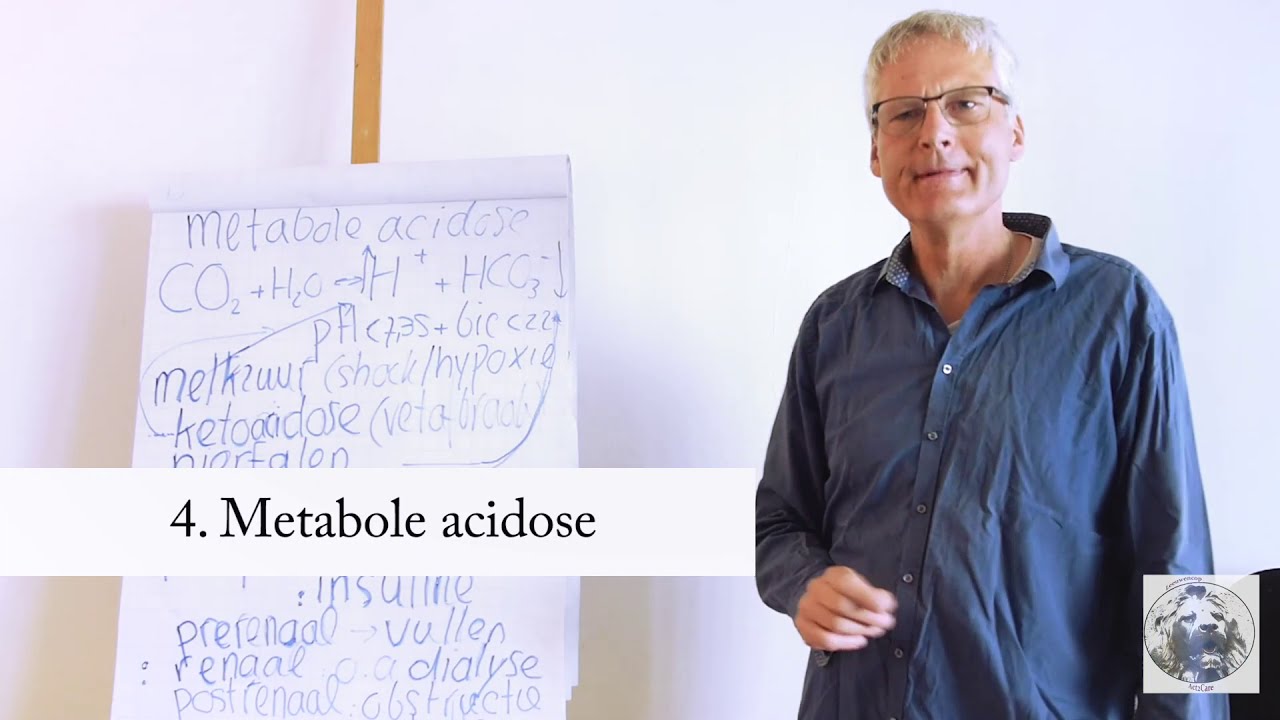

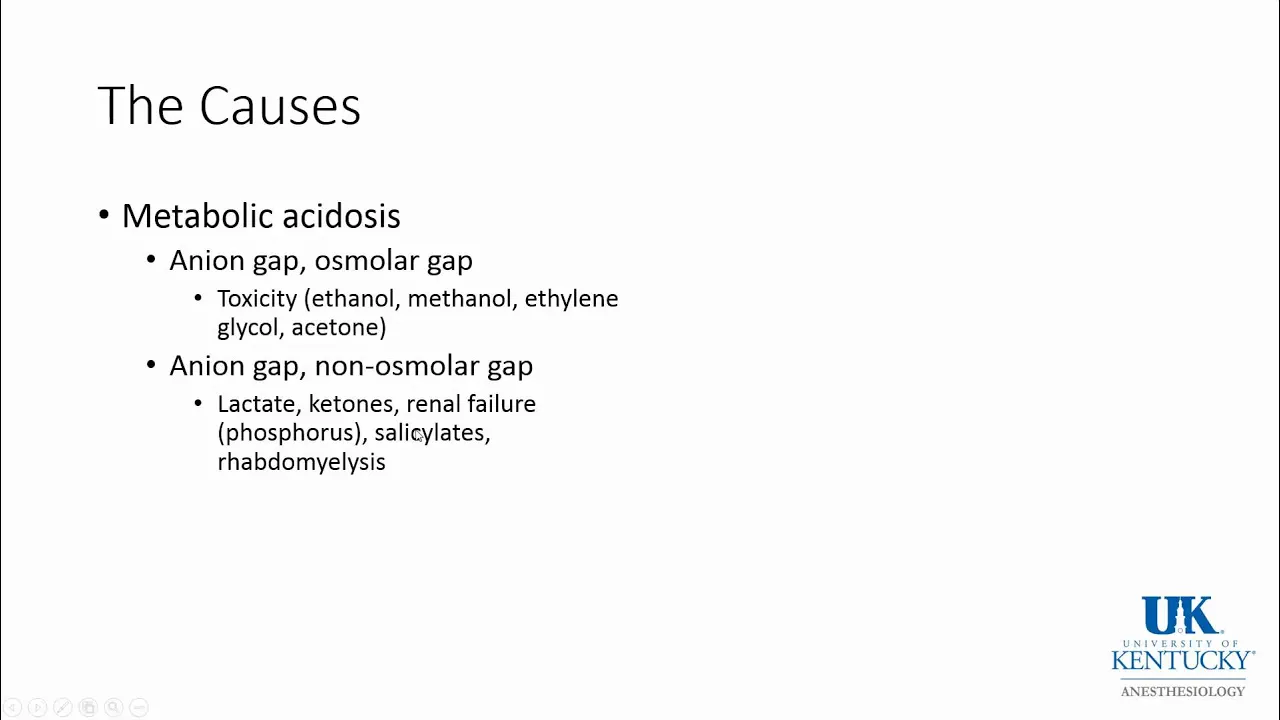
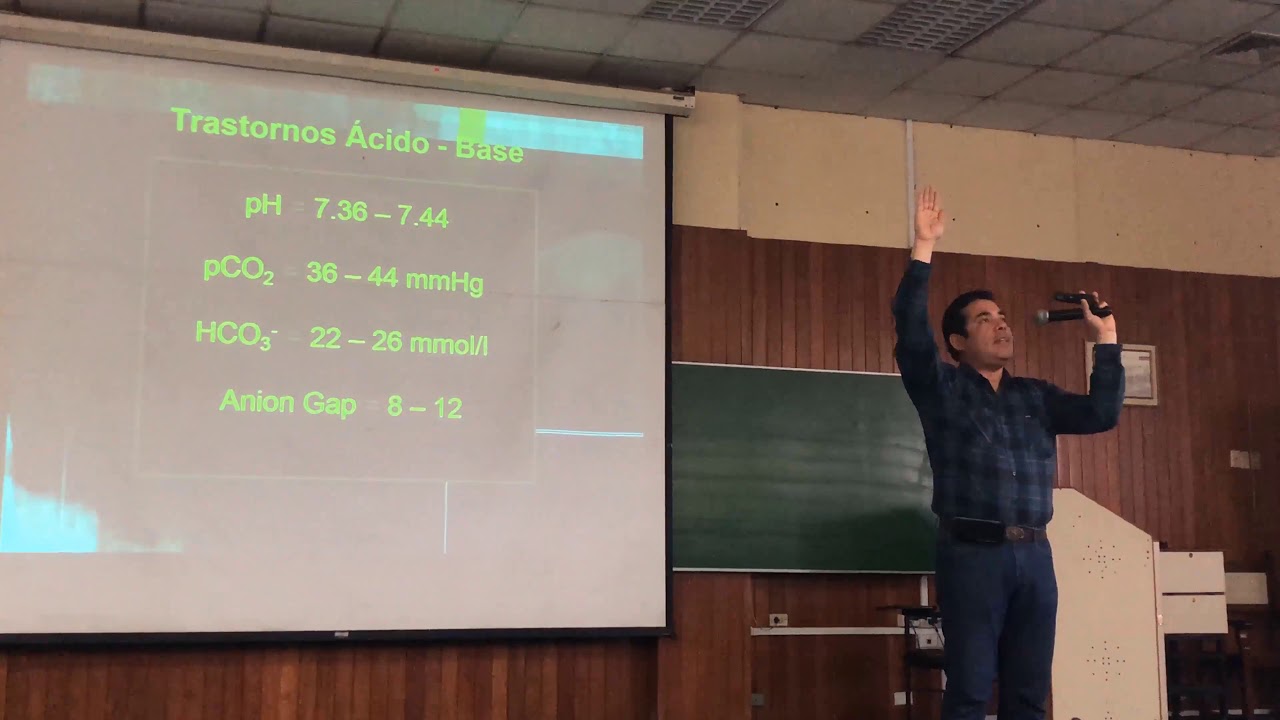







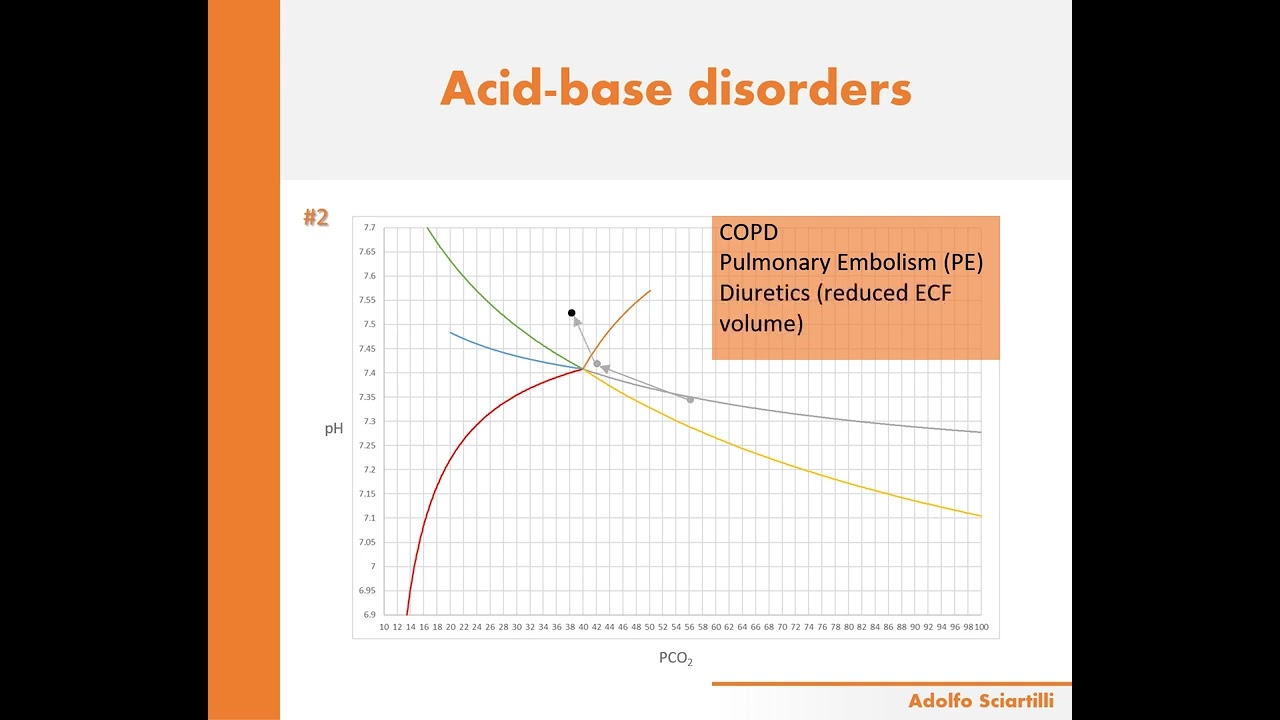
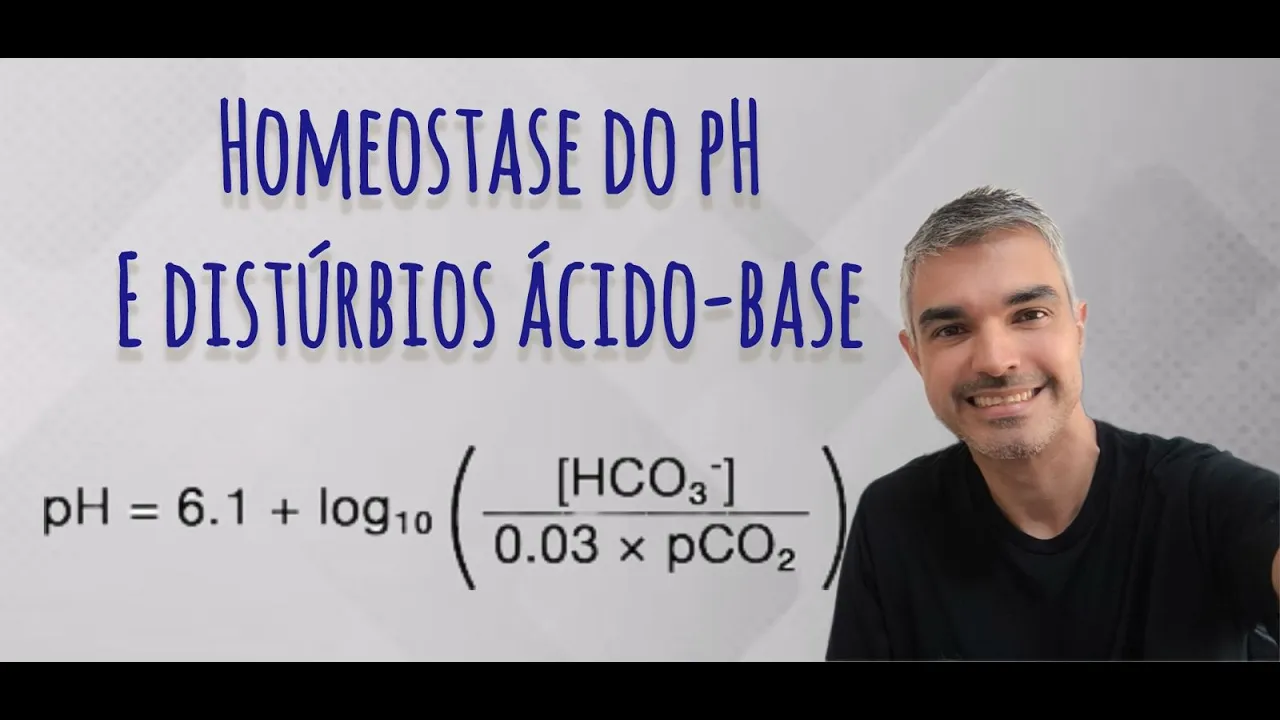


The body maintains acid-base balance through three defense mechanisms: the bicarbonate-carbonic acid buffering system (first line, immediate response), respiratory compensation (second line, adjusting CO2 levels via breathing rate), and renal compensation (third line, slower but long-term adjustment through hydrogen ion excretion and bicarbonate reabsorption in the kidneys).
Acid-Base Balance Physiology: pH Regulation Explained
Added:Basic chemistry of acids, bases, and pH, including the definition of weak versus strong acids and the logarithmic nature of the pH scale.
The concept of chemical equilibrium and Le Chatelier's principle, particularly how reversible reactions shift in response to concentration changes.
Fundamentals of respiratory physiology, including pulmonary ventilation, gas exchange, and how carbon dioxide (CO2) is transported in the blood.
Basic renal physiology, specifically the mechanisms of filtration, reabsorption, and secretion within the functional units of the kidney (nephrons).
Clinical identification of the four primary acid-base disorders: metabolic acidosis, metabolic alkalosis, respiratory acidosis, and respiratory alkalosis.
How to analyze and interpret Arterial Blood Gas (ABG) panels to diagnose complex or mixed acid-base disturbances in a clinical setting.
The calculation and diagnostic application of the Anion Gap to determine the underlying causes of metabolic acidosis.
Advanced pathophysiological states affecting acid-base homeostasis, such as Diabetic Ketoacidosis (DKA), renal tubular acidosis, and chronic obstructive pulmonary disease (COPD).
221.1K views2.8Klikes14:43Original Release: 2015-12-04
[Music] okay hello everyone my name is ABD I'm a medical student at King ABD University for Health Sciences and today we're going to talk about acid-based physiology there will be another video about pathology and we're going to put a link to that down below in the description box but for now let's jump into physiology so to start we're going to start with basic information so we have acid and we have base okay so an acid is a substance that releases hydrogen ions okay and a base is a a substance that will combine or attach to hydrogen ions okay so in our body how do we express hydrogen ions is basically or hydrogen ion concentration well it's basically through the term pH now the more the higher the hydrogen ion concentration the lower the ph and of course the other other way around is correct the lower the hydrogen ion concentration the higher the pH okay now the pH of the blood is normally between these two ranges 7.35 to 7.45 okay this is very important to memorize these numbers because later on we need to know in the uh in questions where if we're in the normal range or increase or decrease now a pH above 7.45 will give us alkalosis and a pH below 7.35 is turned in acidosis okay now in our body where do we get hydrogen ions well basically we have three main sources carbonic acid formation the major source of hydrogen ions is from metabolically produced CO2 as you know the tissues on our body are going through metabolism so they're taking up nutrients and Fuel and burning them down and giving us waste products one of one of those waste products is carbon dioxide this carbon dioxide can give us hydrogen ions okay also we have inorganic acid produced during nutrient break down the most important nutrient we're talking about is proteins okay I put that in red because in some questions if they want to indicate that you're increasing in hydrogen ions in your body they're either going to say you're um you're generating fixed acid by having a high protein diet or by having a western diet these two terminology means well you're eating a lot of protein okay well why protein increases our acid in our body well because it contains a large quantity of of sulfuric acid and phosphoric acid the other and last source of hydrogen is basically organic acid resulting from intermediary metabolism for example lactic acid and fatty acid so lactic acid for example in workouts and fatty acid for example when you burn down fat in your body now here is the equation of hydrogen ions and bicarb and what they give us and they end up with as you can see carbon dioxide so there's a relationship between all of them okay now in our body we have mechanisms in order if the uh if the pH goes up or down we have ways to make them uh make the pH come back to normal okay and here are the three uh here are the three main mechanisms for doing so we have the buffering system okay the the main we have a many buffering systems we'll come to that but the main the main factor or the uh the main player in the buffering system is over here bicarbon and carbonic acid buffering system okay just to explain how this works basically is when we have for example increase in hydrogen ions okay what we want to do is basically the bicarbonate will start to attach with hydrogen ions and give us carbonic acid okay and of course the other way around is correct let's say we have reduced hydrogen ions so the carbonic acid will basically dissociate and give us more hydrogen ions and bicarbonate okay so that's a way of a buffering system so the word buffer basically means if you if your pH is high or low it brings it back to normal okay the other body mechanism for compensation is respiratory compensation and it works by affecting the carbon dioxide in our body we'll come to that later and of course the last uh compensation mechanism is renal compensation which works on the bicarbonate in our body now the buffering buffering system is the first line L of Defense so we have carbonic acid and bicarbonate buffering system as we just explained it's the primary extracellular fluid buffering system the protein buffering system is the primary intracellular fluid buffering system okay we also have hemoglobin buffering system which basically says that uh in our in our body when our when the tissue starts to generate carbon dioxide and the carbon dioxide goes into the blood and moves up to the lungs so we can get rid of it now during the transport the carbon dioxide generate some hydrogen ions now the now the hemoglobin what does it do it attaches to these hydrogen ions so it won't change the B's or the blood's pH okay we also have the phosphate buffering system it's important urinary system I want you to memorize this because we're going to come to this later okay now for the respiratory compensation which is a second line of defense okay we put the equation above here so we're going to see what happens exactly now let's say if we have increase in hydrogen ions okay what's going to happen the equation is going to move where to the left which will give us more CO2 okay now that since we have more CO2 what what is our body going to do it's going to increase breathing because we need to get rid of it okay so the rate and depth of breathing will increase okay and what about if the hydrogen ion concentration goes down what's going to happen okay what's going to happen is going we're take going to take the most of the CO2 in our body and we're going to move the equation to the right so we can increase into the hydrogen ions so our pulmonary ventilation will decrease okay now the respiratory compensation works until but however it works in uh between ranges okay why is that because we have two kind of receptors we have peripheral receptors and Central receptors now the peripheral receptors they respond to the changes in hydrogen ions and the central receptors CH uh respond to the changes in carbon dioxide now just to make this uh just expl what's going on so let's say we have increase in hydrogen ions okay now the peripheral chemo receptors are going to say okay we have a lot of hydrogen ions we should start breathing okay so it's going to tell a respiratory Center start working and we're going to increase in our breathing okay so we're going to increase in our breathing and flush out some CO2 until the central chemo receptors are going to say wait hold on we we have low concentration of CO2 stop breathing okay and that's why uh the whole respiratory compensation Works in certain ranges now the third line third line of defense is renal compensation and this uh this mechanism comes a little bit late it takes hours to days to work okay and the Reno compensation adjusts three factors hydrogen ions bicarbonate and ammonia we're going to we're going to explain that in details so the task of eliminating hydrogen ions derived from sulfuric phosphoric lactic acids and other acids the kidney is the main factor or the main uh player and get getting rid of of these uh of the hydrogen ions coming from these acids okay now the kidney normally in normal physiology excretes hydrogen ions okay so the urine pH is six as you can see it is way lower than the blood because it usually has more hydrogen ions we we excrete them through the urine okay now first thing we uh first part of uh the Reno compensation is in the proxim convoluted tubule okay now in this in these cells what what's going to happen or what's the main goal the main goal is to take the bicarb from over here and reabsorb it so we can put it back into the blood okay and over in the proximal convoluted tubal about 90% of the bicarbonate is being uh or gets reabsorbed okay so how does that happen let's check it out now first let's start over here we're going to have Co 2 and and water in the cells okay through this enzyme which is carbonic an hydras what's going to happen we're going to generate hydrogen ions and bicarbonate okay now each one will go in a different path so the bicarbonate will go into the blood and the hydrogen ions will go into the urine why why does the hydrogen ion go into the urine because we need the hydrogen ion to bind with the bicarbonate okay and through also Carbonic and hydrates it will will give us CO2 and water okay we turned these two into CO2 and water because we need CO2 and water can diffuse easily into the cells okay so basically what happens is with each bicarbonate we put into the cell we released another bicarbonate in blood so basically we just reabsorbed the bicarbonate okay now if let's say this mechanism or this whole system doesn't work what happens well well what happens is we can't we're not going to reabsorb a lot of the bicarb this is called or this pathology is called renot tubular acidosis type 2 okay remember that because it's going to come in pathology okay so the next slide over here we have in the late distal convoluted tubules and in the collecting ducts the early collecting dos we have two kind of cells we have intercalated cells and we have of course principal cells now principal cells has uh is another thing so we're just going to focus on interated cells now there's two types there's type A and type B so let's talk about type A as you can see here it's the same system as we saw in the PCT or the proximal conut tubule we generate hydrogen ions we generate bicarb bicarb goes to the blood hydrogen leaves takes the bicarb okay and gives us carbon dioxide and H2O so it can go inside the cells okay so the each each bicarb goes in one bicarb leaves the blood as in reabsorption okay now let's say for example we have or someone's on on a western diet okay where he's eating a lot of proteins okay and that's generating in our body a lot of hydrogen ions okay giving us acidosis okay decreasing the pH now what's going to happen is that the hydrogen ions is going to increase okay and then the buffering system will start to work so the bicarbonate will try to associate with the hydrogen ions okay but let's say the buffering system is not enough so through the buffering system we're also going to have low bicarbonate because we used most of them to try to buffer the hydrogen ions okay so what's going to happen exactly is in the in the kidney now when we have uh acidosis what's going to happen even if we reabsorb all of the bicarb this mechanism is still going to work so we're going to generate more bicarb and generate more hydrogen ions kicking out the hydrogen ions okay and reabsorbing bicarb what is this going to do this is going to increase the B carbonate in our blood which we need because now because before we had decrease in bicarbonate okay and since we have acidosis we have a lot of hydrogen ions so we're going to kick out the hydrogen ions into the blood uh I'm sorry into the urine okay so this is going to keep on going to work bicarbonate going to the blood hydrogen going to the urine however since we're kicking out a lot of hydrogen ions the Lumen or the urine will start to decrease its pH okay and the urine's pH can only get decreased to a certain level okay below uh which is 4.5 below that the urine cannot go uh the urine pH cannot go under 4.5 so what's going to happen we need things or we need substances to associate or to bind with the hydrogen ions so the pH of the urine won't fall drastically what are these substances the main substances the main substance is phosphate okay remember when we said phosphate is a is in the buffering system of in the urine yeah so once so it's going to associate with the hydrogen okay and so the pH won't decrease that much also the cells of the tubules in the in the nefron are basically going to generate what ammonia okay when we have acidosis it's going to generate more ammonia okay it's going to generate ammonia so that that can also associate with the hydrogen ions as you can see here okay now let's say this mechanism over here is not working okay this is going to give us what a disease called renal tubular acidosis but this time it's type one okay remember that now the other type was interated cells type B as you can see here's the same mechanism however the the the bicarbon and the hydrogen Go in different ways or the other way around see the bicarb is leaving into the urine and the hydrogen is leaving hydrogen ions going to the blood okay now and for example acidosis and alkalosis what happens to all of these three cells in acidosis we're going to have the proximal convoluted tubal cells and the intercalated cells type A are going to increase in their activity by that they're going to kick out the hydrogen ions and generate more bicarbonate and put it into the blood and of course the interated cells type B will red use in its activity okay that's in acidosis however in alkalosis it's the other way around the proximal conut to tubul cells and the intercalated cells type A will reduce in its activity and the intercalated cells type B will increase in its activity so we can kick out most of the bicarb and generate or give us more hydrogen ions into the blood so we can bring back the pH back to normal and thank you very much [Music]
Up Next
84:20
Approach to Coma: Diagnosis & Management | Neurology Guide
@theneurophile
100.9K views•2019-02-06

48:47
Graphic Medicine: Comics for Collaborative Healthcare Communication
@nationalpatientadvocate
189 views•2023-12-04

10:28
Neuroanatomy: Central and Peripheral Nervous System Divisions Explained
@AKLECTURES
136.2K views•2014-09-20
3:05
Stages of Labor and Vaginal Birth | Childbirth Animation
@nucleusmedicalmedia
52.1M views•2017-08-18
Related Study Plans & Knowledge Roadmaps
Structured learning paths in Medicine
medicine
Abnormal LFTs: Diagnostic Workup & Pathology
01Liver Anatomy and Basic Physiology
02Introduction to Liver Function Tests (LFTs)
03Hepatocellular vs. Cholestatic Patterns
+ 3 more learning modules
12h6 modules
Explore Roadmap
medicine
Analyzing Blood Smears: RBC, WBC & Platelets
01Introduction to Blood Components & Smear Preparation
02Normal Morphology of Blood Cells
03Erythrocyte Pathologies & Morphological Variants
+ 2 more learning modules
12h5 modules
Explore Roadmap
medicine
Mechanical Ventilation: Waveforms & Alarms
01Anatomy and Physiology of Breathing
02Introduction to Mechanical Ventilation & Core Modes
03Ventilator Settings and Waveform Interpretation
+ 2 more learning modules
12h5 modules
Explore Roadmap
medicine
Neuro Exam: Localization & Stroke Syndromes
01Foundations of Neuroanatomy and Vascular Supply
02The Neurological Examination: Step-by-Step
03Principles of Neurological Localization
+ 3 more learning modules
18h6 modules
Explore Roadmap