




![AP Psychology Unit 2 Review [Everything You NEED to Know]](https://i.ytimg.com/vi_webp/d6ED_JTH3PQ/maxresdefault.webp)













Creative thinking involves the dynamic interaction of three brain networks—the default mode network (for spontaneous idea generation), the executive control network (for evaluating and directing thought), and the salience network (for switching between these modes)—with stronger connectivity between these networks predicting more original ideas; memory plays a dual role as both a source of creative associations and a potential constraint that must be overcome through controlled cognitive processes.
How the Creative Brain Works: Neuroscience with Dr. Roger Beaty, PhD
Added:Basic neuroanatomy, specifically the functions of key brain regions like the prefrontal cortex, the hippocampus, and the temporal lobes.
The concept of functional connectivity and neural networks, particularly how different brain regions co-activate to perform complex cognitive tasks.
Introductory cognitive psychology principles of memory, including the differences between working memory, semantic memory, and episodic memory retrieval.
Standard psychological definitions of creativity, specifically the distinction between divergent thinking (generating multiple novel ideas) and convergent thinking (evaluating and selecting the best idea).
Practical applications of neuroeducation, focusing on how educators can design curricula that leverage brain network dynamics to foster student creativity.
The study of advanced neuroimaging methodologies (such as functional Magnetic Resonance Imaging (fMRI) and EEG) used to track real-time network interactions during creative tasks.
Cognitive training and behavioral interventions, such as mindfulness or cognitive stimulation, aimed at enhancing neuroplasticity within creative brain networks.
The comparative analysis of biological neural networks in human creative cognition versus computational models of generative artificial intelligence.
281 views8likes1:28:46Original Release: 2022-02-15
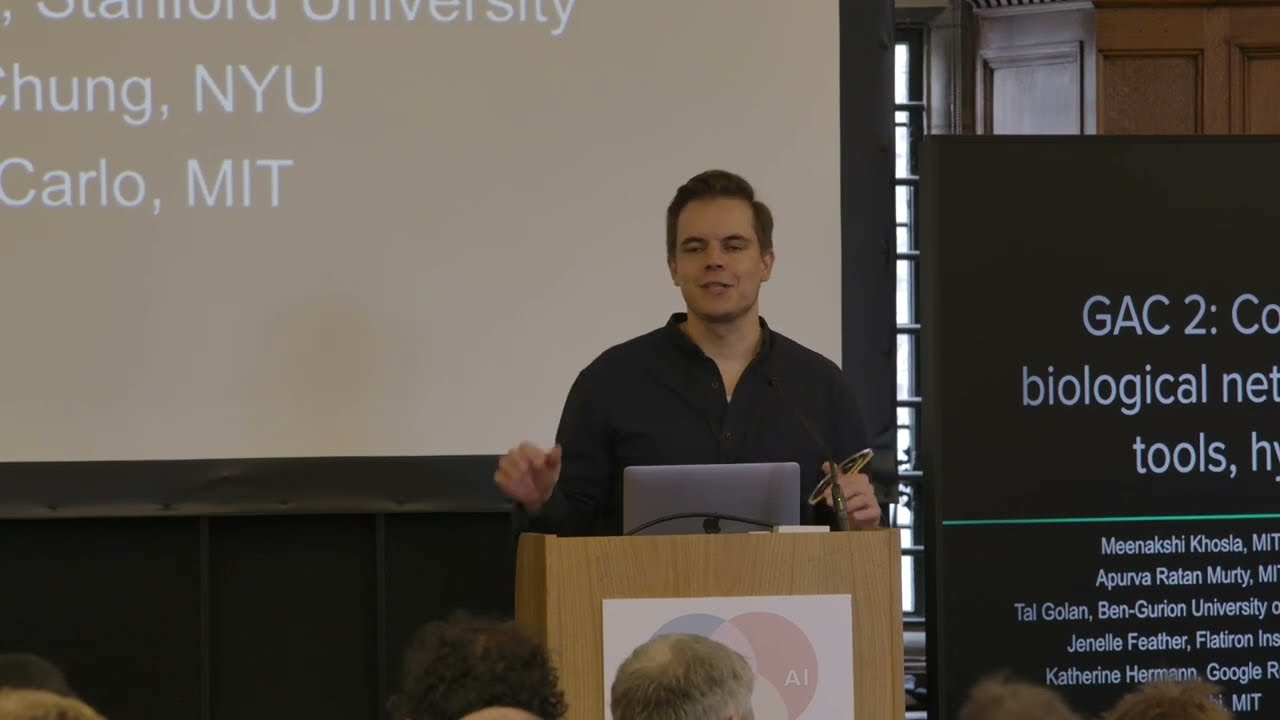
is investigator principal laboratorio creativo de neuro siencia cognitiva del universidad de penn state muchas gracias por companos [Music] so [Music] [Music] [Music] les presentamos a rosita [Music] [Music] [Music] [Music] thank you rosa for that very kind introduction it's such a pleasure to be here with you all today i am very excited to talk to you all about the research that i have been doing over the years on the psychology and neuroscience of creativity so to get started i just want to to talk about some of the questions that have really motivated my research over the years and maybe the biggest question is how does the brain produce creative thought where do creative ideas come from how does the brain put together new information to help us solve new problems and to what extent does creativity rely on memory so we have to learn new information and rely on our memories to some extent to help us solve problems but are there some times that memory can kind of get in the way and prevent us from thinking creatively and also is the creative brain wired differently and that is from a kind of an individual perspective are there different patterns of uh wiring in the brain that are more or less conducive to thinking creatively and also something i've been thinking about more recently is how to education impact creative thinking so what is the role of the school in shaping uh creative minds and so just to kind of start off with an overview of my presentation today i'll kind of kick things off with a discussion of the creative mind so more on the psychology and thinking processes that are associated with creativity and how we have been measuring creativity in our scientific research and also i'll then talk about um the neuroscience of creativity so the creative brain and what we have discovered about um the brain patterns that are associated with creative thinking and then i'll talk more about the role of memory more specifically in the role uh in its role in creative thinking and then i'll close talking about the relationships between uh learning and creativity and some recent studies we've been doing in classrooms so to start things off i'm talking about um some background information so in the um the research that uh the kind of the field that i come from people often uh define creativity as the ability to produce something that is new and useful so something that didn't exist before but also helps us to to solve a specific problem and as i'll talk more about shortly um in the creativity literature and research divergent thinking tasks are often used to measure creativity and these different these thinking tasks are useful for researchers because performance on them tends to correlate with performance uh or people's self-reported creative behavior and achievement so um doing well on these tests tends to correlate with actually doing um creative things in the real world so more about divergent thinking which i'll be kind of focusing mostly on today so this is a kind of a specific form of thinking that is relevant for creativity and basically it is the ability to generate or come up with ideas that diverge from a given concept or starting point so it's coming up with a bunch of different ideas or associations and there's different tests that researchers use to measure uh divergent thinking some of them are verbal they have to do with words and others are more um drawing based or visual spatial and so you can see here's an example of one of the tests where people are are shown just different um lines and then they use that as a starting point to draw something um and divergent thinking is thought to differ to some extent from convergent thinking in that there's no correct answer so with convergent thinking you're trying to converge on a single correct solution or the or an optimal solution and to illustrate some of the tests that have been used in the psychology and neuroscience literature i will show you one example of a convergent thinking task this is called remote associates task and here people are shown three words like pine crab and sauce and they're asked to think of a familiar compound word or phrase that can link these words so think of a fourth word that really is related to all of those three and for those that want to play along at home i'll give you some time to think about this one okay so the correct answer in this case is apple so pineapple crab apple applesauce so as i mentioned this is a form of converge and creative thinking when you have to think of the correct solution to one problem you have to converge on one um type of solution this is an interesting type of of creative thinking and it allows us to study things like insights of the insight moment when you have an aha experience and i'm actually going to be focusing a little bit less on this type of creative thinking today and more on divergent thinking which is the ability again to think of different ideas that uh diverge from a given starting point or concept or object in this case so um one common task that is used is called the alternative uses task and here people are presented with different common everyday objects and asked to think of creative ways to use them that are not the common way of using the object and again if you want to play play along at home i welcome you to do that so think of creative ways to use this object that's not the standard way of using it okay and i will just show you some example of ideas that i've seen in some of my research over the years so some people will say you can use a brick to build a house which is really the common way of using it sometimes people still say that as a response um other people might say you could use it as a doorstop right so this is kind of different from the the common or standard use of the object but maybe something people have seen before in their lives some people have said to use it as an exfoliator so this is a definitely something that is not the typical way of using the object but maybe not the most pleasant use of the object and other people have said things like you can grind it up and make a filtering substance um so you can see that there's a range of different ideas people come up with on this on this task and it kind of just gives gives us insight into how people use their memory and different thinking processes to come up with ideas okay so now i want to talk more about um different theories that have been proposed on the creative mind over the years and one of which is called the associative theory and this is the idea that creative thinking involves spontaneously connecting concepts in semantic memory and so i'll be talking about different types of memory and one form of memory i'm going to be talking about now is semantic memory and that is our memory for concepts and facts and things that we have learned over time and they're thought to be represented uh in like a an interconnected network of things that are related to each other in different ways so here's just the toy example of concepts that are related you can see that they're kind of closer to each other and colors here and different fruits and so this is just an example of kind of how concepts are are learned and then how they're represented in our memories and then how we go from there to kind of connect them to help us think of of creative ideas and um there has been some research showing that um people differ in their organization of their semantic networks and this actually plays a role in their ability to think creatively because if you think about it if you are trying to make connections between uh two concepts that are far apart if you have a semantic uh memory system where the those kind of concepts are actually tending to be more closely related then it might be easier to connect them when you're trying to think creatively and so that is one theory that has been proposed and it's been around for some time and more recently researchers have been thinking about um the role of different kind of controlled or what's called executive functions um different aspects of thinking that help us to uh kind of direct and control the um our content the contents of our minds right so there's a theory that creative thinking involves the ability to control um cognition uh and these different executive functions and here's some just some examples of of these um executive functions things like controlling attention um monitoring cognitive flexibility working memory so again these are just different aspects of thinking that allow us to try to have some level of control over the direction of our thought and in general executive functions help us to regulate our thoughts emotions and behaviors if we want to think about something else then we're using uh that's not what we're currently thinking about that's when we would use these more executive functions um and this kind of uh ability to control uh our cognition may help to uh manage the interference that would come to mind when people are thinking crazily so when you're oftentimes when we're thinking creatively um the first things that come to mind are the things that we already know right so that's our memory kind of giving us information but it tends to give us information about things that we've already learned right and so the ability to kind of think about something differently or kind of shift the way that you're thinking is where these different uh cognitive skills may be coming into play okay and this uh theory is kind of different from the associative theory that i just mentioned because the associative theory kind of says that um you're just kind of spontaneously connecting concepts just as they're activated in your memory and this theory is more saying that we can kind of have some level of control and direction in that in that creative thought process and so instead of saying that maybe it's just one theory is right or the other theory is right researchers have talked about how we can think about both types of theories um being relevant so um thinking about creativity as a combination of these associative processes where you're just combining and activating um concepts but then also the the ability to kind of have some level of control uh in that creative process and so we did some research um a few years ago or several years ago by now where we found that um both kinds of thinking styles of both the associative and the kind of more executive control was predictive of people's performance on divergent thinking tasks so it wasn't just the kind of spontaneous thinking and it wasn't more just the control thinking it was kind of both of them that were contributing to people's ability to think creatively and when i did this research back in 2014 it raised the question in my mind about how this was actually working in the brain so we know something about the creative mind through these studies how do these process actually unfold in the brain and that brings me to the second part of my talk where i'll talk about some of the research that we have done on the creative brain okay and so one thing i just want to introduce to everyone um is a brain network model that i've been developing to try to understand creative cognition or creative thinking and um so i'm just going to kind of walk through the different networks in our brain that have been associated with creative thinking so one of the networks is called the default mode network or the default network and so this is a set of brain regions that are generally active when we are uh remembering a past experience using our memory imagining a future experience that hasn't happened yet um and other things like mind wondering so it's kind of more spontaneous aspects of thinking or kind of uh looking inward uh and in terms of possible creative functions that this network might be serving it could be things like brainstorming just kind of coming up with different ideas and also simulating possibilities that are relevant to a creative goal okay so that's one network that um seems to be relevant for creative thinking another one um is called the executive control network and in general this network plays a role in uh those executive functions that i mentioned a few slides ago kind of focusing our attention and being more directed in our thinking processes and in terms of possible creative functions so when we're trying to solve creative problems this brain network may play a general role in helping us to kind of evaluate our ideas or as i mentioned before kind of blocking out the ideas that aren't very creative and then redirecting our thought processes and a third network that has been associated with uh creative thinking over the years is called the salience network and again we're talking about just different regions in the brain that work together here um and the sales network plays a general role in switching between the uh default network and the executive network and it's um generally important for picking up important information that is that we see in the environment or actually internally as well from our thoughts and and in terms of possible creative functions this alias network may be playing a role in identifying uh promising ideas so the default network is kind of generating ideas maybe the salience network is picking up on those that are promising and helping to then shift things over to the more controlled stage of thinking which is more of the executive network so just maybe switching between this generative and evaluative mode of thinking okay so just different uh networks in the brain that we think might be important for for creative thinking but if you um think about what these networks seem to be generally involved in right so the column where i was talking about the general role of our general function of these networks um what we have seen for some time in the research literature is that those networks specifically the default and executive networks they don't usually work together right so when one is usually when one is working uh and doing something uh the other one is not and vice versa so if you think about it if you're just kind of um thinking to yourself and mind wondering that's a very kind of default uh network kind of activity and so that network would be kind of activated in in your brain and the the network that's associated with trying to control your thoughts or being focused is less activated and then vice versa if you're trying to focus the executive network might be more activated you're trying to solve problems you're working on something challenging but then you wouldn't necessarily want the default network to be activated then because that's associated with mind wondering and maybe those thoughts are kind of distracting and getting in the way right so we have this kind of uh um opposing relationship between the networks in general but if you look at the neuroscience of of the creative brain in the literature you can see that the uh studies will show uh activation of these different areas right when people are thinking creatively in a brain scanner um some of the regions in the executive network are activated and some of the regions in the default network are activated so that was kind of a paradox or a puzzle that i was i was curious about several years ago and it raised the question in my mind about how these networks may be interacting so not just is one area lighting up in the brain scanner or another but are they exchanging information so kind of what's called functional connectivity and we did a study on this right now i'm going to show a bunch of brain scans but um basically what we did here is we we put people uh in an fmri scanner so a large uh scanner that we use for research and ask them to think of creative uses for objects so that divergent thinking fast i mentioned earlier and we found different brain regions that were connected to other areas during that task so when people were thinking creatively um we we found a bunch of different areas that were showing some um different connectivity pattern and we focused on one of the areas of the default network that i mentioned earlier which shown in this arrow right here and then we asked what other areas is that region talking to when people are thinking creatively and we found that it was a lot of the areas in the other networks that i just mentioned that are more associated with controlled aspects of thinking some more frontal areas here shown in this panel and then we asked if there was a difference in the connectivity patterns over time so when people are starting to think of ideas do they show a different um relationship between these networks uh compared to later when they've already been thinking about it for a little bit and what we found is that at the very beginning of the test the uh posterior cingulate which is part of the default network that i mentioned uh was showing more communication with the these areas in the more frontal mid part of the brain called the insula which are part of the salience network and then later um down when people are thinking about their ideas uh this area of the default network was more connected to like more frontal areas of the brain the way we interpreted this is that when people are first starting to think of ideas um they kind of use their default network to draw on memory and then maybe that salience network picks up on something that might be promising uh grabs that information and then kind of sends it over to the front part of the brains that are more involved in evaluating um creative thoughts all right and um what we did to follow up on this so what i've shown so far is just kind of general divergent thinking you know uses for objects right that's just one way of thinking about how people might be coming up with ideas and so we actually looked at this very recently in the context of scientific creative thinking so um you could think about science as uh the scientific process itself as creative you think about things like uh designing experiments that's a creative process in excel in itself and coming up with different research questions and hypotheses so these different kind of thinking skills that are creative in a scientific context we ask the question do similar brain networks uh support people's ability to think creatively in the in this scientific context and we found that uh yes so far we are showing that uh in a brain scanner when people are thinking of creative hypotheses this shows uh the same kind of brain connectivity power that we were showing before with the um divergent thinking task so it seems that these three networks that i've been talking about uh may be supporting creativity across domains so not just verbal divergent thinking but also creative thinking in a science context and this is actually something that has been shown in the arts for some time so since 2016 we wrote um a paper summarizing the findings of um studies that have looked at artists in in a brain scanner so this is some pictures of um musicians and visual artists um in brain scanners doing their creative thing so um and what these studies have found is that a similar pattern of brain network connectivity was um showing up in people's brains when they when the musicians were improvising in this case and and then also when the visual artists were drawing out ideas and evaluating them but what these studies found is that there's different patterns of brain connectivity depending on whether people are coming up with ideas in the first place or trying to kind of more evaluate them and refine them a little bit more and the connectivity pattern was more associated with the la the more evaluative parts of creative thinking and the way we interpreted this at the time is that the this network coupling of the defaulting executive networks may depend on the extent to which you have a specific goal that you're trying to achieve when you're thinking creatively so in the context of the music improvisation study at the top here where we have someone improvising in a brain scanner in this study they were asked to improvise new melodies uh based on a specific emotional uh concept like joy uh sadness those kind of things uh and then to come up with uh new melodies to uh convey that emotion and so that would be you know you might think about improvisation as a very spontaneous kind of process and that's something that as i mentioned already the default network plays a role in kind of more spontaneous aspects of thinking but in this case musicians were asked to improvise based on a specific emotion so as they're playing and improvising coming up with new melodies they kind of have to keep in mind that they want it to sound like something so instead of just playing anything randomly you kind of have this goal in mind that you want your performance to sound a specific kind of way right so kind of keeping that goal active in your mind as you're doing something that is otherwise more spontaneous you might tend to see these networks communicating more the the more controlled executive and the spontaneous uh default network okay so now to look more at um how people vary in these brain networks so what i've been talking about so far is just you know looking at people on the average uh you could also look at um individual differences so how people differ in their creative thinking skills and how that's related to their brain networks that might be relevant for creative thinking and what we found in the study i told you about the first study i told you about is that divergent thinking ability was correlated with the efficiency of information processing within uh the default network i'm sorry within the three networks that i had mentioned already so people that could more easily connect those dots in their brain those regions that were relevant for creative thinking tended to come up with more original ideas okay and this raised the question of whether the creative brain is wired differently so people that are have different kinds of creative thinking skills is there kind of a certain pattern in the brain of uh connectivity that is um helpful for when people are trying to solve creative problems and uh we did a study that was uh like the first one i had mentioned where people were in the brain scanner thinking of creative uh uses for objects uh we scanned many more people this time to scan about 163 people and um we found what we were we called a high creative network and this is a set of regions here shown in this uh brain scan um that were predictive of people's um the creative quality of the ideas they were coming up with so basically we we searched throughout the brain and we were trying to find which regions were most correlated with or kind of explaining uh people's creative thinking scores on this test and we found out of all the regions and connections that we were looking at that the most important ones were the ones that were across those three networks i mentioned so default salience and executive and we didn't just show this in one study we showed it in a bunch of other studies so we kind of discovered this network in our original study and then kind of tested it in other people from different countries and found that it was kind of a universal uh connectivity pattern that was uh predicting people's ability to to think creatively on this task and this um the kind of takeaway from this is that the the creative brain is kind of wired differently at least in terms of divergent thinking so trying to think about this this skill of uh thinking of abilities people with stronger connections tend to produce more original ideas and i think this is an important point for education as we think about how different educational practices might be influencing um these brain patterns okay and now i'm going to talk more about the role of memory and creativity so i've talked about different um creativity theories and the creative mind and what we found for the creative brain so now i'm going to talk more about memory more specifically and how that seems to be important for for creativity okay so i already talked about earlier a little bit this concept of semantic memory right so semantic memory is our organization of facts and concepts and words that we've learned and knowledge over the years how it's represented in these networks in our in our minds and again the more two concepts share these semantic properties uh or if they're more similar the more kind of links between them again this idea of spreading activation which is essentially when if you're thinking about one concept it's kind of uh spontaneously activates other concepts in your memory network other things that are related to it kind of just uh kind of pop up in mind and um again as i mentioned earlier creative thinking involves uh connecting remote concepts we think about remote concepts and this is just a a toy example of what a one memory network might look like for the concept of creativity so you have a bunch of other uh words and these concepts that are associated with the sensual concept of creativity and if you want to say something original about the concept of creativity in this way you would maybe be wanting to connect ideas or concepts that are far apart right so here's painting over here and brain on this side and the concepts are generally organized in a way where they're more related to each other again this is just an example of the concept of creativity and as i mentioned earlier people differ in how they have these concepts organized and in their memories and if they can have things organized more kind of closely together then it might be more helpful when they're trying to think creatively and come up with these remote ideas um so um you know this this way of thinking about creativity and memory uh suggests that that memory is very important semantic memory we need to have information stored in our memories to pull it out and to help us combine uh ideas and think creatively but as i mentioned earlier there's times when um concepts kind of pop into mind the things that we know really well from memory are kind of maybe getting in the way as a source of interference when we're trying to think of new ideas and so uh this raises the question of how the brain might be overcoming this source of interference so when we want to kind of uh think about something differently and not kind of focus on the uh associations and ideas that we already know what is our brain doing when we're trying to move away from what we already know and so i'm just going to walk you through the experiment that we did to test this we put people again in a brain scanner so we're laying in a brain scanner and doing this uh experiment and they're seeing different um instructions on the screen while they're getting their brain scanned and we in this study we presented them with noun and verb pairs so they were just studying different noun and verb associations things that are really related like shoe and walk cup and drink phone and talk so these are these are concepts that most people would uh think are related to each other and so they were the participants in our study were just kind of studying those uh associations and then we asked them to tell us what the associations were that they studied and this is called cube recall so we showed the noun and asked them to tell us what the verb was that they studied with it and the point of this was to really strengthen that connection between the two words um so that in the third part of the study people were asked to think creatively so we simply showed them some of the words that they had studied and then we showed them some new words and we asked them to think of creative associations and so this allowed us to look at what's going on in the brain when people have to overcome the associations and ideas from their memory that they already know um and compare that to a condition where they're coming up with something new and they don't have as much um old information coming from memory okay what we found here is that when people um had to overcome the ideas that they had already studied those ideas tended to be less semantically distant or less creative so the old information was coming to mind and kind of disrupting the creative thought process if you look at what's happening in the brain here you can see a lot of the same regions that i had mentioned earlier from this default executive and salience networks were lighting up in the brain when people were were doing this task specifically more when they had to to overcome what they had already studied before and think about something new and there's a lot of brain images on here but the important one is the one that's boxed in red here where we found that if you look at the communication between the networks those uh default and executive networks were more uh exchanging information more when people were having to kind of overcome what they had already had studied before and the way we thought about this is that maybe this default network is involved in activating old memories and the control network executive network is more trying to um block that from from mind or kind of shift away so we can think about something um differently so just thinking about here the idea is that semantic memory can sometimes be a constraint so we need semantic memory in order to draw on it to help us solve problems in this case we're showing that sometimes memory can get in the way from helping us to think creatively all right so i've been talking a lot about semantic memory so far our knowledge for um facts concepts words um i'm gonna talk more now about episodic memory um and episodic memory is our own kind of personal memories about our past experiences so this is um you can think about it like the people places and and actions and the things that we've experienced in our in our lives um i like to say for example that to distinguish between semantic and episodic memory um i live in in pennsylvania in the united states and a semantic memory would be that the capital of pennsylvania is harrisburg right that's that's a semantic thing that i have learned that's in my memory but you could also first episodic memory i could think about the last time that i visited harrisburg and what was happening what the what i did the people i was with um and all of that stuff right so there's this is the distinction between episodic memories our own memories for our experiences and semantic being knowledge and words and concepts okay and the thing about episodic memory is that it's that it's thought to be reconstructive um so when we're trying to remember something the theory is that we don't just remember it exactly how it was experienced from the moment it happened to the moment it stopped happening um it's thought to be more of a kind of um grabbing information from memory and putting it together reconstructing it in a way that kind of resembles how that experience happened in the first place okay so not just kind of um a video recorder where you press play and it's going to just play the entire memory but more kind of a combination process where you're putting the pieces back together and episodic memory is thought to play a role in our ability to imagine the future so not just remember what happened to us but to imagine what could happen to us in the future and the this relationship between memory and imagination has been studied for many decades now and it was first established in the 1980s by a researcher who was working with patients who suffered from amnesia so people who had a hard time remembering uh what happened to them in their past um and what the researchers found is that these same individuals who had a hard time remembering their past also had a hard time imagining what was going to happen to them in the future so if you ask what we're going to do tonight or next week or next month these people had trouble doing that and that was suggesting to researchers at the time that the same brain regions might be involved in uh not just remembering the past but also imagining the future and um since then there have been many um brain imaging studies that have kind of shown the same brain areas lighting up when people are remembering the past and imagining the future this is just the cartoon example of somebody in a brain scanner and um one time they're remembering experience of taking a summer vacation to the beach and another time they're imagining picking out a puppy at a pet shop next year so just showing different cases when people are remembering what happened to them in the past and also imagining something that hasn't happened yet okay and so as i mentioned the same brain regions have been shown to be involved in both of these kinds of thinking and there's a specific kind of experiment that you can do to see if this memory system that's involved in helping us to remember our past experiences also is involved in other kinds of thinking processes it's called an episodic specificity induction i'll just briefly tell you how this works and so this is again this is something that researchers will do in a experiment and they'll ask people to come into the lab and they'll show them a short two-minute video clip so people will watch that video clip uh they'll do some other task and then this is the important part is that the researcher will ask the participant to remember as much as they can about what they saw in the video this is the episodic induction and the idea here is that it's really engaging the memory uh processes involved in kind of getting information from our memories to activate those those same kind of um thinking processes involved and then afterwards if you want to see does this episodic system support um other kinds of thinking um processes then you can give participants another cognitive task afterwards so basically this just kind of activates people's memory system and then you can see if um activating that memory system influences how people perform on another thinking test okay you just compare that to a control condition in this uh kind of experiment and what was found here um actually i'm kind of looking at this in terms of creative thinking so a lot of um researchers as i mentioned have already have been really focusing on semantic memory um it's been unclear until recently whether episodic memory so our own memory for past experiences is uh relevant for creative thinking that hasn't actually been established until uh recently and this is um something that has been shown in uh 2015 there was a study where they did that episodic induction procedure then gave people a divergent thinking task and found that activating this memory system helped people come up with more ideas on a divergent task but it didn't impact their performance on other tasks so it was something specific about divergent thinking in general that was being influenced by this episodic induction so suggesting that people are drawing on past experiences and using those same thinking um processes when they're trying to think creatively and uh we did another study on this uh using fmri brain scanning so people did the same thing they were in the scanner they watched the video we uh asked them to tell us as much about that video as they can and then we looked at what was going on in their brain when they were thinking creatively afterwards and we found that the uh an area of the hippocampus which i mentioned earlier was activated when people were thinking creatively after they had received this induction of their episodic memory system and this suggests that a brain region that is really uh important for memory also which is the hippocampus also supports our ability to not only imagine the future but also to to think creatively all right so now i would just like to summarize some of the findings that i've been talking about in terms of the creative brain uh and just to say that a lot of our research what we're finding is that these three networks default salience and control or executive control networks dynamically interact support creative thoughts so there's networks in our brains and they communicate when people are thinking creatively uh the networks appear to support both general creative thinking and creating creativity in specific domains so not just thinking of creating creative uses for objects but also scientific creative thinking and creative thinking in the arts similar um brain networks are involved and we're also showing that people with stronger connections between the networks tend to come up with more original ideas so the ability to at the individual level to kind of strengthen these connections uh is an interesting area for future research to focus on we just kind of showed at one person uh at one day that their their brain connectivity pattern was correlated with their creativity score but it's uh something that we're trying to look at next is whether uh these uh connectivity patterns change over time with experience and with other interventions like education um and then in terms of memory um the default and executive networks that i've been talking about help us to overcome the unoriginal ideas that come to mind for memory so we're trying to think creatively our memory can kind of give us information sometimes that's not so helpful and these networks of the brain can help us to kind of think beyond what we already know and as i was just mentioning uh episodic memory supports creative thinking um using that induction we showed that um that increased the number of ideas people had by activating the system of our memory that's involved in thinking about our own uh past experiences um and so that might tell us something about how creativity works in terms of combining uh aspects of our past experiences and uh also the hippocampus supports our ability not only to remember things this classic memory regions involved in memory but also to imagine what hasn't happened yet and to to think creatively which also is related to imagination okay so now i wanted to talk about um some more recent research we have done on learning and creativity so this is a relatively new area of research for me um but it's something that i'm really excited and would like to share with you today so um i think everyone here would agree that um learning is important for creativity we all want to kind of foster creativity uh in our students um but it's important to know in the first place that creative thinking is important for academic success so we we know creativity is important but there's actually has been research uh showing that creative thinking skills are directly uh relevant for um academic success so doing doing better in school is related to the creativity this has been shown now uh in what's called a meta-analysis so if you look at a bunch of different studies that have been done you put them all together they have found this established this relationship between creative thinking and academic success and in addition to just being important for academic success in school creativity is also important for um career success obviously um there's many different creative jobs out there um but uh what has been shown is that uh creativity if you measure students creativity when they're in school you can kind of get a sense for later on in longitudinal studies how that is related to their future success so creativity in middle school for example uh has been shown to predict uh later success in creative careers so being more productive in a creative job okay so creativity's important for for academic success it's also important um for predicting future success success and i would like to kind of uh bring this question of learning and creativity down just to kind of think about the creative mind and what i had mentioned earlier about semantic memory right so a lot of what has been shown that i talked about so far with learning creativity is just correlations between creativity and school success but kind of earlier in the talk i had mentioned this idea of semantic memory being being important for creativity and again this is our memory for facts and concepts and we we know that um people who score higher on creativity tests have a more flexible memory network so they have concepts that are more closely related to them and it helps them to draw on when they're trying to think creatively but i've been interested in the question of how these memory networks get to be shaped in the way that they are in the first place so is there a potential role here for education and learning to intervene in kind of influencing how these networks are shaped in the classroom and over time and does that then have an influence on students creative thinking skills and so we've looked at this in the context of comparing different schooling systems so different educational practices and we focused on just one type of uh schooling system here which is the montessori system and compared that to a traditional system and we found that uh that the montessori students did show this kind of flexible uh semantic network structure where concepts were more closely together and they also showed um slightly higher performance on creative thinking tasks and so this suggests that different educational practices can have an influence on the thinking styles um that are important for creative thinking and so this is just one study we've done so far and again it's just one example of a particular educational approach there's many more studies that that need to be done to test um how different educational practices and um contribute to shaping the the creative mind and one possibility kind of taking some lessons from what we might learn um from montessori is that which is very kind of child-centered um uh working on hands-on projects in in peer groups maybe this has something to do with explaining the differences that we're seeing i'm going to say that this is still kind of a early stage of research so very kind of uh tentative uh interpretation but it could be that kind of the way that concepts are learned in the classroom uh may influence than how they're represented in in semantic uh networks and then kind of how students are then accessing that information when they're trying to think creatively and it could be that making these connections when learning um has it as a role then and influencing the organization of concepts and again uh potentially then how those concepts are act or retrieved from memory when people are trying to think creatively okay so this is just one line of research that we're really excited in and hoping to do more about to try to see how different educational practices can influence the thinking skills relevant for creativity okay and now i would like to tell you all about an exciting initiative here uh the global call for creative ideas okay so the world uh needs fresh and innovative ideas and that's why we're asking you to participate in the global call for creative ideas and we're asking people from all ages from everywhere to take part uh what we're looking for again is for you and what you think is the biggest problem facing humanity today so it could be poverty hunger climate change well-being mental health you can tell us um we encourage you to use your imagination uh be creative and share your ideas be bold and potentially sharing even disruptive ideas um for those of you in the education field particularly we're asking you to think about what you see as the biggest problem in education and how we might fix it okay to help with your creative process we have created this repo creative critiquo series of talks and each talk in this series will help you develop your creative ideas so don't miss out we're hoping you'll be inspired to participate you can join us listen ask questions to some of the world's leading experts on creativity okay we're looking forward to receiving your ideas as i said everyone participate from everywhere submissions are now open until may 31st and you can register today and wait to submit your idea until may 31st or you could even submit the idea now if you're excited about it i will then open uh voting on the ideas and pick out the ones that people think are the best and that will be on june 14th uh the selected ideas will be featured in the next edition of the classroom think tank by leonard summer who was our guest speaker a couple weeks ago you can send in a five minute video or two page uh photos or documents it's up to you just be creative uh and everyone can join also in addition to this initiative um a study that i'm running through penn state where we're interested in understanding more about how we can uh measure creativity and so there's a link on the website you can go to that and it will send you to this short study where you can play some different creativity games okay so that's all i have for today i thank you all for being here and for your attention and i'll be happy to take some questions [Music] is a [Music] thank you so much welcome so um we have a few moments here to talk to you about world creativity innovation week world creativity and innovation day we'd like to share with you a few things that we have happening um through world creativity and through a new program that david and i will be sharing with all of you around the world uh world creativity and innovation week was started in canada back in the early 2000s uh by marcy siegel um she ran it from her home for a very long time until finally in 2017 the united nations recognized world creativity innovation day as an international day of observance and so all over the world people began to celebrate creativity in their lives in their work in their homes and so a few years ago we brought the world headquarters of world creativity and innovation week here to miami university oxford ohio in the united states and we are opening it up for everybody around the world to join us you can find pretty much anything you need in world creativity innovation week and innovation day at our website wciw.org and this is it is 69 days 7 hours and 55 minutes away from our celebration world creativity and innovation week is april 15th through the 21st and world creativity and innovation day is april 21st it is right now celebrated in 96 countries and the 96 countries here around the world um are here since we are being hosted today um in colombia let me real quick grab here show you that all you need to do is click on the colombian flag and you will see the celebrations that are happening um within columbia this is actually all the celebrations from this past year and if you go on our website and you hit the red register button you can tell us what you plan to be doing for world creativity and innovation week and we invite you we encourage you we welcome you and if you have any questions please reach out to us personally we'd be happy to share our thoughts david would we have it going on our well we have another exciting opportunity uh before anything i want to thank roger that that your your research is uh the implication and applications are outstanding uh and well needed at this time uh of how we are evolving so basically what uh jim dr friedman and i are doing is we are putting together a few master classes and i'm going to share a screen with you here and i will share some links with you in a moment these three classes i we are hoping that you might consider attending all three if you can only attend one or two of them we fully understand their freestanding opportunities the first opportunity is wednesday march 2nd at 6 p.m eastern time which is um well that would be 11 o'clock 1106 right now to give you some context on that the first session is three critical mindsets and c4 the creative explosion which is a process developed at miami university the set that that session will include some mostly exercises almost everything we do is uh exercise based you will be in action so please bring some scrap paper and bring some uh some pens to write with and some post-it notes and that sort of thing because you'll be doing some things the second one april 6 6 p.m three more mindsets to build on creative confidence what we are doing is we are putting together a series of mindsets exploring all of them how they relate to your life and then together those mindsets will help build creative confidence and then the third one is the entire creative package your mindset tool set and skill set if you attend all three of those you will receive a certificate of completion that can be used uh for whatever it is that you needed on your bio or your um your cv we're hoping that you will attend those and we're looking forward to meeting everybody there and that's it dr freeman i believe we have a few moments if anybody has some real quick questions for us before we turn it back over to roger sofia world creativity week have any questions at the moment um but will we see the global call on the world creativity week website absolutely we will okay thank you very much thank you thank you thank you question answered okay [Music] [Music] a is is yeah so it's very interesting question and something that i'm um trying to study in my research uh that's ongoing in in the future um i can say right now that the networks are important to a lot of different um aspects of thinking that we already know about right so the memory and this kind of executive functions that i talked about we know that they're developing they're quite plastic and changing quite a bit when children are younger we don't yet know how that change relates to the um development of creativity that research still needs to be done that's something i'm very interested in learning about um i would say that you know like any uh any other kind of skill that education is trying to to foster um creativity is something that we do know can actually be impacted um through different educational practices as i mentioned the one study that i've been involved in there's there are others out there as well so um i would say that it's it's reasonable to think that there is a relationship between how these networks are developing and how creativity develops over time we don't know what that relationship is yet um and we also don't know what i think is um personally the most exciting which is to look at how the schools are influencing the development of these networks and then how that uh influences then uh creative thinking is um so are you talking about evaluation from the perspective of the t-shirt evaluating the students yeah i wish i wish i knew um and i think you know from the month of story study again this is uh it was just a one comparison between one type of school and a traditional there's many other uh uh schooling practices and systems out there that would be really interesting to know about but i guess you could think about different aspects of montessori like you were saying the kind of multi-age classroom kind of um self-directed learning that doesn't have as much uh direct feedback from the teachers so um i think that understanding maybe what's what's the best level of feedback to give so like you know up there at one extreme end you have you know lots of feedback all the time um at the other end you have very minimal feedback maybe that's the montessori-based approach um but i think that is one uh piece of the puzzle that we can focus on is what kind of feedback are we getting giving students um in supporting their their creative thinking skills you know at the end of the day we want to have uh get we want to be giving some kind of uh tests and evaluations so we could see how they're doing and i think creativity is is no different you know we have to kind of if we want to get a measure of of the of the students thinking skills we have to give them tests every once in a while um but i think you know the kind of feedback that you would give for creativity is maybe a little bit different than you would give for other uh type of of learning where you just have one correct answer right if you just if the answer is right or wrong that's very obvious but i think there's ways because creativity doesn't have right or wrong answers you can focus on encouraging students to for example persist in coming up with ideas so if they thought of some they have some ideas and they don't think they're any good you can kind of focus in on encouraging them to continue to think more and to draw in other sources of inspiration but um i think yeah being specific about what are this what are the influences of these factors like evaluation um feedback environment uh peer learning those kind of things um there's so much more interesting research to do on that so yeah thank you for bringing up other uh very relevant factors that i have not had enough time to talk about today um so mindset and is as we know like very important in different ways and creative mindset actually has been a topic of increasing interest in the research field how you can foster what's called creative self-efficacy so um as you mentioned as you mentioned already there's students have self concepts that are building and they have uh different mindsets that are nurtured in the classroom and what we don't want is for students to to come up with to have the self-concept of i'm not creative i can't solve creative problems or just thinking about creativity as something that is just for the arts right so you can if you can conceptualize creativity for students is something that they can all do and it's not just for the artsy kids in the classroom but everybody has ideas and everyone can kind of uh foster their own uh creative potential then i think that's a good um thing to focus on but as you mentioned also the the social and emotional piece will will be relevant as as well it's not something that i've studied as much but i think that that's um yeah some we already know that for example uh positive emotion is important for creativity and this kind of goes against the idea of uh the kind of uh creativity and uh having negative emotions like the famous uh artists over the years that had you know difficulty with mental disorders and emotions you know there are definitely cases of those individuals but the vast majority of the research indicates that positive emotion is important for for fostering creativity so the extent that that can be brought into the classroom uh i think that should be a promising direction um [Music] foreign sure um so i i do think that you know there's different intelligence can be expressed in different ways and that is as you mentioned the garner's theory of multiple intelligences um the way i tend to think about the process the the kind of abilities and um thinking styles relevant for creativity is that uh creativity is kind of at the top of what we can what we can do or kind of what our our brain is doing is is this kind of uh emergent uh property of a lot of other things that are that are working right we have we're expressing a creative idea but as i mentioned earlier that is coming from multiple sources so from our memory from our ability to kind of control what we're thinking about um to motivation to emotion so i think you know i i presented a pretty narrow like or at least like one piece of what creative thinking can can look like but i would um suggest that it is something that is informed by so like creativity is at the top and there's many other things that are related to it like memory so for example if you can as i mentioned earlier have an impact on on memory if you could have changed the organization or have an influence on the organization of concepts that's going to be one way to to influencing creative thinking but there's there's many others depends on kind of what is what's the focus and what's what's the goal so i hope that answered your question but um i myself have not done that kind of research beyond the um the school study that i had mentioned earlier i think there is plenty of evidence though that there's different aspects of the environment the school environment the the uh the teachers approach and kind of how how the classrooms are structured in different ways that encourage um creativity exploration um those kind of things um again it's not something that i have studied very much myself but um from the research i am familiar with there is you know definitely a role for the environment to play and again i want to to talk about what i my research has all has not really focused so much on that uh it's kind of looking at different brain regions and how they correlate with people's creativity on one day right but that's just one snapshot and there's um you know other research indicating that there's different influences like momentary influences on on creativity so you could have an influence just in the classroom on in a single day and that certain activities and exercises can draw out um a student's creative creativity and you know you could look at that kind of at a longer scale of you know ways of setting up a curriculum with setting up a classroom training teachers and those kind of environmental influences that really should have a sustained impact on creativity memory yeah um something i would i would like to know and tell you a very simple answer to um but uh it's it's it's still to be determined i think that you know if you want to you know speculate a little bit about what we're seeing uh with memory and that has to do with the organization and there's there's probably a specific organization that is very helpful for rote memorization of facts and like you said dates and so forth and having a very organized memory where you have a category for uh for different things and they're all separate and distinct so um i think you know my guess so far is that if there is a way to connect what you're learning to what you already know in a new and in different way so in terms of you're learning something new you're connecting it to what you already know but maybe not what you know that is directly relevant you know sometimes that's a lot of what learning education is you're gonna this is like that and this is like using analogy and and so forth but if there's maybe a way to link new information to maybe not the most obvious uh connections um that you might make to it um and also so like you know memory is always going to be important it's just kind of how is it important and how we can how can we potentially uh influence how uh students are thinking about new or learning new concepts and relating them to what they already know and yeah so i think there's there's so much important research to be done on this and this is right now just my guess on what's the best best way to go [Music] um yeah i think you know there's there's not like an optimal balance that we know about yet so i think what you can potentially see in the future in terms of the research that could be done on this is to um kind of shuffle around the things that that students are learning about i mean there's this idea of blocking versus interleaved learning you know if you're kind of learning things separately versus kind of blending them together or blending together new concepts um but that seems like a way that might be having an influence on um how memory is organized um and so again if you think about the very typical way of learning where you just kind of have one topic that you're you're studying and all of the all of the concepts go into that that category um it may be the review of uh information that you've learned um and kind of juxtaposing that against other things that you have learned or you're teaching so that when it goes to the process of um actually remembering that information um things are not just so neatly organized into this is my one category for this and so with my other category for that but maybe you're already making some connections between those things just by reviewing things in a more uh varied way in terms of the content of in the classroom is [Music] is a is keeping creativity alive cuales las condiciones necesarias parla creatividad conocermas or el yamado global de ideas creativas presentado muchas gracias you
Up Next

50:36
Dynamic Functional Connectivity in fMRI: Methods & Challenges
@MGHMartinosCenter
326 views•2025-04-04
21:55
Deciphering Neural Circuits Controlling Anorexia in Mice | Richard Palmiter
@AllenInstitute
2.3K views•2011-10-10

4:10
Vagus Nerve (CN X): Anatomy, Nuclei & Functions Explained
@Alilamedicalmedia
305.2K views•2022-10-31
13:03
How Exercise Benefits Your Brain: Science Explained
@TED
11.4M views•2018-03-21
Related Study Plans & Knowledge Roadmaps
Structured learning paths in Neuroscience
neuroscience
Appetite Regulation: Brain Circuits & Hormones
01Foundations of Endocrinology and Brain Anatomy
02Introduction to Energy Homeostasis
03Peripheral Signals: Leptin, Ghrelin, and Insulin
+ 2 more learning modules
14h5 modules
Explore Roadmap
neuroscience
Neuroeconomics: Value, Risk & Brain Mechanisms
01Foundations of Neuroscience and Brain Anatomy
02Introduction to Neuroeconomics and Subjective Value
03Dopaminergic Prediction Errors & Reinforcement Learning
+ 3 more learning modules
18h6 modules
Explore Roadmap
neuroscience
Spatial Navigation: Cells, Grids & Brain Maps
01Foundations of Brain Anatomy and Memory
02Place Cells and Head-Direction Cells
03Grid Cells: The Brain's Coordinate System
+ 2 more learning modules
12h5 modules
Explore Roadmap
neuroscience
BCIs: Neural Decoding & Prosthetic Control
01Neuroscience Foundations: How the Brain Signals Intent
02Signal Acquisition: Recording the Brain's Activity
03Neural Decoding: Translating Brain Waves into Data
+ 2 more learning modules
25h5 modules
Explore Roadmap