













![[일본철학사상 자료집 읽기 24] 교토학파란 무엇인가(1) | 김문용 선생님](https://i.ytimg.com/vi_webp/PLgbFDOGEJw/maxresdefault.webp)


![CREATIONISM vs. SCIENCE - Debate Dr. Blitz [7/7/2026] [H]](https://i.ytimg.com/vi/-_pfTTeq3Xc/maxresdefault.jpg)

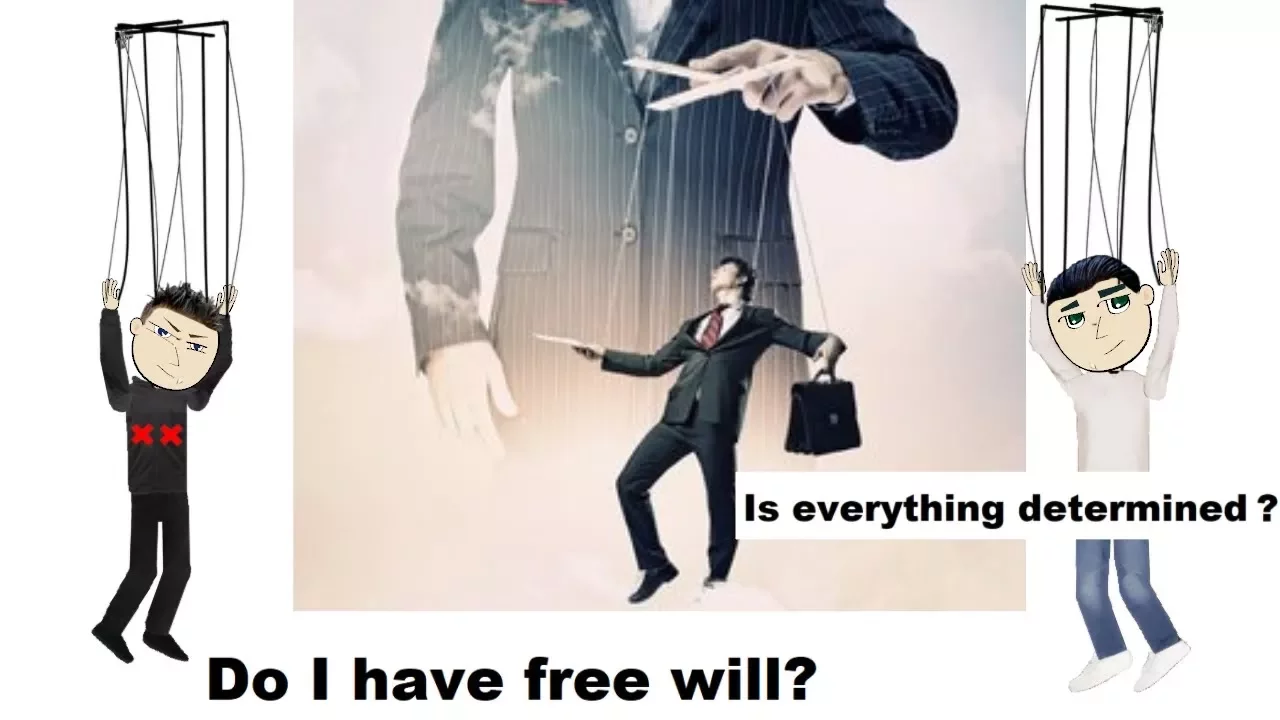
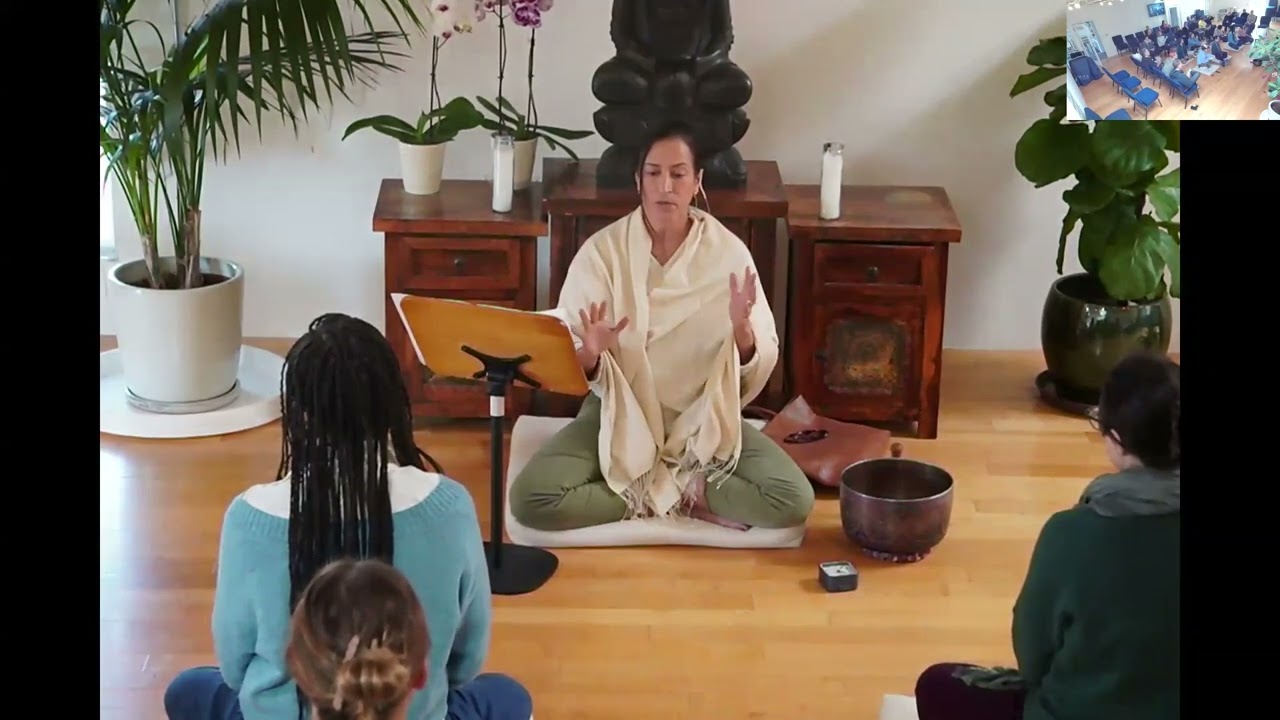





Human beings possess significant degrees of freedom worth having, which can be enhanced through practices like meditation that develop attentional skills (one-pointedness and open monitoring), enabling individuals to step back from their conditioning, decondition themselves from attachments and beliefs, and cultivate genuine agency over their behavior and decisions.
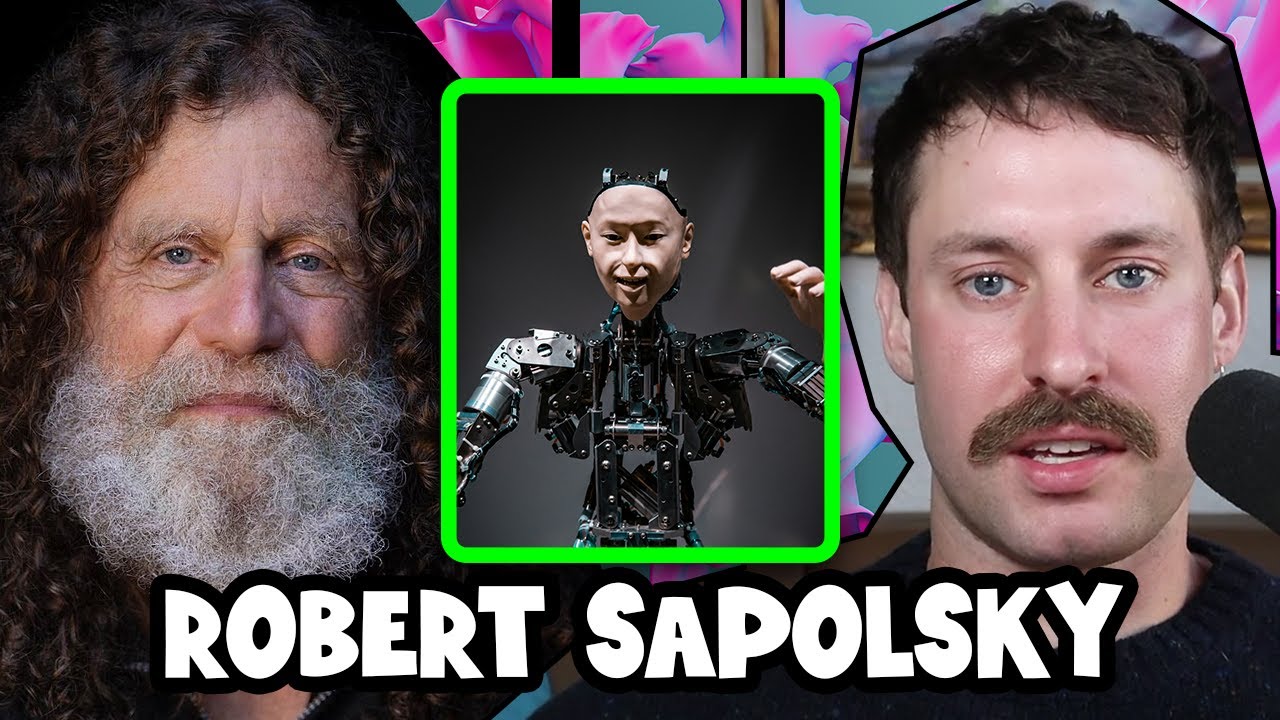
Free Will vs Determinism: A Philosophical Critique of Sapolsky
Added:The core arguments of hard determinism, particularly Robert Sapolsky's neurobiological perspective that all human behavior is predetermined by prior physical causes.
The fundamental definition of Compatibilism, which posits that free will and determinism are mutually compatible ideas rather than inherently contradictory.
Basic concepts in the philosophy of mind, specifically the relationship between mental states (decisions, intentions) and physical brain states.
An introductory understanding of cognitive neuroscience, including how executive functioning, prefrontal cortex activity, and self-regulation operate.
Advanced studies in Buddhist philosophy and modern phenomenology regarding agency, selfhood, and the nature of conscious attention.
The legal and ethical implications of free will skepticism versus compatibilism on criminal justice, moral responsibility, and punishment paradigms.
Scientific research on neuroplasticity and mindfulness, specifically how voluntary mental training can alter neural pathways and enhance cognitive liberty.
The 'free won't' concept and neuroscientific critiques of Benjamin Libet's experiments on conscious intention and motor action.
720 views26likes1:05:42Original Release: 2024-02-29
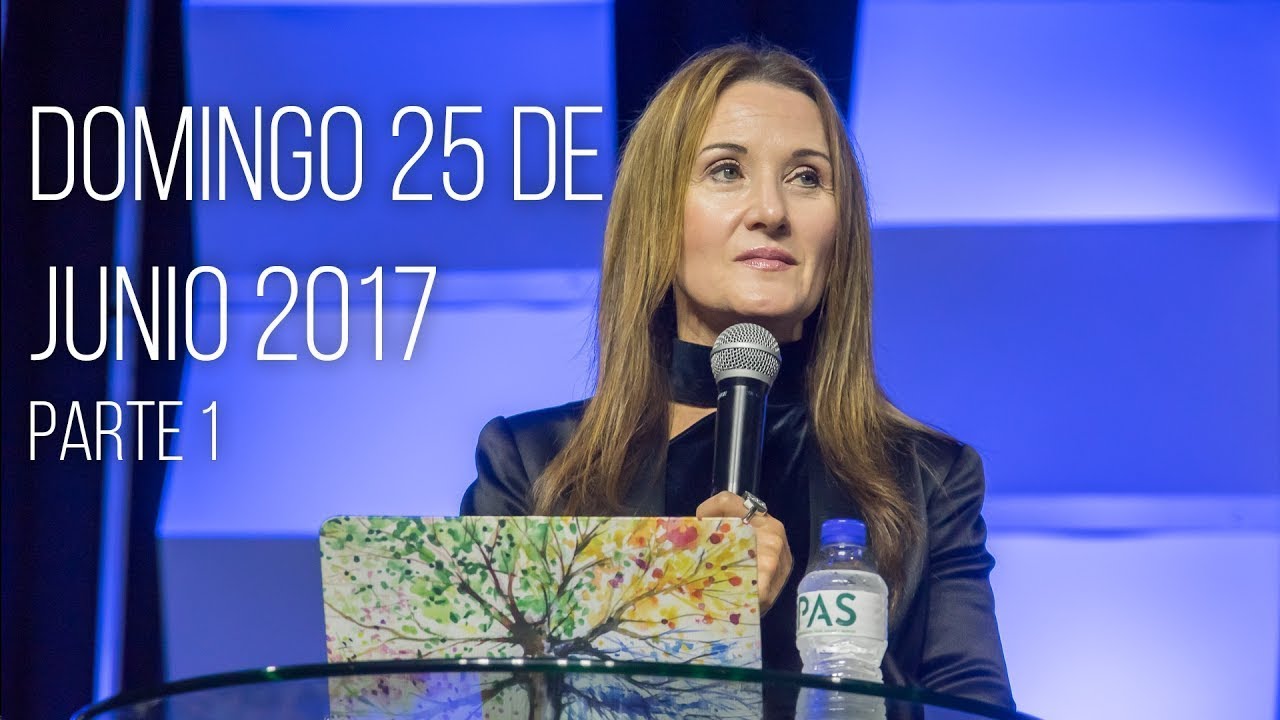
thank you for joining me today Rick I appreciate you making time because I suppose as I was saying before I I need your help in a sense you're uh philosopher you've published books on Free Will and meditation many papers you did your thesis on it and there's a big popular movement at the moment of Free Will skepticism and this guy Robert spolski who has been doing interviews every 10 minutes apparently in every major news uh outlet and kind of steamrolling people I suppose with a very incredibly simplistic argument that I I tried to distill which seems to be just that things happen before and that's what happens now I don't know so I wondered maybe to start off with what what's your take on sapolsky's argument what do you think of it well I um confess that I actually quoted him in my dissertation I don't remember I have to go back and look it up but uh um I remember thinking you this was you know when did I finish that in 2005 so this is a while back so I don't remember exactly but um I remember there was some arguments that he made that I am you know used I appealed to some of his um research to justify belief in Free Will back then so and this this turn of events with him now I'm a little surprised yeah it's difficult to is still his argument um I forget how many hours I did the audio book version of um whatever that book is called determined something or rather the science of living without Free Will right off the bat the this this um way of defining you know your title tells you something he's presupposing that science supports that we don't have free will that's number one and so he's just going to tell us how to live without it um that seems a little premature to me um you know people who specialize in Free Will are still debating this matter um he's a biologist he's not a philosopher it's okay you know some scientists are can be quite gifted as philosophers naturally but yeah he throws in the kitchen sink about science and kind of there's an ellipsis there in his argument I don't know what it is but scientific determinism premise therefore no free will um and then uh he also has like maybe a footnote about well even indeterminism um he's done a lot of the reading he he references a lot of the you know key players in the in the in the area but he'll go on and on for hours about you know like neurons firing and all this kind of thing and and it's as if because there is so much deterministic mechanistic explanation that's so successful in the sciences that seems to be his premise therefore there's no free will um it's a simplistic view there's a lot missing in there and whenever he gets close to filling in an ellipses it doesn't work like one of the things if if you try to say what's the premise what's the strongest premise that leads to this conclusion for him he's got some kind of idea that if you had a single neuron that wasn't determined then you could have free will I remember him making that argument at one point and like what does that even mean but and then he also argues that you know indeterminism won't get you anywhere um I I can't make heads or Tales out of his argument um I mean another way of putting it maybe would be this he simply presupposes a kind of um reductionism and physicalism ISM everything is physical anything that exists reduces to what's physical everything that's physical is deterministic footnote some things are indeterministic but they can't get you anywhere and this is a classical argument um peroom and Caruso and others you know uh even Ted Hond I think years ago um made the argument that if there is genuine metaphysical indeterminacy at the you know Quantum level it's so infinitesimally small that it would cancel out before it ever arose to the level of a neuron um and that to me is also kind of um premature empirically we we don't have the empirical evidence for that number one number two chaos theory undermines that idea because you know the snowball rolling down the hill can cause a boulder which causes an avalanche and you know so like micro things can affect macro things um no matter how small they are initially butterfly effect and all that so that's a kind of bluff um but he doesn't even go into the arguments well uh about the fact that indeterminacy couldn't be sufficient for free will you know one of the things that's missing one of the things that many people who make that argument tend to ignore and I'm now like putting more words into his mouth because I'm talking about what he ignores yeah I think we'll have to give him a bit more to be honest then he he gives out because it's a broader position but he really doesn't doesn't justify the philosophy at all um which is really weird but I yeah because it's kind of this Newtonian causality that it's a billiard ball caus and effect just there's some unexplained cause at the start maybe the Big Bang uh this has just caused a kind of ripple effect of dominoes falling over and we're just somehow in that but it doesn't really explain how we could become aware of that and how becoming aware of that wouldn't afford US certain ways of changing it I mean I don't know surely if we were just this wave of causal dominoes we wouldn't have self-consciousness we wouldn't have reflects of the ability to modify our behavior um and that all seems unexplained but I suppose that Newtonian model which did split philosophy in terms of you know day cart and the Enlightenment and empir versus rational like that was a big deal philosophically with the question of free will and you know materialism how we could have a soul or a spirit or um that kind of split philosophy in a way so I wonder do you do you see that is he just carrying on that Legacy of like oh yeah this is true this is how it happened here's the consequences of that thinking yeah I think so yeah like like I said um a little earlier you know maybe putting too much thought into his position but on analysis it seems to be very simple physicalism is true reduction reductive physicalism is also true ero there's no free will everything is mechanical causation given the initial conditions and the laws of nature this is the consequence argument uh that van inwagen makes very clearly given he doesn't even quote van inwagen but given the given the initial conditions whether it's the big bang or something prior to that if there is such sense to be made about the word prior in connection with the big bang if the Big Bang is what actually brought into existence time and space uh you know whatever but given the initial conditions or at any time in the history of the universe given the conditions you know the particular location and trajectory of any every particle in the universe and the laws the next state is necessarily uh going to happen and the state after that and so on so given the past and the laws the present state which includes your free freely chosen you know freely willed decision and so on it was inevitable it was unavoidable there were never any alternatives there's only one historical trajectory of the universe like a series of dominoes and so you couldn't have done otherwise um and therefore be because the and this is one of the um almost everything that I just said is as you know disputed by philosophers but if our our kind of pre-philosophical conception about what it means to be a free agent is that I did X but I could have chosen not to do X I could have done otherwise right if that's let's say one of the libertarian conceptions of free will the freedomist views if that's what you mean by Free Will and determinism rules out all the Alternatives but the one that's necessitated by the past and the laws then you couldn't have done otherwise if being able to do otherwise means you have free will you couldn't have done otherwise then you don't have free will but as you know there are many different conceptions of of Free Will that's number one number two when they have that footnote about indeterminism oh even if indeterminism was true a random Choice isn't going to give you free will because you can't control the outcome of a random choice right well what that what they ignore when they focus on the argument that way is that even if one particle in the universe changed because of Randomness out of compared to that consequence argument model pass the laws one one trajectory well no things would change right so if there's indeterminism that that nightmarish vision of being locked into one future falls apart it collapses so indeterminism defeats the consequence argument and most philosophers don't really appreciate that fact uh most philosophers who are free will Skeptics I should say they focus attention on the fact that okay if we're going to let Randomness into the system they it's almost like a straw man we're only going to view Randomness in the system as your choice was completely random and therefore it completely random then it wasn't up to you okay sure but Randomness in the system defeats the consequence argument and then the question is well on the basis of what did you choose and there's so many different models of that and he doesn't really go into that at all he has a very simplistic conception I think he's mostly has the conception of Free Will where you could have done otherwise nothing determined what you did and so look I've got tons of evidence about how all your neurons are determined from biology and Science and whatnot and just hours and hours of him rehearsing the science as if people are ignorant of the science and once they hear the science they'll go oh I guess I don't have free will yeah but this kind of apply class an idea that like if we had if you could just figure out the any of the conditions of the universe at a time you could predict everything else it kind of gets rid of like uncertainty in a way it's a weird third person perspective on ourselves because I think Consciousness is presented to us as the default we're aware and that we seem to be making difficult decisions and choosing and trading off between things so really their position is that that is an illusion and that the really real thing is this weird Immortal third person you know wave that somehow we can know about but not change in a way it's like a cosmic prison or something um that we can know we're prisoners within but not change and so I yeah it's really unusual I think even psychologically like why he almost takes like this spiritual stance on it that's like yeah we just need to like accept it but I feel like like if you can accept it that's doing something like that's actually an action there's a performative yeah there's a performative contradiction in this position constantly I mean that's all they do like well what's the model dennet Daniel Dennett in Elbow Room 1984 excellent book compatibilist he talks about I forget how what he calls it but I'm calling it like a cosmic rewind thought experiment where if you could rewind the universe if it's deterministic back to the beginning and press the play button again like on a DVD just like with a DVD every time you replay it you're going to see the exact same things happening so if determinism is true we're stuck in a cosmic DVD um and if you rewind it and replay it a million times every single time the choice that you thought was sort of random sort of up to you will always come out exactly the same just like a DVD and that's that terrifying vision of the consequence argument like I'm I'm stuck right and then it makes a good analogy with um a wasp that he nicknames Spex has a longer Latin name I don't know if you remember this experiment this thought experiment you says Spex digs a little burrow like an L-shaped burrow stings its prey like a cricket or something with paralyzing um poison that just disaffect its um motor nervous system so it can't move but it's alive so it stays fresh and it'll pull it to the edge of the burrow it'll go down and look at the angle in the burrow to make sure there's no other predators in there because it was away from the burrow and then it'll come up and pull the the um prey down put it in there and either store it for food or insert its eggs into it or next to it and and its eggs when they hatch will eat that that freshly that that fresh food right it's really gross but you when you first hear about it then it says wow it seems really brilliant and then he says but scientists when Spex goes down they'll move that prey over one inch or 2 in and so when Spex comes up it'll see that was moved it'll go get it and pull it back now it had its back to the burrow so it'll intelligently again go and check because while it had its back maybe it was being set up by some other kind of Predator right and you go wow that's really super smart um but if you keep moving the bug a thousand times in a row to prey Spex will just pull it back go check pull it back go check pull it back and now you go oh Spex is stuck in an algorithm it has very simple stimulus response it's programming and and and and then it says when you look at the cosmic rewind thought experiment you realizing that you're like specs only you've got some more programming you've got more stimulus response programming and that's this terrifying Vision right that we're robotic we're mechanical we have no control it's going to be one way and that's it um yeah I think that's the vision though that is that's that's the frightening Vision he doesn't seem to differentiate between specs in this case and human beings like we are the same it does Den it does but supposedly doesn't but supposedly doesn't yeah it seems that we're just these reflexive like it's all reflex all down there's no voluntary action and um that seems really strange when you think of the qualitative differences between a person and uh wasp um yeah well as the compatibilist is saying that well look we do have a lot more programming we do have a lot more that Evolution has given us so even if we have a bunch of these algorithms built into our you know genes and whatnot our culture and everything else there's so much much of it that we're functionally equivalent to flex rather than spec we've got real we've got real Alternatives and and thenn it makes a big point of saying that people misidentify or mis associate or they conflate determinism with inevitable ISM and when we can anticipate an outcome that we don't want we can bring it about that that outcome doesn't happen we can foresee the outcome of our choices we can foresee things coming and we can do things that will prevent that from happening um even if the world is determined so dennit is saying even if determinism is true we have enough going on that makes us functionally it's almost as if we're the same as the libertarian agent um even if determinism is true because we've got all this other all these other abilities we can pause we can reflect we can anticipate we can weigh our preferences we can up value something and down value something we can almost rewrite rewrite a lot of our own algorithms so to speak so we've got all this it's a like you could imagine how could you build a robot that had autonomy you'd have to give it almost all the abilities that we have that's another way of thinking about it um so we're biological robots but we still have this reflective ability we have options we can pause and this is something that um my work on meditation and agency I make a big deal out of so we are biologically and culturally conditioned right we're genetically conditioned we're environmentally conditioned we're conditioned by all sorts of experiences to cultivate a kind of a set of these algorithmic responses that we have or conditioning but when we practice things like meditation we we kind of Step back and study and reflect on all the things that cause our behavior and we can decondition ourselves from various of them our attachments our beliefs our values we have the ability to completely reprogram ourselves well maybe not completely we have limitations like we can't fly at will but you know but given whatever the limitations are that we have we can still do a tremendous amount of uh rewriting of our own program so to speak and you know one of the things that I'm jumping around a little bit because there's so much and and this this spolski guy he kind of drives me crazy yeah well I think we're looking more at the positive side as well I I like moving into now and I are right now account of his his take a better one I think than he presents so I think moving into the sense of why that's not accurate is is where we're going um at this point I think the meditation and the self-conditioning is is really something that in your work is is so key and um really yeah I I suppose tell me a bit more about that and for people listening I'm sure that's welcome information yeah so what I often do to make this clear is to contrast it with Galen strawson's impossibility argument as he calls it and strawson says well first let me back up um the the um dennit is a compatibilist and spolski and others are incompatibilists so compatibilism or incompatibilism is traditionally and for the longer time historically was about whether or not free will is compatible with determinism but then with the quantum Revolution people Defenders of Free Will started thinking oh good you know death to the consequence argument if there's indeterminism and then the Free Will Skeptics came back and said well no because if your choice is random it's not up to you the outcome is beyond your control you can't say you're the author of it so that's not going to help you okay so then that's called that's another kind of incompatibilism free will is incompatible with indeterminism and then some philosophers like darkk paroom and Greg kuso combine those two right there two kinds of incompatibilism it's incompatible with determinism it's incompatible with indeterminism we call that hard incompatibilism right so um and the argument is very simple if determinism is true there are no Alternatives alternatives are required for free will therefore there's no free will if indeterminism is true it's totally random you can't control the outcome of random process therefore there's no free will thus either way whether determinism or indeterminism is true you have no free will that's the hard and compatibilist arue argument I call that the optimist's Dilemma because the optimist about Free Will is someone who believes in free will this is the Dilemma that you know the critic poses I flip that argument and I I say well you know what there are entailments in both of them that are being ignored just like I said focusing on just one neuron and not being determined this you kind of um create you're you're you're framing the salience of what seems to matter in a misrepresentative way you're ignoring important Alternatives so I flip that and I come up with a pessimist dilemma um and it goes something like this you I flip the entailment so if determinism is true then well see if indeterminism means that it can't be up to you then determinism means that it can be up to you right I have no control over the outcome if it's random that means if it's not random theoretically it's it's possible that I could control it if that doesn't make sense then the original argument doesn't make sense it has to be that this there's a contrast of meaning like if there's something tall there has to be something short you know this kind of thing so and I do the same thing with indeterminism um if determinism means that there are no Alternatives and therefore no free will in determinism means that there are alternatives and therefore Free Will is possible and therefore whether determin or indeterminism was true either way free will is possible not that it's true but that it's possible because the first argument says that it's impossible either way and I say it's possible either way now stra this is a background now straon comes along and says it doesn't matter whether the causes of your behavior are deterministic or indeterministic not because determinism leads to no Alternatives and indeterminism leads to no control but because your choice is always a function of your mental state at the moment of choice or the moment just before your choice what determined that your mental state was the way that it was doesn't matter if it's deterministic or indeterministic right your choice is always a function of the state of mind that you're in the moment that you make that choice and the moment before it which influenced it or condition IED it and he says you can't be ultimately responsible for how you were in a given moment unless you could be responsible for how you were all the way back to the very beginning of your existence and unless you could create yourself from nothing if you could create yourself ex niilo you would be a caasi a self-caused being like a prime mover unmoved or something like and unless you could do that you've been conditioned throughout your existence and the conditioning whether it's deterministic or indeterministic that's what's more responsible for the state of mind you are in when you make a decision right and ultimate ultimate and this is a lot of weight put on this word ultimate you you lack ultimate responsibility for yourself if you can't control how you became the way you are and therefore you don't have ultimate responsibility for what you did it's an argument is against moral responsibility and the intuition so strong about moral responsibility you know you think about a criminal and what are the conditions that led to his behavior and then judges you know compassion we have to take that into account and so there's this idea that unless you know unless you're 100% responsible for what you did you it's not entirely your fault that you chose what you did right so that's the intuition okay so he's kind of trying to bypass the version of the Free Will skepticism that rests on the inference from determinism or the inference from indeterminism and just do this more abstract generic thing about being conditioned and caused in any which way all right so and his conclusion is Ultimate moral responsibility is is impossible and then going back to Kant who made this very clear there's this very strong intuition that Free Will and moral responsibility are completely interdependent so if you lack moral responsibility you lack Free Will why because for you to be completely responsible you have to have had total Free Will that's the intuition some people challenge that intuition but we'll just hold it for now all right so in the same way that I flip the argument against um the hard indeterminist I flipped the argument against the impossi which is straon and I say and that's that's when I appeal to meditation I'll also appeal to Cain Robert Kane who's a Libertarian I was going to mention yeah self forming actions and yeah C makes the argument that and this is a way of Def of of resisting hard indeterminism hard indeterminism is the idea that indeterminism is incompatible with free will because you lack control over the random processes and everything but what kan's argument is and one of the ch es against Libertarians those are the ones who believe in the strong version of Free Will where I could have done otherwise that view I lost that particular train of thought so I'm just going to go back to Kane um yeah so you're talking the hard indeterminist position um the Kane is responding yeah yeah yeah oh right thank you thank you yeah so for the longest time Libertarians Defenders of strong Free Will were critiqued that they didn't have a coherent working model of what that would look like how could that be what do you what do you prime over on you're like a little God right that's absurd that's incompatible with science you know so for the longest time the biggest weakness of libertarianism was that the absence of a working model and just like what did they rely on intuitions from religion and morals and from phenomenology I feel like a free agent I seem to be deliberating uh religion requires it the justice system and ethics require it etc etc etc but we don't have a working model what how what explains how those choices are actually free so Kane is one of the first to come up with a good well good enough at least initially praasa some plausibility to this model although critics say it's empirically implausible but the model goes something like this a young child at the first time that they face a torn decision mhm right so like I want to do X but I know that's bad but I really want to do it or whatever right some kind of conflict like that he says in theory it's possible that well first of all both of those desires are the agents right so even if there's some kind of coin flip going on in their psychology whether it's heads or tails heads and tails both of them are the agent's own desires so they are sourced properly they're sourced in the agent this is the source version of autonomy it has to come out of me right so they're both versions of me the agent is struggling which me do I want to be right and the very first time that they make that choice that's the actual first expression of their real agency they're creating the kind of self that they are and he calls it a self- forming action and he says empirically it might be the case that the brain is in some kind of boran's ass type situation um for people listening boran's ass thought experiment says that like a donkey um who was thirsty and hungry and was equally poised between water and hay if it didn't have some kind of coin flipping function in its head it would starve and and die of thirst because it would be immobilized in between the two things right so when we're when we're stuck and we have to pick a random choice so there's a good place where Randomness might help you right there's a there's a spot where Randomness is not a bad thing it's it's a feature not a bug if you have a Randomness generating function in your psyche good for you you won't be bed in's ass right so Cain is uh Taps into that idea too he's but so there's an element of Randomness perhaps because it's not determined but in the very Act of picking one over the other that's the expression of the agents Agency for the very first time he calls it a self-forming act SFA so and and it's like the Quant what he says also about the empirical part is that it might very well be that the tension equalizes the quantum forces in the brain so that it it might have been determined if one of those desires were stronger than the other but because it's a torn decision they're equalized and so they kind of cancel out the deterministic force it's not the deterministic force of either one of them that led to the outcome because they're equalized so it's a kind of quantum Quantum indeterminacy in the brain and the agent is creating itself in the act of collapsing that wave function kind of thing between those two options right self-forming action now I say leave the empirical and the metaphysical aspects of that aside for the purpose of my argument but you could take that or leave it include it leave it aside I like to make reference to it for the following reason so we certainly engage in some kind of self-forming actions throughout our lives and whether or not only the first one matters or every single one of them matters right these are kind of empirical and metaphysical questions that are complex but what I say is when you practice meditation you are looking at your own conditioning your attachment to your desires and your values your your beliefs your goals your self-images and all that stuff and you're you're able to step back see the attachment and choose to detach okay those choices are made within a context of beliefs and values and desires also but they're more reflective but what you're doing is you're disentangling and you're engaging in what I call self unform actions and every time you engage in a self unform action you're creating a new kind of self so they're both self un forming and new self-forming and we engage in this sort of thing intentionally when we have a serious meditation practice but many of us engage in those kinds of decisions when we change and transform ourselves throughout our lives through any kind of activity right so and it doesn't seem to matter whether determinism or indeterminism is the case right in the same way that straon says it doesn't matter right because you your conditioning is causing it well it doesn't matter if your conditioning was deterministically or indeterminist IND deterministically generated it doesn't matter equally if your uncond conditioning was deterministically or indeterministic generated you're still deconditioning and uncondition so that's that's the kind of argument that I make and and what I because hard like hard determinism is the view that determinism and Free Will are incompatible soft determinism like denn it is like no determinism is true but it's still compatible with free will hard indeterminism is the view like um peroom and Caruso and others that says if indeterminism is true because of Randomness you don't have free will but soft indeterminism is Libertarians like Cain who think even if indeterminism is true you could have free will so when you unite the two incompatibilism that's called hard incompatibilism right it's just the hard is the stronger scientifically minded you know the hard sciences that word does a lot of work um psychologically uh I want to be someone who's not afraid to face the truth so um I'll go hard you know I I guess I'm a softy um on some level because I unite soft determinism and soft indeterminism ISM and u i i form soft compatibilism that's just the name of my view that free will or agency is compatible with determinism or indeterminism it's compatible with conditioning deconditioning it's compatible even with manipulation with all sorts of things in theory so the manipulation argument also from Dirk peroom is also called a four case argument I think sometimes it's called The Mind argument because it occurred in the journal mind and got a lot of there something yeah with the because that's that is tying into something which I'm thinking which is the this kind of model of a dialogical self the libertarian Free Will seems to have this kind of monatic self that's just like a homunkulus that's deciding from above that's super hard to explain and just doesn't really hold up but if you have a model of a more dialogical self where we have these competing desires I'm thinking almost of like Plato's tripartite model of the person which is that you have like a human you have this short-term sence monster and then you have this social lion and that they're all trading off with each other they have different goals they have different motivations and it's through the balancing of these goals and motivations that we actually shape our actions and what we're doing it's there's that inner competition of motivations which is really an outer one I suppose to have an optimal grip on a changing environment um creates the impetus for us to make these trade-offs I mean because the sosy thing as well it's like if we could just reflexively do the right thing every time that would be great like if we were just you know perfectly like meeting all of our needs and everybody else's needs and it was the best Society ever and we didn't have to do anything that would be ideal really for us like but it doesn't seem to work like that uh within us or with other people um so I wonder what you think about the dialogical self and the kind of motivational and emotional competition that goes on inside of us being important for agency well that's that seems to be a kind of um empirical fact right that we are complex beings that we have all these different dimensions of ourselves there's no doubt about it um yeah Plato was brilliant in that regard um this whole issue about what the self is that's that's another complicated topic so we're diolog beings I would say for sure and whatever the self is that's a complex different question like what's the difference between a person and a self self is some kind of aspect of the person which is connected with its own identity and its agency and all that but but uh regardless of the metaphysics I I think you're on to something and it seems it it rings true for me and in my model all of those aspects of one's being one's self one's agency one's emotions desires beliefs self-images models of self and other all of those things are significantly interconnected causally and shaped by and and shaping each other and all of that and yet the um the model for decondition iing that I associate with U on like say let's say the most effective level is this ability to step outside of and look at all of that and Tinker with it and see how it works and what parts of you are um in harmony out of Harmony competing with each other self-defeating uh you know or what processes are um there are opponent processes there's things that are you know feedback loops that become negative that become positive or what do John fi call them reciprocal opening versus reciprocal narrowing and so yeah like we're multiply complex beings um and to me and I think this is true in Buddhism even though ironically a a largely popular narrative in Buddhism is that there is no self well I think maybe if you say there's no homunculus monad self right uh if that's what the Buddhists mean then that makes a lot more sense than saying that the collection of these processes and this dynamic autopoetic system lacks any kind of Integrity or agency that's a mistake and I I don't I think that if Buddhism is saying that then well on some level that system is not owned by a monad okay but that doesn't mean that the system itself doesn't have uh all these kind of U abilities that we associate with agency I don't know if I'm answering your question no and it well because autop pesis as well it seems to be so Central because like a lot of the research I'm doing on attention involves attention as selection for Action like so it's like the selectivity of attention is involved in the tradeoffs between and I've heard Veri say before that that he identifies the self with wise attention with and what we're talking about meditation mindfulness this capacity to pay attention to how you're paying attention and to use that to change your patterns of attention affording you essentially agency um and so I yeah I think the attention thing Buddhism is a great example obviously because mindfulness is so important to it and um stoicism too ISM as well yeah Pro So Pro KY and this kind of again yeah attending to your attention and how you're framing situations as as the kind of foundation of of building agency which and I I have no problem with that like that agency is something that can be developed like we might not have default as much agency as we could like right you know we can live very low agency lives but then by engaging with it we can make it better and spolski again doesn't seem to you know recognize any of that but um does that land with you in terms of like we can enhance our agency absolutely you know yeah look this is this is the I suppose the kernel of my argument in my work on Buddhism and Free Will or meditation and Free Will is that when you practice meditation one of the the two basic skills that you're practice practicing are one-pointedness and open monitoring and one-pointedness is focusing on any subset within the total field of your awareness like your breath a sound whatever doesn't matter you bring your mind to a Target this is a primary object that you choose to focus on your mind wanders you you notice that it's wandered and you return it to the Target and every time that that happens this is a rep a meditation rep like a weightlifting rep you're building the ability to do selective focus like what you said the selective attentional focus it's an exercise it's very simple and the other one um and there are different ways within like meditative Traditions to describe these two things so um make a nod in the direction of that I'll say a little bit more about it and then kind of set it aside because I don't think it anything I'm saying hinges on those disputes about how to understand these two things the other one open monitoring is when you are just um attending to the entire field of awareness and noticing whatever is popping in and out of your attention your salient's landscape or whatever and you're noticing also maybe things that are in the background behind your salian landscape and that are emerging into it and whatnot so you're kind of taking a global thing and what I like to say about the two of them is that in a in a way they're two aspects or modes of the same attentional skill looked at from a a larger perspective so if you just use a metaphor of like um a dart board with the circles right the bullseye is the Little Dot in the center one pointedness is focusing there and your mind wanders out to another Circle and you notice it and you bring it back in and those circles represent all the different aspects of the self that we were talking about the lion and what whatever right um the larger one the Outer Circle on some level open monitoring is looking at the whole dartboard all the levels and wherever anything is happening anything that's appearing or disappearing now when you're trying to do the open monitoring you want to keep this kind of global attentiveness and then what happens is some local phenomenon pulls your attention into it and you get lost in a train of thought or a pain in your knee or rumination or whatever it is sound you hear a conversation what and now you've gotten drawn into a narrow focal range when you realize that you come back to the broad focal range that's the same skill only in reverse right so and then then there's another some people call open monitoring mindfulness some people will say oh mindfulness of breath which is really one-pointedness if you're just focusing on the breath but then another another dimension of it another aspect of it that I'd like to bring in from the other ways in which other Traditions talk about it is if you're focusing on that little circle in the middle the bullseye right that's one pointedness um if you're focusing narrowly on the bullseye let's just say right so you want to keep that range that you want to keep that Circle as your focal range so that's a range control muscle that you're cultivating but within that range how bright is the light of attention how luminous how Lucid how present is your mind about what it is that you're looking at so you might want to think of like a flashlight that you could adjust the lens so that the circle of light on the wall is bigger or smaller but then then how bright is the light right if you have another Knob that you could make it really bright right so mindfulness is a kind of total brightness that you cultivate the more that you practice this right so both of those just different ways of but all of those skills they're all attentional skills attentional selective or non-selective attentional Focus right depending on how you want to phrase that the semantics make it seem like there are two different things but on some level they're not narrow or broad narrow or broad it's still focal range right focal range control right and then attentiveness within the focal range and steadiness and so on so those are the like the key muscles of agency I think those are Central muscles of agency and the more you practice them the more all the other aspects of your agency can improve because even even your perceptual Focus you know deter what you're focusing on engaging in the in the world significantly engages you and feedback loop feedback loops with everything and triggers your emotions your desires and all that the more awareness that you could have about every one of these aspects you can you can extend those abilities into every aspect of the multiply um faceted being that you are you know the animal the ETC you know all the different dimensions that's the way that's what I think and what I say in in my writing on Buddhism and Free Will is that the more you practice this over time your agency clearly grows big time serious meditators like the Buddha let me quote the Buddha I forget where the passage is from but I I can find it for you later and you can put it in the show notes um the Buddha claimed that he was so good at this that he could think any thought he wants to think or not think any thought he wants not to think he can have any resolve he wants to have or not have any resolve he doesn't want to have and I would extend that to any emotion desire perception you name it to whatever the degree of possibility of volitional or voluntary control over and yogis cultivate parts of vol control over somatic processes that ordinary people can't like their heart rate their brain waves their galvanic skin response the body temperature you name it there's so much more in the system that's amenable to this kind of agent agential control through practice over time than the average person like you said and from the Buddhist point of view the average person is very low agency mostly determined by the conditions they find themselves in so for all intents and purposes it's as if they are hard determined but they always have the possibility of freedom because they have these capacities that just need to be cultivated and first thing that the Buddhist say is hearing the Dharma by learning that you have these abilities then you notice them um and then you can start to cultivate them so most of us are walking around as if we're hard determined or somnambulists right we're just kind of dreaming our way through conditions in life and that's why Buddha means awakened he he he figured this out he realized that and so although your agency can become almost Titanic if you're a serious hardcore meditative Yogi you can cultivate all these almost Titanic forms of agency at the same time the conception of yourself as that monatic homunculus goes down your model of agency becomes much more flexible and fluid Dynamic processual all that sort of thing so ironically as your agency increases is your sense of yourself as a separate agent seems to go down because you recognize the interconnectedness of all things and how malleable and flexible everything is and you don't think of yourself as a distinct separate self um so it's a kind of weird inverse relationship your agency improves but your sense of yourself as an agent kind of diminishes in some way you know yeah that's so I mean there's so many threads there in ter there was what what you're saying about the two typ of attention really maps on to the this thing with having the task Network and the default mode Network that's one for gold directed attention the other from mind wandering and that their opponent processing with each other all the time and trading off and you're focusing for a long time and then bam suddenly your mind wandering and then you're trying to refocus again and Ian mcgilchrist actually Maps those on to the left and right hemisphere the brain that that was what drove the evolutionary or the evolution of the two hemispheres he says he describes it as the problem that a bird has when it's foraging for berries but also having to simultaneously look out for Predators so in one sense it has to be it's a bad case of patting your head and rubbing your tummy because you're trying to focus very much on this narrow Pursuit but also at the same time there's loads of other factors that you need to be aware of and it's it's like we've developed these traditions in order to optimize for that attention for the way of being able to develop attentional flexibility and like you were saying about the Reps and there's also something there in the imaginary attention because this counterfactual processing of attending to hypothesize future States imaginary states that we can then entrain motor responses to make actually happen is also attentional in a way it's like it's another layer of imagination or attending to imagination that becomes motor functions so I I really think this is the place where it's all happening yeah that's all very interesting and I'm glad you brought up the imaginal in counterfactuals because in my in my dissertation I have a whole chapter where I talk about as primates we simulation we simulate monkey see monkey do uh there's gays following so even human infants and other primate infants if you make eye contact with them and then you look the side they will look to decide this is obviously has evolutionary value because if one of our members of our species detected something over there it could be food or it could be a predator right so having that as a built-in thing those those organisms that have that live longer than ones that don't right so but those are like at the root of what is it called shared attention and shared intention right and so and those involve simulating other minds or folk theory of of mind um you know theory of mind but you know simulating other Minds so simulational skills are part of our primate Heritage and counterfactual reasoning is just a more advanced version of that taking your taking your beliefs and desires offline and bringing online imaginal beliefs and desires of others in including future versions of yourself and seeing what the system will generate if you input beliefs and desires into to it that you don't actually have this is a way of you know simulating the future and whatnot and I I argued in the in the book that a good part of deliberative agency is this counterfactual imagining if I do X this might happen these will be the consequences and you know being able to anticipate a broad array of possible um Paths of action and wait them based on on likely outcomes not only externally but what kind of self I become what kind of reputation I'll develop what kind of habits I'm cultivating all of those things all the different paths when we do this counterfactual we're just deliberating it comes quite naturally to us but we're engaging in all these simulational imaginal processes and I forget the first name because there's a few philosophers named Bach b okay there's Cella Bach and I forget which Bach is was but it's in my dissertation one of them says look it's not epip phenomenal the ones that we entertain and then we we deliberate and we pick the one that all things considered is the one that we want and then we act on that that's what enacts even if determinism is true that's what brings it about that that's the path that I go down and when I'm engaged in this rational process you know I have genuine rational agency this is something that what's his name the biologist spolski seems to be confused about um and I one of the criticisms of him is that like everything he's saying on his own account is just things like enzymes in his liver manifesting through speech like what does it mean to think that it makes sense to entertain propositions and say this one makes sense and that is that some kind of liver enzyme thing happening in the brain that has nothing to do with like plausibility rationality inference you know like what what is the book supposed to be doing if it's true it's kind of self-refuting well it's also yeah because when you're reading the book you're simulating it in your mind in a way like it really is like we're using that ability to understand the words that he's written which kind of undermines it but that counterfactual thing cuz I think think that really maps on to the ADHD literature which is really interesting because ADHD obviously is a deficiency of agency in a sense that you can't do that focused attention you know you're getting caught up in whatever is going on and Guy Russell Barkley who's one of the main basically people on ADHD Le is argues that it's it's an inability to inhibit um just to inhibit Behavior which we learn like internal thought as inhibiting external speech so when we learn to inhibit motor routines it we can simulate it counterfactually it happens in our mind you don't have to literally do it when it pops into your head and this affords us that ability to simulate certain Pathways certain abstract goals run through them and not actually have to do them ourselves so we don't die so it's like that inhibiting of behavior creates the simulation in the mind that we can then leverage to choose appropriate behavior yeah one of the things that I focused on in my dissertation is this causality I didn't call it inhibition I called it the ability to take these processes or subprocesses offline or put them online so you know when you fall asleep your brain waves slow down and something in the physiology triggers the shutting down of the motor U System so that when you're dreaming that you're running your aren't kicking in your bed right so that kind of ability is related to what we're talking about with ADHD it's this ability to to um toggle online offline action sequence networks and stuff like that yeah and just like almost everything else I was talking about those are some of the any attention that you pay to how your systems are working will afford you some agency over [Laughter] it yeah and attentional deficit is totally related to I mean it's even in the name it's deficiency right so it's a weakness or a lower level of agency over these attentional skills and I think I don't know empirically that I know you're doing research on it so you could tell me but I think meditative practices would at least theoretically be good medicine for people with ADHD I've had people come to me over the years with ADHD and I've prescribed and led certain meditative practices for them it seems to be helping them but I haven't done any any real scientific research on on that topic I well I don't know but I assume that it would to be honest if you could get I suppose if they can engage in it in the first place but interestingly Barkley prescribes writing so he gets them to write down so you externalize all of your goals basically by writing them down to keep yourself accountable to coordinate your behavior across time because he time is the other key thing here that that they seem to think that we're stuck in this cause and effect kind of loop of time in spolski like that it's just this this wave so the ability that's lacking in ADHD is to organize yourself across time because to consider future obligations to plan for them to be able to actually Implement they have Prudential yeah credential reasoning is prioritizing what's what's what's more important to do now and what's worth postponing to later right there's a a weakness in that category right it's like everything's simultaneously grabbing attention yeah and that's I think that's what agency a huge part of agency is long longitudinal agency like it's that stuff that you know that's why we celebrate somebody that comes from nothing and does something really amazing and you know achieves this absurd goal and we go wow that's unbelievable like you were so against the odds here and you managed to somehow get to this place um yeah time is part of the odds there yeah how quickly something can be done yeah well I think we've gone over time here Rick but I feel uh much more I feel okay now maybe I can I can go back to the Sealy interviews and I won't get too upset because he's just been he's just flat out wrong yeah yeah I um I hope to argue with him in person one day or on Zoom I'll send a few emails let's make it happen I would I would pay good money to see that well what's his name Kurt chongle theories of everything he's he's had him on and uh he invited me to come on with Greg Caruso and debate Free Will um and I said to him well I'll be happy to do that Greg and I are friends um in fact we both got our dissertations around the same time we both had the same adviser at the cuni grad Center I was writing for free will he was riding against it and we had a free will Circle that we used to meet every week and read chapters on Free Will and debate them with other professors would come and other students it was a lot of fun but I told Kurt I'd like to also debate spolski if you could set that up and he said uh I'm working on it oh well I'm I'm praying that happens Rick because that would be yeah I would that would set things in order um but thank you very much for coming on and where can people find you if they're interested and where you work where's the best place from to look yeah my my name Rick ret.com that's my website yeah let's see let me let me say a couple of more things so I I recently finished the first part of a philosophy of meditation series that I co-hosted with John fi we had seven episodes there's only one more I think that's about to be published with Mark Miller but after that I'm going to continue the series on my own occasionally John will come if there's a guest that he wants to participate with and Mark Miller and John and I decided at the in our last um episode on that series Mark wants to do a series with me also on uh his research um and he invited John and John said he'd love to be a part of it so that's another series coming out um also at aa.edu which is the American philosophical practitioners Association aa.edu this stuff of mine I'm teaching a course there that's going to be starting in a few weeks on well we have two two new things going on there well three new things going on there one is an academy which is just for ordinary folks for Philosophy for everyday life that's new and I'll be teaching a course uh in that on Indian Philosophy for wisdom in everyday life starting sometime in March there's also an APPA Institute which is for professionals anybody who's got like a professional degree so those are kind of um a higher level kind of content in those courses some of the courses are cross-listed um right now Pierre Grimes one of the founders of philosophical Midwifery is doing a course the first session just happened already at at the APPA Institute and the academy um but also another new thing is that we're doing an apaa book club where once a month I'll be interviewing anybody in the philosophical practice space who has a book oh yeah I forgot to mention that Friday mornings 9:00 am Eastern Standard Time every week for since April I've been running a weekly meditation followed by a Q&A those are accessible only to people who are Patron supporters of John verve's patreon Veri Foundation thing at a at a low level of support but there's also um Monday through Thursday 9:00 a.m. eastern these half hour drop-ins called SEO starter Ecology of practices John is John Verve is always advocating that we need an Ecology of practices um so Monday through Thursday there's different practices every Monday it's um authentic relating every Tuesday it's journaling every Wednesday it's some kind of mindfulness thing and every Thursday it's some kind of embodiment practice and I will um as a handful of us that are alternating doing them and taking turns so and those are open to the the general public you don't have to be a patron supporter if you want to if you don't have uh any Cy of practices it's a good way to kind of jump start one um easy access to uh cultivating some kind of rounded set of practices and that the website for that is awaken to meaning onew word.com yeah so that those are nice and yeah I it doesn't say on the calendar who's teaching what so you never know which one of us you're going to get but that's another place where uh you might meet me fantastic we'll include that one as well Rick um awaken meaning.com definitely check it out thanks again for your time Rick thank you thank you was great
Up Next

26:39
Tokenized Real Estate with EstateX: RWA Insights from CMO Steve
@tonstationgames_official
195.1K views•2025-02-10

12:54
Triumph of Orthodoxy Icon: Byzantine Art & History Explained
@BenCallan
2.1K views•2024-08-06

9:49
FastAPI vs Flask vs Django: Choosing the Right Python Web Framework
@TechWithTim
302.5K views•2024-05-26

1:42
Game of Thrones Opening Credits: A Cinematic Analysis
@gameofthrones
46.3M views•2011-04-18
Related Study Plans & Knowledge Roadmaps
Structured learning paths in General & Interdisciplinary Studies
general-studies
Elevator Engineering: History, Physics & Cities
01From Hoists to Safety Brakes: The Dawn of Vertical Lift
02Hydraulic vs. Traction: The Engineering Physics of Elevators
03Modern Speed, Safety, and Algorithms
+ 2 more learning modules
12h5 modules
Explore Roadmap
general-studies
Rubber: Material Science, History & Geopolitics
01Origins of Natural Rubber & Mesoamerican History
02The Chemistry of Natural Rubber & Vulcanization
03The Geopolitics of the Rubber Boom & Colonization
+ 2 more learning modules
12h5 modules
Explore Roadmap
general-studies
Containerization: Evolution, Logistics & Trade
01Ancient Trade & Bulk Cargo: Amphorae to Barrels
02The Industrial Revolution & Cardboard Packaging
03The Containerization Revolution: Malcom McLean
+ 2 more learning modules
12h5 modules
Explore Roadmap
general-studies
Textile Tech: Evolution, Labor & Global Impact
01Pre-Industrial Textiles: Handloom & Cottage Industry
02Mechanization: The Spinning Jenny to the Power Loom
03The Factory System & Global Labor Transformation
+ 2 more learning modules
10h5 modules
Explore Roadmap