






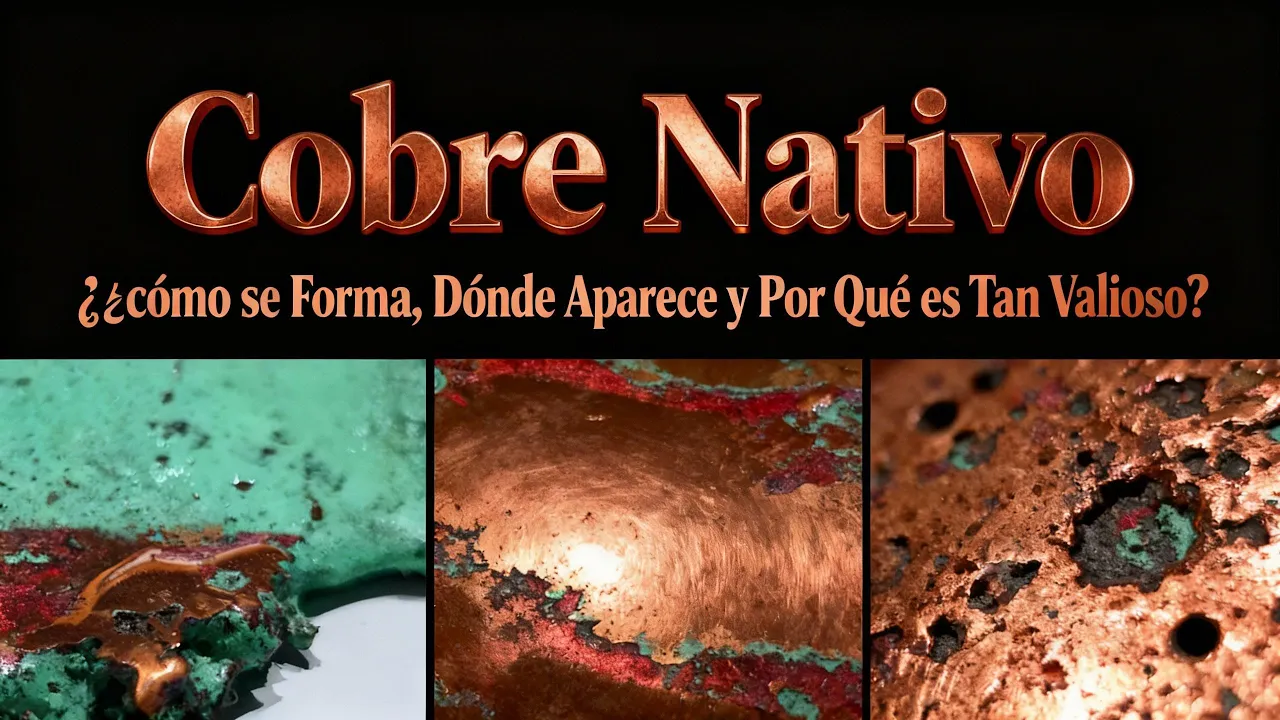



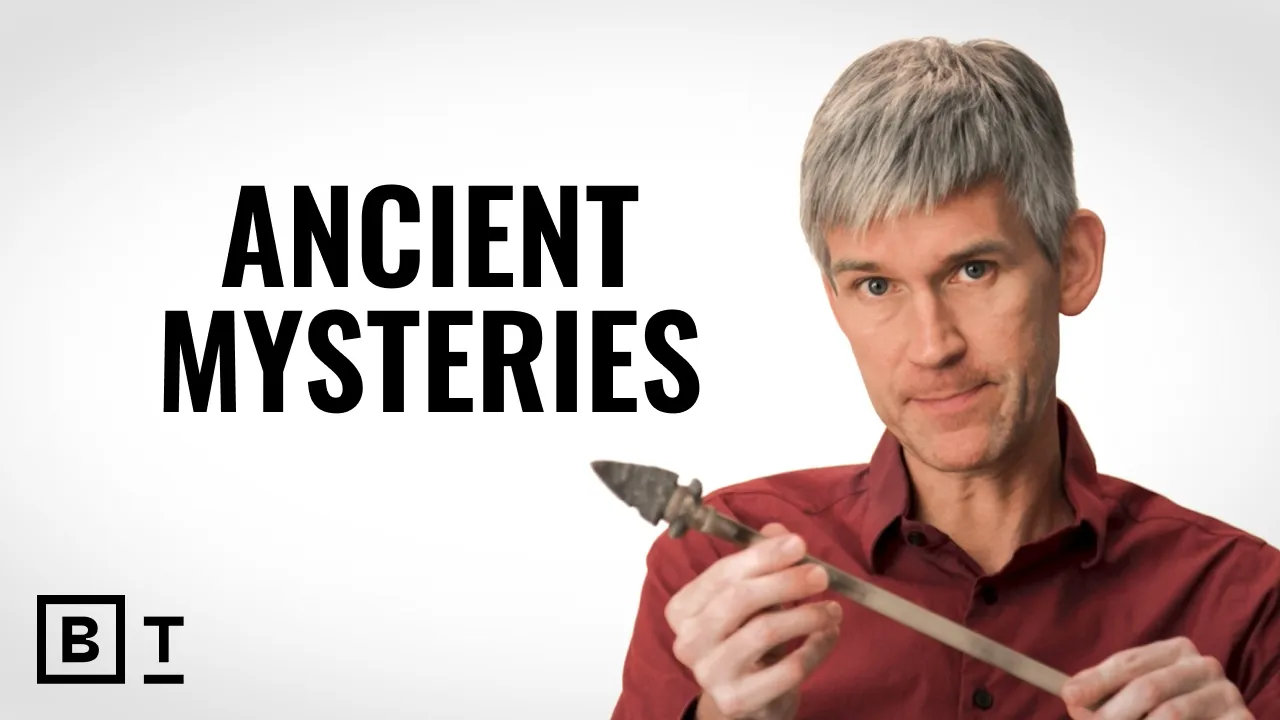





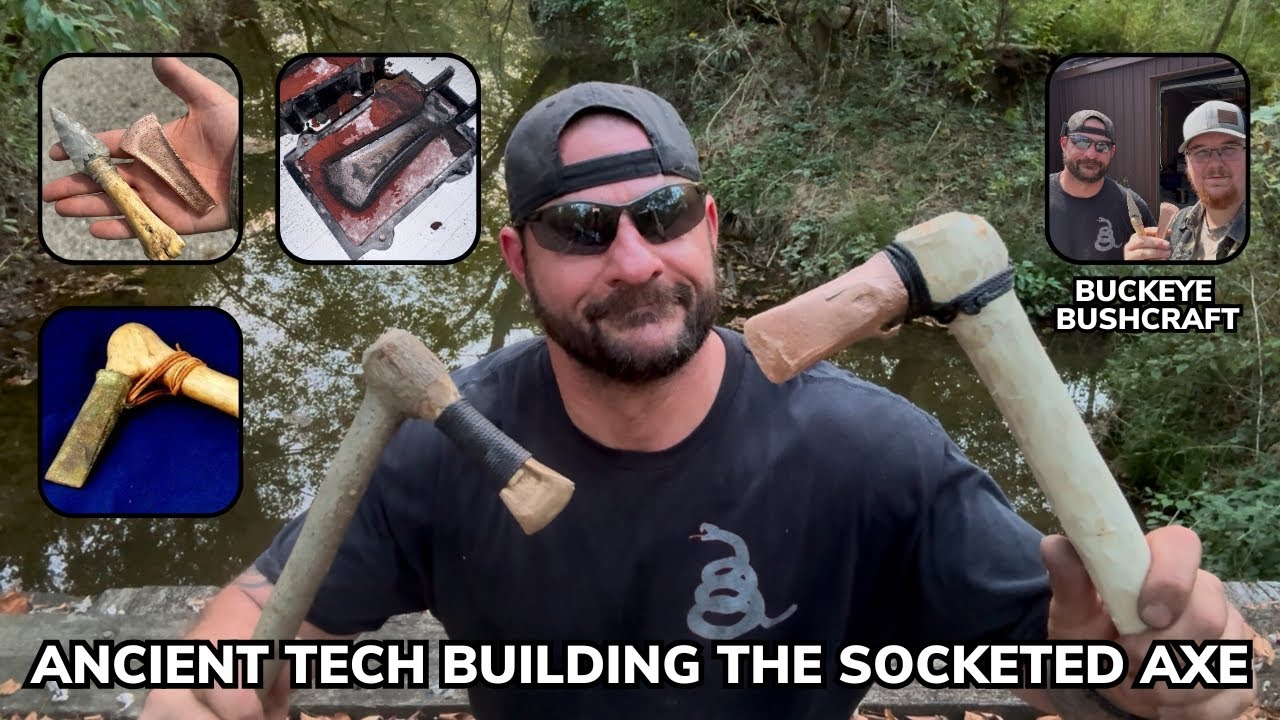

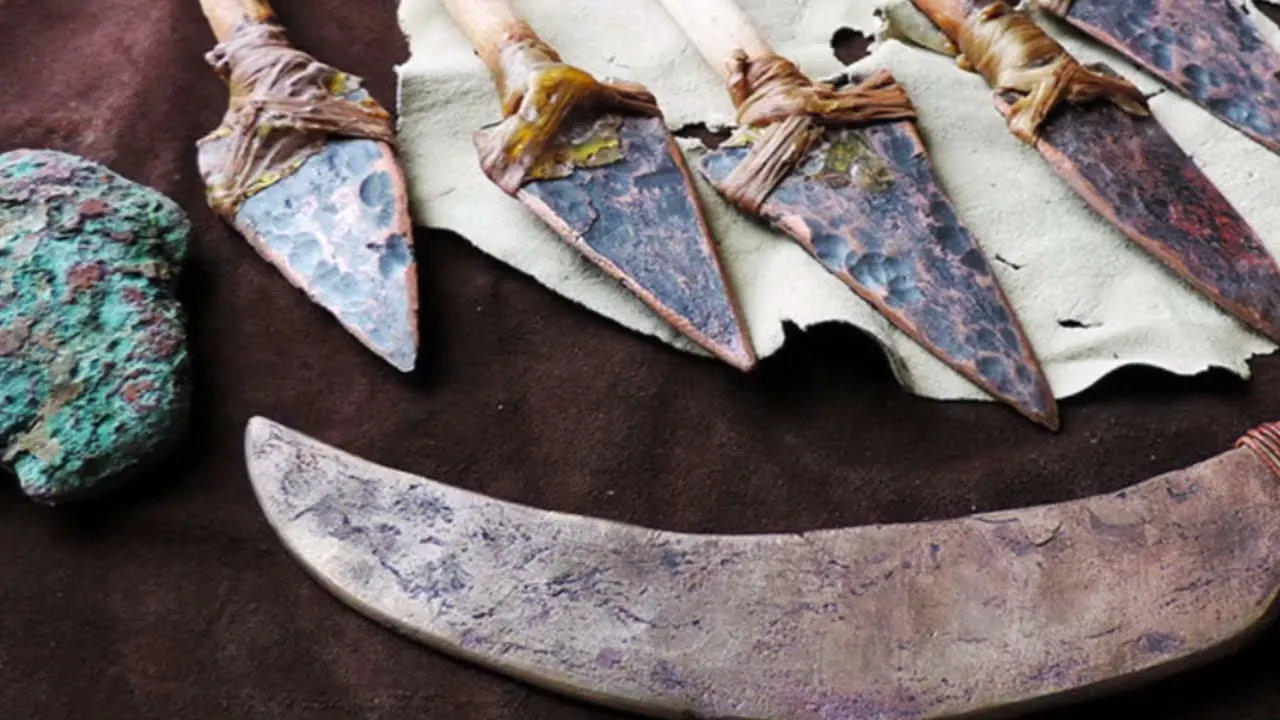



Copper was humanity's first metal because it occurs naturally in pure form, allowing early humans to collect and shape it without smelting; this transition from stone to metal tools around 9000 BCE marked a pivotal advancement in human technology, enabling more durable and versatile tools that could be worked through cold hammering and annealing processes to create functional implements like axes and adzes.
From Stone to Copper: Crafting Humanity's First Metal Tools
Added:The technological transition from the Stone Age (Neolithic) to the Copper Age (Chalcolithic), representing humanity's first steps into metallurgy.
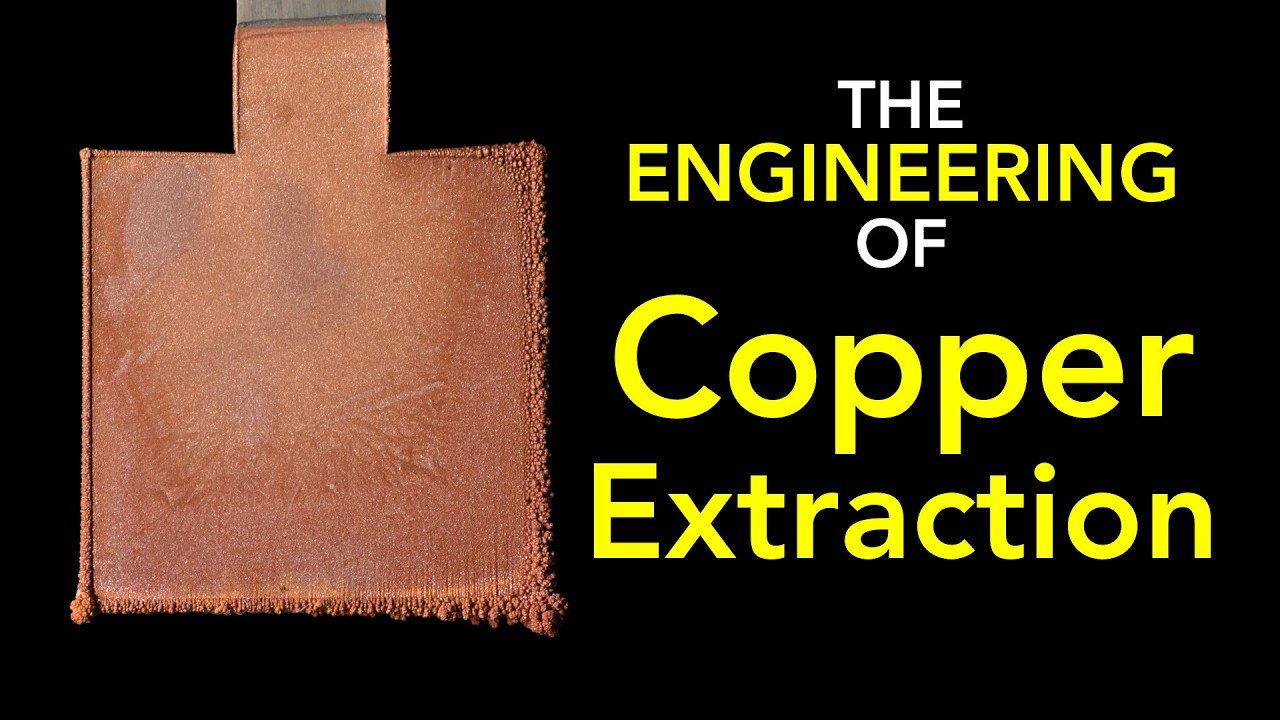
The geological definition of 'native copper' as a naturally occurring element in a pure metallic state, contrasted with copper ores that require chemical extraction.
Basic physical properties of metals, particularly malleability, and the phenomenon of work-hardening (where hammering metal increases its hardness but also its brittleness).
The fundamental methodology of experimental archaeology, which involves reconstructing and testing ancient technologies to scientifically analyze past human behaviors.
The evolution of pyrotechnology, specifically the development of high-temperature smelting furnaces needed to extract copper from oxide and sulfide ores.
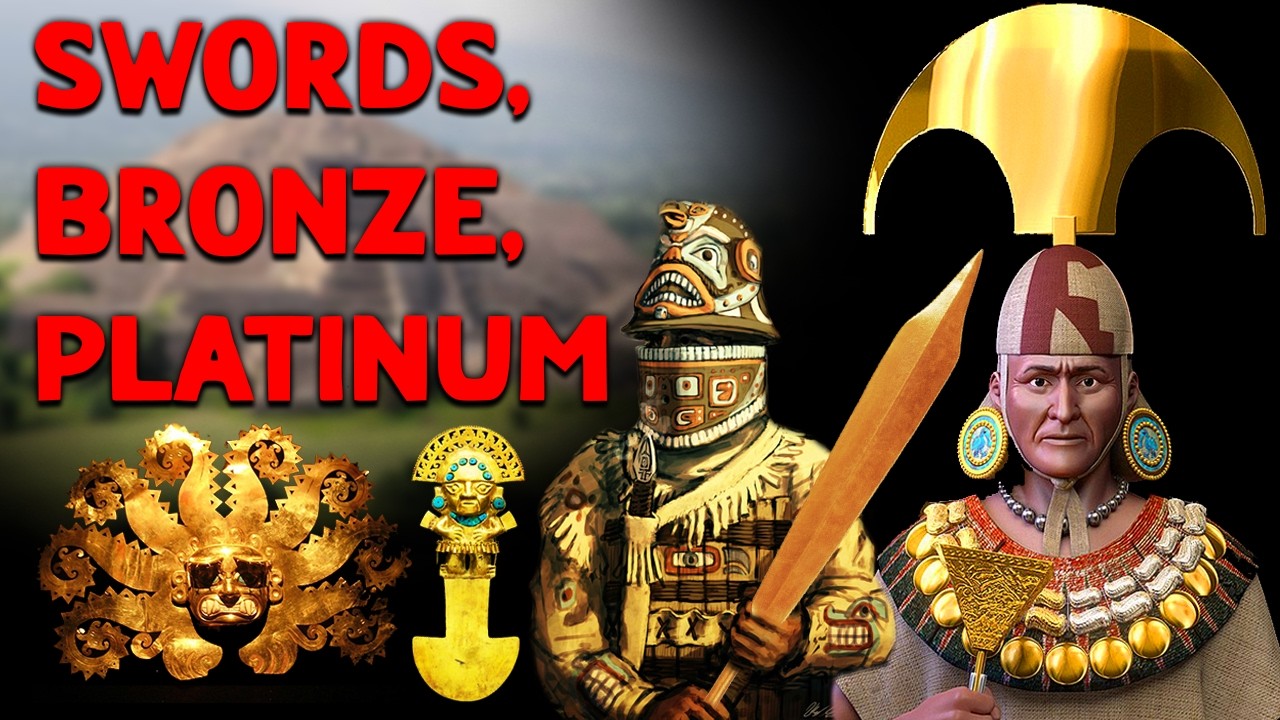
The invention of bronze alloying, examining how mixing copper with tin or arsenic revolutionized tool-making by producing a far harder and more durable material.
The socio-economic impacts of early metallurgy, including the rise of specialized craftsmanship, social stratification, and long-distance trade networks (such as the trade of Keweenaw copper across prehistoric North America).
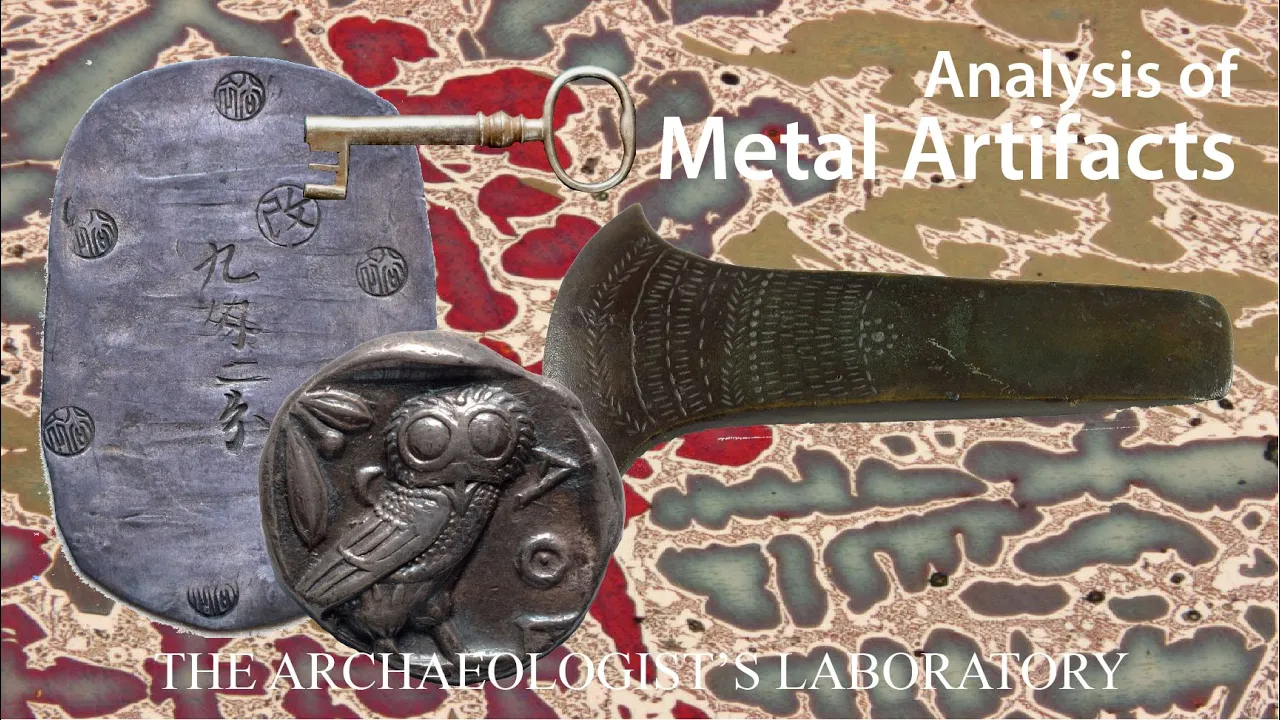
Analytical techniques in archaeometallurgy, such as metallography and isotope sourcing, used by modern scientists to trace the origins and manufacturing history of ancient metal artifacts.
732.6K views23.9Klikes19:52Original Release: 2019-08-31
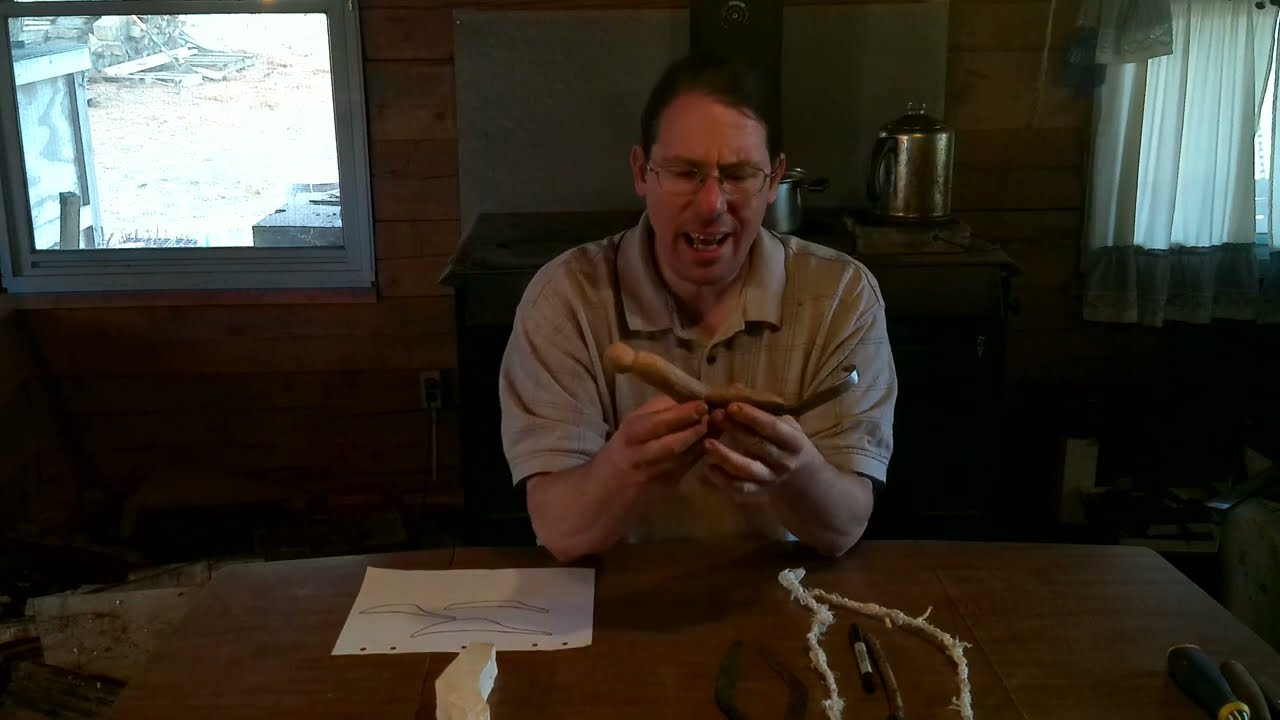
in our last video we kicked off the building of our own civilization from scratch by starting back in the Stone Age making a few base tools some basic flit napped cutting tools and ceramics which left our development at around 25,000 BCE next we fast forward ahead 16,000 years to roughly 9000 BCE to get ourselves out of the Stone Age and into metals with humanity's very first metal copper copper is one of the few metals that can be found in its native form just as a chunk of copper metal because of this copper is believed to be the first metal humanity discovered and learned to craft with evidence of its first use starting around 9000 BCE as a relatively soft metal it can be hammered with stones and shaped into various tools and decorative objects previously I traveled to California to collect a low-grade copper ore which required a pretty sophisticated process to actually extract the copper metal however the largest supply of native ready-to-use copper is actually a lot closer to me than the key one oppenents law in Michigan so we took a short trip out to collect some of this very initial copper and got to have a bit of an adventure at adventure mine but first for a different kind of adventure check out today's sponsor if you're a fan of The Walking Dead then you've got to try out the walking dead no man's land the official mobile game of AMC's with The Walking Dead it's a turn-based action strategy game where you battle hordes of walkers with all your favorite heroes from the show we want to thank The Walking Dead no man's land for sponsoring this video join Rick Daryl and Michonne and other iconic characters from the show as they work to build up their camps and protect the living do you have what it takes to stay alive The Walking Dead no man's land available on iOS and Android now we've been playing this game and we think you should too later in the video we'll tell you how you can get a special bonus by downloading the game through the link below adventure mine met up with the owner Matt and one of the tour guides Mike but this was one of the few places that they could find copper in its native form without having to smelt it and what it is there was a big figure out in the middle of which is now Lake Superior and this pulled apart and when it pulled apart it allowed the the magma to flow up freely it was more than a volcanic eruption it actually flooded the area 80 to 120 feet deep and molten lava as it cools a couple things happen the gasses float up to the top and as it cools the rock shifts creating these passageways through at some point these voids that were left by the gaseous exhaust from the lava flows that would be filled with copper and other minerals through time all the water deep in the earth was superheated by this magma superheated water will readily pick up copper and other minerals as it does so the pressure and the heat move it up towards the surface as it cools it percolates down through and through the millions if not billions of years it leaves a little bit of this copper and other elements behind slowly filling in these voids left by the gases and at this point the mountain actually sheared and came up like this as long after that happened the Ice Age came along mile thick masses of ice here came through and this is where they actually gouged that copper out of the earth it was pushed along with the till from the glaciers the glaciers receded that's where all the float copper came from it's as float copper this is most accessible we found all around the Kuna Peninsula of Michigan what were after centuries of humans finding and collecting these chunks of native copper they are now much rarer defying to find some Mike actually knew an area where he's had some luck finding folk copper himself since most of this easily-accessible copper has been readily collected already we used the help of a metal detector to help us find the more rare ones that are left mike says is a an area he said he'd been able to find flat copper before we've had a limited success it's they've been doing this for many years so we're looking for kind of the leftovers from all the people had gone before us but the glaciers pushed everything more or less south unless they receded they left that till that left some flow copper in it so we tend to look on the southern banks of things it's our most likely place to find things so we can head off in the woods run down a few ridges and never no me will find a piece today give it up okay a lot of people think it settles in the low grounds and the streams and stuff I found mine more in this type of area right here we got something there but let's see what it is so the numbers aren't high enough you have to be at least 75 so it's probably an old beer can buried in there if you get a number of 75 80 or above and it beeps in both directions and you're pretty sure finding some copper the other thing I tend to do is try to get over by trees and off the path a little thinking that over the years many people have metal detected here so now you're kind of looking for the Chrome's which means the less obvious places how long have sessions usually you do this for my buddy and I go out every Thursday in Louisville for probably about three hours how often you find something we usually find something just see if we're getting fifties and sixties so it's just junk what number you're getting 90 to 92 that's let me brush the brush away see if we're still hearing something it still get 90s yeah you got a good chance that's color you're looking for right there it's gotta be yep distinctive green the oxidization that's flow copper that's flow copper after a few hours of searching we lucked out and found some copper to have a few more options to work with I also purchased a few more chunks of flow copper others had found in the area next we started searching for some of the Jeepers buried copper but some of the prehistoric mining sites these are prehistoric they've been since mined historically but there is a pit which is I think best place see it up here on top that Bluff that's it's gonna be as much untouched previous tour because you're gonna find anywhere there's there's a lot of different opinions but it looks like prehistoric mining about 4,500 years ago to roughly eighty five hundred years ago primitive mining was done a couple of different ways some was top down on these pits many of them were in pits like this the copper after the big upheaval we're literally sticking out of the ground they've been buried by millions if not billions of years of debris but they still found these spots and where the fissures actually came out of the mountains is where they went down in sometimes up to 20 feet deep as they followed the fissure down into the rock they were rather limited to how far they could go because of the technology of the day many people think they built big fires and then they would throw water to rapidly cool the basalt that would fracture it make it easier to break off they could get in there with their stone tools and things in pean off pieces many times they couldn't extricate the whole masses of copper they had to settle for just basically breaking off the pieces that they could harvest they use those for tools jewelry other things if you find copper what you're looking for is crushed toothpaste if that helps any yeah there's copper right there you got it see it's all in this calcite seam and it wraps over here to sides next we went down into the main mined to explore some of the more modern extractions of copper the event of mine was mine from 1850 about 1920 by the way the adventure is the original name actually was a town site called a venture in 1840s when the company came they took the adventure name it is still the largest known reserve a copper any place in the whole world you are a lead no okay almost all of our early miners were Cornish times were tough in England they were hard rock miners there some of it copper a lot of it tin but they understood the technique for drilling and blasting in this this environment this was a fracture zone or a crack you got the green epidote white is quartz and calcite you got the copper you have silver and that came in filled in all these places with these minerals over a long period of time we're looking a drill hole here watch the hit a piece of copper you know having all this copper sounds great but actually the big chunks of copper are really hard to mine when in mind this historically you know like the 1800s very labor-intensive hand drills and sledgehammers yeah the opening you're looking at up there is about five or six feet by almost 12 feet it's 250 feet up because of that the stope you're looking up it makes it look much much closer but it's a very long ways that's actually the top of the mountain or the modern era mine intersected with an old prehistoric pit and actually some of the rubble from the prehistoric pit then fell into the modern modern era mine I actually found a prehistoric copper knife blade up there rummaging around up there had the knife dated it roughly seven to eight thousand years old the prehistoric also made tools and other things out of the float copper that was relatively readily available so they harvested a lot of that the other thing that they sometimes would find there'd be rocks with real thin fisher copper in between it and what it is is a crack so small where the copper filled it in if you break away part of the rock the copper that comes out is already a sheet of copper which makes it relatively easy to make jewelry or implements out of it so if you get real adventurous we'd take you that level tubes the only place I know right and find you some of that today it's pretty easy even one-handed but you be the judge there's 13 levels of mine they're 100 feet per level we have access to the first level which is about about a mile one end to the other I guesstimate is probably bout seven eight miles of tunnels and the entire complex here but unfortunately those bottom eleven levels are underwater now as we're going lower you can't get too much access yeah but everything we're seeing is nobody's seen that for the past 110 years so it's basically left as it was and he walked out there he'd find something pickaxes or hammers leaning as Timbers just like you tell nobody's touch at somebody some miners set that down and then they closed mine he never came back and that's been sitting leading inside timber for the past hundred and ten years everything like a time capsule of how the Meyers walked away when they stopped working one day this is what they call a native hatchet it just exists and mine just take it out ideas but just so you know this isn't safe here you see if we have any luck breaking rock this around it take a little piece hoping it's a big mass of it in there you'd see how the prehistoric c-couldn't exploited thin fissure copper like this and got enough out to work copper 1 it oxidizes turns green like the Statue of Liberty but then unlike ferrous metals for that keeps cutting into it it forms this kind of skin over it that will never eroded that's why we can find thousands of year old tools perfectly preserved because the copper oxidization creates a protective layer over it comes in some good soft stuff up in here we might start working on that piece the decent chunk out of there by the time you're done now with a few pieces of copper I can work with I can take them back and start cold working them well first another quick message from our sponsor just like Andy needs to scavenge for everything he needs to make tools you can try your hand at scavenging for supplies weapons and survivors in the official mobile game for AMC's Walking Dead The Walking Dead no man's land has tons of playable content from scenes right out of the show that lets you relive the highlights of season 8 and 9 with throwback moments from earlier seasons of the TV show as well you'll work to build your crew and acquire more supplies and cool weaponry on your scavenging missions because it's a turn-based game you can play it at your pace and plan your moves strategy is always the best way to call a hoard of walkers help out our channel by downloading the game through the link below today if you use our link you'll automatically get this legendary bayonet musket which is great for killing walkers thanks for watching now back to the video back home with the copper now it's time to start shaping these trunks and just a musical tools [Music] Drock working the copper causes it to harden as you go until it reaches the point while starting to crack and break to prevent this you need to heat it up and release the stress in a process called annealing [Music] then you can continue to cold work it more and then you keep repeating until it's warmed its desired shape [Music] let's have a rough blade shape I can then be sharpened by rubbing it on some poor stones and then working my way to finer and finer drain stones as I start to near completion actually want to make sure the copper is under stress still and hasn't been annealed as that will leave it with a much harder edge this is called work hardening now I just need to attach it to a handle kind of aiming for an OC style acts you know his was actually cast copper when I try and get something close to what he is for handle just kind of a stick with a 90-degree end to it let's stick here the 90-degree branch right there it might work well if I can cut this with ax I'd already tell copper a lot easier I'm still in tough tree all right and then bleeding cool [Music] alright here's a stick just go get this mounted in there see if we can find one's a little bit better I'll turn it up alright so got a couple options so far first impressions the copper works pretty good cutting but a handle would make a big difference I feel like I can't get enough force and when I give it any force it really hurts your hand so handle it's gonna be very nice right so here's the hemp we accidentally stumbled upon last time and assuming a temp temp was growing here at during World War 2 in Minnesota and most wild varieties you find today are just leftover hemp and it happens pretty sturdy plant actual marijuana the wood smoke is not too sturdy this could be marijuana it could be like a private garden somebody's been trying to grow here in public land hopefully not because I'm about to cut some of it either way to actually make some decent fibers while making rope we'll just delete them so they look less suspicious let me grow up out of hemp I first soaked the stalks in water then remove the fibers exterior from its hardener core then laid out the fibers and turn them into a rope by twisting them together to form two strands combining to form a basic rope [Music] to help hold everything in place are you some pine sap I collected earlier to help glue it together onto the hemp rope [Music] after making the axe I then made an ads with the blade rotated 90 degrees another useful tool for shaping wood [Music] all right so now I've officially left the Stone Age I have an axe and an adze both made from a copper and already I can tell the copper has made a pretty big difference in my ability to cut things whereas the Flint it has a lot more resilience so I can hit it a lot harder and get much deeper cuts however I have noticed that it dulls very easily and just cutting the wood to make the handle at the reef sharpen it and at this point it's probably about due for a new sharpening it's nowhere near modern steel it's definitely an improvement it's not great and it's easy to tell why once bronze was figured out they quickly replaced a copper when you look at some of the historical artifacts that are found from this era it's very impressive it's obviously people who have learned a skill that I am just starting at kind of understandable mine's not quite as good these new tools should hopefully make building anything else in the future a lot easier all right so now that I have some metal tools next up I can try and actually make some more advanced woodworking projects the next major project we're gonna be pursuing is one of the earliest forms of transportation dugout canoe first step of that is going to be to cut down a tree so when I put copper to the tests against Flint see which one cut down a tree quicker but also gonna do a another form made by just grinding a sewn into a sharpened edge potentially might be better than the copper copper is pretty soft it's a pretty small blade and the ground stone is actually pretty effective so be sure to subscribe at the notification bell so you don't miss out on that alright then in terms of hours of labor to actually make them seven hours and 15 minutes to make this guy paint someone minimum wage it's about sixty dollars and six hours and forty-five minutes to make this one this about 55 check out our Instagram for a sneak peek at our upcoming videos join the discussion on our discord and once again thank you to all of our supporters on patreon thoughtyou we aren't able to make really cool trips like this out to Michigan and other places any amount really helps but for $15 or more your name on the board and for $75 or more ingots we collected at the mine itself see a little piece of adventure mind with you things again for your sport Knicks again for watching if you enjoyed this video be sure to subscribe and check out other content we have covering a wide variety of topics also if you enjoyed these series consider supporting us on patreon we are largely a fan funded channel and depend on the support of our viewers in order to keep our series going thanks for watching
Up Next

89:46
The Kitty Genovese Story: Separating Fact from Fiction
@FilmRiseTrueCrime
290.4K views•2023-02-12

12:54
Triumph of Orthodoxy Icon: Byzantine Art & History Explained
@BenCallan
2.1K views•2024-08-06
14:28
Casting a Bronze Dagger with Ancient Techniques | Lost-Wax & Natural Draft Kiln
@htme
390.4K views•2019-11-28

1:42
Game of Thrones Opening Credits: A Cinematic Analysis
@gameofthrones
46.3M views•2011-04-18
Related Study Plans & Knowledge Roadmaps
Structured learning paths in General & Interdisciplinary Studies
general-studies
Elevator Engineering: History, Physics & Cities
01From Hoists to Safety Brakes: The Dawn of Vertical Lift
02Hydraulic vs. Traction: The Engineering Physics of Elevators
03Modern Speed, Safety, and Algorithms
+ 2 more learning modules
12h5 modules
Explore Roadmap
general-studies
Rubber: Material Science, History & Geopolitics
01Origins of Natural Rubber & Mesoamerican History
02The Chemistry of Natural Rubber & Vulcanization
03The Geopolitics of the Rubber Boom & Colonization
+ 2 more learning modules
12h5 modules
Explore Roadmap
general-studies
Containerization: Evolution, Logistics & Trade
01Ancient Trade & Bulk Cargo: Amphorae to Barrels
02The Industrial Revolution & Cardboard Packaging
03The Containerization Revolution: Malcom McLean
+ 2 more learning modules
12h5 modules
Explore Roadmap
general-studies
Textile Tech: Evolution, Labor & Global Impact
01Pre-Industrial Textiles: Handloom & Cottage Industry
02Mechanization: The Spinning Jenny to the Power Loom
03The Factory System & Global Labor Transformation
+ 2 more learning modules
10h5 modules
Explore Roadmap