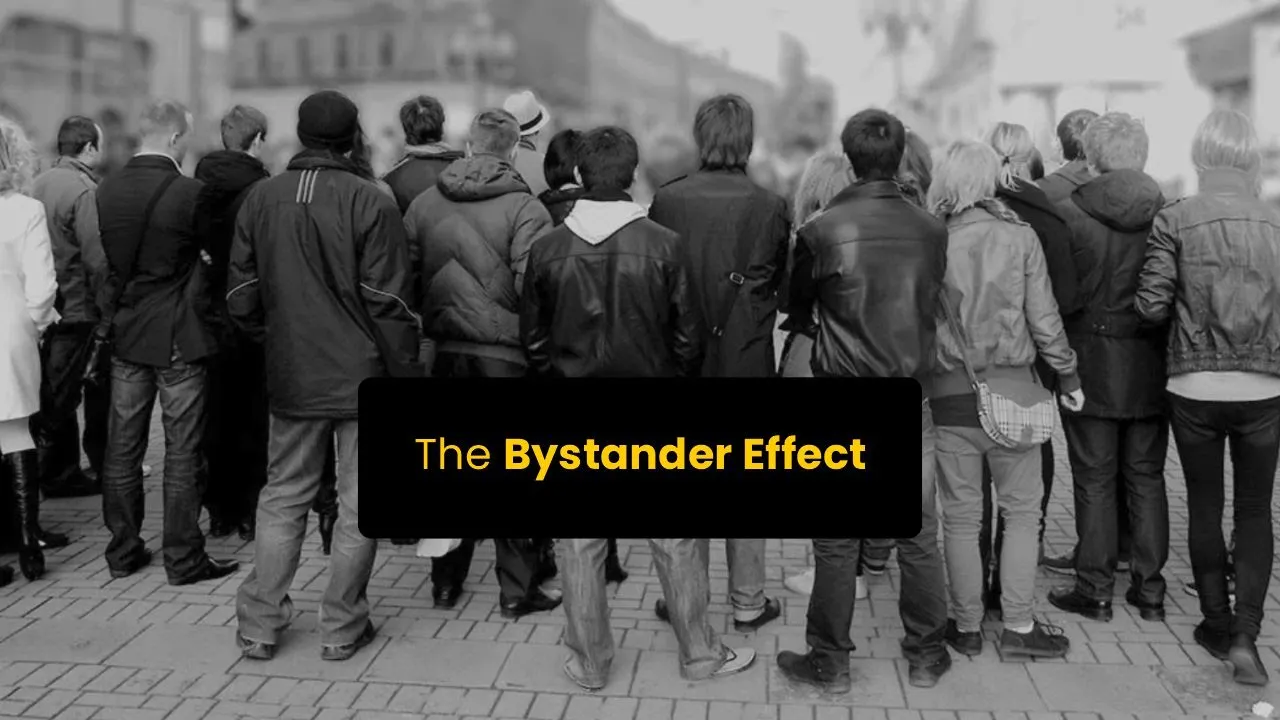





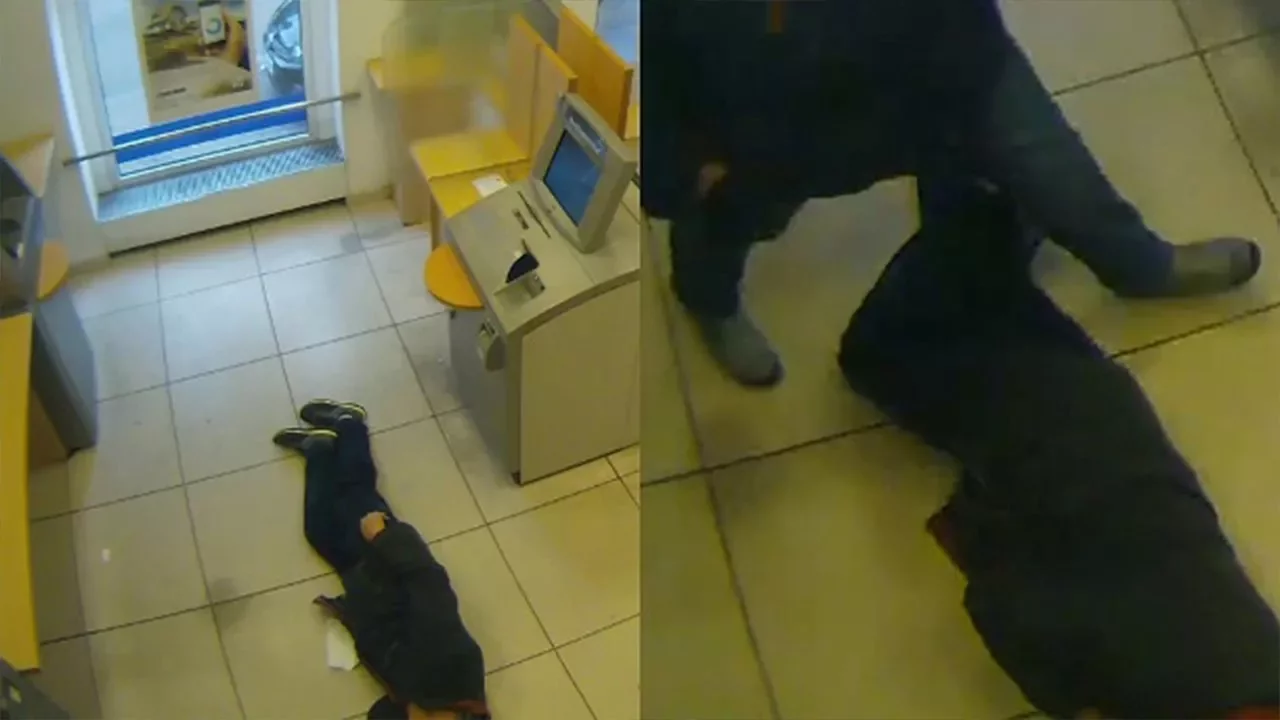















The infamous 1964 Kitty Genovese murder case, which became a symbol of bystander apathy after The New York Times reported that 38 witnesses watched her being stabbed without intervening, was largely exaggerated; research revealed that most witnesses were ear-witnesses who heard screams but couldn't see the attacks, and only a few actually witnessed the violence, demonstrating how media narratives can oversimplify complex social phenomena and how truth-seeking requires persistent investigation beyond initial reports.
The Kitty Genovese Story: Separating Fact from Fiction
Added:The psychological concept of the Bystander Effect, initially formulated by social psychologists Bibb Latané and John Darley.
The theory of Diffusion of Responsibility, which explains how individual accountability decreases in the presence of a crowd.
The historical context of New York City in 1964, including urban growth, social anxieties of the era, and the state of emergency response systems.
The basic principles of media literacy and how sensationalized journalism can shape long-term public perception.
Analyzing how scientific myths persist in academic textbooks and literature despite empirical refutations or corrections.
The development and efficacy of modern Bystander Intervention Training programs in preventing misconduct and emergencies.
The historical evolution of emergency services, including how public outcry from the Genovese case accelerated the creation of the 911 system.
Exploring contemporary research on crowd psychology in the digital age, particularly how smartphone filming affects bystander intervention.
290.4K views4.2Klikes1:29:46Original Release: 2023-02-12
[elevator bell dings] - Go on through the right.
Here we are.
- If you don't mind, I'm gonna check out sort of sight lines here.
- Sure.
[instrumental music] - I was 16 when my sister Kitty was murdered in New York City.
In an instant she was gone.
No one understood me like Kitty.
[music continues] - Two weeks ago today twenty minutes after 3:00 in the morning it was a dark night.
Kitty Genovese, 28 years old, drove her car into this parking lot at the Kew Gardens Station of the Long Island Railroad as she had been doing for a year.
She stopped, saw a man against the wall she didn't quite make it halfway down the block before the killer drove a knife into her.
- I heard the screaming, and I went to, uh, the bedroom window and I saw some girl on her knees and she was screaming, "Help, help."
- Just exactly what was it you heard?
- "Save me, save me."
- Didn't this frighten you or shock you?
- No.
- Fifteen years ago, a young woman was stabbed to death in front of a Queens, New York apartment half a block from her home.
- Tomorrow marks what many people regard as one of the most shameful anniversaries in New York City history.
- Fifty years ago, her murder led to the adoption of the 911 system.
- Police discovered that more than 30 people had witnessed her attack and no one had picked up the phone to call the police.
[music continues] - Lights came on in the apartment building a window opened, the attacker got nervous and left but not a single person came to the rescue no one even called the police at a time when the average response time was 2 minutes.
So the man came back and stabbed her again.
It sent a chilling message suggesting that we were each of us, not simply endangered.....but fundamentally alone.
[music continues] - Two weeks after my sister Kitty's funeral the "New York Times" published a front-page story.
It barely mentioned her killer.
Instead it focused on Kitty's neighbors and practically blamed 38 of them for her death.
"The Times" story was seen as proof that New York City was uncaring that America was falling apart.
And my sister's been the symbol of bystander apathy for decades.
The girl no one cared about.
But recently "The Times" published a new article.
It challenged the accuracy of its original report.
And others now claim the story of 38 witnesses is more myth than fact.
[instrumental music] What did the witnesses actually see or hear?
Were there really 38?
Why didn't they try to help my sister?
For years, I avoided the details of that night because they were just too painful but it's worse not knowing the truth.
- Mr. Skoller?
- Bill? - Yeah.
- Hi. - How you doing?
- Alright. How are you? Charlie Skoller.
- Bill Genovese. - How are you, Bill?
- Nice to meet you.
Going around here is anxiety provoking.
- Are you sure you wanna do this?
This has to be very difficult for you.
- No, I absolutely I absolutely wanna do it.
It's interesting. When you drive back here it's -- You know, when you're out on Queens Boulevard there it seems so, for me anyway, city-ish.
Here now you're in this really nice neighborhood.
- This block is all residential one-family homes.
Pull into this parking lot.
Because that's where your sister pulled her car into this lane.
And this is where Winston Moseley caught up to her and struck the first blows to her back.
Many of your sister's neighbors really heard everything that was going on, heard the screams knew that an attack was taking place and knew that it was a violent attack.
It wasn't that your sister was just screaming and screaming she was yelling, "Help, help, I'm being stabbed."
That was not just screams alone.
And Joseph Fink was seated in the lobby of the Mowbray.
He was the night elevator operator and he saw the entire first attack take place from beginning to end.....and he knew exactly what was happening.
And instead of doing anything, he got on the elevator went downstairs, went to his apartment and went to sleep.
Now, as she was being attacked in this hallway Karl Ross looked down and he saw that second attack take place.
And he went to the telephone called his girlfriend.
She said, "Don't get involved."
- It just kills me to think that when he first looked down he could have ended it right there by doing something.
He could have yelled down, "I'm calling the police." And that -- - Yes. Or, "The police are on their way."
- How much time do you think, if you can remember from the first attack to when he finds her again?
- I would say about a half an hour, possibly 40 minutes.
Long enough for somebody to have called the police and for the police to have arrived and probably to save your sister's life.
[instrumental music] [music continues] - Turns out, I'm not the first to look for these witnesses.
- We traced Karl Ross to this pet store but we found that he'd sold it.
The new people here kindly agreed to contact him for us but Karl Ross remains silent.
Mr. Koshkin, I wanted to ask you one more time if you would speak to us?
- 20/20 had no luck interviewing witnesses in 1979.
If I was going to have more success Charlie Skoller suggested that I start with the trial transcript.
My family couldn't bear to go to the trial in 1964 so I never heard the testimony of the witnesses.
Only 5 of the 38 witnesses were called to take the stand.
Samuel Koshkin, Robert Mozer Sophie Farrar, Andree Picq Irene Frost.
[dramatic music] - I heard a shriek.
I got outta bed, went to the window and I saw a man and a woman standing across the street by the bookstore. I looked at them for a minute.
Nothin' happened, so I got back to bed.
The second time she screamed "Please, help me, God.
Please help me. I've been stabbed."
I went to the window, and as I got there she was kneeling down on the sidewalk and he was running up the street.
- Did you know Irene Frost at all?
She worked for your grandfather.
- Oh yeah, oh yeah. I know the name well.
My grandfather didn't know much about running the business and apparently I -- Irene stole several $100,000 from him so her name doesn't sit too favorably in the Hirsch family.
- Now, do you know if she's alive or dead at this point?
- Oh, she's long dead.
[instrumental music] - I saw this girl at the bookstore kneeling and this fellow had her down bending over her.
And I hollered, "Hey, get out of there."
And he jumped up and ran.
He ran like a scared rabbit.
I never saw anybody take off as quick.
[music continues] - I heard the voice upstairs.
Suddenly, the neighbor's screaming something and the man ran away very fast, near the bus stop.
The poor girl get up slowly.....and she screamed, "Help!"
And walking slowly toward the drugstore and up towards the back street.
I was still at the window scared, kind of frozen.
And a few minutes after that man came back walking normally as if nothing happened.
And then he went down to the train station and then he came out again and left in the back and I could not see anything.....but I heard the last 2 screams.
"Help, help."
[music continues] - Hi, is this the Michael Farrar from Kew Gardens?
Michael, I just recently found out that your mom was with my sister when she passed away.
I was wondering if she'd be willing to talk to me?
- My mom, she really liked Kitty.
And, you know, she can't get around no more but I spoke to her and she told me stuff that I couldn't hear when I was younger, what happened and all.
We'll get into that later.
- This was Kitty's apartment here.
- On this side? - Right here, yes.
- And then yours is straight ahead?
- Yes.
This room here, this was my room.
Kitty's window is right there.
When I went to school sometimes if Kitty would have coffee and toast with my mom.
Kitty confided in her a lot.
They were friends and they talked about whatever women talked about, you know.
- So that night, what happened?
I mean, in your house, what happened?
- A -- a scream, a loud, loud scream a horrible, blood curdling scream and it woke me up.
- How many people do you think heard it?
- Just looking at the windows, about 40, 50 could be 60 because it was so loud.
Uh, the whole neighborhood had to hear it.
And this neighborhood back in the 60s I remember a lot of the older people they had numbers on their arms they were in concentration camps.
That type of a person might not wanna get involved with authorities because of what happened with the Nazis so, you know, you can't blame people for being afraid.
But that night when I walked up the hallway my parents were up, out, this window was open and my father was looking out the window.
Well, he didn't see anything so my parents went back to bed.
About 20 minutes later or so somebody called my mom and that's when my mom said to my father "Kitty's in the hall bleeding."
And she just grabbed her jacket and threw it on.
And she started to run and my father was putting his pants on and he says, "Wait, wait for me."
And she ran down.
- So she comes in, it's 3:30 in the morning or thereabouts and it's freezing cold.
- It was cold March.....and this is actually the doorway.
When my mom tried to open the door, it hit Kitty and she was facing her head towards the door her feet towards the stairs and my mother had to push the door in to get in.
She held her, and she could feel the stab wounds in her back and her hands kept going, still fighting and my mom finally calmed her down but she couldn't talk and she started to gurgle.
That was her, she was just passing then she was dying, so -- Hours later I opened the door and the whole bottom of this foyer was blood.
[instrumental music] But you could actually smell the blood.
You know, it's like something you don't forget.
It's like walking in an old butcher shop how you could smell that the -- the human, the meat.
It -- You know, it -- The prints on the wall were marked in pencil 1, 2, 3, 4, 5.
And it wasn't until I was talking to my mother and I said when I looked in, I saw the handprint.
And she says, "That was my fingerprints on the wall."
- Your mom? - Yeah.
'Cause when she went to get up, she was like she went and she put her hands on the wall.
My mom spoke to one woman from a newspaper back then and she told her what happened and the woman says you know, "Would you do that again, if you had to?"
And my mother says, "Certainly, of course."
When the paper come out, it says my mom said that she would never get involved with it and that's when my mother says, "It don't pay to talk because they twist what you say."
And that's, she never said anything since...you know.
- Do you think your mother would talk to me?
- I -- I'll twist her arm a little, you know, but I think she would.
- Not, not too hard, but -- - I think that she would do that.
- Thank you so much.
- I wish it could have been different circumstances.
Alright? - Yeah, really.
- You know, give the best to your family and -- [music continues] - Why was Sophia left out of the original story?
It would have made such a difference to my family knowing that Kitty died in the arms of a friend.
Truth is my family doesn't know much about Kitty's murder.
The only time we learned any details of that night was in 1995.
That's when the killer appealed for a retrial.
It briefly brought us face to face with the man who murdered and attempted to rape Kitty.
Hearing those details for the first time was unbearable for me and my siblings.
- Speaking for myself.. [sighs]...it never goes away.
I never forget the day that the policemen in New Canaan came to our door, knocked on it.....and told us what happened.
- It was very early in the morning and the doorbell went off and I think I was awakened by that and I heard the -- the conversations.
And then, then, then just ex -- extreme like piercing, screaming.
And then freezing in my bed.
- My mother, my mother was a basket case.
My father was also.
My father couldn't even identify my, my, uh sister's body in the morgue. He had to send his brother there.
- And the neighbors are all like "Oh, my God, what can we do for you?"
And it's like, uh -- "Why don't you take, why don't you take Frank?"
I -- I just went off to the McSweeny's.
I was with them for weeks.
I never even went to my sister's funeral.
It was all over the news, everywhere.
So, I got a lot of my information just from sneaking maybe, and turning on a TV and -- - The only thing we could think about is the tragedy.
We almost erased her from our lives.
[instrumental music] Bill, it's hard to say how he handled it.
I -- I -- I really, you know, we really never sat down and talked about it.
She took a -- a shine to Billy.
She spent a lot of time with him.
- Kitty and I were separated when I was 6.
That year my parents decided the city was getting too dangerous so we left for New Canaan, Connecticut.
Kitty had already graduated high school and much to my parent's frustration she decided to stay in the city.
For the next 10 years, I only saw her on weekends when she would come to visit.
We'd have a lot of fun driving around in her red Fiat.
But the best part was talking late into the night.
Kitty seemed to know about everything.
And I was a curious kid and asked a lot of questions.
Kitty always took the time to answer them.
For decades, the identity of the so called 38 witnesses has been a mystery.
If I was going to track any of them down first I'd have to find out who they were.
I requested all the information on my sister's murder from the New York police department.
They sent me copies of the original detective accounts of witness interviews called DD5's.
- I saw her, she was wearing a black coat and high heels and the coat was held around her body.
She was a, a small girl -- - Terrific scream.
- What I thought at first was some cat -- - It sounded like a child.
- And I looked out to see and I couldn't see anything. - Otherwise I -- - The police want to know your name and everything and they get people involved.
These kind of people don't want to get involved. - Why didn't we do something?
- I mean, I -- I feel a terrible guilt.
- Much of the reports were illegible.
And almost all the names had been redacted.
I was at a dead end without the names.
But I thought of someone who might be able to help.
- 20/20 has gone back to reexamine what has become a classic case not of crime, but of social behavior.
- Hello? - Aram?
- Yes. - This is Bill Genovese.
My sister was Kitty Genovese.
- Oh, yes. Oh, my goodness.
- Did you, did you have any luck in reaching any of the witnesses?
- I did try to track them down, yes.
I used to have a file.
Uh, I have some stuff at Columbia and, uh, if it were anywhere it could be there.
[instrumental music] - The list Aram had found contained summarized versions of the witness accounts.
Most importantly, it had the names.
These statements from the neighbors matched the DD5 reports.
So Aram's list must have come from the police interviews.
When I added up the number of entries, there were 38.
Could these be the 38 witnesses?
[music continues] [dogs barking] Lynne, I presume. - Yes, Bill, I presume.
- Yes, and you're Tod. - This is Tod. Bill.
- Uh, Bill. - How're you doing?
- Good. Can I help?
- Nah, I'm good. - Okay.
- Can't we help you?
- Over here, yeah.
So, you lived in the Mowbray?
What apartment, what floor?
- Second floor. 214.
- Did you feel like the neighborhood was safe?
- Yes.
- Cause you were 19, 20 around 1964.
Did you feel you could come and go in the evening?
- Oh, yes, but I could see people and they would just pull down the shades or -- There was a fear.
There was a fear in that building, I think.
- What was your experience that night?
- I heard a scream. It woke me up.
I looked out the window, I didn't see anything I didn't hear any more.
And I said, "Oh, well." I went back to sleep.
- Did it wake your parents up?
- No, as far as I know.
The next morning the detectives were pounding on the door and I told them what I had, you know, experienced.
- Yeah.
- Do you think you were 1 of the 38 that were reported to have done nothing?
- I -- I supposed I could be I could be counted in with that.
- Hmm. When the police -- - Because I woke up I looked out the window... and I went back to bed.
But I wasn't in that group. - Yeah.
- I -- I, that was not my behavior in that, in that.
- Yeah.
- In my research, your name and your mom's name is down there as saying "I heard, George, he's --" Eh, let me get it right "George, he's, he's done it to me.
George, he's done it to me." Twice.
And then, "Please help me."
So, you and your mom you were probably counted as part of the 38.
And, according to your remembering your mom never said anything?
- No, as far as I know, she never spoke to the police at all.
- Yeah.
- Wow, I have no idea who George is but I, I never heard of anything like that.
And as far as I know momma was asleep.
That is shocking.
Wow.
[instrumental music] [knocks on the door] - Come on in. - Hello.
- How are ya? - You're Hattie?
- Yes. - Hi, Bill Genovese.
- Nice to meet you. - How're you doing?
- Nice strong grip.
- Were you ever interviewed by the police?
- Yes, I think I was, yeah.
- This is what they recorded anyway, that you said to them.
"Hattie Grund, saw a woman screaming, "Help."
"She was standing in front of cleaners. No male was present."
- That's true. I heard somebody saying "Help, help.."...from what I recall and then I called the police.
- You called the police? - Always.
And they said, "We already got the calls."
- Hmm. - I didn't even finish my statement.
And they said, "We've already gotten the call."
It wasn't that people didn't call.
There might have been other people that called.....because once you got the police station before you could finish they said, "We've gotten the calls."
- When news reporters, uh, came to talk to you, uh were they pushing the, you know, the witness story and asking -- - Oh yeah, they were persistent in getting information, you know.
And that's the thing Kew Gardens got a little aroused when they said they were, we were apathetic.
We were not. There are always a few people that call.
[instrumental music] - After hearing Hattie Grund claim she and others called the police.
I requested the police log of phone calls from that night.
The only call they list is from Karl Ross well after Moseley was gone.
Did the police fail to log the calls?
Or did Hattie just create a story she could live with?
A witness who doesn't know she's a witness.
So many other missed details of that night.
Like the fact that Kitty didn't die alone.
How could anything be believed about this story?
I never questioned it.
Two years after Kitty's death I graduated high school.
The Vietnam War was in full swing.
Many of my peers were looking for ways not to serve.
Whether the war was right or wrong I couldn't help but see them as apathetic bystanders.
I wasn't going to be like the 38 witnesses So I enlisted in the Marines.
And at 18, you're going off to war and you're thinking "I'll come home okay."
[music continues] - I think he's looking for the ultimate inner peace.
The choices that he made in his life um, were all related to the fact that no one helped his sister.
And if he knows the truth, that's a peacefulness.
I mean, I'm hoping for Bill that there'll be closure.
You know, like he didn't lose his legs in Vietnam for nothing.
[music continues] - The version of the story that was accepted as fact for so many years was written by the late reporter Martin Gansberg.
His editor at "The Time" was a man named Abe Rosenthal who became a major figure in journalism.
From what I've found, it's Rosenthal who's credited with breaking the story.
And later that year he wrote a book called "38 Witnesses."
- This story has never died.
I still get mail about it, people write theses about it.
There are lectures and seminars at universities.
They are obsessed by this story.
It's like a jewel.
You keep looking at it and different things occur to you.
It's affected my approach to life, I think.
- Okay, sir.
- According to his book, he first heard my sister's name when he had lunch with the city's police chief 10 days after the murder.
- I was, uh, nauseated at the idea that people in New York City in Queens, knew that a girl was getting killed.
And later they dis, it was discovered that 38 people didn't do anything.
It was the failure of New York City or the people of New York City to take action, stick out a hand, do something.
- Right. - Shout, "Hey, we need help."
And that was what grabbed the people of the city and other cities.
- Well, where did the number 38 come?
I wonder was it synthesized somehow to make a big impact? - No.
- So that we could get a positive.
I mean, for a positive result -- - You asked the question and I'm telling you.
I can't swear to God that there were 38 people.
Some people say there were more some people say there were less but what was true.....people all over the world were affected by it.
Did it do anything?
You bet your eye it did something.
And I'm glad it did.
[instrumental music] - Forty years after the original article appeared the "New York Times" reexamined their account.
They acknowledged some of the original article's flaws and highlighted the questions surrounding the story.
Most of the revisionist information came from Joe DeMay.
A Kew Gardens resident and amateur historian.
- I sat down and I read through the article and when it was all through I thought to myself "What the heck this, this can't make this doesn't make any sense at all."
If you read through the article the first paragraph is crystal clear and absolutely riveting.
For more than half an hour 38 respectable, law-abiding citizens in Queens watched a killer stalk and stab a woman in 3 separate attacks in Kew Gardens.
Well, turns out there weren't 38 eyewitnesses at all.
The witnesses to the case, with one or two exceptions were ear witnesses, not eye witnesses.
What happened is this.
There was an initial attack on Austin Street that was broken off, the killer fled.
Your sister then got up and she walked around to the back of the building.
The people in the apartment building could not have seen her for more than a couple of minutes.
When they saw him come back the few witnesses that were still at their windows, Kitty was long gone as far as they knew she was some place safe.
So, yeah, the story was generally correct but in a lot of the important details it was grossly exaggerated and simply not true.
- When I first came upon his website my first reaction was to sort of brush it off.
But then I came back and read it very closely and realized, "Wow, his argument is incredibly compelling."
If the story had been reported more accurately it still would have been a 2 or 3 day maybe -- maybe even 4 day story but it would not have been a 50 year story.
We would not still be sitting here talking about it today.
- Did anybody ever challenge the 38 witness 38 eyewitness story?
- Yeah. Not at the time.
Not in 1964. In fact to the contrary.
Other newspapers, other magazines, "Li-Life Magazine" ran with it and then even exaggerated it further.
- This is Mike Wallace.
Why did 38 people fail to act?
The answer to that question concerns every one of us who fears perhaps that apathy has become part of our way of life.
- The question becomes was it worth all the attention it got or was it a media creation?
- Oh, I think to a certain degree it was a media creation.
No one investigated the 38.
No one followed up on it or anything of that nature.
- Do you have any feel for why that would have been with this case versus any other case?
- Because it was taken seriously by "The New York Times."
The reason I picked up on it.....was because Abe Rosenthal is a man I respect.
Good reporter, in a position of authority at "The New York Times."
I mean, "The Times" had, still does, but back then particularly had that kind of clout.
It's a fascinating... troubling story.
And undoubtedly, sold newspapers.
- Hi, is this Mr. Lelyveld? - Yes, sir.
- When did you start working at "The Times?"
- I became a reporter in 1963, I guess.
- Do you think the original "Times" story is accurate?
- I remember feeling it was a little skimpy. - Yeah.
- That it, that it reached its judgment quickly.
- Have you ever heard of a woman named Sophia Farrar?
- No.
- Sophia Farrar actually did go down to be with her as soon as she found out about it.
- And did the police list her as a witness in their reports?
- Yeah, she testified in court.
- And she's not mentioned in "The Times" story?
- No.
- Well, that's just, uh that's inexcusable then.
The question would be why the competition didn't look into it.
- Hi, Richard Wald? - Speaking.
- You were the managing editor at "The New York Herald Tribune" in '64?
Did "The Tribune" ever write a story about how "The Times" covered the story of 38?
- No, I don't remember "The Tribune" ever doing that.
Let's assume you were a reporter on the scene.
If you had a sense that it didn't happen that way, I would have assigned people to go and check.
- Right.
- But I don't know any reporter who felt that way.
- Mr. Pressman. - Hi, Bill. How are you?
- Good. I'm good.
- In 1964, I was a reporter at WNBC and I had no first hand knowledge of the story but my friend Danny Meenan covered the story.
At this point he was doing radio I believe for WMCA, and, uh among all the police reporters I've known and I've known many, he was one of the best if not the best.
He said, "The story doesn't make any sense to me."
And he gave me an account of uh, what he found.
And it says here, "There were many witnesses.
"Some 30 odd in the number.
"One conclusion all seemed to have, it was a drunken brawl between man and wife."
Martin Gansberg, the author of the "Page One Story" in "The Times" which caused the furor, was challenged by this irate reporter.
"Why didn't you include in your story "the fact that many witnesses did not believe a murder was taking place?"
Gansberg replied.. "...It would have ruined the story."
- That to me is incredible.
It's curious to me why, and I'm not trying to blame Danny Meenan or yourself or anybody else but why -- how come people didn't call "The Times" out on that?
- Because it was "The New York Times" and Danny, you know, he had to continue to hold on to his job.
I don't think that he probably was interested in taking on Abe Rosenthal and "The New York Times."
A couple of years passed, I was teaching a course and this seemed to be something that the class would want to explore.
A couple of the people in my class being enterprising I guess you would say, called Rosenthal.
And Rosenthal called me.
He was really angry, he was screaming at me.
"Do you realize," said Rosenthal "that this story has become emblematic of a situation in America?"
"That it's become the subject of sociology courses books and articles."
And I think that that is abhorrent to anyone who is interested in truth.
- For me to hear that, it's just shocking because I grew up and moved in certain directions based on this story being fact.
But indeed it was not totally fact.
- Did they say why they just sat there doing nothing while that girl screamed for help?
- They all had the same answer.
They didn't wanna get involved.
- A young woman stabbed 14 times then raped outside her building.
- While 40 of her neighbors turned up their TVs so they couldn't hear the screams.
- If you're a witness in one of these things, you know what you gotta do?
Put on a shirt and tie, you gotta go down to court -- - So because of a little inconvenience you don't wanna get involved?!
- Listen, let me explain something to you, huh?
Shut up!
- You look at things that happen in the world and that's one of the ways that you decide what course you're gonna take.
And if those things aren't accurate then you could chart the wrong course.
If Kitty Genovese is a name that immediately summons something to people's minds then that thing that gets summoned should be the truth.
[birds chirping] - So, that's everyone who, who saw -- - These are witnesses.
- Witnessed in some way, at least heard something.
And A.M. Rosenthal's the guy who wrote "38 Witnesses." - Right.
- The truth of the matter is, 38 people didn't see it.
- Okay.
Dr. and Mrs. Rubenstein heard screams, "Help, help they're killing me."
- You know, I often wondered how much detail Billy would get into.
- "He heard a woman scream at about 3 o'clock."
- So and so did this, so and so opened the window, so and so shouted, so and so -- For what? She's dead.
She's murdered, you know.
I don't want -- Why do I wanna hear that?
- "Standing over her and repeatedly striking her. The girl then --" - I personally never heard a story from my dad's family members about Kitty.
I think her death overshadowed her life for anybody involved with it.
- In some ways there was this hush-hush about her life because they couldn't talk about her death.
It probably made it more traumatic because they weren't able to celebrate her life.
They were focusing on her death by hiding the fact that she was even alive to begin with.
- I mean, to me, she's a picture in a magazine.
I know her from things I read on Wikipedia or Googled or read randomly in a book when I was in high school in English class and didn't realize it was my aunt until about half-way through.
I know how she died. - Yeah.
- That's the story I could tell you.
- Inside, dad? - Yeah.
[engine whirring] One more.
As you're beating your head up against the wall and having to relive this murder scene over and over again, it's like, you know, you stop and say "Why the hell am I doing this?
This is, like, nuts.
I don't know, I guess the message for me and why I can't stop until I feel like it's over.
- Yeah, when is it over?
- I -- I'll know when it's over.
Let me just describe something really quickly.
My sister Kitty, for you, would be a combination of mom and me.
So imagine that.
Mom and I both get murdered on the street.
- Well, see, I never knew it was like that for you.
Like, you've never -- I mean, you've never expressed it in that way.
- Right.
So the obsessive part of me that's gotta get to the end of it the end isn't reached yet.
There's see -- there's more bases I'd like to touch.
For instance, like, Kitty was married, did you know that?
- No, I -- No.
[instrumental music] - My sister was so much more than her final 30 minutes.
But in our late-night talks, her life in the city barely came up.
All I knew was she worked in a bar.
Was briefly married to a man named Rocco.
In the past few years, journalists have revealed that her roommate Mary Ann was actually her lover.
If I didn't know something as important as that how well did I really know my sister?
Even though I haven't seen him since I was 6 I decided to reach out to Rocco.
"Dear Rocco, I've been working with a filmmaker for several years on a documentary about Kitty."
"At this point, I have questions about her life "in New York after high school and I think you hold the key to the answers."
"William, I respect the feeling expressed in your message "and I ask you do the same for mine which are to respect my desire for privacy."
"My relations with Kitty shall remain a mystery forever."
[instrumental music] - Hi, pops.
What are you doing?
- I'm reading through Kitty's yearbook.
"May we dance forever on each others' feet" Love and Stuff, Elsa."
So this is where you went to high school?
- This is where we went to high school.
And when we played hooky, we were in that park.
which we did a lot.
- Did Kitty have any aspirations of going to college?
- No.
And it's interesting because she was smart.
But I don't remember her ever striving for the "A."
Probably 'cause we were all cut-ups.
[upbeat music] Everyone loved Kitty.
She was funny, very witty.
She had an, an enormous following.
[music continues] She was a very good mimic of teachers particularly our French teacher.
She would do the Sid Caesar thing where she made believe she was talking French.
[speaking in French] [music continues] To be in Kitty's clique was a big deal.
We played hooky.
We went to the beach or here in the park or smoking on the roof.
And she was the head of the pack.
- So, you first heard about Kitty's murder -- - I remember reading the obit.
It said that she was a barmaid. - Yeah.
- Okay?
And, um, I was, I -- I remember thinking, "What a pity, what a waste" that she wound up a barmaid.
- I'm Wally Brosnan, Bill. - Wally, Bill Genovese.
I was a friend of Kitty's, too.
- Good. Nice to meet you. - Hiya, Bill.
- Nice to meet you. - My pleasure.
- Kitty started out as a bar maid but eventually she earned a position as a bar manager.
Her last job was at a tavern called "Ev's 11th Hour."
Somehow I didn't imagine this.
The neighborhood's changed quite a bit.
- Neither did we. We didn't imagine it either.
- Big difference.
- When did the bar open?
- 8 o'clock in the morning.
- Now, you better be here at 8:00.
Or else they'll be knocking down the door.
- Well, what was she like in there, was she, you know if there was trouble, did -- did anybody get into fights?
- She cut off what's his name, Harry Allerman she cut him off, told him he couldn't come in anymore.
- Why, what was he doing, screamin', yellin'?
- Well, you know, he was just a drunk.
- So would you, would you -- Was she like a tough person to deal with?
- No! - She was a pussycat.
- When, uh, when my last daughter was born she came to the hospital with me.
- Oh, really? - Yeah.
Yeah, she came to the hospital with me.
- She was just -- she was just good like, she'd goof with ya.
You know, you'd goof with her and she -- right back at you you know, right back at you.
- What was Ev's bar like?
- Uh, it was like, uh, cheers.
Everybody knows everybody else and everybody's business.
- Do you think she liked working there?
- Oh, she loved it. Yeah. - Yeah?
- Oh, yeah. That bar was her home.
She was the queen of the place.
Some of the people at the bar used to think I was her boyfriend.
But I don't think the people at the bar had any idea she was gay.
- Hmm.
- I don't, in fact, I'm positive they didn't know about it.
- Oh, yeah. Everybody knew that she was gay.
- Oh, really? - Oh, yeah. Everybody knew.
And let's put it this way, she was one of the boys.
I mean, guys used to borrow money off her.
- Borrow money from her? - Yeah.
Everybody in there gambled in one way or another.
- Kitty was arrested for something or charged with something.
What was that about?
- Not that I knew of.
- What do you guys know about that?
- No, I don't, I don't remember that.
- What she would do people would give her bets to give to the bookie.
- Hmm.
And she got caught in the middle.
People were giving her bets and they said "You're booking the horses." That's, that's what happened.
She got locked up or something for that one time. Yeah.
- I didn't know my sister was such a racketeer.
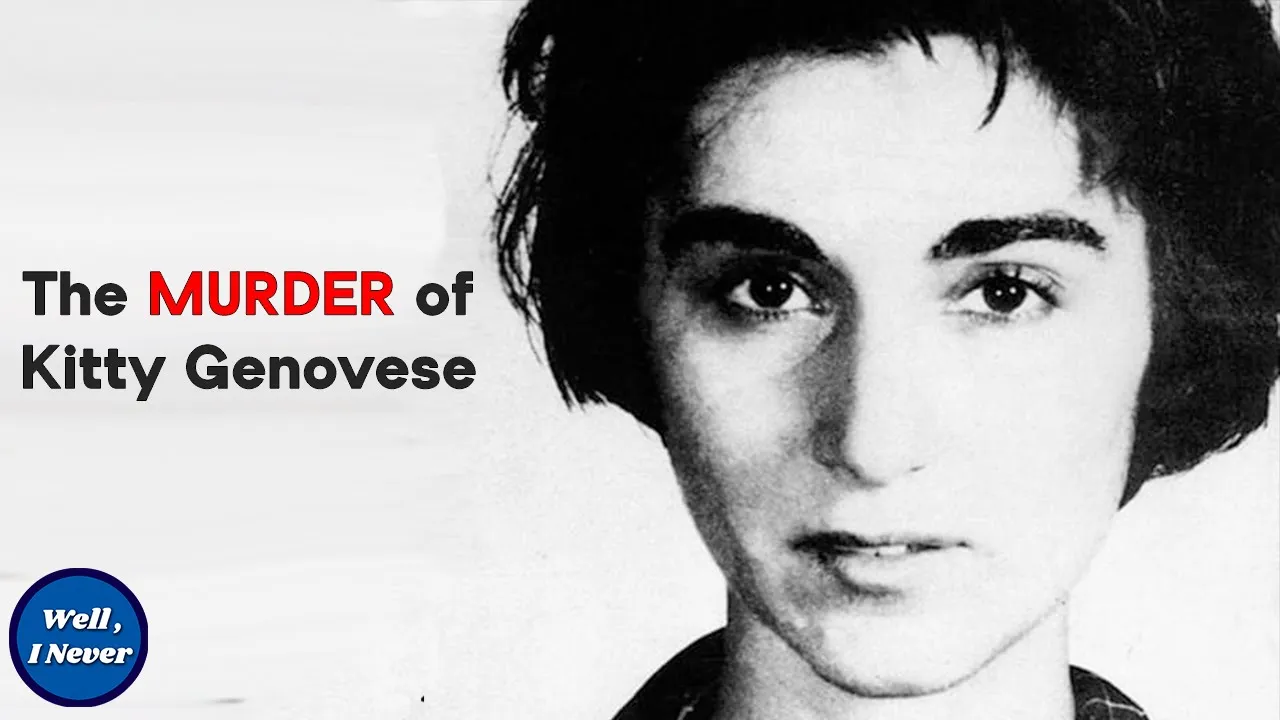
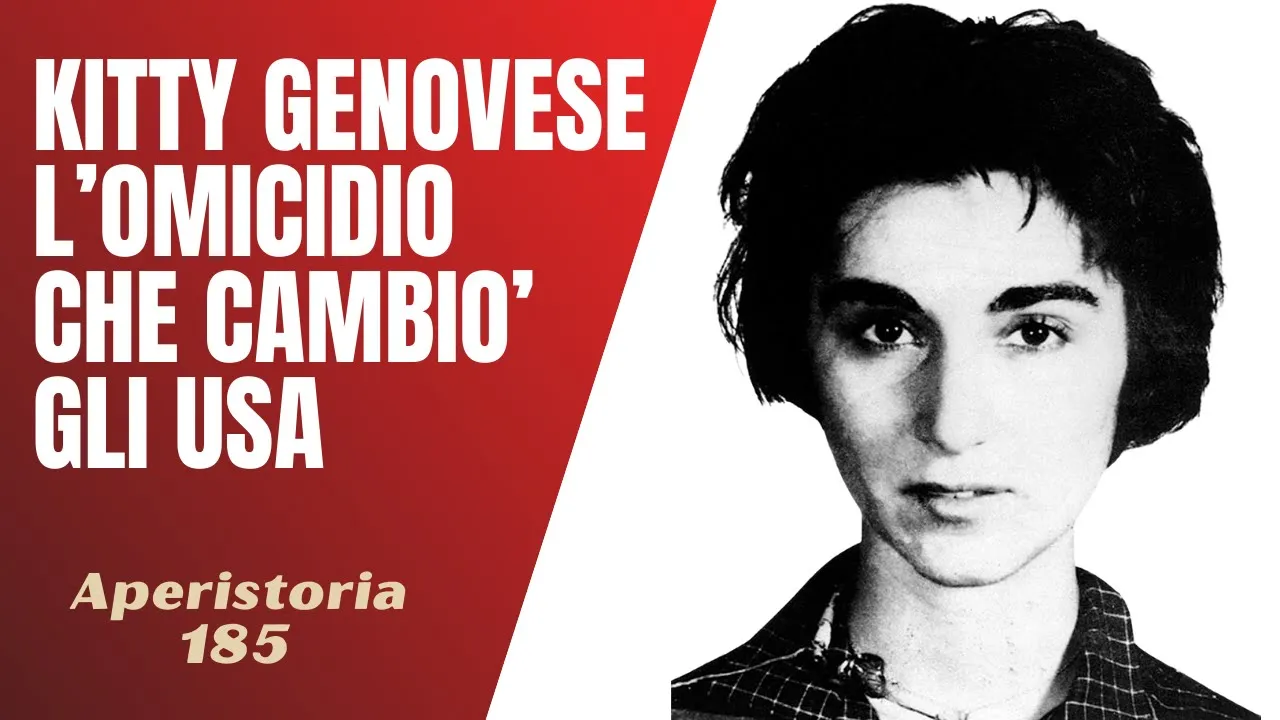
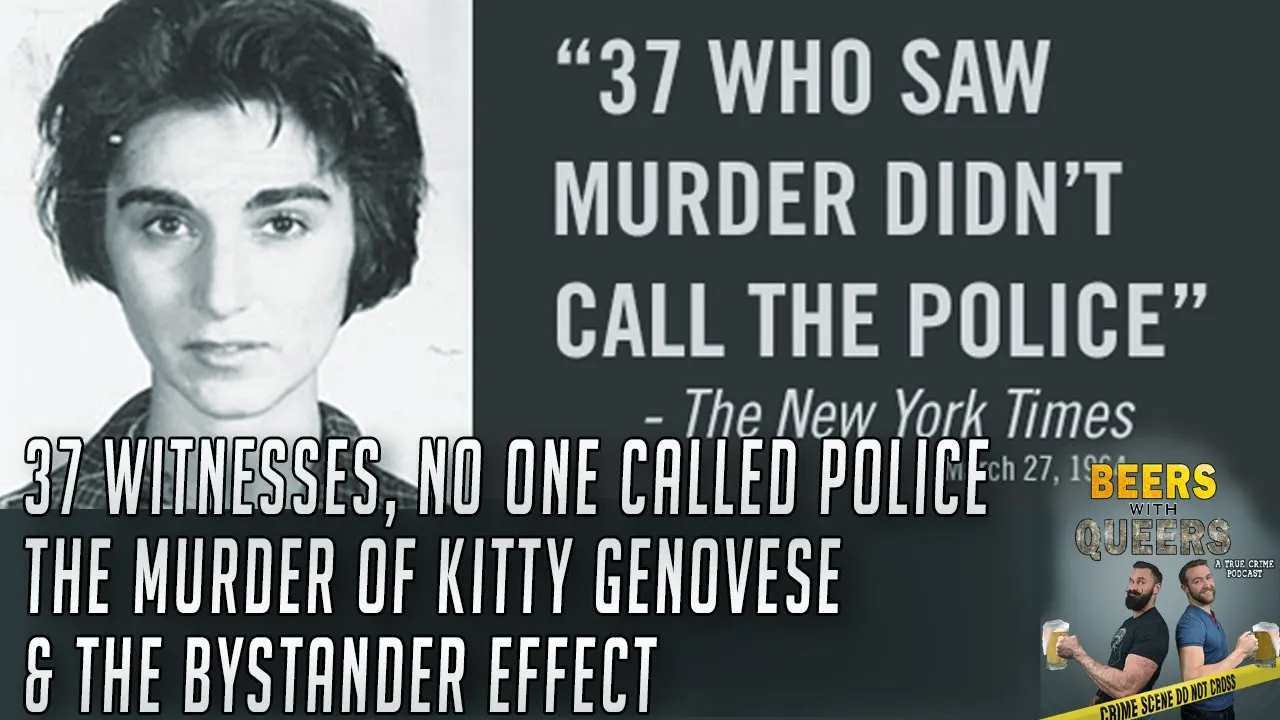
[laughing] [instrumental music] - Apparently, Kitty's arrest is the source of the most famous picture of her.
For years, I wondered where did this image come from?
It wasn't until I looked closely that I noticed a piece of string hanging around her neck.
A piece of string that would have held up her arrest identification.
So this was her mug shot.
It's hard for me to picture that Kitty when I think about the one we saw when she come to visit.
She seemed right at home in that role.
But she also seems to have thrived in New York City.
Zipping around in her little red Fiat.
Coming home alone late at night.
[music continues] There's one more person who can tell me more about Kitty's life in the city, her lover Mary Ann.
She used to come to New Canaan with Kitty on weekends.
I assumed they were just roommates.
After Kitty died, we never spoke to her again.
She declined to be interviewed on camera.
But she did agree to let me record our conversation.
[indistinct chattering] Mary Ann, I -- I was always curious how did you and Kitty meet?
- It was either the Duchess or the Sea Colony I don't remember the name.
I was sitting at the bar having a beer and this woman comes up to me and said "Don't I know you from somewhere?"
I said, "Well, no."
So then I said, "Well, I live at 74th and Broadway."
I had a room and there's a payphone across the street.
And so somehow she found it.
So I had a note on the door when I came back home.
"I'm gonna call you at 7:00 on this payphone."
So she called me.
[telephone ringing] I fell very much in love with her. Mmm.
- Do you think Kitty was in love with you as much?
- I'm not sure.
I think she had conflicts about being gay.
Because we would have, we would have arguments around this.
I think in time, she would have worked it out.
But she didn't have the chance.
- On the 13th, did you hear anything that night?
- This is hard because I blocked a lot of this out.
The police woke me up. They knocked on the door.
- Hmm.
- We went down to the morgue, 4 o'clock in the morning.
That's when I identified her.
I remember sitting outside on the bench and they said, "We're gonna take you home."
I said, "No, I'm gonna wait for her."
- What about Karl Ross, do you remember him?
- She cried out to him, right? - Yeah.
- He had the pet shop, that's how we met him.
- Oh! - He got the poodle for me.
We had an argument and she bought it for me.
His name was Andrew.
Somewhere around the funeral, your father, he came down there and he said, "I want the dog because it's Kitty's."
I said, "No, it's mine."
Thanksgiving afternoon I woke up, the dog was just gone.
Just gone. I never saw him again.
- I remembered, after Kitty passed Andrew appears at our house.
And I thought it was my dad's way of cheering my mother up.
And it did just the opposite. - Hmm.
- I remember her saying, "The dog needs to go back."
Then he disappeared.
I can't, I mean, that's terrible.
I apologize for my family for that.
That's -- that's awful.
- A trauma can be so bad that it tears you up, but somehow you have to heal but right now, I haven't healed.
You know, you feel you could have saved somebody if you only knew? That's what I feel.
- I totally understand that.
- I slept with her shirt for a long time.
- What do you think needs to happen for you to heal?
[Mary Ann sighs] - I don't know. I really don't know.
Have you ever gone to his parole hearings?
- No.
- Maybe facing him and seeing this reprehensible human, not even human being would make me say, "That's it."
- You say that you remember almost nothing of the murder?
- The details of it, no.
- Uh, it -- it sort of it -- the length of time when it was reconstructed was approximately 32 minutes.
Is a total blank?
- I remember the street.
I remember the act itself.....but the details, no.
- You remember the act itself? - Yes.
- And what was it?
- The act was the -- the swinging of a knife.
And that, uh, really doesn't take a lot to kill a person, I guess.
- Could anything be gained from sitting down with Winston Moseley?
In his 49 years in prison, I never seriously considered it.
After all, Moseley not only killed my sister he destroyed my family.
My parents never really recovered.
My mother had a stroke the year after Kitty's murder.
My father died of a stroke, when he was only 59.
My mother's faith got her through those years and she said she forgave Moseley in her heart.
Before I try to meet him face to face I need to know more about him.
[instrumental music] - Winston Moseley was arrested 5 days after my sister's murder while stealing a television from a house in Queens.
This time, a neighbor was good enough to intervene.
- How are you, sir? - I'm good.
- So, he saw Winston going into the house?
- Well my father was sitting on a porch like he usually did.
He saw this gentleman went into Banister's home and my father says, "What are you doing here?"
And he made a break down the hill and my father catches him fell on top of him and he couldn't move.
So he just called the police department.
They came right away.
They put him in a patrol car and took him away.
- His demeanor was what?
- He was just as calm as can be.
- Really?
- Just as calm as can be.
And nobody came to my father's to the house when we lived here to sit down and say thank you.
You're the only one.
- Somebody brought in this small meek-looking black guy.
And they brought the prisoner up to the detective office.
One of the detectives got an idea.
He said, "Hey, you know that guy "he looks like he could be -- match the description of the -- the person who killed Kitty Genovese."
And we started to question him.
By the time we got done talking to him we knew we had one of the, uh, most bloodthirsty killers that I had ever met.
[scanner beeps] - Okay.
- I was sitting pretty much where you are.
And Winston Moseley sat in that table right over there.
The best word to describe Winston Mosley, is ice.
Nothing fazed him at all.
Nothing fazed him.
- My dad was assigned to represent uh, Winston Moseley.
I was like a junior partner in the office at the time and Moseley was a very, very bright and manipulative individual.
He had an IQ of 135. He had two children.
He had a good, well-paying job.
He was very soft-spoken.
The confession as to Kitty's killing just, sort of, flowed normally as as part of... his conversational tone.
- So it was, like, "I stole a TV and, by the way I killed this person?"
- Essentially.
[instrumental music] - Moseley also confessed to the murder of a woman named Annie Mae Johnson.
He murdered her outside her house two weeks before he killed Kitty.
According to Moseley, he approached her as she was getting out of her car at night.
He shot her four times in the stomach with a.22 rifle.
He then rolled her body into the house and raped her while her unwitting family members were upstairs.
She was still breathing so he wadded up some newspaper.....piled them around her, and lit the house on fire.
Two weeks after he killed Annie Mae Johnson.....Moseley crossed Kitty's path.
While he was attacking my sister he knew people were watching.
He heard Robert Mozer yell down from the 7th floor of the Mowbray.
He ran to his car, sat for a few minutes and decided that no one was going to intervene.
So he changed hats and headed back to rape and murder my sister.
When he found her inside the vestibule, Kitty screamed.
He heard the door open at the top of the stairs but quickly realized Karl Ross was going to do nothing.
[music continues] As he drove away from Kew Gardens after the murder Moseley crossed paths with a driver who had fallen asleep at a red light.
He approached the car.....held his knife out of sight.....gently woke the driver and sent him safely on his way.
The jury found Moseley guilty and sentenced him to death.
But Moseley appealed and his sentence was reduced to life in prison.
And that should have been the last anyone heard of Winston Moseley.
However, in 1968, Moseley escaped from prison and terrorized Buffalo, New York.
Over the next four days he broke into houses, raped a woman at gunpoint.....and took hostages when the FBI closed in.
Neil Welch ran the FBI office in Buffalo at the time and he was the first to arrive at the scene.
- And I walked immediately over and stood in the front of the building.....and he said, "Come in." you know.
He sat in a chair and we were about 5 or 6 feet apart and he's got the gun pointed at me.
I had a gun in my left pocket.
I had a direct shot right at him.
- But, but in that direct confrontation your take on him was.. - Dangerous. - Yeah.
- But.. Well, I felt comfortable in talking to him.
I put my hand out and I said "Let me have the gun, Winston."
You have my guarantee that you will be treated fairly.
One thing that I, I was taken aback with was how small he was.
You know, I almost expected a larger presentation of -- of evil.
- Since his escape, Moseley seems to have transformed himself.
- I'm going to continue to try to do positive instructive things to try to make up for those crimes.
- In 1977, he completed his sociology degree from the confines of a cell.
That year, he also wrote an editorial in the New York Times claiming he was reformed.
- This process is, is really, a -- aimed at helping you.
We know that by helping you, we're probably going to help Winston, assuming that he is in a position to meet with you voluntarily and whether or not you know, he's remorseful for what he did.
So maybe we could start it off by talking about you know, what it is you're trying to accomplish by having a meeting, uh, with, uh, Winston Moseley.
- I'm curious as to what his life was like over the last 49 years.
Here, he murdered two people.
How does he think about that? - Mm-hmm.
- What did he think about the events?
If, if he wants to offer that. - Mm-hmm.
- If that opens him up to where he has things he wants to say so be it. Let's hear it.
- What about if he says no, he's not willing to participate?
- Well, I think it'd be unfortunate.....on one level.
And then, on another level I think.. Well, that's a relief.
- Drink ourselves funny. - Did you open my wine?
- Oh, that one, you got it.
- Where's the stuff on the bottom?
- Where is it, I don't know.
- I've got a bowl of pasta with no clams. That's -- how'd you do that?
- No there is.
- Uh, some people say they called the cops the cops didn't react because there was a bar in this quiet neighborhood, there was a bar you know, people like, it's again like a Rorschach it's like, what do you see in this senseless pattern so we're trying to get with Moseley.
Send him an email.
- You sent him an email?
- Yep. - Wow.
- Bill.
- What?
- What's the, um.. What's the question, um.. What's the question.. What do you want answered?
At what point are you going to be satisfied?
- Well, the thing is, sadly for me one question leads to another question leads to another question leads to 5 questions leads to 10 questions, and it's, uh you know, it's a geometrical thing.
- We're now sitting here 50 years later we're still talking about Kitty.
And I'm okay with that.. - Yeah. - But 50 years.. - If you buried it, you should have.
You should have because it's, it's.. It's ea -- it's easily described as an obsession on my part.
- I really need to.
- Bury it. - Yeah.
[phone rings] - Hello? - Uh, hello, Bill.
Uh, this is Mark Collins, and Janet is with me as well.
- Hi, Bill! - Hi, Janet. How're you doing?
- Very good. How are you? - Good.
- We met with Winston Moseley.
We are very, uh.....very, uh, disappointed, however as -- as, as you will be that he has chosen not to pursue a dialogue uh, process with you.
- You know, he was very clear that he's been contacted by multiple media sources and he's just, as he put it, "Tired of being exploited."
- You know, we know how important this is for you and so it was frustrating for us to.. Obviously not nearly as frustrating as you must feel.
- So is that the final w -- word or can I write a letter to him?
- You're certainly not barred or prohibited from writing a letter to him, I just don't see him changing his mind.
- Yeah. I really appreciate it. - Okay.
- Thank you very much. - Okay, bye-bye, Bill.
[knock on the door] - Hi. Steven?
- Bill? - Bill Genovese.
- Hi, I'm Steven. - Yes.
- Nice to meet you.
- How do you like to be addressed?
Reverend?
Reverend Moseley? Or Steven Moseley? Or.. - However you feel comfortable calling me.
- Steven, if it's okay. - That's fine.
- I thought to be perfectly straight with you and to show you exactly where I'm coming from I spent many, many hours and days writing this.
And in some places it's gonna seem harsh but I think that you probably will be able to read it and understand where I'm coming from.
- Yeah, I, uh.....I see how you feel about, uh, what happened.
- Yeah. - When I was 7 years old.
- Oh. No, I know.
I don't hold the son responsible for the father's deeds.
Your dad won't talk to me.....and I'm, uh, trying to find a way in my own heart to forgive him.
- Can -- can I explain to you what forgiveness does?
When you forgive people, it's for yourself.
It's for you. - Yeah.
- Uh.. How would you feel about him getting paroled?
Because, um...you know if it had not been for the, uh, notoriety of this story.....he'd have probably been paroled by now.
- But see my concern is there's that part of him that seems to be a very good person and there's that part of him that maybe he has no control over that really is...for lack of a better term, a monster.
- 50 years ago.
- 50 years ago, but my concern is, where is he now?
- Only thing I know is from what he's told me.
You know? He said he just snapped out.
Because there was some racial tensions going on back then.
And your sister was using a lot of racial slurs at him and he just lost it. That's what he told me.
- Mm-hmm. - So I, I don't know.
- Do you, do you realize he killed another woman?
- I.. That's something that I'm not real uh, you know, sure of -- - And the other, the other woman was African-American.
- Okay, well, maybe he did do that. I don't know, you know?
- Yeah. - Uh, that's something we never discuss.
Um, I can only imagine how you feel.
I don't know, but I can imagine.
- Right. - You took a loss, your family took a loss.
And my family took a loss. You know, it affected everybody.
My brother and I, we -- we went through school with uh, ridicule.
Uh, people, you know, they used to pick with us and call us children of a murderer and all this.
So, what happened to your sister changed my form of thinking also....you know.
And I wanted to be the good guy and try to fix the badness in the world.
Now, you know, um, let me just say this here.. I, I was kind of.....apprehensive about talking to you.
From what I've understood there was a Genovese crime family.
Are you related to the crime family of the Genovese?
- No, not at all.
- I've always, uh, been told that, that it had been the, the crime family that was you know, that Kitty was from.
- Steven, between you and me it's not true.
- Everybody in my family says to me you know "You're crazy, you shouldn't go there. You may not come back" - Ha.
- I said, "I'm not, I'm not afraid to die."
I said, "If it's my time to die, I'm ready to go."
- So you're not only cordial for coming here but you're courageous for coming here.
- Yeah, uh... I know that, uh.....at some point in a person's life they have to move on, you know, and, and then you'll have some peace of mind about it, you know?
And, you know, hopefully, you know we can put everything that's happened behind us and move on.
- About a month after talking with Steven Moseley his father Winston sent a letter.
He described in detail a bizarre version of what happened the night of Kitty's murder.
According to him, he was nothing more than the getaway driver for the true killer.
An Italian mobster named Dominic.
"At that point, Dominic ran at the woman and I thought "I was seeing him hitting her "in her back with his fist. I didn't know he had a knife.
""Why?" I asked.
""She owed me" was all he said.
"He said to me in a very menacing way quote ""Not a word about tonight to anyone.
""If you ever mention my name ""if you talk, you'll be sorry.
Your family will pay.""
And then it's simply signed Winston Moseley.
Incredible.
- It's so delusional. - Yeah.
It's kind of like, uh, the human condition.
One believes their own bullshit in evolving stories.
- Amazing. 50 years and he's come up with this.
- Yeah.
[instrumental music] [music continues] It's hard to let go when you can never know the whole truth.
I'll never be able to put myself in the place of the neighbors.
- Welcome to our home.
- This is the bedroom.
- Hello. - Hi.
The one in the bedroom looks directly down at the parking lot.
- And I can never really know what it was like for Kitty that night.
What thoughts went through her mind.
Only once in 50 years have I come close to understanding.
It was July, 1967.
I was on patrol near an enemy village.
[intense music] [gunfire] [indistinct chattering] Lying in the middle of that paddy, I was completely alone.
I thought of Kitty.
What was it like for her when she realized no one was going to save her?
[instrumental music] But Marines carried me to safety and I lived to tell the story.
- Whatever possessed you to go running off into the paddy like that?
- I'm a marine. - How do you mean?
- I'm a marine. I'll take care of 'em.
[indistinct chattering] After 50 years, I felt there was one more thing I had to do.
- Hi, how are you? - Good. How are you?
- I'm Shannon. - Pleased to meet you, Shannon.
- Nice to meet you. - Beeby?
- Yes.
[phone ringing] - Hello. - Michael?
- Yes. - It's Bill Genovese.
I'm here with a woman named Shannon Beeby and she is going to act out the vocalizations here on the street.
So of course the only person we really have.....is yourself, who can give us a -- an idea of how loud was it in your apartment.
- The scream was so loud that it woke me up from a dead sleep.
I've never heard anything in my life that loud.
[instrumental music] [music continues] [panting] [screaming] - Help me!
Help me!
Oh, my God, please help me.
Please, help me!
Help me!
[sobbing] [indistinct muttering] [sobbing] Oh, God.. [Shannon screaming] Help!
[instrumental music] - Thank you.
[music continues] - Bill, how you doing? How's everything?
- Good. - Good to see you.
- This is unbelievable.
- I know.
She was my friend and I knew she was hurt.
And I.. And she needed help.
That was -- that was my reason for flying down those stairs.
And then when I came in I'll never forget the black.. It kills me when I think about it.
The black leather gloves and all cuts all through the gloves on her both hands.
[sobbing] I only hope that she knew it was me.
That she wasn't alone.
- This is the youngest, Frank and this is the oldest, Vin.
So it was Kitty, Vin, Susan Bill and then Frank.
This is our granddaughter. - Oh, she's beautiful.
- I've come to realize that the whole truth about Kitty's death will never be known.
But maybe that's why the story continues to fascinate people.
- You really only had to know one thing to appreciate how misleading that lead was.
- And if nothing else, it got us to think about what we owe each other.
- To not only be vigilant but to get involved and to help in any capacity that we can.
[instrumental music] - 50 years after Kitty's death, I still miss her.
I wish she had the chance to know her nieces and nephews.
To meet her grand-niece who's named after her.
But this journey has taught me and my family more about Kitty than we ever thought we'd know.
[music continues] - For some reason or other, she really took a-a liking to Billy, more than me.
- Although I remember, one time I didn't eat my spaghetti and she dumped the spaghetti on my head.
- Yes! Really? - Yeah.
Kitty taught me to never stop asking questions.
But I know she'd want me to move on.
[instrumental music] ♪ God is in the roses ♪ ♪ The petals and the thorns ♪ ♪ Storms out on the oceans ♪ ♪ The souls who will be born ♪ ♪ And every drop of rain that falls ♪ ♪ Falls for those who mourn ♪ ♪ God is in the roses ♪ ♪ And the thorns ♪ [instrumental music] ♪ The sun is on the cemetery ♪ ♪ Leaves are on the stones ♪ ♪ There never was a place on Earth ♪ ♪ That felt so much like home ♪ ♪ We're falling like the velvet petals ♪ ♪ We're bleeding and we're torn ♪ ♪ But God is in the roses ♪ ♪ And the thorns ♪♪ [music continues]
Up Next
10:03
Predator Approaches 15-Year-Old Girl in Public | Social Experiment
@WhatWouldYouDo
39.3M views•2016-02-10

26:22
Walking in the City: Urban Rituals and the Flâneur in Contemporary India
@PSBTIndia
1.9K views•2016-08-02

22:37
Forensic Odontology: Solving a Murder Through Dental Evidence
@FilmRiseTrueCrime
730.1K views•2021-12-10

1:42
Game of Thrones Opening Credits: A Cinematic Analysis
@gameofthrones
46.3M views•2011-04-18
Related Study Plans & Knowledge Roadmaps
Structured learning paths in General & Interdisciplinary Studies
general-studies
Artificial Light: History, Tech & Human Impact
01The Pre-Electric Era: Fire, Oil, and Gas Lighting
02The Incandescent Revolution and Grid Electrification
03Gas Discharge and Fluorescent Illumination
+ 3 more learning modules
14h6 modules
Explore Roadmap
general-studies
Elevator Engineering: History, Physics & Cities
01From Hoists to Safety Brakes: The Dawn of Vertical Lift
02Hydraulic vs. Traction: The Engineering Physics of Elevators
03Modern Speed, Safety, and Algorithms
+ 2 more learning modules
12h5 modules
Explore Roadmap
general-studies
Rubber: Material Science, History & Geopolitics
01Origins of Natural Rubber & Mesoamerican History
02The Chemistry of Natural Rubber & Vulcanization
03The Geopolitics of the Rubber Boom & Colonization
+ 2 more learning modules
12h5 modules
Explore Roadmap
general-studies
Containerization: Evolution, Logistics & Trade
01Ancient Trade & Bulk Cargo: Amphorae to Barrels
02The Industrial Revolution & Cardboard Packaging
03The Containerization Revolution: Malcom McLean
+ 2 more learning modules
12h5 modules
Explore Roadmap