
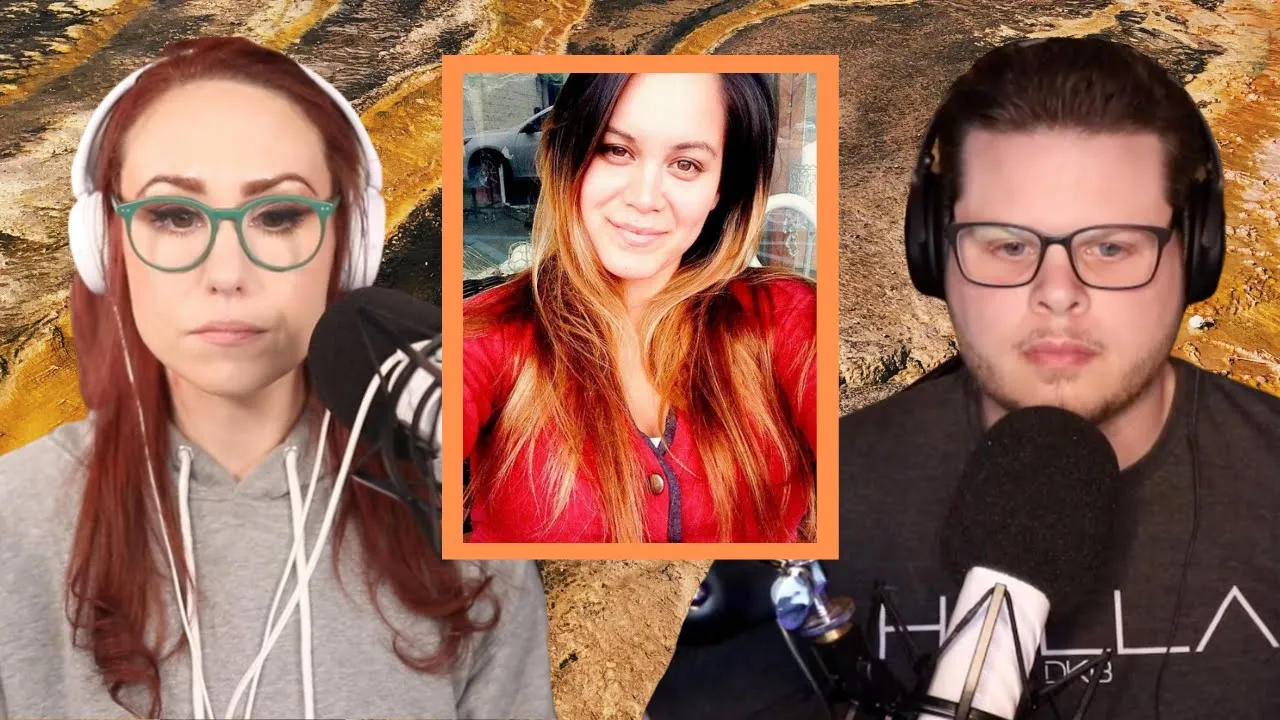

















This video demonstrates how predators exploit vulnerable teenagers by offering false opportunities and building trust through flattery, and shows that bystanders can effectively intervene by recognizing suspicious behavior, speaking up for strangers, and providing alternative solutions to help protect vulnerable individuals from dangerous situations.
Predator Approaches 15-Year-Old Girl in Public | Social Experiment
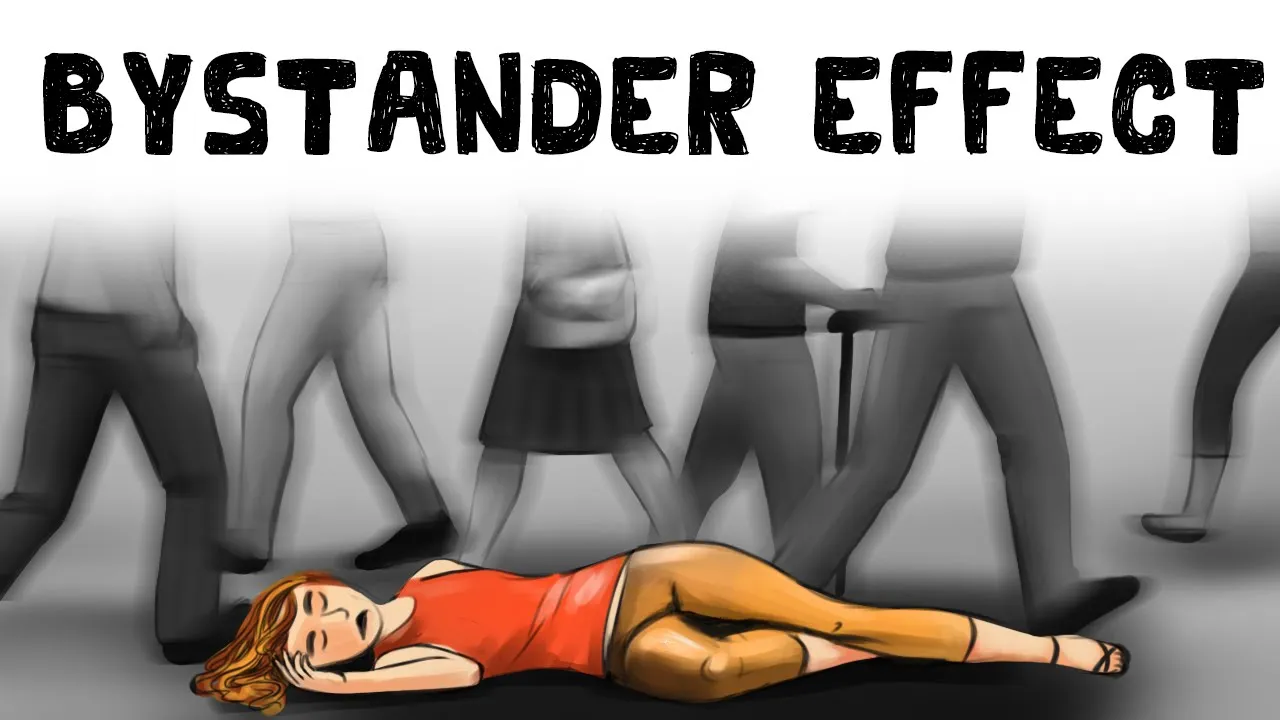
Added:The Bystander Effect and Diffusion of Responsibility: Understanding the social psychology concepts behind why individuals do or do not intervene in public emergencies.
Foundations of Child Exploitation and Grooming: Basic knowledge of the behavioral red flags, manipulation tactics, and psychological mechanisms used by predatory individuals.
Methodological Ethics in Social Experiments: Comprehending the ethical implications, participant consent protocols, and potential psychological distress associated with staging public crises for observation.
The 'Five Ds' of Bystander Intervention: Advanced study of practical, safe techniques for intervening in public harassment or danger (Distract, Delegate, Document, Direct, Delay).
Comparative Legal Frameworks on Intervention: Exploring 'Duty to Rescue' and 'Good Samaritan' laws across different jurisdictions and how they impact civic responsibility.
Critical Media Literacy of Social Experiments: Analyzing the scientific validity, sensationalism, and sociological impact of social experiments produced for public digital platforms versus academic field studies.
Situational Crime Prevention (SCP): Studying how environmental design, public surveillance, and community vigilance can reduce opportunities for predatory behavior in public spaces.
39.3M views548Klikes10:03Original Release: 2016-02-10
*Birds chirping* The streets can be dangerous.
*song playing* song continues And often, teenagers are targeted.
Girls, as young as 12 years old, not runaways but girls from the suburbs.
Especially when they're all alone, and vulnerable.
Man: Hey! You play guitar?
Girl: Yeah.
Man: Nice, me too.
You go to college around here?
Girl: No, I'm in highschool, I'm 15.
Man: You're 15? Really? You look way more mature than that.
Girl: Yeah, I didn't go to school today, my parents are going to be so mad.
Man: Oh! What they don't know right?
Hey, wanna come over and jam?
Girl: Er, I don't know, I don't really know you.
Man: I know a lot of people in the music business, I could help you out.
Girl: Really?
You might be enjoying a cup of coffee when you overhear an off-key conversation.
A 15 year old girl being lured into a suspicious and potentially dangerous situation by a much older man.
Do you try to change his tune or mind your own business? What would you do?
Girl: Okay! Cool! That sounds like it could be fun.
Man: Awesome! My car's right out back.
Girl: Okay! Let's go.
Man: Cool.
Our hidden cameras are rolling at Singer Hill Café in Oregon City, Oregon.
Man: What are you doing here all by yourself?
Girl: I didn't go to school today.
Man: So you're kinda playing hooky, huh?
Girl: Yeah. *Both laugh* Our predator Tyler, Man: [You] should come over and play.
Man: I [stammering] actually have a full studio at my house.
Girl: That's awesome.
Becomes more and more persistent.
You know my car's out back, we can go now if you want.
Oh (ah) I don't really know you [stammering] This dad and his daughter take notice.
We got alcohol and some pot, you smoke pot?
[Stuttering] I'm 15, so... And when we send our predator away I'll stop back..it's cool Okay He checks in You don't know him?
No.
As a dad, I'd say don't do it. Girl: Yeah He said that he has, like, a music studio at his house.
Oh, don't.
The father and daughter duo offers our team some advice and an alternative.
There's plenty of places right here in town.
Down the hill there is another coffee shop.
Okay, maybe I should go there.
I refer to it as risk and benefit.
With what you're risking? To what benefit?
And when our predator returns, they're willing to take a risk to save a stranger.
You, uh, ready to go? (Girl: Umm...) Hey, she has a map she was going to show you. (Girl: Thank you.)
That coffee shop down below, we're going down there right now.
I know where we're going; we're just going down the street.
Do you know each other?
No we - well, we just met but, she's gonna - she's gonna play with us and we're gonna jam.
You're welcome to join us.
Come on.
But watch what happens when Tyler grabs [Megs] guitar case.
Is that your guitar?
Yeah.
You should put it down.
(Tyler: No she wants - ) Very seriously.
Put her guitar down.
We were - We're gonna jam; I'm gonna help her with some of her music.
She's coming with us.
You're missing out on a good opportunity.
There's lots of opportunities in music in this town of Portland.
That's what it's known for.
Do you know his name?
No, I don't.
Seriously. Gentleman do not go about it that way.
Now it's time to make our way to meet this gentleman.
Hi. This is "What Would You Do?", the TV show.
*Girl begins laughing* How are you? Are you okay?
*Girl crying* What was going through your mind?
That he's gonna rape her. He's gonna tear off [her clothes] and she's not gonna come back and her family not gonna know where she is.
So you weren't gonna let her go away with him.
No.
For you it was worth the risk of getting.. involved I would feel absolutely terrible if I read that then, she went missing.
I would want my daughter to be safe and I'm sure every dad wants their daughter to be safe.
[We roll again] Why don't you think about it? I'm going to head to the bathroom, but when I come back we should go. Cool?
Okay.
When Meg is left alone. These women take the opportunity.
Don't get in his car Girl: Yeah Grandma: You're very pretty Thank you And you could be overtaken very easily Yeah, he just seems like... very nice.
Girl: Alright Grandma: Do not get in the car with him And when Tyler returns So, ready to go? Car's right out back.
Um, no, I... I don't know.
Our teen is no longer alone.
C'mon, let's go No If you need a ride to the school, I will give you a ride to the school, okay?
Okay.
This is not a good idea.
Okay You're way too young.
Guy: You know, why don't you mind your own business, this is, this is music business, y'know? Grandma: I am Guy: C'mon, let's go to my place. My car's right here Okay... [Clutter noises] Meg pretends she's still unsure.
Tyler: Let's grab your stuff. -But this woman won't give up on our undecided teen,- You know it's not okay, your gut is telling you that. Listen to your gut.
Y-you're interfering with her career.
Yes I am Have him uh, have him get angry and leave.
Alright... You have a nice day sir.
Come over here and talk to us.
Thank you.
Time to find out why these women came to Meg's rescue.
Oh my god... Man: This young lady's an actress.
She's okay. And so is he.
Well, let me tell you, he was not going to be okay in a minute.
We know about the sex trafficking in Portland and how.. how.. how serious that is.
How gullible are girls like her?
Oh, very gullible. They want the stars, and he was promising it.
He picked the wrong couple (Yeah).. You gotta admit. *laughing* You did it, you did. He didn't have a chance.
Throughout the day, lots of people warned Meg not to go with him.
I don't think you should do that.
What's the holdup?
Would you- are you leaving with him?
Um... I... I dunno.
Let's go.
But when words failed to stop her, I think she should let her parents know what she's doing.
Why don't you just connect with her later?
Do you really wanna? You gotta, you gotta take your chance.
Okay... Half of the bystanders watch as Meg leaves with our predator Saying, they were unsure of what else they could have done.
Do you wish you would have done more, you said.
I, but I didn't know what I could do besides hold onto her.
And when she was walking out. Your heart must have been sinking.
Yes. I was very upset And I was... going to find out the license plate number... And maybe call.
And now we roll one last time.
This is it, this is your break.
And this table of college students overhears the off key conversation.
I, I don't know. I just don't want to get in a car with you, if I don't know you.
Come over to my house. If you're having fun, cool If not I'll bring you back.
I've got a hot-tub, you can relax.
You live right down the block you said?
When Tyler steps away... I'm gonna use the bathroom. I'll come back and we'll go. Okay?
Jennifer Page offers quick and simple advice.
Don't do it.
Do you think I should, like, trust him or no?
No.
And then our predator returns, Alright, you ready to go?
Um... I don't know... And Jennifer steps right into the spotlight.
She doesn't wanna go Yeah, well... You wanna go, right?
She speaks for Meg, and confronts Tyler.
She doesn't want to go.
She's got the right look, look at her.
You can come sit with us... It's okay.
As our predator becomes more aggressive... She doesn't want to go with you sir.
So does Jennifer.
She doesn't know you. You can put her guitar down. She does not want to go.
Mind your own business okay?
Here you go Thank you.
Grab her hand and that's it.
C'mon... let's go.
Come on. This is your last chance, let's go. Girl: Stay here.
Remove your hands from her. She does not want to go. Thank you.
*Sighs* Alright... Your loss.
What do you think, break it?
Are you okay?
Yeah I'm fine.
Alright, let's do it.
I'm really sorry by the way.
Hi Girl: Are you okay?
Yeah... I'm fine.
Hi there. I'm John Quinones This is "What would you do", the TV show.
Oh my gosh... Oh my gosh You okay?
You kidding me? *laughs* Why get involved?
From personal experience I know you don't just trust everyone.
You were adamant.
Yes, cause she didn't know what she wanted to do And she needed someone to be her voice for her.
What would your advice be for young girls?
You aren't being rude by saying "no thank you, I don't want to come with you" Like you don't have to be nice to everyone, especially a stranger.
Thank you.
Thank you *laughs* *Outro Music*
Up Next

38:50
The Bystander Effect: ELA & Social Studies Lesson for 10th Grade
@MassachusettsESE
261.1K views•2015-10-27

12:54
Triumph of Orthodoxy Icon: Byzantine Art & History Explained
@BenCallan
2.1K views•2024-08-06

9:49
FastAPI vs Flask vs Django: Choosing the Right Python Web Framework
@TechWithTim
302.5K views•2024-05-26

1:42
Game of Thrones Opening Credits: A Cinematic Analysis
@gameofthrones
46.3M views•2011-04-18
Related Study Plans & Knowledge Roadmaps
Structured learning paths in General & Interdisciplinary Studies
general-studies
Elevator Engineering: History, Physics & Cities
01From Hoists to Safety Brakes: The Dawn of Vertical Lift
02Hydraulic vs. Traction: The Engineering Physics of Elevators
03Modern Speed, Safety, and Algorithms
+ 2 more learning modules
12h5 modules
Explore Roadmap
general-studies
Rubber: Material Science, History & Geopolitics
01Origins of Natural Rubber & Mesoamerican History
02The Chemistry of Natural Rubber & Vulcanization
03The Geopolitics of the Rubber Boom & Colonization
+ 2 more learning modules
12h5 modules
Explore Roadmap
general-studies
Containerization: Evolution, Logistics & Trade
01Ancient Trade & Bulk Cargo: Amphorae to Barrels
02The Industrial Revolution & Cardboard Packaging
03The Containerization Revolution: Malcom McLean
+ 2 more learning modules
12h5 modules
Explore Roadmap
general-studies
Textile Tech: Evolution, Labor & Global Impact
01Pre-Industrial Textiles: Handloom & Cottage Industry
02Mechanization: The Spinning Jenny to the Power Loom
03The Factory System & Global Labor Transformation
+ 2 more learning modules
10h5 modules
Explore Roadmap