






![[아형✪하이라이트] 민경훈의 엉뚱한 방귀 질문에 찐 교수님 모먼트 나온 곽재식ㅋㅋㅋ | 아는 형님 | JTBC 240727 방송](https://i.ytimg.com/vi/UBIr9rrtQx0/maxresdefault.jpg)
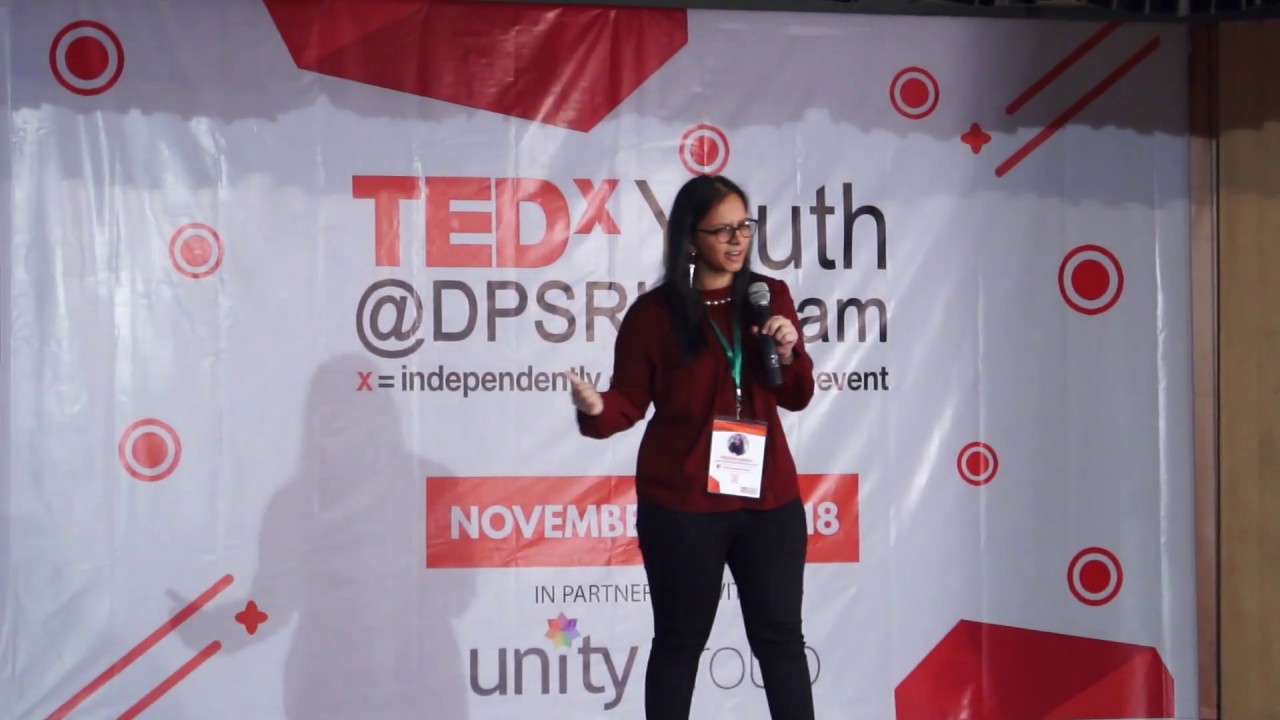


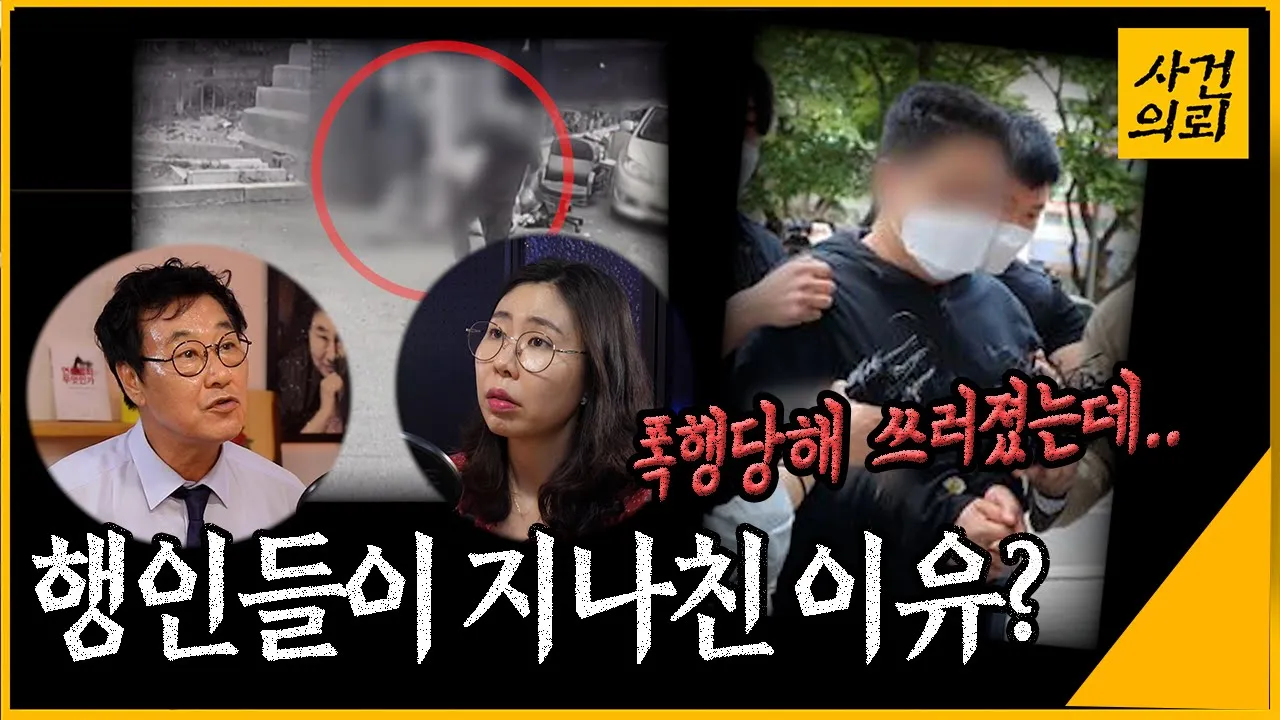


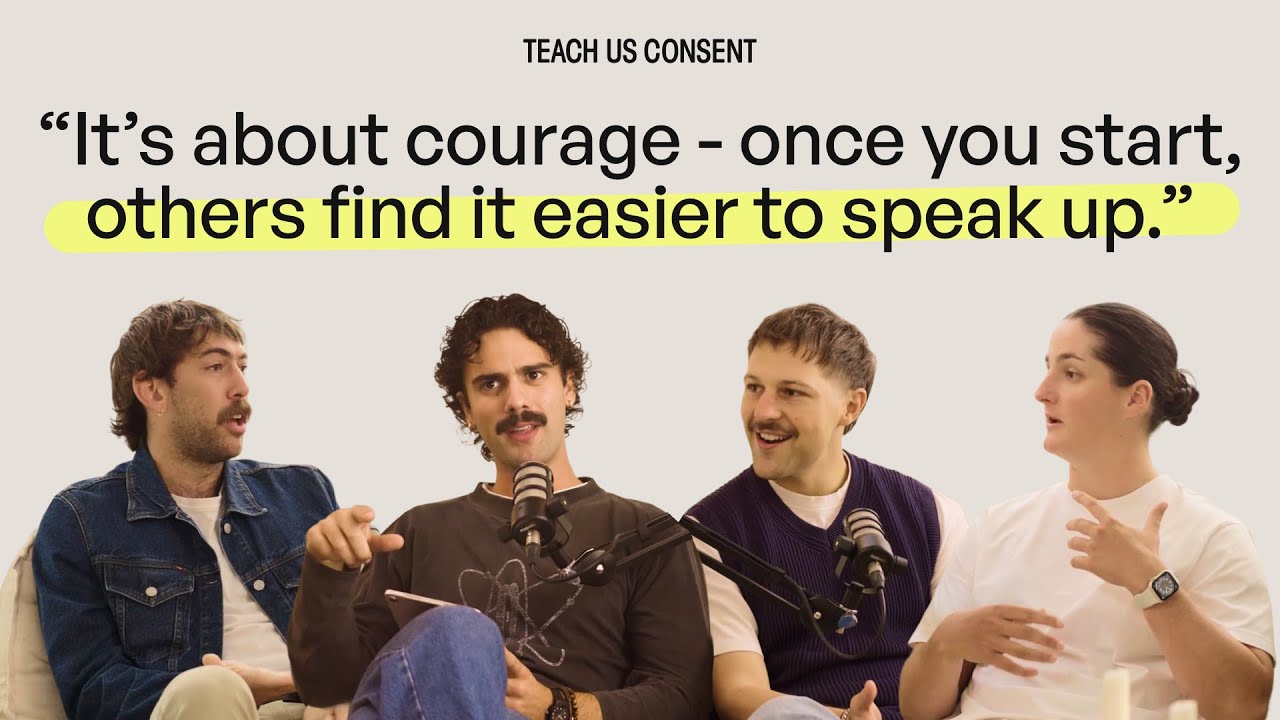








The bystander effect—the phenomenon where people are less likely to help in emergencies when others are present—is not as bleak as commonly believed; research shows that when one person actively helps, others are more likely to follow, making it possible to overcome collective inaction by simply getting one committed individual to take action.
The Bystander Effect: How One Person Can Spark Change | TEDxTalk
Added:Basic understanding of social psychology and how group environments influence individual decision-making.
The concept of 'Diffusion of Responsibility,' where individuals feel less personally accountable to act when others are present.
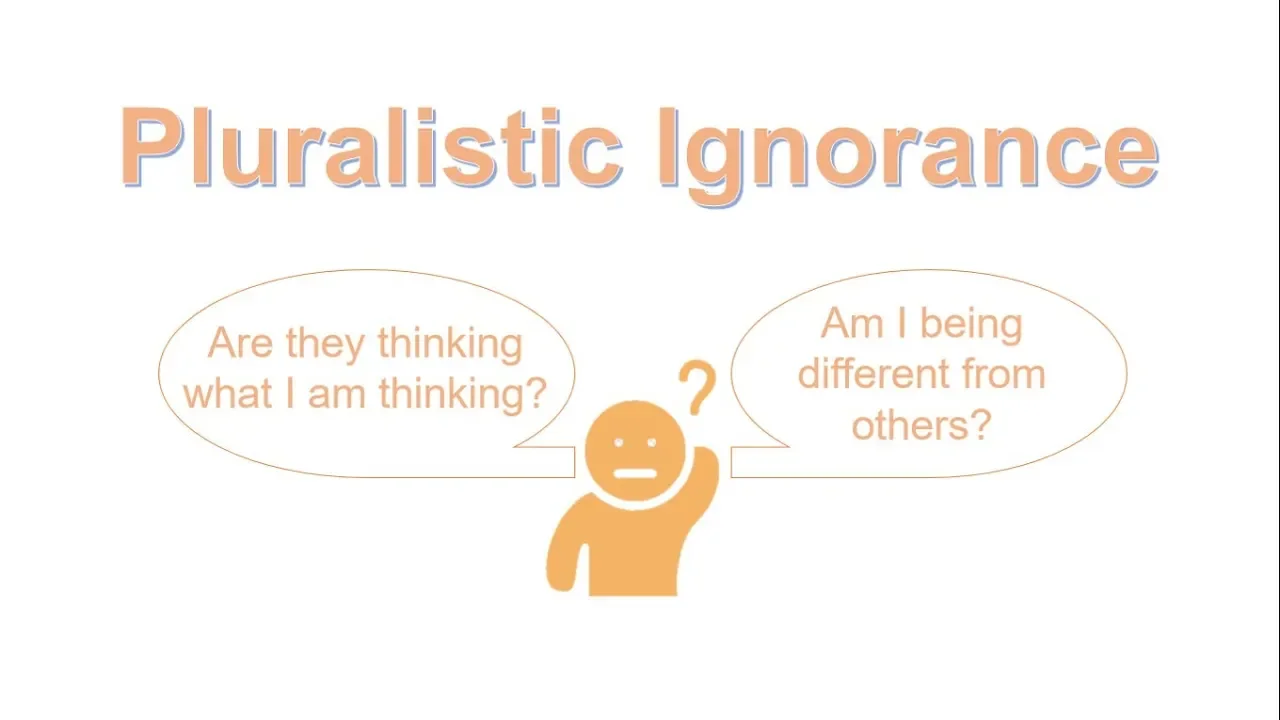
The phenomenon of 'Pluralistic Ignorance,' where people publicly conform to a group norm while privately disagreeing, often misinterpreting others' inaction as a sign that no help is needed.
Familiarity with the historical context of the bystander effect, specifically the 1964 Kitty Genovese case which pioneered research by Latané and Darley.
Practical methodologies for Active Bystander Intervention, such as the '5 Ds' (Direct, Distract, Delegate, Delay, Document).
Advanced theories of prosocial behavior and altruism, including the Empathy-Altruism Hypothesis and Social Exchange Theory.
The role of 'Deindividuation' in group dynamics, analyzing how immersion in a crowd can diminish personal identity and moral agency.
Designing and implementing institutional bystander intervention programs within schools, workplaces, or community organizations to foster a culture of mutual support.
291.9K views2.5Klikes16:47Original Release: 2015-07-12
Transcriber: Leonardo Silva Reviewer: Mile Živković So, let's talk about the bystander effect for a minute.
This is one of the most frequently discussed psychological phenomena.
Many of you have read about it in psychology textbooks, heard about it in a psychology one-on-one lecture, or seen videos where this is described and demonstrated.
The fundamental idea behind the bystander effect is as follows: when you are in a larger crowd, you're less likely to receive aid and assistance.
Now, the very presence of that idea makes some people nervous, makes them nervous to visit big cities, makes them nervous to be among others and worry that, when they are together in a crowd, a parade, a march, maybe they're somehow in danger.
Where did this idea come from?
March 13th, 1964, a tragedy in Queens, New York: Kitty Genovese was murdered outside her apartment.
It was late, but there was certainly people awake, and she was screaming while she was attacked.
Two weeks later, the New York Times ran an article saying that 37 who saw the murder did not call the police.
Thirty seven.
The number was later adjusted to 38.
The idea that someone could be murdered and people would stand idly by became something that social psychologists were very concerned about, and they began research.
I'd like to talk to you about one of the most seminal studies in this space.
This laboratory, or one that looks very much like it, is where, in 1968, John Darley and Bibb Latané took subjects, put headphones on them, and put them in a room, and asked them to listen to other people.
They were made to feel that they were either alone or with two other people, or with five other people.
Then, they did something which I think was very traumatic.
The '60s were very good days for social psychology, when you could do terrible things to people, in the service of science.
What they did to these experimental subjects was have them listen to someone describing the symptoms of a stroke and then calling out for help.
What they were interested in was: would the individual with headphones on, alone in a room, yell out for help, or bang on the door, open the door, break the bounds of the experiment and say, "This person needs help, and I want to do it"?
Let me share the results of that study with you.
In the six-minute period following the onset of the individual describing stroke symptoms, when a person was made to feel alone, that they were the only one hearing, over 80 percent helped within a six-minute time window.
When they thought there were more people present, that was reduced to over 60 percent.
In the belief that there were five other people present, less than half did anything.
They also looked at the time to help, and we see a very similar effect.
The pattern looks different, but, as I'll explain, the idea is simple.
When you're alone, you're more quick to help, if you do provide help, and you see the average time to provide assistance was less than a minute, 50 seconds.
But, with two people present, that time went up, and, with five people present, almost three minutes, on average, before someone helped.
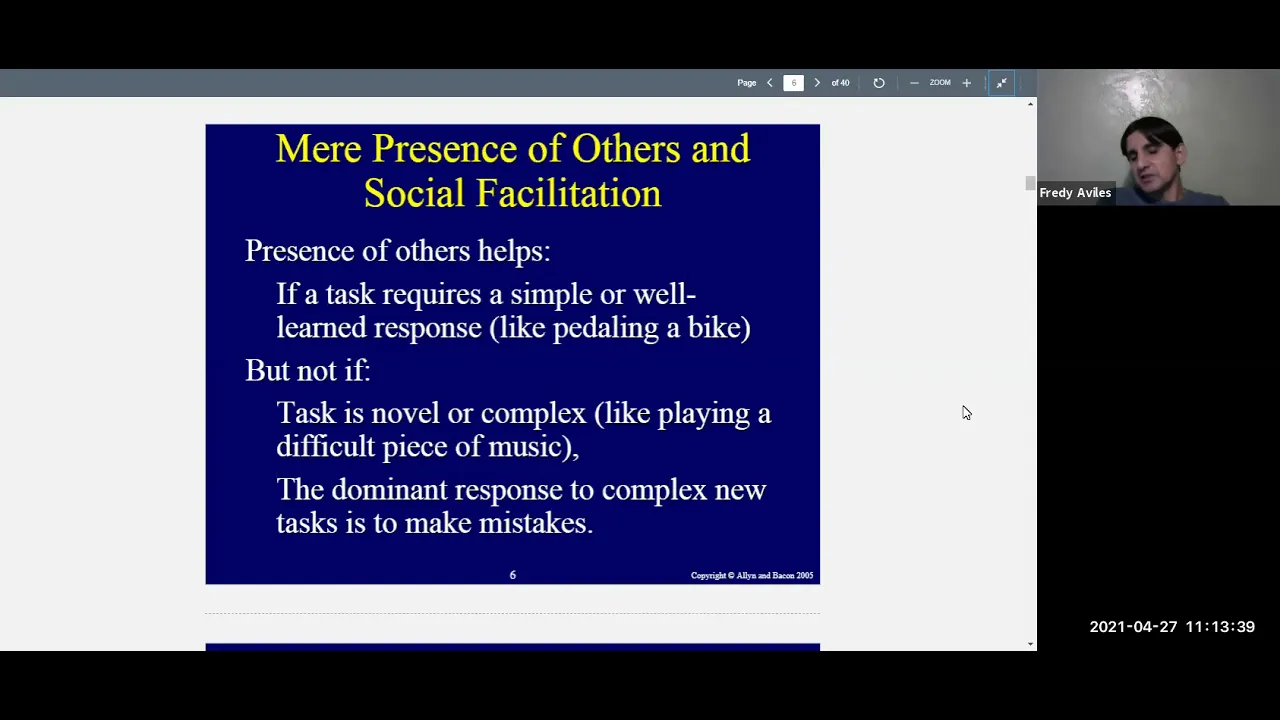
This was described at the time as being a result of deffusion of responsibility, that, in the presence of other people, we don't feel our responsibility to step up to intervene, to help.
In the years since then, there have been many replications and studies using different types of activities, using different types of emergencies.
If you go online, you can find any number of videos, exposés, even student projects, where a student will [lie] face-down on the floor in a high school hallway, and people seem to walk right by.
In this video, you see a gentleman crouched down, saying, "I need help! I'm in pain!", and people walk by.
This is the bystander effect.
Here's the but.
Social psychology does a fantastic job of letting us know when things might happen and if they are indeed at all possible.
But, going back actually to that first scenario, in 1964 - Kitty Genovese - we actually find, Rachel Manning and her colleagues, that the story wasn't as clean as people think.
When Manning and her colleagues reviewed the police records, when they looked at what really happened that night using court documents, they discovered that the New York Times actually - surprisingly perhaps for some of us; others, maybe - mislead us.
There actually were people who called the police.
There were people who screamed and yelled out their window.
This was not the story of the big city run amok and people not caring that some thought it was.
A few years later, Peter Fisher and his colleagues did a meta-analytic synthesis - this is a combination of all the published research on the bystander effect - and they concluded that the presence of bystanders does reduce helping responses.
So, it is a real phenomenon, but, when you dig into the data, when you dig into studies, you realize that the picture is not as bleak, nowhere near as bleak as conventionally assumed.
And, in fact, there is one little thing that makes a huge difference.
Let me share some of their results.
In this particular study, they cumulated across multiple studies and were able to give you an estimate of how big is the effect, how big is the effect of when more people are present you don't help.
And the large negative effect you see here occurred across multiple studies, when there were bystanders present who were instructed to be passive.
This is in fact what happened in the Darley and Latané study, where the individual who was there as an experimenter told the others who were bystanders not to say anything.
So, there was considerable amount of uncertainty for the experimental participant, "There are other people. How come they're not speaking up?"
When there is a passive bystander, this effect does occur.
What happens when you instruct one person, one person, to be active and step up?
The results are completely reversed.
We go from having a bystander effect, where people are less likely to help, to having what could be called a helper effect, where, in the presence of more people, as long as one person, one person, actively helps, people are more likely to jump to be in a position to aid further.
People become more likely to help.
This data suggests that it can't be deffusion of responsibility as the primary explanation for the bystander effect.
If that's the case, then, when one person helps, you're absolved of responsibility, you should walk away.
Instead, the explanation is one of uncertainty.
When no one helps, we wonder, "Is that the right thing to do? To stand by? To be passive?
To let this thing, this tragedy happen?"
When one person helps, we jump in, we're there, we're ready, we actually join with others to help and make a difference.
There's additional research that says, in particular, if you go beyond one person and you get a small group of people, a small group of people, who act amongst a sea of others, and they engage in a particular behavior, whether it's gazing up at a particular window or doing a dance, others are more likely to act and do the same.
This is quite different than the bystander effect.
In fact, it's effectively the opposite.
So, armed with a more realistic and more current understanding of the bystander effect, there are two things that you can do with this knowledge.
And let me begin with the most basic, although maybe this is the most important for you, and that's as follows: what do you do if you're in a crowd and you need help?
Bob Cialdini, who was a former professor at Arizona State University, who has a best-selling book on power and influence, does a really nice job of giving very specific advice here, an advice that I think that you can use.
It's an idea that is certainly worth spreading: when you need help, your job is not to get anyone to help; your job is to get one person to help.
And, if you can get one person to help, other people will follow.
Now, how do you do that?
If you're in an audience and you know someone's name, you can call that person out.
In another situation, you may not know, and you may literally have to find a way to single someone out.
For example, in an audience like this, it'd be very difficult, I think, to convince someone to come up and be on camera and be onstage, but, if I said, "I need help," and I pointed, and I said - Ma'am, you who have white jacket, on the sides, with pattern, I need you to come, I need your help.
Please, I see your shoes, with the white laces.
Come on, please, come right here, I need your help.
Actually, I just need you to flip my slide, so hold those, if you can.
And then, when you're ready, I'll tell you and you will flip by pushing that button.
Are you happy to be up here?
She says, "I'm super happy."
(Laughter) If you want help - you can go ahead and click the button to go forward, perfect - now you know how to get help in a crowd: all you need is one person.
Were I to call someone else up now, people would be more willing and likely to come.
So, we can use this in all aspects of our life.
We can use it to get help in a crowd. We can use it to get help as a volunteer.
if you're running an office and you need someone to volunteer, don't just ask anyone.
Get one person, and then, other people will follow.
So, that's the first piece of advice, the first idea worth spreading, with your new knowledge of the bystander effect.
It says that all you really need is one person, and other will follow.
Next slide.
Margaret Mead, who is perhaps the United States' most famous cultural anthropologist, said, "Never doubt that a small group of thoughtful, committed citizens can change the world."
I remember the first time I heard this quote it made me really tired, because I imagined small groups of people working late at night, trying to change the world.
It's a lot of work for small groups of people to do, whether you're building bridges in Peru, whether you're working with your pastor and a small group pf committed citizens within your church to help a hurting community, it's a lot for a small group of people to do.
But, if we take what we know about the bystander effect seriously now, I think we understand the idea that it's not really about that small group getting everything done.
It's about that small group becoming the catalyst for others to follow.
You can click to the next slide.
If we think about what happened in the '60s with Martin Luther King, we have a tendency to elevate reverend Martin Luther King and say, "Look at what he did," and the reality is that he did not do it alone.
He had groups of people that he locked hands with and arms with, and they marched together, and, when they marched, others followed.
You can turn the next slide.
More recently, we've seen Tunisia in a revolution that's perhaps the most successful example of and Arab Spring revolution where we now have a budding democracy.
Not one person, but small groups of youths, young people, like the college students in this room, who came together and decided that they would go to the streets and they would protest against their government.
And, when small groups of young people went to the streets, others followed.
There was a movement born from the commitment of small groups of people, and there were there others to follow.
I remember in my own life thinking a little bit about how nervous, how uncertain we are to reach out and help.
I was at an airport once, and the guy next to me had fallen asleep.
He looked far different than me in so many ways.
He was wearing ratty jeans and he was unshaved, and I was in my suit.
We were sitting next to each other, and he had fallen asleep hard, he was out.
And our plane was boarding.
Our plane was boarding, and I assumed he would wake up, and I kept hoping he would wake up.
And, for me, this was not deffusion of responsibility.
I felt some sense of obligation, responsibility, but there was massive uncertainty, massive uncertainty in my case, "Do I wake him up and maybe make him mad?
What if this is not his flight?"
I started to walk away - I stopped, and I turned, and I decided that I needed to face the uncertainty and I needed to do something.
And, as silly as it sounds, I was nervous, and I reached out and I touched his shoulder, and I said, "Sir, sir - the plane is getting ready to leave."
And he opened his eyes, and I was still uncertain.
I was nervous, and he looked up at me and he said, "Thank you so much.
I was on a spiritual retreat, and I was up all night praying, and I just couldn't stay awake."
And we boarded the flight together, shoulder to shoulder, and I thought this was just one of those little things, but I was afraid, I was uncertain.
How many other times are we uncertain or afraid for things that are more important, more worrisome, more troubling than tapping someone on the shoulder?
I committed that day to think, "I need to stop sitting in uncertainty, and I need to do something."
And knowing that the gentleman that woke up that day had been praying for 24 hours and I did him a good favor, I think I've got some in now with God, that I'll use - (Laughter) as best as I can over the next few weeks.
I have a question for you, and I'm going to end on this.
You can go ahead and click.
Now that you know that the bystander effect is not what is in your textbooks, now that you know that you're not in danger in a crowd, or that a parade or a march is a place where who knows what's going to happen, now that you know that other people will follow, if you get a group of people who are committed, excited and work hard, I want to know: where are you going to lead others to change the world, to do service?
What are you going to do to make a difference?
Thank you.
(Applause)
Up Next

18:15
Why Breaking the Fourth Wall Feels So Unsettling | Psychology
@DarylTalksGames
8.6M views•2020-04-18

68:32
Cognitive Skills for Differentiated Instruction | Teacher PD
@BrainWareLearning
631 views•2017-12-17

17:28
The Psychology of Impostors: Identity, Deception & Society | TEDx Talk
@TEDx
290.8K views•2013-05-23

6:40
The Nocebo Effect: How Beliefs Can Cause Real Harm
@CGPGrey
10.4M views•2013-12-23
Related Study Plans & Knowledge Roadmaps
Structured learning paths in Psychology
psychology
Neuroscience of Creativity: Networks & Training
01Foundations of Creative Cognition
02The Cognitive Neuroscience of Insight & Fixation
03The Triple Network Model of Creativity
+ 1 more learning modules
15h4 modules
Explore Roadmap
psychology
Imposter Syndrome: Etiology & CBT Framework
01Defining the Imposter Phenomenon
02Socio-Developmental Etiologies
03CBT Fundamentals & Thought Distortions
+ 2 more learning modules
15h5 modules
Explore Roadmap
psychology
Adult ADHD: Executive Dysfunction & Scaffolding
01Neurobiology of the ADHD Brain
02The Core Triad of Executive Deficits
03Executive Dysfunction and Emotional Regulation
+ 2 more learning modules
12h5 modules
Explore Roadmap
psychology
Loneliness: Evolution, Neurobiology & CBT
01Evolutionary Origins of Human Connection and Loneliness
02The Neurobiology and Physiology of Chronic Loneliness
03Maladaptive Social Cognition: The Psychological Loop
+ 2 more learning modules
12h5 modules
Explore Roadmap