

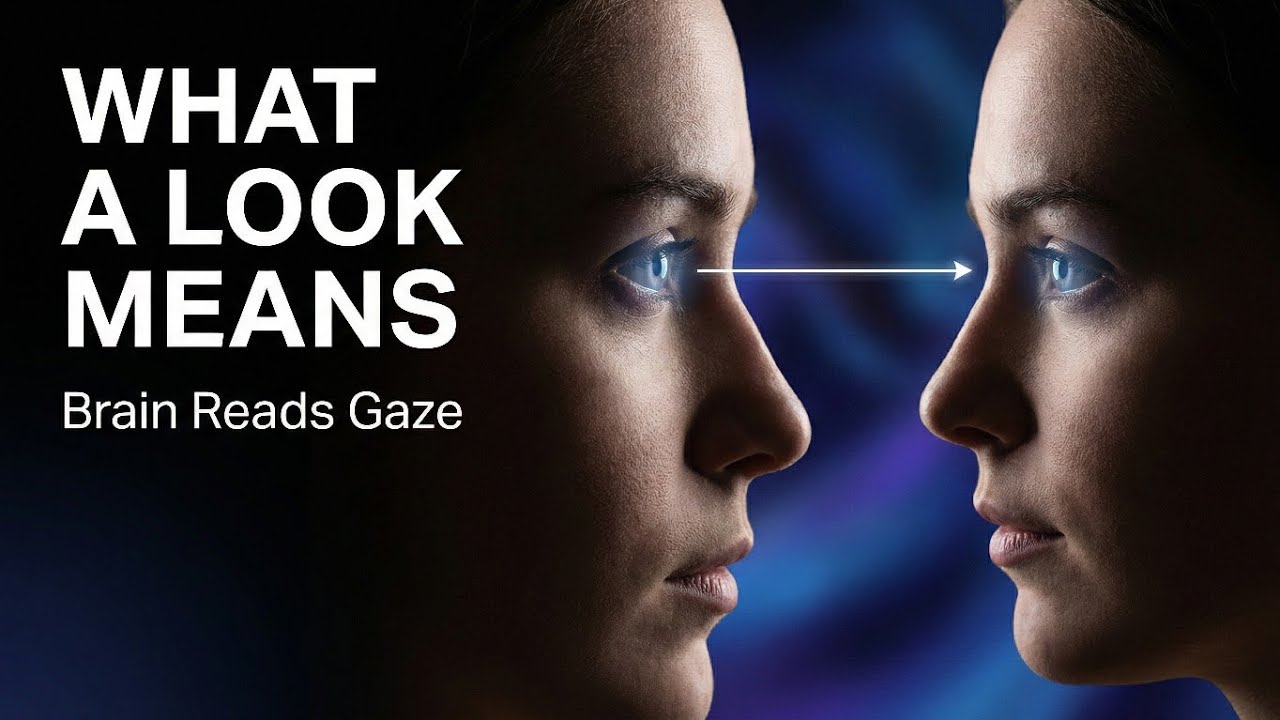


















Fourth wall breaks create spooky sensations because they exploit three psychological mechanisms: deindividualization (anonymity reduces social responsibility, as shown in Zimbardo's hooded study), the dual function of gaze (direct eye contact triggers social accountability even when no one is actually watching), and the mirror self-awareness effect (seeing oneself or being identified creates hyper-awareness of one's actions). These mechanisms normally protect us from social burden and vulnerability, so breaking the fourth wall suddenly exposes us to accountability, making us feel like our anonymous actions have real consequences.
Why Breaking the Fourth Wall Feels So Unsettling | Psychology
Added:The theatrical concept of 'The Fourth Wall' and how it establishes the boundary between the audience and the fictional narrative.
The cognitive science of gaze perception, specifically how the human brain detects, processes, and prioritizes eye contact from others.
Basic principles of social psychology regarding deindividuation and how anonymous environments alter individual self-awareness.
The psychological contract of 'suspension of disbelief' and how audiences cognitively immerse themselves in media.
The study of Parasocial Interactions (PSIs) and how breaking the fourth wall can either foster or disrupt one-sided psychological bonds with characters.
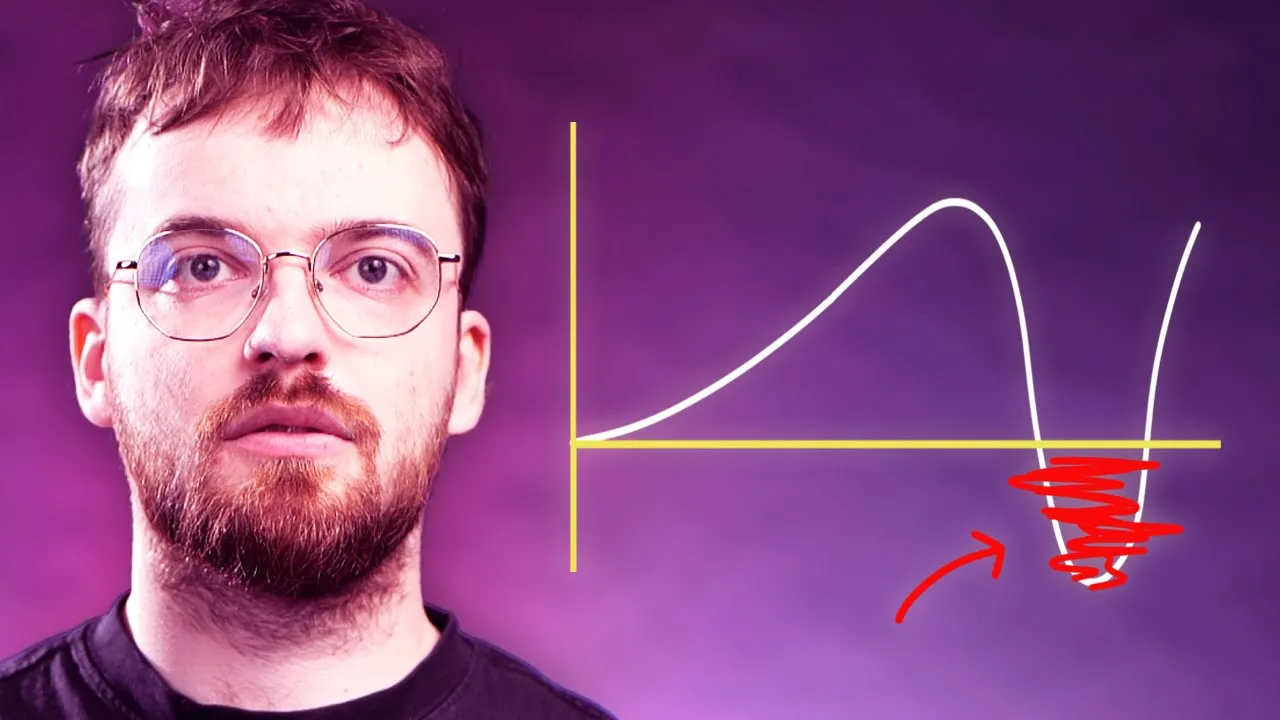
The 'Uncanny Valley' hypothesis and how simulated or unnatural human gazes in digital media trigger feelings of revulsion or cognitive dissonance.
Advanced game design mechanics that use meta-narratives to manipulate player agency, guilt, and emotional investment (e.g., 'Doki Doki Literature Club' or 'Undertale').
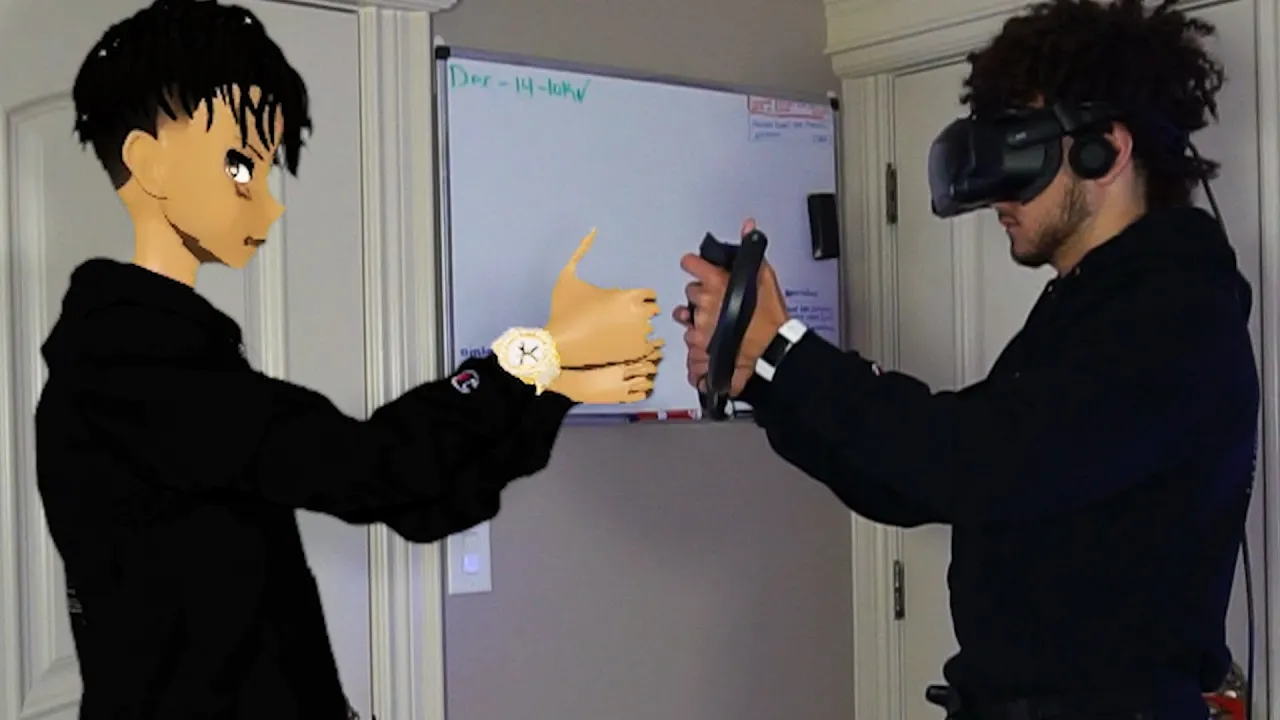
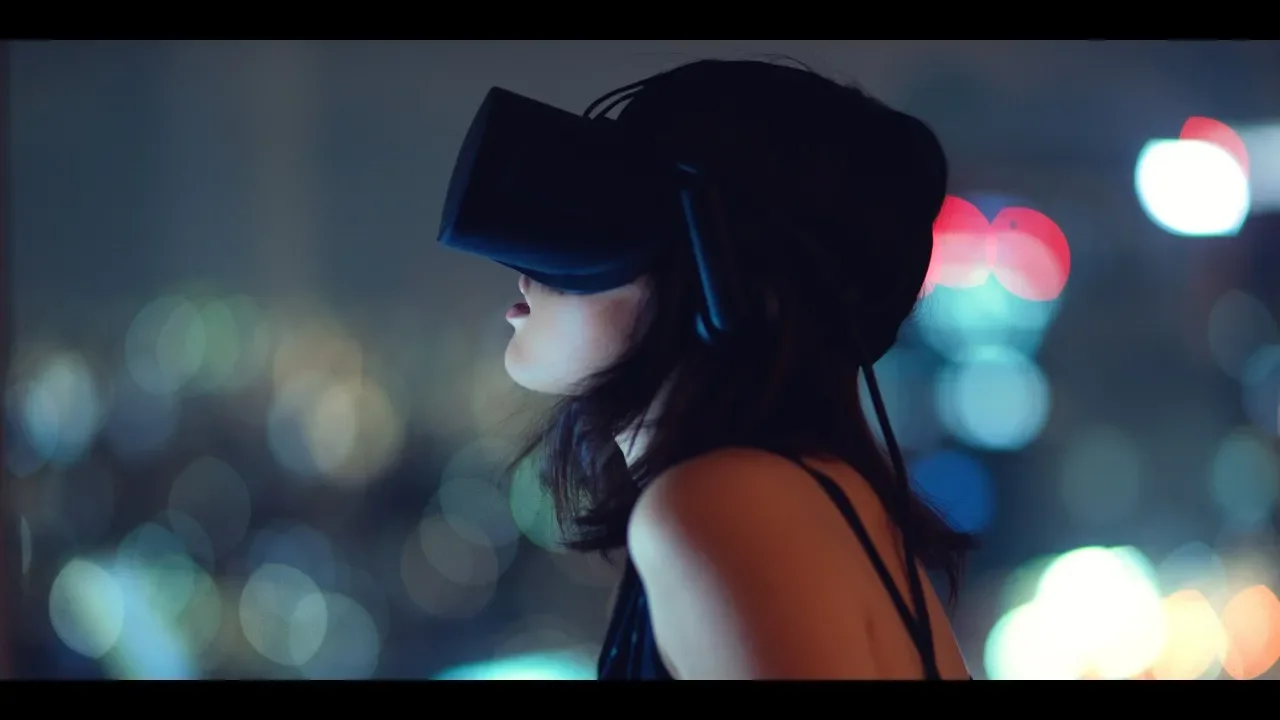
The psychological impact of gaze-tracking technology in virtual reality (VR) and its ethical implications regarding user privacy and immersion.
8.6M views352.9Klikes18:15Original Release: 2020-04-18
A few years back, there was a special that ran on BBC called “the experiments” with Derren Brown.
On one particular episode, Derren held a game show called “remote control” where the audience, all wearing masks to conceal their identity, were given complete control of a random gentlemen’s evening via hidden cameras and planted actors around him all hired by the show. The man’s name was Chris and as the evening progressed, the audience was given choices by majority vote of causing either a good thing to happen to him like winning a new TV or a bad thing, like getting falsely accused of groping a woman. And without fail the audience would continually make Chris’s evening a living nightmare by picking the unfavorable circumstance every single time. He was overcharged by the bartender, had a drink spilled on him, got accused of shoplifting, and was quite literally arrested. The longer you watch the more… uncomfortable you feel as the curtain of comedy is slowly pulled back and it becomes hard to ignore just how sinister the audience’s decisions are... seemingly because they are able to hide behind a mask and blend into the crowd. Granted, despite the name of the show, this was not an experiment. There was no control group, and by making light of Chris's evening, framing the whole thing as a game show, and subtly egging them on, Derren Brown is almost certainly influencing the audiences’ decision to keep on heckling poor Chris. Now don’t get me wrong, when folks feel like they are anonymous, we do typically feel less responsibility for our actions and may even be more willing to follow questionable instructions. Like there was a study back in 69 by Philip Zimbardo where college students would be more willing to follow instructions to administer volts of electricity to someone in another room if they were hooded than if they had to perform the shocking with no hood and a nametag on their shirt… Don’t worry no one was really being shocked, but the subjects didn’t know that and yet anonymity seemingly made them more cruel and obedient. So our friend Derren is tapping into something real with his show, and we’re definitely gonna be talking about that a bit today, but what I’m ultimately here to discuss is this moment right here, on the last segment of the show when the audience decides they want Chris to get kidnapped: Okay, full disclosure, Chris is totally fine, and although the audience had truly been a real 2020 to him all evening, that last outcome was pre-shot and done with a stuntman dressed just like him.
Chris was delivered safely to his home and given a letter explaining what’s been happening to him and that new TV the crowd didn’t pick. Derren tells this to the audience and goes on to explain that their decision making was so sinister because of something called deindividualization. By being thrown into a crowd and slapping on creepy masks, the audience members have stopped behaving in a way that is socially acceptable and instead just act totally selfishly or simply go with the flow of the crowd and atmosphere, despite how barbaric that may be. And again, there is truth to this like I just mentioned with the hooded study and even with something called the online disinhibition effect, which basically states that when online, people tend to act out more frequently or extremely than they would in person because they feel less governed by social niceties or the need to maintain appearances. It’s one of the things that makes cyber bullying such a real problem. Anonymity creates a comfort zone, a bubble of safety, a hamster ball of immunity, where we suddenly feel comfortable making decisions we might not make if someone were monitoring us… and it’s that comfort zone that the magical 4th wall preserves when we experience a story, be it in a game, a movie, a performance, or even a book. For those that don’t know or haven’t watched a video on the 4th wall before, which is understandable they’re really hard to find, the 4th wall is an imaginary wall separating the story from the audience. In a traditional story, the characters are interacting independent of anyone watching them and have no idea they’re in a fictional world being observed by millions of adoring yet highly opinionated viewers. Much like Chris doesn’t know he's on a game show, Harry Potter doesn’t know he’s part of a multi million dollar franchise. And because of this, we the viewers/players are free to enjoy, detest, manipulate, or make fun of characters and events in the show all we like. A luxury you don’t exactly have with your family because they have feelings and notice when you’re rude or don’t laugh at their jokes. But when someone is behind a screen or on pages, you’re free to interact with them however you like, because you aren’t really interacting with anyone, it’s just pixels or ink….
Which is what makes breaking the 4th wall and breaking that anonymity such a bizarre sensation.
So there's this scene in The Road to Morocco when Bob Hope and Bing Crosby are singing about… well the Road to Morocco and then make what I believe is the first reference to plot armor in history. and this is the most common form of 4th wall breaking, the meta reference, the inside joke, the wink... we know we’re in a movie. You see it at the end of Kiss Kiss bang bang when RDJ thanks you for watching, in spaceballs when they literally watch their own movie to decide what to do next, in wrestling when john cena jokes about making a heel turn (heel=becoming a bad guy), in Kid Icarus: Uprising when Pit makes reference to game design, and allllll over the place in deadpool. Comedy is sort of the first level of 4th wall breaking.
It doesn’t exactly snap the anonymity of the viewer, but it does make you feel included because the characters are making reference to something that only the audience should know about. The 4th wall is broken, but you’re still at a safe distance, and your hamsterball is unscathed. But what if you’re minding your own business playing a game and then this happens?
This is a part out of batman arkham asylum where the game crashes, restarts, and has you play as joker in this surreal fever dream sequence. It was RockSteady’s way of making the player feel like they were losing it from scarecrow's gas just like Batman was. If you restarted your console or redownloaded the game thinking there was a serious problem, you weren’t the only one. This is a great example of what is sort of the second level of 4th wall breaking, the spooky coincidence, the double-take goosebumps, the “for that reason, I’m out”. These breaks are almost totally exclusive to games because of their inherent interactivity with the player. Somew good examples are how Bravely Second and Eternal Darkness appear to erase your save data or how… the latter will turn your volume down even though your dog definitely isn’t laying on the remote, how you have to plug your controller into the player 2 port to beat psycho mantis, how Xmen makes you reset your Genesis to reset the in-game computer, how flowey notices that you restarted to before your last save to keep from killing toriel. Things like this really start to encroach on your level of separation from the in-game world and are so perturbing because of our very human social wiring.
Have you ever been doing something really embarrassing... like unironically flossing in the kitchen while you wait on your hot pocket to finish cooking…. well beyond the point of it being okay to unironically floss…. only to then notice someone is watching you ruin your whole career? Or have you ever been complaining about a coworker only for that coworker to come cartwheeling around the corner and ask what you were talking about? And with all the finesse of a walmart bag holding one too many cans of leaking cat food said, “oh nothing”. If so, you’ve felt the sensation of quickly shifting from a state of being inconspicuous and nameless to very much conspicuous and very much named…. Which totally shifts our entire psyche all at once creating that chills down your spine moment. It’s not just sudden fear that spooky 4th wall breaks create, it’s sudden vulnerability. We touched on this in an older video, but people behave very differently when they feel like they’re being watched vs when they are alone. This is sometimes called the Audience effect and has been seen again and again in psych research from people being more willing to donate to charity, choosing not to litter, or choosing to follow social norms when in the presence of others. This seems to ring true even when people simply feel like they’re being watched, even if they really aren’t. One study found that bike theft drops massively in areas with signs that simply warn that people may be watching. Great 4th wall breaks capitalize on this by first allowing you to feel inconspicuous and comfortable and then make you feel like you feel like you’re being watched when your guard is down. Have you ever been playing a game and felt a little awkward or uneasy when a character without warning stares directly into the camera? This feeling is due to something called DFOG… Where you look has a dual purpose, one of course is to select what you see, but the other is a form of communication. And when there is someone around, you’re accountable for where you’re looking (tomb raider seen enough pause) which is why you’ll rarely feel uncomfortable scrolling through someone’s facebook photos, but may want to avoid too much eye contact when around them. Now when you watch a movie or play a game, assuming you’re alone, which you should be right now, you’re free to look wherever on screen you like without judgement. You won’t make Peter Kavinsky uncomfortable if you get lost in his eyes... as we all have. However when the 4th wall begins to crumble, or one of the characters looks directly at the camera like at the end of the movie psycho or the middle of the visual novel psycho, you may suddenly feel like you should avoid eye contact... even though no one is really there… which is probably why this video for practicing eye contact has almost 2 million views and is actually kind of tough (laughing). And to me, this is one of the most viscerally human responses someone can have to media. But my friends, I think you all know that 4th wall breaks can get even more primal than this… so to wrap this up, let's talk about the crem de la crem of 4th wall breaks in video games, the deepest layer, when the characters know a little too much.
So back in 79, Arthur Beaman and his colleagues ran a study on halloween where they’d observe kids (in the most non creepy way possible) to see if they would follow written instructions to only take one piece of candy from bowls at random houses in a given area. At houses where a mirror was set up right by the bowl such that the kids could see their own reflection, trick-or-treaters were much more likely to follow the instructions and only take one candy. The bowls with instructions but no mirror had far more candy taken on average. And this has been replicated in adults as well, using not just mirrors but also monitors displaying the subjects image. Studies have found evidence that seeing your own reflection or even yourself on camera can affect your likelihood to follow rules, choose to not litter, and even facilitate healthy dietary decisions. These studies have been so influential in fact, that you’ve probably seen businesses put up a monitor to show you walking into the store in plain sight at the entrance, or even one of these mirror monitors at the Target self checkout to discourage shoplifting. And it makes sense, when we see our reflection, it’s like we're reminded of what we look like to the outside world and that everything we do is seen. It’s sort of the same sensation as the audience effect, except now that Audience includes us and we’re hyper aware of our every move. So when Psycho Mantis reads your memory card and sees that you’ve been playing Castlevania, your reaction is probably something like “Holy shit why does he know that, does he know who I am? I don't like this, I don't like this… wait can he see my browser history?.” You see games have the unique opportunity to break the 4th wall and then make a hugeeee leap to identifying something super specific about you, which makes you acutely aware that you, yes you, sitting on the couch are a part of this and that your actions are not anonymous. When Monika reads your Steam account and calls you by your actual name, it’s not just encroaching on your anonymity, it’s kicking it’s door in. It’s putting your hamster ball through a woodchipper. We go from a comfortable bystander simply pressing buttons to a participant in the action, responsible for everything that’s been happening to these characters... and, they know that… they’ve been your guinea pigs the whole time and you’re just now being made startlingly aware of it.
And this makes for some beautifully twisted moments where all at once, you don’t feel like your actions are influencing some random characters in some game, you’re affecting a whole other reality that is keenly aware of you and the real world. I won’t spoil too much because I haven’t actually played this yet, but in the original version of OneShot, you must complete the game in one shot otherwise the world you leave behind when you close the window will change for good. Oh and the main characters call you by name which kinda cuts deep if you mess up. Spec Ops: The Line doesn’t actually identify you in any way, but does subtly change the loading screen menus after you incinerate the wrong people, asking you haunting questions like do you feel like a hero yet or why you should care about killing since this isn’t real. Undertale hits you with a pretty similar dose of guilt by again addressing you directly and making it starkly clear that your actions matter to this reality. I feel like if Undertale did something like Metal Gear Solid or Doki Doki and specifically identified you, it would be the magnum opus of a 4th wall breaking guilt trip. Like can you imagine if Flowey called you by name or if mid fight sans read your PC or your console memory and said something like “why don’t you just go play overwatch so you can let your teammates down instead of us” (do edit). If a game could somehow get your image on screen when shaming you for being a horrible person, I think it would really have that target checkout line effect of making you hyper aware of yourself and add to the shame of whatever you just did in the game (I never thought I’d be recommending we look to target’s checkout line for game design inspiration) Moments like these flip the script from an anonymous person on the couch just playing a game for a good time to a very real specific person influencing what now feels like a very real specific world. And to me this harkens back to that moment where all at once the masked audience went from jeering laughter to stunned horror that their incognito decisions had shockingly real consequences. The 4th wall isn’t just about keeping a story separate from the real world, it’s also about protecting us from any form of social burden or liability, especially in games. And when it’s broken, we may feel more than just charmed, we may feel more than just spooked, we may very well feel exposed. oh hey there what are you still doing here videos over oh well you must want to post credit scene okay I got you well joke's on you my friend we haven't even got to the credits yet and I'm creatively drained so you're not getting one oh why am i created rained you've asked well to be honest I I kind of blew my load on Animal Crossing I mean the video did really well thank you for that but kind of out of juice I'm kind of like that that empty capri-sun that you inflate and then put on the sidewalk and stomp so it pops really loud the end let's be honest you know the video you just watched it was mediocre at best with my best work so I'm gonna take a few days I'm gonna recharge my batteries a little bit I'm enjoying myself I'm gonna play a little bit of this you know I'm sure some of you guys are doing the same so anyways no push credits scene and in fact I talked about instead of a post-credits scene I'll just give you this video I found of a man playing with the bear in the river how's that sound yeah you like that okay we're gonna with that cue the bear
Up Next

23:41
Crowd Psychology: Theories and Dynamics in Social Psychology
@audiopedia5493
3.2K views•2015-11-26

68:32
Cognitive Skills for Differentiated Instruction | Teacher PD
@BrainWareLearning
631 views•2017-12-17

9:55
Thinking, Fast and Slow: Daniel Kahneman Animated Book Summary
@FightMediocrity
2.3M views•2015-06-05

6:40
The Nocebo Effect: How Beliefs Can Cause Real Harm
@CGPGrey
10.4M views•2013-12-23
Related Study Plans & Knowledge Roadmaps
Structured learning paths in Psychology
psychology
Neuroscience of Creativity: Networks & Training
01Foundations of Creative Cognition
02The Cognitive Neuroscience of Insight & Fixation
03The Triple Network Model of Creativity
+ 1 more learning modules
15h4 modules
Explore Roadmap
psychology
Imposter Syndrome: Etiology & CBT Framework
01Defining the Imposter Phenomenon
02Socio-Developmental Etiologies
03CBT Fundamentals & Thought Distortions
+ 2 more learning modules
15h5 modules
Explore Roadmap
psychology
Adult ADHD: Executive Dysfunction & Scaffolding
01Neurobiology of the ADHD Brain
02The Core Triad of Executive Deficits
03Executive Dysfunction and Emotional Regulation
+ 2 more learning modules
12h5 modules
Explore Roadmap
psychology
Loneliness: Evolution, Neurobiology & CBT
01Evolutionary Origins of Human Connection and Loneliness
02The Neurobiology and Physiology of Chronic Loneliness
03Maladaptive Social Cognition: The Psychological Loop
+ 2 more learning modules
12h5 modules
Explore Roadmap