




![TSUPD - Oclusión en el laboratorio dental [Estabilizador]](https://i.ytimg.com/vi/mN2-Oxajheg/sddefault.jpg?sqp=-oaymwEmCIAFEOAD8quKqQMa8AEB-AH-BYAC4AOKAgwIABABGBMgFSh_MA8=&rs=AOn4CLDGehJPmM-Ldc0bIAZTwOhxY-Iz4w)

![Dental Materials [Composition of all Dental Materials] FQAS of viva #dm #bds #dental #material#viva](https://i.ytimg.com/vi/bp6pxRQd_dk/hqdefault.jpg)












![False Positive: When forensic science fails [Full version]](https://i.ytimg.com/vi_webp/EO6kYkoCEsA/maxresdefault.webp)


Forensic scientists can identify human remains through dental analysis, particularly when unique dental materials are involved; in this case, a scanning electron microscope revealed that a tooth fragment from a fire pit contained zirconium and silicon in concentrations matching a rare dental filling material (Rely X Arc) that had been used on the victim just two weeks before her disappearance, providing conclusive evidence linking the remains to the victim despite the bones being too damaged for DNA testing.
Forensic Odontology: Solving a Murder Through Dental Evidence
Added:Basic principles of forensic science, specifically how physical trace evidence is recovered, preserved, and used to establish identity.
Fundamentals of human dental anatomy and the unique, highly durable nature of teeth and dental restorations under extreme conditions.
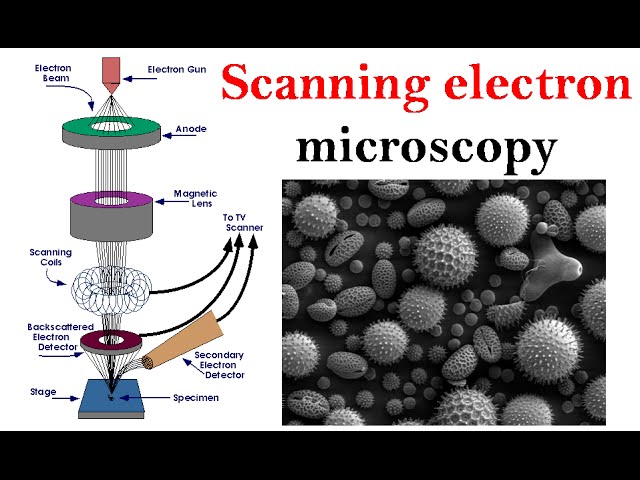
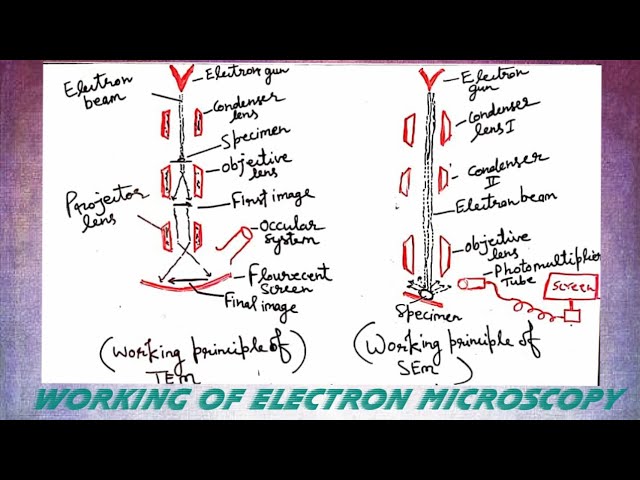
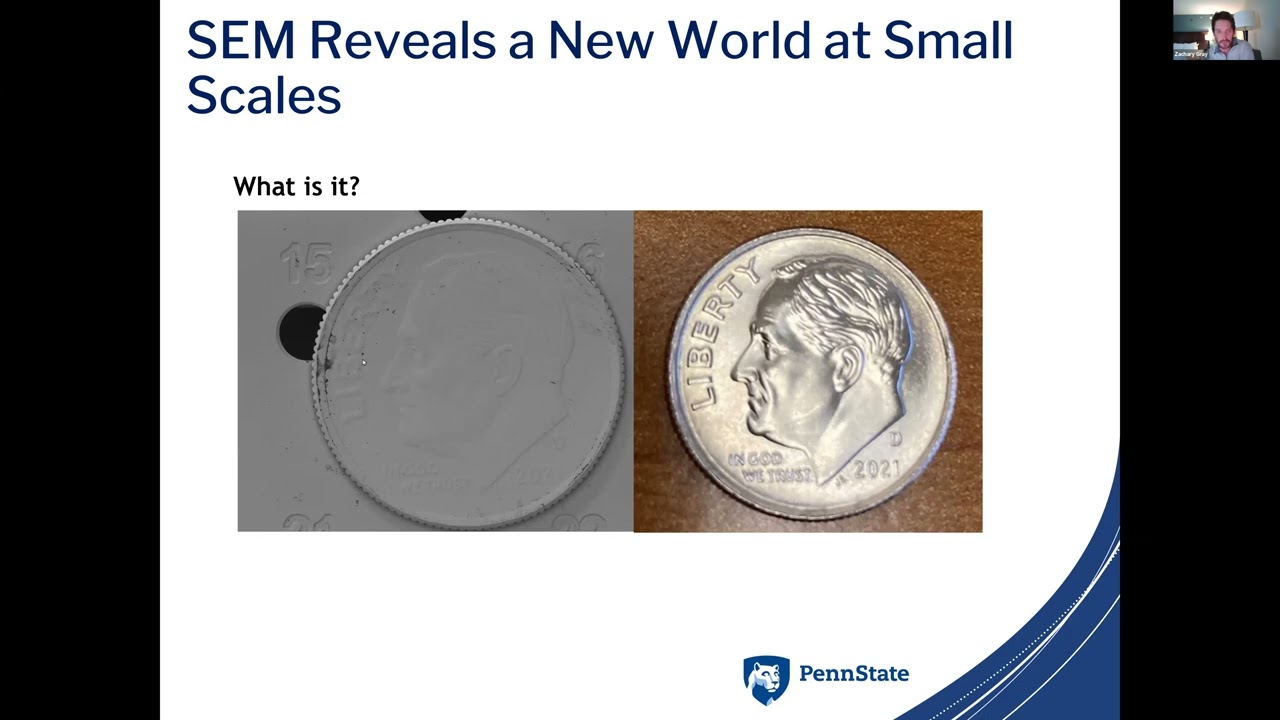
The basic working principles of electron microscopy, specifically how Scanning Electron Microscopy (SEM) differs from traditional optical microscopy.
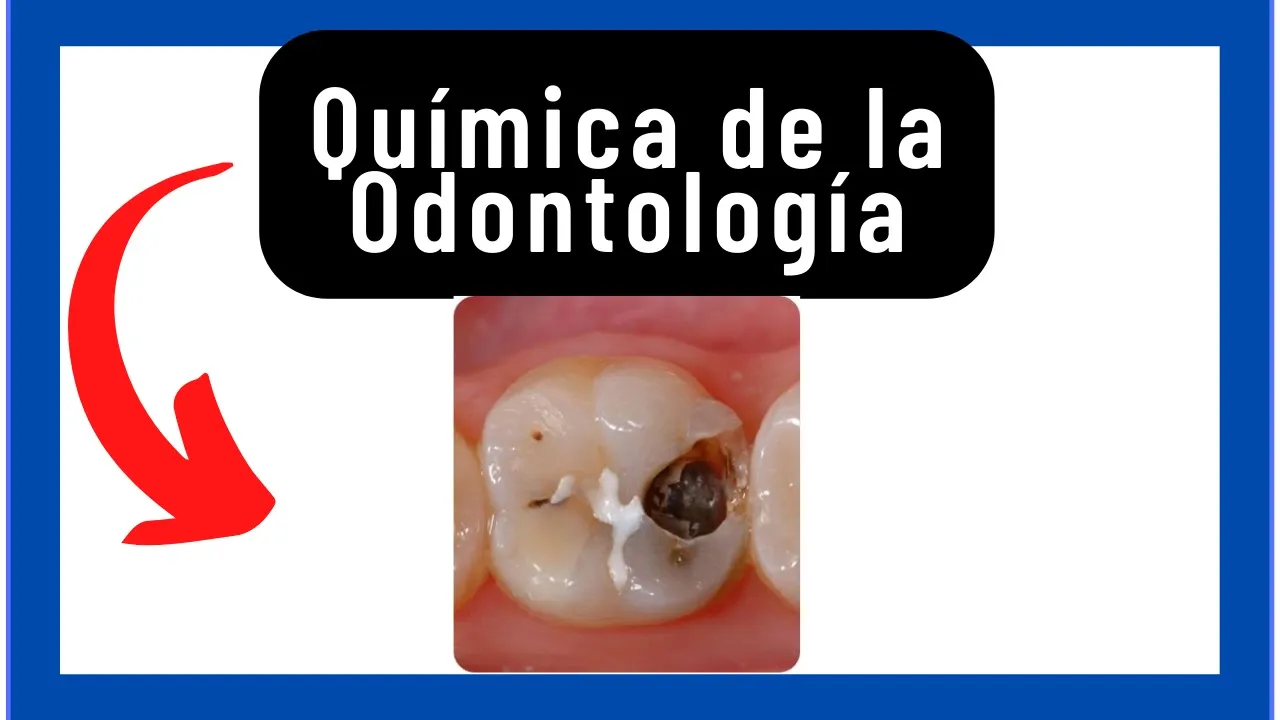
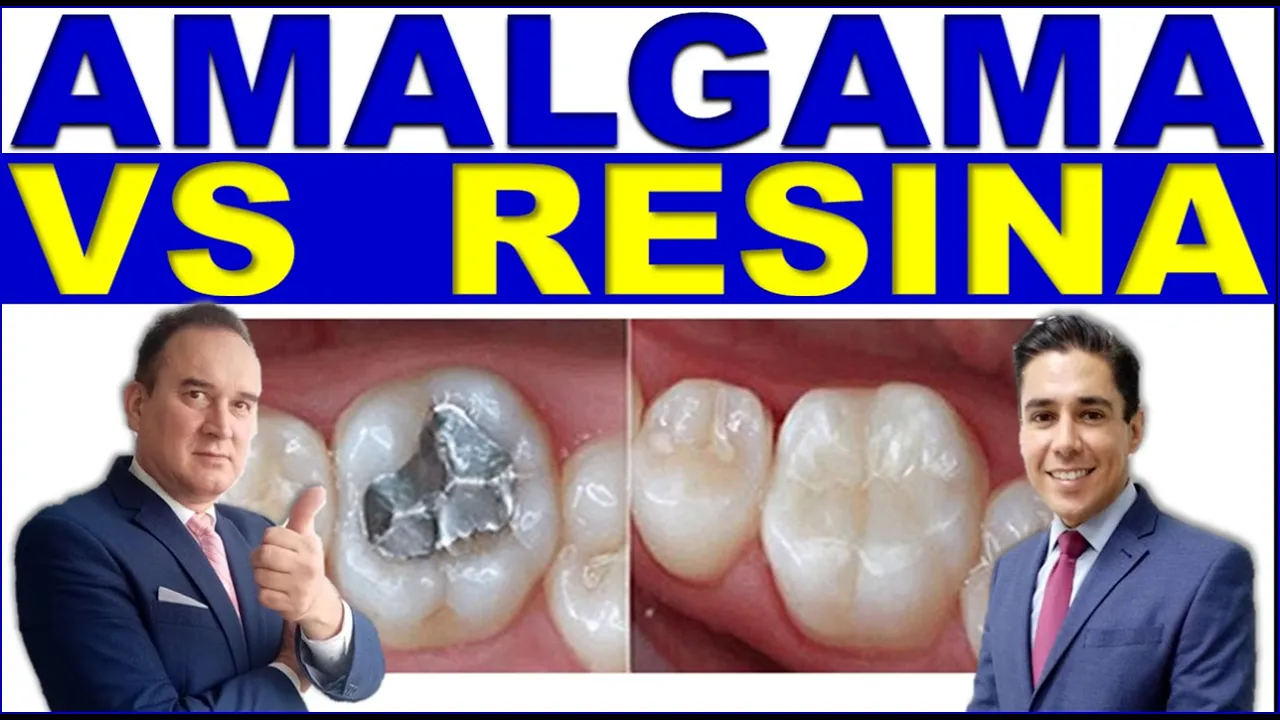
An introduction to dental materials, including the chemical composition of common restorative materials like amalgams, composite resins, and porcelain.
The application of Energy-Dispersive X-ray Spectroscopy (EDS/EDX) paired with SEM for precise elemental profiling of forensic micro-evidence.
Protocols and methodologies for Disaster Victim Identification (DVI) using comparative dental radiography and dental records in mass-casualty events.
The ongoing scientific controversy and legal admissibility challenges surrounding forensic bite-mark analysis in the modern justice system.
The role of the forensic odontologist as an expert witness, including the criteria for meeting the Daubert or Frye standards of evidence in court.
730.1K views6Klikes22:37Original Release: 2021-12-10
a security camera captured images of a 19 year old girl as she was abducted from a convenience store forensic scientists needed to find some way to improve the images for possible leads and the scanning electron microscope eventually identified the trail of the missing girl [Music] moose lake minnesota one of the many reasons why the state is known as the land of ten thousand lakes [Music] this small town outside of duluth was home to 19 year old katie poyer [Music] interest included her family several sports and her pet dogs [Music] after graduating from high school in 1998 katie studied criminal justice at a nearby community college and also became engaged to her boyfriend mark katie worked as a clerk at this moose lake convenience store a job her mother didn't want her to take deviance that would come in there and she'd just say oh mom you know don't worry and you know that's how she was very trusting trusting person one night around midnight when katie was working the night shift alone a customer called police to say that the store was open but there were no employees around are you talking about the conoco station police went to investigate there were no signs of violence and no money was missing from the cash register or the safe and katie's car keys were still there on the counter were notes with money from customers who had purchased items sometime after katie left the store police wondered whether katie might have left the store with a friend was there anybody close to her in her family that may have come and taken her either as a prank or um for some other purpose i never thought that she left on her own and she would have never done the store had four security cameras focused on various areas at 11 38 pm the security cameras revealed a caucasian man forcing katie out of the front door into the parking lot the pictures were grainy and showed few details of the abductor there were no security cameras outside the store to photograph the getaway vehicle the store was located near a major highway which meant the kidnapper could have left the area at high speed a search of nearby streets and parks in moose lake was fruitless neighbors near the store told police they saw a black pickup truck circling the area before katie's abduction and an employee at the sandwich shop next to the convenience store told police she had seen the same black pickup truck in the parking lot about three hours before katie vanished she said the driver was glaring inappropriately as female customers left the store on a hunch the employee wrote down what she could remember of the license plate she said it was a minnesota license plate and that the first three digits were five five seven she also recalled that the last letter on the plate was a y police hoped that if they found this black pickup truck they would also find katie poyer [Music] minnesota national guard helicopters searched the area for 19 year old katie poyer on the ground dozens of community volunteers joined police in the search but with each passing day and no word from the kidnapper hope started to fade that katie would be found alive [Music] police searched their database for black pickup trucks registered in the state of minnesota with a license plate beginning with five five seven and ending with the letter y surprisingly there were hundreds of vehicles matching that description [Music] surveillance video captured images of the man who abducted katie from the convenience store the quality of the pictures was poor and the images too distorted to clearly identify the kidnapper to improve the pictures police sent the tapes to nasa which has many years of experience trying to improve pictures sent from space solar physicist dr david hathaway created a process to enhance video images called this our dr hathaway says a video picture is really two different fields that create one picture these two fields change so rapidly the human eye can't discern it dr hathaway combined the even and odd frames so that both could be viewed at the same time creating twice the number of lines of resolution [Music] in one of those freeze frame images dr hathaway was able to isolate the kidnapper when he removed some of the grain in the picture he could see that the man had short blonde or gray hair was approximately five feet ten inches tall with an average build and he wore a dark new york yankees baseball jersey with the number 23 on the back unfortunately even this new technique could not produce a clear image of the kidnapper's face but using what they had a police sketch artist released a rough drawing along with a physical description including his clothing to the media hundreds of tips poured into police one of those tips led to donald dean christensen who had a past conviction on a sex offense christensen had been free at the time of katie's abduction donald dean christensen had several tattoos including a large one on his left forearm but the security camera video revealed the kidnapper had no tattoo on his forearm christensen was cleared [Music] three weeks after katie's abduction dispatcher paula francisco answered a telephone call from a citizen who had a tip it was lead number 1960 the caller worked at the minnesota veterans home in minneapolis and was suspicious of a janitor there who had just quit his name was donald albin blonde the caller was suspicious because blom changed his appearance around the time katy poyer disappeared [Music] married and the father of four children a background check showed that blom had prior convictions for assault rape and kidnapping dating back to the 1970s his last conviction was in 1983 when blam had forced two young women into the woods at knife point and tied them to a tree fortunately the girls escaped before they were assaulted but a check of motor vehicles revealed blom did not own a black pickup truck as witnesses described [Music] police hoped a search of blom's home would be far more revealing [Music] when police descended upon the home of donald blom they found no trace of katy poyer [Music] blom said he was innocent and that he had an alibi for the night of katie's disappearance when investigators learned blom owned vacation property near moose lake they searched there too [Music] once again there was no sign of katie but investigators noticed a large fire pit next to a trailer on the property technicians sifted the fire pit for trace evidence and found several small items that appeared to be boned their daughter police asked a forensic anthropologist dr susan thurston meister to examine the fragments she says human bone differs from animal bone the cross section of human bone has a circular pattern animal bone is linear [Music] dr meister examined the human bone fragments to determine the age and sex of the victim this part of the pelvis called the pubic symphysis was key the bone had an obtuse angle greater than 90 degrees indicative of a female and the oval surface was heavily ridged characteristic of a young adult skull fragments also helped determine the victim's age the joints or sutures of the skull bones were open skull sutures typically close around age 35.
dr meister concluded the remains were those of a young woman [Music] while the findings were consistent with katy poyer it was far from a positive identification the bones were too badly damaged for dna testing and collectively represented only 25 of a human skeleton at the time [Music] but several tooth fragments also were recovered from bloms fire pit investigators called in forensic odontologist dr ann norlander who specializes in making identification based on dental x-rays this tooth was the largest and most intact of those recovered identified the tooth as human when she compared to katie poyer's dental records she saw that the shape and size were consistent with katie's lower left second molar known as tooth number 18 and she noticed something else what looked to be remnants of a filling in the tooth dr norlander asked forensic scientists at the minnesota bureau of criminal apprehension to conduct an analysis of the filling forensic scientist mark nielsen used a scanning electron microscope to magnify the filling so that it was thousands of times to larger determine what the elemental composition is of the particular substance that we have within the sample chamber the microscope bombards an isolated section of the sample with an electron beam and different elements will react to the beam differently [Music] so the type of x-ray will reveal the elemental composition of the sample the result showed that the filling material in the tooth was highly unusual it contained zirconium and silicon in concentrations that they had never seen before in dental cement when scientists contacted katie poyer's dentist dr melanie meyer she told them something interesting her records indicated she had replaced a filling in katie's tooth number 18 two weeks before the abduction dr meyer said she used a brand new material not yet on the market to fill her tooth the material was a sample called rely x arc which had been given to her at a dental conference [Music] dr meyer told investigators that rely x was manufactured by the 3m company headquartered in minnesota when contacted by police chemists at 3m said that rely x contained concentrations of two elements zirconium and silicon the same materials in the same concentrations that were found in the tooth in donald bloms fire pit of katie [Music] in a garage on one of donald blom's properties was the black pickup truck with the same license plate police were looking for state records listed blom's truck as white a clerical error donald blom was arrested and charged with katie poyer's murder [Music] when confronted with the scanning electron microscope findings blom confessed to katie's murder during a taped conversation with special agent phil wagner [Music] admitted to kidnapping and killing katy poyer [Music] [Music] [Applause] [Music] foreign [Music] but two weeks later donald blom recanted claiming the confession was coerced prosecutors know that blam was in the vicinity of the convenience store that day because his credit card receipts show he purchased liquor nearby around 5 pm the sandwich shop employee saw blom leering at customers in the parking lot around 8 p.m three hours before katie was abducted blom may have seen katie then and returned at 11 30 entering the store when she was alone prosecutors explained the scientific evidence to the jury especially their smoking gun the dental filling material in the tooth identified as katie's a material which was so limited in distribution it wasn't yet on the market the jury understood the scanning electron analysis donald blonde was convicted of first-degree murder and was sentenced to life in prison without parole the verdict is little solace for the players [Music] as a result of this case minnesota lawmakers passed katie's law which includes stiffer penalties for convicted sex offenders and mandates better ways for police to track past offenders and the conoco chain that employed katy poyer now requires that at least two workers are on duty each shift [Music] [Music] [Music] um [Music] [Music] [Applause] [Music] [Music] you
Up Next
20:31
Dinosaur Graveyard in Wyoming: Evidence of Noah's Flood?
@IsGenesisHistory
1M views•2020-04-26

12:54
Triumph of Orthodoxy Icon: Byzantine Art & History Explained
@BenCallan
2.1K views•2024-08-06

89:46
The Kitty Genovese Story: Separating Fact from Fiction
@FilmRiseTrueCrime
290.4K views•2023-02-12

1:42
Game of Thrones Opening Credits: A Cinematic Analysis
@gameofthrones
46.3M views•2011-04-18
Related Study Plans & Knowledge Roadmaps
Structured learning paths in General & Interdisciplinary Studies
general-studies
Elevator Engineering: History, Physics & Cities
01From Hoists to Safety Brakes: The Dawn of Vertical Lift
02Hydraulic vs. Traction: The Engineering Physics of Elevators
03Modern Speed, Safety, and Algorithms
+ 2 more learning modules
12h5 modules
Explore Roadmap
general-studies
Rubber: Material Science, History & Geopolitics
01Origins of Natural Rubber & Mesoamerican History
02The Chemistry of Natural Rubber & Vulcanization
03The Geopolitics of the Rubber Boom & Colonization
+ 2 more learning modules
12h5 modules
Explore Roadmap
general-studies
Containerization: Evolution, Logistics & Trade
01Ancient Trade & Bulk Cargo: Amphorae to Barrels
02The Industrial Revolution & Cardboard Packaging
03The Containerization Revolution: Malcom McLean
+ 2 more learning modules
12h5 modules
Explore Roadmap
general-studies
Textile Tech: Evolution, Labor & Global Impact
01Pre-Industrial Textiles: Handloom & Cottage Industry
02Mechanization: The Spinning Jenny to the Power Loom
03The Factory System & Global Labor Transformation
+ 2 more learning modules
10h5 modules
Explore Roadmap