








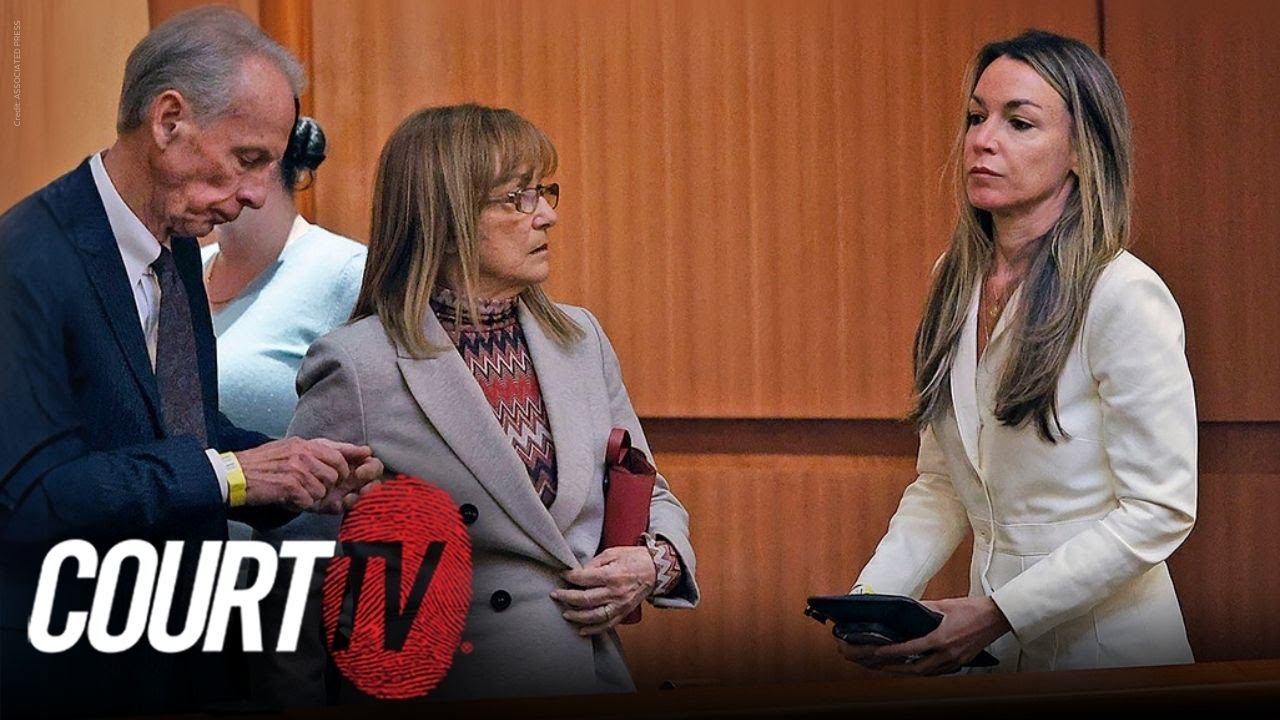




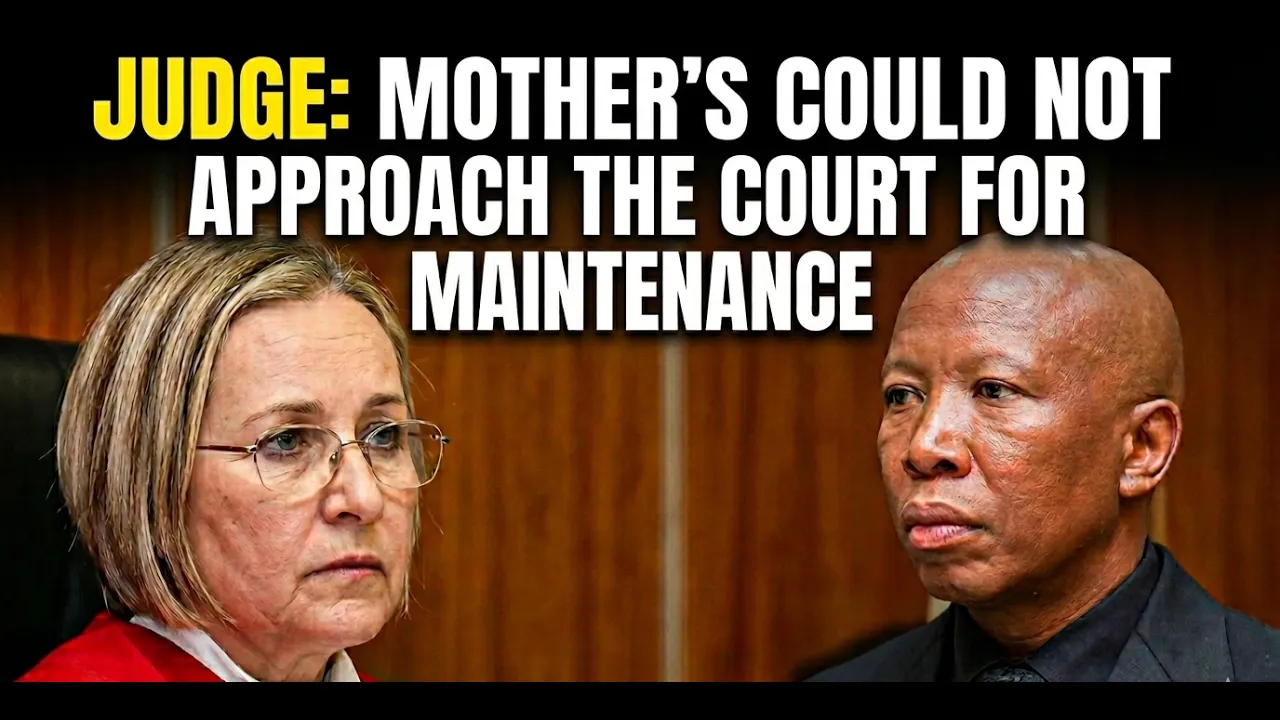

In the Karen Read case, Judge Cannone demonstrated apparent bias by applying inconsistent standards to expert testimony: she allowed Dr. Crosby's dog bite expert testimony without an evidentiary hearing and with minimal procedural safeguards, while subjecting Dr. Russell's similar testimony to a two-day hearing and extensive scrutiny, despite both experts testifying on the same subject matter.
Judicial Bias in Karen Read Case: Expert Testimony Analysis
Added:The legal standards for admitting expert testimony in court, specifically the Daubert and Frye standards.
The role of judicial discretion in criminal trials and the legal threshold for establishing judicial bias.
A basic overview of the Commonwealth v. Karen Read case, including the key arguments presented by the prosecution and defense.
The fundamentals of forensic science concerning wound pattern analysis, specifically differentiating human-inflicted trauma from animal bites.
The process of appellate review and how claims of judicial bias or erroneous evidentiary rulings are evaluated on appeal.
The ethical codes governing judicial conduct and the mechanisms for filing complaints against biased judges.
Advanced strategies in litigation for managing 'battles of the experts' in complex criminal cases.
The societal and systemic impacts of high-profile, televised trials on public trust in the judiciary.
120.8K views13Klikes13:16Original Release: 2025-03-07
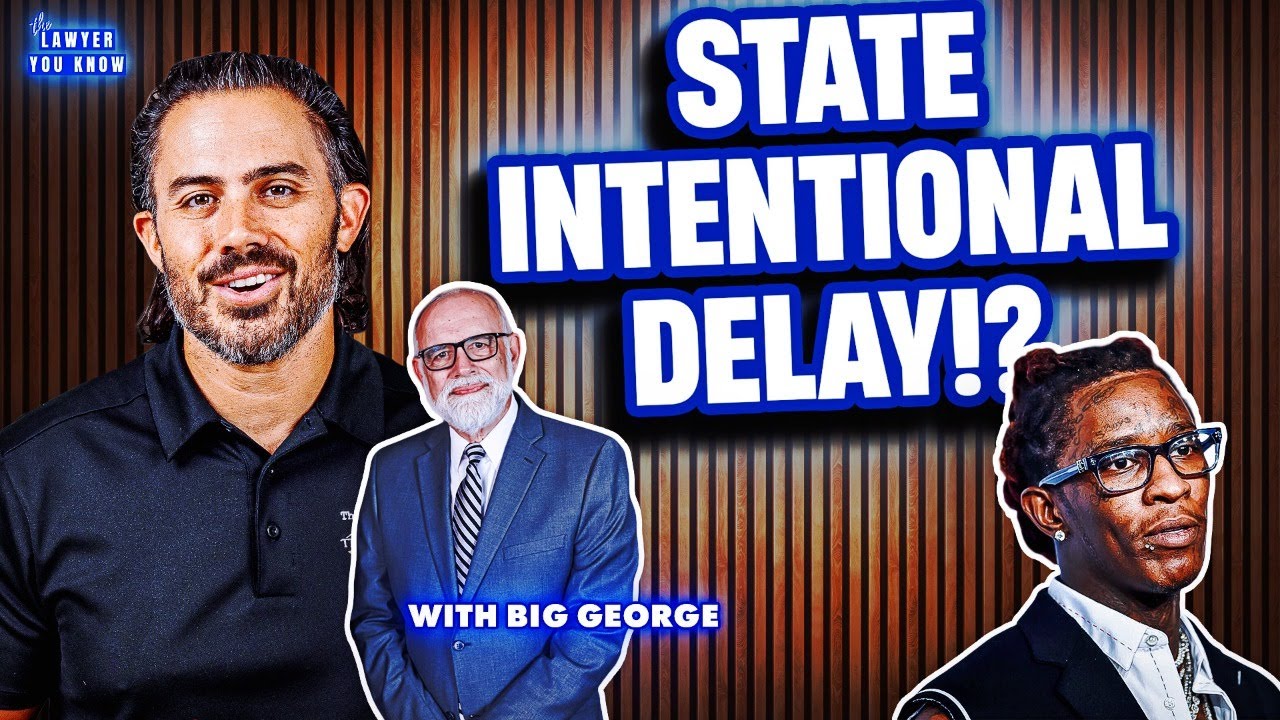
what's up everybody welcome back in another episode of the lawyer you know and today we are going to be talking about one of the most obvious illustrations of judicial bias I have seen in a long time it is comparing Apples to Apples and I find it hard to believe that it was this obvious and not even trying to hide it at this point and yes we're talking about Judge kenon in the Karen Reed case as Dr Crosby is allowed to testify as an expert and it's not even the fact that he's allowed that makes me feel like this bias is coming through loud and clear we're going to compare these two orders and explain exactly what I see and why I see it this way and feel free to let me know if you [Music] disagree so if you remember back to the video I did I don't know if it was yesterday or the day before it's all kind of running together at this point I expected judge kenon to allow Dr Crosby to testify as an expert in dog bites um not because I thought he was qualified not because I thought he even explained what his methodology was just because I know practically speaking what judges do in these situations once they allow an expert on one side to testify about something to me they are more likely to allow an expert on the other side especially when one side objects has a Dober hearing asks all the questions makes these arguments and she says it's a close call to allow them to testify it's it's likely that as long as somebody can even pass the smell test which some would argue he can't that person is going to be allowed to testify I saw some people making jokes online asking a ton of questions about this I guess I have a dog I guess I can testify as a dog bite expert as well and sometimes it feels that way when it comes to experts um and I would say he probably has a little more experience in that but barely and he definitely did not fully explain the methodology but here we are let's read through the judge's order and compare it to the order on Dr Russell to show just how bad and obvious the Prejudice comes out when it comes to this decision for judge kenon and how she is so far prosecution leaning when it comes to making some of these decisions and she's not even trying to hide it at this point sometimes I think she's been evenhanded and you guys know I try to be a straight shooter I call it like I see it if I think she's being fair I'll be like yeah this seems fair if I think there's an obvious bias here and I don't understand why she does some of the things she does and you can go back and check the tape on what I said when do Russell's order dropped that she was going to allow her but what judge kenon said blew my mind and this is is giving you a good example why so let's take a read here of the order the decision in order on defendants motion to exclude the testimony of the Commonwealth witness James W Crosby mphd after hearing and review on the pleadings the court finds the Commonwealth has satisfied the foundational requirements of dobert Lanigan the evidence will assist the jury Dr Crosby is an expert in dog bite wounds there is an appropriate basis for his opinion uh in the record and the proposed testimony principles and methods employed are reliable what are those methods uh the defendant's objection goes to the weight of the evidence not the admissibility the defendant's motion to exclude the testimony of James W Crosby is hereby denied no surprise there really frankly this is a very common order that a judge with file in a situation like this and when we talked about Dr Russell's uh testimony and how she allowed that this is the order or the type of order I expected you guys made some good points but it goes more to the uh weight and not the admissibility therefore we're going to let it in and you guys go ahead and Hammer it on Cross that's what I expected but that's not what we got frankly with Crosby she didn't say it was a close call we didn't even have an evidentiary hearing the defense didn't get the opportunity to have a free cross-examination shot at Dr Crosby which they absolutely asked for they asked for him to be struck but if not at least an evidentiary hearing he said I don't think we need an evidentiary hearing because this is so obvious and the judge took it a step further having no shame in her game like we don't even need an evident this is so not close he did it and if we go back and read now Dr Russell's testimony or uh the the order allowing Dr Russell to testify I think we figure out why judge kenon doesn't think this is a close call and how she would compare these two experts in the and the evidence they're going to testify to so I I found this comparison here on uh Brandy churchwell's Twitter and she does a really good job with the documents and following these cases and it was easy for me to just kind of pull them up back to back here and she's right in explaining how different these two orders are so let's take a read now a second time through Dr Russell's allowance uh memorandum decision and order on the Commonwealth's motion to exclude the testimony of Dr Marie Russell by the way three pages versus one paragraph three pages by the way very clear to me she's a much more qualified expert and actually does have methodology that Dr Crosby put in his papers for I don't know his Masters his PhD whatever it was when he didn't even talk about his own it's neither here nor there and I'm not even comparing like who's the better expert right because this is purely Apple to Apples these experts are very different people but what they're testifying to is the same they're testifying on the same expertise so this is the Apples to Apples as you can possibly get this is the Battle of two experts and look at how differently she handled these orders first off she made Dr Russell come and and uh have a hearing an evidentiary hearing not Dr Crosby before this court is the Commonwealth's motion to exclude the proposed expert testimony of Dr Marie Russell Dr Russell intends to testify as to whether the abrasions on johon O'Keefe's right arm were caused by a dog the wealth contends that the defendant has failed to show that her testimony meets the requirements set forth in dobert the court conducted a dobert Lanigan hearing on December 12th 2024 and January 7th 2025 two days although a close question the court will deny the Commonwealth's motion so Dr Marie Russell was a close question a close call she put it in her order not Crosby Crosby not a close call seems so obvious that it should be flipped but even if it wasn't this is why judges should just write orders like I'm G to allow it this goes to the weight not the admissibility that's what I would have expected from Dr uh Russell that's what I expected that's what I would have expected on Dr Crosby if she would have just written the same order then nobody could be able to say this is so obviously biased you could be annoyed that she let Dr Crosby in but it's really not that unusual for judges to do that but to do it the way Dr or judge kenon did it is incredibly unusual here's the discussion before a witness can provide expert testimony the court as the gatekeeper must make a preliminary determination that the testimony has satisfied the requirements for admissibility expert testimony is admissible when the testimony concerns matters beyond the common knowledge of the jurors and will Aid the jurors in reaching a decision she simply said the testimony will help the jury in Crosby's uh order expert testimony is inadmissible however when the witness testifies to matters Beyond her area of expertise the determination of admissibility within the Court's discretion however before the court May exercise its discretion to admit EXP testimony the party seeking to offer the testimony here the defendant must establish five foundational elements one that the expert testimony will assist the Trier fact because the information is beyond common knowledge of the jurors which is exactly why I think the whole meteorologist is totally unnecessary that prom we can just have late people talk about how hard the ground is we can have lay people and the videos show that it was in fact snowing and what the temperature was at the time why do we need a meteorologist to tell us that neither here nor there uh number two that the witness is qualified as an expert in the relevant area of inquiry number three that the expert's opinion based on facts or data of a type reasonably relied on by experts to form opinions in the relevant Field Four that the theory underlying the opinion is reliable and five that the theory is applied to the particular facts of the case in a reliable manner simply answered that in you know one line on Crosby here the recognition of dog bite wounds is not within the common knowledge of a lay person and requires expert testimony and Dr Russell is a qualified expert as to these topics she is a board-certified emergency medical doctor with over 30 years of experience is trained in forensic pathology and has conducted over 500 autopsies I would have liked for her to give us the um explanation the long explanation about why Dr Crosby is such a qualified expert I would have really liked that I would have liked to read it with respect to dog bit specifically Dr Russell has treated hundreds of wounds resulting from dog attacks during her time as an emergency room doctor and co-authored peer-reviewed articles on the treatment of law enforcement K9 btes in the emergency room lastly ining her opinion in this case Dr Russell cond conducted a differential diagnosis based on the pattern of the victim's wounds and their characteristics and supported her Theory with references to peer-reviewed Publications uh use a differential diagnosis is a standard scientific technique of identifying the cause of a medical problem accordingly the court finds that Dr Russell's testimony satisfies the five foundational elements and therefore will allow Dr Russell to testify as to whether the abrasion on johon O'Keefe's right arm were caused by a dog I wish we would have gotten that explanation on Dr Crosby don't you how would she have explained it what articles did he rely on what was his methodology how reliable is that what experience does he have in identifying dog bite wounds in so ruling the court recognizes that on cross-examination the Commonwealth demonstrated among other things that Dr Russell's expertise primarily concerns the treatment not the identification of dog bites that her valuation of the abrasion failed to consider all available information so she's pointing out and highlighting the negatives or weaknesses or shortcomings that she sees in Dr Russell's testimony she didn't do that for Dr Crosby wonder why this is where to me it feels like obvious bias this was an unnecessary paragraph I said it at the time it feels even more unnecessary now that we've read Dr Crosby's order but here's where we highlight that she actually thinks Dr Crosby is more reliable the way he did it is better he included more facts and this is exactly the problem as if it were to go to a jury the jury's not going to hear that uh judge kenon feels this way but you can understand how a reasonable juror When comparing these two may think Dr Crosby's actually better than Dr Russell even though scientifically and the reliability wise and methodology wise that's clearly and legally not true but why does Judge kenon think there's an issue with Dr Russell in the way she did it well she has not compared the abrasions with the dentici of the German Shepherd in question well there's a reason she didn't but she thinks that's a good idea and guess who did do that at least reportedly Dr Crosby and that her opinion is inconsistent with findings that there was no canine DNA in the area of the victim's clothing near the abrasions so clearly she thinks Dr Russell is wrong but just because she had a wrong conclusion doesn't mean she's not going to let her testify but guess who did include that and would say that there opinion is consistent with no can9 DNA in the area of the victim's clothings of the abrasions whether or not factually we agree with that Dr Crosby however the court concluded that these issues go to the weight of Dr Russell's testimony not the admissibility and can be addressed during cross- examination at trial so how about that she said the last part about Dr Crosby too that act goes to the weight not the admissibility which is totally normal but to highlight what those issues are with the weight and why maybe this is incredible why maybe a jury shouldn't buy what Dr Russell is selling she highlights it for the world to see I'm sorry I do my best I do my best to give people the benefit of the doubt but this is so obvious I want to hear what you guys think if you disagree with me respectfully in the comments let me know why let me know where I'm wrong let me know where I'm off track please let me know and this is not about whether Karen Reed is guilty or innocent that's not what this question is about this is a simple legal question applying the same standard to two different experts with the same purported expertise you can get there different ways the whole medical doctor thing I know people want to make jokes about and that's fine she doesn't create the legal standard with her comments she can be wrong as a judge so I am not overly shocked that she's allowing Dr Crosby to testify but the way she wrote these orders o there's just no way no other way to call it in my opinion that's how I see it let me know what you guys think hit the like button if you enjoyed the video make sure you're subscribe to our Channel till next time I'm out of here thanks for watching another episode of the lawyer you know if you enjoyed the episode please hit the thumbs up and share with your friends who may be interested here on YouTube and don't forget to subscribe you can also follow us on Instagram Twitter Facebook and Tik Tok and don't forget to check out the lawyer you know podcast with New Seasons dropping every quarter if you have a case you want to talk to us about if it's a personal injury case wrongful death catastrophic injury car accident or slip and fall case please email us at lawyer you know at gmail.com and of course all these links I just mentioned are included in the description below on this episode and every episode so until next time this is Peter dros the lawyer you know
Up Next

3:50
Finding Sequence Data on Ensembl & NCBI: Accession Numbers
@profbiot
1.3K views•2022-02-23

12:54
Triumph of Orthodoxy Icon: Byzantine Art & History Explained
@BenCallan
2.1K views•2024-08-06

9:49
FastAPI vs Flask vs Django: Choosing the Right Python Web Framework
@TechWithTim
302.5K views•2024-05-26

1:42
Game of Thrones Opening Credits: A Cinematic Analysis
@gameofthrones
46.3M views•2011-04-18
Related Study Plans & Knowledge Roadmaps
Structured learning paths in General & Interdisciplinary Studies
general-studies
Elevator Engineering: History, Physics & Cities
01From Hoists to Safety Brakes: The Dawn of Vertical Lift
02Hydraulic vs. Traction: The Engineering Physics of Elevators
03Modern Speed, Safety, and Algorithms
+ 2 more learning modules
12h5 modules
Explore Roadmap
general-studies
Rubber: Material Science, History & Geopolitics
01Origins of Natural Rubber & Mesoamerican History
02The Chemistry of Natural Rubber & Vulcanization
03The Geopolitics of the Rubber Boom & Colonization
+ 2 more learning modules
12h5 modules
Explore Roadmap
general-studies
Containerization: Evolution, Logistics & Trade
01Ancient Trade & Bulk Cargo: Amphorae to Barrels
02The Industrial Revolution & Cardboard Packaging
03The Containerization Revolution: Malcom McLean
+ 2 more learning modules
12h5 modules
Explore Roadmap
general-studies
Textile Tech: Evolution, Labor & Global Impact
01Pre-Industrial Textiles: Handloom & Cottage Industry
02Mechanization: The Spinning Jenny to the Power Loom
03The Factory System & Global Labor Transformation
+ 2 more learning modules
10h5 modules
Explore Roadmap