




















A Daubert Hearing is a judicial proceeding where the court acts as a gatekeeper to determine whether expert witness testimony meets the reliability standards set forth in Federal Rule of Evidence 702, which requires that expert opinions be based on sufficient facts or data, derived from reliable principles and methods, and reliably applied to the specific case facts; in the Karen Read case, the defense expert Dr. Russell testified that the pattern of wounds on John O'Keefe's arm indicated a dog attack rather than a dog bite, but the prosecution challenged her methodology and sought to limit her testimony based on these reliability standards.
Karen Read Hearing: Dog Bite Expert Testimony Admissibility
Added:The Daubert Standard and Rule 702: Understanding the legal framework and criteria judges use to assess the relevance, reliability, and scientific validity of expert witness testimony.
Judicial Gatekeeping: The concept of a trial judge's duty to screen and filter out unreliable 'junk science' before it reaches the jury.
Forensic Wound Analysis: Basic principles of forensic pathology and odontology, specifically how researchers distinguish animal-inflicted wounds from blunt force trauma or other physical injury types.
The Karen Read Case Context: General awareness of the trial's core arguments, particularly the defense's assertion that the victim's injuries were consistent with an animal attack rather than a vehicular strike.
Massachusetts Evidentiary Standards (Daubert-Lanigan): Investigating how Massachusetts state courts specifically adapt federal Rule 702 and apply local precedents to expert testimony.
Cross-Examination of Technical Experts: Studying the litigation strategies defense and prosecution attorneys use to challenge or reinforce scientific methodology in front of a jury.
The Biomechanics of Animal Attacks: Delving deeper into the physical and mechanical forces of canine jaw structures and how these forces translate to soft-tissue trauma in forensic investigations.
Appellate Review of Evidentiary Decisions: Exploring the 'abuse of discretion' standard of review and how appellate courts evaluate a trial judge's decision to admit or exclude expert testimony.
50K views2.9Klikes10:22Original Release: 2024-12-14
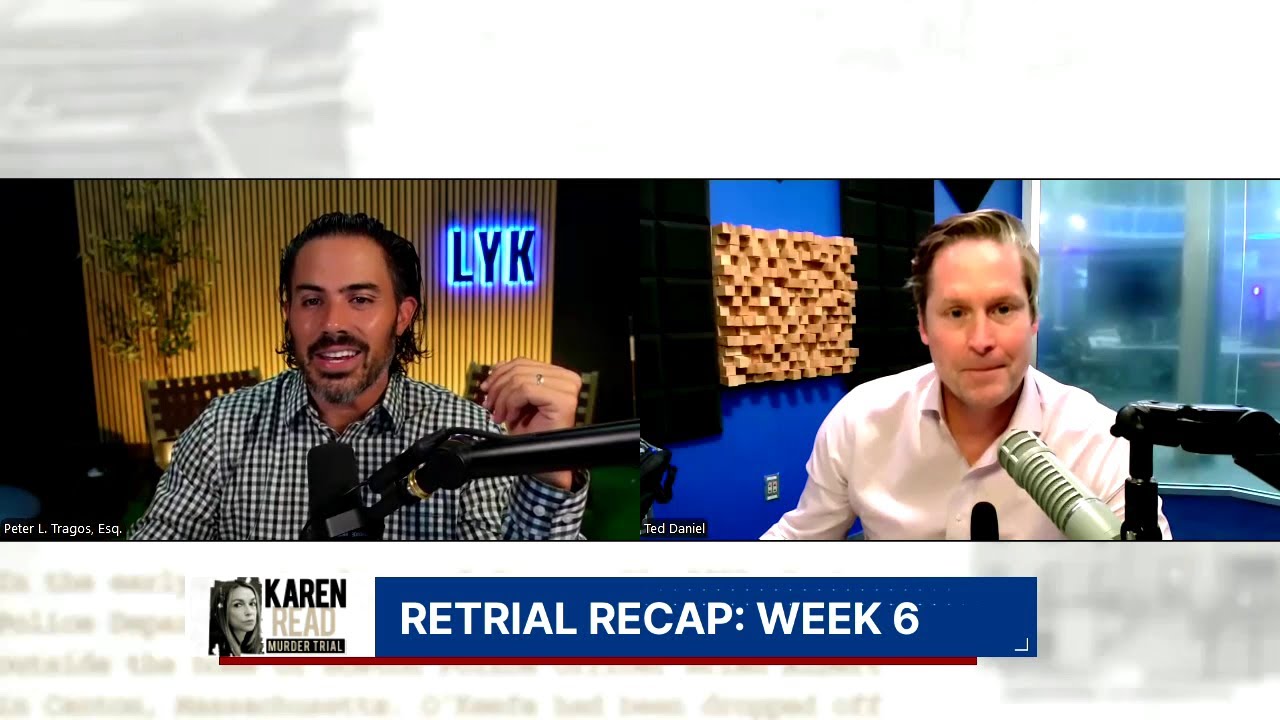
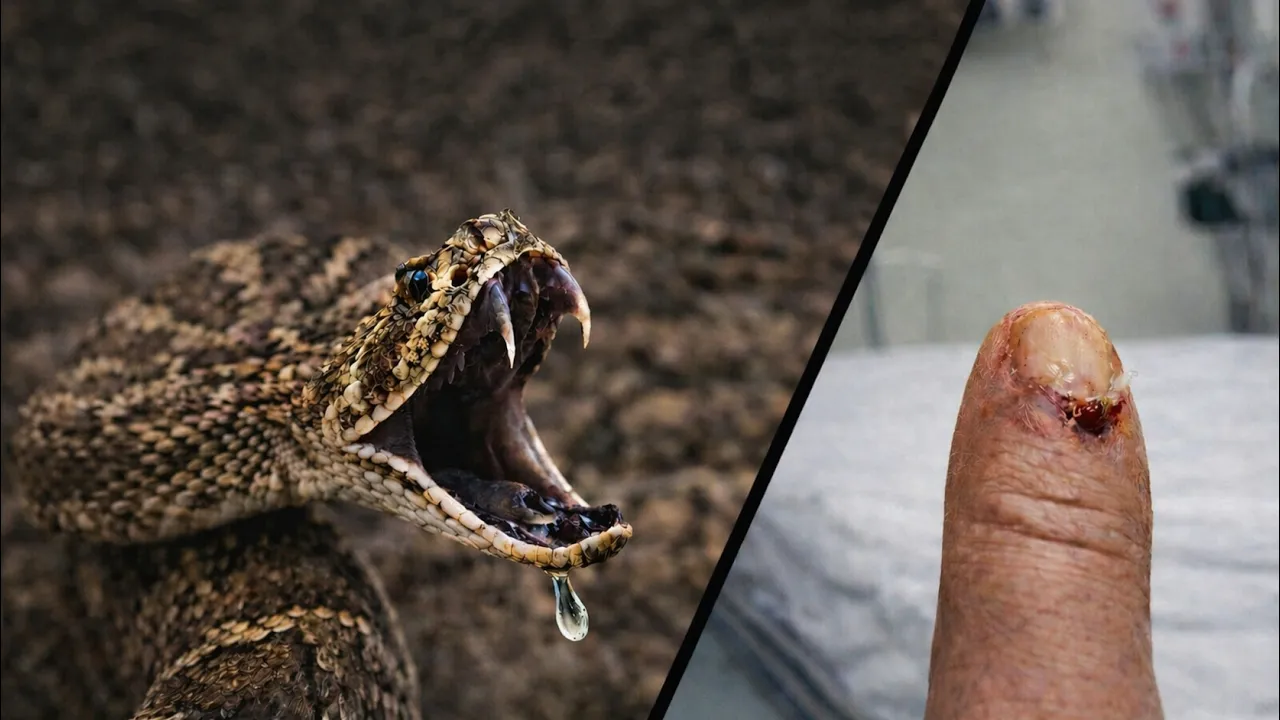
today was a incredibly full court day for an evidentiary hearing regarding the dog bite expert in the Karen Reed case what that means is that the defense and prosecution are having a full evident hearing to see what this expert can testify to and what areas she can give her opinion to this is all based on the rules of evidence and this was done briefly in the first trial with vaer some of the areas of testimony were limited so we went through the entire direct examination by the defense with a new member of the defense team Mr alessie today what do you conclude from the pattern of all of these wounds collectively these were inflicted by a dog and this was a dog attack and why do you say it was a dog attack because there are multiple bites here we got briefly into the prosecution's cross-examination before the day just ran out of time we will be back in court on January 7th at 9:00 a.m. eastern time for this hearing make sure you have the lawner app so I can just remind you when that is what this hearing is for is to determine really what opinions the expert can give the opinions that she gave in court today were that the injuries to Jon O'Keefe's arm were from a dog they were not just from a dog bite they were from a dog attack because she said the multiple injuries to the arm indicate that this was a dog attack not just a dog bite she gave opinions that looking at John O'Keefe's hoodie or sweater that the areas of damage to the fabric on the sweater were also from dog teeth puncture wounds and that the sweater damage on the arm is consistent with the damage to joh O'Keefe's arm she talked a little bit about the DNA and said that the fact that there was no dog DNA didn't persuade or change her opinion in any way and that was based on the fact that the victim's arm was not swabbed just the clothing was swabbed so she was not persuaded that this was not caused by a dog and she also gave the opinion that the injuries to Jon o Keef's arm are not from a motor vehicle accident that they are in fact from a dog attack as we were getting into cross- examine with special prosecutor Brennan he was starting to get into an area of questioning about not just everything she knew about dog bites but also the methodology around the pattern recognition of determining whether or not something is a dog bite and was just starting to question her about her testimony in the first trial which was not as firm of an opinion as her opinion now it was most likely a dog bite most probably a dog bite but it wasn't in the court yes this is my opinion to a medical degree of certainty language it was much more hedged from that he also said to the court when they took a break from lunch that he had hours of cross-examination so the court set aside it seems another entire day for this hearing why does this matter well what this expert is allowed to testify to and what opinions she's is allowed to give hinges on this hearing the court can limit her testimony the court can allow her testimony to expand from what was in the first trial now that the discovery has been done in time because that trial has been continued to April this is a key witness for the defense and it's also a very important witness that the prosecution is going to have to deal with they benefited last time from the fact that this witness didn't come forward till mid-trial and the discovery wasn't turned over they are not going to just be able to limit this expert because of the Discovery timing they're going to have to use the Rules of Evidence if they think this should be limited to limit it because of either the methodology the reliability of the methodology so both sides are going to fight pretty heavily on this witness to see what will come in at trial yes the prosecution is allowed to present different evidence at trial yes they are allowed to bring in different Witnesses at trial new Witnesses at trial the prosecution can bring in a new expert to reut this expert if they can find one so they have the option to completely change up the way that they did their case and we might see that now how they choose to do that might be precarious because it's going to stick some of their Witnesses because if one of their Witnesses said this at the first trial and now it's completely different they're going to get to go back and forth with that witness if somebody the prosecution called in the first trial they don't call in the second trial the defense can still call those Witnesses so there's a lot of strategy behind what is happening in court today in this hearing which is why it took so long and why it's so important to both sides if you are new or to the Karen Reed case this is a trial that took oh gosh 10 weeks back over the end of the spring into the summer in Massachusetts Karen Reed is accused of killing her boyfriend John O'Keefe by hitting him with a car the evidence in this case is challenging the investigation in this case is challenging and the jury which was not surprising was unable to reach a decision there's a lot of appet stuff happening because numerous jurors came forward after that and said but we reached a decision on two of the counts it was just the DUI count and the vehicular manslaughter via DUI count that they were hung on and that count is a count with a bunch of subparts that is still up at the court of appeal it is unlikely that on that the court of appeal will overturn the case maybe the court of appeal will allow the jurors to be asked more question questions about that but that is also more unlikely that is not like the expected result that would be the unusual result so we will see what happens when this is done with the Supreme Judicial Court of Massachusetts but this is going forward on a retrial because if a trial results in a jury that's unable to reach a verdict or a hung jury unable to come to a unanimous decision then there's a retrial so with a retrial we now have a new prosecutor that was brought in as a special prosecutor who's normally defense attorney and we've got two defense attorneys that also used to be prosecutors so everybody in the courtroom used to be a prosecutor but is now a defense attorney except for Adam Lally who hasn't said anything since the jury was hung and just kind of sits there but he is still on the case so today we are going through a Dober hearing this is a hearing regarding the expert from California who was talking about the dog bite and her opinion that the injuries on Jon O'Keefe's arm are from an animal she is not trying to say these bites show that this particular animal or even this particular breed did this thing it's just these are consistent with animal scratches however the new prosecutors allowed to challenge the experts so what they are doing is using Federal rule of evidence 702 to challenge whether or not the experts opinion that the injuries on Jon O's arm come from an animal and whether not that's allowed the reason it's called a Dober hearing is because the standards for experts in rule 72 changed after the dobert case so there are standards here that the judge is going to have to find Emily is the judge going to find that today no no we're in Massachusetts there are no rulings From the Bench it took like two weeks for the judge to say she was going to continue the case till April which she has done now so that has happened at this point so rule 702 expert Witnesses we're just going to read it together a witness who is qualified as an expert by knowledge skill exper experience training or education May testify in the form of an opinion this is the key to this it's an opinion so this doctor's allowed to say it's my opinion that that's a dog bite almost anyone can be an expert to something like if the case involves Yu-Gi-Oh cards and you have played Yu-Gi-Oh for 15 years you would probably qualify as an expert in Yu-Gi-Oh right so it's it just really depends on your knowledge and skill here are the factors the experts scientific technical or other specialized knowledge will help the tri Ora understand the evidence that is like the Crux of an expert you need an expert to come in to explain something specialized that the jury might not know for themselves B the testimony is based on sufficient facts or data the testimony is the product of reliable principles and Method this is where you see different various forms of evidence getting thrown out so in the past they would use things like handwriting analysis more it is not used as often if ever in courts anymore things like that so you will see different areas of scientific evidence get yeed because it is not based on sufficient reliable principles and this is why defense attorneys challenge a lot of the scientific data to try to establish they're not reliable and get them yeed out and then D the expert has reliably applied the principles and methods of the facts to the case so that's it is there a scientific process here is this reliable what is the of the expert is this within the normal realm of what we see experts testify to like DNA or is this outside of the realm of what the expert normally testifies to for deep dives into the stories that I covered here you can find them on my YouTube channel at the Emily debaker and the Emily Show podcast I stream every Tuesday and Thursday the podcast goes live on Wednesdays and if you want to stay in the loop with everything I'm doing receive the fastest notifications out there and get more lawner Community join me at lawner app.com our free app for IOS and Android [Music]
Up Next

115:03
Court Ruling on Expert Testimony in Karen Read Trial Analysis
@AttorneyMelanieLittle
55K views•2025-03-07

6:55
Understanding Copyright and Fair Use in the Digital Age
@techquickie
144.1K views•2016-07-22
5:27
Forensic Phonetics: Speaker Identification in Legal Cases
@nptel-nociitm9240
539 views•2025-03-19

24:42
Police Interrogation Tactics: False Confessions & Legal Reform
@LastWeekTonight
7M views•2022-04-18
Related Study Plans & Knowledge Roadmaps
Structured learning paths in Law
law
Analyzing Mergers: Clayton Act & FTC Rules
01Introduction to Antitrust Law and Market Competition
02Corporate Mergers and Section 7 of the Clayton Act
03Defining Markets and Measuring Concentration (HHI)
+ 2 more learning modules
10h5 modules
Explore Roadmap
law
Self-Defense Law: Imminence & Castle Doctrine
01Foundations of Self-Defense Law
02Imminent Threat & Reasonable Belief
03The Principle of Proportionality
+ 3 more learning modules
12h6 modules
Explore Roadmap
law
Defamation Law: First Amendment & Actual Malice
01Introduction to civil torts and the First Amendment
02Elements of Defamation: Libel and Slander
03Public Figures vs. Private Individuals
+ 2 more learning modules
8h5 modules
Explore Roadmap
law
Hearsay Rule: Trial Evidence & Exceptions
01Introduction to Trial Evidence & Courtroom Basics
02Demystifying Hearsay: The Core Definition
03Non-Hearsay: Exclusions Under FRE 801(d)
+ 3 more learning modules
14h6 modules
Explore Roadmap