






























The United States has the most expensive healthcare system in the world but ranks last in quality and access to care according to Commonwealth Fund studies; this is because the US spends 17-18% of GDP on healthcare compared to only 7% in Taiwan, which achieves better outcomes through a single-payer system with private providers, demonstrating that universal coverage and cost control mechanisms are essential for effective healthcare systems.
US Healthcare: Costliest Yet Ranks Last in Global Study
Added:Understanding of basic healthcare system models worldwide, such as Beveridge, Bismarck, and National Health Insurance models.
Familiarity with key health economics metrics, including healthcare spending as a percentage of GDP, per capita spending, and life expectancy.
An overview of the fragmented US healthcare infrastructure, specifically the roles of private health insurance, Medicare, Medicaid, and employer-sponsored coverage.
The conceptual definitions of healthcare quality, accessibility, equity, and efficiency as defined by global health organizations.
In-depth analysis of specific policy differences between the US and top-performing nations (such as Norway, the Netherlands, or Australia) in the Commonwealth Fund reports.
Examination of the economic drivers behind high US healthcare costs, such as administrative overhead, pharmaceutical pricing, and fee-for-service payment models.
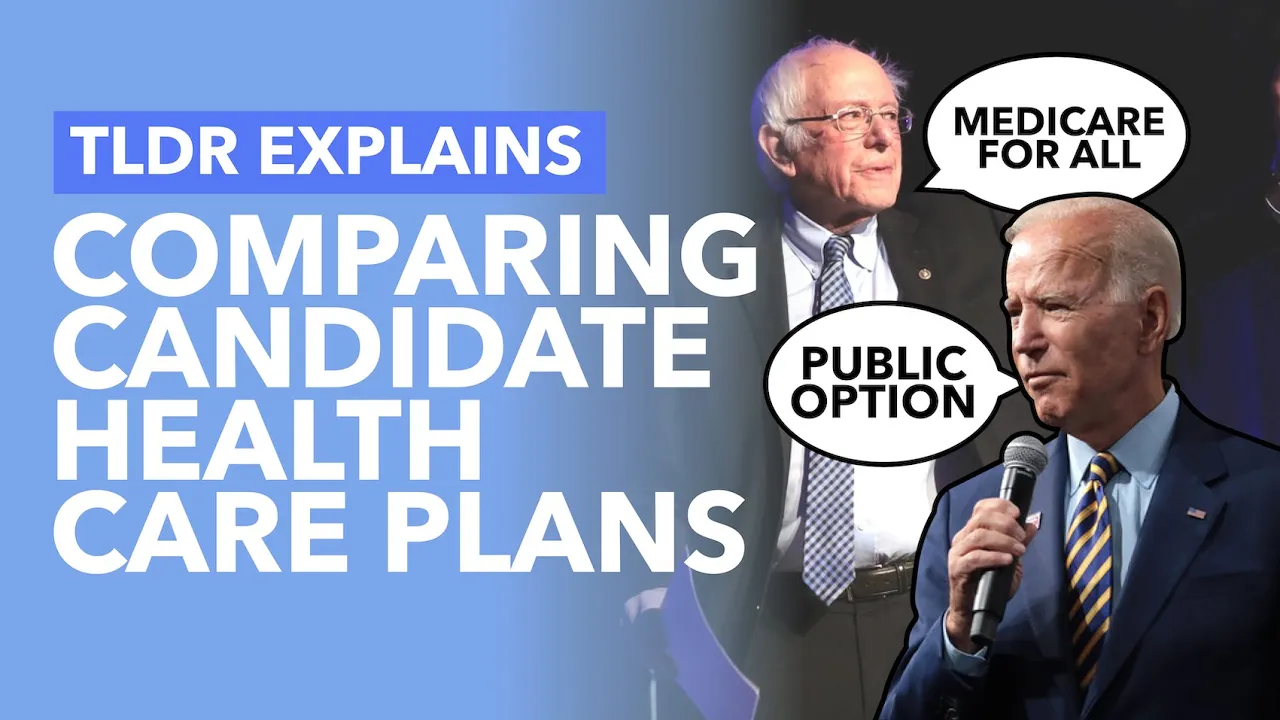
Evaluation of proposed US healthcare reform strategies, including single-payer systems (Medicare for All), public options, and value-based care initiatives.
Study of the social determinants of health (SDOH) and how non-medical factors impact national healthcare rankings and patient outcomes.
8.8K views73likes7:47Original Release: 2012-03-17
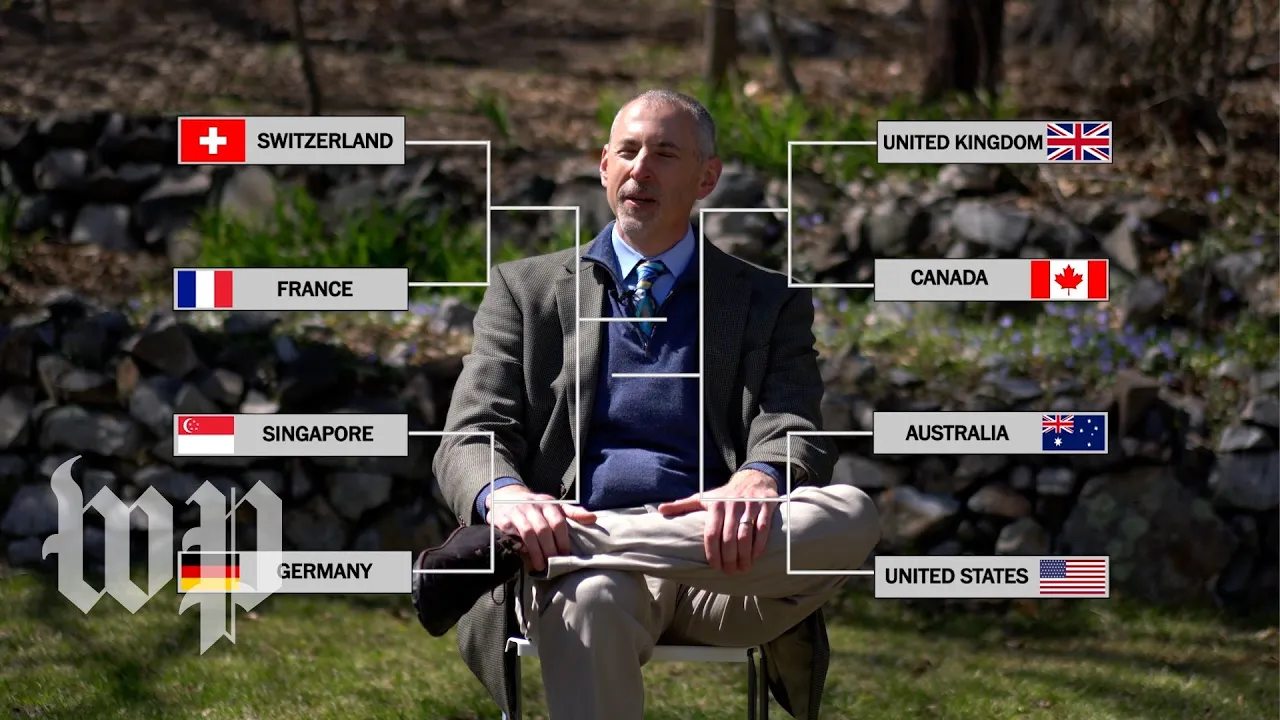
Healthcare in America it is the costliest in the world but is it the best not according to a report by the Commonwealth fund which actually ranked the US dead last in a study that included Seven Nations the report looked at factors such as quality of care and access to care but look at the cost if you combine the per capita per person costs of the top two Nations on this list the Netherlands and the United Kingdom you still don't equal the per capita cost of Health Care in the United States now the challenge here in the United States is not an easy one improving the quality of care while lowering the cost and expanding coverage to all of those people who don't have it it's why fared Zakaria is devoting his first GPS special of the year to laying out a road map for saving Healthcare now the special debut Sunday night at 8:00 p.m. Eastern FID you have searched the world for a solution to this healthc care issue to try and map that onto the United States what have you found well you know in Taiwan which is a free market country with a very vigorous free enterprise system they had a totally free market Health Care system in the 1990s they asked themselves we want to go from scratch and build a new one and they studied all the models in the world and we asked the guy who designed the Taiwan Health Care System what did you learn from America right he said it was very easy from America you learned how not to do it wow he said that there was really nothing they could get borrow from the American cas our system is just a total mess in Taiwan what they decided to do was they decided to go for a single insurer but private providers so the hospitals are private the doctors are private but you have a single essentially government sponsored insurer right in other words Medicare right uh and not paid for by tax dollars paid for by tax dollar not surprisingly they have the lowest health care costs in the world they they're up there they're among the best in terms of the outcomes but they only spend 7% of their uh economy on Healthcare we spend 177% and we're going to take a look at a chart which shows the the steady increase in per capita spending on Healthcare in the United States or or as a share of GDP let's put it that way starting at around 5% in the 60s up to this 17 18% that we've got now freed let's just discuss this for a second because there are some people who think market-based systems work best where there's competition and yet some of the most efficient Health Care Systems in the world are Single Payer uh whether you want that to be a socialized medical system or just like you described in Taiwan one payer that has efficiency and has the ability to to control costs through negotiation square that Circle for me because one seems inherently anti-c capitalistic Healthcare is a very weird um field there was a Nobel prize winning Economist Kenneth Arrow who in 1963 wrote a brilliant paper predicting that Healthcare wouldn't work on regular Market Eon economics lines and here's the reason why you don't know when you need to buy Healthcare and at the moment you need it a heart attack a stroke a hip replacement you don't have that much money so you can't the the normal Market can't function you need an insurance system of some kind now of course it's possible that you were to say well look you know the market would work if you were to just say you had a heart attack you can't afford it sorry you you die but every rich country in the world has decided that's not how we want to run things we want to have give people some basic access and once you make that decision you have to have an insurance system you talked very correctly about the you know the issue of access and cost what I found is that every other system in the world found in order to bring down costs you have to have Universal coverage because otherwise you have a downward spiral in Insurance where basically the insurers try to kick all the sick people off the system and keep the healthy people on who don't really want to get insured in the first place healthy people don't want to buy insurance so it's a kind of it's a weird game where everyone's trying to game the system so the the these countries that use a single-payer system that take the money out of taxes by doing so that means everybody pays into the system sick or healthy here in the United States that's the part that's under challenge at the Supreme Court the idea that this Healthcare administra this administration's Healthcare reform plan uh wants to compel people to buy insurance in the same way that Taiwan taxes and the same way that Canada taxes or the UK taxes we actually have a perfect example and we talk about this in the program Switzerland 20 years ago had exactly the system we do and again Switzerland very free market country actually Switzerland ranks higher than the United States on the index of economic freedom which the Heritage Foundation puts out the Swiss realized 20 years ago they were having all the problems we are the ones we were just talking about the healthy people don't want to buy it the sick people keep getting thrown off by the insurance companies so they went for a an individual mandate pretty much reformed the system along Obamacare lines the result is they've had lowered costs higher quality huge customer satisfaction so I can't speak to the Constitutional issues but what I can tell you is every system has found that if you don't create some kind of either individual mandate or as you say just a simple Universal system the the model can't work because you have to bring everybody in to spread the costs to spread the risk and then you work on the really tough part which is uh cost control and that means you've got to have somebody know you can call it what you will it has been demagogued as death panels but you got to have some board of experts saying this is covered by insurance and this is not and again that is something that happens in many countries where a a 93y old person who is in hospital with some uh what would be a terminal illness isn't necessarily deemed to be chronically ill at that point there are decisions that are made about whether or not this is worth spending Sanjay often says that we spend uh most of our Healthcare money in the in the last months of of Life the last year of Life the two crazy statistics about Healthcare 5% of the patients account for 50% of the cost right so when people say you know High deductible plans will work no they won't because the real costs are all in those chronically ill serious ill who would be covered by catastrophic insurance or or anything and the second part is we fight death um most other societies at some point accept it uh and at the end of the day nobody's saying you can't at 93 get that second hip replacement the point is insurance won't pay for it right that that at that point the market you can do what you want the point is your insurance program can't pay the whole system go you're prepared for the fact that you and I are both going to get hate tweets about this right you know what I've tried to do is really ground this in fact what I've been struck by is that the whole argument against some government involvement first of all ignores the fact that we have huge government involvement in Medicare is basically remember that sign during the during the objections to Obamacare which said government get your hands off my medicare right and the second part is that everyone who makes these arguments against the government it's there is some fantasy theoretical version of healthare that they talk about but you know I I'm a practical guy what I say is you can reason from principle but you also got to reason from facts and reality we have 20 other countries in the world that do this all of them are able to do it better and substantially cheaper than us so to me it feels like the task is not to junk all this and say there's some Utopia out there that's never been tried in any actual human society rather to say look we've got a messy reality with the government and markets working together let's fix it and that is the role that you play for us at CNN you have traveled the world youve researched systems in many cases Healthcare and otherwise uh things that work and and and hopefully we can try some of them here I'm looking forward to the special freed Zakaria GPS the special airs uh on Sunday 1 at 8:00 pm Eastern Time
Up Next

8:28
Health Insurance Terms: Deductibles, Copays & Coinsurance
@HRPartyofOne
25.7K views•2024-02-29

12:54
Triumph of Orthodoxy Icon: Byzantine Art & History Explained
@BenCallan
2.1K views•2024-08-06

9:49
FastAPI vs Flask vs Django: Choosing the Right Python Web Framework
@TechWithTim
302.5K views•2024-05-26

1:42
Game of Thrones Opening Credits: A Cinematic Analysis
@gameofthrones
46.3M views•2011-04-18
Related Study Plans & Knowledge Roadmaps
Structured learning paths in General & Interdisciplinary Studies
general-studies
Elevator Engineering: History, Physics & Cities
01From Hoists to Safety Brakes: The Dawn of Vertical Lift
02Hydraulic vs. Traction: The Engineering Physics of Elevators
03Modern Speed, Safety, and Algorithms
+ 2 more learning modules
12h5 modules
Explore Roadmap
general-studies
Rubber: Material Science, History & Geopolitics
01Origins of Natural Rubber & Mesoamerican History
02The Chemistry of Natural Rubber & Vulcanization
03The Geopolitics of the Rubber Boom & Colonization
+ 2 more learning modules
12h5 modules
Explore Roadmap
general-studies
Containerization: Evolution, Logistics & Trade
01Ancient Trade & Bulk Cargo: Amphorae to Barrels
02The Industrial Revolution & Cardboard Packaging
03The Containerization Revolution: Malcom McLean
+ 2 more learning modules
12h5 modules
Explore Roadmap
general-studies
Textile Tech: Evolution, Labor & Global Impact
01Pre-Industrial Textiles: Handloom & Cottage Industry
02Mechanization: The Spinning Jenny to the Power Loom
03The Factory System & Global Labor Transformation
+ 2 more learning modules
10h5 modules
Explore Roadmap