




![57.Dr. Ahmed Abdelrahman [Gout + Introduction to Parkinsonism]](https://i.ytimg.com/vi/v55nxUYiTlE/maxresdefault.jpg)




















Neuroleptic Malignant Syndrome is a life-threatening reaction to dopamine receptor antagonist medications (primarily antipsychotics), characterized by the FEVER mnemonic: Fever (typically >38°C), Encephalopathy (mental status changes), Vital sign instability (tachycardia, labile BP), Elevated enzymes (CK from rhabdomyolysis), and Rigidity (generalized muscle stiffness). Risk factors include initiation or dose change of neuroleptic medication, with depot injections carrying highest risk, and males being twice as likely to develop NMS. Treatment requires immediate discontinuation of the causative agent, supportive care with IV fluids, and management of complications including autonomic instability and rhabdomyolysis; mortality has decreased from 38% to under 10% with early recognition.
Neuroleptic Malignant Syndrome: Pathophysiology, Diagnosis & Treatment
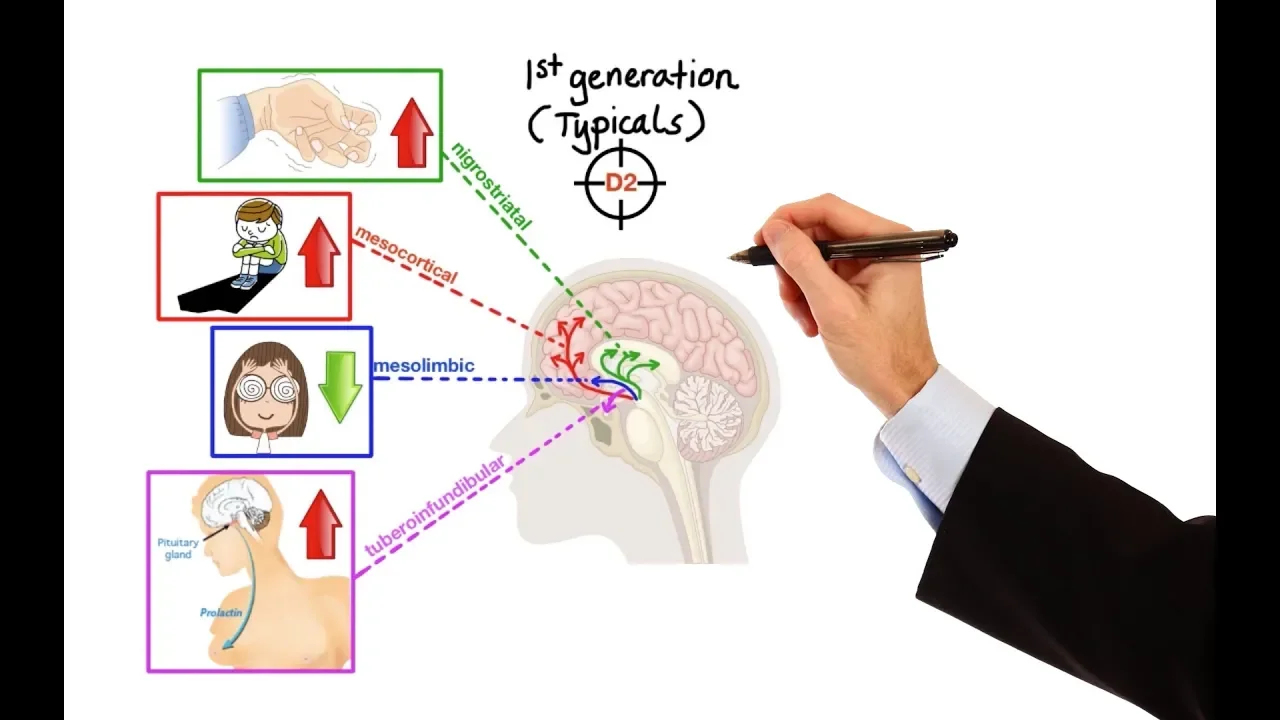
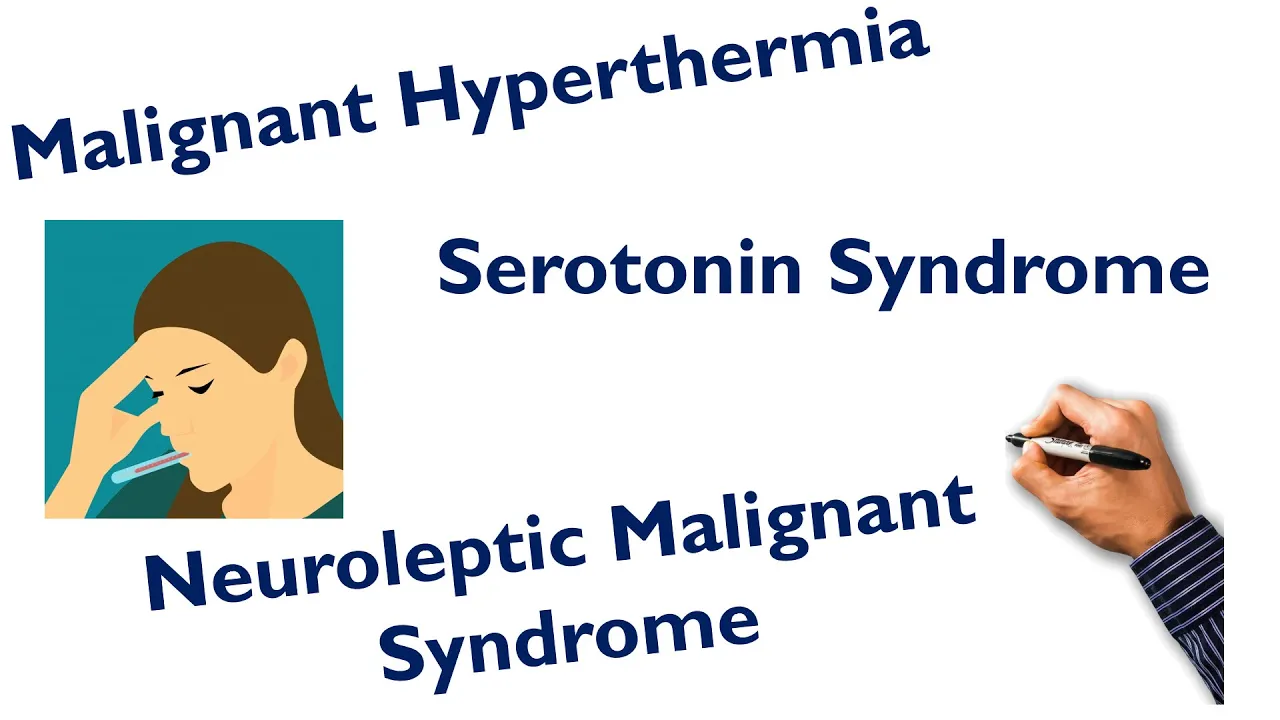
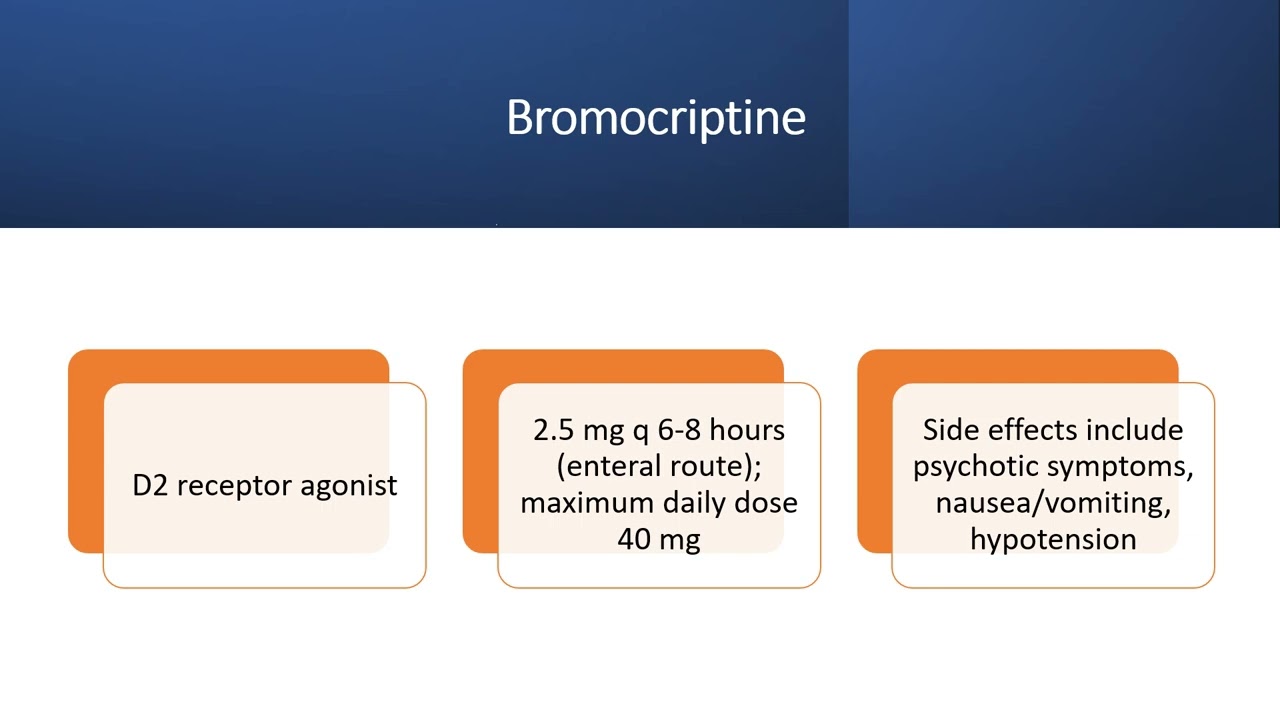
Added:[Music] neuroleptic malignant syndrome is a life-threatening reaction that can occur in response to the use of dopamine receptor antagonist medication most commonly antipsychotics this is where the name comes from as neuroleptics are any class of drugs that are used to treat psychotic conditions malignant is used to describe serious forms of disease that tend to cause death unless effectively treated syndrome refers to a collection of signs and symptoms antipsychotic medication is used to treat symptoms of psychosis this includes typical and atypical agents known as first and second generation antipsychotics respectively first generation agents are thought to primarily work through antagonizing the d2 dopamine receptors in the brain while second generation antipsychotics work on multiple receptors including the d2 dopamine receptors as well as serotonin receptors other medications with dopamine antagonism like metaclopramide tricyclic antidepressants and even lithium can also cause this syndrome on the other hand medication intended to increase dopaminergic signaling is used primarily in parkinsonian diseases and rapid withdrawal of these medications such as levodopa or tolcapone can also cause the syndrome the exact mechanism is not known however the sudden reduction in dopaminergic activity within the central nervous system is thought to cause most symptoms however this does not entirely explain the condition especially as it is seen with the second generation antipsychotics that have lower d2 receptor activity it is also thought that other neurotransmitters are therefore involved including removing sympathetic nervous system inhibition leading to over activity of that system which can manifest as autonomic instability calcium release from the sarcoplasmic reticulum is associated with antipsychotic medication use and this could account for some symptoms including increased muscle contractility rigidity and therefore hypothermia the most typical features develop over several days and these can be remembered with mnemonic fever f is for fever to remember a temperature usually above 38 degrees e is for encephalopathy meaning a change in mental state often manifesting as disorientation or delirium this is frequently misdiagnosed as a mental health disorder v is for vital sign instability including tachycardia and labile blood pressure i'll also include other symptoms of autonomic instability here like exercise intolerance sweating and urinary incontinence the second e is enzyme elevation particularly creatine phosphokinase this can come from rhabdomyolysis that is secondary to the muscle rigidity r is for the muscle rigidity which is usually generalized and sometimes called lead pipe rigidity meaning rigidity throughout the range of motion this is an early feature the principal risk factor is the initiation or change in dose of a neuroleptic medication with depot injections which are injections of long-acting forms being the highest risk this is especially true if used in patients with dementia males are thought to be more at risk with up to twice as many males as females being affected although the risk is higher in dementia neuroleptic malignant syndrome is seen more commonly in young adults but it is thought that this is due to more people of this age being exposed to antipsychotics rather than age itself being the risk having the syndrome due to withdrawal of dopaminergic agents is more likely in older populations as they are more likely to be treated for parkinsonian diseases there may also be a genetic link where there is an inherent reduction in the d2 receptor function in early studies the mortality rate was as high as 38 percent but more recently as a result of earlier recognition the mortality has dropped to less than 10 percent the dsm-5 set out criteria for neuroleptic malignant syndrome first there are major criteria all of which must be present for the diagnosis these are an exposure to a dopamine blocking agent severe muscle rigidity and fever other criteria of which at least two are required are leukocytosis elevated creatine kinase both of which may be the result of the muscle rigidity and rhabdomyolysis this dysphagia an altered level of consciousness mutism urinary incontinence tremor tachycardia sweating or labile blood pressure investigations will typically involve bloods looking at renal function and electrolytes as well as blood gases looking for metabolic acidosis urinalysis is done looking for myoglobin urea and if the diagnosis is not clear imaging such as ct or mri and lumbar puncture may be required to exclude structural or infective causes the differentials include meningitis encephalitis or a central nervous system abscess malignant hypothermia drug use including cocaine and amphetamines and serotonin syndrome neuroleptic malignant syndrome is considered a neurological emergency discontinuing the causative agent is crucial in the case of withdrawals then restarting the dopaminergic medication can reduce the symptoms following this the focus is supportive patients will usually receive iv fluids as part of resuscitation because they are typically volume depleted however more aggressive fluids may be needed if rhabdomyolysis is present any electrolyte imbalances should also be corrected cooling depends on the severity antipyrexials like paracetamol and ibuprofen can be used and methods like fans or ice packs initially in more severe cases such as temperature above 38.5 despite other methods more invasive options include cold fluid lavage or intravascular cooling benzodiazepines can be used to reduce agitation and dopamine agonists like bromocriptine are used in severe cases not responding to initial methods dantrolene is a muscle relaxant that may also be used electroconvulsive therapy is an option in refractory cases but the convulsions could contribute to further rising of the creatine kinase level death can result from respiratory failure coming from severe chest wall rigidity which could be managed with mechanical ventilation it can also be due to cardiac causes such as arrhythmias renal failure is also possible which itself can trigger diffuse intravascular coagulation the dehydration and immobility can also predispose to deep vein thrombosis and pulmonary embolism you
Up Next
Antipsychotics and QT Prolongation: Risk & Prescribing Guide
@Psychopharmacologyinstitute
5.9K views•2019-07-23

Graphic Medicine: Comics for Collaborative Healthcare Communication
@nationalpatientadvocate
189 views•2023-12-04

Neuroanatomy: Central and Peripheral Nervous System Divisions Explained
@AKLECTURES
136.2K views•2014-09-20

Stages of Labor and Vaginal Birth | Childbirth Animation
@nucleusmedicalmedia
52.1M views•2017-08-18
Related Study Plans & Knowledge Roadmaps
Structured learning paths in Medicine