![ВСЕСВІТ ПРОТИ КОМП'ЮТЕРІВ 😱 [VERITASIUM]](https://i.ytimg.com/vi/u3CetUR_1K8/maxresdefault.jpg)



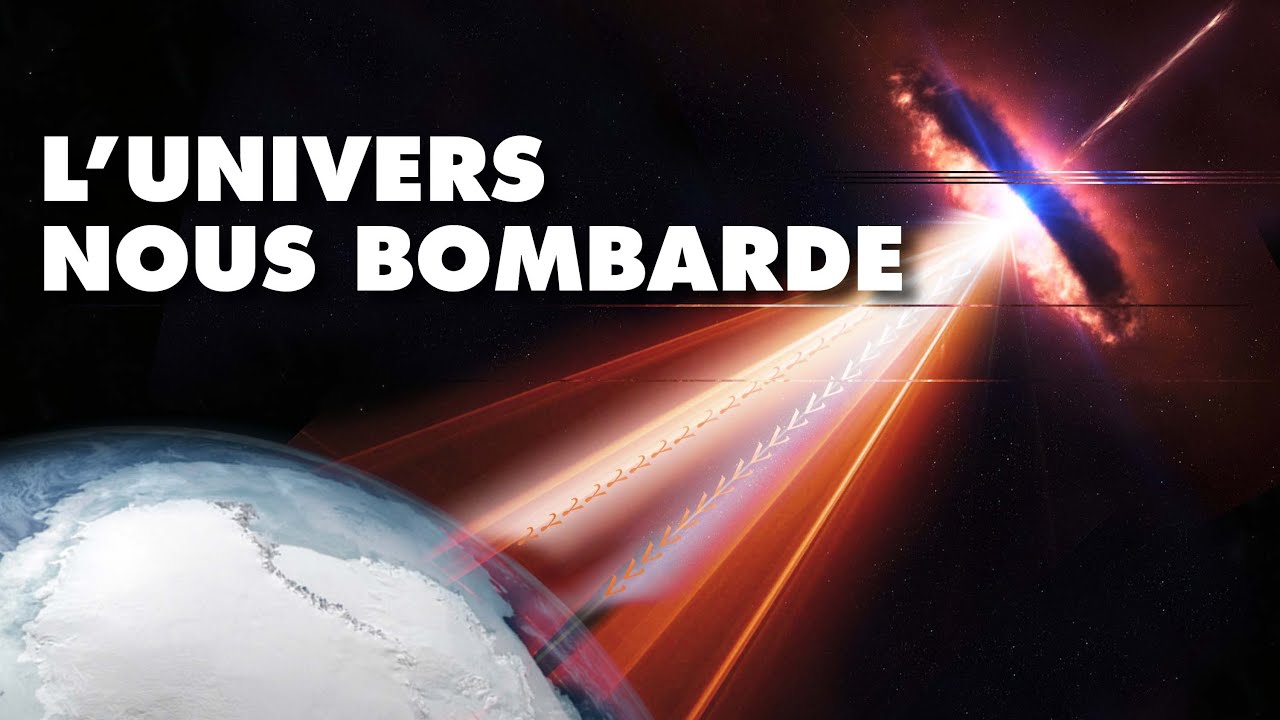








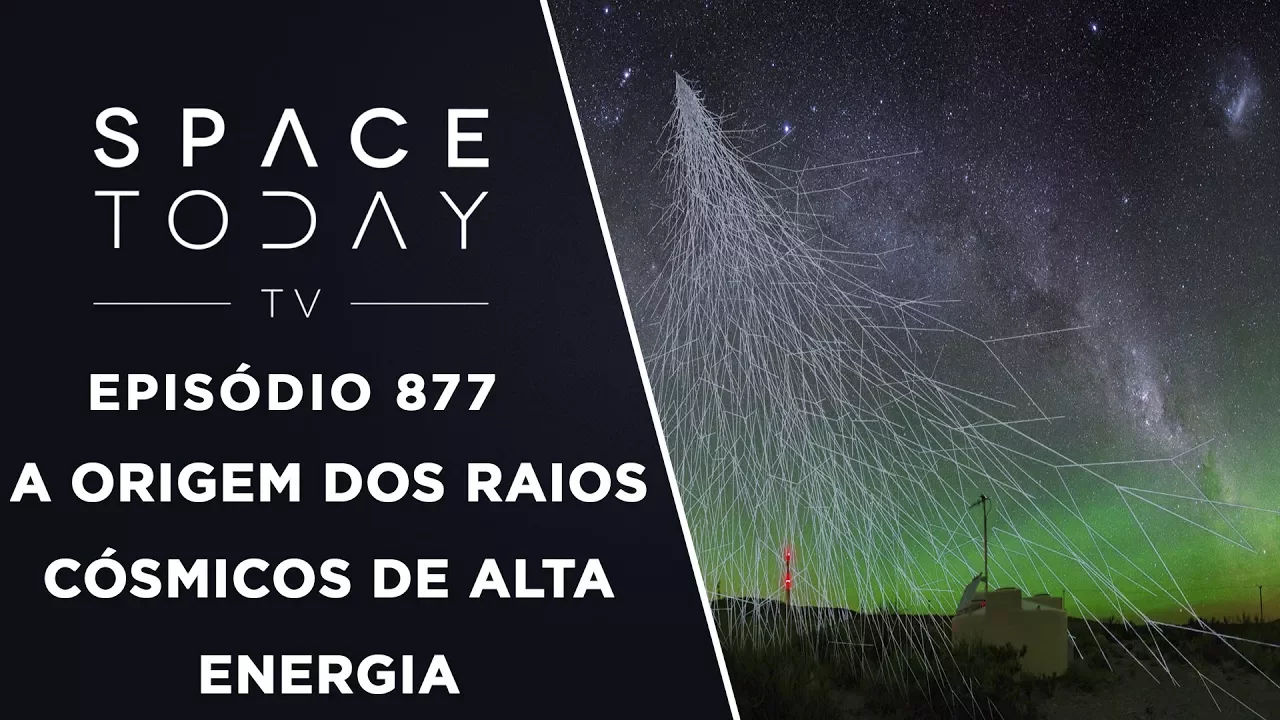


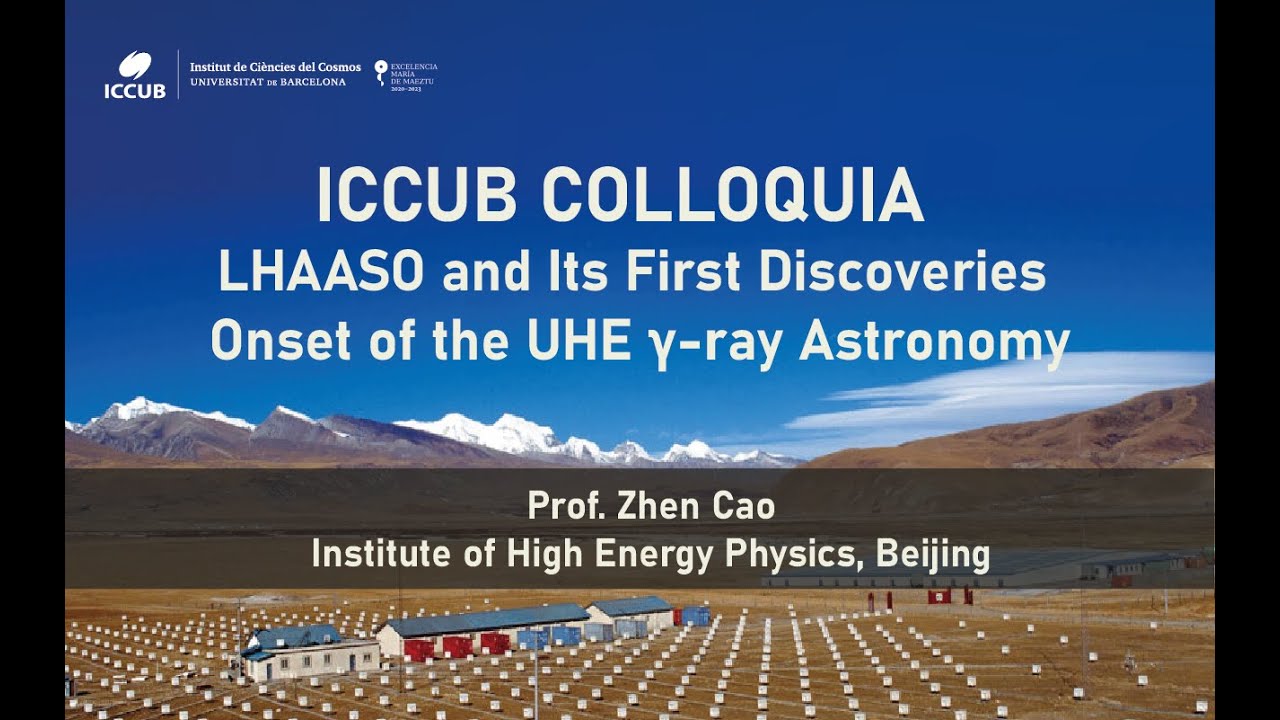




The Pierre Auger Observatory in Argentina is a vast cosmic ray observatory spanning 3,000 square kilometers that detects ultra-high-energy cosmic rays (up to 10^20 eV) by observing extensive air showers—cascades of secondary particles produced when cosmic rays collide with atmospheric nuclei. The observatory uses a hybrid detection system combining surface water tanks with photomultiplier tubes (which detect Cherenkov radiation from fast-moving particles) and fluorescence detectors (which observe ultraviolet light from the air shower itself). Key discoveries include confirming the GZK cutoff (energy loss due to inverse Compton scattering with the cosmic microwave background), revealing anisotropies in cosmic ray arrival directions indicating local galactic sources, and measuring the cosmic ray spectrum's characteristic breaks (knee, ankle, and toe) that reveal different astrophysical acceleration mechanisms operating at different energy scales.
Pierre Auger Cosmic Ray Observatory: Detecting Ultra-High-Energy Particles
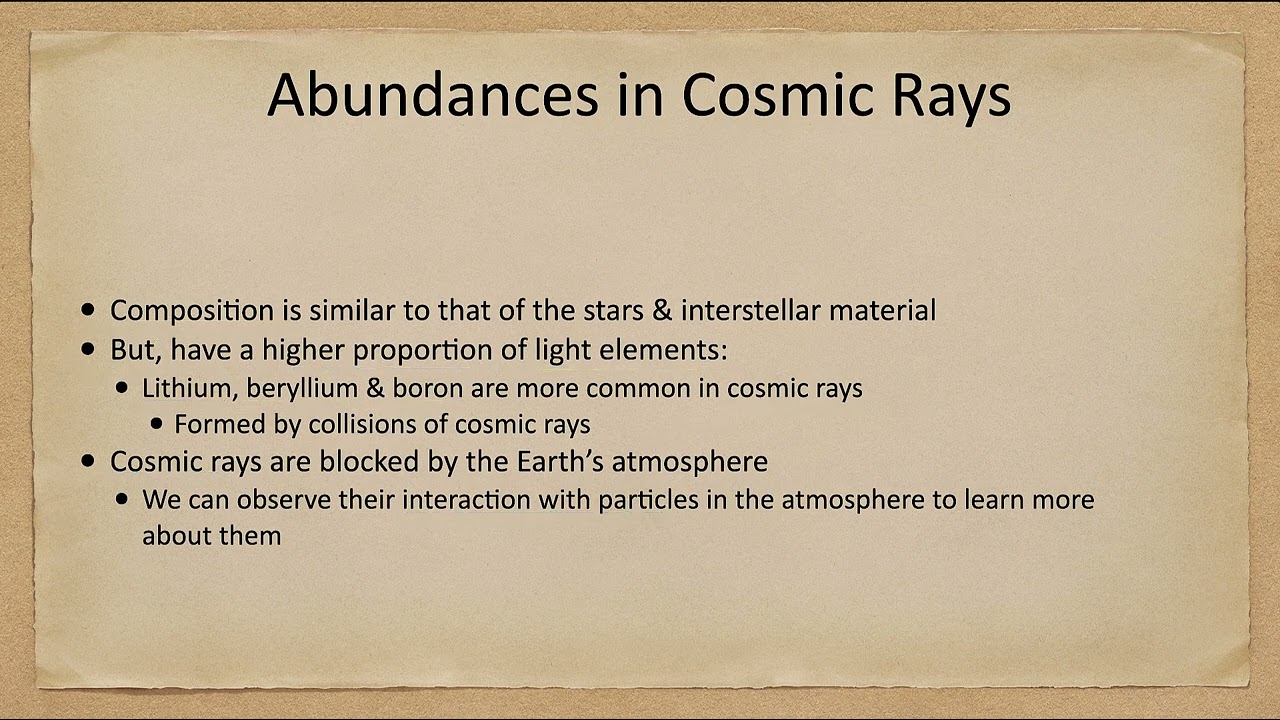
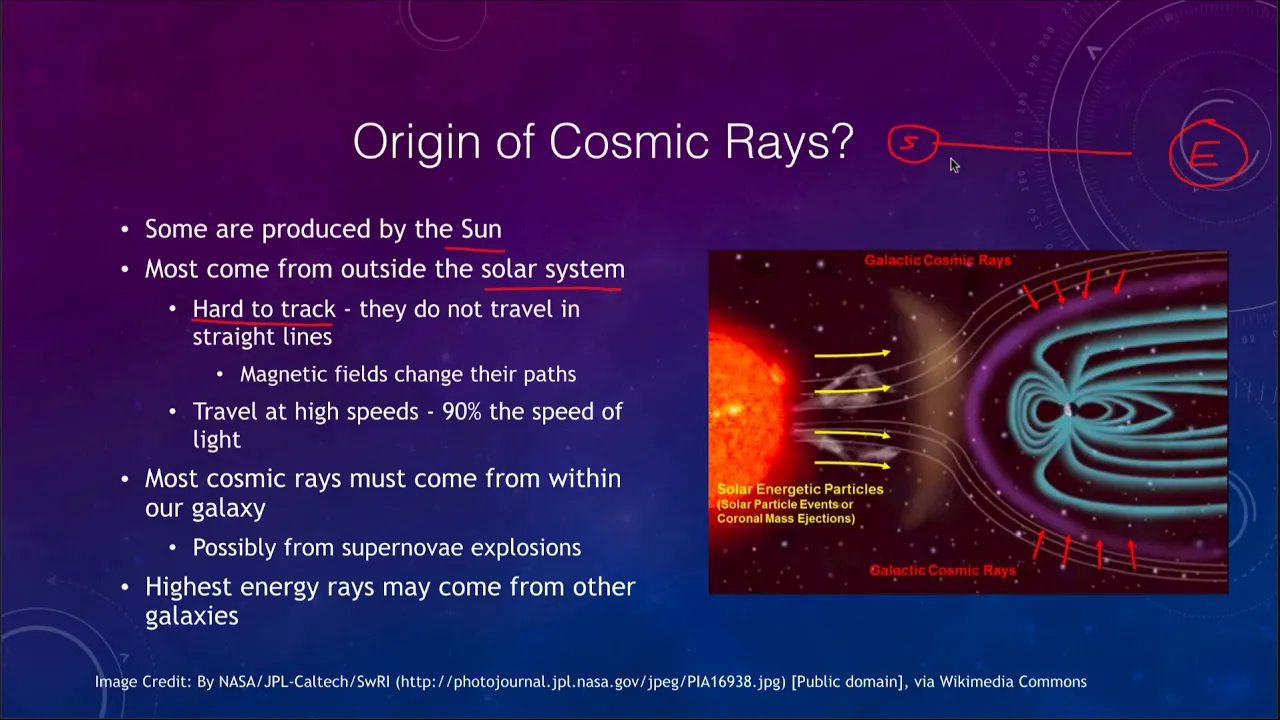
Added:that is uh what we got for today okay let's move on move on to new stuff today we're going to talk about the pierre ogier cosmic ray observatory uh i have not kept up to date with the project cosmic ray observatory in terms of the science that it's produced and so we will take some time to investigate some of the science that it produced but i do have one of the main things that they were able to detect from the prj cosmic array observatory which we'll take a look at one of the first big results that they came out with and but in the meantime we will take a look at the design of the proj cosmic ray observatory where it's located and so forth and some of the challenges that they that you face with when you design any kind of cosmic ray observatory but first what that means is we need to understand what cosmic rays are to begin with cosmic rays generally come from uh big explosions in space big explosions in space and i need to switch to this view big explosions in space now these big explosions in space can come in a few different forms uh they could be supernova uh so you have a here's a star the star blows up and it spews out a bunch of stuff and those things are gonna be charged particles of a variety of sizes a large fraction of cosmic rays are going to be thank you for that raid by the way i appreciate that a large fraction of cosmic rays are going to be protons but they need not be protons you can have cosmic rays coming in of different masses so you could have iron and carbon and so forth so the composition of cosmic rays varies and it actually varies also depending upon the energy of the cosmic rays that arrive because uh some the sources of cosmic rays can't generate them at certain energies and so what you can accelerate depending upon the acceleration mechanism whether it's a stellar explosion or you have some gigantic magnetic field that's spinning around and then it pinches off and you get a burst of material like a kind of like a coronal mass ejection or something like that there's different ways of accelerating cosmic rays and those different mechanisms of accelerating cosmic rays can be more effective at accelerating things that are heavier or lighter and as a consequence you get um the composition of cosmic rays changes with energy anyways these cosmic rays they come out you have the galaxy like this here's the galaxy this is the center of the galaxy the solar system is out here at about halfway between the edge of the galaxy at least half of the star halfway between the edge of the stars in the galaxy and the galactic center and these cosmic rays because the galaxy has a magnetic field it's a not a simple magnetic field but it does have a magnetic field these cosmic rays are going to be come from some location and they're going to wiggle around a lot before they get to the solar system and so it's usually when you see cosmic rays it's most of them that we find you cannot trace back where their origins were you can only do statistical analyses of what are the kinds of mechanisms that we understand and how does that what kind of cosmic ray would that produce whether you produce protons or iron or something like that and then do a statistical analysis of how many do we see of a given energy in given mass and so forth so identifying the sources of cosmic rays is a lot harder to do and in some for low energy stuff it's almost impossible to do because it doesn't take much to steer them around and when you go to higher and higher energy the rate at which the cosmic rays curve in the galactic magnetic field is uh smaller so with low energy stuff it's easy to get them to bend and twist like this with higher energy stuff you're going to get more trajectories that look like that you know higher energy stuff the trajectories will be have larger radii of curvature and so super high energy stuff is going to curve very little and they may come straight in and so with super high energy cosmic rays you can do a better job of tracking back the direction that they came from they're still going to be deflected somewhat but less than the low energy stuff the laundry stuff could cycle around you could have cosmic rays that originate from the same source and follow slightly different paths because they come off at different angles slightly different paths and arrive at completely different times separated by thousands of years um nevertheless or you could have cosmic rays originating from the same local environment like you have two supernovas that go off at a similar time and yet the cosmic rays would arrive um at widely different spaces in time so it's pretty gnarly uh all of the uh physics that goes into cosmic rays coming to earth from space excuse me let's take a look at the cosmic ray spectrum so that we can see what it is that i'm talking about so cosmic ray spectrum the spectrum has a variety of features in it that are each given a variety of names oh let's go to the particle data group and see what it has so the particle data group right here this is a group at the lawrence berkeley laboratory where they have a compendium that they put together every year with updates in a variety of different fields in particle physics and so it's actually a useful thing because if you're just interested in understanding certain aspects of particle physics or cosmology you can go to the particle data group website you can download this it's like a 400 page book it's free you can they used to give you little copies you could order but i don't know if they still do that and they'll have a section where it outlines the basic physics of what's going on so cosmic rays they even have a section on like how to do data analysis and so it's not really a textbook but it's like a chapter on a given topic and then um the most recent results on that topic so it's pretty cool i have never seen the northern lights in person no okay so check this out so this is shows the different cosmic ray um compositions that we see argon sulfur silicon magnesium hydrogen helium notice that hydrogen so that's protons is the most abundant by a long shot and then you have iron down here which is what 24 orders of magnitude lower uh what is this the fluxes of nuclei of the primary cosmic radiation in particles per energy per nucleus are plotted versus energy per nucleus uh using data from refs 1 to 13.
i'm not i'm not sure what rigidity is but i'm sure it's great okay so you can see that the cosmic ray spectrum you have more objects at low energy so there's kinetic energy per nucleus not per nucleon but kinetic energy per nucleus you can see that the uh there are more low energy stuff and then as you go to higher and higher energy so like as we move along here and this is quite a bit right this is starting from zero 10 to the zero gev so that's one gev a gev is like the a proton mass so you have the kinetic energy equivalent to the mass of the proton and then you go to higher and higher and higher energies up to 10 to the six 10 to the six gev is what a peta electron volt that's wicked high stuff uh the best that we can do on the earth right now is about ten to the three so that would be the tevatron at fermilab although that's no longer being used but it was ten years ago the tevatronic fermi lab the large hadron collider large hydrogen collider is like 1.4 or 14 uh tev which puts you at oh okay that puts you up here right so 10 to the three that's one gev one tev and they are at 14 tev is the design goal so they're like 10 tev which would be here 10 to the fourth so this is the highest energy that we can achieve in particle accelerators right now the tevatron was a 2 tev which is right there so the large hadron collider is the highest energy thing and that would be this vertical slice running right through there and so we see these cosmic rays coming in with energies that are much much higher than that uh by like almost a factor of 100 right here's the highest energy cosmic rays that have been observed and they're probably um even beyond this so we'll take a look at stuff i suspect that there are things that are even beyond this this particular graph all right the point being that you get fewer of them as you go to higher energies so the higher energy ones are more rare uh and so you get more noise in it that's why the error bars are bigger over here and uh there you go so that's what it looks like all right let's see what else we get from here this is it's kind of hard to see but there are features there are bends and wiggles in this um let's see hold on say could we produce the most high energy particles not not the stuff we can do on earth isn't anywhere near what we can do here like these are a factor of 100 more than what we can produce on the earth and it shows here the different detectors that they're using to find these things so hess is a gigantic gamma-ray telescope kind of thing um camella was another one i remember when the promela results came out veritas is another veritas is actually an interesting looking cosmic ray observatory um it's looking for shrink of radiation i believe in the sky [Music] so the cosmic ray enters the atmosphere here's the veritas telescope array so veritas is something energetic something telescope array system um all right let's take a look at this open in new tab so this is veritas it looks like it's fake right this looks like um it's been photoshopped in but no in what happened was they were supposed to put these things in a particular location on the mountain and there was some i don't know something that came up where they're like no you can't put it on the mountain anymore and so they're like well what do we do with the telescope so they're just like okay we'll just build them in the parking lot for now and so the temporary parking lot installation is what you're seeing here um and that's what it looked that's where it is it's been that way for more than a decade now so the mirrors on veritas you can see that they're segmented and then you have the detector up here so i believe that these are looking for cherenkov radiation in the atmosphere i'll talk a little bit more detail about that in a little bit um so that's what this one is pamela i thought was a space mission uh space or an air some kind of airborne mission maybe let's see uh mission pamela mission cosmic ray pamela detector and it was looking for like electron positron differences or something like that so it had an interesting result nine years achieved three years planned nine years achieved so i was looking for proton anti-proton this is something i'll have to take a look at in more detail a little bit later you know on some other stream but anyway so that's where you're getting these kinds of things i'm looking for anti-proton flux positron flux electrons protons and light nuclei and heavy nuclei and what it was able to find so anyways that's the pamela result so all of these different comp the combined data from these different instruments is what gives us these curves so that's the cosmic ray flux there are features in that flux but they're kind of hard to see like there are bends you can see that it bends here but there are other bends in it and as a consequence what they do is they basically divide by this slope so you divide by the slope that appears to be in these lines and when you do that then you can the wiggles show themselves so that's what we see on this one so this is the wiggles that manifest themselves after you divide by the cube of the energy and again this is kinetic energy in gev so here is one gev and then it goes up to 10 to the four gev here is one gev here and 10 to the 4g ev there so it's this range of kinetic energies that they're looking at and you can see it has a bend in it right here uh that bend is called the knee this one's called the ankle and then it bends upwards at the end that's called the toe the toe was a fairly recent discovery okay so you don't divide by e you multiply by e cubed i guess if you multiply by e cubed then it flattens out this thing is what happens so there you go these breaks whenever you see a plot like this that's a log log plot where it you go 1 10 100 and so forth when they're factors of ten what you look for is a break in the uh in the slope and what that tells you that breaking the slope is that there's some new effect that comes into play so maybe this would be one type of cosmic ray production source now i don't know the details of it but if you have some slope that indicates that there's some physics that is producing cosmic rays and that cosmic ray product the energy spectrum you get from that production mechanism is going to be some power law and a power law on a log log plot is going to be a straight line so and when i say power law i mean it's going to be something that looks like the number that you create is going to be proportional to the number that you create is going to squiggle number it's going to squiggle uh energy to some power like beta and then what you do on a log log plot is that you get this beta that comes out the slope of the line is that is that beta okay so some physical process you know black holes merging together or something like that is going to produce a spectrum of cosmic rays that cosmic ray spectrum is going to um have depend upon whatever the physical mechanism that produces it and it will produce it will give you some power law and then you have you know but that might be limited in the energy that it can produce so maybe you can only produce energy up to 10 gev uh with this particular mechanism but then some other mechanism comes around like um now you have active galactic nuclei with large magnetic fields and you get magnetic recombination that's accelerating things or you know you're whipping them around as the because the spin axis is not oriented the same way as the magnetic field axis and so there's a variety of ways that you can you know now there's another way to produce cosmic rays and it's going to produce a different cosmic ray spectrum that's going to have a different value for the power law and that's going to be a different slope on that plot and so here is one or multiple physical mechanisms to produce cosmic rays and then that mechanism runs out it runs out of steam and some other mechanism persists beyond that and you know this might be produced in some galactic um type event or like black hole type event and then another thing over here that could be produced to cosmic string eruptions or whatever um i'm making all these things up but the point being that the astrophysics is different when you change the spectrum okay so that is why they would look for these things is to understand okay what are the different sources of cosmic rays and uh how can we understand what they're telling us about things this one the positron fraction okay this one i don't know enough about so but the point being these are the different cosmic rays that we observe the basics of the cosmic ray spectrum if you want to detect the highest energy stuff well what is this the muon charge rate okay so i don't know if you want to detect the highest energy stuff those things are the most rare okay here we go here is the cosmic ray spectrum all particle spectrum as a function of energy holy smokes look at this um and then this is now they're multiplying by e to the 2.6 because of reasons um and so you can see the knee a second knee so it apparently broke its leg at some point in the path and then you have the ankle and then you have this is the toe down here so these changes in the cosmic ray spectrum are from those different things and a lot of this stuff is the same kind of stuff same types of experiments so for example hawk is another telescope ice top so that's ice cube it's the detectors on at the surface of ice cube uh i don't know some of these other ones but we're going to be talking about oj and notice that oj right here that is this high super super duper high energy stuff so oj goes clear up to this to this end but it runs out down here so oj doesn't detect the low energy stuff it does detect the high energy stuff and that's what we'll be talking about all right so what is this 10 to the 20 ev a gev is 10 to the 19. okay a gev is 10 to the nine i'm sorry not 10 19.
one gev is 10 to the nine so that doesn't even show up on this plot um 10 to the nine electron volts and then you go from there up another factor of four and so the what we saw up here with the spectrum we're looking at oh it's way up here all right 10 to the 3 gev a gev is 10 to the nine so this is like 10 to the 12. so proj is looking way way up at the super high energy things all right is there anything else on this that we need to look at before we move on to pierrot j itself i'm not sure what telescope array is [Music] so that's uh that's something that i'm it's new to me okay anything else that we want to see on this one i don't think so all right so let's move move back to what we were talking about which is now the pierre o'jay cosmic ray observatory life's going well for me thank you i appreciate it appreciate that uh they used to use oh now the reason it's called proj observatory is that pierre o'jay was one of the first um cosmic ray observers he did develop these apparatus like some cosmic ray detector and it would fly it up on a balloon and take data um catch a bunch of cosmic rays and then they'd come down and look at you know what was exposed they'd have film on it or something like that so let's see uh let's look at pierre now let's take a look at the wikipedia article because it might have some basics about it now the prg cosmic ray observatory is located in argentina okay and when you zoom in on this picture the point disappears so that's very helpful located in argentina right there let's take a look on the map and see if we can find it [Music] is it malarka something like that it's got some name mylar way does this look like it's in the right spot seems like it's about the right spot in argentina we might not be able to actually see the cosmic ray observatory itself but it's going to be up here kind of in this desert area it's just going to be a bunch of little um oh yeah you can see it those are are those them i thought that the grid was more regular than that though so that might not be it all right anyways the point being you have a large footprint for this telescope and the telescope is filled with these surface detectors so this is a surface detector for the observatory solar powered um and in here is it's just a water tank a water tank with photomultiplier tubes what happens when a cosmic ray comes into the atmosphere is here's the earth here is the atmosphere and you have the cosmic ray coming in wicked fast it hits the upper atmosphere and creates a shower so you have this high energy particle collision thank you for that right i appreciate it uh that produces a bunch of smaller particles those particles decay so you have the collision or it doesn't necessarily produce a bunch of smaller particles it produces a bunch of particles where the energy the mass of those particles is less than the incoming energy so you can use equals mc squared to produce a variety of different particles some of those particles are going to decay some of them are going to smash into other things and produce other particles and so you get a cascade of particles that are produced from this cosmic ray collision and the energy of the particles that are produced so let's say that you produce a muon for example or an electron these particles are going to be moving so fast because the energy coming in is so high that they move faster than light in air so light in a vacuum the speed of light in a vacuum is one in the units that everybody likes to use so speed of light in a vacuum is one the speed of light in air is like 0.99916 or something i mean some number that's very close to one but not exactly one and so there's a small uh window available to you to move faster than speed of light in a vacuum and so if you have something coming in that is moving 99.99 the speed of light this this number 99.99 is bigger than 99.91 percent okay and so this object is moving faster than speed of light and as a consequence it's going to produce drank of radiation which we've seen in a variety of circumstances uh it's the light you know when you detect neutrinos they produce drink of radiation that's in water and so it's a lot easier to do it in water where the speed of light is at 75 percent its nominal value here it's like 99 of its nominal value and so nevertheless you produce shrank of radiation so you have these cones of uh ultraviolet light that come through the atmosphere and so they have down here um telescopes or i guess they're telescopes that are pointed out across the horizon they're looking out across the horizon at the atmosphere looking for these cones of chirenkov light that are coming in and then the surface detectors these little water containers are looking for these particles coming in and hitting that detector creating drink of light within the detector so these objects the speed of light inside the water is like 0.75 c which is a lot slower than 0.99 c so you get anyways two sources of cherenkov radiation that basically detect two different things lower energy particles are able to produce a shrink of signal in here and then you get the atmospheric shrink of stuff here how much can we slow down light quite a bit when you have the right um conditions you can have something that where light takes a long time to propagate through it it's just a high index of refraction all right so that is the way that cosmic ray showers look let me see if i can do an animation animated cosmic ray shower uh let's see cosmic ray animation on vimeo seems like the right place to look here comes uh okay not what i'm looking for okay so never mind on that one the development of okay here we go this is from the prj cosmic ray observatory that is what these showers look like let's try that one again so cosmic ray comes in produces hadrons muons electrons and neutrons or maybe that's neutrinos um hadrons are basically protons and neutrons uh muons are gray electrons and neutrinos and so you get this like it comes in hits the earth and then just bam like a whole bunch of stuff comes flying off and these things when they make it to the surface earth that's what you pick up in your detector here's another animation looking at the prj cosmic ray observatory uh in a bit more detail let's speed it up a little bit the pattern that you have here so it's basically a hexagonal grid um of where the different things are located they were going to build a cosmic ray a similar like proj north i don't know what the status of pure j north is and they're going to do a square grid one of the issues that you run into with a grids that are regularly spaced is that the data analysis can create mathematical anomalies so some telescope arrays for example the alma telescope array they'll have them randomly placed if we look at the alma telescope array footprint this one was based was randomly chosen like the distribution of the telescopes is random um with some clustering properties they wanted some that are kind of close together and other ones that are farther apart and they wanted them spread out so that you don't get these mathematical artifacts that come from a regular repeating pattern okay so there there are trade-offs there's no like one thing that's better than another there are trade-offs to having a repeating pattern and not having a repeating pattern and so in the case of alma they didn't want to have a repeating pattern and so they generated random numbers and placed them down for proj they did they decided that the trade-off was in their favor to have this kind of repeating pattern and then when they were going to build the project which again i said i don't know the status of they were going to have a square array at least the last time i saw it which was 12 years ago so that is the footprint of this observatory it's more or less the size of rome which is pretty cool and the purpose of the experiments is to study cosmic rays so rare that fewer pass through whoa what hold on a second what cosmic rays are so rare that fewer than one passes through an area of one square kilometer every hundred years so that's the thing they're looking for because we saw how the tail of the distribution um the tail the high energy tail gets less and less common and so if you have only one of these common cosmic rays coming in every 100 years per square kilometer if you want to see one in a single year then you need to have 100 square kilometers of detector of detector surface so if you want to get one per year then you need to have 100 square kilometers if you want to get one per month then you have to have a thousand square kilometers so that's why these cosmic ray observatories are so spread out you can see um you saw how much stuff was produced in those events and that's one of the reasons why these detectors can be so sparse you can spread them out because the energy comes in it produces that shower that showers gigantic has a very large footprint and so you don't have to instrument the entire surface you just have to have a large collecting area to get them that is what the trails look like as they come down that's pretty cool all right then they have these four we'll take a look at them again these are the four atmospheric shrankov detectors the blue ones and then they have the water trinket detectors at the bottom and it produces a footprint um based upon the angle that it comes in right it's gonna um so there you go there's the detectors how these things uh will fire when the cosmic ray comes in and there's the atmospheric detector detections right there and then you can get the angle where the light comes in and so forth so we'll take a closer look at each of these different parts not a very long closer look but pierre o'shea observatory so that's what it is that's where it's located and it's right uh in this area okay these are the water shrank off detectors we saw what they're what they're useful for you collect these particles that are coming in really fast and they produce you know bursts of light as they come into the water you have the atmospheric shrink of detectors uh which is this type facility so they'll open up these gates oh maybe it's not a tranquil detector fluorescence one of four fluorescence integrators we got to look at that gotta look at that i may have been wrong uh coming in here on on those things these atmosphere detect are these shrink-up detectors that is what it is uh let's take a look at the fluorescence detectors to make sure that i am not leading people astray uh from volcano ranch new mexico the fly's eye dugway utah and its successor high resolution flies eye the technique of the fluorescence detector was developed these are optical telescopes adjusted to picture uv light rays when looking over a surface area it uses faceted observation james cronin so this is all the university of utah stuff what is the fluorescence detectors f l u o r uh let's see okay passing through the atmosphere air shower passing through the atmosphere this plane of particles creates uv light visible to the human eye called fluorescing effect more or less the pattern of straight line traces these traces can be photographed at high speed with specialized telescope called fluorescence detectors overlooking an area at a slight elevation so they're looking up into the atmosphere when particles reach the earth's surface they can be detected when they arrive in the water tank cause they cause visible blue light due to shrink of effect okay so i was wrong uh good to note when a single particle reaches earth's atmosphere has the energy dissipated by creating billions of other particles near the speed of light these particles spread longitudinally uh which is spread uh along the line uh along the path that they arrive uh with higher intensities near the axis oh they didn't they mean perpendicular to a single particle incoming root that's not longitudinal right that's transverse they spread transverse to the longitudinal is along the direction i don't know why they're using this word here that does not make sense why they're using that word here um transverse means perpendicular to the line the direction of motion and longitudinal means along the direction of motion okay so anyways uh they choose to have that vocabulary backwards in this article creating a forward moving plane of particles with higher intensities near the axis right so it's more concentrated at the center and it gets more diffused as you go towards the edges that's called an air shower passing through the atmosphere this plane of particles creates uv light visible to human eye oh okay so this is basically creating a small oh i got it i got it this is basically creating a small version of the northern lights so the northern lights is fluorescence in the atmosphere from particles in the solar wind uh getting trapped in the earth's magnetic field and then being directed towards the poles when those particles hit the poles they cause the atmosphere to fluoresce and so this is basically the same thing except that now instead of being charged particles from the solar wind you have the cosmic ray that produces it and you get small versions of the northern light so instead of bazillions and bazillions of particles you have the handful that are produced in these um cosmic ray events okay so there you go that's how it works and then the trank of stuff in the tanks so that is what's going on and these are the fluorescence detector buildings that you have on site uh they're trying to look at uh ultra high energy cosmic rays so one of the problems that you have with cosmic rays is that uh you kept running out of vocabulary or like ways to describe the cosmic rays that you're seeing so for example it was like oh we're looking at cosmic rays and then it was um in the 60s it would be now we're looking at high-energy cosmic rays and then in the 1970s it was like oh now we're looking at very high energy cosmic rays and then it was uh super very high energy cosmic rays and then uber super duper high energy cosmic rays and now we're at ultra high energy cosmic rays and i don't know what they're going to do when they start finding cosmic rays that are even bigger than that yeah like mega awesome super duper ultra high energy cosmic rays so anyways they're going to run out of descriptive terms at some point in the future extreme you know everything's extreme everything's bigger because you've already used big and high and fast and uh that's what you're so anyways you're stuck with it okay that is the proj cosmic observatory specifically looking at the really high energy stuff and one of the things that they wanted to detect early on was what's called the gzk cutoff gzk cutoff which stands for gzk it's like one japanese guy and two russian guys something like that uh g-z-k cut off grizen zep zatzapin limit okay so a german and two russian guys i don't know uh anyways the gzk cutoff that's what they were looking for the gzk cutoff is that you have super duper high energy cosmic rays okay here's the earth uh here's the galactic magnetic field uh i'm sorry here's the galaxy right here the earth is in the galaxy you have super high energy cosmic rays that are coming in and also in the background here you have the cosmic microwave background so the cosmic microwave background the leftover radiation from the early universe it's just out there in space ambient microwave energies now you take a super high energy cosmic ray and it comes into the cosmic microwave background it's moving through it and it inverse compton scatters off of it content scattering is you take an electron for example a photon comes in and hits that electron and then the electron recoils in a particular direction so you have high energy photon coming in you get a recoil of the electron in a particular direction that kinetic energy that was added to the electron has to be taken from the energy of the photon going in and so you have a short wavelength photon so you have i'm sorry you have a longer wavelength photon here so the wavelength here spreads out the photon energy is longer the energy coming in was short wavelength high energies high energy photon comes in gives some of its energy to an electron or a charged particle doesn't have to be an electron charged particle and then the outgoing scattered photon is lower energy than the original inverse compton scattering is the reverse of this you take a high energy particle that's moving through an ambient photon field you take a low energy photon and then you deposit you transfer the energy from the charged particle to the photons so you have this sea of cosmic microwave background photons you have this high energy charged particle coming through the universe and it's going to inverse compton scatter it's going to produce um it's going to up scatter the cosmic microwave background photons so instead of being in the microwave now they're in the infrared so it adds a lot of energy to the cosmic microwave background photons not enough that you can see because the number of photons that it scatters off of is really small compared to the ambient number of photons but um you get that effect and that slows down the cosmic ray so if you have a cosmic ray with a lot of energy it's going to deposit that energy in the cosmic microwave background and it's going to lose that energy so that by the time it gets to the earth it is more sad so now you have a sad cosmic ray because it gave up all of its energy along the way sharing it with the cosmic ray background photons and now when it gets to the earth it's got low energies so if you have a distance source so here's the earth here is the cosmic microwave background here and let's say that you have a couple different sources of these high-energy cosmic rays let's say you have three of them the nearby one might only scatter a couple times before the cosmic ray hits the earth okay so it's not going to lose all that much energy this one might scatter you know 10 times more and so it's going to lose quite a bit more energy which means that there's a cutoff in the energy that you can receive as a function of distance and then the more distant object um gives off its super high energy cosmic ray and it's going to scatter a lot of stuff so that by the time it gets here it's lost a lot of its energy so once you cross a particular threshold uh the distance that you can see cosmic rays of a given energy changes so if you have a cosmic ray of say let's say 10 to the 20 electron volts which is really high you might only be able to see 10 to the 20 electron volts out to distances of say one megaparsec i don't know what the distance is but some some distance and then if you go to beyond that anything that had this energy is going to scatter so many times that it no longer has that much energy by the time it reaches the earth at 10 to the 18 electron volts you might be able to see 10 to the 18 electron volts out to let's say 10 megaparsecs again i'm just making up this number so and the reason that we can still see the 10 to the 18 ones is because they used to be 10 to the 20 electron volts and they lost a factor of you know they lost 99 of their energy on the way in now they are 100 times weaker but we still see them at the at this energy and then at even greater distances you have other cutoffs so the gzk cutoff is basically the opacity of the universe because of inverse compton scattering from the high energy cosmic ray particles depositing that energy into the cosmic microwave background radiation i i'll be able to handle questions in in just a little bit um but yes you can go ahead and ask your uh off topic question and i will get to it when i can let's see the so it's not the it's not so much that the weaker ones are seen farther away as much as it is that the they're all produced at the same high energy so all of these different cosmic rays might have been produced at the same energy but they lose that energy as they go and so by the time they arrive at the earth um you are the leftover energy is going to be different let me try one more time to explain that so let's say that all of these things start at 10 to the 20 electron volts this one might lose 99 of its energy and arrive at 10 to the 18 electron volts this one might only lose 10 percent of its energy and so it will arrive at 10 to the 19 electron volts even though they originally started with the same energy and so when you see really high-energy cosmic rays they generally have to come from nearby objects and they can't come from distant objects so the first detection of the gzk cutoff since i already looked it up was using the oh here's the omg particle look at that 3 times 10 to the 20 electron volts that's a single particle that's 50 joules of energy a single particle has 50 joules of energy that that's enormous uh considering the fact that there are in a in a thimble full of water uh well like in a tablespoon full of water one tablespoon full of water there are more water molecules in a tablespoon of water than there are grains of sand on the earth okay a tablespoon of water there are more water molecules in a tablespoon of water than there are grains of sand on the earth this is taking one of those particles and giving it 50 joules of energy even though 50 joules is basically two seconds of the operation of a light bulb so you have a light bulb especially a new light bulb you turn it on it's the 25 watts and so you get two seconds worth of powering that light bulb but this is for a particle that is a grain of sand on the earth producing that much energy it's a huge uh amount of energy for a single particle about the same kinetic energy as 95 kilometer per hour baseball why in the world would anybody give a kilometer per hour baseball what are they communist or something when would you ever measure the speed of a baseball in kilometers per hour i mean maybe the maybe in japan they do that okay so the gzk cutoff um let's go with pierre all right derived on the assumption that ultra hydrogen cosmic rays are protons measurements of the largest column ray observatory prg suggests that most ultra high energy cosmic rays are heavier elements in this case the argument behind the gzk limit does not apply in the original simple form there's no fundamental contradiction um so okay so that just indicates that the amount like what the gtk cutoff is the physics behind it is still there but the limit that was set was based upon assuming the cosmic rays were protons if you get heavier elements then you have to change the math a little bit that's what that means the montreal expos but don't they use miles in canada because it's like the french part of canada so they um the french part of canada you know they're contrarians okay let's see controversy with cosmic rays i did that one 2010 in the following years both pierre oj and jairez confirmed again the flux suppression in the case of prg the effect was statistically significant at 20 standard deviations all right let's see if we can find this uh 9 and 10.
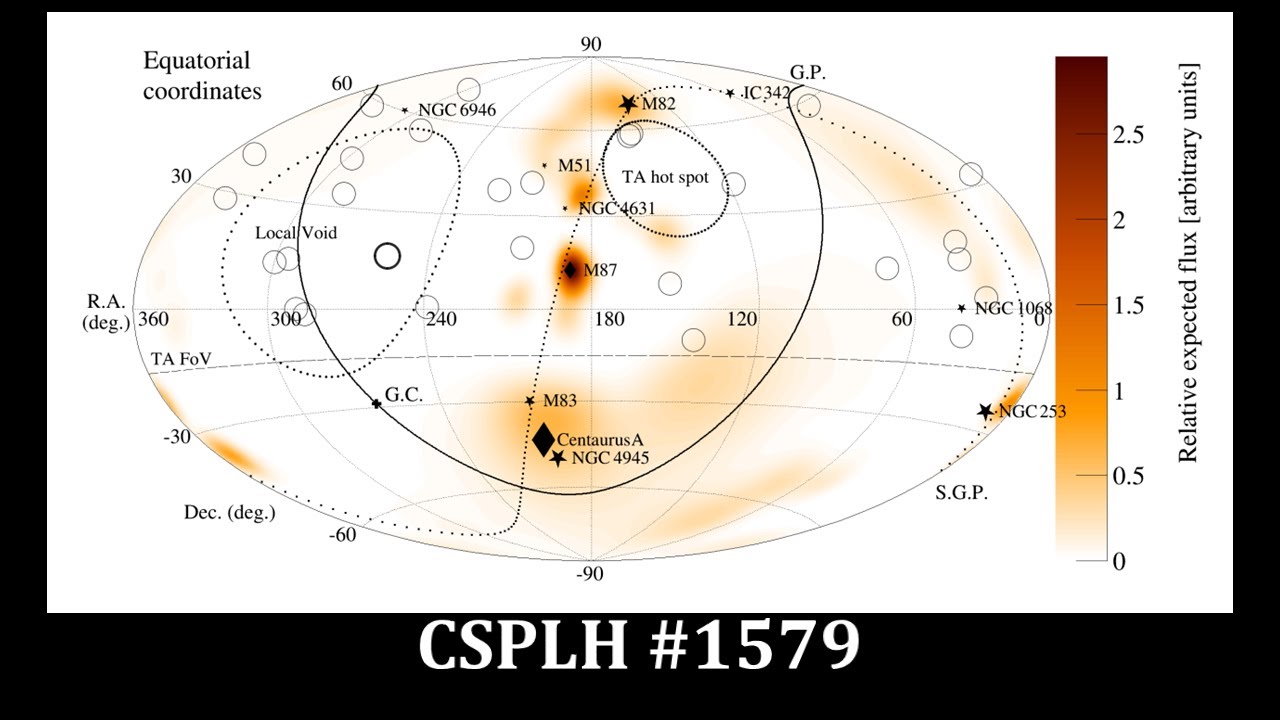
testing agreement between x max distributions measured by country observatory sekulsky pierogi 2010 all right here we go this is the one i think so a friend of mine um gave this talk at fermilab when he spoke who's who measures scientific volumes of water in tablespoons americans do americans measure volumes of water in tablespoons all right so this is their paper uh they introduce a bunch of stuff they have a bunch of graphs and they see the energy spectrum of ultra-high energy cosmic rays determined from hybrid measurements of project observatory hybrid measurements i think meaning that they're using both detectors both types of detectors uh corresponding to uh the number of events for each energy bin next to the corresponding data point fit with a broken power law because the physics changes as i mentioned before so this is like the ankle or the toe and so there it is there's these different power laws that line and this one and then this one right here okay so that that did not show the information that i expected it to but that's what the those are what the data looked like this is gonna be a great great uh thing to see okay anyways they found uh super high these high-energy cosmic rays that they shouldn't have been able to find which are the that were beyond what you would get from the gzk cutoff which implies that the results or the sources of those cosmic rays needed to be closer to us another thing that they found or in other words they found the gzk cutoff they found that indeed the cosmic microwave background does suppress um the propagation of cosmic rays through the intergalactic medium another thing that they found with the prj cosmic ray observatory was the anisotropies okay so here's the earth or here's the milky way galaxy the milky way galaxy has a few nearby things and then you have large blobs of galaxy clusters in different directions but these are in specific directions right there's one over here there's one over here there's one over here but once you get beyond that then you have galaxy clusters that are kind of all over the place once you're outside of the nearby galaxy clusters then they're basically uniformly distributed across the sky that implies since the sources of cosmic rays especially the high energy ones are going to be rare in a given galaxy otherwise we'd be dead by now so you're going to have rare events in each of these galaxy clusters and so if the rare events are only coming from very specific directions like this way this way and this way then that implies that it's a local thing it's something that only takes place in our local neighborhood or not not necessarily our local neighborhood it means that it's a nearby thing so if you see certain types of cosmic rays that come only from specific directions then that implies that it is an effect that you can only see over short distances okay if you see it in a single direction then that probably implies that it has to come from within our own galaxy right so if you have the milky way galaxy here's us uh here's the milky way galaxy and here's us and you see a particular type of cosmic ray that only comes from this direction then that tells you that it originates at the center of the galaxy whatever it is it's a phenomenon that can only propagate from the center of galaxy to us if you see something that is from only in this direction and in this direction and this is the andromeda galaxy out here then that tells you that oh whatever this physical phenomenon is it can only propagate what 2.5 million light years through space before you don't see it anymore because if it could propagate greater distances then you would see it in the triangulum galaxy or whatever it is that's over here the third one member of the local group so the more anisotropically distributed the more uh non-random the distribution is if it only comes from a single direction or two directions or maybe three directions that tells you that it's something that happens locally in space if on the other hand you see cosmic rays that are coming from every direction or like certain events that are coming from every direction that tells you that it can come over really big distances because in order to get something that's distributed uniformly across the earth it has to come from every direction the only way that you can have something from every direction is if uh it comes distances from distances that are larger than the typical distance between clusters of galaxies clusters of galaxies are about 300 light year million light years so about 100 megaparsecs uh separate typical galaxy clusters and so if you see something coming from all directions then it must at least be able to propagate over distances larger than the inter-cluster distance so when they saw the high-energy cosmic rays the really high-energy cosmic rays and they were only coming from really specific directions that implies a volume limit to where they can come from they're like oh we see these high-energy cosmic rays but they're only coming from here here here and here in the sky that is not isotropically distributed and therefore you have a limit to how far away they can come the more isotropically distributed it is the farther away those things can propagate through space all right so what other science do we get from the cosm proj cosmic ray observatory let's take a look real quick and see what their highlights are that they discuss um i don't think caliber first measurement the fluctuations the muon content of air showers at ultra energy uh cosmic ray anisotropys right ascension so this is something oh actually let's take a look at that one most precise measurement of the cosmic ray energy spectrum at ultra high energies this looks interesting i want to see this picture right here it's not showing up look at that look at that shape right there they can see that it bends um at 10 to the 20 up to 10 to the 20 electron volts which is really high so that's pretty cool so this measurement to the high energy end of the cosmic rays uh spectrum this is the only instrument on the planet well now there's two instruments that telescope array can do it this and the telescope array those the only two instruments that can make measurements up here at this area so the gzk cutoff is not just the local group it goes out some distance but it's not a great distance so if we look at these anisotropies see what this one says equatorial dipole amplitude i'm not sure what that means reconstructed equatorial dipole amplitude all right so these are the energy in eev which is a really big number what that's a million tev and the equatorial dipole amplitude i presume that this if it was uniform it would be something that doesn't wiggle up and down if it was uniform in equatorial dipole amplitude it probably does not wiggle up and down and what we observe here is that it does wiggle up and down which means it's anti-suction it's not isotropic and i saw tripic it is anisotropic okay so that's pretty cool what else what other things do they have measuring neutrinos they've done some collaboration with um oh here's the footprint you can see the footprint of the observatory right here they have done some simultaneous measurements looking with constraining the sources of ultra high energy cosmic ray with neutrinos so they've combined some of this with ice cube that we've seen before an anita which i briefly mentioned that's the balloon experiment um anita is the balloon experiment where they use the whole continental ice sheet on antarctica as their source all right so the cosmogenic uh p so that's cosmogenic protons cosmogenic iron so those are things that are produced out in the cosmos as opposed to pulsars which are located in the milky way galaxy itself and agn so that's active galactic nuclei this would be the spectrum that you would get from each of those different sources and this is the energy of the neutrinos that you get and so they have uh limits placed upon that you know where we can get these neutrinos from from anita and uh etc and so forth okay i don't know how to read that plot very well that's what they're talking about i'm sure there's something interesting in here that i don't understand so we know i guess we know the limits of my expertise on the project cosmic ray observatory i knew the people that built it um i don't i only know a few people that actually did the analysis of the data so that's my excuse for being so ignorant on this topic but it's still a cool piece of instrumentation um how they do it here is pirogee antares ice cube observatory's teen up to search for neutrinos so uh antares i guess is in north america somewhere pierrot over here in the on this side anyway so there you go that's basically what i've i've got to offer on proj that's what the observatory is that's what they're looking for the really high energy stuff if you're looking for low energy stuff you can make a smaller detector if you need high energy stuff because they're so rare you need to have a very large footprint to do it search for photon point sources in the oh so this would be them looking for um okay this looks interesting so tev gamma rays from the galactic center for example trying to find uh really high energy things that correspond to optical sources because so when you have an optical source it's going to emit all sorts of stuff including particles it's going to emit high energy gamma rays uh when you come uh if you want to study like what are all the physical processes going on with this optical source could be a black hole for example or it could be a you know a pulsar then you need to be able to identify the um cosmic rays that come along the same in the same direction you want to be able to tie the cosmic rays that you observe to the gamma rays that you observe gamma rays are just photons cosmic rays are particles and so when you're looking at the energy from these things you would find uh for example let's say that there's a neutron star that's causing problems so the neutron star is emitting a bunch of tev gamma rays and then if you also see cosmic rays coming from that same direction like an excess of cosmic rays coming from that direction then you can assign that you would assume that those cosmic rays would be coming from that source and so this limit says oh we didn't see anything we haven't seen anything in the cosmic ray spectrum here and so we can keep pushing down and constrain the physics of what's going on in the galactic you know in this case at the galactic center because if there was some physics might produce cosmic rays that we'd be able to see but because we don't see them therefore that physics is not there you know elves clapping their hands and sending shock waves of particle uh you know like really high-energy cosmic rays from elves space elves clapping their hands is going to produce high-energy cosmic rays the fact that we don't see those high-energy cosmic rays implies that that there are no space elves clapping their hands uh it might be you know space elves clearly is something that takes the place of neutron star neutron star mergers or pulsars or magnetar starquakes that cause disruptions in the magnetar's magnetic field so that's one of the things that you can do by combining multi-doing multi-messenger astronomy where you're combining cosmic rays and gamma rays in the same parts of the sky so that's kind of cool
Up Next
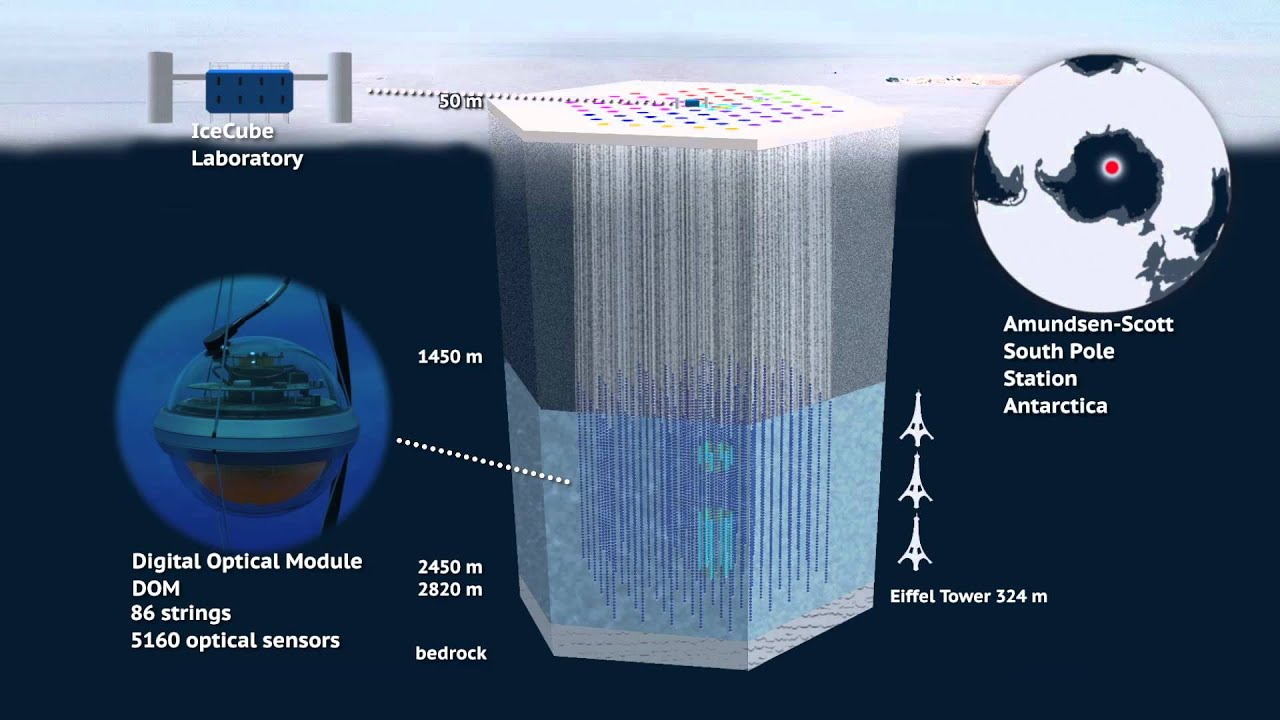
Neutrino Astronomy with IceCube: High-Energy Universe
@IceCubeNeutrino
78K views•2014-11-21

21cm Hyperfine Transition in Neutral Hydrogen: Radio Astronomy Basics
@AaronRobertParsons
12.4K views•2011-10-13

NMR Spin Physics I: Zeeman Effect, Resonance Condition & Larmor Frequency
@nptel-indianinstituteofsci8064
2.3K views•2024-01-17

Entropy and the Second Law of Thermodynamics Explained
@veritasium
27.5M views•2023-07-01
Related Study Plans & Knowledge Roadmaps
Structured learning paths in Physics