Francis Halzen, as IceCube Principal Investigator, describes the scientific effort to detect high-energy neutrinos through a three-part narrative. The IceCube Neutrino Observatory, located at the South Pole, is designed to observe these elusive particles by using a cubic kilometer of Antarctic ice as a detection medium. High-energy neutrinos are produced in extreme cosmic environments such as supernovae, active galactic nuclei, and other astrophysical accelerators. Unlike other particles, neutrinos rarely interact with matter, making them difficult to detect but valuable as cosmic messengers that travel unimpeded across the universe. IceCube employs thousands of optical sensors embedded deep in the ice to capture the faint flashes of Cherenkov radiation produced when a neutrino occasionally collides with an atom in the ice. These interactions allow scientists to reconstruct the neutrino’s energy and direction, helping trace its origin back to distant cosmic sources. The project aims to uncover the sources of cosmic rays and explore fundamental physics beyond the Standard Model. This search represents a frontier in multimessenger astronomy, combining neutrino data with observations from light, gravitational waves, and other particles. The video presents this endeavor as a compelling scientific story, highlighting the technological innovation and international collaboration required to observe these ghostly particles.
Neutrino Astronomy with IceCube: High-Energy Universe
Added:The fundamental properties of neutrinos in the Standard Model of particle physics, including their lack of electric charge, extremely small mass, and weak interaction with matter.
Neutrinos are unique particles in the Standard Model: they have zero electric charge, very small but non-zero mass, and interact only through the weak force (and gravity). They come in three flavors (electron, muon, tau) paired with their corresponding charged leptons. Despite having no electric charge, they participate in weak interactions through charged current (W bosons) and neutral current (Z boson) processes. This allows neutrinos to interact with other particles despite their neutrality, making them essential for completing the Standard Model's particle structure. Their small mass and weak interactions make them difficult to detect but crucial for understanding fundamental physics.
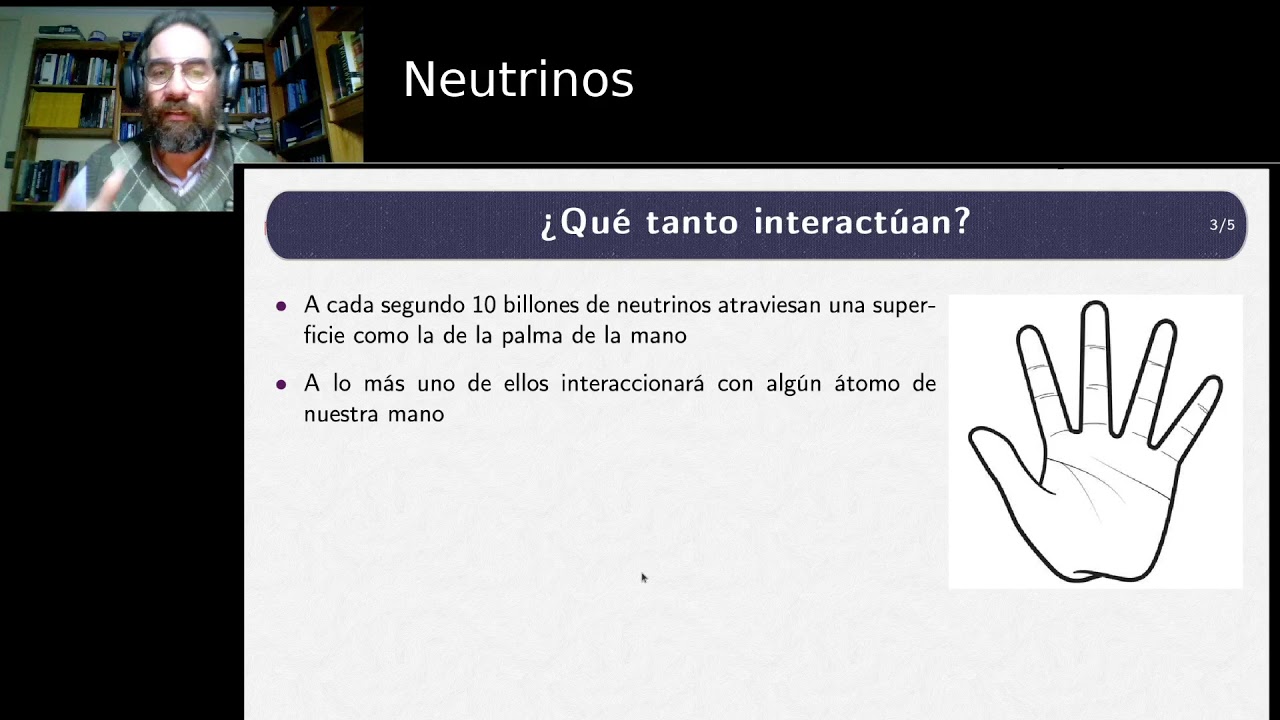
Neutrinos are fundamental particles classified as leptons with spin-1/2, forming part of matter particles that do not experience the strong nuclear force. They interact only through the weak nuclear force and gravity. There are three types: electron, muon, and tau neutrinos, each associated with a corresponding charged lepton. Neutrinos have zero electric charge and extremely small mass—less than one millionth of the electron's mass. All observed neutrinos are left-handed, meaning they interact only through weak and gravitational forces. Right-handed neutrinos have never been observed and would only interact through gravity, making them extremely difficult to detect.

Neutrinos are fundamental particles with no electric charge and extremely small mass (at least 500,000 times less than an electron). They do not interact electromagnetically—electric and magnetic fields do not affect them. They also do not interact via the strong nuclear force (they have no color charge). They interact only through gravity and the weak nuclear force. Gravity is negligible at particle scales. The weak force has an extremely short range (about 1/1000 of a proton diameter) and very small interaction probability. The weak interaction cross-section for neutrinos is extraordinarily small. At typical neutrino energies of a few million electronvolts, the cross-section is about 10^-40 cm². For a neutrino crossing solid lead (1 cm³ contains about 3.3 × 10^22 atoms), the probability of interacting with any single atom is tiny. To have a 50% chance of interacting, a neutrino would need to travel about one light-year of solid lead—approximately 9 trillion kilometers.
Neutrinos are elementary particles in the Standard Model of particle physics, meaning they are not composed of other particles. There are three types (flavors) of neutrinos: electron neutrino, muon neutrino, and tau neutrino, each associated with a corresponding lepton (electron, muon, tau). Neutrinos have half-integer spin (spin 1/2), no electric charge, and interact only through the weak nuclear force, making them unique among known particles.

The Standard Model describes fundamental particles and their interactions. Matter consists of atoms with nuclei containing protons and neutrons made of quarks. Fermions (electrons, muons, taus) are matter particles, while gauge bosons (photon, W/Z bosons) mediate forces. Neutrinos are unique among matter particles because they are electrically neutral and interact only via the weak force and gravity. They have extremely small masses and travel at nearly the speed of light, making them difficult to detect but abundant throughout the universe.
The phenomenon of Cherenkov radiation, which occurs when a charged particle travels through a medium faster than the speed of light in that medium.

Cherenkov radiation occurs when a charged particle travels through a medium faster than light can travel in that medium. This produces a characteristic blue glow, similar to the shock wave produced by a supersonic aircraft. This phenomenon is used in particle physics experiments to detect and identify particles, as the intensity and angle of the Cherenkov radiation depend on the particle's velocity and charge.
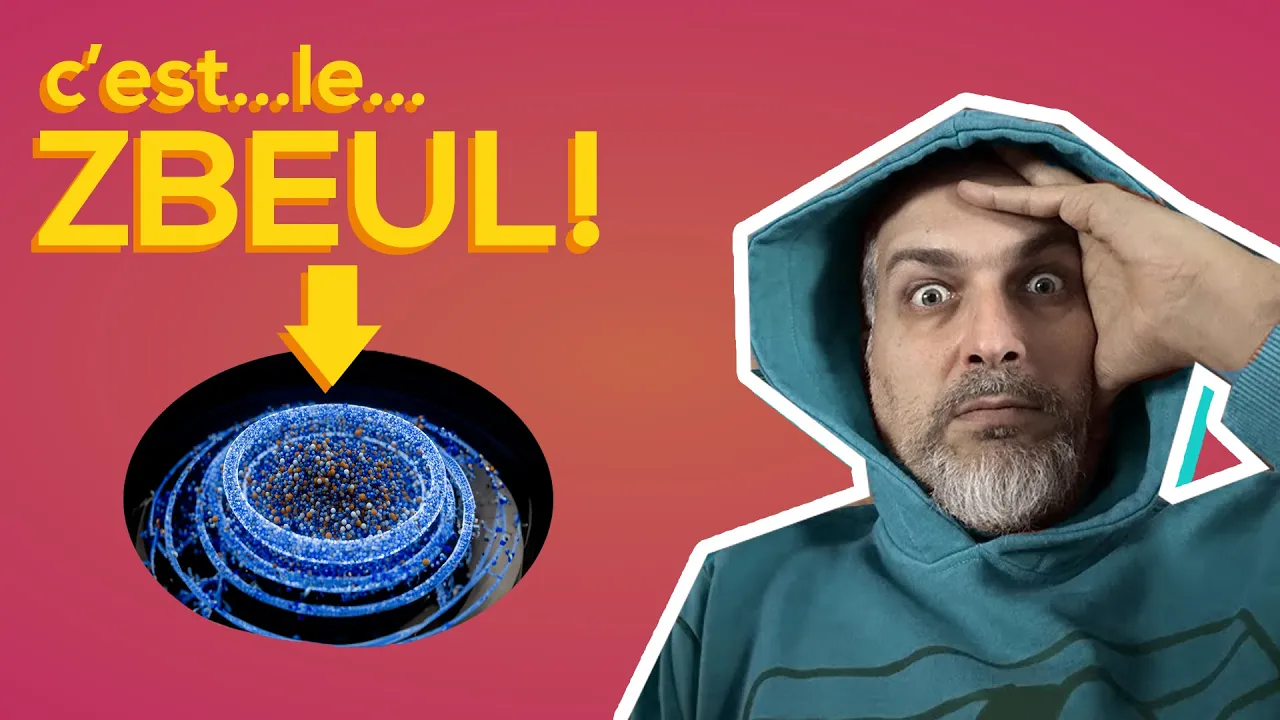
Cherenkov radiation is the blue light emitted when a charged particle travels through a medium (like water) faster than light can travel in that medium. While nothing can travel faster than light in a vacuum (c ≈ 300,000 km/s), light travels slower in water. When a neutrino interaction produces a charged particle moving faster than light in water, it emits Cherenkov radiation. This phenomenon allows detection of neutrino interactions in water-based detectors.
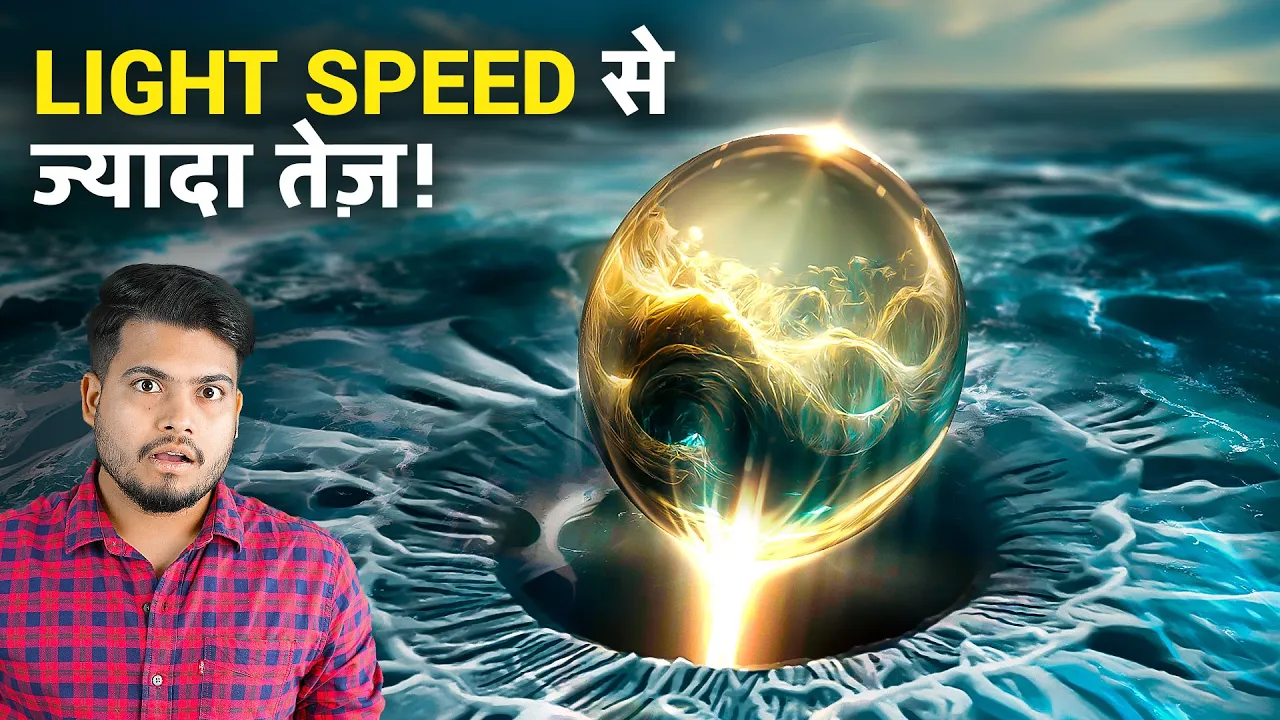
Cherenkov radiation is a blue glow emitted when charged particles travel through a medium (like water) faster than light can travel in that same medium. While light's speed in vacuum is approximately 299,792,458 m/s (the universal speed limit), light slows down when passing through denser media—by about 25% in water. This creates an opportunity for particles to exceed light's speed in that medium, similar to how a jet creates a sonic boom when breaking the sound barrier. The phenomenon was discovered by Soviet scientists Pavel Cherenkov, Igor Frank, and Ilya Pomeranchuk, with Cherenkov receiving the Nobel Prize in 1965 for this discovery.

Cherenkov radiation occurs when a charged particle moves through a medium containing charged particles (like water with protons and electrons) faster than the phase velocity of light in that medium. The particle creates electromagnetic waves in its wake that travel behind it at the medium's light speed. This creates a blue glow often seen in nuclear reactors. The radiation is produced by the medium itself responding to the particle's motion, not directly by the particle. It requires the medium to have charged components that can respond to the moving charge.

Cherenkov radiation is the blue glow observed in nuclear reactors. It occurs when charged particles travel through a medium faster than light can travel in that medium. This is analogous to a sonic boom when an object travels faster than sound. The blue glow is the visible manifestation of this phenomenon.
Basic concepts of cosmic rays and the high-energy astrophysical phenomena that accelerate them, such as supernovae and active galactic nuclei.

Cosmic rays originate from multiple sources: the Sun produces low-energy cosmic rays; supernovae (exploding massive stars) are likely sources of high-energy cosmic rays; active galactic nuclei with supermassive black holes may accelerate particles to extreme energies. Some ultra-high-energy cosmic rays appear to come from cosmic voids where no obvious sources exist. The most energetic cosmic rays (10^20 eV) remain mysterious because they are tens of millions of times more powerful than any human-made accelerator.

Supernovae accelerate protons to ~10^17 eV, but highest-energy cosmic rays exceed this by 100x. The Pierre Auger Observatory shows ultra-high-energy cosmic rays scatter across the sky, correlating with cosmic structure rather than the Milky Way, indicating extragalactic origins. Potential sources include magnetars, supermassive black holes in active galactic nuclei, hypernovae, gamma-ray bursts, and galaxy-scale shocks. Active galactic nucleus jets create giant lobes spanning hundreds of thousands of light-years where weak magnetic fields can still accelerate particles to extreme energies through the Fermi mechanism.
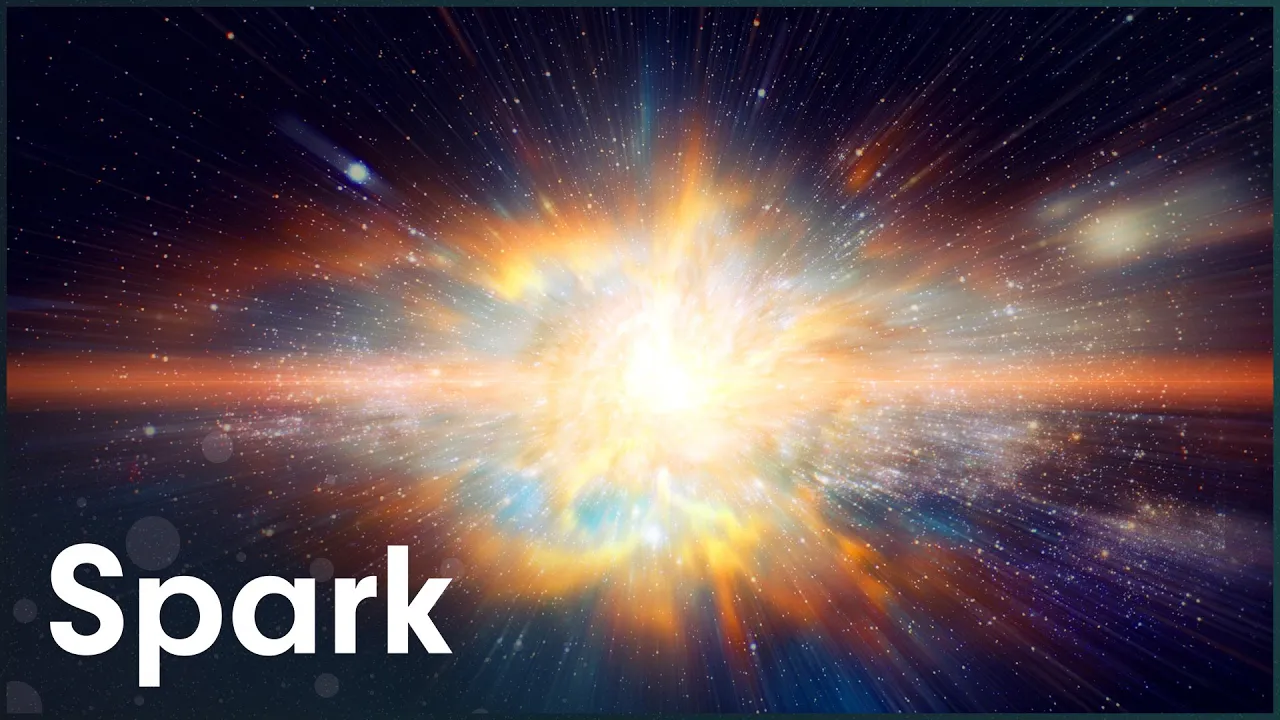
Enrico Fermi proposed in 1949 that cosmic rays form when charged particles bounce within changing magnetic fields, gaining energy with each collision. Supernova remnants—vast shells from exploded giant stars—provide ideal conditions: shockwaves compress and strengthen magnetic fields, allowing particles to accelerate through repeated crossings. Charged particles gain sufficient energy to escape the shock wave and become cosmic rays. This theory explains how supernovae generate the high-energy particles observed in our galaxy.

This concluding segment examines cosmic ray origins and acceleration mechanisms. Cosmic rays are predominantly high-energy positive ions originating from supernovae and active galactic nuclei. Their extreme energies challenge conventional astrophysical models, requiring voltages far beyond typical stellar conditions. The double layer mechanism proposes that exploding double layers in space can accelerate particles to cosmic ray energies. Evidence supporting this includes detections of high-energy electrons from the Sun's polar regions, which would otherwise be deflected by galactic magnetic fields. This connects back to Birkeland current principles, showing how explosive plasma processes throughout the cosmos generate the most energetic particles observed.

Cosmic rays are high-energy particles (protons, atomic nuclei, electrons) traveling through space, originating from violent cosmic events like supernovae and active galactic nuclei. Unlike photons, they are charged particles deflected by magnetic fields, making source identification difficult. The highest-energy cosmic rays reach 10^20 electronvolts, far beyond human-made accelerators. Special relativity explains why particles can have such enormous energies: as they approach light speed, adding energy increases mass rather than speed. The cosmic ray spectrum decreases approximately as the cube of energy, making high-energy particles extremely rare.
The limitations of traditional electromagnetic astronomy, particularly how cosmic dust and magnetic fields obscure or deflect light and charged particles.
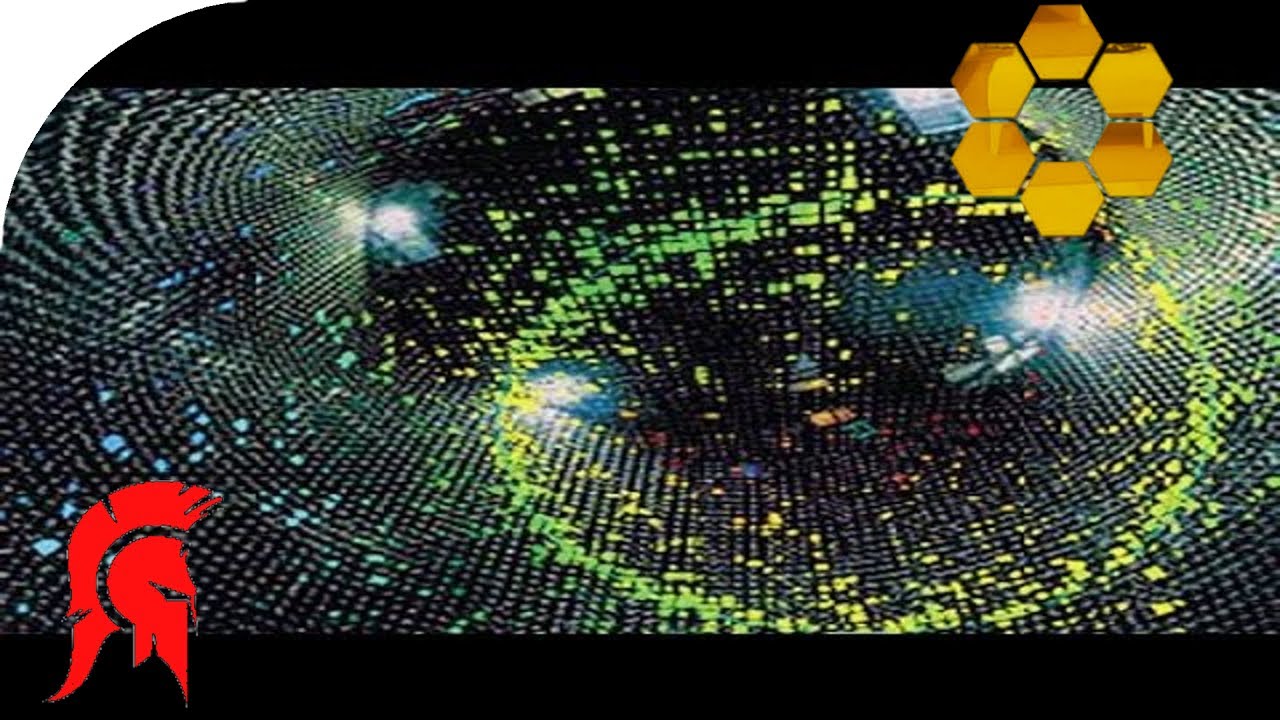
Traditional astronomy relies on electromagnetic radiation (light) to observe the universe, but this approach has fundamental limitations. When stars are born or die, or when black holes consume matter, enormous amounts of energy and particles are released. However, electromagnetic radiation cannot penetrate matter—it gets absorbed or scattered by interstellar dust and other materials, creating a cosmic wall that blocks our view of distant celestial events. Neutrinos, in contrast, pass through matter without interacting, providing an unlimited horizon for observing cosmic phenomena. The NESTOR experiment addresses this challenge by using the deep Mediterranean Sea as a natural filter, with water at 5,200 meters depth blocking unwanted radiation. This represents a revolutionary new approach to understanding the universe, moving beyond electromagnetic astronomy to particle detection.
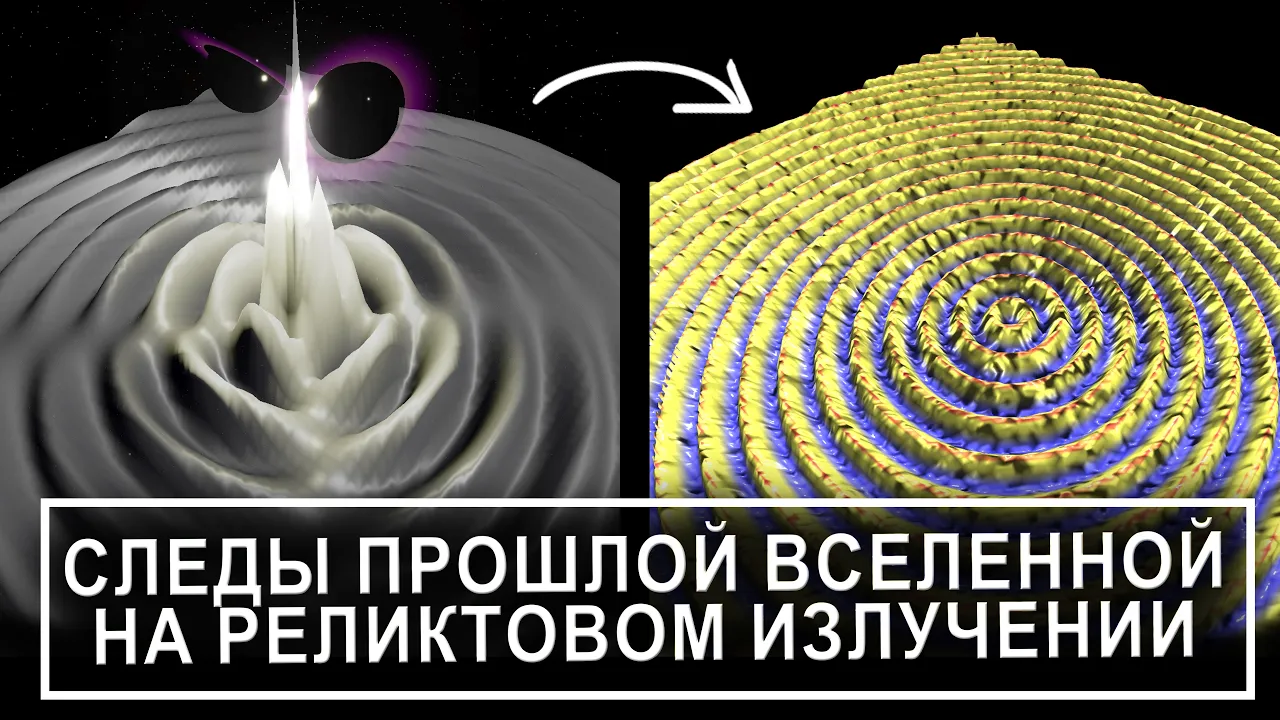
All our traditional telescopes, working with electromagnetic radiation—whether visible light, infrared, or radio waves—have a fundamental limit: they cannot look beyond the era of the cosmic microwave background. To understand why, imagine the early universe before the age of 380,000 years. This was not the cosmos as we know it, but a boiling cauldron of hot plasma, a soup of free protons and electrons. This medium was absolutely opaque to light, or rather, in it, it was impossible to form any image. Any photon, any particle would immediately collide with a free particle and change direction, unable to travel even a small distance.
![PLASMA COSMOLOGY [Full Infomentary]](https://i.ytimg.com/vi/E4pWZGBpWP0/hqdefault.jpg)
When Cassini flew through Enceladus's water jets, magnetometer and Langmuir probe detected phenomenal magnetic fields but only 5% of the requisite electric current. This is important because if satellites can fly through currents and detect only 5%, Earth-based observations of cosmic electric currents will likely miss most of them. The charged particles of cosmic electric currents are attracted to and hidden by dusty plasma. The same problem encountered at Enceladus—dust hiding ions—explains why astrophysicists cannot see electric currents in the cosmic web. The normal matter flowing in filaments is there but hidden by surrounding dust. New galaxy models from National Labs show that what's around galactic centers is a Taurus and jet structure, regardless of whether the center is a black hole or plasma nucleus.
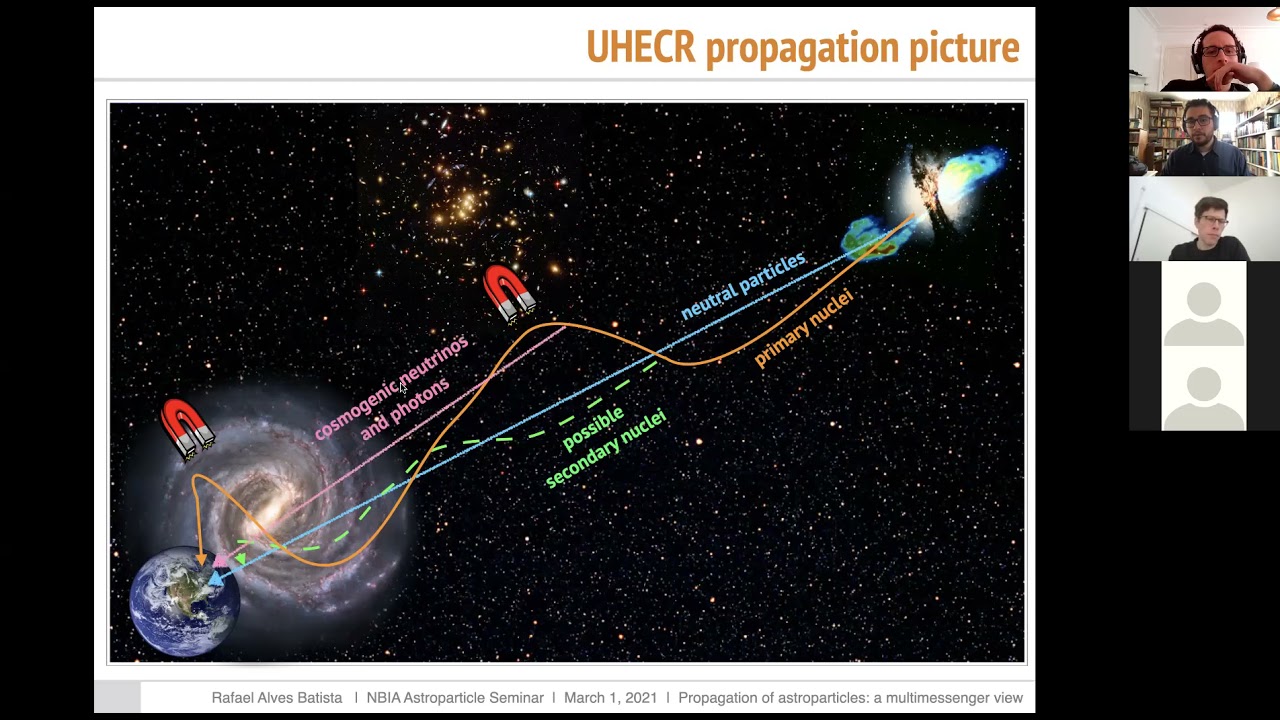
Traditional astronomy observes electromagnetic radiation, but cosmic rays are charged particles deflected by magnetic fields, making direct source identification difficult. Different models of extragalactic magnetic fields produce vastly different deflection predictions (orders of magnitude differences). Without knowing magnetic field properties, performing ultra-high-energy cosmic ray astronomy becomes challenging, as arrival directions become smeared out and correlation with potential sources becomes ambiguous.

Light is electromagnetic radiation spanning an enormous range of wavelengths—from radio waves comparable to human size (meters) to gamma rays comparable to atomic nuclei (femtometers). Different wavelengths exhibit distinct properties: radio waves bend around obstacles, microwaves create standing wave patterns in ovens, infrared corresponds to heat, visible light enables vision, ultraviolet and X-rays can ionize matter, while gamma rays represent the highest energy form. Modern astronomy observes celestial objects across this entire spectrum, revealing dramatically different views of the same objects. However, light-based astronomy has fundamental limitations: dense regions of space trap photons through scattering, preventing observation of stellar cores and obscured objects. We only see the outer surface of the Sun because light from its core cannot escape. These limitations motivate exploring alternative astronomical messengers that can penetrate such barriers.
Prerequisite Knowledge
- Concept 01The fundamental properties of neutrinos in the Standard Model of particle physics, including their lack of electric charge, extremely small mass, and weak interaction with matter.
- Concept 02The phenomenon of Cherenkov radiation, which occurs when a charged particle travels through a medium faster than the speed of light in that medium.
- Concept 03Basic concepts of cosmic rays and the high-energy astrophysical phenomena that accelerate them, such as supernovae and active galactic nuclei.
- Concept 04The limitations of traditional electromagnetic astronomy, particularly how cosmic dust and magnetic fields obscure or deflect light and charged particles.
Subsequent Learning
- Step 01Multi-messenger astrophysics, focusing on how coordinated observations of neutrinos, gravitational waves, and electromagnetic radiation provide a complete picture of cosmic events.
- Step 02The physics of neutrino oscillations and how studying high-energy atmospheric and cosmic neutrinos helps determine neutrino mass hierarchy.
- Step 03Next-generation neutrino detection technologies and planned observatories, such as IceCube-Gen2 and the Mediterranean KM3NeT.
- Step 04Case studies of confirmed cosmic neutrino sources, such as the blazar TXS 0506+056, and their implications for understanding cosmic ray acceleration.
Neutrino Basics
0:08- 1
Neutrinos, like photons, are uncharged and can travel vast distances.
- 2
Unlike light, neutrinos can pass through walls and reach hidden cosmos regions.
- 3
IceCube observatory acts as a giant eye to detect neutrino beams from space.
Liquid Water vs. Antarctic Ice: The Angular Resolution Challenge
While IceCube has revolutionized neutrino astronomy, some astrophysicists highlight a critical limitation of using Antarctic ice as a detection medium: light scattering. Because of dust layers and air bubbles trapped in the deep ice, Cherenkov light scatters significantly, which limits IceCube's angular resolution and makes it difficult to precisely pinpoint the exact cosmic accelerators of high-energy neutrinos. Proponents of water-based neutrino telescopes, such as KM3NeT in the Mediterranean Sea or Baikal-GVD in Lake Baikal, argue that deep liquid water offers superior optical properties. Because light scatters much less in water than in ice, water-based detectors can achieve far better angular resolution. This allows for more precise tracking of neutrino paths back to their source of origin. Consequently, critics and alternative projects argue that while IceCube is excellent for discovering diffuse neutrino fluxes, the future of precision point-source neutrino astronomy relies on liquid water detectors rather than glacial ice.
Multi-messenger astrophysics, focusing on how coordinated observations of neutrinos, gravitational waves, and electromagnetic radiation provide a complete picture of cosmic events.

Gravitational waves represent a fundamentally different type of cosmic messenger compared to electromagnetic radiation (light, radio waves, X-rays). While electromagnetic waves can be absorbed, scattered, or deflected by matter, gravitational waves pass through matter almost unaffected, providing a direct view of cosmic events that would otherwise be obscured. This enables 'multi-messenger astronomy,' where scientists combine information from gravitational waves, electromagnetic observations, and neutrinos to build a more complete picture of cosmic phenomena. The Nanograv detection represents a major step in this approach, opening new windows into the universe that complement traditional astronomical observations.
Modern astronomy combines multiple detection methods to study cosmic events comprehensively. For supernovae, neutrino detectors (like IceCube in Antarctica and underwater detectors near Sicily) and gravitational wave observatories (LIGO and Virgo) work together. During a supernova, neutrinos escape the collapsing core first, followed by gravitational waves from the implosion, then visible light after the photosphere expands. These signals arrive almost simultaneously, allowing astronomers to triangulate the source location. If neutrinos arrive slightly earlier than gravitational waves, it indicates the precise timing of core collapse. This multi-messenger approach provides unprecedented insights into stellar death processes.
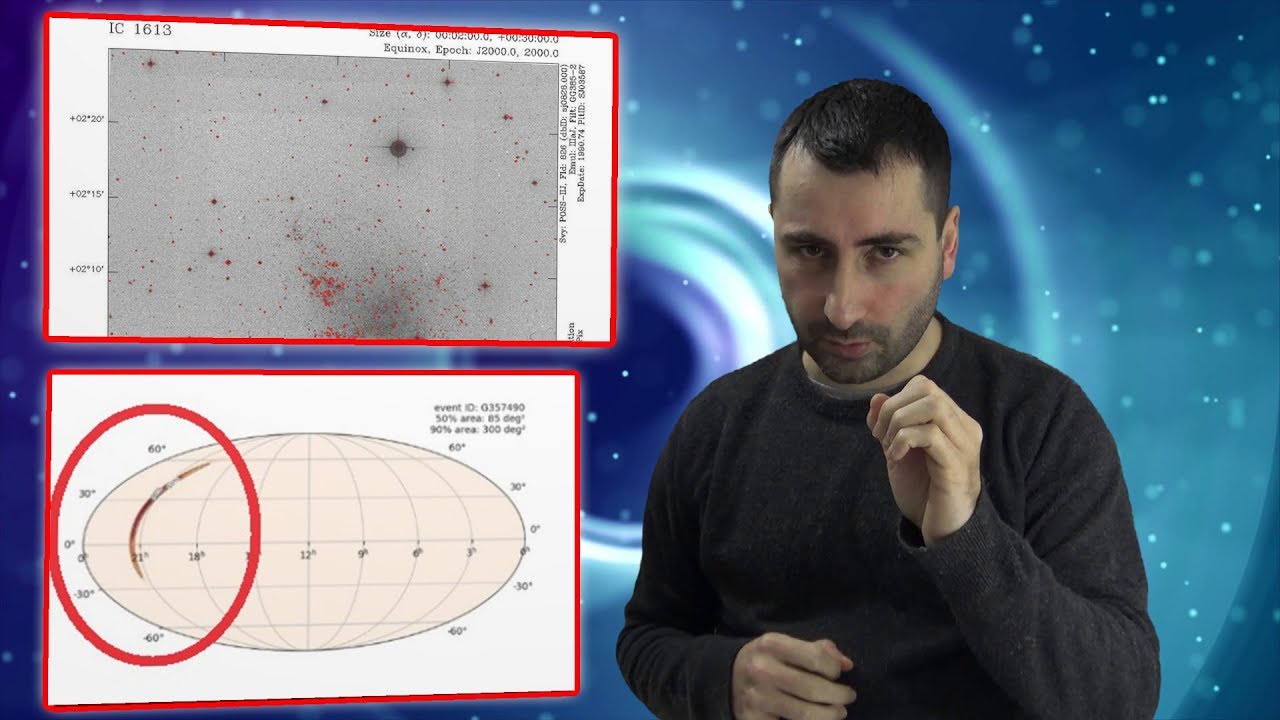
On December 16, 2019, three different astronomical observatories detected signals from the same region of the sky at different times. The IceCube neutrino detector in Antarctica detected a powerful neutrino flux. Exactly 43 seconds later, the LIGO observatory in the United States detected gravitational waves from the same area. Then, 80 seconds after the neutrino detection, the HAWC observatory in Mexico registered a powerful gamma ray emission. This represents a multi-messenger astronomy event where different types of cosmic signals arrive from the same source.

Multi-messenger astronomy is an observational approach that combines different types of astronomical signals to study cosmic events. Unlike traditional astronomy that relies solely on electromagnetic radiation (light across various wavelengths), multi-messenger astronomy incorporates gravitational waves, neutrinos, and cosmic rays. This approach provides a more complete understanding of astrophysical phenomena, particularly for events like neutron star mergers that produce both gravitational waves and electromagnetic radiation.

Gravitational waves are ripples in spacetime caused by accelerating massive objects, predicted by Einstein's general relativity and detected for the first time in 2015. They are produced by violent cosmic events: merging black holes, neutron star collisions, supernovae, and gamma-ray bursts. Unlike electromagnetic radiation, gravitational waves pass through matter unimpeded, potentially revealing events before the universe became transparent to light (before the CMB epoch). Multi-messenger astronomy combines gravitational wave detections with electromagnetic observations to study cosmic events comprehensively. The 2017 detection of GW170817 coincided with a gamma-ray burst and kilonova, confirming that neutron star mergers produce heavy elements and providing unprecedented insights into these events. This new observational window promises to reveal aspects of the universe that electromagnetic observations alone cannot access.
The physics of neutrino oscillations and how studying high-energy atmospheric and cosmic neutrinos helps determine neutrino mass hierarchy.
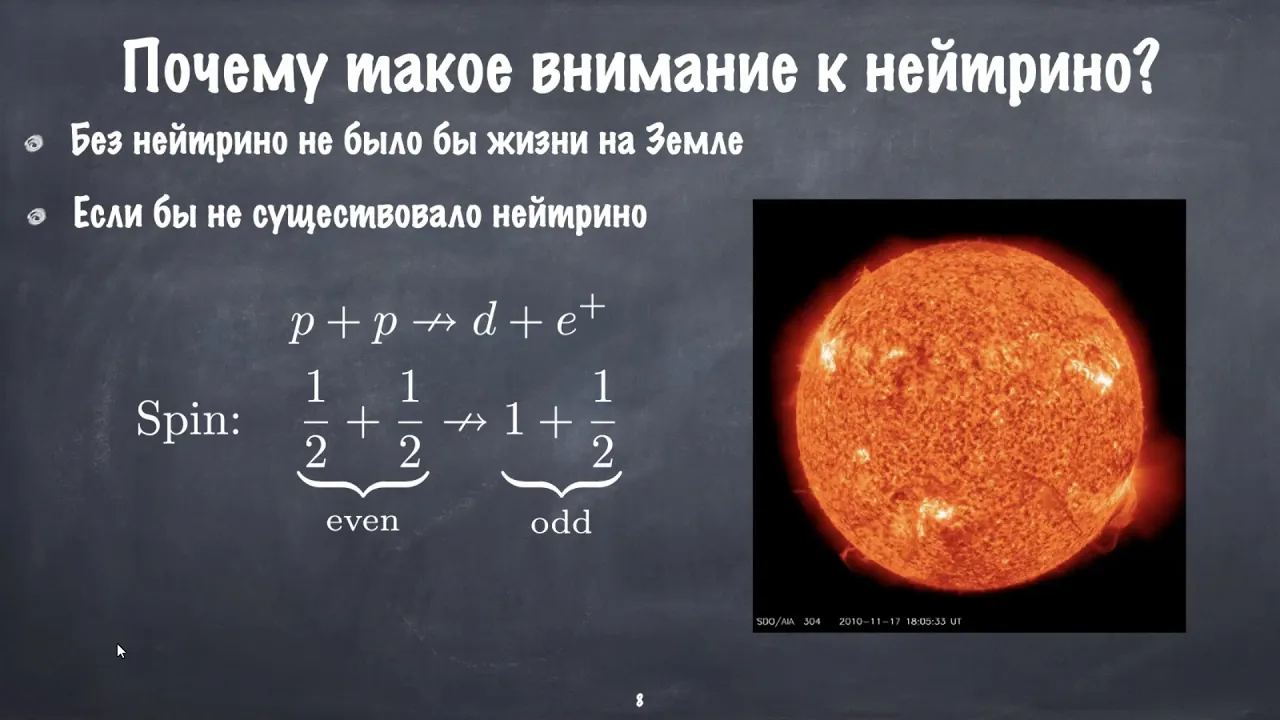
Neutrinos exhibit oscillation phenomena where they transform between different flavors (electron, muon, tau) as they propagate through space, which is explained by the fact that neutrino flavor eigenstates are superpositions of mass eigenstates with different masses. The PMNS (Pontecorvo-Maki-Nakagawa-Sakata) mixing matrix describes these oscillations and contains three mixing angles and one CP-violating phase. Experimental evidence from solar, atmospheric, and reactor neutrino experiments has revealed that at least two neutrino mass states are non-zero, with mass-squared differences of approximately 10^-4 eV² and 10^-3 eV². The mass hierarchy (whether the lightest neutrino is m1 or m3) remains an open question, with implications for neutrinoless double beta decay experiments and the ultimate nature of neutrinos as Majorana particles.
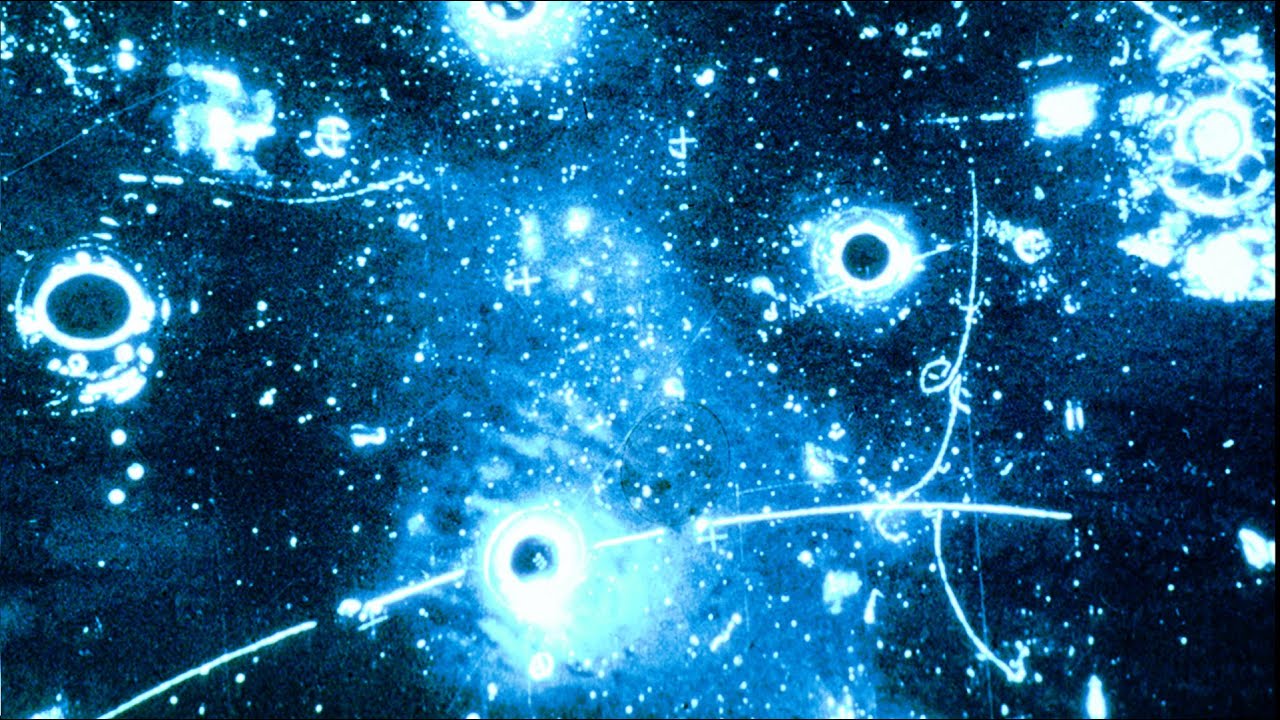
Neutrino oscillations demonstrate that neutrinos have mass, contradicting original Standard Model predictions. In beta decay, neutrinos are produced as electron-flavor neutrinos, but experiments show they transform into muon-flavor and tau-flavor neutrinos during propagation. This mixing requires that neutrino masses are not all equal and that the mass-squared differences are non-zero. Current limits suggest electron-neutrino masses are less than 2 eV/c², while muon and tau neutrinos are heavier. The exact mass hierarchy and absolute masses remain unknown.
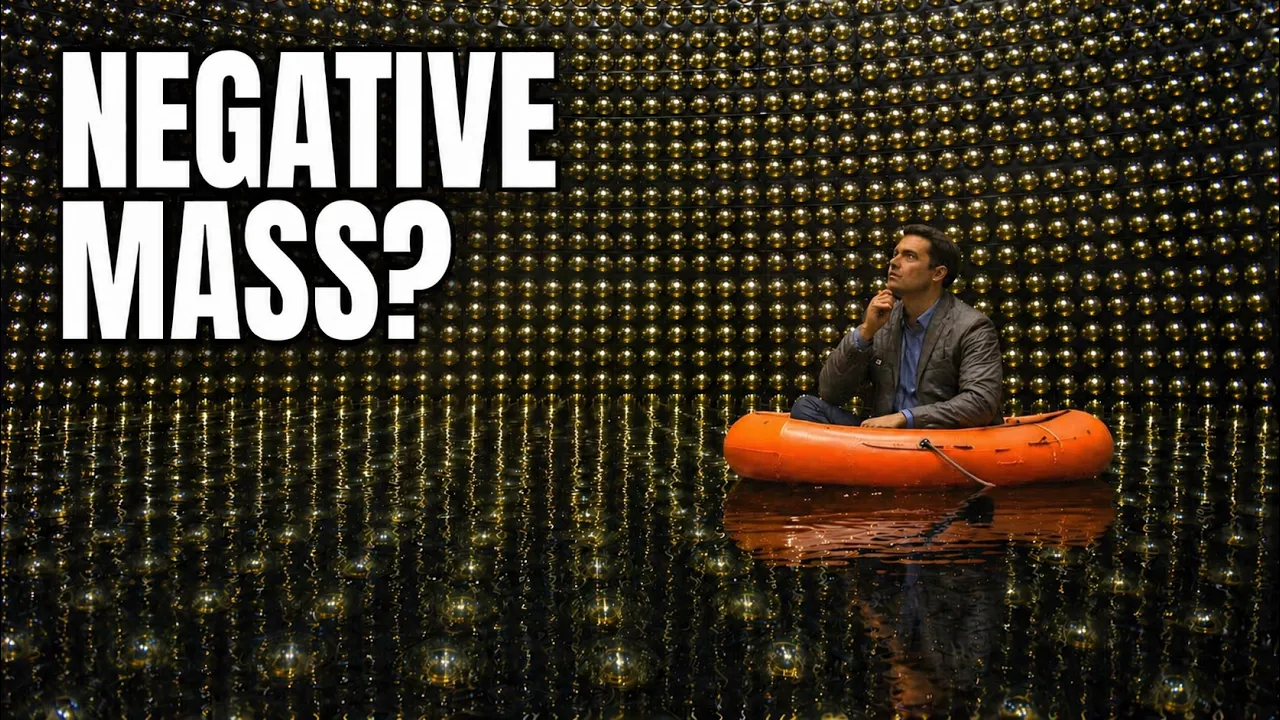
The Super Kamiokande experiment revealed neutrinos come in three flavors (electron, muon, tau) and exist in quantum superposition. Crucially, neutrinos oscillate between flavors—a phenomenon impossible without mass. This contradicted the Standard Model's prediction of zero neutrino mass. Scientists discovered that atmospheric and solar neutrinos 'disappear' because they transform into undetectable flavors during their journeys. This breakthrough required revolutionizing particle physics and established that neutrinos must have some tiny mass, though exactly how much remains unknown.

In the 1990s-2000s, physicists observed that solar neutrinos arriving on Earth were fewer than expected. This deficit wasn't due to problems with solar models but rather neutrinos changing flavor during their journey—a phenomenon called oscillation. This proves neutrinos have non-zero mass, contradicting the Standard Model which predicted massless neutrinos. Each neutrino flavor is actually a quantum superposition of three mass eigenstates, causing probabilities to oscillate over long distances. This earned Kajita and McDonald the 2015 Nobel Prize in Physics.

Atmospheric neutrinos are produced when cosmic ray protons interact with atmospheric nuclei, producing pions that decay into muons and muon neutrinos, and muons that decay into electrons and electron neutrinos. The expected ratio of muon to electron neutrinos is 2:1. Experiments found this ratio decreases with distance traveled through Earth. At small distances, the ratio is 2:1 as expected. At large distances (through Earth's diameter), the ratio approaches 1:1. This indicates that muon neutrinos oscillate into tau neutrinos, confirming neutrino oscillations.
Next-generation neutrino detection technologies and planned observatories, such as IceCube-Gen2 and the Mediterranean KM3NeT.
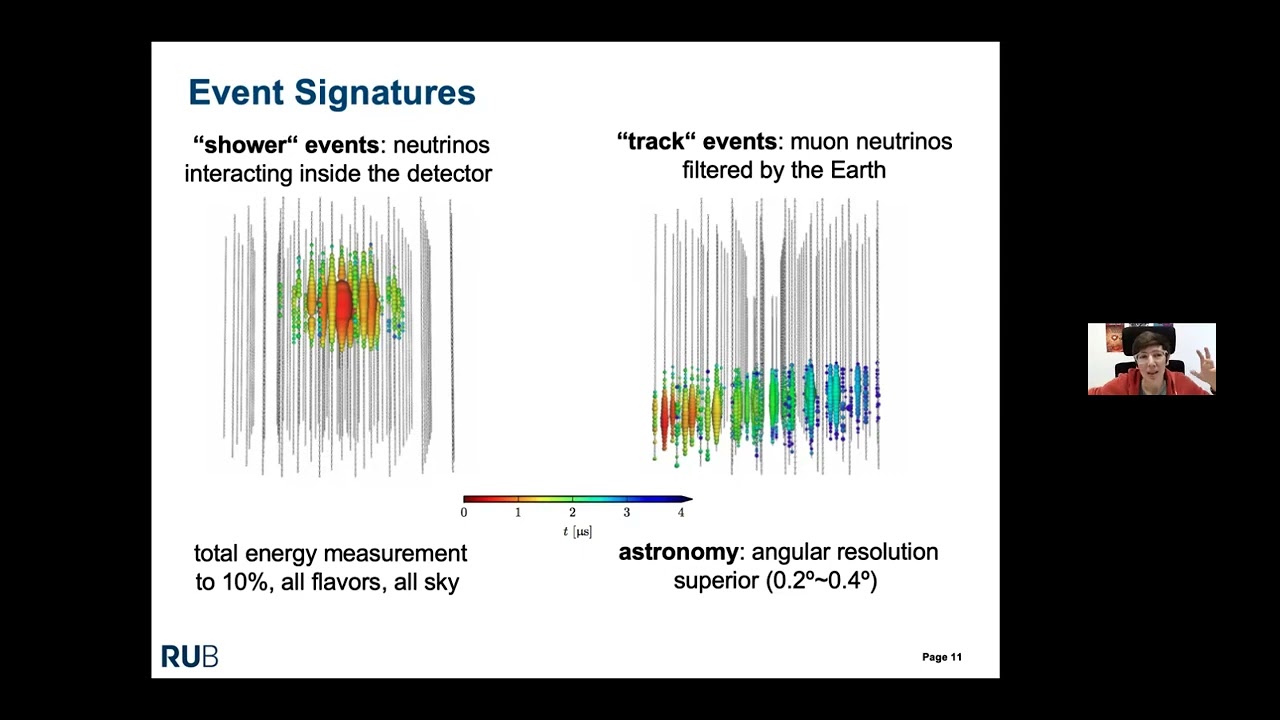
Several next-generation neutrino detectors are under construction: KM3NeT in the Mediterranean Sea, Baikal-GVD in Lake Baikal, Siberia, and IceCube-Gen2 at the South Pole. IceCube-Gen2 would be nearly 10 times larger than current IceCube, combined with radio surface detectors extending sensitivity to higher energies. These upgrades will dramatically increase neutrino detection rates, enabling more sensitive searches for electromagnetic counterparts and better identification of neutrino source populations. The unified population hypothesis for TDEs suggests that stacking analyses of TDE samples could test hypotheses about efficient neutrino production mechanisms, potentially involving acceleration near or above the Eddington limit where extreme conditions might enable more efficient proton acceleration.

KM3NeT (Kilometer3 Neutrino Telescope) is the next-generation neutrino observatory being constructed in the Mediterranean Sea. It consists of two parts: a larger Italian detector (about 1 km × 1 km × 1 km) and a smaller French detector. The French part is denser than ANTARES, allowing detection of lower-energy neutrinos and better study of neutrino properties. The Italian part will study high-energy astrophysical neutrinos. The combined detectors will provide overlapping coverage, allowing cross-calibration and improved sensitivity. This observatory represents a major advancement in neutrino astronomy, with the goal of detecting thousands of astrophysical neutrinos per year compared to the few detected by current technology.

IceCube (South Pole, completed 2010) is a 1 km³ neutrino observatory with 86 strings and 5,160 digital optical modules at 2,450m depth. It achieved the first physical evidence of astrophysical neutrinos from blazar TXS 0506+056 in 2017. KM3NeT (Mediterranean) uses building blocks of 150 strings with 18 optical modules each, offering advantages of no optical background but facing scattering challenges in seawater. KM3NeT was first to propose multi-PMT optical modules. Both detectors represent the second generation, achieving cubic-kilometer volumes necessary for robust diffuse flux measurements and source detection.

IceCube uses 86 strings of optical modules 2.5 km deep in Antarctic ice, detecting Cherenkov radiation from relativistic particles. It detects neutrinos from 10 GeV to exa-electronvolt energies. KM3NeT in the Mediterranean uses water as detection medium with photomultiplier strings. GRAND uses radio emission from air showers, more sensitive for lower energies and inclined showers. These different technologies complement each other, covering different energy ranges and shower geometries to maximize cosmic neutrino detection.

The IceCube Gen 2 detector will expand the instrumented volume from 1 to 8 cubic kilometers, dramatically increasing sensitivity to high energy neutrino sources. The combination of IceCube Gen 2 neutrino source identifications with Telescope Array times four cosmic ray arrival direction analysis will provide the most direct test of whether neutrino sources and ultra high energy cosmic ray sources are the same population. The Cherenkov Telescope Array (CTA) under construction in Chile and the Canary Islands will provide the most sensitive gamma ray observatory for very high energy gamma rays above 20 giga electron volts, enabling detailed mapping of gamma ray emission from candidate cosmic ray sources.
Case studies of confirmed cosmic neutrino sources, such as the blazar TXS 0506+056, and their implications for understanding cosmic ray acceleration.

IceCube is a 1 cubic kilometer detector of photodetectors embedded in Antarctic ice, located 2,450-2,450 meters deep. It detects about 200 neutrinos per day, compared to ANTARES's 3-4 per day. In 2013, IceCube confirmed the existence of a diffuse flux of high-energy cosmic neutrinos. On September 22, 2017, IceCube detected a high-energy neutrino (290 TeV) and sent an alert to the astronomical community. Fermi Gamma-ray Space Telescope confirmed that the source TXS 0506+056 (a blazar) was in a state of high activity at that time. This was the first time a neutrino was definitively linked to a specific cosmic source, confirming that blazars can accelerate cosmic rays. The 290 TeV neutrino implies that protons were accelerated to at least this energy in the blazar's jets, providing direct evidence for cosmic ray acceleration mechanisms.
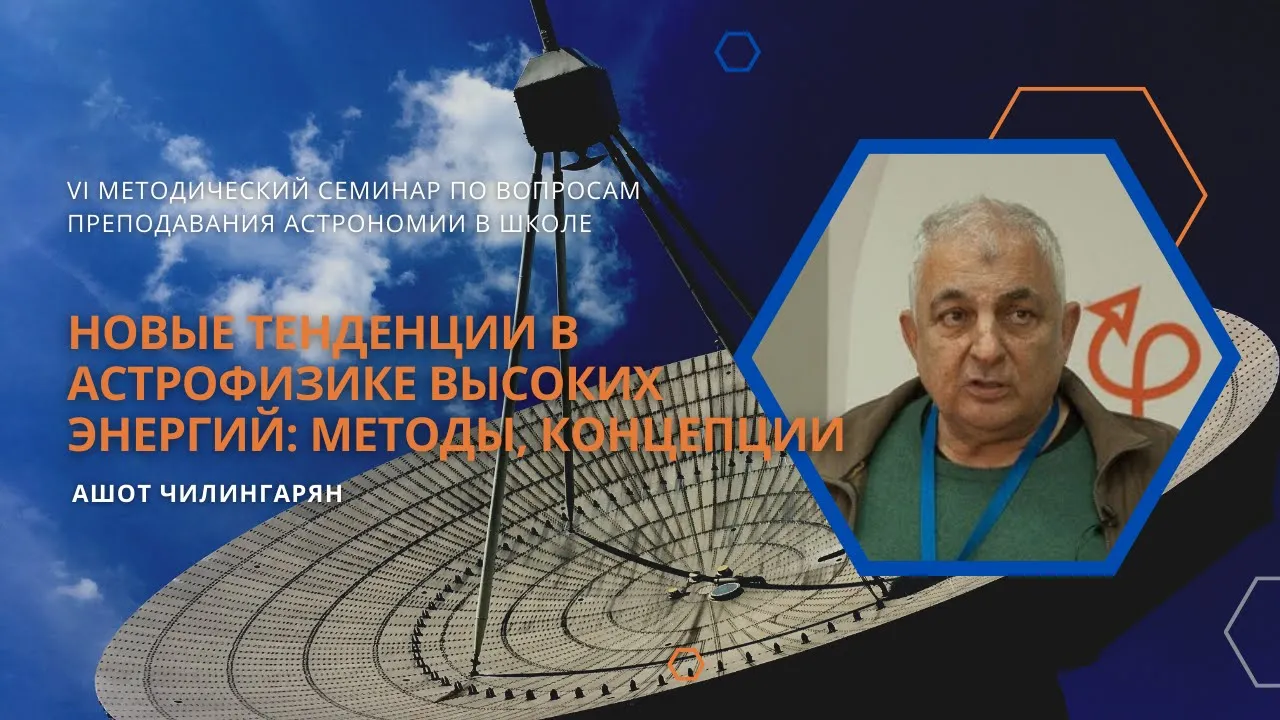
IceCube detected a 300 TeV neutrino event from the blazar TXS 0506+056, confirmed by MAGIC Cherenkov telescopes and Fermi Gamma-ray Space Telescope. This multi-messenger confirmation established that blazars are powerful particle accelerators producing both neutrinos and gamma rays. The detection proved that blazars can accelerate particles to extreme energies and produce observable neutrino signals, validating theoretical models of cosmic ray acceleration.

The detection of a 290 TeV neutrino by the IceCube detector, originating from the blazar TXS 0506+056 located 4.5 billion light-years away, provides crucial evidence that active galactic nuclei powered by supermassive black holes are the primary accelerators of ultra-high-energy cosmic rays, demonstrating that these extreme astrophysical phenomena can produce particles with energies far exceeding those from solar or galactic sources.
Scientists used the IceCube Neutrino Observatory in Antarctica to detect a single high-energy neutrino that traced back to a blazar called TXS 0506+056, located 4 billion light-years away, solving a century-old mystery about the source of cosmic rays; since neutrinos are electrically neutral and unaffected by magnetic fields, they can travel in straight lines from their origin, unlike charged cosmic rays, allowing researchers to pinpoint the first confirmed astrophysical source of high-energy neutrinos and demonstrating the power of multimessenger astronomy.
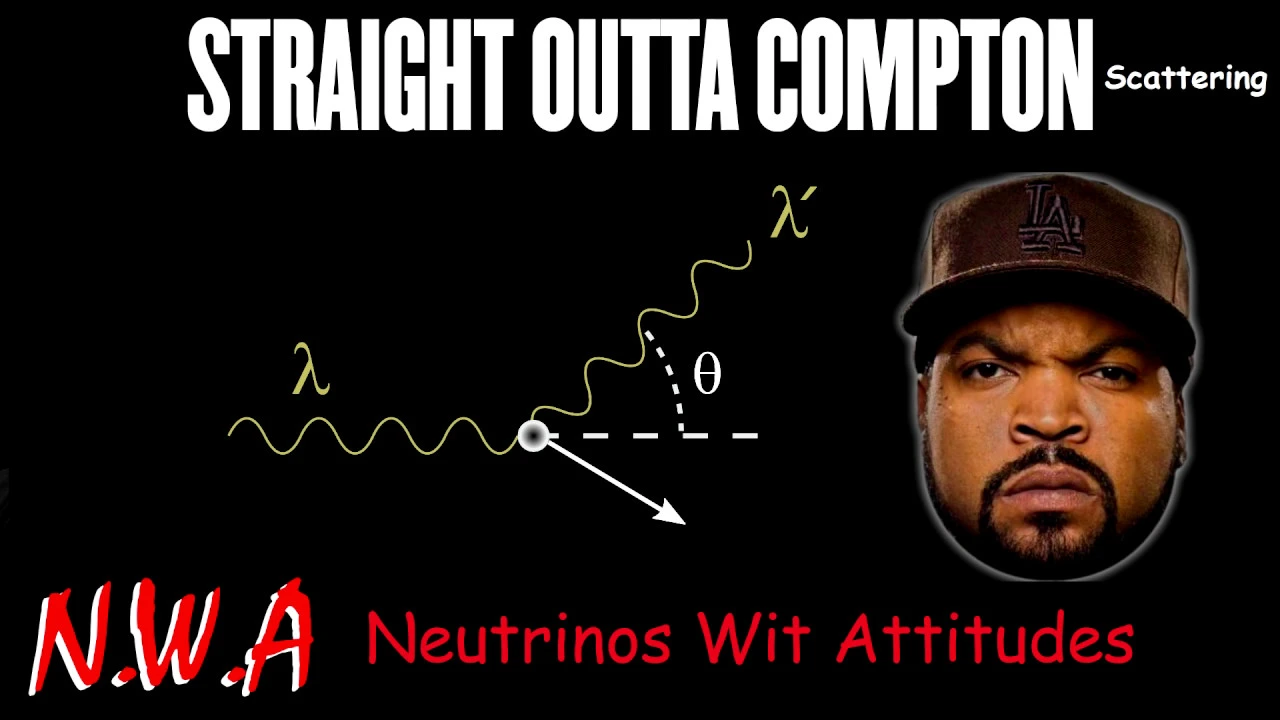
The IceCube neutrino observatory at the South Pole detected a high-energy neutrino event in September 2017 that was traced back to a blazar galaxy (TXS 0506+056), marking the first time scientists have identified an extraterrestrial source for a high-energy neutrino; this breakthrough confirms that blazars—galaxies with supermassive black holes whose jets point directly toward Earth—are powerful cosmic accelerators capable of producing ultra-high-energy neutrinos through particle interactions in their jets.
Neutrino Basics
0:08- 1
Neutrinos, like photons, are uncharged and can travel vast distances.
- 2
Unlike light, neutrinos can pass through walls and reach hidden cosmos regions.
- 3
IceCube observatory acts as a giant eye to detect neutrino beams from space.
Liquid Water vs. Antarctic Ice: The Angular Resolution Challenge
While IceCube has revolutionized neutrino astronomy, some astrophysicists highlight a critical limitation of using Antarctic ice as a detection medium: light scattering. Because of dust layers and air bubbles trapped in the deep ice, Cherenkov light scatters significantly, which limits IceCube's angular resolution and makes it difficult to precisely pinpoint the exact cosmic accelerators of high-energy neutrinos. Proponents of water-based neutrino telescopes, such as KM3NeT in the Mediterranean Sea or Baikal-GVD in Lake Baikal, argue that deep liquid water offers superior optical properties. Because light scatters much less in water than in ice, water-based detectors can achieve far better angular resolution. This allows for more precise tracking of neutrino paths back to their source of origin. Consequently, critics and alternative projects argue that while IceCube is excellent for discovering diffuse neutrino fluxes, the future of precision point-source neutrino astronomy relies on liquid water detectors rather than glacial ice.
Up Next

Entropy and Information: The Biggest Ideas in Physics
@seancarroll
236.6K views•2020-08-04

21cm Hyperfine Transition in Neutral Hydrogen: Radio Astronomy Basics
@AaronRobertParsons
12.4K views•2011-10-13

NMR Spin Physics I: Zeeman Effect, Resonance Condition & Larmor Frequency
@nptel-indianinstituteofsci8064
2.3K views•2024-01-17

Entropy and the Second Law of Thermodynamics Explained
@veritasium
27.5M views•2023-07-01
Related Study Plans & Knowledge Roadmaps
Structured learning paths in Physics