



















![The Ahgren Ryan Power Hour 3 - Bits and Banter [05/16/2025]](https://i.ytimg.com/vi_webp/CWolZ8hJCGs/maxresdefault.webp)

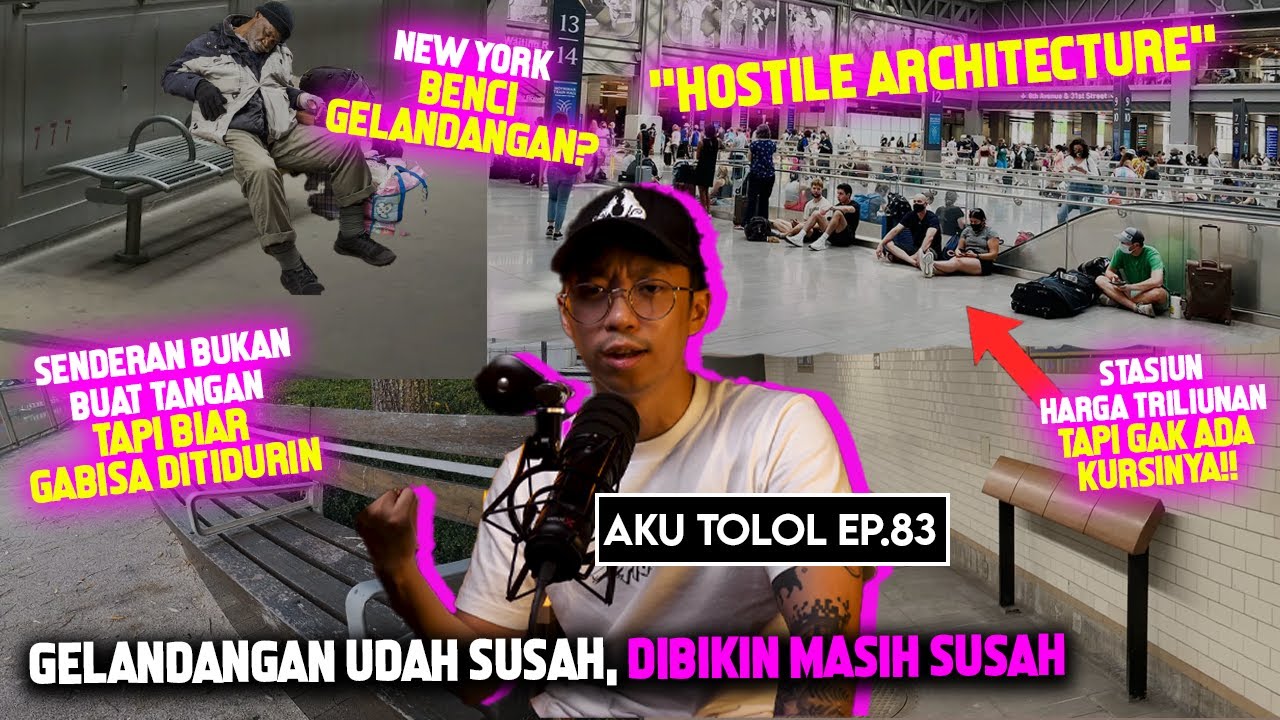

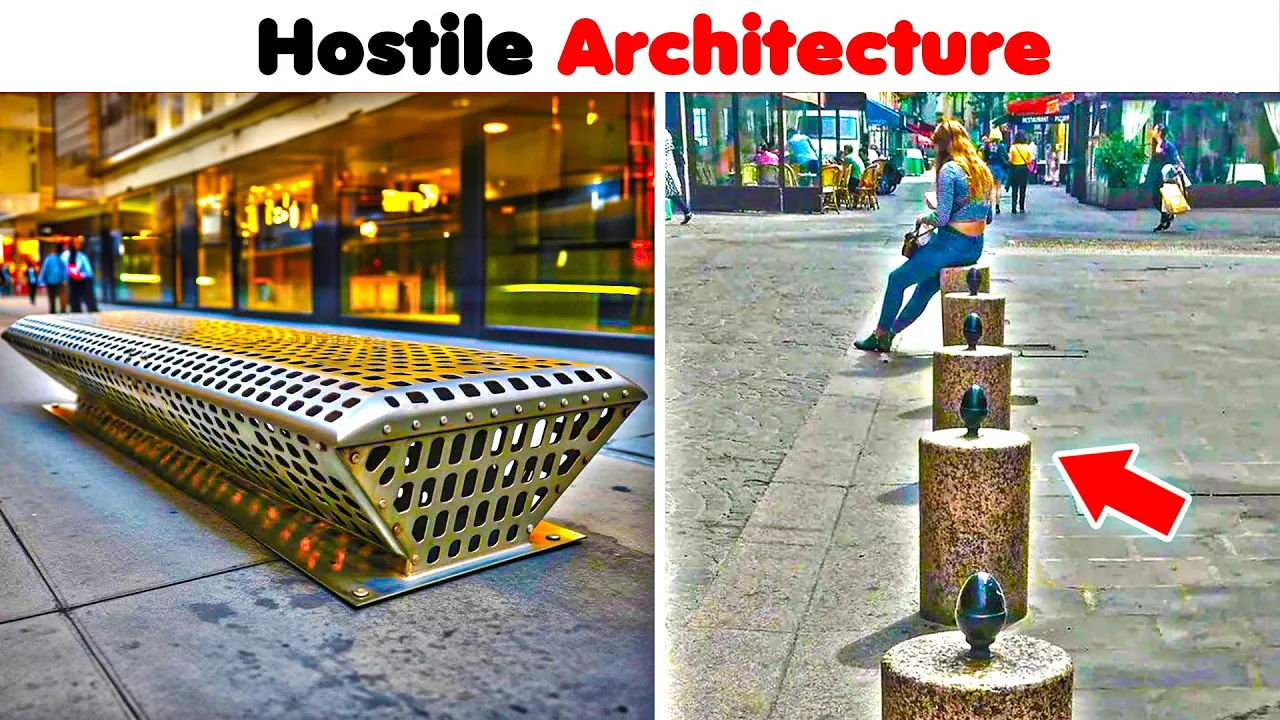
Hostile architecture refers to deliberate design choices in public spaces—such as uncomfortable benches, barriers, and restricted seating—that make areas less appealing or usable for homeless individuals while maintaining functionality for general public use; critics argue this approach is inhumane and fails to address the root causes of homelessness, as it merely displaces vulnerable populations rather than providing solutions.
How Hostile Architecture Targets the Homeless in NYC
Added:The basic definition of 'Hostile Architecture' (also known as defensive or unpleasant design) and its primary intended functions in urban environments.
The systemic social and economic drivers of homelessness in major metropolitan areas, including housing affordability, mental health infrastructure, and poverty.
Fundamental concepts of urban planning, specifically how public spaces are historically designated, funded, and utilized by different social classes.
The jurisdictional roles of local municipal agencies (such as the Metropolitan Transportation Authority and the Department of Parks & Recreation) in managing public infrastructure.
The principles of 'Inclusive Urban Design' and 'Placemaking' which advocate for shared, accessible, and welcoming public spaces for all community members.
An analysis of public policy, municipal zoning laws, and legislative efforts aimed at banning or regulating defensive architecture.
The role of 'Tactical Urbanism' and design activism, where citizens and advocates physically modify or counter-design hostile structures to make them usable.
A comparative study of international strategies for addressing homelessness, contrasting NYC's architectural deterrents with housing-first initiatives in cities like Helsinki.
20M views246.5Klikes14:26Original Release: 2023-11-12
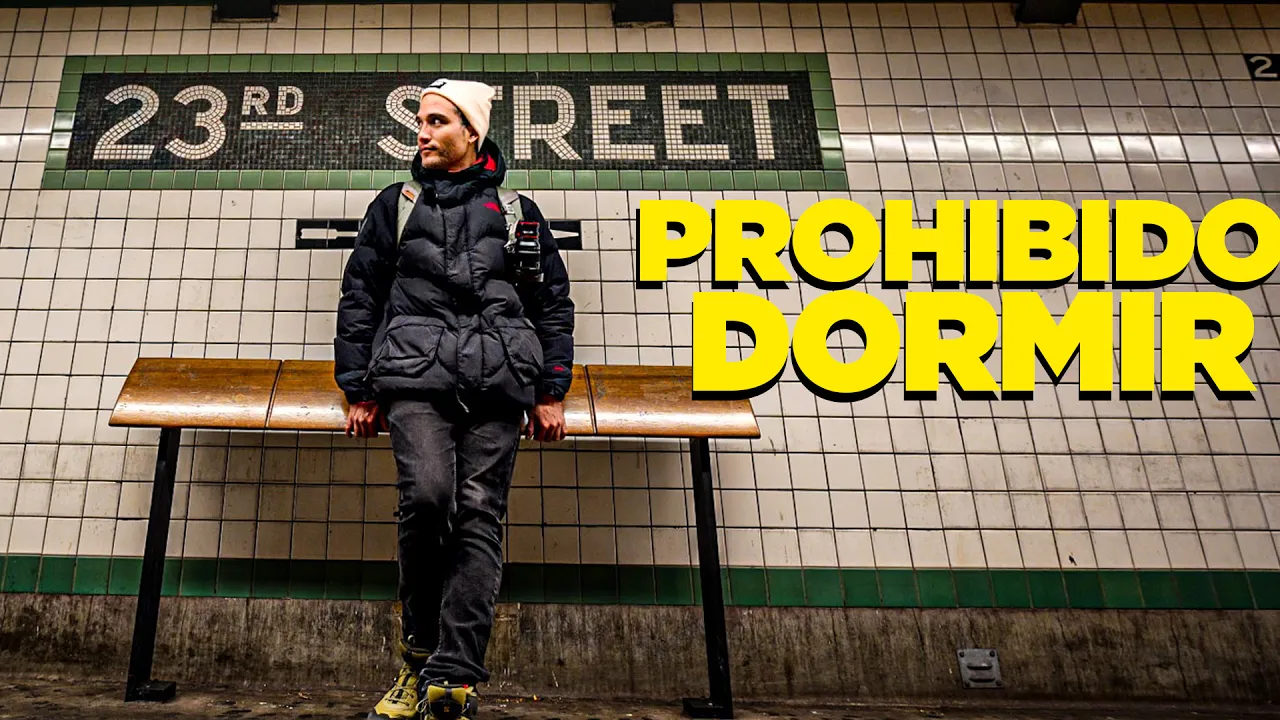
[Music] what the heck are these things and why are there five of them the goal was to prevent homeless from sleeping under this bridge instead it backlashed with outrage from the town armrests in the middle of benches to large rocks added underneath Bridges homeless Advocates call these designs hostile architecture or anti-homeless in London and Paris you see spikes on window sills in DC a curved bench hostile architecture is when cities put features in the architecture to try to keep homeless people away spikes that would hurt people seems like a bad [Music] idea so this looks like a metal covering for the subway vent which is underneath it at first I thought it was a bench but you can really only sit on this corner of it you'll notice that the top of this is incredibly uneven and then there's these raised ridges which are on all five of them and what happens if you try to lay down on it is that even possible oh that is like the most uncomfortable thing I've ever experienced this Ridge right here is going into my spine and that's on purpose and this is called hostile architecture and critics of hostile architecture say that usually these types of installations are cruel and unnecessary because they target the needy and we're going to look at a whole bunch of examples of this Subway benches that serve no purpose a train station designed to make you go crazy and several parks that look nice but were designed to be so uncomfortable that you'll leave after 5 or 10 minutes and they're all here in New York now hostile or defensive architecture consists of public installations like this which are designed to do one thing while preventing another thing this right here is a normal uncovered Subway grate and in the winter time when it's cold out some someone with nowhere to go might want to use an area like this to help keep warm because warm air comes out of here and right now New York City is experiencing record homelessness and lately both private developers and the city have been building all sorts of things like this but they've got to be really sneaky about it because when I found out what these were it made me pretty uncomfortable to realize that they were specifically designed to stop people who have nothing from staying warm in the wintertime is that okay and sometimes when cities build stuff like this people find out and get really upset and that's what happened to years ago when the city started introducing hostile architecture to the subway [Music] system this is the 23rd Street and 6th Avenue subway stop and it looks like a normal subway station but it was the site of heated controversy when the City subway the MTA introduced hostile architecture to this station a couple years ago Riders noticed that the benches in this very same platform were suddenly removed and as you can imagine people were not happy about that not only because of how cruel it might seem towards certain individuals but also because the elderly people who are pregnant there's other people that need benches in the subway too and this was a quality of life hit for everybody on this platform and the benches were originally along this wall and look at what the replacement is is this even a replacement I mean you can lean on it I guess this is better than leaning yourself against the wall which might be dirty it has spots for four leaners now there are two benches in this platform which were put back after the city realized that their decision had outraged people but even these have elements of hostile architecture in them look at these armrests all you can do is sit here you can't lay down this is only like 2 ft wide its only purpose is for sitting it is hostile to any other intended use look you can't even be that wide in here some people even suggested the city had violated the Americans with Disabilities Act by removing the benches and this isn't the first time the city had done something like this check this out a year earlier the city had removed all of the seatbacks from the benches on a subway station just a couple blocks south of this one the city claims that once they did that they saw a reduction in the number of people loitering on the platform along with an increase in the number of passengers who were on the platform waiting for trains but by removing the seatbacks from the benches that were already there they essentially did exactly what this is by creating something that's less functional and lowers everyone's uh quality of use when they're in the subway and I'm noticing that this is a trend because look at all the people standing with nowhere to sit you see these concrete patches right here there was something here it was probably a bench it looks to be about that wide there's one other over here by the door and there are no benches anywhere else just one more spot to lean right over there and before we look at how the city is using these same type of designs at a brand new train station and a bunch of public parks it's important to understand that this is exposing the dark side of this type architecture because there might be benefits as far as the orderliness of the subway system is concerned but New York City gets pretty cold in the winter time and the subway is a place where needy New Yorkers go when they have nowhere else to go so that they don't freeze and yes the city has shelters but they have a rather poor reputation and because of New York's Asylum crisis the shelter system's already maxed out and since the shelters are perceived as being dangerous it makes tons of sense that people would rather take their chances in a place like this and removing Subway benches doesn't do anything to make people less homeless they're still homeless even if you remove the benches and they still got nowhere to go and most critics of these types of policies they want a clean Subway too but they don't really think it's fair to take from people who already have so little and the city's subsequent removal of benches here and reinstallation of different benches that basically let the city know that if they're going to do stuff like this they've got to be sneakier about it and they have been as we're about to see [Music] isn't that wild this is a pretty impressive train station but there are some serious problems with it that we'll get into but first it's important to understand that many aspects of this design and other hostile designs are nice nice to look at not necessarily nice to use but this is called the moan Trail and it is the newest train station in New York City building it cost over a billion dollars and it was completed just a couple of years ago it also has this gorgeous glass ceiling which is a throwback to Penn Station's original design Pen Station is where Madison Square Garden is that's directly across the street and this is what that used to look like and as far as train stations go this is pretty nice look there's a full Walgreens in here there's an eery with a bunch of restaurants the ticketing areas everything here is gorgeous but there's one glaring flaw and no it's not that fixing the expensive glass roof is something that takes a while and it's hard to do look at the size of that cherry picker they got right there do you see the problem there's no seats and that's why every single person in this billion dooll terminal is standing and it's a train station the only thing there is to do here is wait for things to happen not a seat in the whole place do you think they should put some benches in here so people have a place to sit that's a great idea it is right that is a great idea did you know they spent over a billion dollars making this and they didn't put benches not a single bench I mean they have those lounges over there but that's for people that have tickets yeah you got to pay like Spirit Airlines oh you want to see you got to pay now having no benches could be a ploy from these corporations to get you to go inside and spend money and it seems to be working there's a lot of people over here but the lack of seating is a deliberately hostile Choice people just plop their stuff down on the floor and if you're wondering why nobody's trying to sit on the floor that's because Security will find you and make you stand up and to be fair this old image of Penn Station look I see some seats down here at the bottom so maybe there were more seats there then there are here in its reimagination but you know the old station is mostly open space and what that could mean is that space is a great Spartan design for a public train station in New York City and you know the way to answer that is to go across the street to the ugliest building in town which is also a train [Music] station look at that it's the same deal one hour limit and you got to have a ticket to get into the waiting area and everyone else in this beautiful piece of New York City architecture is standing or walking I love the 1970s aluminum ceiling the floor reminds me of my elementary school and look at this these are those crazy old school drop tile ceilings now this certainly isn't modern new or Fancy by any stretch of the imagination but it's eerily similar to what's across the street because all this open space with no seats that's hostile architecture at least the new monitors are bright but this is another design where absolutely nothing about it is meant to be comfortable luckily there are seats inside some of the little restaurants over here which she'll be paying for and look at this the wall is even roped off for some reason maybe it's because they've got this fancy tile and this artwork on it and they don't want people who have nowhere to sit leaning on it but back in 2020 loitering in this station and in Grand Central caused economic issues for small businesses that are here paying rent and in addition to building things in a way that is not conducive to comfort in any manner the city stepped up security but unfortunately this is a 24-hour facility and those most negatively impacted by hostile architect ual design and policing were those who needed a place when it was cold out but New York doesn't just limit hostile architecture to the inside of buildings now it's on the outside as well and no I'm not talking about how they roped off all the steps at the post office so no one can sit here back in the day you could climb the steps there are doors over here but now look they got it all roped off it's just here looking pretty very pretty I'm not talking about this I'm talking about something way worse this isn't really comfortable I can't believe whoever designed this calls this a bench and got away with it it's actually like a barrier if you think about it this is the Highline Park and it's actually a park built upon an old rail raay track which means many parts of it are skinny and narrow but it's also very long it goes like 15 blocks there be some of the old train tracks right there underneath us and I'm guessing that these barrier benches serve to move the flow of traffic down the park and I guess they don't want big groups inside these little triangle areas oh look another awkward place to sit I feel like I'm a little close to the traffic here and this is what happens if you try to lay down on it look my shoulders and arms are falling off the side what a bizarre way to construct something there's no way you're going to sit on a bench like this for very long maybe just long enough to eat a sweet green salad and look at this geometric nightmare right here I bet people were getting hurt on this thing that's why they had to rope it off you can see that these two benches are basically here to tell this traffic to go this way and to have this traffic come this way only someone with a college degree could come up with this I know because I have a degree now in spite of how this entire section of the park is textbook hostile architecture that changes in this area that opens up because over here we've got what seems to be an actual seat this is definitely better than the awkward bench and I'm pretty sure the designers of this park envisioned it as an Urban Pathway that leads north to south along Manhattan's west side with some areas being akin to a nature walk and others doubling as observation points Isn't that cool you can look down here see the the street take in the views it's definitely a beautiful Park if you're ever around here you should come out here and walk on it and sit on it and from time to time they will put in very bizarre art installations like this pink tree which probably symbolizes something also of note this is a primate Park and it does close at a certain point so it's not like Central Park where you should expect to be able to go in and leave at any point you want check out these hostile bleachers maybe it's modern maybe it's futuristic but um it's not exactly comfortable and there's about as much leg room here as Spirit Airlines will give you I don't think you could stay here for a very long period of time and maybe that's the point but what if a group of people went to a place that was filled with hostile architecture here in New York and tried to stay there what would happen that's what we're going to go find out welcome to zcat park the most hostile piece of architect we're going to see today so today I'm doing hostile architecture like this right and I think this is the most cruel Park in New York because this Granite gets so cold just sitting on it made me freeze my butt off and look at how high The Ridges are sticking up out of this thing these Granite tables are equally cruel and unforgiving and look at all these nightmarish angles with like the way that this plant is the whole thing is like designed for crowd control but back in 2011 this park was the site of the Occupy Wall Street movement where protesters camped out in this park for about a month see this image right here with that red bar behind that guy that was taken right over here and whether you agree with their message or not it took a lot of determination to stay in this place for more than 15 minutes I mean it is just a Barren landscape and yes there are trees but look at their position they're only designed to eliminate crowds of people between these benches these trees and these weird plant box boxes right here it's tough to have like a mass Gathering and look at this little Ridge that just kind of winds along here and goes up into the stairs the whole thing is just whoever built it wanted it to be here and they wanted it to be looked at and that's about it also the protesters weren't here during the summer either they were here from mid October until about the end of November it gets cold at night here in New York now yes the occupied Wall Street movement did have significant support there were a lot of people who donated and helped the people that were here stay here as long as they could with things like sleeping bags and food there was even a library and there was Wi-Fi here in the park I'm sure there were bathrooms too because I don't see any now since 2011 the same type of mass takeover of this park hasn't happened before and I guess these awful benches I guess they do uh deter but is that really how we want to build things should we build things in New York in a way that maybe doesn't lower everyone's standard of living all at the exact same time let me know what you think thanks for watching I'll see you in the next one
Up Next
88:41
Community Engagement Tools for Participatory Planning
@PlanningWebcastSeries
6.1K views•2019-01-28

12:54
Triumph of Orthodoxy Icon: Byzantine Art & History Explained
@BenCallan
2.1K views•2024-08-06

9:49
FastAPI vs Flask vs Django: Choosing the Right Python Web Framework
@TechWithTim
302.5K views•2024-05-26

1:42
Game of Thrones Opening Credits: A Cinematic Analysis
@gameofthrones
46.3M views•2011-04-18
Related Study Plans & Knowledge Roadmaps
Structured learning paths in General & Interdisciplinary Studies
general-studies
Elevator Engineering: History, Physics & Cities
01From Hoists to Safety Brakes: The Dawn of Vertical Lift
02Hydraulic vs. Traction: The Engineering Physics of Elevators
03Modern Speed, Safety, and Algorithms
+ 2 more learning modules
12h5 modules
Explore Roadmap
general-studies
Rubber: Material Science, History & Geopolitics
01Origins of Natural Rubber & Mesoamerican History
02The Chemistry of Natural Rubber & Vulcanization
03The Geopolitics of the Rubber Boom & Colonization
+ 2 more learning modules
12h5 modules
Explore Roadmap
general-studies
Containerization: Evolution, Logistics & Trade
01Ancient Trade & Bulk Cargo: Amphorae to Barrels
02The Industrial Revolution & Cardboard Packaging
03The Containerization Revolution: Malcom McLean
+ 2 more learning modules
12h5 modules
Explore Roadmap
general-studies
Textile Tech: Evolution, Labor & Global Impact
01Pre-Industrial Textiles: Handloom & Cottage Industry
02Mechanization: The Spinning Jenny to the Power Loom
03The Factory System & Global Labor Transformation
+ 2 more learning modules
10h5 modules
Explore Roadmap