



![[이선배TV] 사회복지사1급 무료강의 핵심요약정리 31회 지역사회복지론 (7) 지역사회복지의 추진체계(사회복지협의회, 사회복지전담공무원, 사회복지공동모금회, 지역자활센터 등)](https://i.ytimg.com/vi_webp/nO9lYNLCVfM/maxresdefault.webp)

![Project Stakeholder Engagement Domain: Briefing [Compilation]](https://i.ytimg.com/vi_webp/nerd6spyF7o/maxresdefault.webp)



![[108화 본방] '님비 2017' 누가 갈등을 부추기나? / YTN](https://i.ytimg.com/vi/F_BasYeNyhM/maxresdefault.jpg)





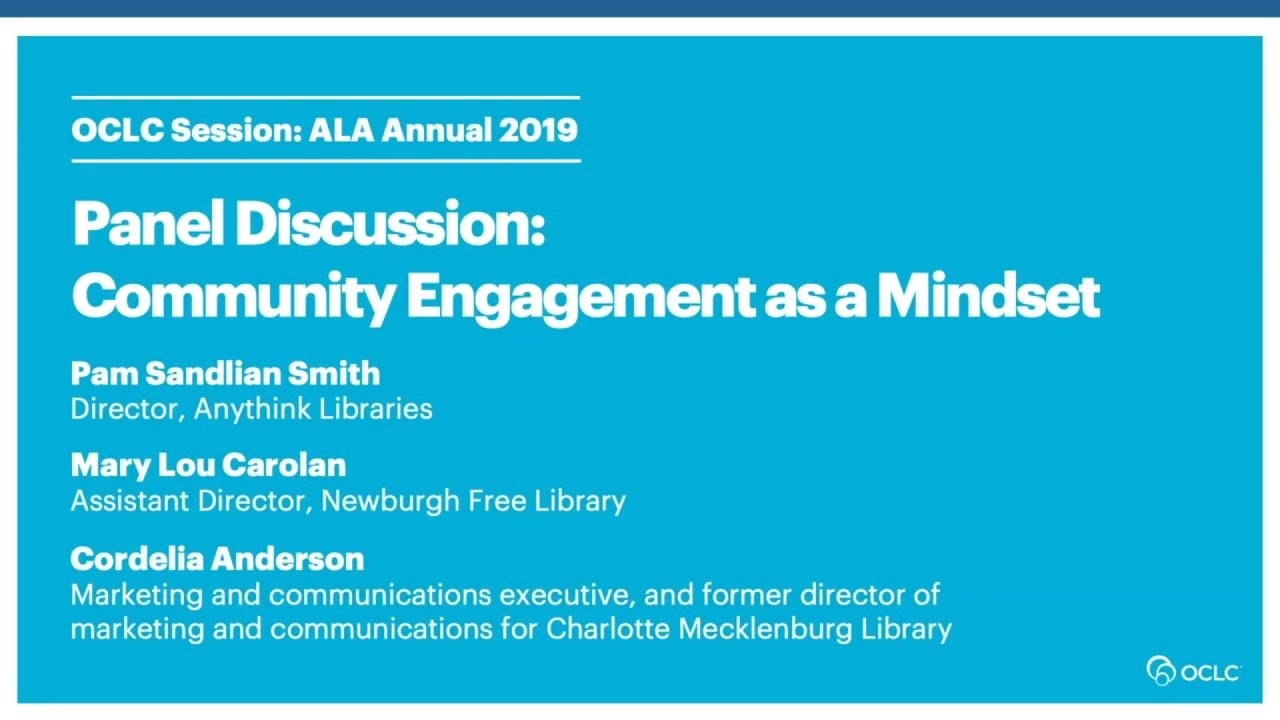


Effective community engagement in planning requires understanding the spectrum of participation levels—from informing to empowering—and designing activities that match project goals, while building relationships through diverse methods like interactive workshops, visual surveys, and ongoing partnerships to create genuine community ownership and trust.
Community Engagement Tools for Participatory Planning
Added:Foundational principles of urban and regional planning, including the typical stages of a municipal planning process.
Arnstein's Ladder of Citizen Participation to understand the different levels of community influence and decision-making power.
Basic stakeholder analysis techniques to identify diverse community groups, interest holders, and marginalized populations.
Fundamental concepts of equity, inclusivity, and accessibility in public administration and civic design.
Advanced digital participatory platforms and E-Democracy tools (e.g., GIS-based public participation, collaborative mapping).
Conflict resolution and consensus-building techniques to manage divergent stakeholder interests and mitigate 'NIMBYism'.
Designing and implementing a Participatory Budgeting (PB) framework within local government structures.
Methods for monitoring and evaluating the effectiveness and inclusivity of community engagement initiatives using qualitative and quantitative metrics.
6.1K views56likes1:28:41Original Release: 2019-01-28
hello everyone and welcome to the webcast my name is Christine Darcy Davis I'm the executive director of the Ohio chapter of APA and chair of the New Urbanism division and I am your webcast moderator happy 2019 everybody this is our first webcast of the year today Friday January 25th we will be hearing the presentation participatory planning improving your community engagement efforts for technical help during today's webcast you can type your questions in the chat box found in the webcast toolbar to the right of your screen or you can call that 1-800 number shown and for your content questions related to the presentation again just type those in the chat box located in the webinar tool bar to the right of your screen and we'll answer those at the end of the presentation during the Q&A and I just asked that if your question is for a particular panelist please indicate the name of that person in your question mm-hmm let's see if we're in Miami or Swango there it is today's webcast in particular is sponsored by the Massachusetts chapter of APA so thanks to the Massachusetts chapter and all of our participating sponsors for making these webcasts possible and free to their members we are getting our sponsors in daily so we'll have a list up on our website and probably by our next webcast so you can see all of our participating chapters and divisions coming up on your screen is a list of our upcoming webcasts you can register for these by visiting our web cast web page Ohio planning org slash planning webcast and I'll give everyone a heads up that the Ohio chapter is currently going through a website update so this our webcast page might be down for a day or two and when you see it again it'll look new fancy and easily readable and better than ever so just keep an eye out for that and to log your cm credits for attending today's webcast just head over to planning org log into your my APA account and then you can search for CM activities either by the title of today's webcast or the event number both of which again can be found on our webcast web page Ohio planning org slash planning webcast and I will say that link will not change when we have our when we switch over to our new website that link will remain the same and this webcast has been approved for 1.5 CM credits for live viewing only we will have some distance education sessions available for 2019 we'll have one and a half law one and a half ethics and hopefully one and a half just you know a regular CM session so we're in the process of getting those all ready for you and we'll let you know via social media and on our web page when those are ready speaking of social media like us on Facebook planning webcast series to receive up-to-date information on our sessions also just like always we are recording today's webcast and it will be available at the conclusion of our session up on our YouTube channel you can just search planning webcasts on YouTube and will pop up along with our over 200 webcasts that are available for your viewing we'll also have a PDF of our session available on our web cast web page again Ohio planning that org slash planning webcast all right I'm done with my housekeeping items so I am going to turn it over now to today's presenters and Allison you are up first so take it away thank you hi everybody as Christine told you we heard talk about participatory planning on we are the Civic space collaborative we're a group of women who work together and separately so we all have regular jobs as well and work to improve public spaces parks greenways basically transforming underused spaces so it's not necessarily a recreational area but we work all with a particular focus on community outreach and engagement like I said we all have regular day job so I work stand-up I am an ACP member and I am the vice president of Massachusetts chapter Michelle oh I'm Michelle moon and I'm an urban planner and I work on Park planning projects in the Boston area parks and greenways maybe Adrian next any change we have you um hi I'm Adrian I'm a planner based in the Boston area my background is working on food systems on local economic development and placemaking in the Boston area and um in Portland Oregon as well in sort of all of my roles I've been very interested in in the ways that we can engage people in a way that builds both trust and social capital thanks for hosting us in this competition and Claudia and Claudia's joining us from home and if her baby hit stop crying we'll let her introduce herself yeah hi so I'm Claudia I am a registered architect in Massachusetts with a degree in urbanism as well so I do a lot of projects that span between architecture community art and what I like to call neighborhood design just urban design in a much more personal way and I also just had a baby so now participation is you know hitting all the generation thank you for hosting us so AJ if we can go to the next slide so we we always like to start with a little bit of what we're doing and every time I see a presentation it's helpful to kind of know where we're going so we've done our little introduction we'll next talk about why we engage the public types of engagement different ways of designing meetings and collecting information and then we'll have some real-world project sample so why do we even do this right a lot of our processes and requirements there's statutory requirement for some type of outreach engagement maybe it's a hearing maybe you know your state's master planning process calls for X number of public meetings agent making or the next slide and as we do that sometimes this is kind of our biggest fear right we plan for this meeting we spend all this time and then we have this empty room so truly engaging the process and something we talk a lot about in our day to day jobs and then on our side projects is how do you really get people involved right it's having a meeting truly public engagement so we focus a lot on what the goal is so sometimes the goal is lots of participation sometimes you just want to pack the room sometimes the goal is reaching out to diverse communities whether that be economically disadvantaged communities non-english speakers immigrants youth seniors increasingly we talk about communities trying to reach that kind of young to middle-aged adult with children and how do you get them to spend a little bit of time and sometimes you're simply reaching out just to adopt a plan or get an ordinance or bylaw path next slide and you know I think those goals are great but sometimes there's a deeper level of other things we might be trying to do I've worked in committees that maybe don't have the best history about reach and engagement and so people are concerned about what's really going on feeling like the public line and what's happening behind the scenes are different so in that community you know we're planning for transparency and Trust right to make sure that residents and stakeholders have a real confidence in their government sometimes it's specifically geared towards equity and inclusion we have a lot of communities that are everyday we have more and more minority majority communities and what that means for local governments who may or may not any experience reaching different groups sometimes you know I think a lot of what we should be doing is looking for educated citizens or an investment citizens right not just people I think we've probably we're all planners we've all been yelled at public meetings and sometimes it's simply they're not angry about what they think they're angry about and sometimes it's the question of figuring out where they're really coming from and what what piece of the puzzle is missing whether it's something the community has done whether it's a perceived something but I find that really getting educated and invested citizens is is invaluable we can hit the next slide some of the goals of our practice when we're working together when we working on our own when we have clients the fun friendly inclusive equitable and building process building partnerships no matter what type of outreach we're doing I always make sure that there's those things right if the P is fun people will come back you want people to feel welcomed and included reaching out across barriers is really important especially as I said we have more and more communities that are majority minority and building those partnerships we'll talk later a bit about why partnerships are so incredibly important okay so I'm going to hand it over to Adrian to talk about the different types of engagement so there are of course many different types of engagement there's ongoing engagement through steering and advisory committees websites and social media campaigns task forces that are project-based and there's periodic engagement through focus groups or stakeholder interviews of workshops events and public hearings as well and in both of these types of engagement relationship building and partnerships are very important strong partnerships are at the center of any kind of engagement and so if you're thinking where would I start we would recommend building that support internally with boards and staff give them some case studies of really strong engagement methods and this type of of ongoing engagement really helps to set the scene so later on when you have a specific project that you have to do engagement on you aren't starting from scratch there's a foundation to the foundation there to start from and partners and things are moving already and to build these relationships we recommend that you really make the effort have a presence go to other meetings that other organizations are holding be a partner for others in their process really listen sometimes as we had mentioned there's things below the surface so taking that time to really understand sort of what the real concerns are underneath is really essential either past or present concerns thirdly follow-up say thank you thanks for coming you know really let them know that they were important that their time is very valuable in this process and forcely follow-through it's essential in building that trust that you do what you said that you were going to do you know if if you promised that you would look into something or or pull some data or or or just get that to somebody on something do that of course and lastly Ria's planners aren't perfect to be honest and humility really goes a long way and in this field we are just often put in a position where you have to be a representative for a whole history of things that perhaps you weren't involved with and just being a honest and authentic is really important and so the purpose of this is is that we want to help you to think through your goals and that will depend on what kind of project you are doing what are the goals and purpose and scope what do you want to hear and who do you want to hear from what information or input do you need and how do you define a very successful process are you informing the public or learning from the public and lastly here's just a few examples of engagement there's of meetings directs or surveys meeting on the side of the project or a project or perhaps events or volunteer days media articles existing meetings at a church or PTA meeting and talking to people where they are for example if it's a transit plan going to a train station for example or if it if it's a food just a food systems plan a farmers market or grocery store and relationships with key stakeholders are very helpful here especially if you are if if you don't know where to go or where to start there's a power and in these partnerships as I explained and I'm going to pass things back to Allison sorry I'll mute myself there for a second okay so we call it meeting design it's not always a meeting oftentimes like Adrienne had said and we'll get into some of these different options is it's not we say meeting just because that's the usual thing sometimes clients get upset when I call them events or parties but those are more fun to go to and it helps people get in the right mindset of what what we're trying to achieve and when you're designing your meeting or event it's really important to go back to those questions of what is it what is it you're looking to do right are you moving from one phase of a project into a new phase and you need to explain what happened are you looking for consensus do you really just want to pass the room and that's fine some clients that's their goal is we want as many people as possible to sign in to this meeting and you plan around that in a certain way if you're looking to bring different people from the community in there are different ways of doing that so from the start you need to be really clear about what your goal is and what's at the end what at the end of your meeting or event you want to have a dream we go to the next slide and to help you know oftentimes on these large projects right so we have a varying level of engagement and outreach and varying capacity you know we're in Massachusetts and a lot of communities have maybe one town planner some communities have nobody no professional staff and it's just the planning board trying to figure this out so sometimes they have a consultant that they can turn to sometimes they don't we I assume most chapters have we have a very active listserv where people can email out and questions and kind of draw crowdsource ideas and help when I'm doing this on my own or with partners or you know I was a municipal planner before joining the consulting world the questions to really ask or what kind of project is that what phase of the project are you in and what do you need from the community and we talked at bed and we'll go into more around oh you can you can go ahead I'd ran this is probably a more interesting slide for people to look at anyway so I were thinking about what we need from the community this I to organization I don't know much about them other than they are an outreach group that I you know I sort it but I use a lot of their graphics because they make it really clear and explaining the different kinds right so kind of if you're looking at the left-hand side of your screen you're informing this is where you know the presenter in the middle is is just getting information out then you're consulting with folks upstart say on that one slide Thanks um so when you're consulting with folks yeah we want your opinion we want to know what you have to say but at the end of the day the presenter the planning board the town or city staff whomever retains the decision-making process involving is the next step collaborative is really much more of a partnership where we're all working together to come up with an idea and there's still a central entity or organization or individual leading the show and then you move all the way over to the right where it's empowering like you guys are deciding this and whether or not the city town organization client agrees with what the group decision is that that's the decision right um a debtor's I found really rare for many many very valid reasons in public projects and community outreach but that's an option that's a lot more common when we're thinking about smaller place making project right if the community group has said you know we're doing a parklet here that empowerment is more common there and more important and makes a lot more sense they are than say if you're doing a master plan or you know rewriting your zoning ordinance as we talked earlier I think it was Adrian mentioned around making sure you up sorry not yet sorry then as you talked about making those promises to community you can see in this graphic and if you go to the link you can find out much bigger it's hard to read on the screen the promise you make at the end of the meeting right you always should leave your meeting event activities if it's an online survey whatever it is you need to let folks know what the next steps are and here's some just good you can tailor it the Senecas good language to make it clear to folks what what happens next right so a lot of times people leave a public meeting well we don't know what's next or they don't know you know I've come into projects where people thought where the community thought that they were being given kind of a collaborative process but then the Planning Board went ahead and decided something different and so sort of these promises help you you know from the beginning being clear about your outcomes and your goal helps you to define and decide how you want to present the information but then your clothing promise also kind of helps make it clear so folks in the meeting if you say at the end okay great thanks we'll keep you informed even if people didn't think that that's what was happening they thought that they were owning it that gives them an opportunity right then and there to ask that question so you're not three weeks three months three years down the line and people are saying wait wait a second what happened here so now we can go to the next slide because I I like this slide too it's a fun graphic that Claudia had actually put together we often I think in life and in work underestimate how long things are going to take and this is a great option it's a great little model she's put together to figure out sort of what what activities might be a good option if you have a certain amount of time right people will only focus for so long and it's Christine said all these slides will be available later so you can go back and look that kind of ranging from a thirty-second to five-minute engagement up to a few hours right if you're doing a design charrette or having people build something for you you're really looking for a much longer commitment than just okay excuse me hey add a sticky note to this map and let me know what you think so this is sort of a good continuum to help people as you're putting an activity together figure out what makes them next slide so when we're designing for diverse participation which personally it's really important to me and I think increasingly as important kind of to the political entities and bodies that are sponsoring these organisms sponsoring these activities events planning processes creating new bylaws there are a lot of things that you don't necessarily think about that really need to be thought of so a lot of communities you know a lot of immigrant communities people with roots in other countries there is no direct equivalent to what the planning process we have here so where it may be pretty common and as planners even I guess we should start with just talking about Joe public your regular community member where it's such a huge we're so used to these public processes and we have a public meeting and this is how the process works and out of public meeting you sign in and then you're assigned in order to talk and it goes pro con whatever the format is for that meeting all the way to hey just come out to the local community center and talk about this playground redesign it's kind of our everyday we're used to doing that so even when we go to the public I mean if you think about I know what my partner's an engineer and when I talk to him he kind of glazes over he has no idea so you have to think about how to explain what we're doing to regular people and then when we're dealing with immigrant communities or people that don't speak English as their native language it's not much further removed you know I knew I do a lot of Spanish translation and and we don't have direct so if I have the word sure at for example there is no real Spanish equivalent that I know of for that word and you kind of have to just explain the process in a different way and there are different cultural norms and preferences for how communities interact with one another and you really need to think about that especially if you're going into a community you're unfamiliar with and that's without partnerships come in really really helpful because the local organizations will know whether it's a religious group or a Boys & Girls Club or the save a part Foundation the neighborhood community group neighborhood watch they all have a lot to add here as you plan for engaging different people you have to think about the translation interpretation this is a great to engage youth right people always say we want more young people that are meaning well a lot of schools have a volunteer component have them come to your meeting and be the translation when it's fun and engaging it kind of works for everybody we can go to the next slide general feedback sharing information public education this is typically what we're used to we do a presentation one person stands in top in the front and talks forever and sometimes meeting just ends how is good to make sure you include time for questions and people don't just sit and listen for as long as they'll participate in activity so don't you know a lot of times not to pick on engineers but it kind of feels like I might be doing that you know the engineer will get up and talk for 25 minutes and then get to the important piece lead with that you don't need the rest of the detail so think about how it fits together in the timeline for folks next slide community ownership is where you really empower you want people a lot of plans get written and sit on the Shelf if you've empowered the community through giving them some amount of ownership through the process they're more engaged and interested in and will kind of hold the community accountable right where they'll say hey we talked about X Y & Z in our master planning process and and what's happened with that you need to think about how long that takes smaller breakout groups are often helpful sometimes if it's a community where you're building trust it might be difficult to do that because people are worried that they're not getting all the information but work with the local community and figure out what what happens a good way to build trust is you have to track and respond to comments and concerns it's tedious um tracking them all I don't find it tedious necessarily to respond although if you get the same person with the same concern 15 times that gets a little tedious but I've literally done reports where I took every every little handout every survey that was given back in a meeting scanned it put it up back so people can find they're made a spreadsheet of every comment throughout the process and shown how it was addressed or not that's to an extreme I try not to do that on every project but sometimes that's just what it needs building ownership is long-term and it does not happen with just one meeting or event not something you can say out text um it's something that you need to keep going back to the next slide consensus can be quite hard um a lot of people and communities get hung up wanting a unanimous decision or choice sometimes that's just not possible sometimes people you know it's sort of that adage if you might not get everything you want but everyone gets something that they want and community sometimes have a really really hard time with that and so there's a process on the next slide that covers kind of how you can get through this process Adrienne thank you um sometimes you know consensus is especially harder if you're doing a public meeting where you don't know who's going to come so sometimes it's better set for a focus group a study group a working group where you know who's coming they can help you to find the topics then you together define a process and ground rules every meeting on maybe not every meeting most meetings I do ice at Brown rules at the beginning just generally you know be kind listen those sort of thing very standard it helps especially in a community if if meetings have gotten a bit raucous maybe so from there you can sort of hold people to that if you get to a point where someone isn't being considerate identifying success and that's where you say we're trying to come to agreement on 50% 75% identifying a number of alternatives some people get very one track and this is the only option beyond that you know helping them think about different options then you go through some sort of decision-making process whether it's conversations dot exercises Maps sometimes it's helpful to have people work on their own so they're not influenced by other people stop and then you agree upon the result and implement can we move to the next slide a lot of times at a meeting or an event you're doing more than one thing right so if we're starting a planning process you have to let people know what the planning process is what the timeline is that's where you're informing but then you might want to get their initial thoughts and feedback on in their community so think about putting an agenda and pieces together if you can accomplish multiple things the next slide these are some of the activities right beyond just a presentation you know we all do the mapping exercises and dots and you know a lot of people try to oh so I want to get away from maps and dots but people really enjoy maps and dots and if you use different colors it's something that people can tangibly see and they get up and move around I often try to provide a variety of options some people are just never going to feel comfortable standing up and speaking to a full group but they might be comfortable if you leave a seat card at theirs at their chair or hand everyone is survey when they come in or have maps up on the wall that they can leave comments sticky notes are always fun the graffiti board some communities really really like you can either do it if you're thinking about a storefront or a particular space you can do that on-site you can also roll out a big roll of butcher paper or something like that and leave markers for people to fill out at a meeting and then hang it up somewhere that's a good way to get kids involved a lot of these activities you know a lot of places like to say oh we'll provide babysitter's for the meeting some meetings you need to do that other meetings as I said people are really trying to engage young adult often parents with children are really hard group to reach just cuz they're all busy and running from swimming to soccer and homework and don't have time at that meeting so you can either to get to that meeting time you can either think about doing your meeting at a different time or location maybe the PTO will let you come in or providing activities for kids right if you have a graffiti board or coloring if the activity is done in a way that kids can participate you'll get some really fun examples to use and call-outs in your plan one of my first projects years ago the sustainability plan and we had a kid involved and his solution for transportation was define everywhere you know and that's a fun way to kind of break the tension in a group or include to really you know people always laugh when I hear that Legos and modeling also help with kids sketching you know and adults like doing all these things too so it's not just about getting kids involved but really giving people a chance to have one and get the information you need as well if you want to go to the next line as you're thinking about the activities you'll do at your event or place um we may have missed it I want to say if you can piggyback on other event so if there's a back-to-school campout or a back-to-school fair go have a table at that if everyone's at the football game Friday night have a table at the football game you know a lot of times it's the weekend and evening hours that are the best times you know set up at the supermarket set up at the Y there are places you know go where people already are and piggyback on existing event usually people will let you have five or ten minutes as you're developing these materials keep it as accessible as possible you know not everything will be translated to every language not everything will be available in Braille or read out loud but if you use clear standard fonts people can read better and understand better a lot of times you see in a presentation people will say actually I'm guilty of it just the other night I said oh you don't need to read all this because we didn't have time to redo the graphic and we should have redone the graphic if you can't see it and it doesn't it's not legible and it's and you're going to tell people to ignore it anyway don't put it on there it's really hard to do but it's worth it colors graphics icons instead of words whenever you can and I know we're not really doing this in this presentation but we want to make it valuable for you guys afterwards as well individuals can also help with language barriers especially if you're not translating everything we could get to the next slide just some examples of visual surveys that we've done sticky notes dots letting people pick from pictures it's much easier for people to visualize things when you've got pictures than if you're just talking about what you know this playground might look like next when you do handouts make them clear make them legible explain things we talk a lot you know we read maps all the time a lot of people don't always so keep it simple a lot of people add you know there's more directional or detail back base map information to add but sometimes it's really just showing a few Street and a naming thing really helps people next this is really a lot of review so I'll kind of run through it pretty quickly being specific about your goal keep it fun right we're going to be spending a lot of time planning and attending and doing the wrap-up from the meeting if it's not fun we're not going to want to be there and the community's definitely not I don't want to be there if the first meeting is not fun interesting engaging they don't feel like it's worthwhile they won't come back for any subsequent meetings a variety of opportunities help people to participate wherever they are make it engage you know I think advertising I guess we haven't really talked much about advertising you know really post it to your communities Facebook page ask your partner organizations to post include it in a water bill or the annual census if you can get the word out as much as possible the next slide don't use jargon acronyms technical terminology you know it's really really hard to not do that because we're taught living in this land all the time but that really helped people understand better if you just talk to them in all technical speaks they're not going to understand eyes will glaze over and they won't come back to your next meeting on next slide please when you get to this space it's possible view your space before the event or meeting thanks beyond the Rose a lot of times you get to a meeting room and it's all in rows sometimes you can move them sometimes it's fixed but if you know that in advance that can help plan your event a lot of people tote easels all around easels are great just using painters tape most walls I have never had a problem with painters tape on a wall to hang up a map consistent consistent material design so if you have a certain set of colors you're using on your meeting invitation or flyer continue using that throughout signs to help people get to the meeting space if it's hard especially when you're moving things around try to leave this space nicer than when you found it it just says good well for the next time when you want to do something a little out of the box so I'm going to change handed over to shall now who's sitting right with me yes hi everyone its Michelle so Alison talked a lot about what can happen at a community meeting and there's ways to think about engaging people beyond the community meeting and these are some items that you probably already thought about or views before Adrian can you do the next slide okay so in-person meetings a lot of us probably have worked with planning teams in order to get ready to prepare for meetings with steering or advisory committees or subcommittees or tasks for us basically these are groups of people who can all help you get ready and provide a valuable input especially with getting to know the community if you don't know them in advance and you can also go to neighborhood activities or others sort of get togethers maybe you host a block party or maybe you crash a block party or maybe you attend someone else's meeting can you do the next slide so that yeah and then sort of run a similar similar theme of other one-off in-person events like having open house is going to workshops hosting different a some activities posted flash mobs visual doing visual preference surveys and piggyback on one you can other people's events when you can Adrian can you do the next slide and also beyond the meeting and think about getting into other people's newsletters sending your own newsletters posting on social media posting it on your website putting it in the newspaper doing online surveys emailing the online surveys doing YouTube videos or Facebook live there's a lot of different ways to get the word out on the Internet these days and it seems to change every day okay and now on to the fun part some example projects Adrian can you do the next slide so I'm going to talk about a bit about the Fairmount Greenway in the city of Boston next slide so the pheromone Greenway is a proposed nine mile walking biking route in the City of Boston through the neighborhoods of Dorchester Matapan and Hyde Park these are primarily neighborhoods of people of color and there is also a lot of low-income neighborhoods as well so we've been working on how do we transform vacant lots into different types of open space for the past ten years and we've engaged over 800 residents through different planning events and different community events bike rides pop events pop-up park space events play Street events bike tours anything so while we're out doing these fun things we also ask people like how do you get from A to B like what would you like to see here how do you bike to school would you bike to school what scares you about biking in the city of Boston so we're collecting information all the time next slide Adrian so with the Fairmount Greenway it's very much a collaborative model and an empowering model as well so we have the Fairmont Greenway task force and we meet monthly this is comprised of ten different nonprofits and we also have other partnering groups that we work with such as da by exhausted cyclists Union livable streets healthy Dorchester Walk Boston on the truss Republic land and so and city agencies the Boston Transportation Department Boston Park Austin Public Health and we invite them all to meetings from time to time to help keep them engaged and the task force meets monthly and they also have their own community groups that they work with whether it's the Neighborhood Association or residents who live in their housing so we're constantly getting feedback and input from a wide variety of different ways Adrienne next slide and when we host events we try to make the Flyers fun and exciting using lots of colorful colorful items and images you know clearly stating the date and time and what is supposed to be happening there and we have had play Street events and then we had what's called a slow roll and to the beach which is a bike party and so we had 80 youth show up and we biked to the water but people that know what a slow roll was or a bike party's on the poster we clearly said what it was and the message reached the teenagers the neighborhood and they showed up next slide and when we have meetings we often sit in circles I was looking through all the photos and we were all always sitting in circles and there are always papers everywhere and dots and colors and markers so we try to keep them engaging I think can only think of a couple meetings that I've had over the past six years that were we've actually sat in rows and those were led by the city and tend to not be very fond but the one we sit in circles it seems to be better and we have we might have a presentation at the beginning but then we have small group discussions where people can write their ideas color on maps draw things writings on papers and then leave us behind and then we always encourage people to reach out to us afterwards maybe they have a great idea week later and then they can tell one of their community leaders who can then tell me the information or maybe they have my email address and could email me directly so we try to keep those meetings fun and keep the conversation open and I work as a consultant with this ten member task force I'm not with the city I can't we're working on city land and state lands and so I don't know what their timeline is going to be so I'm very upfront with residents that say we're going to work with the city to move this forward we don't know what their timeline is but we're going to keep at it and be persistent and we're going to go meet at their office and talk to them because part of working with residents is some continue to go to the city to to meet with them next slide so yeah and sometimes we go outside and we're planting things and one of the best Community Engagement techniques we had was goats where the goats were removing the invasive species and they're the neighbors were coming by in helping to feed all the all the and buying vegetables for them and they really enjoyed them and the residents were very excited about that next slide and we also do a lot of public art we've been painting murals on the street which people really love to do and we'll go through with residents and have them come up with the ideas of what they would like to see work with an artist and do the installation and this is just a really great fun way to get people out in a fun and engaging way and then there will type within a lot of traffic issues in their neighborhoods and flauta how to slow traffic in the neighborhood next slide and then sometimes we go big and you get the mayor in and a nice photo-op once the community garden has been opened or you get in the city's annual addressing presents there okay next slide with the Watertown this is in Watertown which is a suburb of Boston it's about 34,000 people located directly west of Boston next slide so with the Watertown in Watertown I worked on their community wellness baseline study and this was a more traditional planning process where there was a clear scope of work and they hired me to work on you know figuring out how to promote active living and healthy eating in the neighborhood and part of this process I did 22 stakeholder interviews I reviewed the town's zoning ordinances and health documents to see where they don't necessarily align I did some mapping and a presentation to the Town Council and a final report but what the most interesting part of this is we did an online survey one for healthy eating one for active living which got almost 450 responses in each of them we posted it in the newspaper posted it on Facebook sent it out to the Watertown mom's group so we did get a lot of women who did reply to the survey and it was really interesting to see what people responded with of like what are the barriers to eating healthy like planners might be like well we don't have enough stores in our neighborhood or people can't walk to it when it was doing a survey we found out the real barrier is people don't have the time to cook which isn't you're not going to solve that by a mapping exercise but you know engaging residents through the internet through the online survey we were able to find this information and these are people who wouldn't necessarily shown up to a public meeting so this you know help shows you know that there is some consensus about like what are these barriers and what they would like to see next slide so with the online survey and the stakeholder interviews a number of things began to emerge that we saw that people really wanted to have a community farmers market they really wanted to have better bike facilities in the city they wanted classes about healthy eating and time management and then these are things that we want and ideas that we wouldn't have necessarily seen in a public meeting where someone could just pick up the mic so that I think the eyelines survey was really critical to get a lot of ideas and we had items where they could choose from and items were there open-ended questions where they could add in suggestion next slide and claudia stern hi everyone this is Claudia so um so I'm actually not I'm one of I'm the one who's not a planner I'm an architect but I'm really interested in getting people involved and getting people to do participatory design and that is what I want to talk about with 289 Derby Street which is a half acre lot in Salem Massachusetts right basically right in the heart of downtown and next to the South River thank you so um so one of our main concepts with this project because it was a contentious site and this goes back to what I believe Allison was saying about Bill doing meaningful participation for transparency and Trust now there a lot of basically turmoil around the site a lot of people you know weren't sure if we wanted another public park just because the city you know already has a lot and there are maintenance issues as there always are so what we wanted to do was not just do meetings off-site which is what often happens we went ahead and we proposed five design events that happened every Wednesday for five consecutive weeks and you know we had fun names and we tried to make them fun like Michelle was saying we had dance and design meet and greet play and plan eat imagined and the last one which is also really important was the celebration so we just called it celebrate and that was you know to let everyone know participated thank you for participating overall we had hundreds of participants on average about a hundred came each time and what this slide shows is one one thing is advertised so how do you ties yes we did the face book we did newspapers press release all of that but we also made a huge calendar of the design events that you see on the left hand side and you see that you know the events went from May 24th through June 21st and the other thing we did after each event a lot of people you know what weren't able to come so we would actually document the event and then post it like a real Facebook wall in real time and the other way we got people involved is because we weren't on site we had volunteers who would just grab people as they walked by and say hey this is going on and you're invited a lot of times people would just walk by and look and kind of want to come in but didn't know it was for them and some people actually said oh well I'm allowed to come and participate we said you know yes you are so sometimes even when something seems obvious to us it might not be and just taking that extra step to literally invite people in having these public space ambassadors is super important next next slide Thanks so another thing you know that was important for us in addition to the typical ways we might engage is experiential planning so this you could see the lot we have a huge sort of industrial brick building on the north side there and what one thing that had come up through the initial so actually for me we did the events we had also an online survey and the online survey people talked about having a stage there are a lot of performances in general and festivals that happen in Salem so in order to test that theory out we said how about we try to have a stage or a place for performance and that's um that was our first event dance and design this shows the circle the drum circle we created right next to the South River and this was one of four different stages we tried that date this is the drum circle where we had some African Latin dancing we had a Scottish band up front next Derby Street and we had some modern dancing but anyway what was cool about this is by experiencing the different potential site locations people you know kind of said yeah you know by the river is the best place to have a stage because it's away from the street it's less noisy etc but people were literally involved in that process okay I tend to talk too much next next okay so what you had seen before was like I said a potential location for a site for stage I mean and this shows a more traditional meeting just a bunch of people around a table but what makes it more meaningful what makes it more fun is a it's a huge table those are actually about eight tables that we gather together we put butcher paper over all the tables so that people can you know write literally on the table itself as well as the actual activity is we provided and the fact that it's outside you know makes a huge difference a lot of times really sort of deep participation can be scary for the people planning it for the architects the professionals the city officials but the truth is once people are actually on the site and they understand what the budget is you know the final budget for the project was seven hundred fifty thousand dollars and people would say oh wow that's like okay two single-family homes they begin to understand the scope the scale and the possibilities and a lot of the input they provide is very thoughtful and within you know the means of what's feasible on the site at a correct scale and also of the budget as well now the let's see the middle photos show some of the images we had for the whole dot voting that is indeed popular and on the other side of that is actually a chalkboard that says I imagine this lot could be X and it says it both in English and Spanish so that is a way to engage you know around the clock 24/7 as people walk by not just at this particular meeting and the bottom image shows people what they collage and what they wrote and we basically scanned in all of that information and and put it and put it in so next next so this is some of the now this shows our documentation from everything we gathered there are a couple of things that I want to say about this one you see in the middle the actual schematic design of the park and that is in fact what is getting to be built so the interesting thing about this process was that it was truly participatory design there were five different schemes that the landscape architects brought to the table and this is what people ended up choosing so from fire if we actually noted that down to two and when we had two different plans we had a big cookout and it was the event called Eden imagine and we had placemaking placemats so from those placemaking placemats people chose one plan versus the other and this one as you can see we had 88 participants that day and 70 voted for the curvy planet as we call it and then within that we see a lot of different you wanna have a so just showing how there was consensus built in this case which was a wonderful and a good surprise and let's see the other thing I wanted to say about this is that all of this information then went back to the public for them to understand that this is the process we undertook which is really important to provide that feedback and that accountability okay oh and actually one other thing I would say about both of these projects both to 8-9 Zerbe and the public art salon which you can do I had Adrian with public art salon yeah is that the documentation a relatively thorough documentation we had you know an on-site photographer that was a local person document everything both of these pamphlets are available as a how to you know once the webinar is over next so the public art salon was a project that I did as artisan residents in a neighborhood of Boston called Dorchester its biggest neighborhood and it is on the Fairmount Greenway line which Michelle talked about earlier and the public art salon was an endeavor to create a process by which people would be engaged by working on a project together so mainly what we really wanted to do was to make friends by working on a shared project and the same sort of principles apply like I talked about into 8/9 derby we did everything as much as possible outside so on the right-hand photo you see people drawing on this big industrial pipe well what we ended up doing is we put a 50 foot long bench over this pipe and the reason we did that is because people said hey there's a bus station here and there's no bench and you know people people have nowhere to say and so instead of just building you know a five-foot bench or something that was truly until utilitarian we ended up doing this 50 foot bench with murals on it from local artists and we got the whole community involved it was a 15 week process we met every Saturday from 11:00 to 2:00 and that afternoon and it was multi-generational and as you can see that from the map we worked outside on a Plaza that was literally just like a block and have been away from the actual site and one of the things I want to say about this and about what participation really is about is when we were installing the the bench we had people stopping their cars and say to us you know we saw you guys working out there in the plaza and we never stopped but we saw what was happening and now we we see what you're installing so in a way the whole community felt involved just by the fact that what we were doing was visible and open to them and that even that form of participation is valuable even though it is sometimes less tangible next so let's see because I'm almost done here so one of the other things about about what's really important with having consecutive events or meetings that happen in the same place and at the same time is that it really allows people to drop in and to be regulars and so people know that something is happening they don't have to you know they don't have to feel pressure to go just because it's a one-time event they can you know really build it into their schedule almost like you know there's a farmers market happening you know in that in that space that is usually just an empty parking lot but every Wednesday or something it turns into something special so that's kind of what we were trying to do with the public art salon is have a space where people can come gather come eat together you know and come build projects that are useful for the community so finally as we have said many times it's good to have fun here we had the public art salon parade this was actually in April and you can see the snow banks are there so we were trying to have a little bit of fun oh good go to I don't know it was the next one and and these are just some more images of the 50 foot long bench I hadn't mentioned before this was the pilot project it was the first of three different projects that we did over the course of six months again these were weekly sessions where you know so much happened it's really difficult to go into it and just such a short amount of time but we had you can see on the left-hand side we had intergenerational artists working together we had kids learning you know how to use construction tools we had you know just discussions and a lot of sharing and over in the end over 200 people participated in this in some way whether they you know drew a little photo a little image of a symbol or you know or just came and talked so so there was a lot of friend making and I will say that I've just been contacted by the neighborhood and we're gonna go back this spring this was already three or no this was four years ago already and so now we're actually gonna go back and maintain and I will leave just with the thought that even maintenance which sometimes is like you know the idea of it is the worst thing ever but maintenance itself is an opportunity to re-engage and to have another fun participatory event so I believe with that thought thank you let me have a quick conclusion I guess it's back to me um Allison and really thinking about building partnerships from the start a lot of times as municipal a lot of us are municipal planners and you you're coming from that municipal background of the city the town how does this all fit together and you're not necessarily you know able you know like Michelle was saying she has a lot of freedom when she she doesn't work for the city so she has a lot of freedom and ability to reach the community in a different way then cities can and building those partnerships even when you are staff for the community is really helpful because that enables people to have a wider net right they can respond in different ways you can get a different ear on the community no not at all trying to say that municipal don't know what's going on in the community because you do right I knew well when I was a missile planner I knew an awful lot about what was happening in my town I didn't know everything and I think Adrian mentioned being humble that's where recognizing that there's a lot of different pieces a lot going on no one person can really know everything and these partnerships helped to kind of create an environment where we have a shared information that you know you can kind of get ahead of things maybe before they blow up and before the angry people show up at your Planning Board hearing thinking about meaningful engagement really helps to build those partnerships it gets folks involved regularly they feel they leave a meeting or event feeling like they've contributed something at the end every at the end of the day everyone wants to feel part of their community and meaningful engagement helps them do that in a way that just you kind of your normal standard public hearing does not again building partnerships and this meaningful engagement helps you identify community issues maybe there's a topic in the master plan that needs to be addressed that there's a little different than what might happen in your neighboring community and you might not have come up with and last someone mentioned it at a meeting reaching consensus is really really hard but at the end of the day is really important and helps people figure out where their space is and what what part they have in this and where they want to go again you know the reality is you're never going to have a planning process for every single person agrees with every single point in the plan but in general people need to be saying oh yeah you know most of this is really good and maybe I would have written this piece differently or I have a different recommendation but if the community has come together to provide consensus that's often a way to help the naysayers say well look you know we had four hundred people at this meeting or these events or 700 people responded to this survey and a lot of them were seeing that and when your elected officials elected appointed officials need to make what are sometimes tough decisions having that Bank of information it's really helpful when the end of the day you're just making a decision all of these tools you talked about will help you build public ownership get approval engage the community have people show up at your meetings all the things that we as planners and architects like to do so we can hit the next slide we have questions you can use a comment box and I think Christine said they all go to her and then she will feel jumpa we will advance the next slide and turn everything back to Christian wonderful thank you and so everyone you can see on your screen is the contact information for all of our speakers if we don't get to your question or you feel like your question wasn't completely answered just feel free to reach out to them and they can help you out more there are a couple of housekeeping questions so I'll repeat my spiel real quickly again before we get into these media questions we are recording this webcast it will be available on our YouTube channel to search playing webcast on YouTube and we'll have a PDF of this presentation available at the conclusion of our session and that will be located on our web cast web page Ohio planning org slash planning web cast okay so let's get into some questions here first one what kind of liability insurance do you have to have for holding public meetings anyone want to take that one I don't know I can figure this out okay I've never been involved in separate insurance I think everything has been under the cities or towns with my client general liability insurance yeah I've had to deal with insurance quite a bit with paintings and murals on the art on the asphalt and getting insurance for other sorts of installations as well since we're a task force were not a non-profit we don't have our insurance we do have our own physical sponsor so we have to find a non-profit to take out insurance for the day for advanced insurance or monthly a month-long policy as a day long insurance policy will have a rider that's added to someone a nonprofits insurance policy to cover you it's like two hundred dollars not a lot of money but it is a real pain to find that group who can do that and we've had other things that happen in public parks and then we get the money to do this from the city and then they're like oh and then you need insurance and a lot of cities are still trying to figure out what you actually need for insurance but it's really tough when you're doing something fun for the community and then the community group needs to find the insurance to do it and then we and then sometimes there isn't the money or the entity to do that and when we do bike rides we just go we don't tell anyone we don't ask for permission we don't get any insurance and that's just the choice we've made and I would say that just partnering with different nonprofits a lot of times Main Street is the entity that had entrance or other nonprofits will have an insurance and just say okay we'll just cover you under under this but either that or just like Michelle said we also just go for it and and just don't bring it up okay thank you um there are many questions I'm kind of skipping around a little bit right now um many people need to know what is a post-it flashmob other than awesome there are so many questions about this they need to know okay yeah no it's a lot of fun do you want you've done them doing a picture of them in here there was a picture there was it uh so we had a picture we can if you email us you can get you a picture basically it's often used I use it mostly when thinking about vacant storefronts sometime I mean you don't get permission from the owner if you can some nonprofit I know have just done it without anything and basically it's where you show up with as many people as you can or as the day goes by you table outside of a vacant storefront and cover it in post-it notes as people say oh this could be a donut shop I'd like a coffee shop I really like you know Massachusetts has recently legalized recreational marijuana so we've been getting a lot of comments around people really wanting recreational marijuana shops in vacant storefronts or maybe I'd like to live above here or we need an artist space and so just all of these ideas end up kind of covering the space I hope that does sound like fun Thank You Claudia could you please repeat the names of the design session the names on the poster were hidden by a person in the shop this session tonight yes we're so we did dance and design meet and greet playing plan you didn't imagine and and the last ones just celebrate thank you okay next question this is a good one do you have any suggestions for ways to engage the public on a complex technical issue such as the pending expansion of a landfill and ways to manage sure we'll think about our own difficulty about it um I mean eyes on landfill capping or expanding capping or thinking about how to potentially reuse a landfill once it's been capped about kind of solar panels and for whatever reason the community was displeased with solar panel um and it it's hard you have to be patient you have to explain over and over and over again it sounds pejorative but I don't at all mean it pejorative but think about explaining so I have young nieces and nephews when I'm trying to explain something really technical to the community I try to explain honestly sometimes I call my niece and say hey does this make any sense to you she's now ten and a half so she's not as excited about doing that anymore but it's helpful to just talk to people that are not in the world so whether it's your spouse your partner your child your mother your father your brother talking to people who are not in the planning world about technical issues really helps me frame technical issues in a way that the community can understand thinking about what is the important information what's not you know what's really important to ask those planners and engineers it's not always what's really important to the community members will be thinking about it planning for lots of chances for people to talk about it the way Claudia did is it Derby Street where you did the recap of the previous meeting that's really really helpful and just being patient and putting the real effort in helps people even if at the end of the day you make a decision or the landowner makes a decision that is not the most popular if people understand how you get there it's often easier for them to accept and if you see if they if they leave the interaction feeling like this the decision has already made and no one cares what we said they're gonna fight it the whole way they may still fight it the whole way but at least if they leave the process feeling like they've been listened to and heard that is like almost half the battle I find something oh these things may seem like really super complicated but I think people can really understand them pretty easily like we were talking about air pollution in Dorchester and we're collecting air quality data and talking about air pollution and they got it right away like oh maybe you know putting an urban agriculture site next to this really busy road isn't a really good idea what could happen with the vegetables so these are really good questions and this is like really complex science thinking about these things but these were just people who were community organizers residents in the neighborhood and they got it and I think sometimes having those more informal conversations whether it's over coffee or before after a meeting and a you know not speaking at and presenting to people sort of way can really help them understand because most people can get these issues um I would also say you know try to go to the site as much as possible or as close as you can get in the case of a landfill and so being on site it's just amazing how it really stimulates people's mind you know as far as what questions they want to ask but what information they really need to know and I would also say you know do postcards as a great way to just do you know three important bits of information about this complex project and then on the back you could say you know what are three questions you have about it and just and then having multiple meetings rather than trying to get all of the information to people in one meeting having just multiple sessions with bits of information is a really good way to to really integrate the information you're trying to to distribute okay thank you next question how about any experience using those instant polling apps do you have any recommendations for platforms or titles yeah I will think about them way back I mean not way back and like eight eight or nine years ago we used boys forget it's a clicker service that we had to provide the clicker and if you're flying with them TSA really doesn't like the clickers we plan for extra time to get through security but I've used and I can if someone this is Allison if someone emails I can send some names I'm I'm honestly as frightened I'm blanking on the names we've used more recently we've switched to key instead of keypad polling using services on your phone some of them I believe at least in the past have been free I have not used them in the last couple years but maybe three or four years ago I did where people can text message their answers it's a lot of fun practice it ahead but when people see the answers coming in on the screen it's a lot of fun and I and it's helpful people can respond without people can respond without being influenced by what other people think we always I've always done a few kind of funny sample questions at the beginning to let people to let people try it out and make sure it's going to work and have them experiment with it but you know it's been fun it's not I feel like I'm using it slightly less than I used to probably because oh I think it was turning point I think the clickers maybe were turning point clickers which I haven't used in eons but I think any other services I haven't had a bad experience with any if I'd had a bad experience I would remember the name and I have not there are new mapping services like Corbin eise's one bang the table is another that do web engagement that are somewhat similar but are not in the meeting where people can go online and see Matt real-life mapping if you look up I did not I did not work on imagine Boston 2030 but I know they used Corbin eyes this platform and you can there are a lot of good examples in their report or their plans showing kind of what the maps look like and how people engage online that way okey-dokey thank you next question for Claudia how do you monitor the images that people painted on the bench this the person asking the question had an artist who painted images that residents found objectionable but he considered any request to negotiate as censorship and a violation of his right to express himself any comments on that yeah lots but I'll just say so the mural artist that we got she was part of the community first of all and we discussed from the beginning that it was going to be a collaborative process so in the case of the mural we did she came up with the framework which was a long basically Dragon image from Mexico and within that image then people in the neighborhood could could put in their own symbol and we had certain rules from the beginning in our case one of the rules was no text we just wanted images so but you know you could set up any rules and at all now I guess if it sounds like with this person they had an artist who he or she wanted to do their own images and I would say that involving the artist in the process where you know they're there meeting people from kids to teens to adults to seniors in the neighborhood and they're you know communing with them and talking with them and sharing their thoughts you know then to me it seems like it's gonna be a lot less likely that they would then choose imagery that is offensive to people they've been meeting with and talking with I hope that helps great thank you there are a couple of questions from folks wanting to know what do we do when we live in less urban areas or there aren't already established citizen groups do you have any tips or ideas for getting people together that you know when there hasn't been something established already or people live you know far apart from each other what do we do so this is Michelle I've worked in some smaller communities across Massachusetts and and I grew up in a small place a small town in Minnesota of 13,000 people and there's always some sort of group around you just kind of have to get creative who it might be it might be the lines on the rotary the liège and maybe there's you know a group of people who just hang out and have coffee as a gas station in their town of 500 people there's always some sort or maybe there's a church or a daycare or a school there's always some sort of group of people and that's always a good place to start is going to those groups and asking how to connect with them and get them involved and how to do outreach to help reach more people and ask them like what's the best method do you think like email phone calls you know having something at the farmers market or even setting up a table at the farmers market there's or setting something up at church there's always something going on unless it's like really really rural and like people are three miles apart and as you know you're in the farmlands but I'm sure there's some sort of group there that exists that you just might not know about my first master plan ever was in a very rural I don't see necessarily farms but a town of 5,000 people in England actually and it was very rural houses were very very far apart there was a town centre we held meetings in conjunction with other meetings that were already happening so the Town Council was meeting this did have a chartered market on once a month or every other week that we were able to attend we met people at the Pub we met people there was a youth center we went to school and we also did in-house meetings where people would invite so members of the Planning Committee would invite five of their friends and we held the meeting over dinner at their house and we did a lot of that and we were able to reach quite a good number of people and we've had just lemonade stands on the street and talked to people walking by maybe there's a place where people like to walk their dogs and you could set up a lemonade stand and talk to people yeah community gardens are also a good option people go places wherever they live they go places and you need to find that I've also more recently used online in rural communities so there's I honestly forgot how big the community with a very small community out in Central Western Massachusetts that was using they had a network it was neighborhood your neighborhood that's like basically a local social media platforms like we had to get invited to it but that was a good way to reach out to people as well thank you okay so we all have this one person that we know we can probably all go Oh so-and-so he is always the rogue attendee he's always or she is always the one that is ruffling feathers and adding adding juice to the flame always causing issues how do you deal with that one person that just attends all of your community meetings and just walks in with their glass half-empty just ready to throw the punches what do you do with that person Joe and I are sitting here laughing and saying we've never had this written that I've never had vigor oh yeah every single meeting has one if you're lucky there's only one we have I use a number of different strategies and partnerships with projects that I've worked with Michele and others on we've used some different strategies small breakout groups help those are the meetings if I know that person or those people are coming I devote five minutes at the beginning it like words that I don't always talk very quickly about my ground rules sometimes I do if I know that person is going to be there or those people or that group I make sure but the presentation begins with everybody agreeing together to these rules which include not letting you know you you don't speak again until war till other people speak you you know you speak about what we're here to speak about we're not talking about other things be respectful all of that you know pretty common stuff that the feather ruffler don't like to do I have a meeting said servant or ma'am remember we all agreed to this another strategy so small groups help to kind of diffuse that if you've got a group of people that cause trouble I assign people to group when they come in I've done that at larger meetings where you help kind of break groups up because sometimes people feel like there's safety in numbers and if they're sitting with therefore heckling friends they might be allowed heckler and if they're now at four separate tables in all different quarters of the room you know sometimes you can do that sometimes you can't having extra staff in the room whether it's city staff town staff remember the pointing board oh you see you know Oh sir you there's an awful lot we want to get through you have a lot to say go talk to so-and-so in the back and we'll write down all of your comments that would help too and you're always going to have someone or a few people who will talk a lot and some people who'll be very quiet and that's what I think it's so important to have a variety of methods to collect the same information at a meeting and to make because some people don't want to talk and you want to make sure that they can like write down or sketch their ideas or talk to you one-on-one afterwards and then that way even if there is someone who does dominate and you can't get them to be quiet at least the other folks there can participate because you want to make sure that you hear from them maybe solo I don't have to be really good about using your instincts and reading the room think it if there's one person that is really dominating I think it it's occasionally possible that they are speaking on behalf of a certain group or or that they're people that agree and that person is is the brave person that is speaking out all right so I think it's it's important that you read the room and just figure out is our people feeling uncomfortable or is this the mature is is what this person is speaking out against is is that is that the vibe and are people agreeing so that's a very important distinction and I think we just have to be careful with them pegging this sort of outspoken person as as being difficult yeah this is a really good player and the last thing I would just add a guy be not enough other people happening so it doesn't have to be the last thing but sometimes other members of the community have done a really good job helping to police the like Adrian said helping to figure out whether that person is airing a real grievance or is just they are to be difficult and and it's very and sometimes that's true sometimes that's not sometimes it's been often times it's in the middle but I've had even before I or someone else on my team has had to say something I've had other members of community turnaround fish that's again thing that happened do this and then actually helpful to you know thanks okay so what defines a successful community engagement event is it a percentage of people that you invited you know when we do like online polls or surveys at least in my neck of the woods if you get fifteen percent response rate that is a successful survey so so really what defines it do you feel like you need a certain number of people or a certain percentage of people to really get a good cross-section of information or is it really just the content that comes out of it and the energy or both I would say both it depends I mean at the beginning of the process you should be figuring out what your goals are and that's that's how you define your success if the goal is to get a hundred people at the meeting and you got 150 people there excellent if your goal was to get a hundred people and 50 showed up that's not bad you didn't fail um but it might help you to think about how better you know you have to be realistic about your goal and when you're clear about them that that's to me how you define success and I try to be positive I've never had a completely failed meeting sometimes what I didn't you know sometimes meetings that I expected to be a lot of people ended up to not be a lot of people and then those are the most effective meetings so I think you know we mentioned in the last question about the person that shows up with the glass half-full I feel like we as planners and people doing coming out reach are often really hard on ourselves and so being realistic if it's 15% then that's great and congratulate yourself and next time shoot for 17 but you know being positive and looking for looking for the good outcome you know just because you've said the goal of 100 people doesn't mean the meetings a failure if you don't get that many say that you know you definitely have to focus at who's in the room and not be obsessed with know who isn't there and there's quality engagement and deep engagement even of a few people sometimes you get more of that depth but there are fewer people so not to be dismayed and just to focus on quantity I think is incredibly important yeah most of my meetings are between 10 to 20 people to do a park planning project and you know beforehand we know we want a community garden or we want a path or we want a natural playground because we've talked with residents these are ideas that have come up year after year and already the community sort of like had some consensus before we get to the meet and when we get there we come up you know even with 15 people we come up with some other additions of putting in benches and picnic tables and these aren't really these are things people generally want and I don't think we would get better answers if we had 100 people and you know since people when we do the design work then people can look at it and review and say if we missed anything or if anything needs to be moved around so throughout their whole entire process maybe we've gauge engage 50 to 100 people even though the first meeting might be small and you know and another reason to do things out in public space where other people can see them happening is that then they unwittingly become participants right and they see that oh some civic action is happening over there even if there are only like 15 people in that park space and then maybe when they see a changing you know they know that there was a process that happened okay you guys it is 2:30 we still have so many good questions so I apologize to those folks that we didn't get to but this conversation has been really really great and the questions just kind of keep pouring in so obviously it's an important topic that we need to keep on the front burner this year and hopefully perhaps we can even get a follow-up conversation going so thanks to you - Adrienne Ellison Claudia Michelle thank you all for joining us and thank you to the Massachusetts chapter for hosting today's webcast and one more time we will have a recording of this available on our YouTube channel shortly just search planning webcast on YouTube and we'll have a PDF copy available on our web cast web page Ohio planning org slash planning webcast and again if we didn't get to your questions feel free to reach out to our speakers directly and they can help you out and thanks everyone for joining us and if you have a great topic that you want to talk about or if there's something that you just really want to learn more about and you haven't seen it come across our webcast series feel free to reach out to me my info is on our web cast web page and you can either suggest a topic or if you want to speak you know let me know and we can work that out for you as we're putting together our 2019 schedule so thanks everyone and we will talk next time thanks everyone bye thank you indeed
Up Next

4:51
Enquiry by Design: Methods and Community Engagement in Placemaking
@kingsfdn
643 views•2012-09-11

12:54
Triumph of Orthodoxy Icon: Byzantine Art & History Explained
@BenCallan
2.1K views•2024-08-06

9:49
FastAPI vs Flask vs Django: Choosing the Right Python Web Framework
@TechWithTim
302.5K views•2024-05-26

1:42
Game of Thrones Opening Credits: A Cinematic Analysis
@gameofthrones
46.3M views•2011-04-18
Related Study Plans & Knowledge Roadmaps
Structured learning paths in General & Interdisciplinary Studies
general-studies
Elevator Engineering: History, Physics & Cities
01From Hoists to Safety Brakes: The Dawn of Vertical Lift
02Hydraulic vs. Traction: The Engineering Physics of Elevators
03Modern Speed, Safety, and Algorithms
+ 2 more learning modules
12h5 modules
Explore Roadmap
general-studies
Rubber: Material Science, History & Geopolitics
01Origins of Natural Rubber & Mesoamerican History
02The Chemistry of Natural Rubber & Vulcanization
03The Geopolitics of the Rubber Boom & Colonization
+ 2 more learning modules
12h5 modules
Explore Roadmap
general-studies
Containerization: Evolution, Logistics & Trade
01Ancient Trade & Bulk Cargo: Amphorae to Barrels
02The Industrial Revolution & Cardboard Packaging
03The Containerization Revolution: Malcom McLean
+ 2 more learning modules
12h5 modules
Explore Roadmap
general-studies
Textile Tech: Evolution, Labor & Global Impact
01Pre-Industrial Textiles: Handloom & Cottage Industry
02Mechanization: The Spinning Jenny to the Power Loom
03The Factory System & Global Labor Transformation
+ 2 more learning modules
10h5 modules
Explore Roadmap